The best gravel rides around Bouzy-La-Forêt
3.6
(18)
35
riders
3
rides
Gravel biking around Bouzy-La-Forêt offers an extensive network of routes through the expansive Forêt d'Orléans, characterized by dense ancient oak and pine trees. The region features relatively flat terrain, making it accessible for various fitness levels, and is interspersed with numerous ponds and lakes. Proximity to the Loire River and the Canal d'Orléans provides additional scenic waterways for exploration.
Best gravel bike trails around Bouzy-La-Forêt
- The most popular gravel bike trail is Entrance to the Briare canal bridge – Briare…
Last updated: July 2, 2026
3.8
(16)
25
riders
Moderate gravel ride. Good fitness required. Mostly paved surfaces. Suitable for all skill levels.
3
riders
Easy gravel ride. Great for any fitness level. Mostly paved surfaces. Suitable for all skill levels.

Sign up for free
4.0
(1)
3
riders
Moderate gravel ride. Good fitness required. Mostly paved surfaces. Suitable for all skill levels.
3.0
(1)
2
riders
Moderate gravel ride. Good fitness required. Mostly paved surfaces. Suitable for all skill levels.
2
riders
Moderate gravel ride. Good fitness required. Mostly paved surfaces. Suitable for all skill levels.
Our route recommendations are based on thousands of hikes, rides, and runs completed by other people on komoot.
Start today with a free account
Your next adventure awaits.
Login or Signup

Tips from the Community

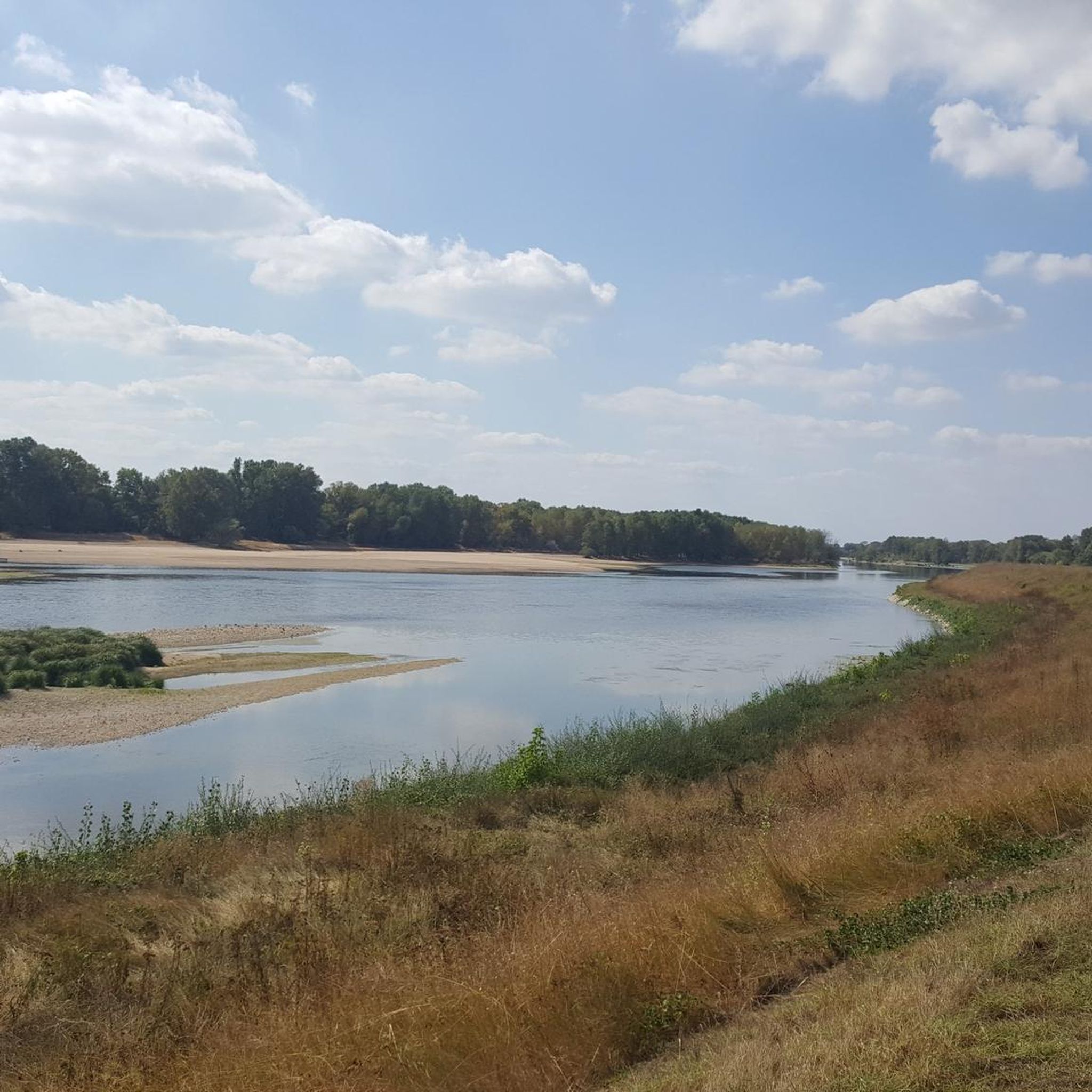
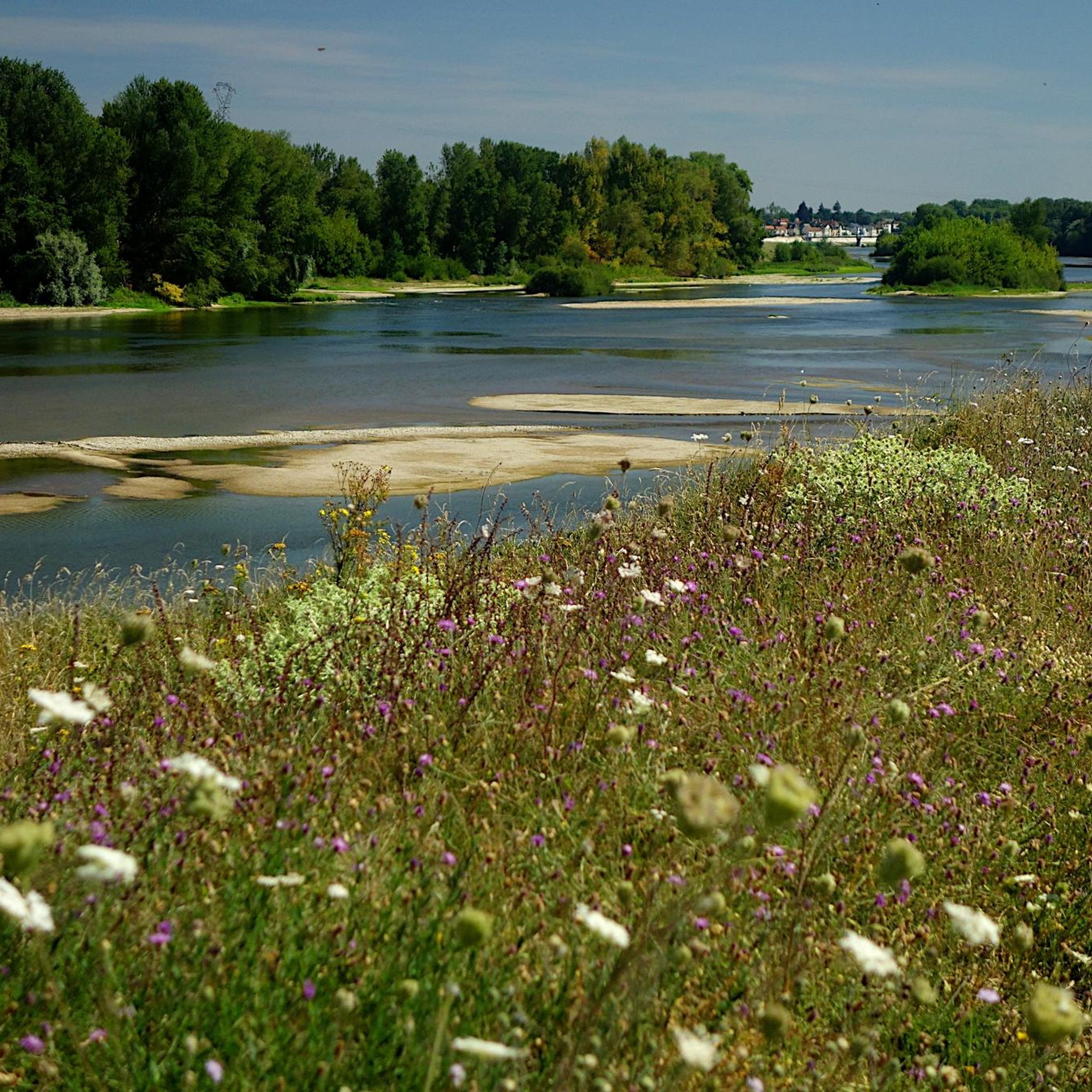
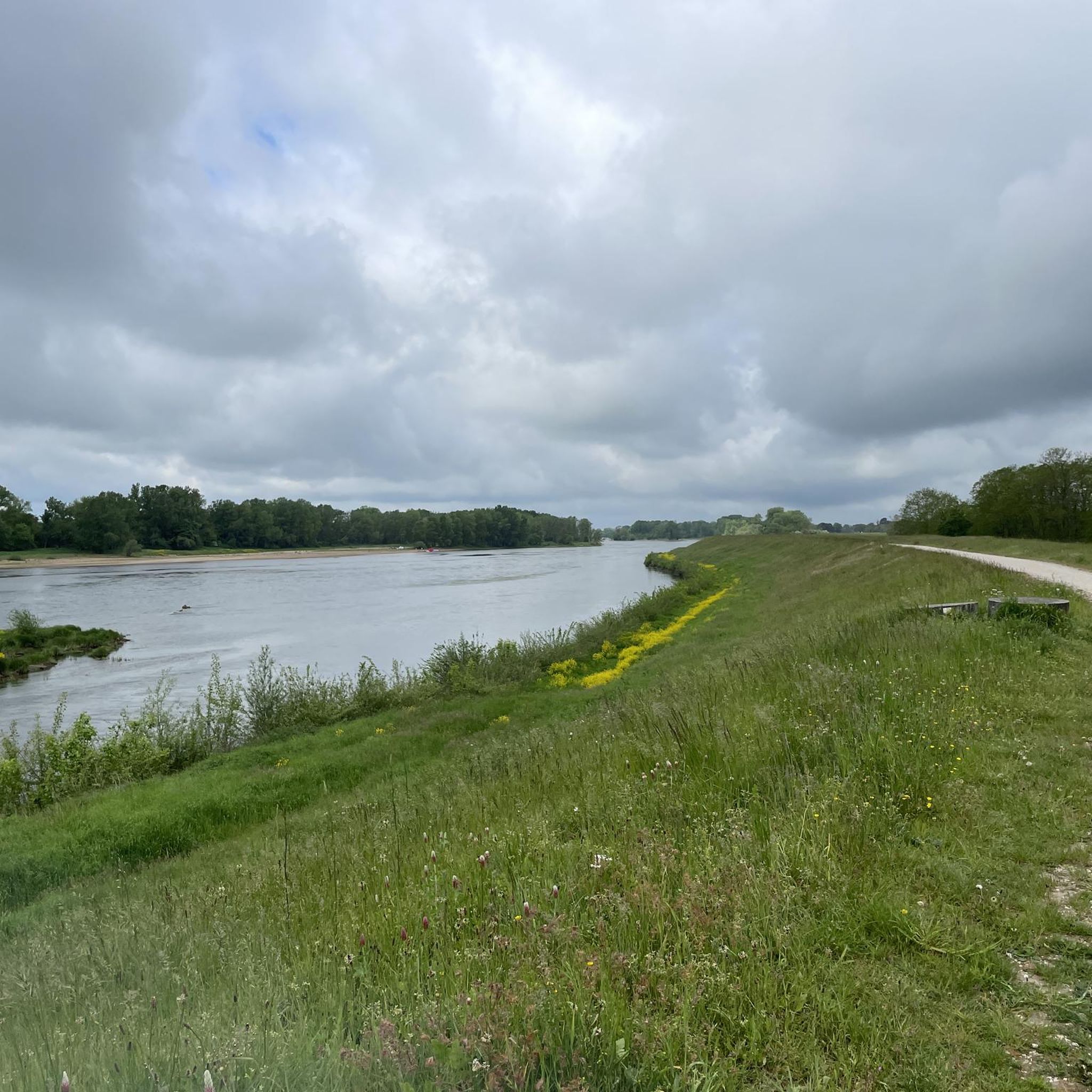
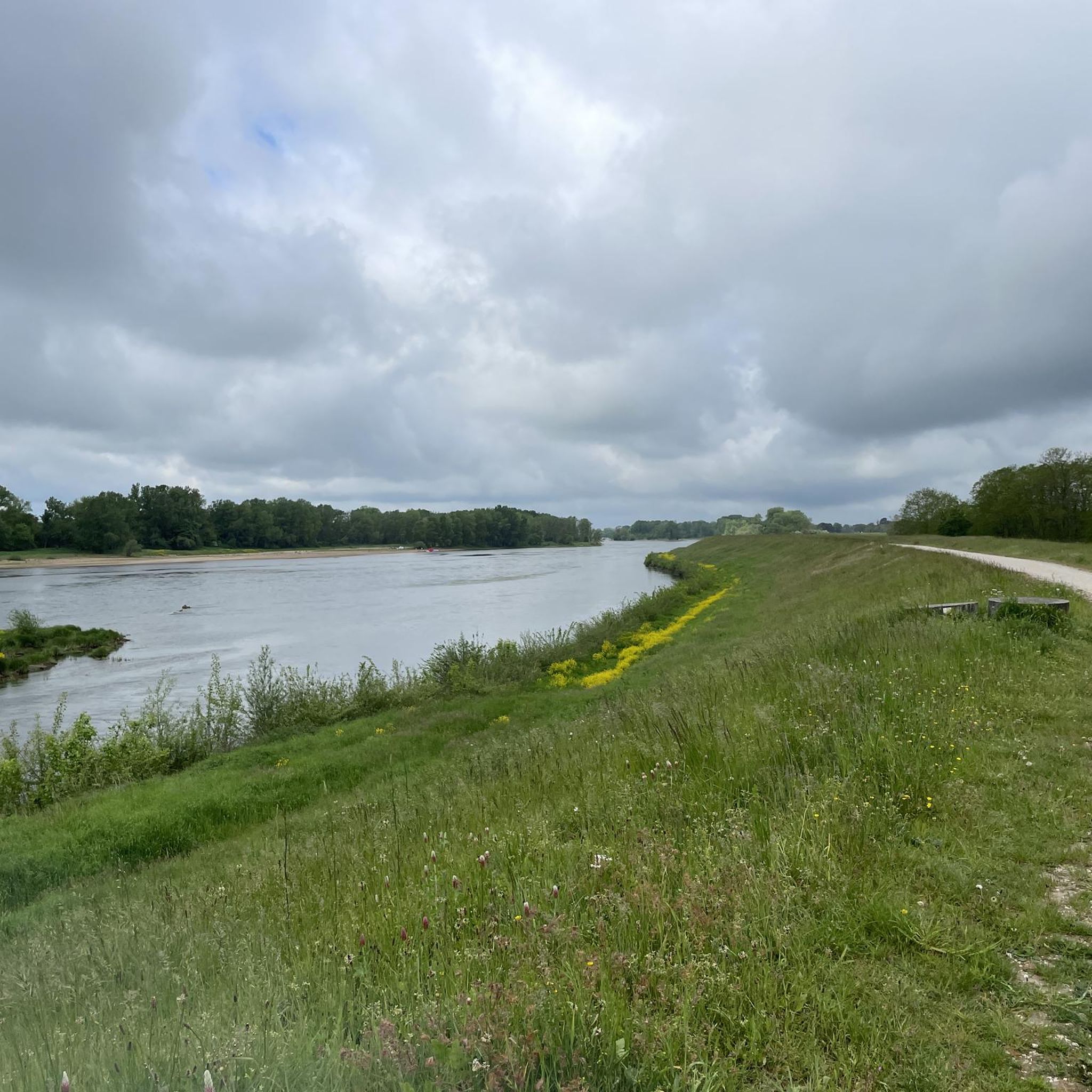
Beautiful trail on the Levée, which offers a superb view of the Loire.
0
0

A beautiful place created by a local association. Breaks are possible with benches and shade.
1
0

the temple of love
0
0

Cycling / motorbiked themed cafe / small museum based on Helyett manufacturer. Sells local brewed beer in Helyett and ice cream as well
0
0

A small, very lovingly maintained church with the usual memorial plaques in honor of those who died in the numerous French wars. Away from any tourist routes.
0
0

Nestled in a meander of the Loire, the town of Saint-Benoît-sur-Loire is home to one of the most beautiful jewels of Romanesque architecture: an 11th and 12th century basilica including the porch tower, decorated with twelve historic capitals. , the monumental portal and the nave constitute the most remarkable elements. Founded around 650 on the grounds of an ancient Gallo-Roman villa, Fleury Abbey has housed the relics of Saint Benedict, founder of Western monasticism and patron saint of Europe, since 672. During the 8th century, the patronage of the Prince of the Apostles was abandoned for that of Saint Benedict. This event is at the origin of the rapid expansion, prosperity and influence of the abbey which became Saint-Benoît de Fleury, while the village later became that of Saint-Benoît-sur-Loire. In the 9th century, after the ordeal of the Norman invasions which pillaged and destroyed the monastery, Fleury Abbey flourished again. The 10th and 11th centuries were the great era of Fleury's spiritual, intellectual and artistic influence. The construction of Fleury was probably completed in 1218. A few centuries later, the Hundred Years' War and the Wars of Religion ruined the monastery and disrupted regular life, the community's numbers collapsed. The French Revolution will end up dispersing the community of Fleury Abbey. But in 1944, a community of around forty monks resettled in the area and undertook the reconstruction of the monastery. A community of thirty-three monks lives there today under the direction of Father Abbot Etienne Ricaud. In 1947, the fourteenth centenary of the death of Saint Benedict led the abbey to be elevated to the status of a basilica. The visitor is invited to admire the fabulous historic capitals present in the porch tower, the nave and the choir; the magnificent paving which extends around the altar as well as the crypt where the relics of the patron saint rest. Not to be missed is the north portal and its monumental lintel carved in high relief.
1
0

We already find traces of a monastery in Fleury in the year 620. In 660, relics of Saint-Benoît were brought there and the abbey became Saint-Benoît de Fleury. Around the year 1000, the abbey experienced a golden age and the construction of the current basilica was launched. It will be consecrated in 1218. From the 16th to the 18th century, wars and the Revolution damaged the monastery. However, a community of 24 monks still lives there today.
0
0
Frequently Asked Questions
What kind of terrain can I expect on gravel bike trails around Bouzy-La-Forêt?
The region is known for its relatively flat terrain, making it accessible for various fitness levels. You'll primarily ride through the extensive network of wide bridle paths within the Forêt d'Orléans, encountering dense ancient oak and pine trees, clearings, and numerous ponds and lakes. Routes also often follow the banks of the Loire River and the Canal d'Orléans.
Are there gravel routes suitable for beginners or those looking for an easy ride?
Yes, Bouzy-La-Forêt offers routes for various ability levels. For an easier option, consider the Sully-sur-Loire Castle – Sully-sur-Loire Railway Bridge loop from Les Seigneurs, which is an easy 19.1 km (11.9 miles) trail.
What are some notable natural features or landmarks I might see while gravel biking here?
You'll be cycling through the vast Forêt d'Orléans, France's largest state-owned forest, characterized by ancient trees and numerous water bodies. The area truly 'marries the forest and water,' with many pools, large ponds, and the proximity to the Loire River and various canals. You might also encounter historical sites like the Sully-sur-Loire Castle or the Basilica of Saint Benedict at Fleury.
Are there any long-distance gravel routes for experienced riders?
Absolutely. For a challenging long-distance adventure, the Entrance to the Briare canal bridge – Briare Canal Bridge loop from Sully-sur-Loire covers 170.5 km (106.0 miles) and explores the extensive canal network and surrounding forest. Another demanding option is the Sully-sur-Loire Castle – Sully-sur-Loire Castle loop from Châteauneuf-sur-Loire, a 102.8 km (63.9 miles) trail through the Forêt d'Orléans.
What is the best time of year to go gravel biking in Bouzy-La-Forêt?
Spring and autumn are particularly pleasant for cycling, offering beautiful foliage and comfortable temperatures. However, the extensive network of trails within the Forêt d'Orléans also makes summer and even mild winter conditions viable for exploration.
Can I find routes that offer views of the Loire River?
Yes, several routes incorporate views of the Loire River. The Sully-sur-Loire Railway Bridge – Châteauneuf-sur-Loire Bridge loop from Sully-sur-Loire is a moderate 45.1 km (28.0 miles) path that specifically offers views of the Loire River and its bridges, traversing varied terrain.
Are there any castles or historical sites accessible by bike?
Yes, the region is rich in history. You can cycle past impressive landmarks such as the Sully-sur-Loire Castle and the Châteauneuf-sur-Loire Castle. The Grignon Locks and the Lockkeeper's House along the canal also offer a glimpse into local heritage.
What do other gravel bikers say about the trails in Bouzy-La-Forêt?
The routes in Bouzy-La-Forêt are highly rated by the komoot community, with an average score of 4.0 stars from over 20 reviews. Many praise the diverse terrain, the quiet woodlands of the Forêt d'Orléans, and the scenic canal and river sections.
Are there any specific viewpoints along the gravel routes?
While not directly on every gravel route, the Belvédère des Caillettes, a 24-meter high wooden platform within the Forêt d'Orléans, provides panoramic views of the forest and is accessible, offering a great stop for cyclists.
How many gravel bike trails are available in the Bouzy-La-Forêt area?
There are several gravel bike trails documented in the Bouzy-La-Forêt area, offering a good variety of options for different distances and difficulty levels. The komoot community has explored over 7 routes here.
Is the area suitable for family-friendly gravel biking?
Yes, the generally flat topography and extensive network of wide bridle paths within the Forêt d'Orléans make it suitable for family outings. Look for shorter, easier routes that avoid significant elevation changes for a more relaxed experience with children.
Where can I find information about parking for gravel bike trails in Bouzy-La-Forêt?
Parking is generally available at various entry points to the Forêt d'Orléans and near popular starting points for routes, such as in towns like Sully-sur-Loire or Châteauneuf-sur-Loire. Specific parking details are often provided within individual komoot tour descriptions.
Most popular routes around Bouzy-La-Forêt
Most popular attractions around Bouzy-La-Forêt

Get inspired with the komoot mobile app


Explore more
Browse the best Gravel rides in other regions.
