The best gravel rides around Cesseras
4.0
(40)
248
riders
21
rides
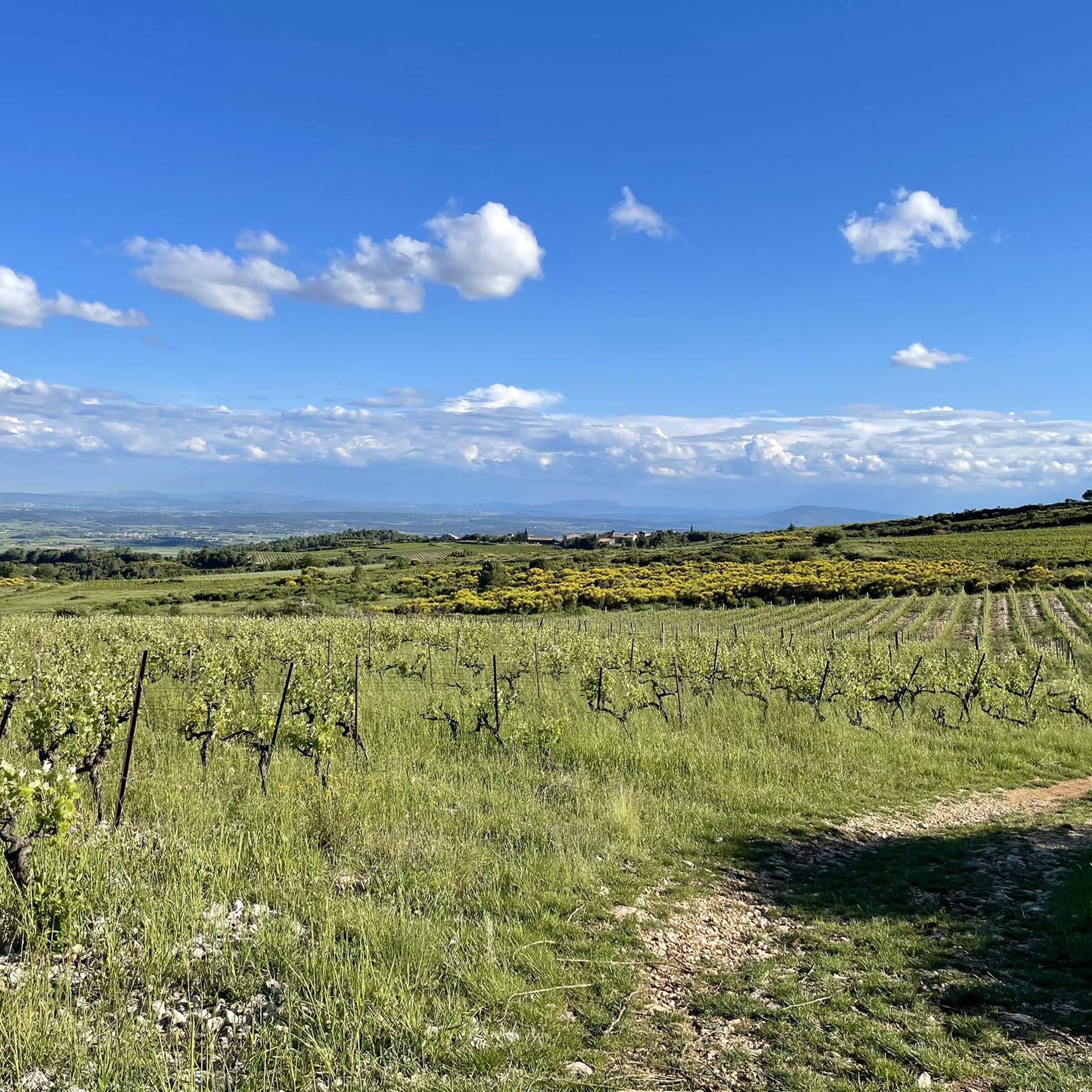
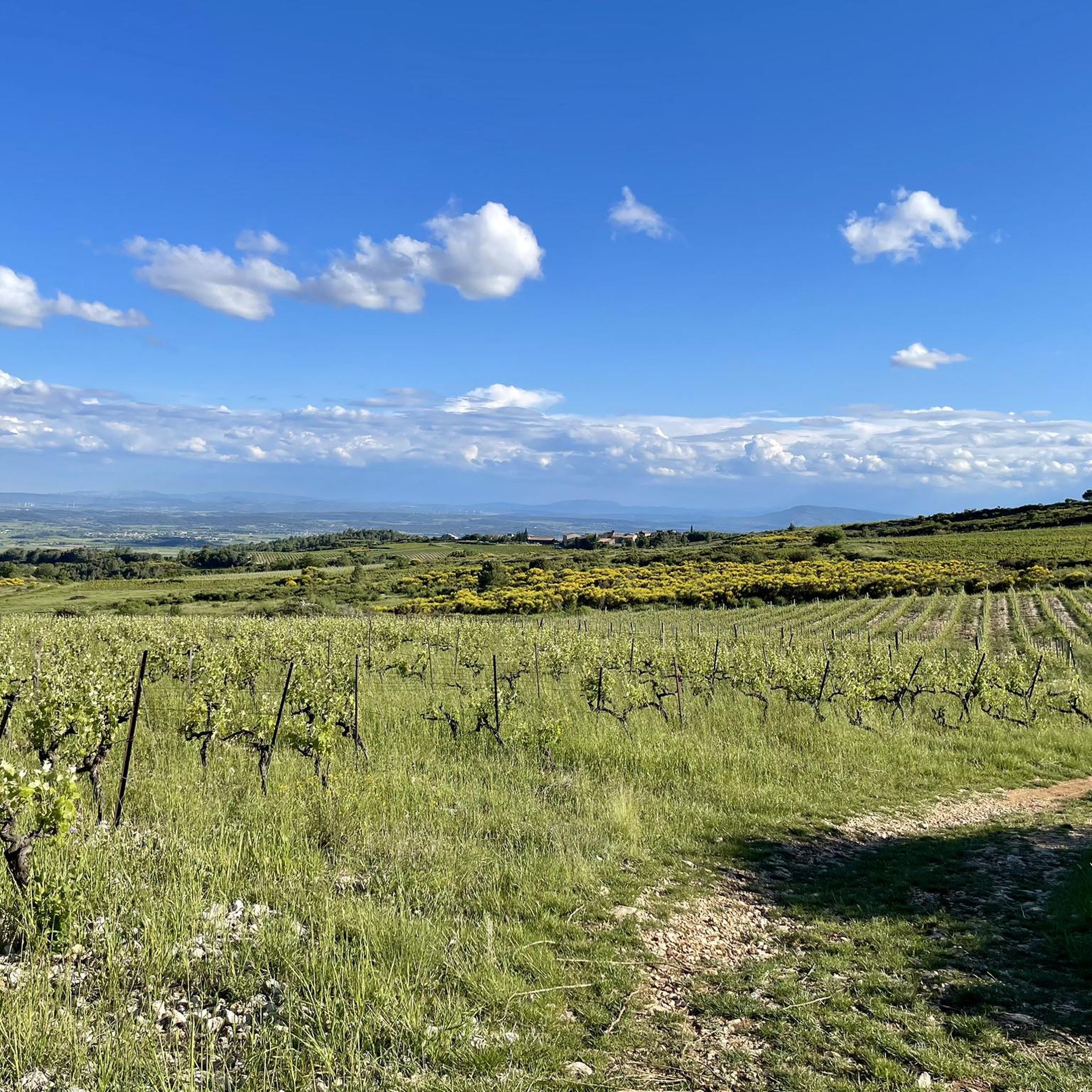
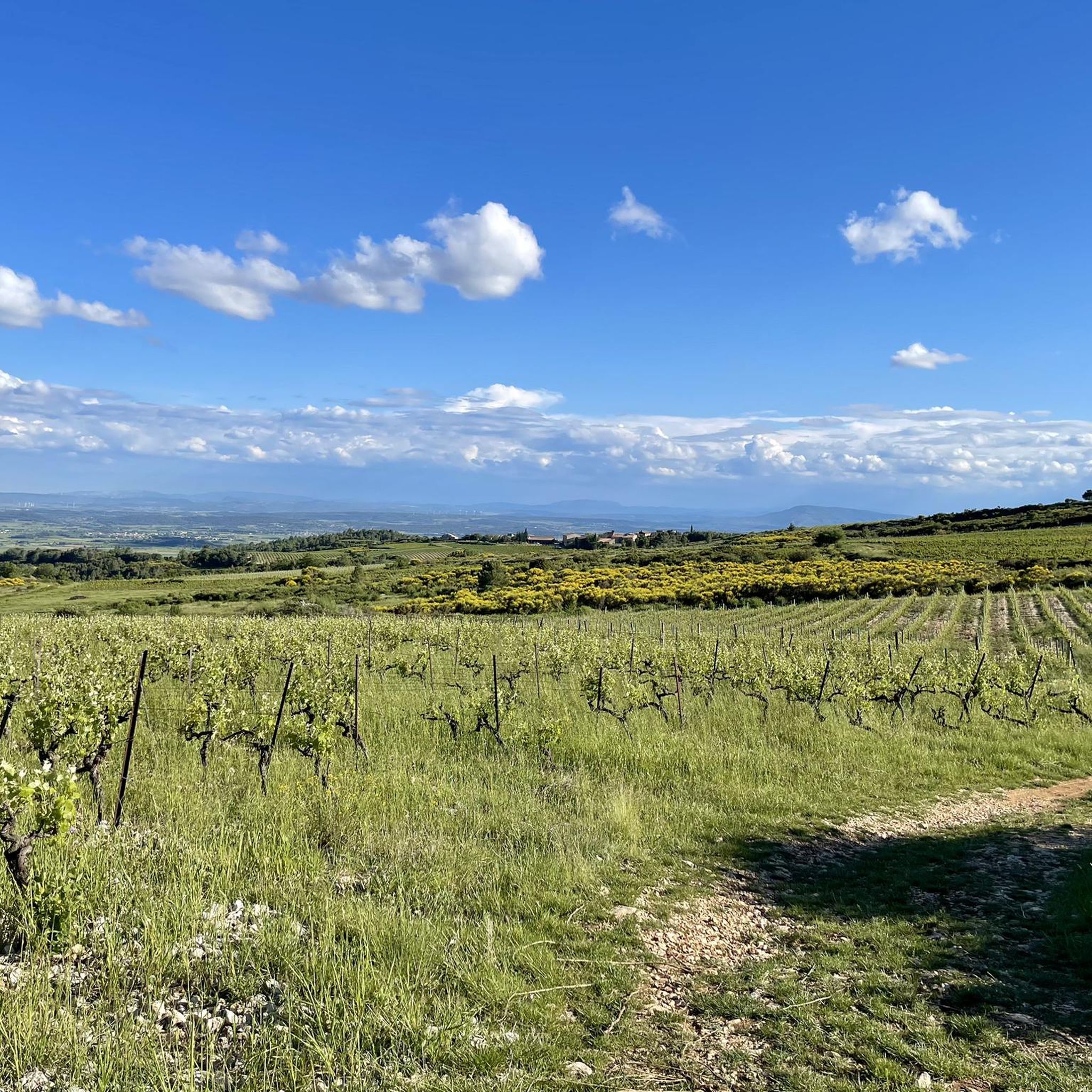
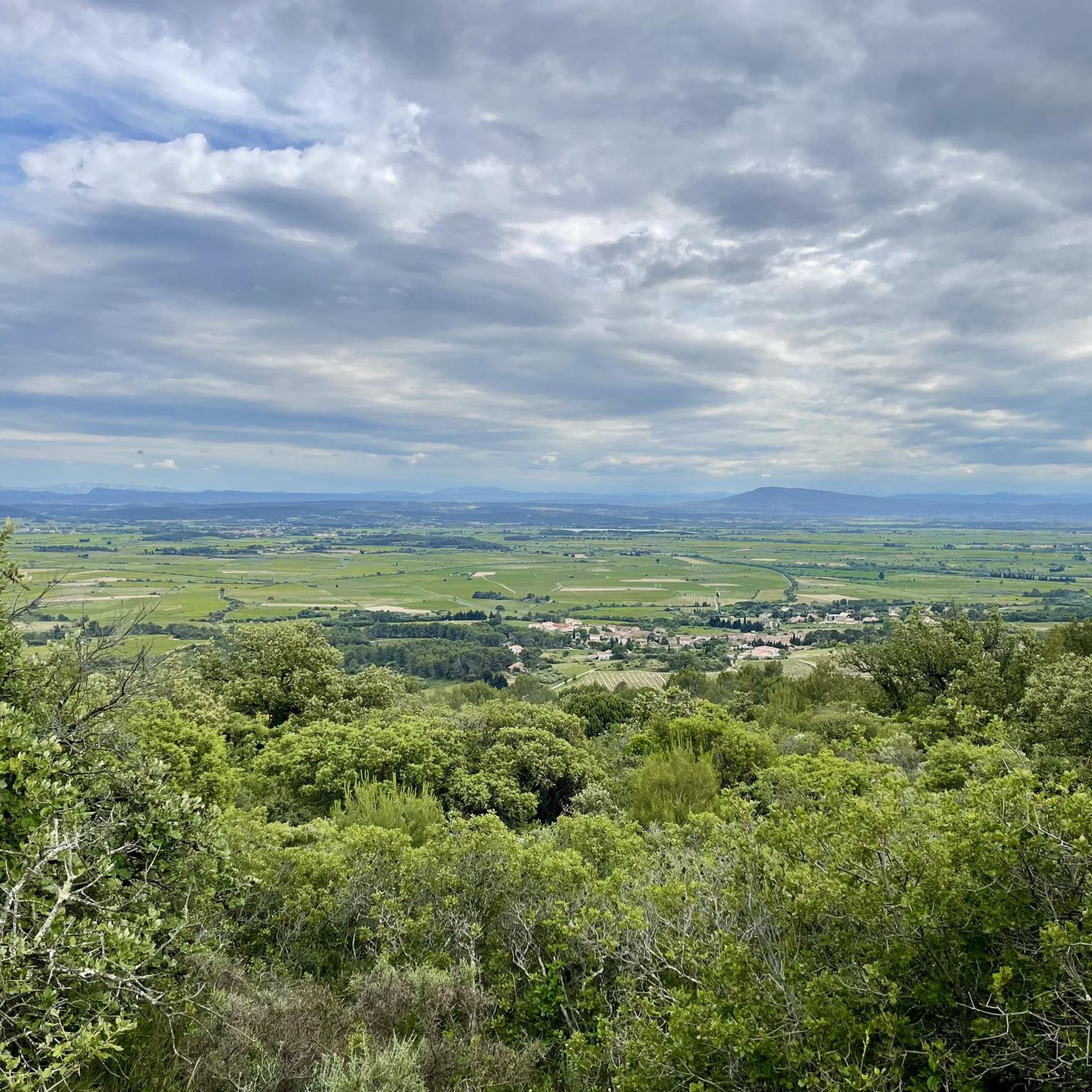
Gravel biking around Cesseras offers diverse landscapes within the Hérault department of France. The region is characterized by expansive vineyards, varied terrain with tracks and paths, and the Cesse River valley. These physical features provide a mix of surfaces and elevation changes suitable for gravel cycling routes. The area's relief ensures both challenging and scenic rides.
Best gravel bike trails around Cesseras
- The most popular gravel bike trail is View over Paraza – Paraza canal bridge loop from Homps,…
Last updated: August 26, 2026
3.0
(1)
28
riders
32.4km
02:30
90m
90m
Moderate gravel ride. Good fitness required. Mostly paved surfaces. Suitable for all skill levels.
4.5
(8)
53
riders
119km
07:00
310m
310m
Hard gravel ride. Very good fitness required. Mostly paved surfaces. Suitable for all skill levels.

Sign up for free
4.8
(5)
37
riders
32.0km
01:34
60m
60m
Easy gravel ride. Great for any fitness level. Mostly paved surfaces. Suitable for all skill levels.
3.8
(4)
22
riders
56.4km
02:58
120m
120m
Moderate gravel ride. Good fitness required. Mostly paved surfaces. Suitable for all skill levels.
5
riders
19.4km
01:16
40m
40m
Easy gravel ride. Great for any fitness level. Mostly paved surfaces. Suitable for all skill levels.
Get access to more routes and recommendations from other explorers.
Sign up for free
Already have an account?
Our route recommendations are based on thousands of hikes, rides, and runs completed by other people on komoot.
Start today with a free account
Your next adventure awaits.
Login or Signup
Tips from the Community

The Trèbes locks are a flight of locks composed of three basins. Built around 1674, it is located downstream from the port of Trèbes at the exit of the town in the direction of the village of Marseillette. Taking advantage of the strong difference in level of the flight, an intense milling activity was established on the left bank of the lock. A first upper mill was built at the end of the 17th century. It is crossed by a diversion of the Canal du Midi which ensures its operation; it is described as having four millstones with a stable and a shed. A transformation of this first mill was carried out in 1867 to make it a flour mill comprising 6 millstones. This new building, later enlarged in the 1930s, consists of a base and 4 floors at its highest point. Today it has been converted into a restaurant.
0
0
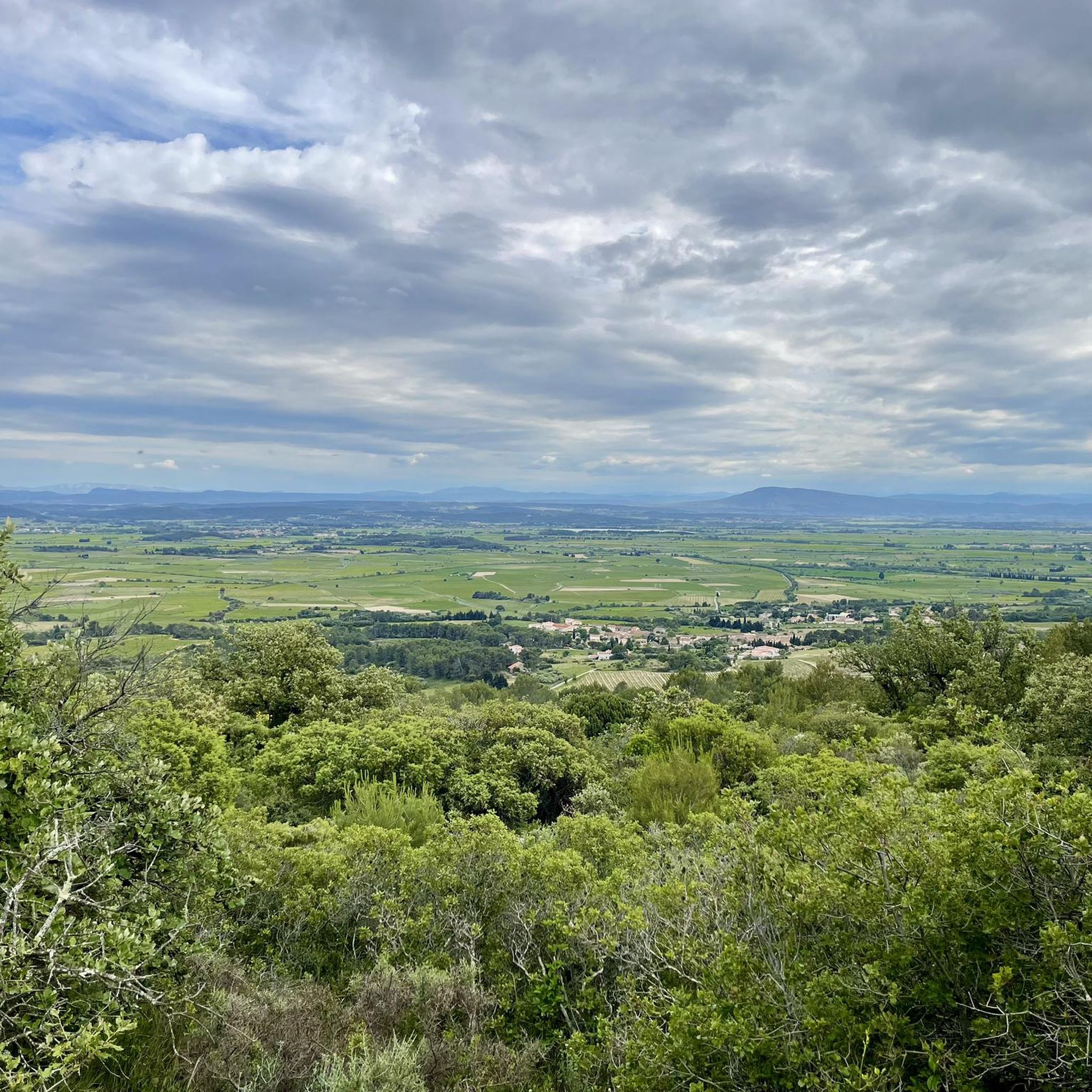
The pond covers an area of 2000 ha, and is shared between the municipalities of Marseillette, Aigues-Vives, Saint-Frichoux and Puichéric. In the past, it supplied the region with fish. From the 12th century onwards, people began to talk about draining this stagnant body of water, a source of death and misery for Marseillette and the surrounding villages, which were becoming depopulated. In 1605, Henry IV issued a royal decree to drain the Pond. But it wasn't until 1804 and the purchase of the Pond by an Irishwoman, Madame de Lawless, that it was drained, thanks to a vast construction project. The pond was then cultivated and developed to use the waters of the Aude, with an original irrigation system consisting of perpendicular canals allowing the flooding of the land. Today, vines, apples, and rice are the main products found there. Its quiet and flat paths are very pleasant for hiking or cycling, in a typical landscape.
0
0
The l'Aiguille lock is a double lock on the Canal du Midi located in the commune of Puichéric.
0
0
L'Epanchoir de l'Argent Double, classified as a historic monument: started in 1677 and completed in 1694 according to Vauban's plans, it allows the canal to discharge its excess water.
0
0
The Canal du Midi, formerly Canal Royal, is a 17th-century technical feat designed by Pierre-Paul Riquet to connect the Atlantic to the Mediterranean. Today, it is above all a place for relaxation and discovery, where heritage, nature, and conviviality meet.
0
0
The Canal du Midi, formerly the Royal Canal, is a 17th-century technical feat designed by Pierre-Paul Riquet to connect the Atlantic to the Mediterranean. Today, it is above all a place for relaxation and discovery, where heritage, nature, and conviviality blend together.
0
0
The Canal du Midi, formerly Canal Royal, is a 17th-century technical feat designed by Pierre-Paul Riquet to connect the Atlantic to the Mediterranean. Today, it is above all a place for relaxation and discovery, where heritage, nature, and conviviality blend together.
0
0
The Canal du Midi, formerly Canal Royal, is a 17th-century technical feat designed by Pierre-Paul Riquet to connect the Atlantic to the Mediterranean. Today, it is above all a place for relaxation and discovery, where heritage, nature, and conviviality blend together.
0
0
Frequently Asked Questions
How many gravel bike trails are available around Cesseras?
There are over 25 gravel bike trails around Cesseras, offering a variety of experiences. You'll find options ranging from easy, flat routes to more challenging rides with significant elevation changes.
Are there easy gravel bike trails suitable for beginners or families in Cesseras?
Yes, Cesseras offers several easy gravel bike trails perfect for beginners or families. For instance, the Port of Homps – Homps Lock (Écluse d'Homps) loop from Homps is a gentle 13.3 km route. The region's varied terrain also includes well-paved surfaces alongside unpaved segments, making it accessible for different skill levels.
What kind of terrain can I expect on gravel bike routes in Cesseras?
Gravel biking in Cesseras offers a diverse mix of terrain. You'll encounter tracks, paths, and varied relief, including expansive vineyards and segments along the Cesse River valley. Some routes feature significant elevation gains, while others provide smoother, more well-paved surfaces, ensuring a varied and engaging ride.
Are there any scenic viewpoints or natural attractions along the gravel trails?
Absolutely! The region is known for its picturesque landscapes. You can enjoy views of the vineyards, and some routes pass by notable natural features. Consider exploring highlights like the Cesse Valley Scenic Route or the Roc Suzadou Viewpoint for stunning vistas.
What are some interesting landmarks or historical sites to see while gravel biking near Cesseras?
Many routes offer opportunities to explore local landmarks. You might pass by the historic village of Minerve, or cycle alongside the Canal du Midi Bridge and the Argent-Double aqueduct and spillway, which are often integrated into the routes.
Are there any long-distance gravel cycling routes available?
Yes, for those seeking longer rides, Cesseras offers several options. The Canal du Midi Bridge – Argent-Double Spillway loop from Beaufort is a moderate 51.2 km trail, and the Canal du Midi Bridge – Argent-Double Spillway loop from La Redorte covers 45.7 km, providing a good challenge for experienced riders.
What do other gravel bikers say about the trails in Cesseras?
The gravel trails in Cesseras are highly regarded by the komoot community, with an average rating of 4.2 stars from over 5 reviews. Many riders appreciate the diverse landscapes, the mix of challenging and scenic routes, and the opportunities to explore the vineyards and historical sites.
Are there any circular gravel bike routes around Cesseras?
Yes, many of the gravel bike routes in Cesseras are designed as loops, making them convenient for starting and ending at the same point. Examples include the View over Paraza – Paraza canal bridge loop from Homps and the Argent-Double Spillway – Canal du Midi Bridge loop from Homps.
Where can I find more information about gravel biking in the broader Hérault region?
For more information on gravel biking opportunities across the wider Hérault department, you can visit the official tourism website. They offer additional insights into routes and the region's suitability for gravel cycling. Check out Hérault Tourisme for general information or their specific gravel loops page.
What is the best time of year for gravel biking in Cesseras?
The Hérault region, including Cesseras, generally offers good conditions for gravel biking for much of the year. Spring and autumn provide pleasant temperatures and vibrant scenery, ideal for exploring the vineyards and varied terrain. Summers can be warm, so early morning or late afternoon rides are often preferred.
Are there routes with significant elevation gain for advanced gravel bikers?
Yes, advanced gravel bikers will find challenging routes with significant elevation gains around Cesseras. Some trails can reach up to 3,000 feet of ascent, requiring good to very good fitness. These routes often traverse the more varied relief of the Hérault department, offering rewarding climbs and descents.
Most popular attractions around Cesseras

Get inspired with the komoot mobile app


Explore more
Browse the best Gravel rides in other regions.
