Top 20 Castles around Schlat
Best castles around Schlat are found in the surrounding Swabian Alb region, offering historical sites and picturesque destinations. This area features several historically significant castle ruins, providing insights into medieval history. Visitors can explore more than 20 castles, many of which are accessible via hiking trails. The landscape is characterized by hills and valleys, with castles often perched on elevated positions.
Best castles around Schlat
- The most popular castles is Helfenstein Castle Ruins, a castle that stands majestically above…
Last updated: June 24, 2026
Hohenstaufen Castle Ruins and Viewpoint
Highlight • Castle
Translated by Google •
Tip by

Helfenstein Castle Ruins
Highlight • Castle
Translated by Google •
Tip by

Sign up now to discover places like this
Get recommendations on the best single tracks, peaks, & plenty of other exciting outdoor places.
Sign up for free
Filseck Castle
Highlight • Castle
Translated by Google •
Tip by

Hiltenburg Castle Ruins
Highlight • Castle
Translated by Google •
Tip by

Staufeneck Castle
Highlight • Castle
Translated by Google •
Tip by

Sign up for free to discover even more castles around Schlat.
Sign up for free
Already have an account?
Start today with a free account
Your next adventure awaits.
Login or Signup

Tips from the Community

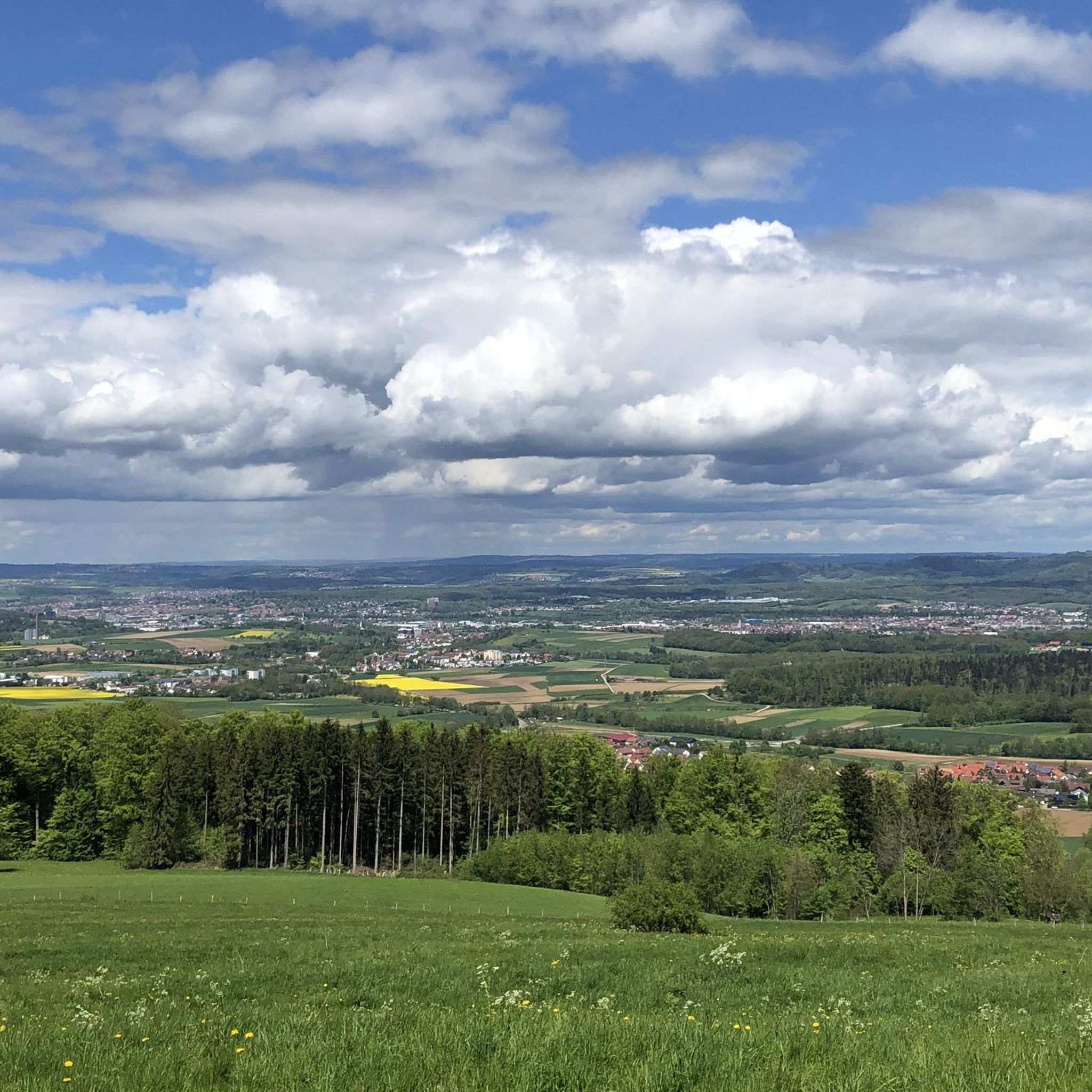
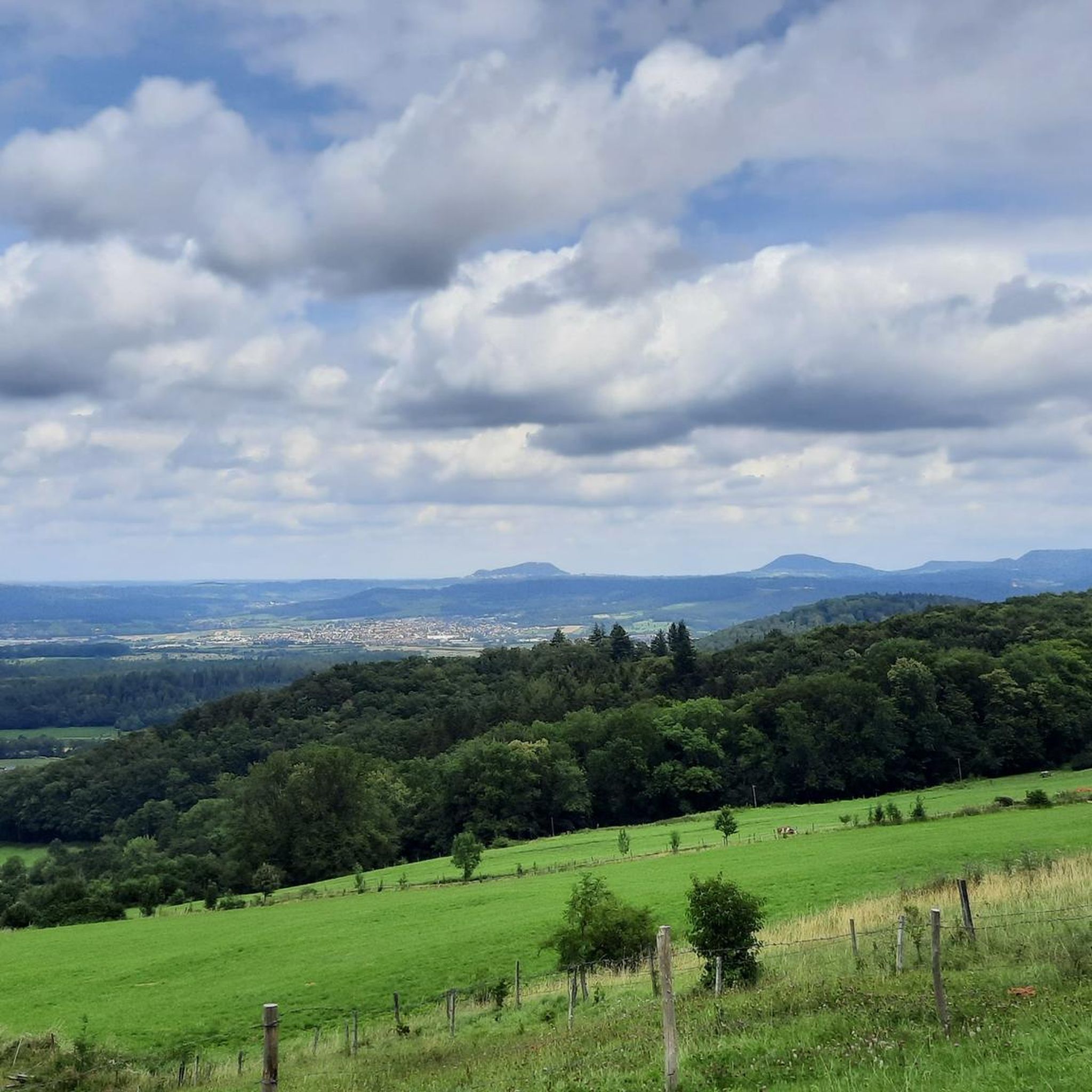
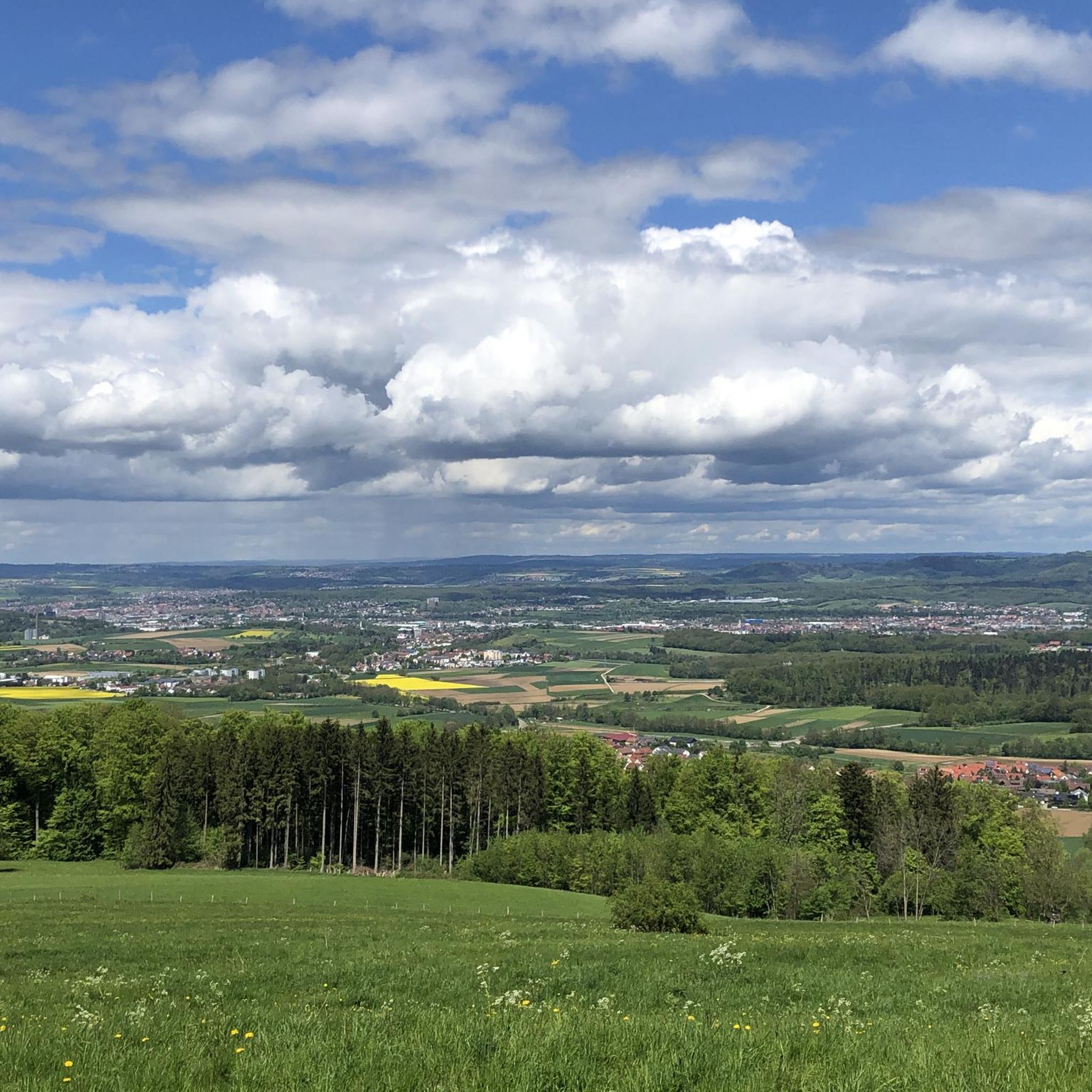
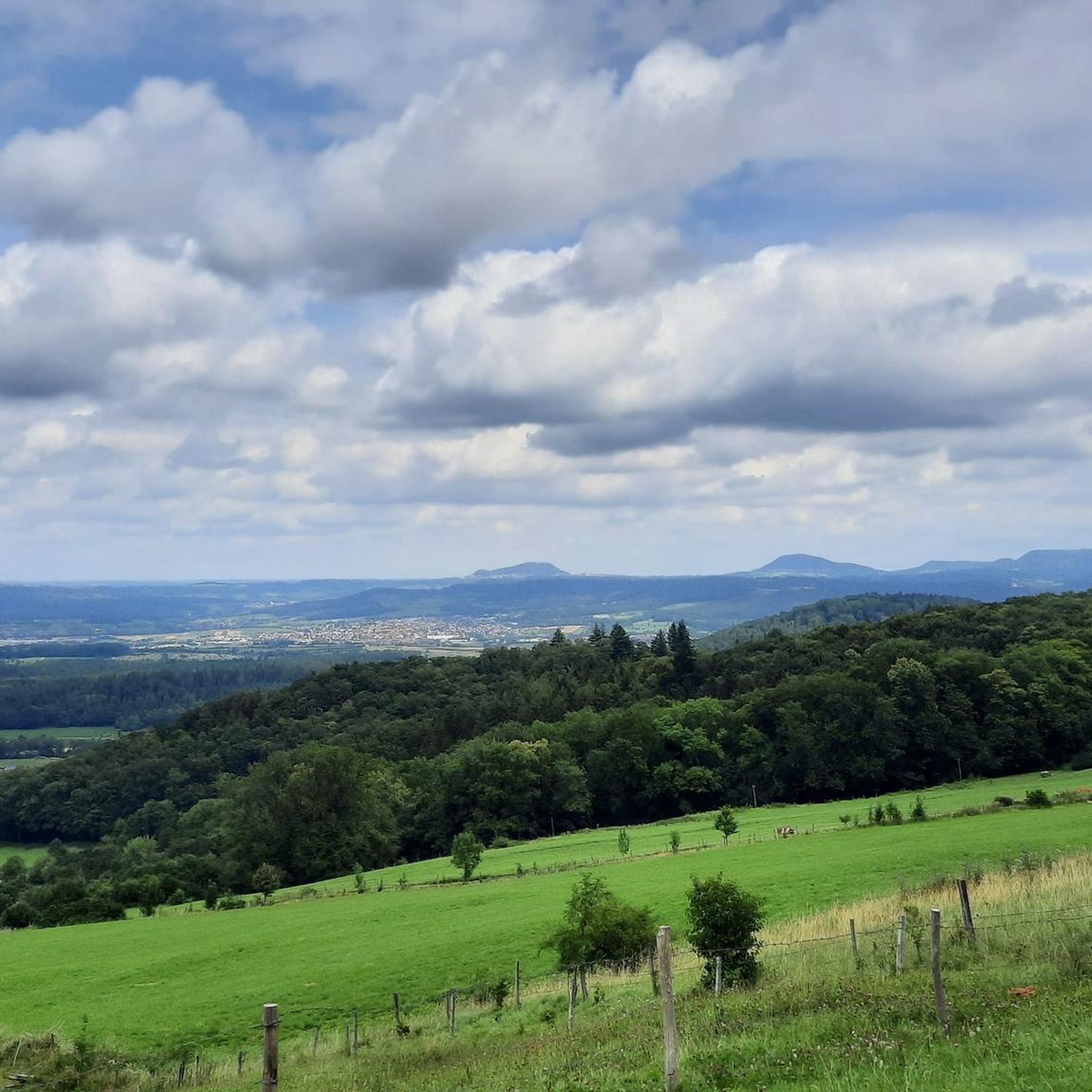
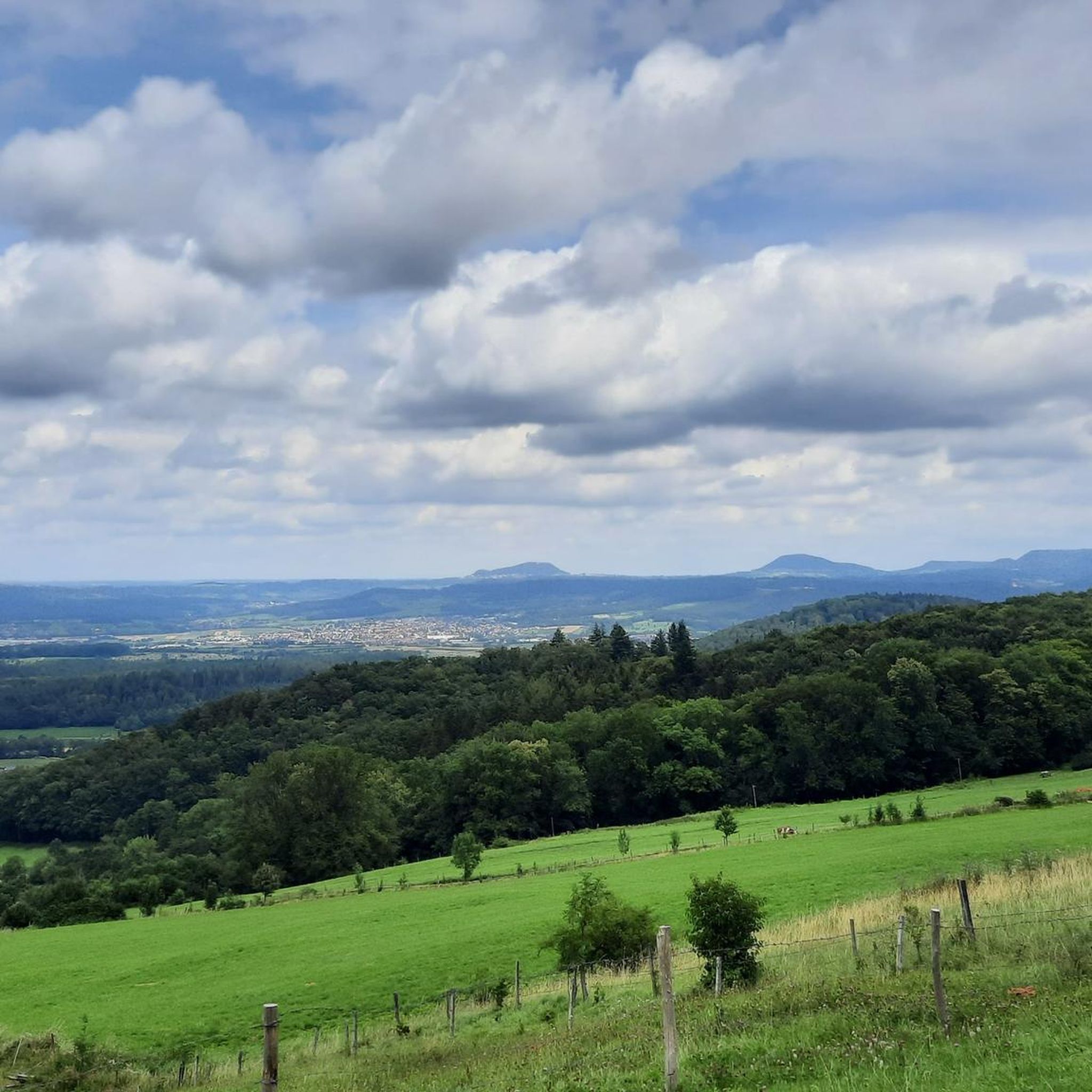
High above Geislingen an der Steige, the ruins of Helfenstein Castle stand majestically, a silent witness to medieval history and a popular destination on the Swabian Alb. The castle was built around the year 1100 by the Counts of Helfenstein, an influential noble family with close ties to the Hohenstaufen dynasty. Over the centuries, the complex was expanded and fortified several times before being destroyed in the 16th century during warfare. Today, impressive remains of the walls, parts of the keep, and the basic structure of the castle are still preserved. A particular highlight is the panoramic view over the Fils Valley, Geislingen, and the surrounding hills – an unforgettable experience, especially at sunrise or sunset. 🌄
8
0
High above Geislingen an der Steige, the ruins of Helfenstein Castle stand majestically, a silent witness to medieval history and a popular destination in the Swabian Alps. The castle was built around the year 1100 by the Counts of Helfenstein, an influential noble family with close ties to the Hohenstaufen dynasty. Over the centuries, the complex was expanded and fortified several times before being destroyed in the 16th century during warfare. Today, impressive remains of the walls, parts of the keep, and the basic structure of the castle are still preserved. A particular highlight is the panoramic view over the Fils Valley, Geislingen, and the surrounding hills – an unforgettable experience, especially at sunrise or sunset. 🌄
11
0

Helfenstein Castle, actually a ruin, was built around 1100 by Eberhard von Helfenstein. At the site of the earlier hall construction, there is now an approximately nine meter high rectangular tower that you can "climb" from the inside, a staircase leads to the top. In summer you can linger and have a drink in the castle tavern on the east side... Pay attention to the flag. From here there is a very good view of Geislingen an der Steige, the five valleys and the surrounding mountains.
7
0

More information about the castle can be found here: https://de.wikipedia.org/wiki/Burg_Staufeneck
2
0
From here you have a wonderful view of the Albvorland and the Albtrauf. The best view is from the tower. However, the ascent costs one euro.
2
0

Today's castle emerged from a castle that was probably built around 1230 by Count Egino von Aichelberg.[1] The knight Ernst von Filseck was mentioned in a document in 1268. Since he was an Aichelberg servant, it is likely that the castle was still owned by the Aichelberg people at that time.[1] The family remained the owner until 1318, when Diepold von Aichelberg and his sons sold the castle to Eberhard I of Württemberg, from whom it was given to the Reuß von Reußenstein family around 1350, in whose ownership it remained for around 200 years. In 1568 the Reuß family sold the imperial manor to the mayor of Göppingen, Balthasar Moser, from whom Dietrich von Gemmingen acquired it just five years later. He sold the unprofitable property in 1596 to Burkhardt von Berlichingen, who began replacing the old castle complex with a more comfortable castle in the Renaissance style in 1597/98. Today's north wing and part of the east wing were given roughly their current shape. In 1608, Burkhardt left the new building to his five heir daughters, in particular Anna Margaretha and her husband Colonel Otto von Vohenstein. In 1648 their son-in-law, Major Matthias Georg Fischer von Rob, took over the facility, which remained in the possession of his son Ludwig Friedrich and his wife Anna Elisabeth, née Neubronner von Eisenburg, until 1706.
12
1

The exhibition area is open daily from 9 a.m. to 5 p.m.
12
0
Very nice facility. Also a good starting point for hikes or walks in the landscape park.
12
1
Frequently Asked Questions
What are the most popular castles to visit around Schlat?
Among the most popular castles in the region are the Helfenstein Castle Ruins, known for their majestic presence above Geislingen an der Steige and expansive views. Visitors also highly rate the Hiltenburg Castle Ruins, which offer a climbable tower and a barbecue area, and the Hohenstaufen Castle Ruins and Viewpoint, the ancestral seat of the powerful Hohenstaufen family, offering breathtaking panoramic views.
Are there family-friendly castles around Schlat?
Yes, several castles are suitable for families. The Hiltenburg Castle Ruins are particularly family-friendly, featuring a tower that can be climbed via a steel staircase and a barbecue area with plenty of space for children. Staufeneck Castle also welcomes families and offers a restaurant.
What kind of historical significance do the castles near Schlat have?
The castles in the Schlat area are rich in history. For example, the Hohenstaufen Castle Ruins were the ancestral seat of the powerful Hohenstaufen family, who became influential kings and emperors. The Helfenstein Castle Ruins were built by the influential Counts of Helfenstein around 1100. Even the former Zillenhart Castle, located directly in Schlat, offers insights into the region's knightly and settlement history from the Middle Ages.
Are there castles with good viewpoints around Schlat?
Absolutely. Many castles in the region are known for their stunning views. The Hohenstaufen Castle Ruins and Viewpoint, perched on a 684-meter-high summit, offers magnificent panoramic views of the Filstal valley and the Swabian Alb. The Helfenstein Castle Ruins also feature an observation tower with expansive views over the Fils valley and the 'three Kaiser Mountains'. Staufeneck Castle also provides a beautiful view of the Filstal.
What outdoor activities can I do near these castles?
The castles around Schlat are often integrated into beautiful natural landscapes, making them ideal for outdoor activities. You can find numerous hiking trails that lead to and around these historical sites. For example, there are many easy hikes around Schlat. The region also offers opportunities for cycling and gravel biking, with routes that often pass by or offer views of the castles.
Are there hiking trails that lead directly to castles?
Yes, many castles in the region are accessible via hiking trails. The Helfenstein Castle Ruins are easily accessible via hiking trails, making them a favored spot for weekend walks. The Hohenstaufen Castle Ruins can only be reached on foot or by bike, offering a rewarding hike to the summit. You can explore various routes, including easy hikes, that incorporate these historical landmarks.
What do visitors enjoy most about the castles around Schlat?
Visitors particularly appreciate the combination of deep historical significance and breathtaking natural beauty. The panoramic views from castles like Hohenstaufen and Helfenstein are frequently highlighted. The opportunity to explore ancient ruins, climb towers, and enjoy a tranquil forest atmosphere, often with on-site amenities like restaurants or barbecue areas, also contributes to a highly positive experience.
Is there a castle directly in Schlat?
Yes, the former Zillenhart Castle (Burg Zillenhart) is located directly in Schlat. Today, it exists as ruins, but you can still observe a 30 to 40-meter high castle mound, surrounded by ditches, and remnants of the rampart. An information board provides historical context, offering a tranquil glimpse into the region's knightly history.
Are there any castles with restaurants or cafes nearby?
Yes, some castles offer dining options. The Hohenstaufen Castle Ruins have a small restaurant on site. Staufeneck Castle features a castle restaurant, known for its excellent menu. Additionally, the Helfenstein Castle Ruins have a castle tavern located within their observation tower, providing refreshments.
What is the best time of year to visit the castles around Schlat?
The castles are beautiful year-round, but spring and autumn offer pleasant temperatures for hiking and exploring the ruins, often with vibrant foliage or blooming landscapes. Summer provides longer daylight hours, while winter can offer a magical, snow-covered atmosphere, though some facilities or access might be limited. The atmosphere at Helfenstein Castle Ruins is particularly magical during sunrise or sunset.
Are any of the castles wheelchair accessible?
The Helfenstein Castle Ruins are noted as being wheelchair accessible, allowing more visitors to enjoy the historical site and its impressive views.
Can I bring my dog to the castle ruins?
Many outdoor areas and ruins are generally dog-friendly, especially if they are part of hiking trails. For example, the Hiltenburg Castle Ruins have a barbecue area with plenty of space for dogs. However, it's always advisable to keep dogs on a leash and check specific rules for indoor areas or protected sites.
How long should I plan for a visit to a castle ruin?
The duration of your visit can vary. For smaller ruins like Zillenhart Castle, an hour or two might be sufficient to explore the site and read the information boards. For larger sites like Hohenstaufen Castle Ruins or Helfenstein Castle Ruins, especially if you plan to hike to them, enjoy the views, or dine at an on-site restaurant, you might want to allocate half a day or more.
Most popular routes around Schlat
Most popular attractions around Schlat

Get inspired with the komoot mobile app


Explore more
Looking for the best castles somewhere else? Discover other guides around Schlat:
