The best gravel rides around Crazannes
4.9
(20)
77
riders
18
rides
Gravel biking around Crazannes offers varied terrain through a landscape shaped by ancient quarries and the Charente River. The region features a unique environment within the Pierre de Crazannes site, characterized by steep stone cliffs and abundant vegetation. Beyond the quarries, routes traverse woods, hedgerows, and marshland, providing diverse unpaved paths. Cyclists can explore the Coran valley and Borderies region, which include vineyards and farms.
Best gravel bike trails around Crazannes
- The most popular gravel bike trail is Crazannes Castle…
Last updated: July 3, 2026
4.3
(7)
44
riders
Moderate gravel ride. Good fitness required. Mostly paved surfaces. Suitable for all skill levels.
5.0
(1)
8
riders
58.6km
03:49
390m
390m
Moderate gravel ride. Good fitness required. Mostly paved surfaces. Suitable for all skill levels.

Sign up for free
5.0
(9)
10
riders
34.5km
02:05
160m
160m
Moderate gravel ride. Good fitness required. Mostly paved surfaces. Suitable for all skill levels.
7
riders
64.7km
03:58
430m
430m
Moderate gravel ride. Good fitness required. Mostly paved surfaces. Suitable for all skill levels.
5
riders
36.3km
02:36
240m
240m
Moderate gravel ride. Good fitness required. Mostly paved surfaces. Suitable for all skill levels.
Get access to more routes and recommendations from other explorers.
Sign up for free
Already have an account?
Our route recommendations are based on thousands of hikes, rides, and runs completed by other people on komoot.
Start today with a free account
Your next adventure awaits.
Login or Signup
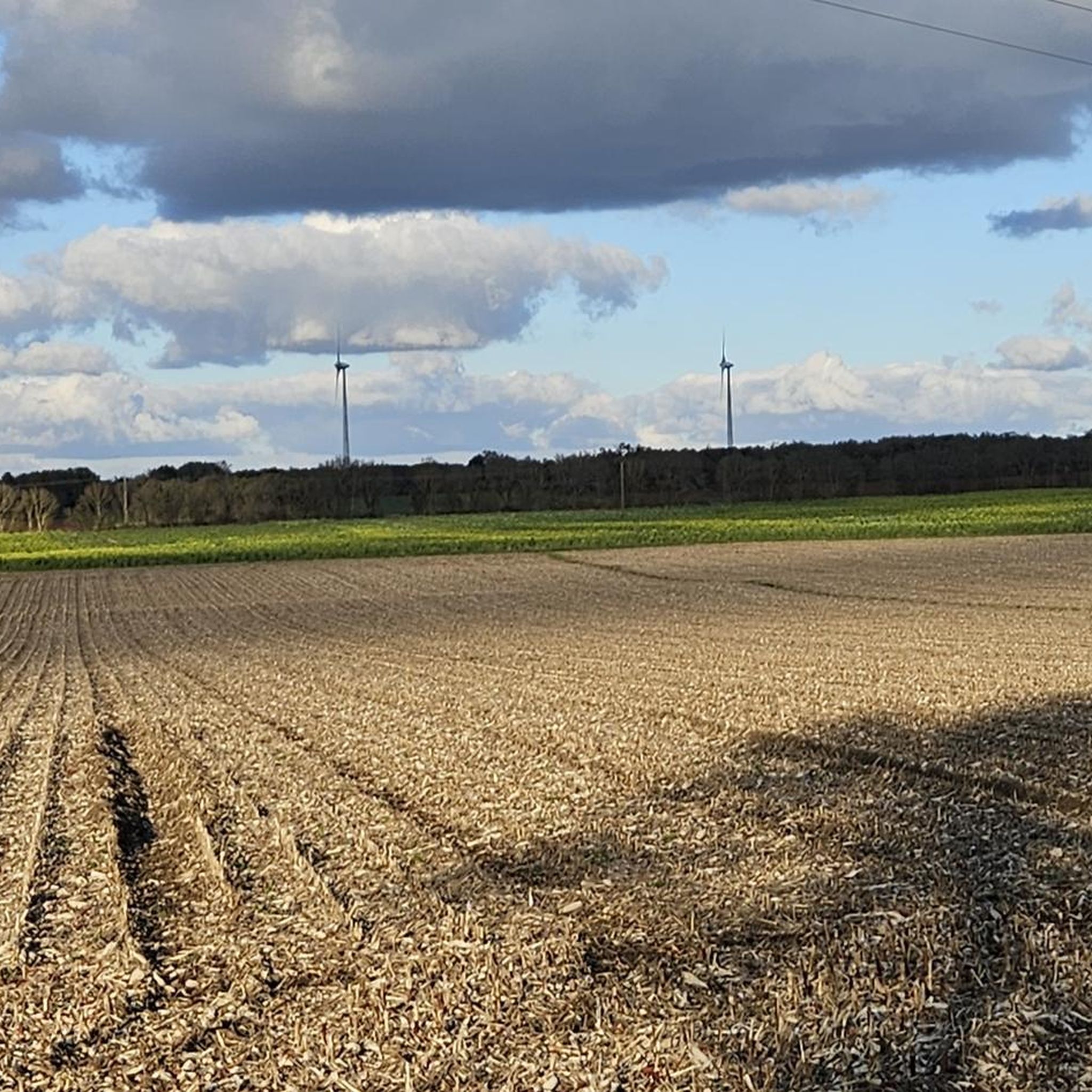
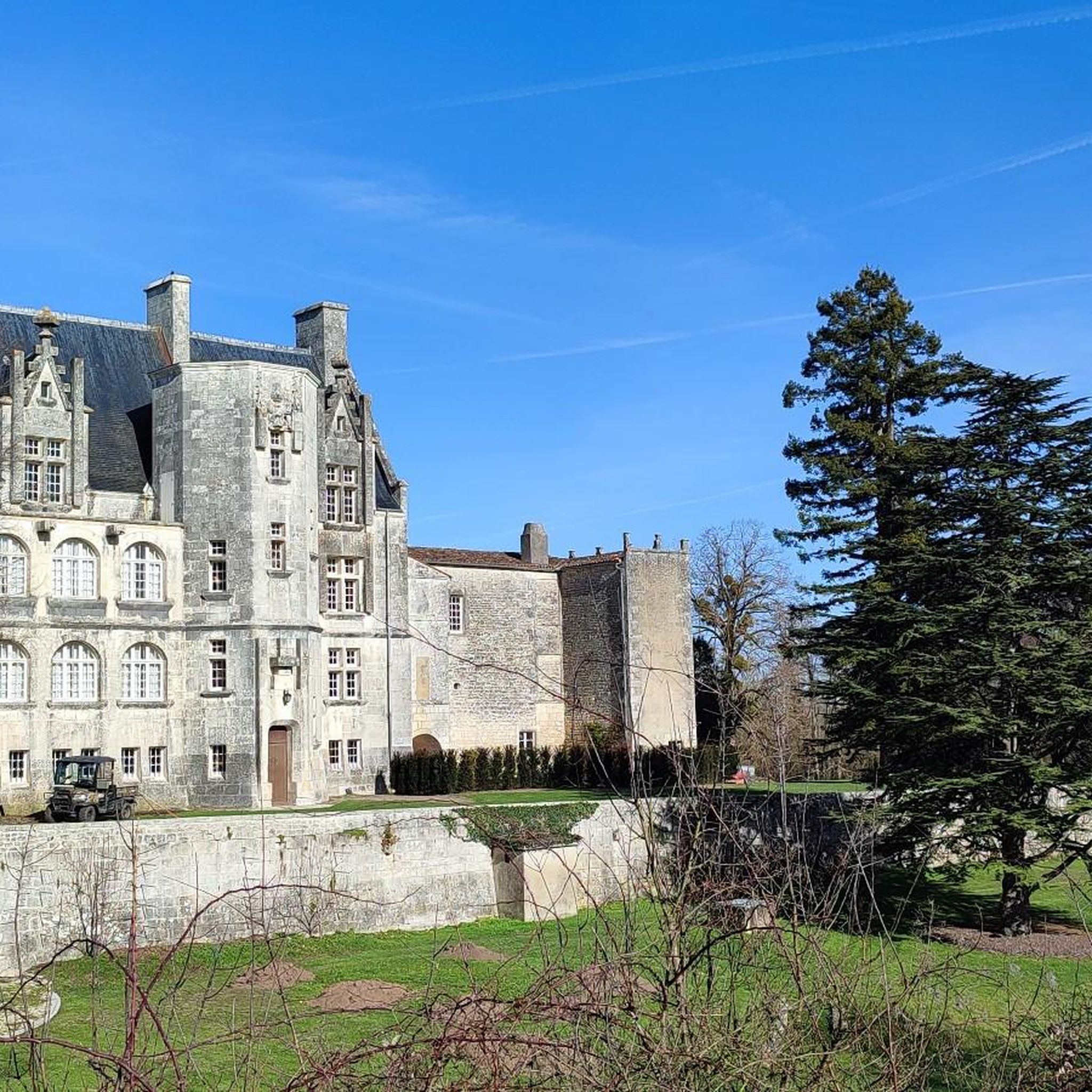
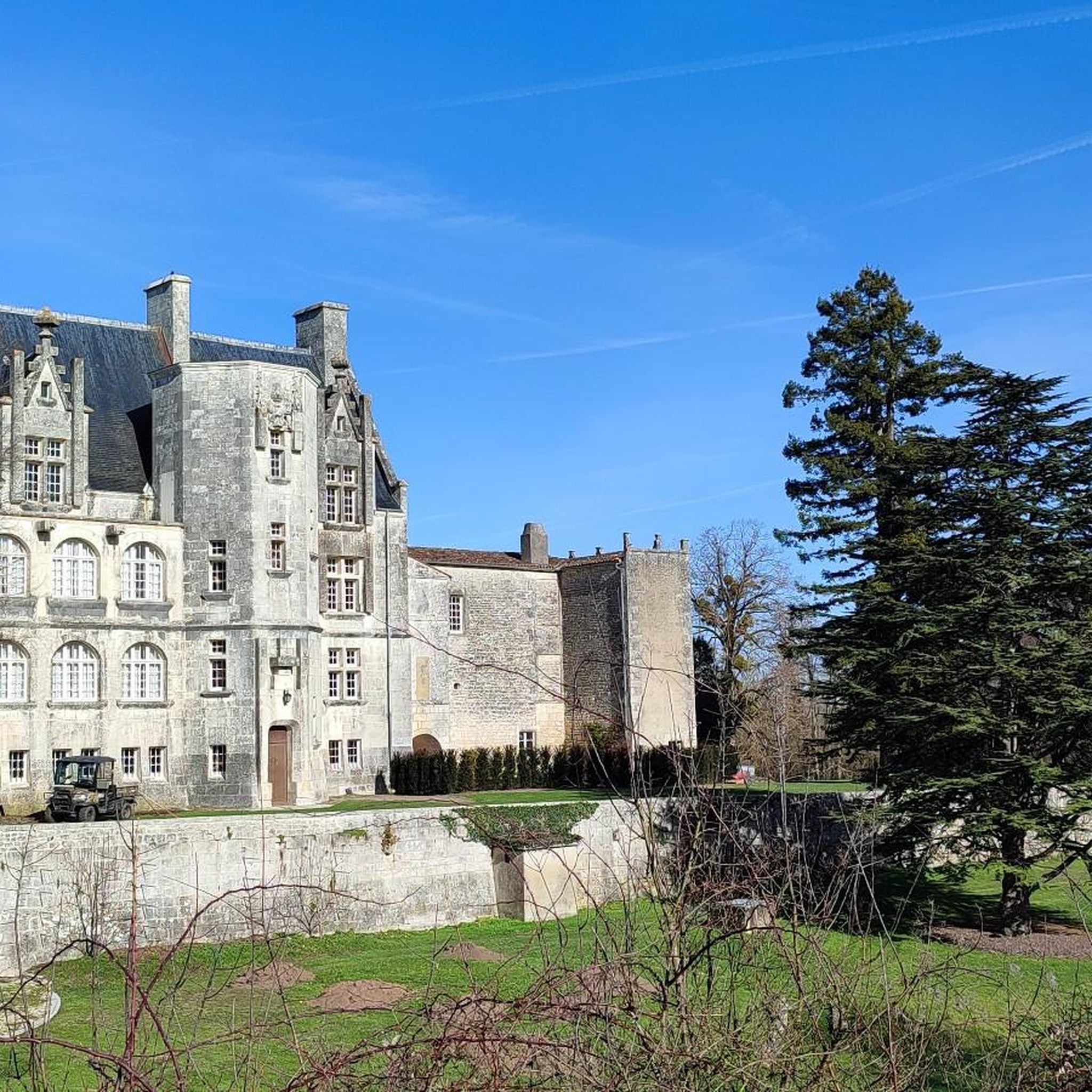
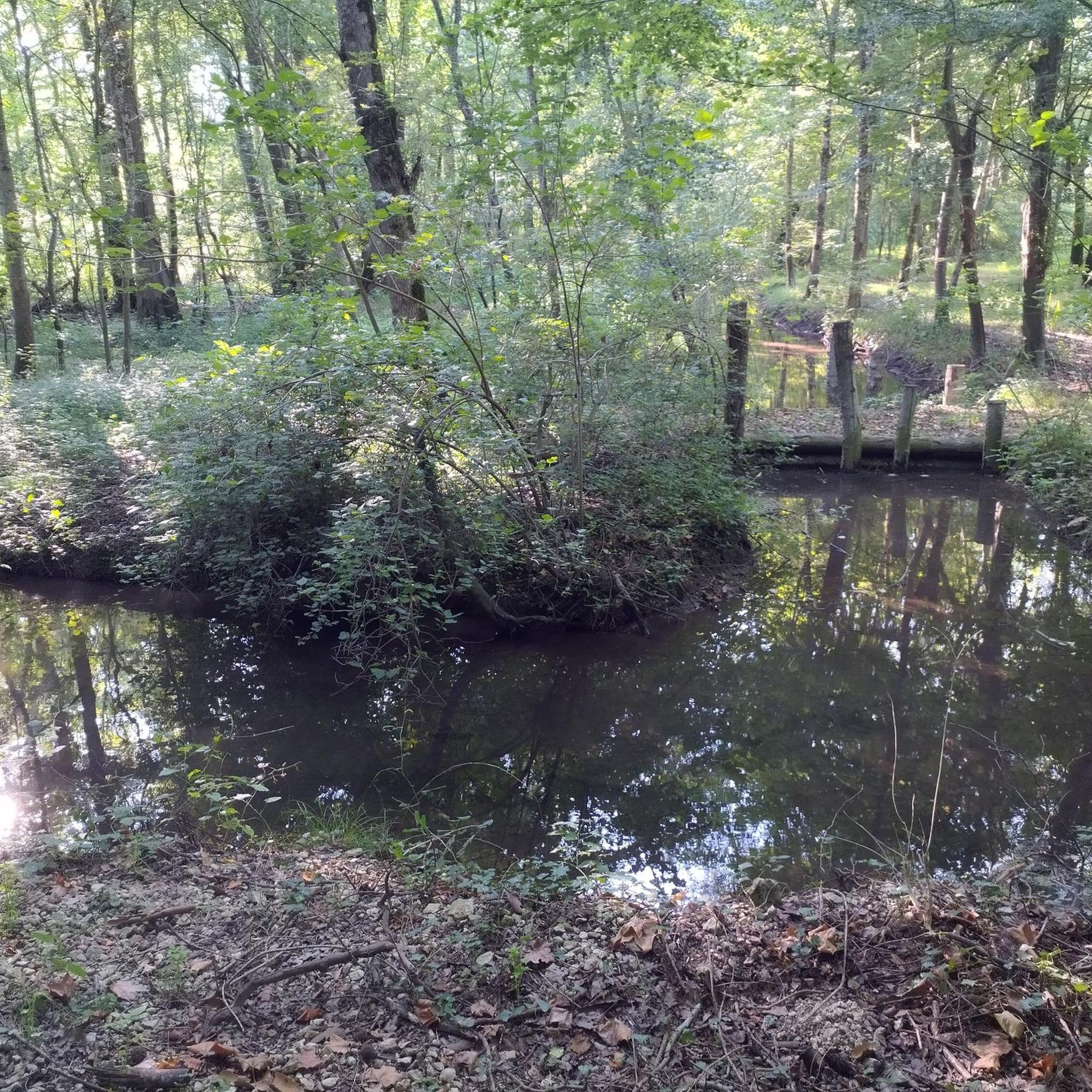

Tips from the Community

beautiful passages along the Charente with pretty monuments and small waterfront cafés in Port d’Envaux and Saintes.
0
0

It is an absolutely beautiful village.
0
0

He tells us that the chapel of pots was a hub of pottery in other times
2
0


Departmental attention next door But it's a great place for a little break
0
0

Located on a rocky spur overlooking the Charente, Taillebourg has one of the oldest castles in the province of Saintonge. It was also one of the most important in the region in the Middle Ages. This stronghold will allow the city to assert its power and prosper thanks to its port and control of trade throughout the Middle Ages. According to a chronicler, the Château de Taillebourg hosted the wedding night of Louis, future king of France under the name Louis VII, with Duchess Eleanor of Aquitaine. Louis IX (future Saint Louis) made the castle his fortress to launch the attack against the King of England, Henry III. This victorious battle of July 21, 1242 became famous and was represented several centuries later by Delacroix, whose painting can be seen in the Battles gallery at the Palace of Versailles. The castle which had endured all the sieges during the Hundred Years' War and the Wars of Religion was taken and destroyed during the Fronde in 1652. During the Revolution, it was sold in lots as national property. Having suffered from lack of maintenance, the building was the victim of a fire in 1822 and was largely destroyed. All that remains now are the ruins with the ramparts and a tower standing like an emaciated being. It now houses a park which is a haven of peace. To access it from the banks of the Charente, you have to take a small detour through the town.
0
0
Labeled “Small town of character”, but also “Village of stones and water” (an expression which describes this village very well), Saint-Savinien-sur-Charente is a small picturesque village in the Saintonge Romane nestled in a meander of the Charente, nestled between the river and a limestone cliff. The town is remarkable for its houses built right on the water on the banks of the Charente, its district of troglodyte dwellings in the heights, some of which date back to the Gallo-Roman era, its river port, its old buildings and its churches, including the magnificent Romanesque church dating from the 13th century.
0
0
The La Dixmerie estate was once owned by the Brémond d'Ars family. The tradition wants that there would have been then, in this place, a barn with the tithes and a castle. This family seems to have succeeded each other in La Dixmerie for almost two centuries. On the eve of the Revolution, this land would have belonged to Pierre-René-Auguste, knight, lord and baron of Saint-Fort-sur-le-Né, Dompierre and Orlac. Born in 1759, he was the son of Pierre de Brémond d'Ars. Pierre-René-Auguste was deputy of the nobility of Saintonge to the Estates General of 1789. He emigrated in 1792, after having served for some time in the army of the Princes. Defender of the monarchy and religion, he had signed, in 1790 and 1791, the protests against the decrees on the nobility and the clergy and on the forfeiture of the King. Returning to France at the beginning of the 19th century, he would have retired to the Dixmerie where he devoted himself to work in history and numismatics. He had published in 1778, Literary Amusements. Pierre-René-Auguste de Brémond d'Ars married Jeanne-Marie-Élisabeth de La Taste in 1785. In 1809, the La Dixmerie estate belonged to Paul Letors de Larray, former infantry captain, husband of Suzanne Billard. In 1923, La Dixmerie was owned by the Comte de Brémond d'Ars; then it passed to the Comte de Pressac de Lioncel, married in second marriage to Jeanne-Marie-Caroline Goudenoue d'Aldenhove. The latter died there on May 17, 1936. The current castle, dating back to the 1880s, was built near an old mansion. It is a residence of harmonious proportions adopting a rectangular plan and flanked on either side by short slightly projecting wings. Despite a certain architectural unity, it is nonetheless provided with a few decorative fantasies, such as the segmented pediments topped with a ball and surmounting the dormers of each wing, and more particularly the richly worked dormer window which dominates the central bay of the building. Château de la Dixmerie 17100 La Chapelle-des-Pots, private property, cannot be visited.
2
0
Frequently Asked Questions
What kind of terrain can I expect on gravel bike routes in Crazannes?
Gravel biking in Crazannes offers a diverse landscape. You'll encounter the unique "jungle-like" environment of the Pierre de Crazannes site, with its ancient quarries, steep stone cliffs, and abundant vegetation. Beyond this, routes traverse through woods, hedgerows, and marshland, often following the Charente river. You can also explore the Coran valley and Borderies region, which feature picturesque vineyards and farms.
Are there historical sites or attractions to see along the gravel bike trails?
Yes, Crazannes is rich in history. Many routes pass by significant landmarks. For instance, the Crazannes Castle – Saint-Savinien-sur-Charente loop from Bussac-sur-Charente takes you past the historic Château de Crazannes, a 14th-century castle. The old quarries also house Les Lapidiales, an open-air museum with sculptures integrated into the natural environment.
How challenging are the gravel bike routes in Crazannes?
The routes around Crazannes cater to various skill levels. While there are options suitable for moderate riders, such as the Saint-Savinien-sur-Charente – Crazannes Castle loop from Saint-Savinien, you'll also find more challenging paths, particularly within the nature-reclaimed quarries. Overall, the network offers a good mix, with 19 moderate and 12 difficult routes out of over 30 available.
Are there any family-friendly gravel biking options in Crazannes?
While specific family-designated routes aren't highlighted, Crazannes offers a range of trails, including 4 easier options. The region's connection to "La Flow Vélo" and the local "Roue Blanche cycling loop" suggests well-established routes that can be adapted for family outings, especially on less technical sections through woods and along the river. Always check the route details for elevation and terrain to ensure it suits your family's abilities.
Can I find circular gravel bike routes in Crazannes?
Absolutely. Many of the gravel bike routes in Crazannes are designed as loops, allowing you to start and finish in the same location. Examples include the Crazannes Castle – Saint-Savinien-sur-Charente loop from Bussac-sur-Charente and the Saint-Savinien-sur-Charente – Saint-Vivien Church in Geay loop from Annepont, which offers a longer ride.
What is the best time of year to go gravel biking in Crazannes?
Crazannes is generally pleasant for cycling for much of the year. Spring and autumn offer mild temperatures and beautiful scenery, making them ideal. Summer can be warm, but routes through wooded areas provide shade. Winter riding is possible, though some paths might be muddier, especially in marshland areas or after heavy rain.
Are there longer gravel bike routes for experienced riders?
Yes, for those seeking a longer challenge, Crazannes has several extended routes. The Saint-Savinien-sur-Charente – Saint-Vivien Church in Geay loop from Annepont, for example, is over 80 km long and typically takes more than 5 hours to complete, traversing varied rural landscapes. Another substantial option is the Saint-Savinien-sur-Charente – Saint-Vivien Church in Geay loop from Bords, which covers over 70 km.
What do other gravel bikers enjoy most about Crazannes?
The komoot community highly rates gravel biking in Crazannes, with an average score of 4.7 stars from over 30 reviews. Riders frequently praise the unique blend of natural beauty, especially the 'jungle-like' atmosphere of the Pierre de Crazannes quarries, and the historical points of interest. The varied terrain, from riverbanks to vineyards, also receives positive feedback for offering engaging rides.
Is there parking available near the gravel bike trails in Crazannes?
While specific parking areas for each trail are not detailed, Crazannes is a destination well-equipped for visitors. Given its popularity for outdoor activities and its historical sites like the Château de Crazannes and Les Lapidiales, you can generally expect to find parking facilities in and around the main village and near popular starting points for cycling routes.
Can I bring my dog on the gravel bike trails in Crazannes?
Many outdoor trails in France are dog-friendly, especially if your dog is well-behaved and kept on a leash. The natural environments of Crazannes, including woods and open countryside, are generally suitable for dogs. However, always check local signage or specific route descriptions for any restrictions, particularly in protected natural areas or near private property.
Are there any cafes or places to eat along the gravel bike routes?
Crazannes and the surrounding villages like Saint-Savinien-sur-Charente offer local amenities where you can find cafes or restaurants. While specific establishments directly on the trails are not listed, planning your route to pass through these villages will provide opportunities for refreshments and meals. It's always a good idea to carry snacks and water, especially on longer rides.
What natural features are prominent on the gravel bike routes?
The gravel routes in Crazannes are defined by several key natural features. The ancient Pierre de Crazannes quarries, now reclaimed by nature, create a dramatic landscape of stone cliffs and dense vegetation. The Charente river is a constant presence, with many routes following its banks. You'll also ride through extensive wooded countryside, hedgerows, and even marshland areas, offering a rich variety of natural environments.
Most popular attractions around Crazannes

Get inspired with the komoot mobile app


Explore more
Browse the best Gravel rides in other regions.
