Top 20 Natural Monuments around Altheim (Alb)
Natural monuments around Altheim (Alb) highlight the distinctive karst landscape of the Swabian Alb in Baden-Württemberg, Germany. This region features significant geological formations, hydrological features, and protected areas of ecological importance. Visitors can explore a blend of natural features and local history through these sites. The area is characterized by its limestone geology, which has led to the formation of numerous caves and unique rock structures.
Best natural monuments around Altheim (Alb)
- The most popular natural monuments is Eselsburger Valley…
Last updated: October 13, 2026
Stone Maidens rock formations
Highlight • Natural Monument
Translated by Google •
Tip by

Eselsburger Valley
Highlight • Gorge
Translated by Google •
Tip by

Sign up now to discover places like this
Get recommendations on the best single tracks, peaks, & plenty of other exciting outdoor places.
Jägersteg Bridge over the Brenz
Highlight • Bridge
Translated by Google •
Tip by

Rock Valley Gorge
Highlight • Gorge
Showing Translation
Tip by

Fohlenhaus Caves
Highlight • Cave
Translated by Google •
Tip by

Sign up for free to discover even more natural monuments around Altheim (Alb).
Already have an account?
Start today with a free account
Your next adventure awaits.
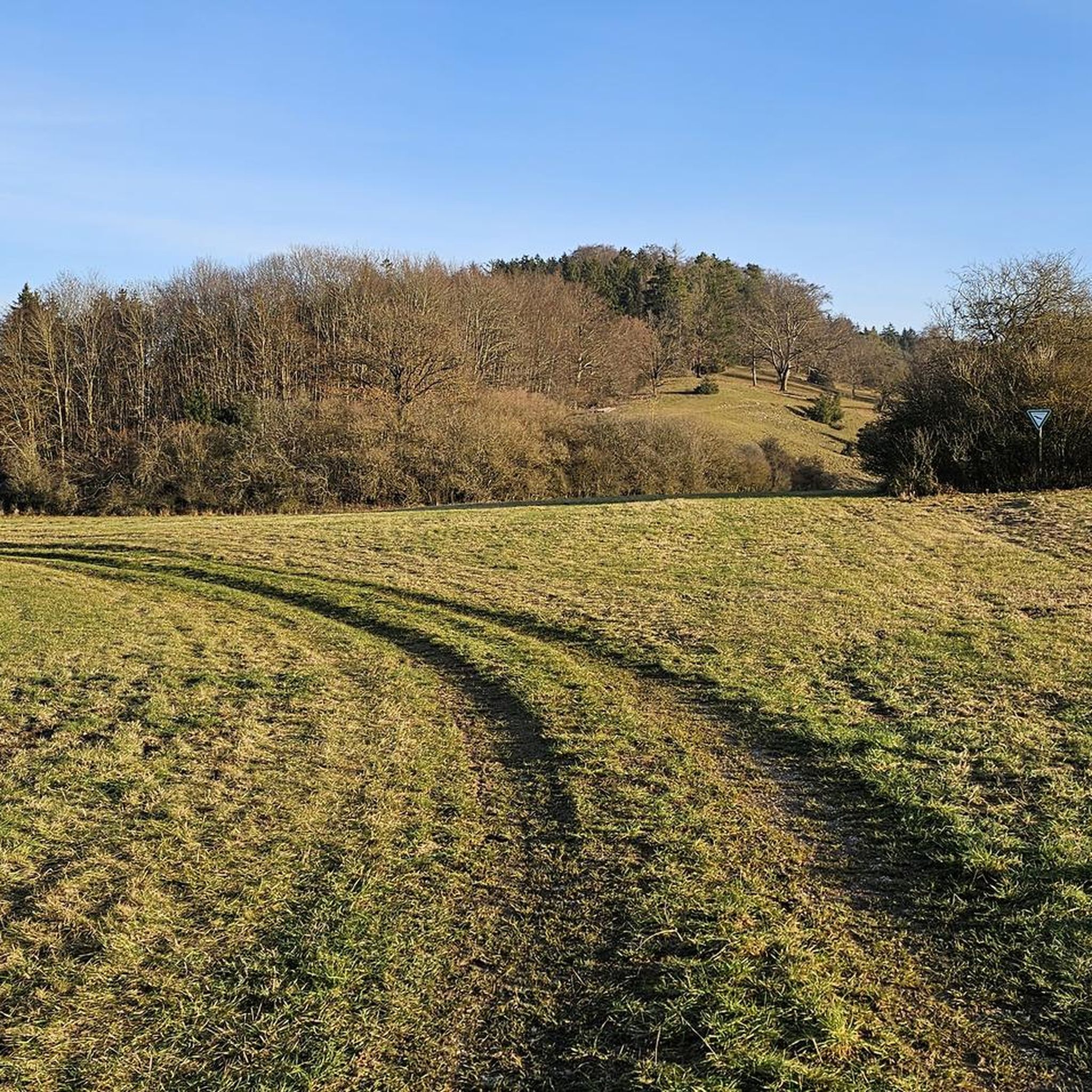
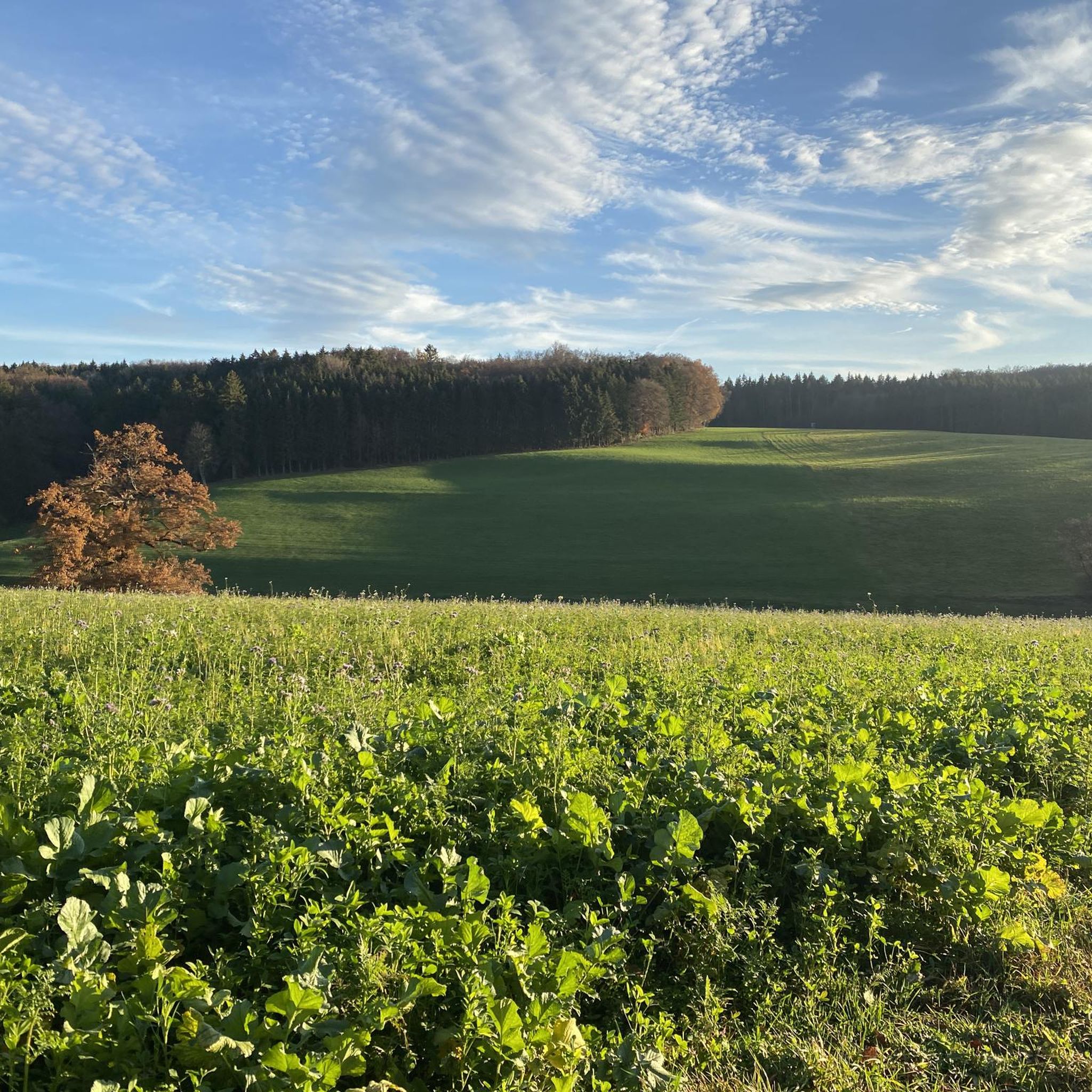
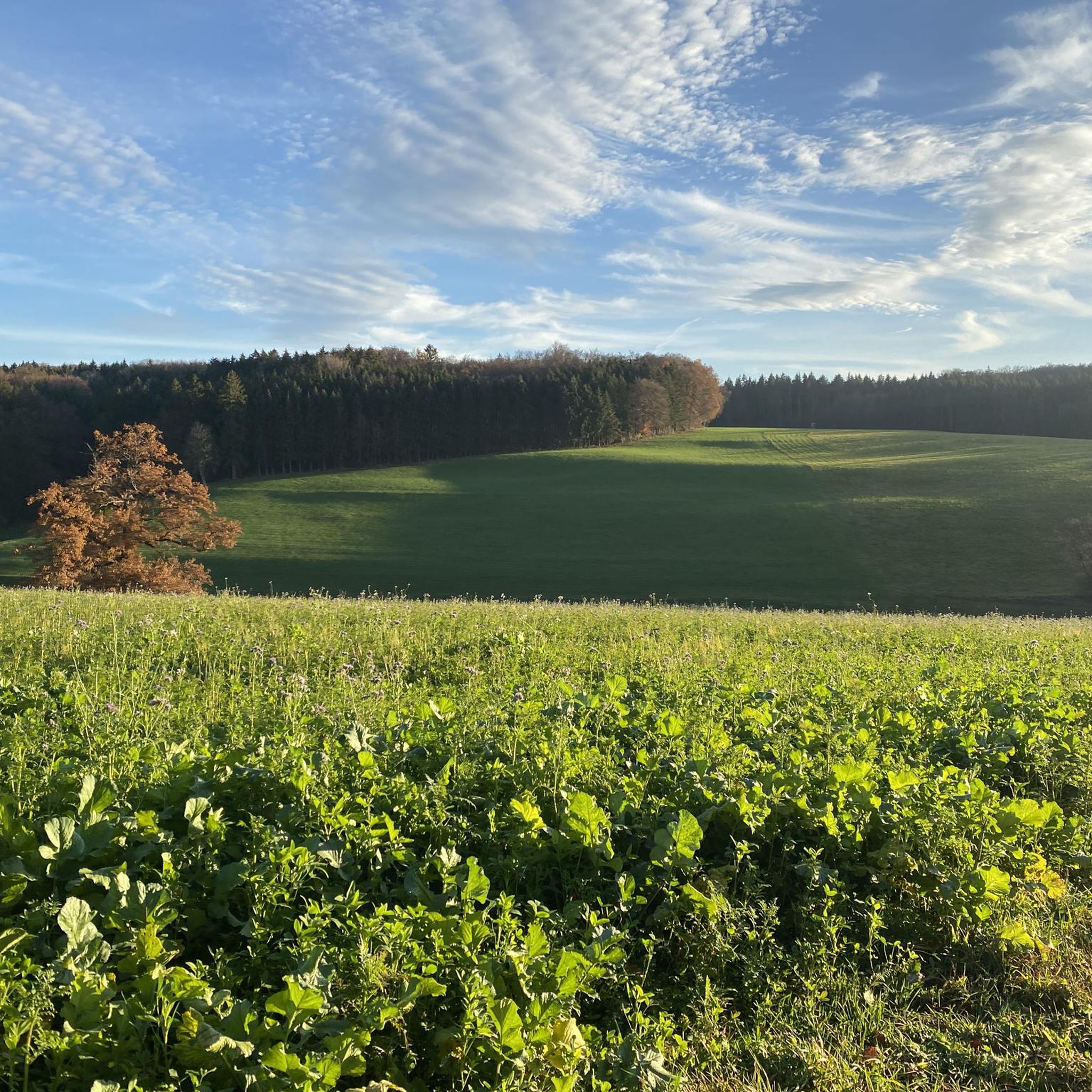
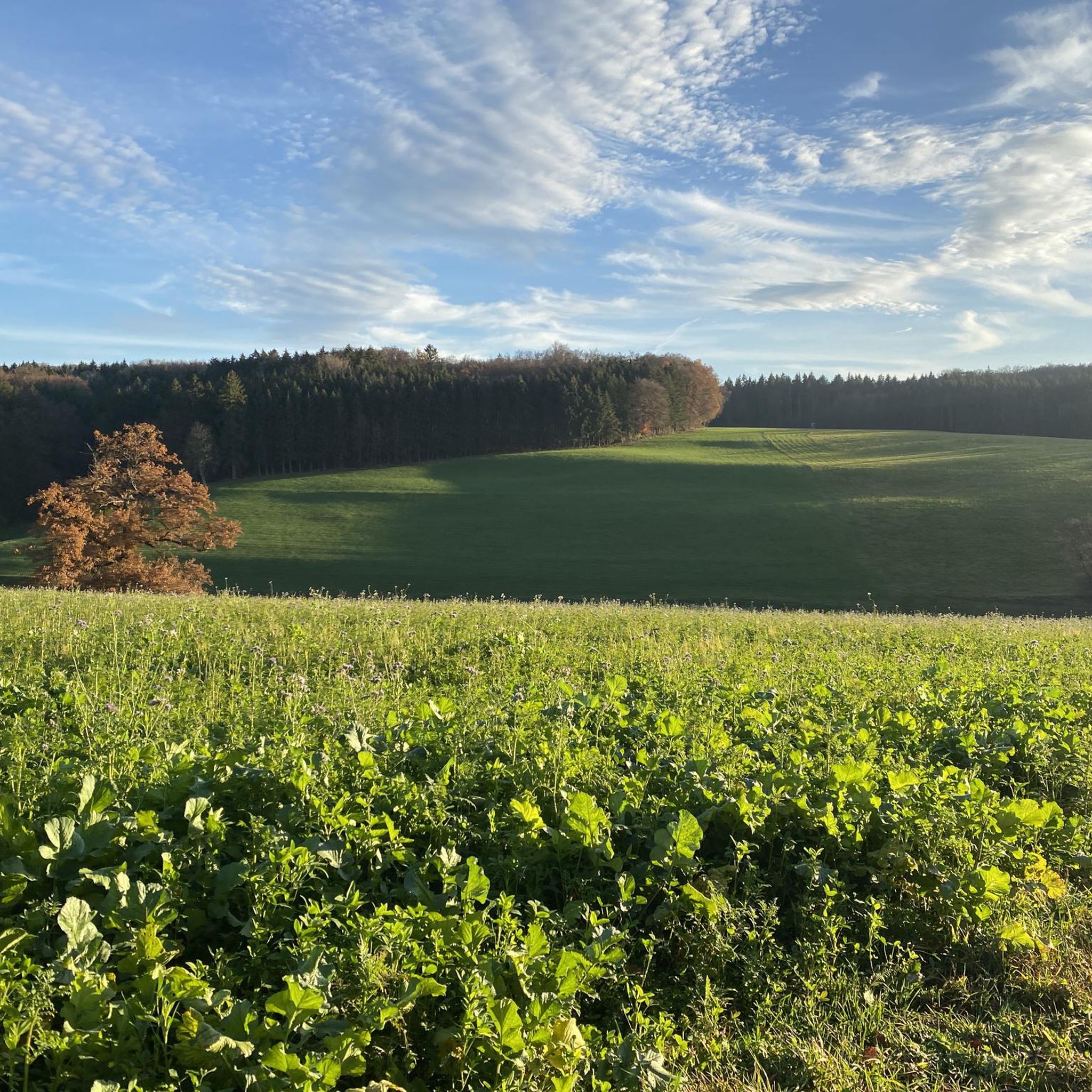
Tips from the Community

Although busy - lots of pedestrians, closed to cars on Sundays, the landscape is definitely worth the trip - and the slower cycling.
0
0

The absolute highlight of our tour this year!!! Idyllic nature, a very easy bike path, and plenty of rest stops (especially at the Biotal farm shop & cafe in Eselsburg).
1
0

The Fohlenhaus Stone Age Cave in the Lone Valley is a fascinating destination for nature and history enthusiasts. This impressive karst cave once served as a shelter for Stone Age people and today offers a glimpse into times long past. With its distinctive shape and special charm, it exudes a sense of mysticism.
10
0

The most famous feature of the Eselsburger Valley is undoubtedly the rock group of the "Stone Maidens". It consists of two slender rock needles, the origin of which is the subject of a mystical legend. https://www.herbrechtingen.de/Startseite/kultur+_+freizeit/steinere+jungfrauen.html
8
0

Absolutely recommended. You can also eat something and drink coffee there.
4
2

The rock formations are impressive and highly recommended. But be careful, there is a road leading through the valley. It is a direct connection from Eselsburg to Herbrechtingen and is driven on the right. It's a little quieter on the small hiking trail parallel to the road, on the other side of the floodplain.
8
2

Very beautiful rocky landscape and untouched nature
5
0

If you want to get from the left to the right side of the Brenz, then this bridge is one way to do it.
13
0
Frequently Asked Questions
What are some of the most popular natural monuments to visit around Altheim (Alb)?
Visitors frequently enjoy the striking Stone Maidens rock formations within the scenic Eselsburger Valley. Another highly rated spot is the Felsental Gorge, known for its impressive limestone cliffs and challenging trails. The Fohlenhaus Caves also attract many, offering a glimpse into the region's geological and historical past.
Are there family-friendly natural monuments in the Altheim (Alb) area?
Yes, several natural monuments are suitable for families. The Eselsburger Valley, home to the Stone Maidens rock formations, is a great option with its scenic beauty and diverse outdoor activities. The Jägersteg Bridge over the Brenz is also part of a family-friendly area, offering pleasant walks along the river. Additionally, the Fohlenhaus Caves provide an interesting historical and natural experience for all ages.
What kind of geological features can I expect to see among the natural monuments?
The region is characterized by its unique karst landscape. You'll encounter impressive limestone formations like the Stone Maidens rock formations, which are striking limestone needles. There are also numerous caves, such as the Fohlenhaus Caves and the Altheimer Klufthöhle, formed by water dissolving limestone. The Hungerbrunnental features a distinctive intermittent karst spring, the Hungerbrunnen, which flows only after heavy rain or snowmelt.
Are there any historical or cultural sites associated with the natural monuments?
Yes, some natural monuments have historical significance. The Fohlenhaus Caves are recognized as a historical site, offering insights into prehistoric life. The Hungerbrunnental is known for the historical 'Brezgenmarkt,' a traditional market dating back to at least 1553. Additionally, local legends often accompany geological marvels like the Stone Maidens, adding a mystical layer to their natural beauty.
What outdoor activities can I do near these natural monuments?
The natural monuments around Altheim (Alb) are excellent starting points for various outdoor activities. You can find numerous hiking trails, including those through the Eselsburger Valley and the Felsental Gorge. Cycling is also popular, especially along the Brenz river. For more specific routes, you can explore Hiking around Altheim (Alb), MTB Trails around Altheim (Alb), and Road Cycling Routes around Altheim (Alb).
Are there specific hiking trails that lead to or through the natural monuments?
Absolutely. The Eselsburger Valley offers extensive hiking routes that connect to the Stone Maidens rock formations. The Felsental Gorge is itself an interesting hiking trail through a rocky dry valley. The Hungerbrunnental nature reserve also features paths, including one that leads to the 'Schöner Bühl' viewpoint. For more options, check out Hiking around Altheim (Alb).
What is the Hungerbrunnental and what makes it unique?
The Hungerbrunnental is a designated nature reserve known for its expansive juniper heaths, meadows, and a unique geological feature: the Hungerbrunnen karst spring. This spring is intermittent, meaning it only flows after periods of heavy rain or snowmelt. The valley also contains a cave system, providing habitat for various plant and animal species, including bats, and a quarry that serves as a geological outcrop.
Can I find viewpoints with scenic vistas among the natural monuments?
Yes, the region offers several excellent viewpoints. The Stone Maidens rock formations in the Eselsburger Valley provide picturesque scenes, especially when reflected in the small lake. The 'Schöner Bühl,' located within the Hungerbrunnental, is another recommended viewpoint offering scenic views over the characteristic Swabian Alb landscape of juniper heaths and forests.
What do visitors enjoy most about the natural monuments around Altheim (Alb)?
Visitors consistently praise the natural beauty and tranquility of the area. Many highlight the impressive rock formations and the untouched nature found in places like the Eselsburger Valley. The variety of landscapes, from meadows and forests to rocky cliffs, makes for diverse and engaging outdoor experiences. The historical and geological insights offered by sites like the Fohlenhaus Caves are also highly appreciated.
Are there any natural monuments that are particularly good for nature observation?
The Hungerbrunnental nature reserve is an excellent spot for nature observation, with its diverse juniper heaths, meadows, and a cave system that provides habitat for various species, including bats. Traditional orchard meadows (Streuobstwiesen) and protected field groves (Feldgehölz mit Eichen) also contribute to the region's biodiversity, offering opportunities to observe local flora and fauna.
What is the best time of year to visit the natural monuments around Altheim (Alb)?
The natural monuments are beautiful year-round, but spring and autumn often offer the most pleasant conditions for hiking and exploring, with mild temperatures and vibrant colors. Spring brings blooming wildflowers, while autumn showcases stunning foliage. The intermittent Hungerbrunnen spring is most likely to flow after periods of heavy rain or snowmelt, typically in late winter or spring, making it a unique sight during those times.
Are there any specific caves designated as natural monuments in the area?
Yes, the Swabian Alb is renowned for its caves. The Fohlenhaus Caves are a prominent natural monument and historical site. Additionally, the Altheimer Klufthöhle (fissure cave) and the Öllensteinhöhle are individual natural monuments in Altheim (Alb), offering insights into the region's extensive underground karst systems.
Most popular routes around Altheim (Alb)
Most popular attractions around Altheim (Alb)

Get inspired with the komoot mobile app


Explore more
Extend your search for the best caves by checking out these guides of the top ones around Altheim (Alb):
