Attractions and Places To See around Bad Säckingen - Top 20
Best attractions and places to see around Bad Säckingen include historical landmarks, cultural sites, and natural features. Situated on the High Rhine at the foot of the Southern Black Forest, the town offers a blend of historical architecture and scenic landscapes. Its well-preserved old town is known for its romantic alleys and Mediterranean flair. The region provides access to the Rhine River and the surrounding hills of the Hotzenwald and Southern Black Forest.
Best attractions and places to see around Bad Säckingen
- The most popular attractions is Rheinfelden Town Hall, a historical site. This town hall features an impressive baroque facade, a massive tower, and a beautiful courtyard, centrally located in Rheinfelden's old town.
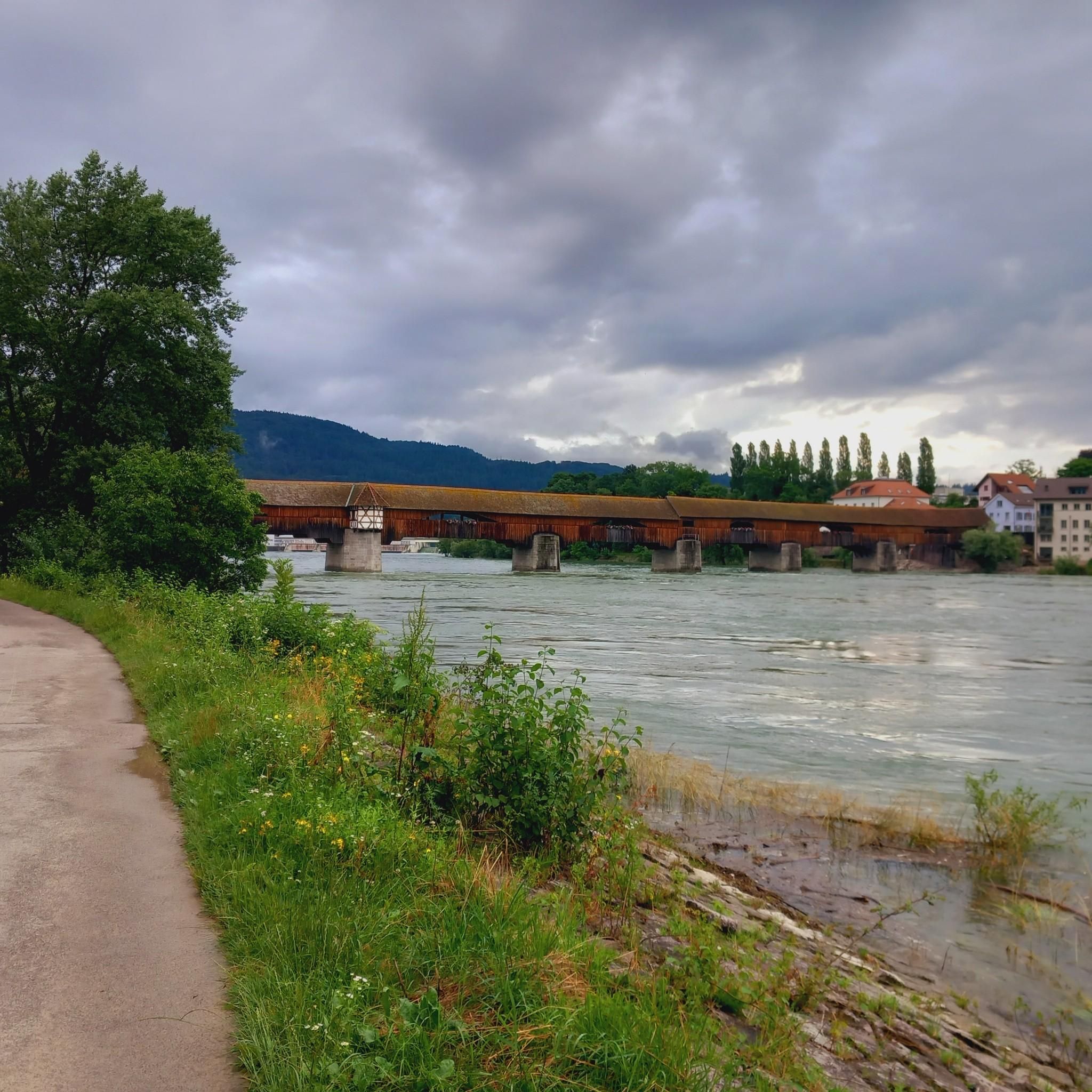
- Another must-see spot is Wooden Covered Bridge in Bad Säckingen, a bridge. As Europe's longest covered wooden bridge, it spans 203.7 meters across the Rhine, connecting Bad Säckingen with the Swiss town of Stein.
- Visitors also love Old Rhine Bridge, Rheinfelden, a bridge. This historic bridge serves as a border crossing between the two Rheinfelden towns and is primarily for pedestrians and cyclists, offering views of the old town facades.
- Bad Säckingen is known for its historical sites, bridges, and cycling routes. Visitors can explore a variety of attractions, from ancient structures to scenic river paths.
- The attractions around Bad Säckingen are appreciated by the komoot community, with over 1300 upvotes and 590 photos shared by users.
Last updated: October 9, 2026
Wooden Covered Bridge in Bad Säckingen
Highlight • Bridge
Translated by Google •
Tip by

Old Rhine Bridge, Rheinfelden
Highlight • Bridge
The old Rhine Bridge is a Rhine and border crossing between the two Rheinfelden. Crossing is only permitted for pedestrians, bicycles, mopeds, taxis and the local bus.
From the ferry to the bridge.
There was already a ferry in the area of today's bridge during Roman rule. The Zähringers, who expanded the market town of Rheinfelden into a town, also had a ferry connection across the Rhine. It ensured the connection to the road to the Zähringen possessions in Breisgau.
The first bridge was probably built in the second half of the 12th century, because in 1198 a citizen of Rheinfelden was referred to in a document as Heinricus de Ponte (Heinrich von der Brücke). It was therefore the oldest bridge between Constance and Strasbourg, even before the middle bridge in Basel, which was built in 1225.
Pedestrian bridge.
Except for taxis and the local bus, cars are no longer allowed to use the bridge. The crossing over the Rhine and the entire old town is reserved for bicycles at walking pace and pedestrians.
The Rhine bridge offers a wonderful view of the old town facades and the Park Hotel on the Rhine.
Text / Source: Tourism Rheinfelden, City Office, Rheinfelden
tourismus-rheinfelden.ch/de/erleben/sehenswuerdigkeiten/rheinbruecke
Translated by Google •
Tip by

Sign up now to discover places like this
Get recommendations on the best single tracks, peaks, & plenty of other exciting outdoor places.
Laufenburg Old Town and Rhine Bridge
Highlight • Settlement
Translated by Google •
Tip by

Rhine Cycle Route Wallbach–Bad Säckingen
Highlight (Segment) • Cycleway
Translated by Google •
Tip by

Rheinfelden Town Hall
Highlight • Historical Site
Centrally located, the town hall with its impressive baroque facade, massive tower and beautiful courtyard stands in the middle of Rheinfelden's old town.
An Austrian coat of arms on a Swiss town hall?
After the town hall burned down in 1531, it was rebuilt. The tower with its crenellated crown dates back to the Zähringer period. The baroque facade from the 18th century shows the coats of arms of Austria, the county of Hauenstein, Laufenburg, Säckingen, Rheinfelden, and the Truchsessen family.
Rheinfelden belonged to the Habsburgs and thus to Austria for almost 1000 years. Today, the entire city administration is located in the historic building.
Rudolf: The King of Rheinfelden.
When you enter through the gate on the left, there is a cast of the gravestone of Rudolf von Rheinfelden († 1080). The former court and market arcades are also here.
Text / Source: Tourism Rheinfelden, City Office, Rheinfelden
tourismus-rheinfelden.ch/de/erleben/sehenswuerdigkeiten/rheinfelder-rathaus
Translated by Google •
Tip by
Sign up for free to discover even more attractions around Bad Säckingen.
Already have an account?
Start today with a free account
Your next adventure awaits.
Popular around Bad Säckingen
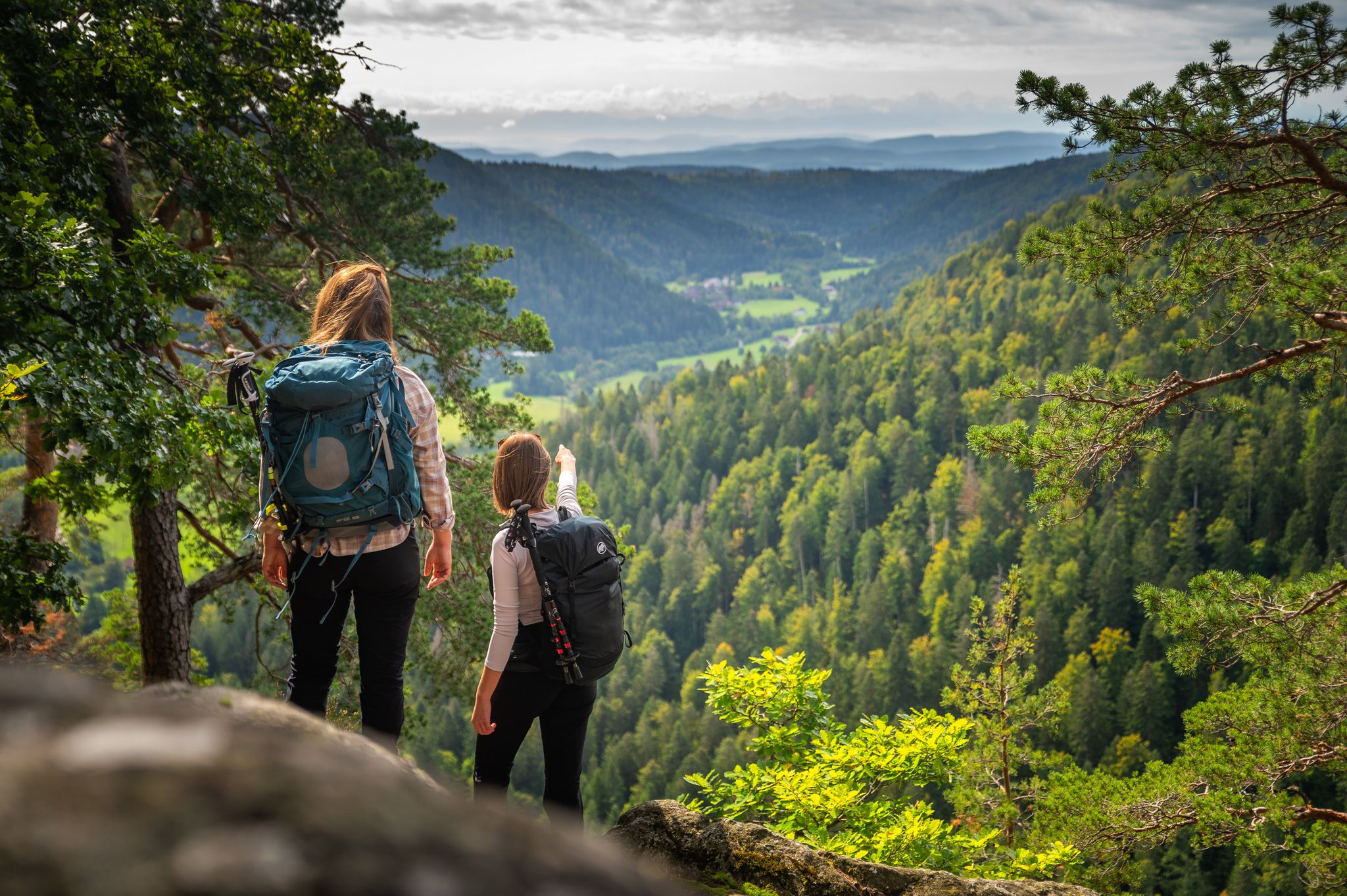
From the hills to the Rhine – hiking in the Southern Black Forest
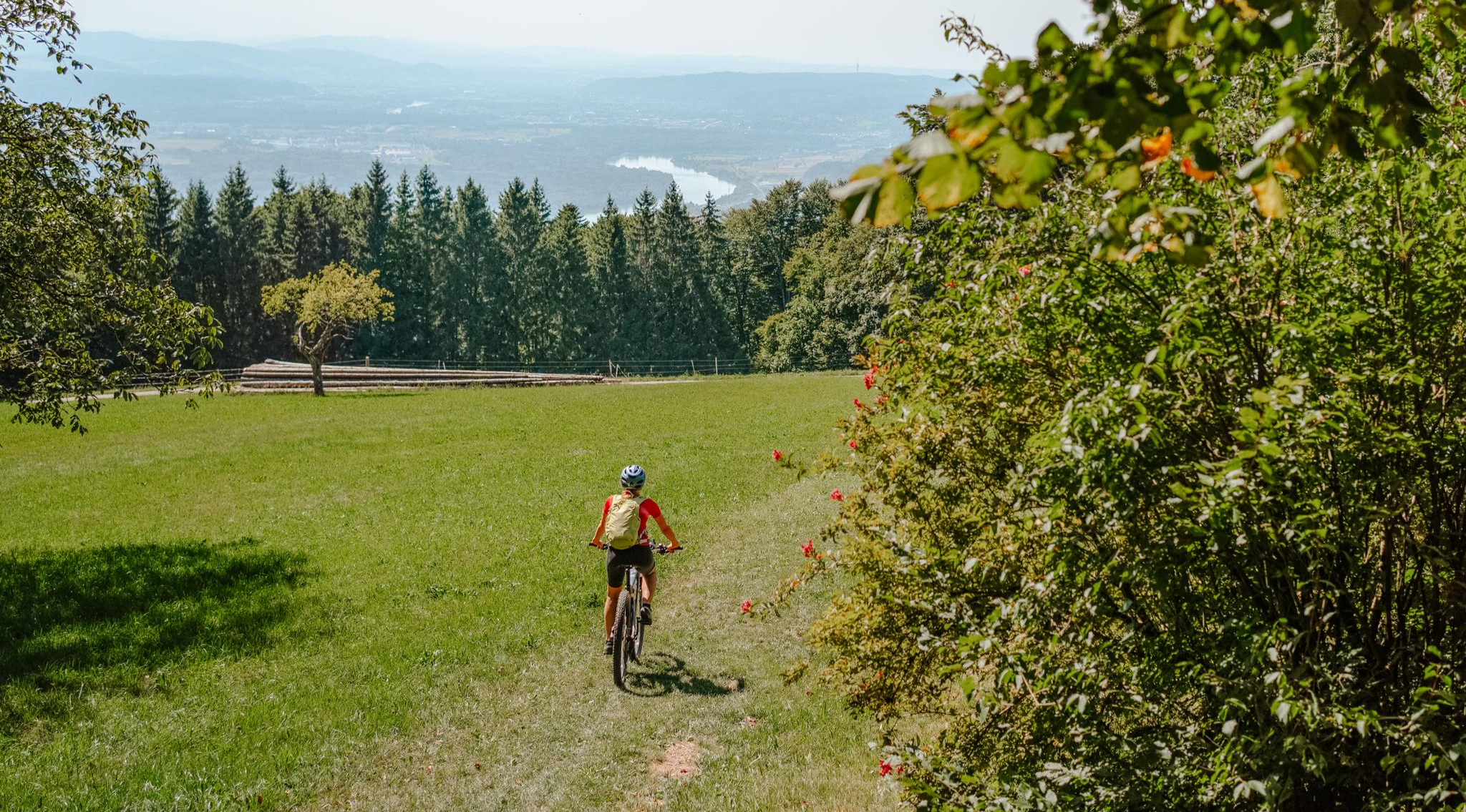
Build your dream ride: Modular biking in the Southern Black Forest
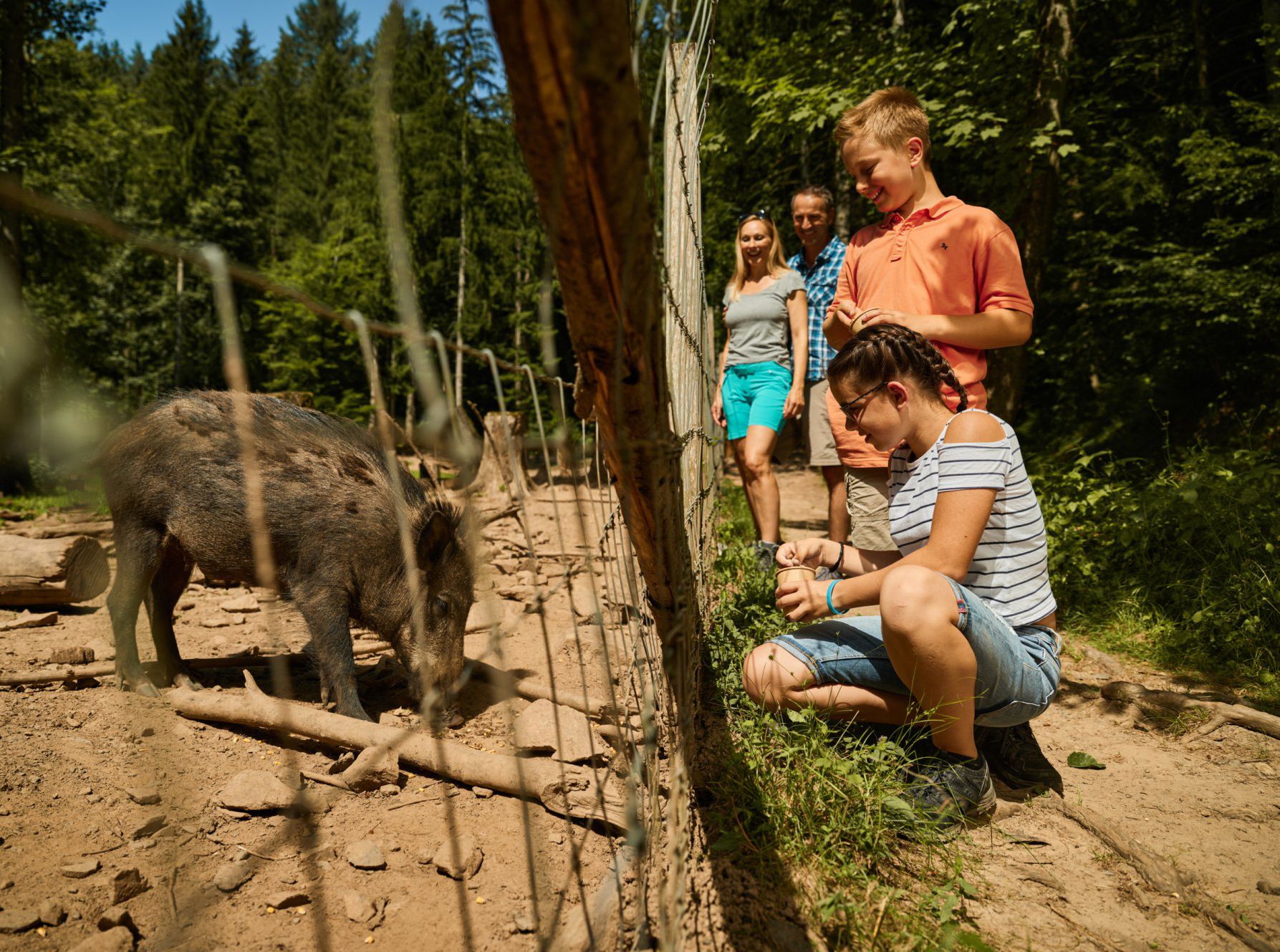
Animal Tours – family hikes in the southern Black Forest
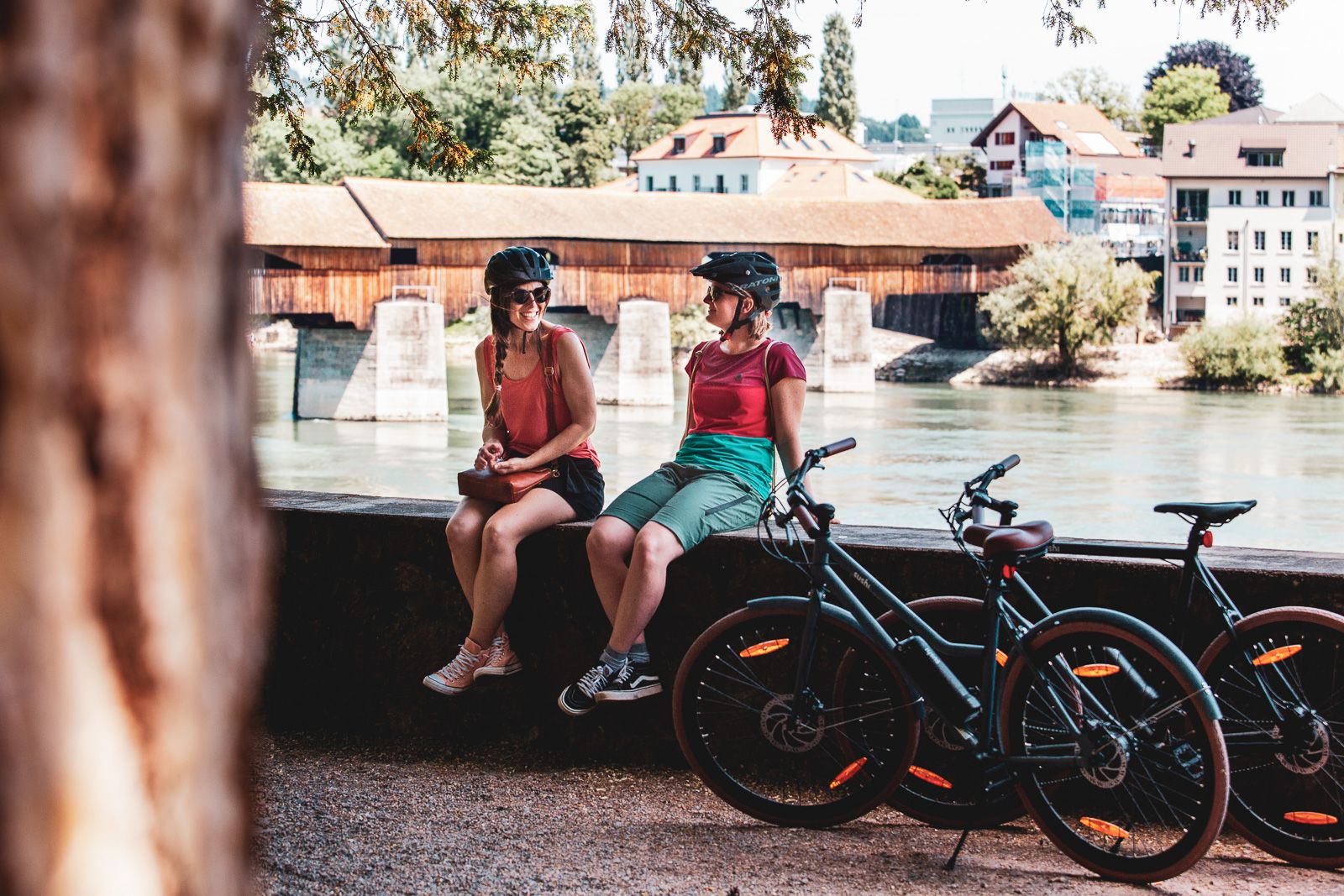
The Rhine Cycle Route from Constance to Mannheim – EuroVelo 15
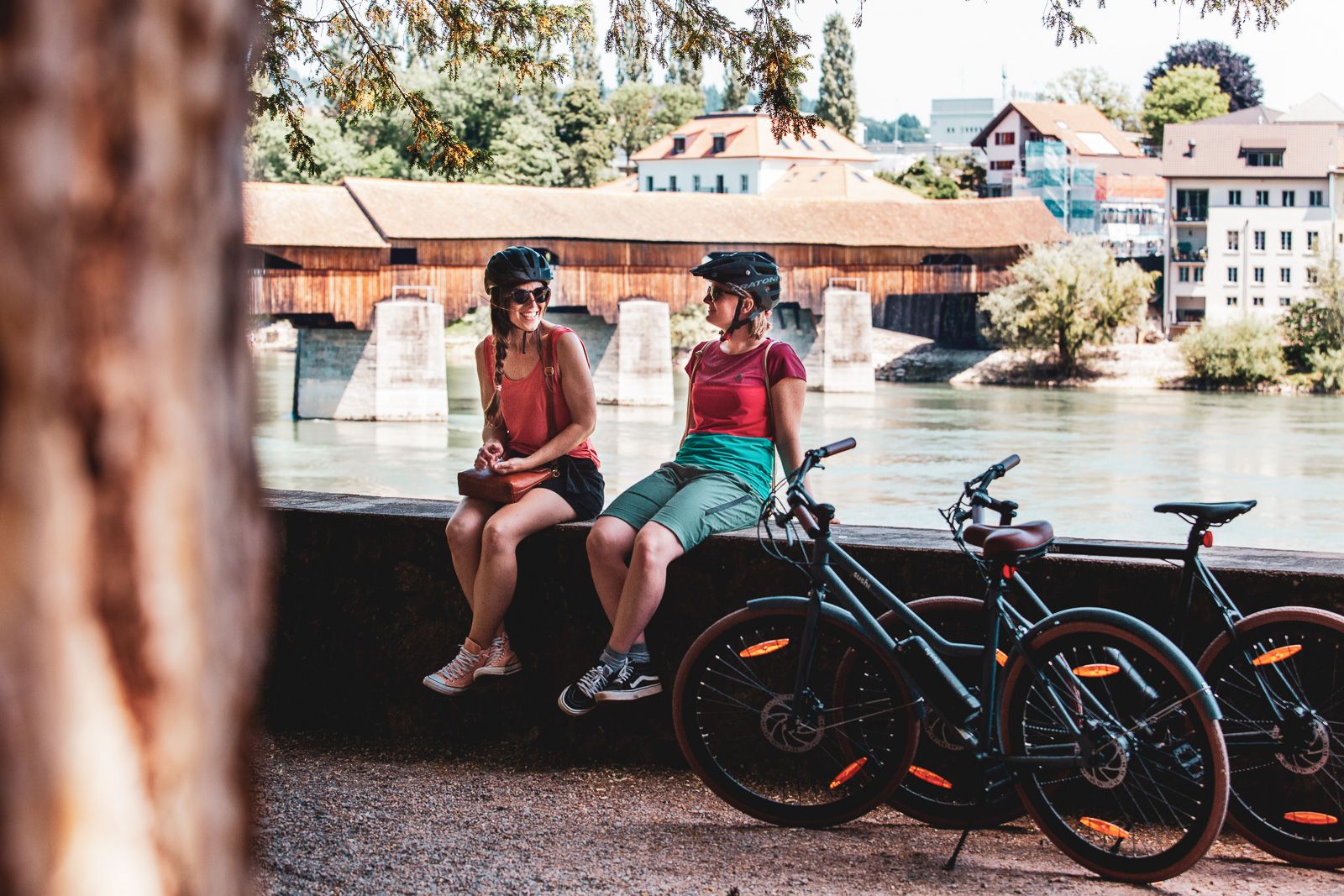
Rhine Cycle Route between Constance and Mannheim
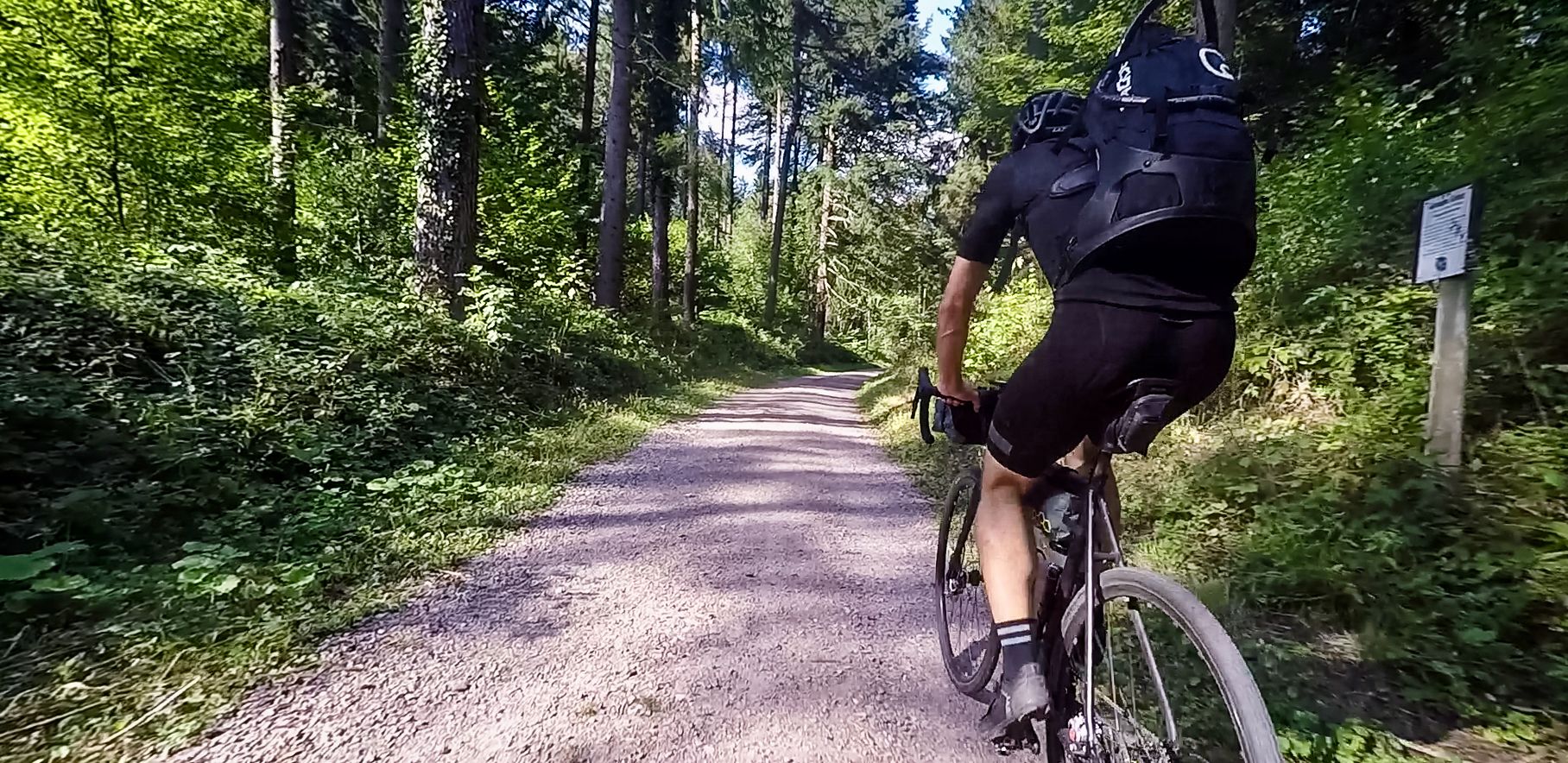
3 days of bike crossing in the Black Forest
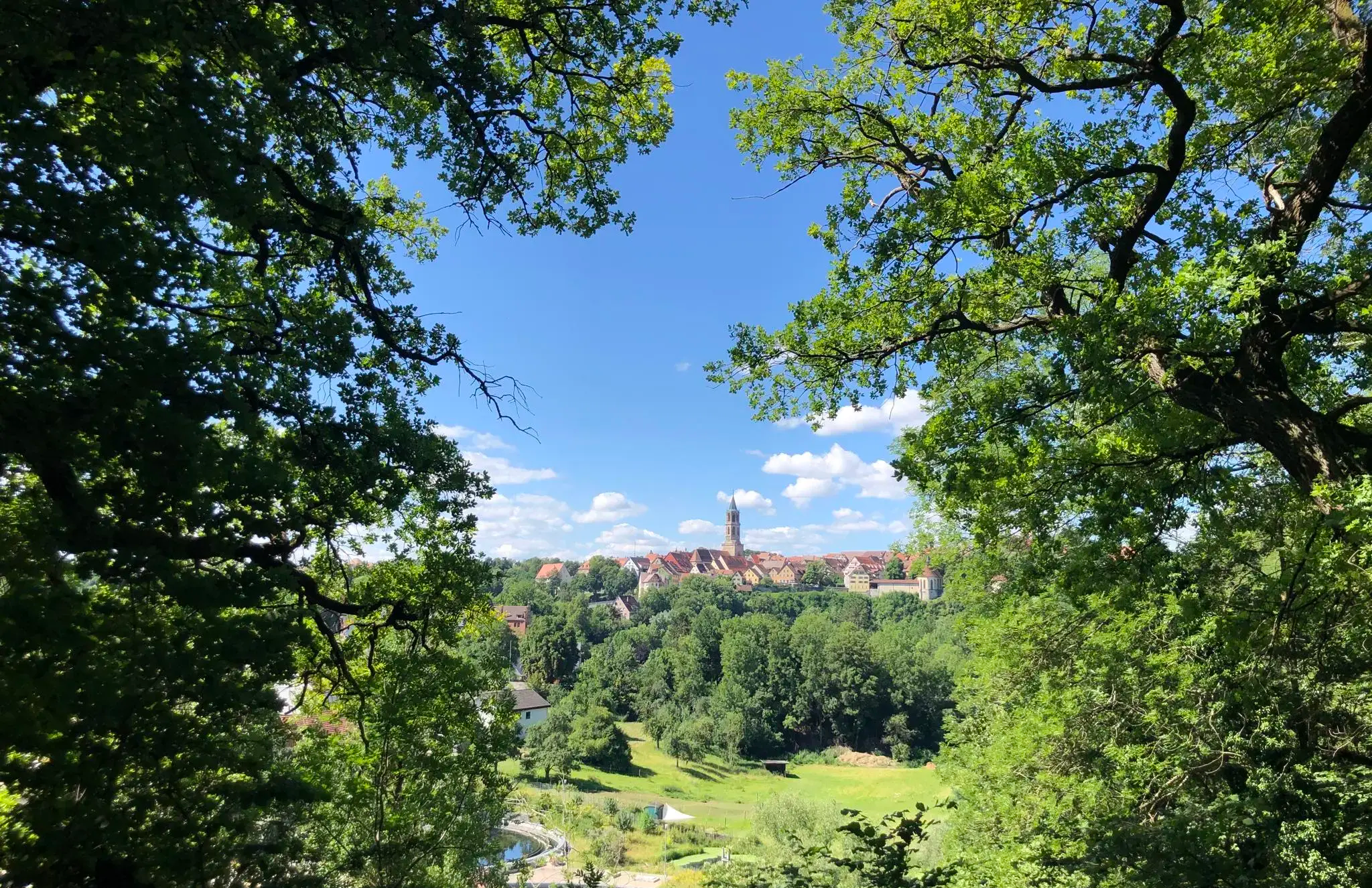
Vom Altstadtrand ins Grüne – Schwarzwälder Städte neu entdecken
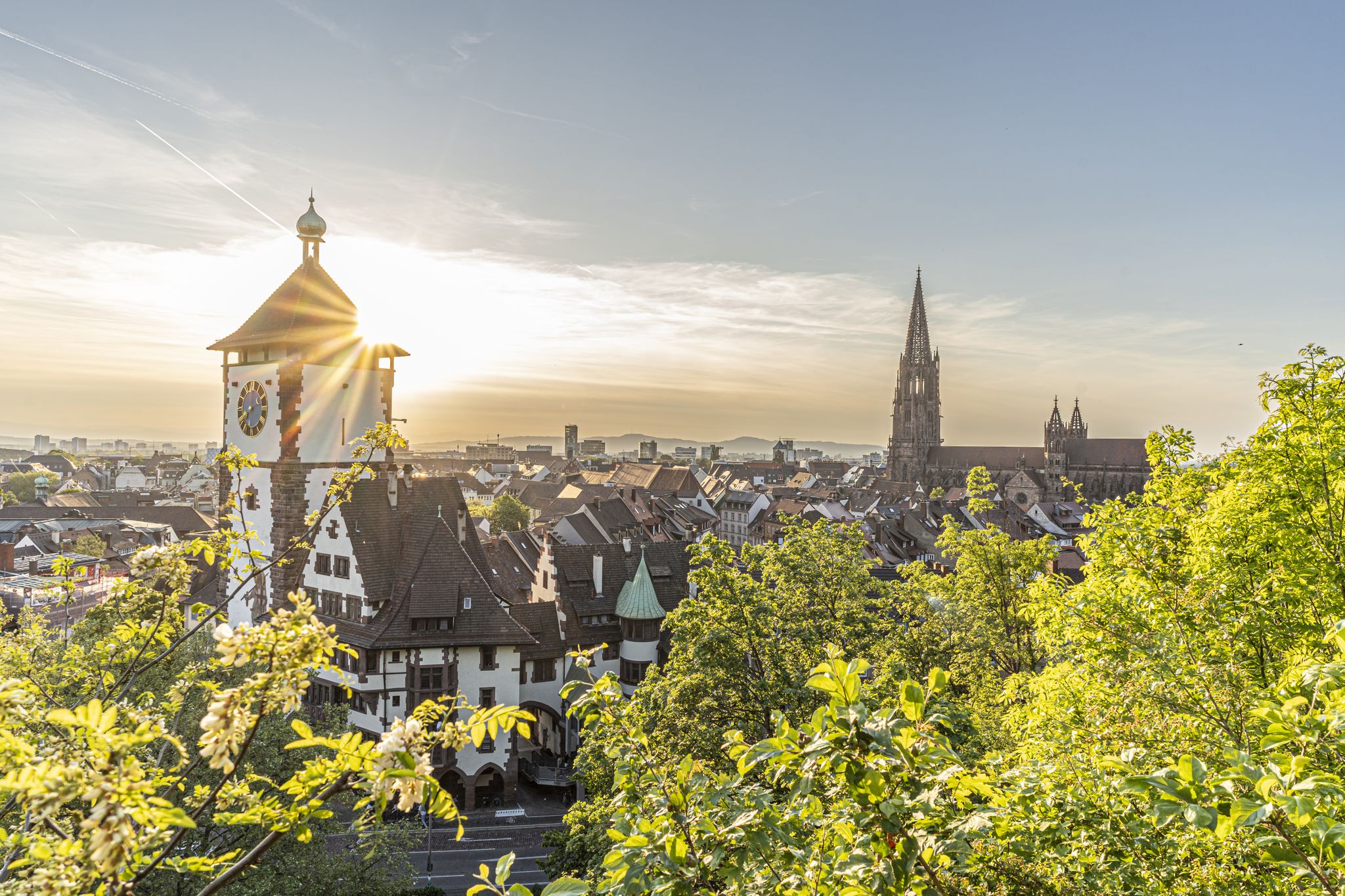
Schwarzwälder Stadtgeschichten – Bummeln, Staunen, Vespern
Die Schönheit des Herbstes – Wanderungen im Südschwarzwald
Hiking around Bad Säckingen
Other adventures around Bad Säckingen


Tips from the Community

Rhine Bridge "Border crossing between the two Rheinfelden" The old Rhine Bridge is a Rhine and border crossing between the two Rheinfelden. Crossing is only permitted for pedestrians, bicycles, mopeds, taxis and the local bus. From the ferry to the bridge. There was already a ferry in the area of today's bridge during Roman rule. The Zähringers, who expanded the market town of Rheinfelden into a town, also had a ferry connection across the Rhine. It ensured the connection to the road to the Zähringen possessions in Breisgau. The first bridge was probably built in the second half of the 12th century, because in 1198 a citizen of Rheinfelden was referred to in a document as Heinricus de Ponte (Heinrich von der Brücke). It was therefore the oldest bridge between Constance and Strasbourg, even before the middle bridge in Basel, which was built in 1225. Pedestrian bridge. Except for taxis and the local bus, cars are no longer allowed to use the bridge. The crossing over the Rhine and the entire old town is reserved for bicycles at walking pace and pedestrians. The Rhine bridge offers a wonderful view of the old town facades and the Park Hotel on the Rhine. Text / Source: Tourism Rheinfelden, City Office, Rheinfelden https://www.tourismus-rheinfelden.ch/de/erleben/sehenswuerdigkeiten/rheinbruecke
17
0
Rhine Bridge, Rheinfelden since 1150 Around 1150, Konrad von Zähringen had the first Rhine bridge built in Rheinfelden. This gave the newly minted town of Rheinfelden (which received town charter in 1130) a major economic boom. The bridge in Rheinfelden was the only bridge over the Rhine in the area at the time, and was even older than the bridges in Basel. Thanks to the island, building a bridge here was easier than elsewhere in the Rhine, as the island could be used as a bridge pillar. This is why the bridge still has a bend today. One night in 1897, the old wooden bridge burned down. "It is said that many a Rheinfelden resident shed a tear when this old landmark of the town, to which such a rich piece of history is linked, was consumed by flames." Construction of the bridge that still stands today began soon after. Fortunately, it is now fireproof, but still not completely out of danger. In 1995 it was almost washed away by floods, and in May 1999 the bridge also withstood the flood of the century. Text / Source: http://rheinfelden.net/rhf-p.htm http://rheinfelden.net/rhf-p.htm
17
2
Inner courtyard of the Rheinfelden town hall The imposing Rheinfelden town hall with its baroque facade and coats of arms, the defiant tower, the courthouse and the beautiful inner courtyard with the proud open staircase. (The Rheinfelden town hall is often referred to as a miniature version of the Basel town hall! Text / Source: Tourism Rheinfelden, City Office, Rheinfelden Rheinfelden-rundgang-rheinfelden-2021_0
14
0
Rheinfelden Town Hall The Town Hall is a hidden gem full of history. It is located in the town hall and can be reached via the Gothic staircase in the inner courtyard. Inside, magnificent portraits of the Habsburg rulers and coats of arms await. Anyone who wants to get married in Rheinfelden can celebrate their civil wedding here. Cultural asset of regional importance. On the night of February 11, 1531, the old town hall in Rheinfelden fell victim to a fire. Shortly afterwards, a new building was built using the medieval tower that had been spared from the fire. This late Gothic building forms the core of today's town hall. Coat of arms & portraits of the rulers. The large council chamber was decorated on the north and south sides with coats of arms from the Ropstein workshop in Freiburg im Breisgau. These were donated by Austrian sovereigns, friendly forest towns and the county of Hauenstein, as well as local nobles who were in the service of the Habsburgs. 10 princes and 8 citizens' portraits depict personalities from Rheinfelden's history: Among others, Emperor Ferdinand I and Maria Theresa. Text / Source: Tourism Rheinfelden, City Office, Rheinfelden https://www.tourismus-rheinfelden.ch/de/erleben/sehenswuerdigkeiten/rathaussaal-rheinfelden
15
0
Rheinfelden Town Hall Centrally located, the town hall with its impressive baroque facade, massive tower and beautiful courtyard stands in the middle of Rheinfelden's old town. An Austrian coat of arms on a Swiss town hall? After the town hall burned down in 1531, it was rebuilt. The tower with its crenellated crown dates back to the Zähringer period. The baroque facade from the 18th century shows the coats of arms of Austria, the county of Hauenstein, Laufenburg, Säckingen, Rheinfelden, and the Truchsessen family. Rheinfelden belonged to the Habsburgs and thus to Austria for almost 1000 years. Today, the entire city administration is located in the historic building. Rudolf: The King of Rheinfelden. When you enter through the gate on the left, there is a cast of the gravestone of Rudolf von Rheinfelden († 1080). The former court and market arcades are also here. Text / Source: Tourism Rheinfelden, City Office, Rheinfelden https://www.tourismus-rheinfelden.ch/de/erleben/sehenswuerdigkeiten/rheinfelder-rathaus
17
0
Rhine Bridge "Border crossing between the two Rheinfelden" The old Rhine Bridge is a Rhine and border crossing between the two Rheinfelden. Only pedestrians, bicycles, mopeds, taxis and the local bus are allowed to cross. From the ferry to the bridge. There was already a ferry in the area of today's bridge during Roman rule. The Zähringen family, who expanded the market town of Rheinfelden into a town, also had a ferry connection across the Rhine. It ensured the connection to the road to the Zähringen possessions in Breisgau. The first bridge was probably built in the second half of the 12th century, because in 1198 a citizen of Rheinfelden was referred to in a document as Heinricus de Ponte (Heinrich von der Brücke). It was therefore the oldest bridge between Constance and Strasbourg, even before the middle bridge in Basel, which was built in 1225. Pedestrian bridge. Except for taxis and the local bus, cars are no longer allowed to use the bridge. The crossing over the Rhine and the entire old town is reserved for bicycles at walking pace and pedestrians. The Rhine bridge offers a wonderful view of the old town facades and the Park Hotel on the Rhine. Text / Source: Tourism Rheinfelden, City Office, Rheinfelden https://www.tourismus-rheinfelden.ch/de/erleben/sehenswuerdigkeiten/rheinbruecke
15
0
Rhine Bridge, Rheinfelden since 1150 Around 1150, Konrad von Zähringen had the first Rhine bridge built in Rheinfelden. This gave the newly minted town of Rheinfelden (which received town charter in 1130) a major economic boom. The bridge in Rheinfelden was the only bridge over the Rhine in the area at the time, and was even older than the bridges in Basel. Thanks to the island, building a bridge here was easier than elsewhere on the Rhine, as the island could be used as a bridge pillar. This is why the bridge still has a bend today. One night in 1897, the old wooden bridge burned down. "It is said that many a Rheinfelden resident shed a tear when this old landmark of the town, to which such a rich piece of history is linked, was destroyed by fire." Construction of the bridge that still stands today began soon after. Fortunately, it is now fireproof, but still not completely out of danger. In 1995 it was almost washed away by floods, and in May 1999 the bridge also withstood the flood of the century. Text / Source: http://rheinfelden.net/rhf-p.htm http://rheinfelden.net/rhf-p.htm
15
0

Frequently Asked Questions
What historical landmarks can I explore in Bad Säckingen?
Bad Säckingen is rich in history. You can visit the impressive St. Fridolinsmünster, an 11th-century baroque cathedral with distinctive onion-domed towers. Explore Europe's longest covered Wooden Bridge, connecting Bad Säckingen with Stein, Switzerland. Don't miss Schloss Schönau, also known as the Trumpeter Castle, which houses several museums, or the defensive Gallus Tower, part of the old city wall.
Are there any museums in Bad Säckingen?
Yes, Bad Säckingen offers several unique museums. Within Schloss Schönau, you'll find the Trumpeter Museum, along with museums dedicated to pre- and early history and local city history. The Haus der Fischerzunft, one of the town's oldest buildings, also serves as a museum and exhibition venue. For a different experience, the Müllmuseum (Waste Museum) is located in the district of Wallbach.
What natural features can I enjoy around Bad Säckingen?
The town is beautifully situated on the High Rhine River, offering scenic views and riverside walks. Bad Säckingen is also an excellent gateway to the natural landscapes of the Southern Black Forest and the gentle hills of the Hotzenwald, perfect for outdoor activities. For relaxation, consider a visit to the Aqualon Therme.
Are there opportunities for cycling near Bad Säckingen?
Absolutely! The region is very cyclist-friendly. You can enjoy the scenic Rhine Cycle Route Wallbach–Bad Säckingen, which offers easy riding along the river. For more options, explore various cycling routes around Bad Säckingen, including tours like 'Bad Säckingens Brückenstürmer' or routes to Laufenburg, which you can find in the Cycling around Bad Säckingen guide.
Can I go hiking around Bad Säckingen?
Yes, the surrounding Southern Black Forest and Hotzenwald offer numerous hiking opportunities. You can find trails of varying difficulties, including waterfall hikes. For detailed routes and inspiration, check out the Waterfall hikes around Bad Säckingen guide, which includes routes like the 'Bridge Over the Murg Waterfall – Lehenbach Waterfalls loop'.
What is the best time to visit Bad Säckingen for outdoor activities?
The spring, summer, and early autumn months generally offer the most pleasant weather for outdoor activities like hiking and cycling. During these seasons, you can fully enjoy the scenic Rhine River, the Black Forest, and the Hotzenwald. The town's Mediterranean flair in the old town is also best experienced in warmer weather.
Are there family-friendly attractions around Bad Säckingen?
Many attractions in and around Bad Säckingen are suitable for families. Walking across the Wooden Covered Bridge is a fun experience for all ages. Exploring the romantic Old Town and its squares, like Münsterplatz, offers a pleasant stroll. The Rhine River itself provides opportunities for boat trips or walks along its banks. The Aqualon Therme also offers relaxation for the whole family.
What is special about the Old Town of Bad Säckingen?
Bad Säckingen's Romantic Old Town is considered one of the most picturesque in Southern Germany. Its well-preserved historic center features enchanting alleys and exudes a distinct Mediterranean flair. Many interesting sights, including the St. Fridolinsmünster and numerous dining options, are located within or near the city center, making it ideal for leisurely exploration.
Are there any mountain biking trails in the area?
Yes, for mountain biking enthusiasts, the Sabine Spitz MTB-Arena offers challenging trails in the steeply sloping flanks of the Hotzenwald. These trails are free to use. Additionally, you can find gravel biking routes around Bad Säckingen, including tours like 'Bad Säckingen Wooden Bridge – Old town Laufenburg loop', detailed in the Gravel biking around Bad Säckingen guide.
What cultural sites are there beyond the main landmarks?
Beyond the major landmarks, you can visit Villa Berberich, a Gründerzeit-era villa hosting art exhibitions within an English landscape garden. The Jester's Fountain (Narrenbrunnen) in Rheinbrück Street depicts figures from the local carnival tradition. The listed Au Cemetery, a former town burial ground, also offers a glimpse into local history.
What do visitors enjoy most about the attractions around Bad Säckingen?
Visitors particularly appreciate the blend of historical charm and natural beauty. The Wooden Covered Bridge and the romantic Old Town with its cozy street cafes and Mediterranean atmosphere are frequently highlighted. Many also enjoy the scenic views and opportunities for walks and cycling along the Rhine, as well as the historical significance of sites like the St. Fridolinsmünster.
Most popular routes around Bad Säckingen
Most popular attractions around Bad Säckingen

Get inspired with the komoot mobile app


Explore more
Still not found the Highlight you’re looking for? See guides of the top attractions in other regions:
