The best gravel rides around Casbas De Huesca
4.2
(7)
70
riders
11
rides
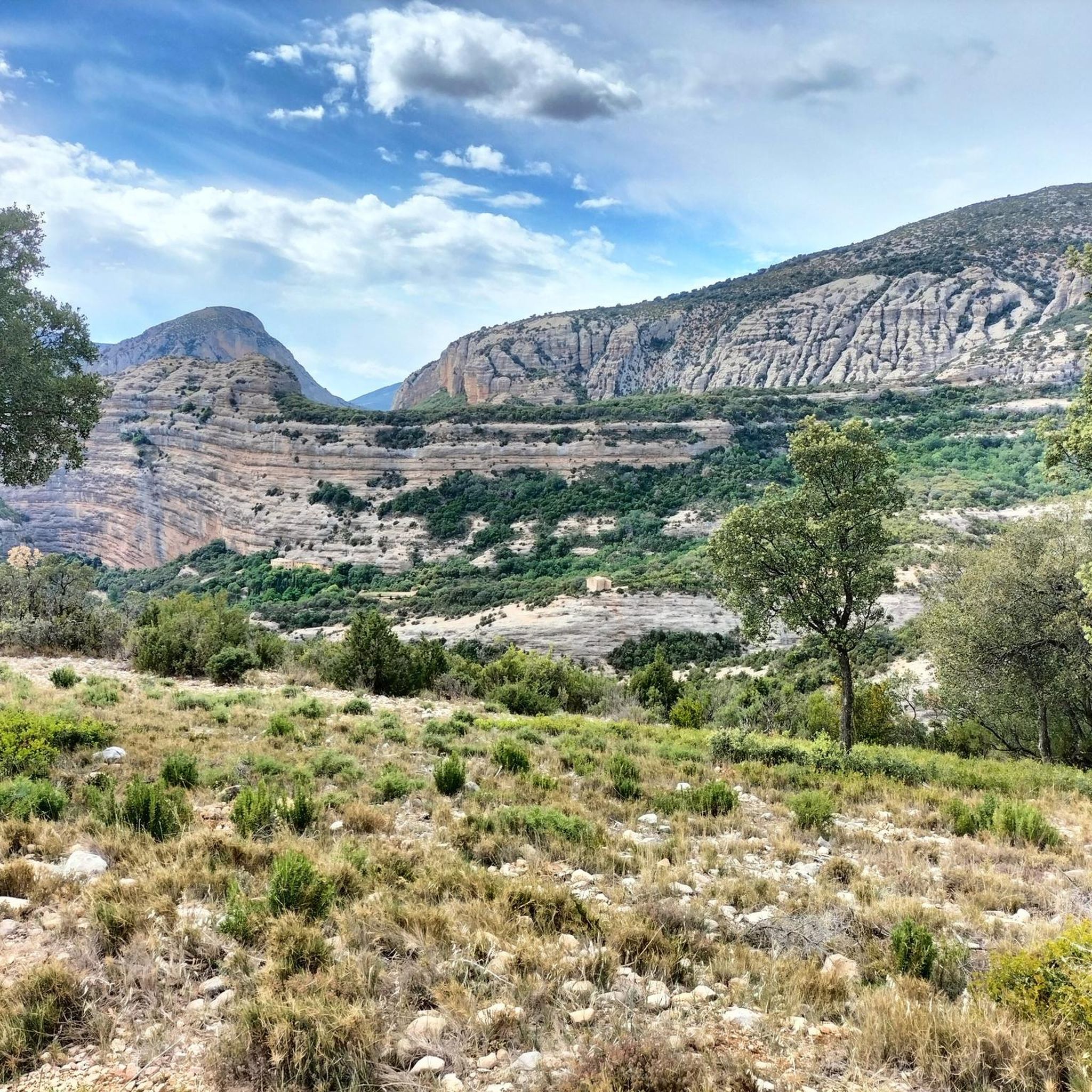
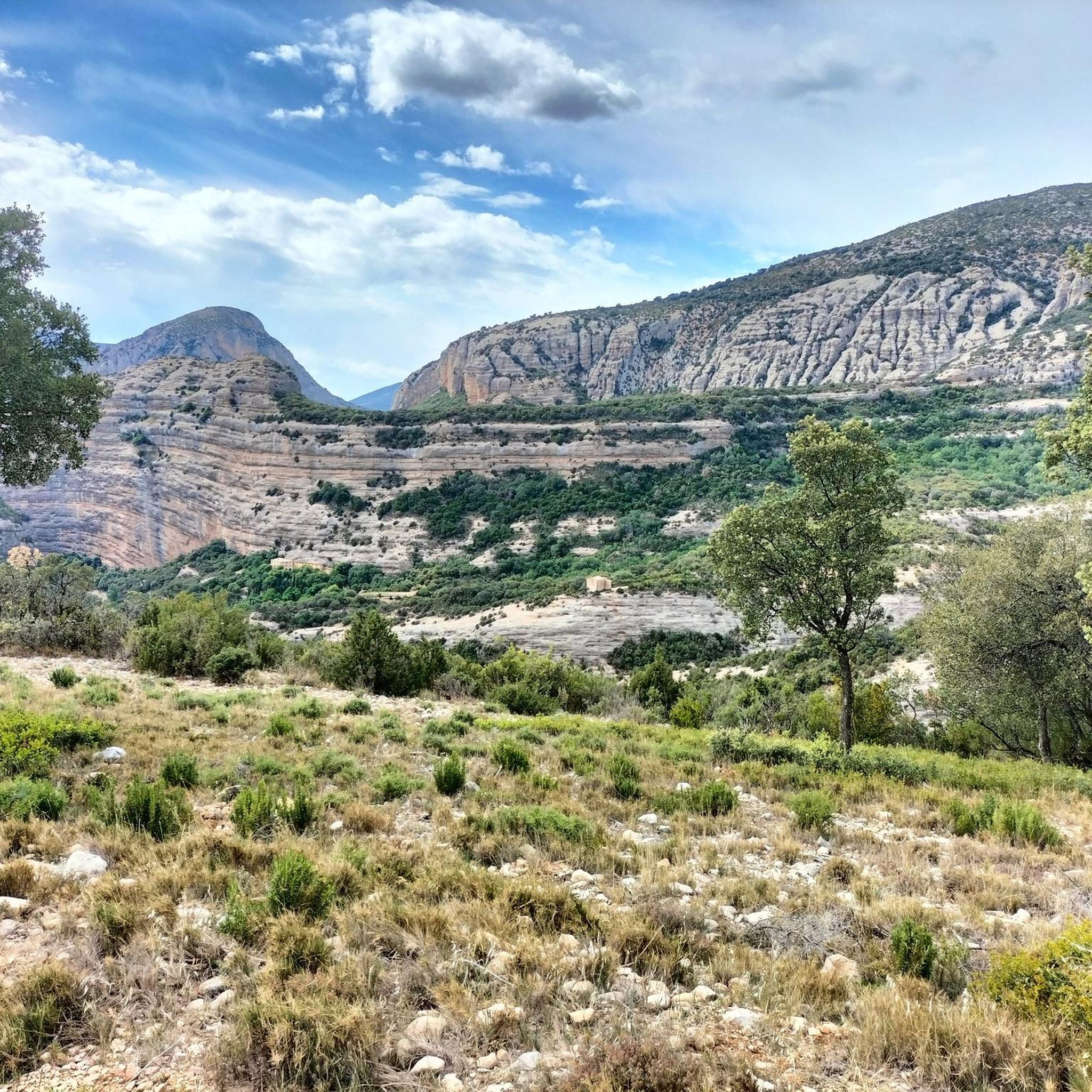
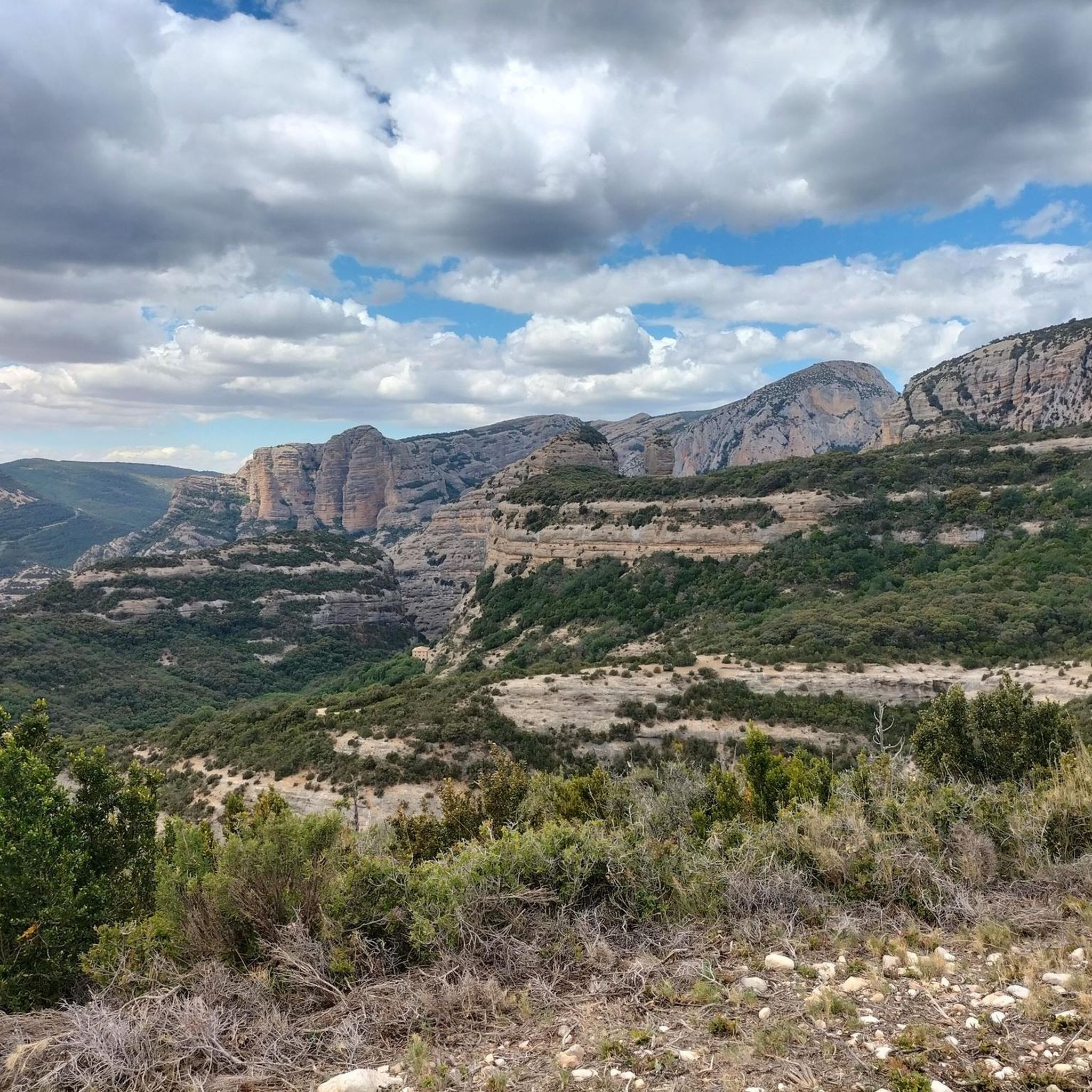
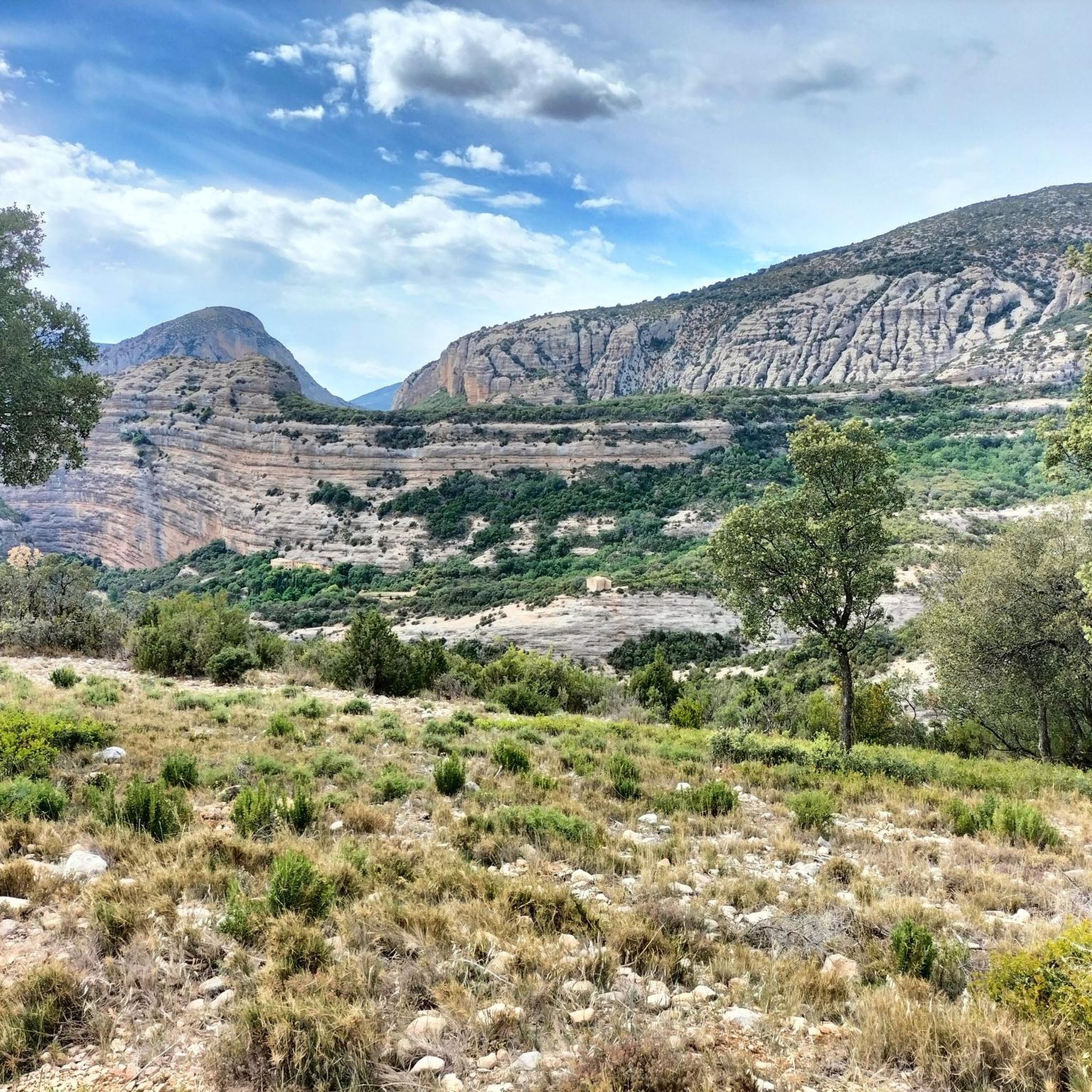
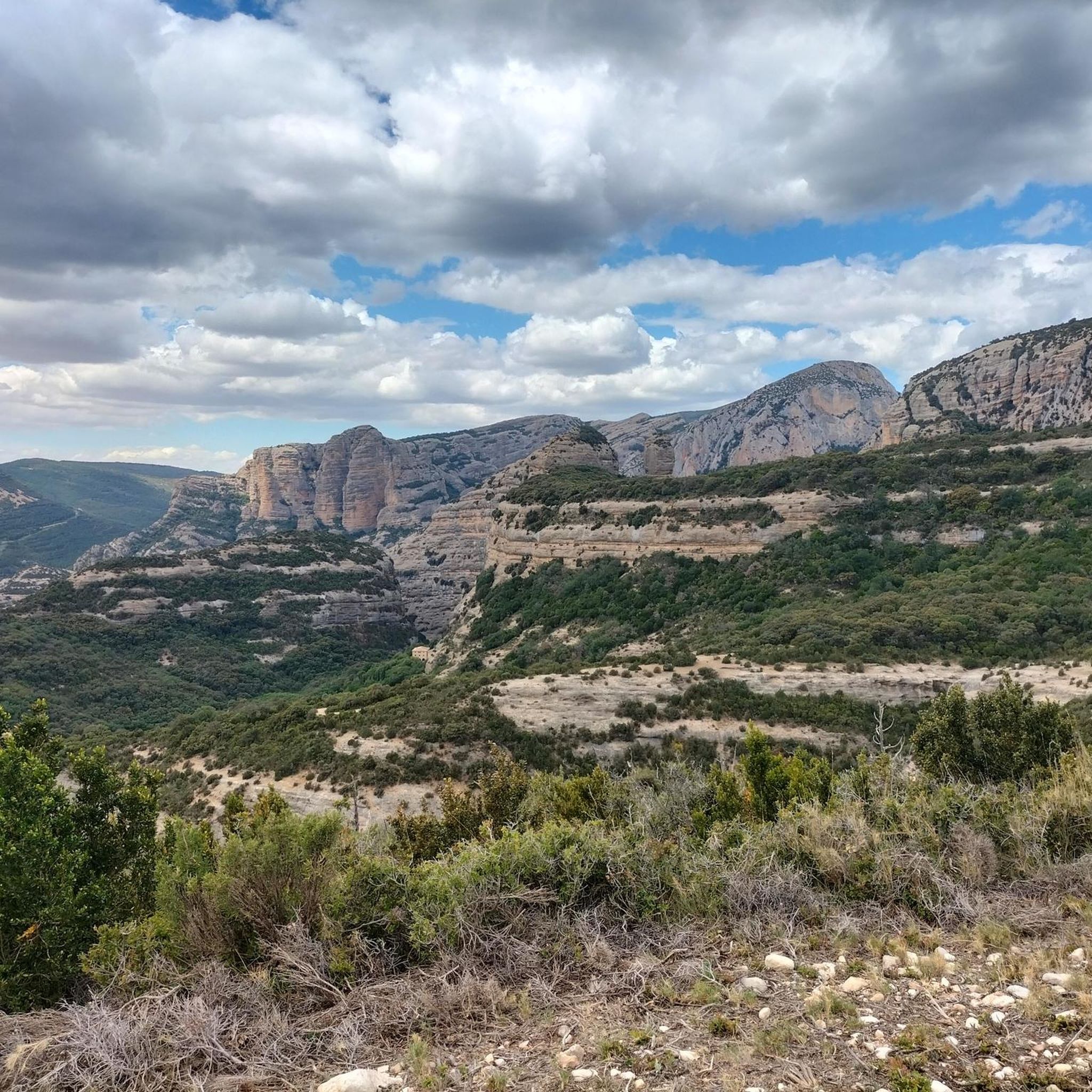
Gravel biking around Casbas De Huesca offers diverse terrain, transitioning from the pre-Pyrenean Sierras to the plains of the Ebro valley. The region is characterized by dramatic limestone formations, extensive canyons, and a network of unpaved segments suitable for gravel bikes. Riders can explore oak and pine woods, almond fields, and routes carved by rivers like the Alcanadre and Guatizalema. This varied landscape provides a comprehensive outdoor experience for cyclists.
Best gravel bike trails around Casbas De Huesca
- The most…
Last updated: July 3, 2026
1.0
(2)
20
riders
55.7km
04:49
890m
890m
Hard gravel ride. Very good fitness required. Mostly paved surfaces. Suitable for all skill levels.
9
riders
101km
08:15
1,970m
1,970m
Hard gravel ride. Very good fitness required. Mostly paved surfaces. Suitable for all skill levels.

Sign up for free
5.0
(1)
5
riders
54.6km
04:09
920m
920m
Hard gravel ride. Very good fitness required. Mostly paved surfaces. Suitable for all skill levels.
7
riders
Hard gravel ride. Very good fitness required. You may need to push your bike for some segments of this route.
3
riders
33.5km
03:02
920m
920m
Hard gravel ride. Very good fitness required. Mostly paved surfaces. Suitable for all skill levels.
Get access to more routes and recommendations from other explorers.
Sign up for free
Already have an account?
Our route recommendations are based on thousands of hikes, rides, and runs completed by other people on komoot.
Start today with a free account
Your next adventure awaits.
Login or Signup
Tips from the Community

Beautiful waterfall that can be seen from the bridge.
0
0

The infamous church of gravel as we called it. Nice to look at, and conveniently placed next to great gravel roads and even a single track!
0
0
Beautiful descend with great views. A bit rocky in parts but perfectly doable on a gravel bike!
0
0
Really beautiful castle in the middle of a semi arid landscape with perfect gravel roads. Surprisingly empty!
1
0

Founded and built by Sancho Ramírez of Aragón in Romanesque style in the 11th and 12th centuries, Montearagón Castle was a fortified complex that included military housing, a church and a royal monastery. It is located on a strategic promontory in the Huesca town of Quicena, in the Hoya de Huesca region, Aragon. Although its military function ended with the taking of Huesca and the end of the Spanish-Arab wars, it continued to house the canonical abbey under the name of the Abbey of Jesús de Nazaret de Montearagón. Several Aragonese kings were buried in the castle in addition to its founder, Sancho Ramírez of Aragón.
2
0
The church of San Martín de Foces is a linear Gothic style temple from the 14th century. It was ordered to be built by Ximeno de Foces in 1249 as a family pantheon, and later donated to the Order of Saint John of Jerusalem. It is the only vestige of the ancient town of Foces, and was declared a National Monument in 1916. It is highly appreciated for the sarcophagi and the fresco paintings located in the side arms of the temple.
0
0
Liesa is a town in the Hoya de Huesca region, in the province of Huesca, community of Aragón. This small town, whose place name comes from the Latin "eclesia", is above all known for the hermitage of Santa María del Monte, a late Romanesque building, common in the area, but which stands out for the interior paintings that cover the entirety of its walls. walls. It was declared a National Monument in 1931.
0
0
Frequently Asked Questions
What is the general difficulty level of gravel biking trails around Casbas de Huesca?
Gravel biking around Casbas de Huesca is primarily suited for experienced riders, with the majority of the 10 available routes rated as difficult. These trails often feature challenging terrain, including limestone formations, deep canyons, and significant elevation changes. While most are demanding, the region's diverse landscape offers a rewarding experience for those seeking a challenge.
Are there any circular gravel bike trails in the Casbas de Huesca area?
Yes, many of the gravel bike trails around Casbas de Huesca are designed as loops, allowing you to start and finish in the same location. For example, the Church of San Martín de Foces – Monasterio de Casbas loop from Formiga is a popular circular route that explores varied landscapes. Another option is the Vadiello Reservoir – Montearagón Castle loop from Formiga, offering expansive views and historical sites.
What kind of natural landscapes can I expect to see while gravel biking here?
The region offers a dramatic and varied landscape. You'll ride through pre-Pyrenean Sierras, transition to the plains of the Ebro valley, and encounter extensive canyons and limestone formations. The routes often pass through oak and pine woods, almond fields, and follow paths carved by rivers like the Alcanadre and Guatizalema, especially within the stunning Sierra y Cañones de Guara Natural Park.
Are there any interesting landmarks or historical sites along the gravel routes?
Absolutely. The area is rich in cultural points of interest. You can incorporate visits to sites like the Nuestra Señora de la Gloria Monastery, the Parish Church of San Nicolás, or the 12th-century Romanesque Chapel of Bascués. The Vadiello Reservoir – Montearagón Castle loop from Formiga, for instance, offers views of historical sites like Montearagón Castle.
What do other gravel bikers enjoy most about the trails in Casbas de Huesca?
The komoot community highly rates the gravel biking experience in Casbas de Huesca, with an average score of 3.7 stars from over 4 reviews. Riders often praise the diverse terrain, the challenging nature of the routes, and the stunning natural beauty, particularly the dramatic canyons and the blend of rural charm with captivating natural scenery.
Are there any waterfalls or significant water features to see on the trails?
Yes, the region is known for its water features. While gravel biking, you might encounter areas near deep gullies and canyons formed by rivers. Notable waterfalls in the broader area include Salto de Bierge and Saltador de las Lañas Waterfall, which are popular highlights for visitors to the Sierra de Guara Natural Park.
What is the best season for gravel biking in Casbas de Huesca?
The diverse topography of the Huesca province, ranging from high mountains to fertile plains, suggests that spring and autumn are generally ideal for gravel biking around Casbas de Huesca. These seasons offer milder temperatures and more stable weather conditions, making long rides more enjoyable. Summers can be hot, and winters might bring colder temperatures, especially in higher elevations.
Are there any routes that offer expansive viewpoints of the Pyrenees?
Yes, several routes provide breathtaking views. The higher parts of the Guara massif, such as Tozal de Cubillas and Cuello de Ballemona, offer expansive views of the Pyrenees and the Hoya de Huesca region. Routes like the Vadiello Reservoir – Vadiello Dam loop from Formiga lead through the Sierra de Guara Natural Park, where such vistas can be enjoyed.
Where can I find parking for gravel biking in Casbas de Huesca?
While specific parking areas for each route are not detailed, Casbas de Huesca is a village integrated into a network of trails. It's advisable to look for public parking within or on the outskirts of the village itself, especially if starting a loop route from there. Many routes, like those starting 'from Formiga', imply a starting point accessible by car.
Are there any family-friendly gravel biking options in the area?
The gravel biking routes around Casbas de Huesca are predominantly rated as difficult, making them more suitable for experienced riders. While there is one moderate route available, the challenging terrain and significant distances might not be ideal for younger children or families seeking very easy, flat rides. It's best to assess the specific route's profile for elevation and technical sections if planning a family outing.
How long do the gravel bike trails typically take to complete?
The duration of the gravel bike trails varies significantly based on their distance and difficulty. For example, the Church of San Martín de Foces – Monasterio de Casbas loop from Formiga, a 34.6-mile (55.7 km) difficult trail, typically takes around 5 hours 34 minutes. Longer routes, such as the Vadiello Reservoir – Montearagón Castle loop from Formiga (62.5 miles / 100.6 km), can take over 9 hours to complete.
Are there any permits required for gravel biking in the Sierra y Cañones de Guara Natural Park?
While general access for cycling on established trails within the Sierra y Cañones de Guara Natural Park is usually permitted, it's always recommended to check the official park regulations for any specific restrictions or permit requirements, especially for certain protected areas or activities. For general information about protected landscapes in Spain, you can visit spain.info.
Most popular routes around Casbas De Huesca
Most popular attractions around Casbas De Huesca

Get inspired with the komoot mobile app


Explore more
Browse the best Gravel rides in other regions.
