The best gravel rides around Carcaixent
4.6
(25)
276
riders
41
rides
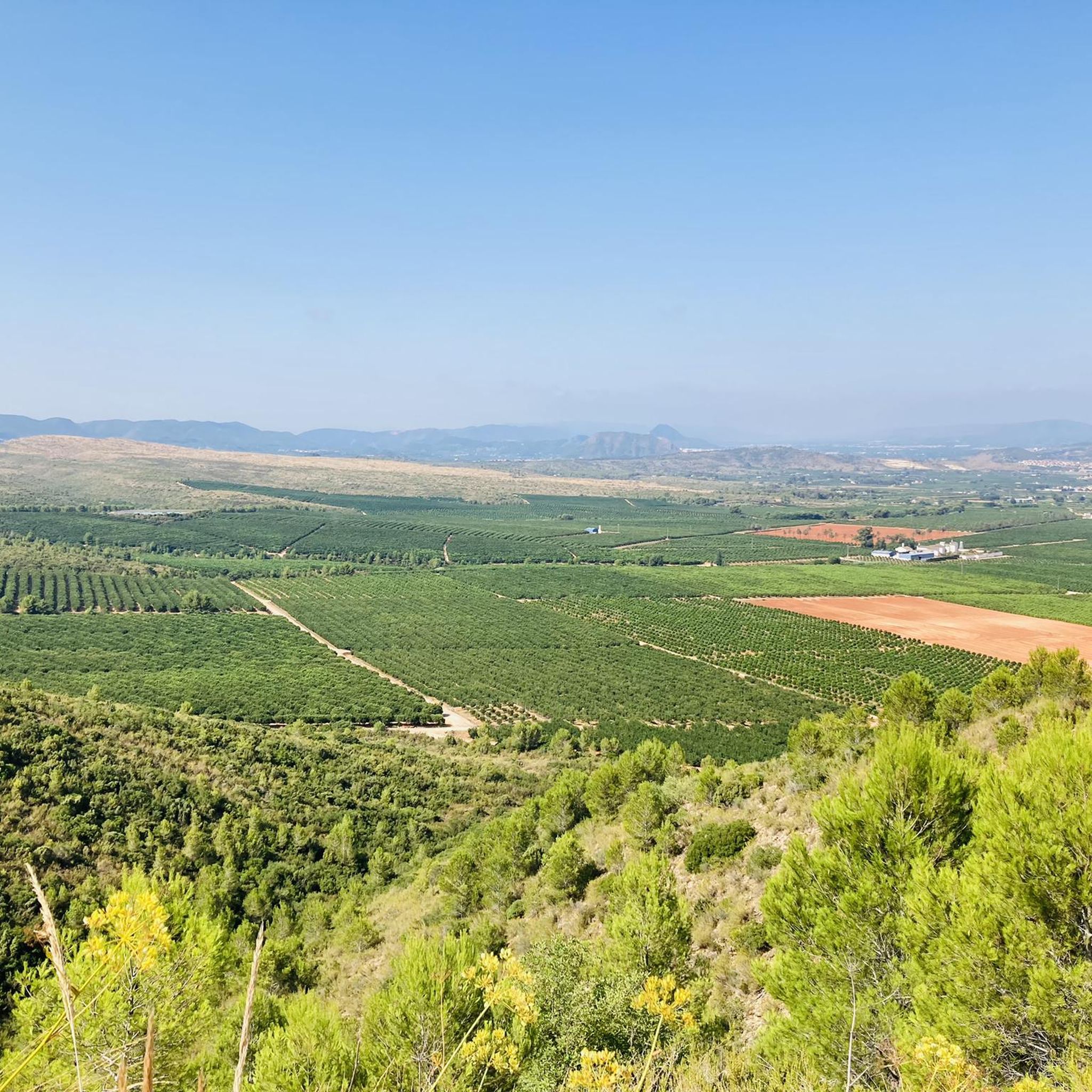
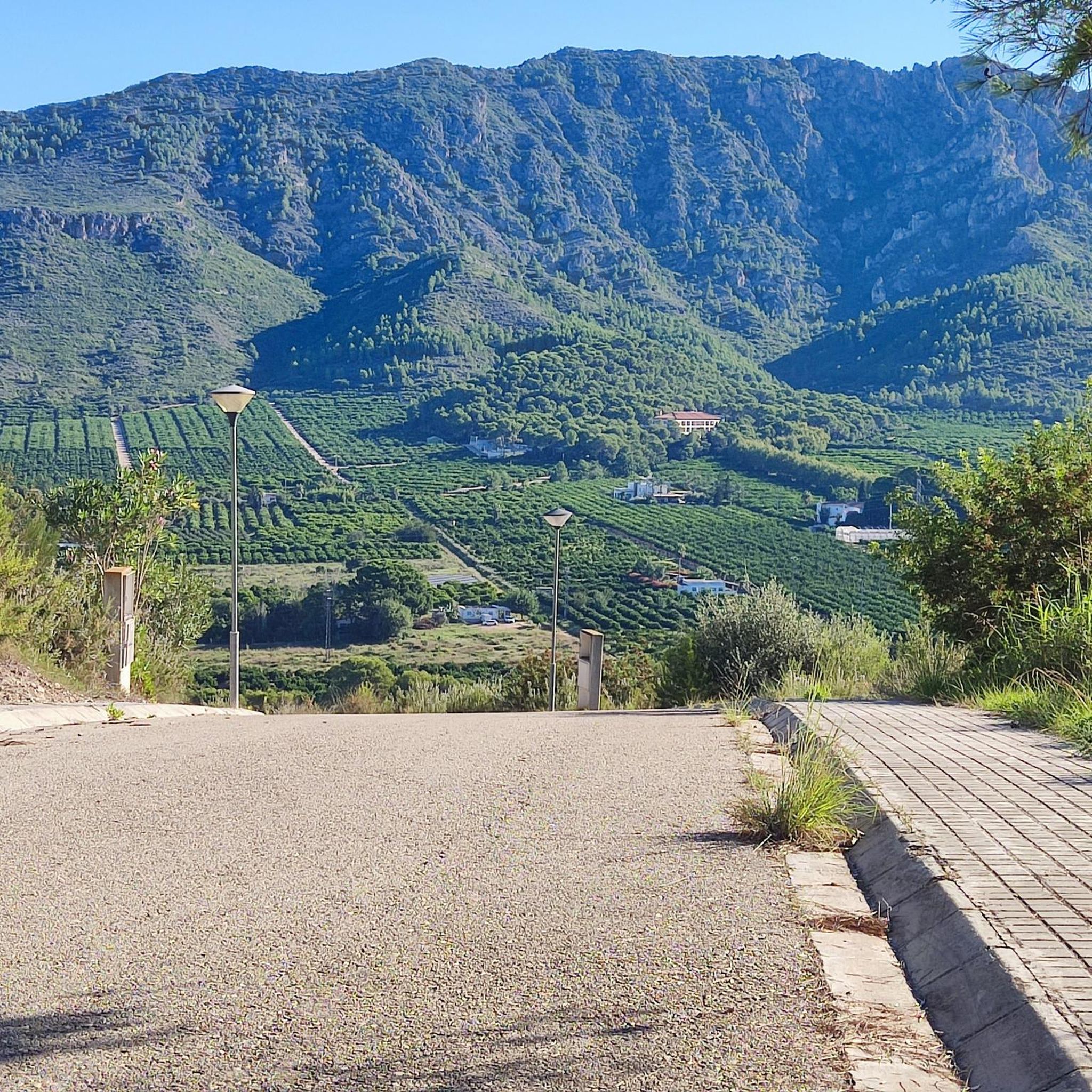
Gravel biking around Carcaixent offers diverse landscapes, transitioning from extensive orange groves and agricultural plains to more mountainous terrain. The region features varied physical characteristics, including the Júcar River, ravines, and streams, providing a dynamic environment for cyclists. This blend of flatlands and elevated areas creates a range of challenges and scenic routes. The area is known for its natural monuments and mountain peaks, offering a constantly changing backdrop for rides.
Best gravel bike trails around Carcaixent
- The most popular…
Last updated: October 11, 2026
5.0
(2)
26
riders
34.4km
02:06
470m
470m
Hard gravel ride. Very good fitness required. Mostly paved surfaces. Suitable for all skill levels.
4.0
(1)
14
riders
57.0km
03:44
810m
810m
Hard gravel ride. Very good fitness required. Mostly paved surfaces. Suitable for all skill levels.

4.8
(4)
26
riders
Moderate gravel ride. Good fitness required. Mostly paved surfaces. Suitable for all skill levels.
4.8
(5)
10
riders
28.3km
01:44
130m
130m
Easy gravel ride. Great for any fitness level. Mostly paved surfaces. Suitable for all skill levels.
14
riders
Hard gravel ride. Very good fitness required. Mostly paved surfaces. Suitable for all skill levels.
Get access to more routes and recommendations from other explorers.
Already have an account?
Our route recommendations are based on thousands of hikes, rides, and runs completed by other people on komoot.
Start today with a free account
Your next adventure awaits.
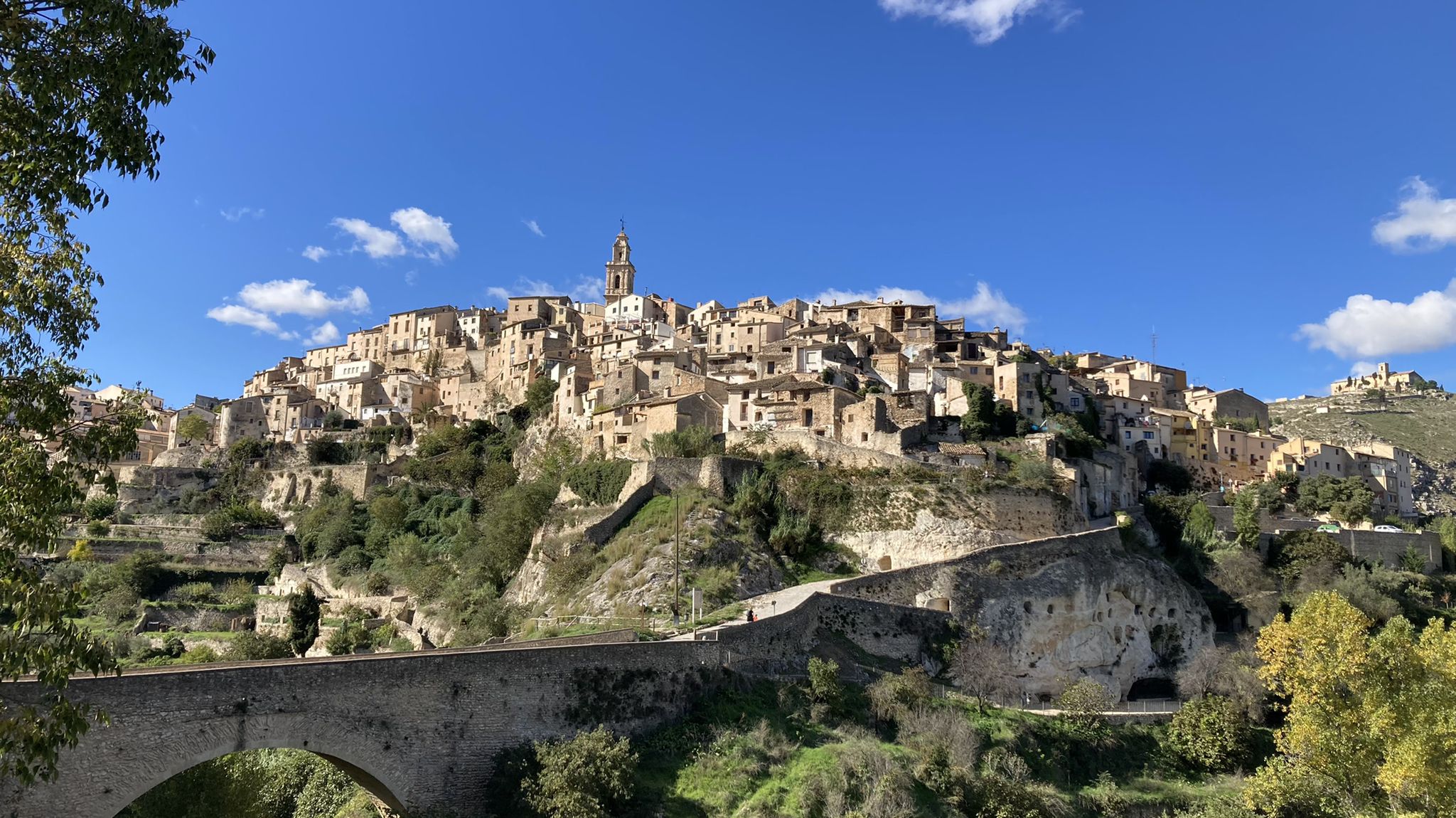
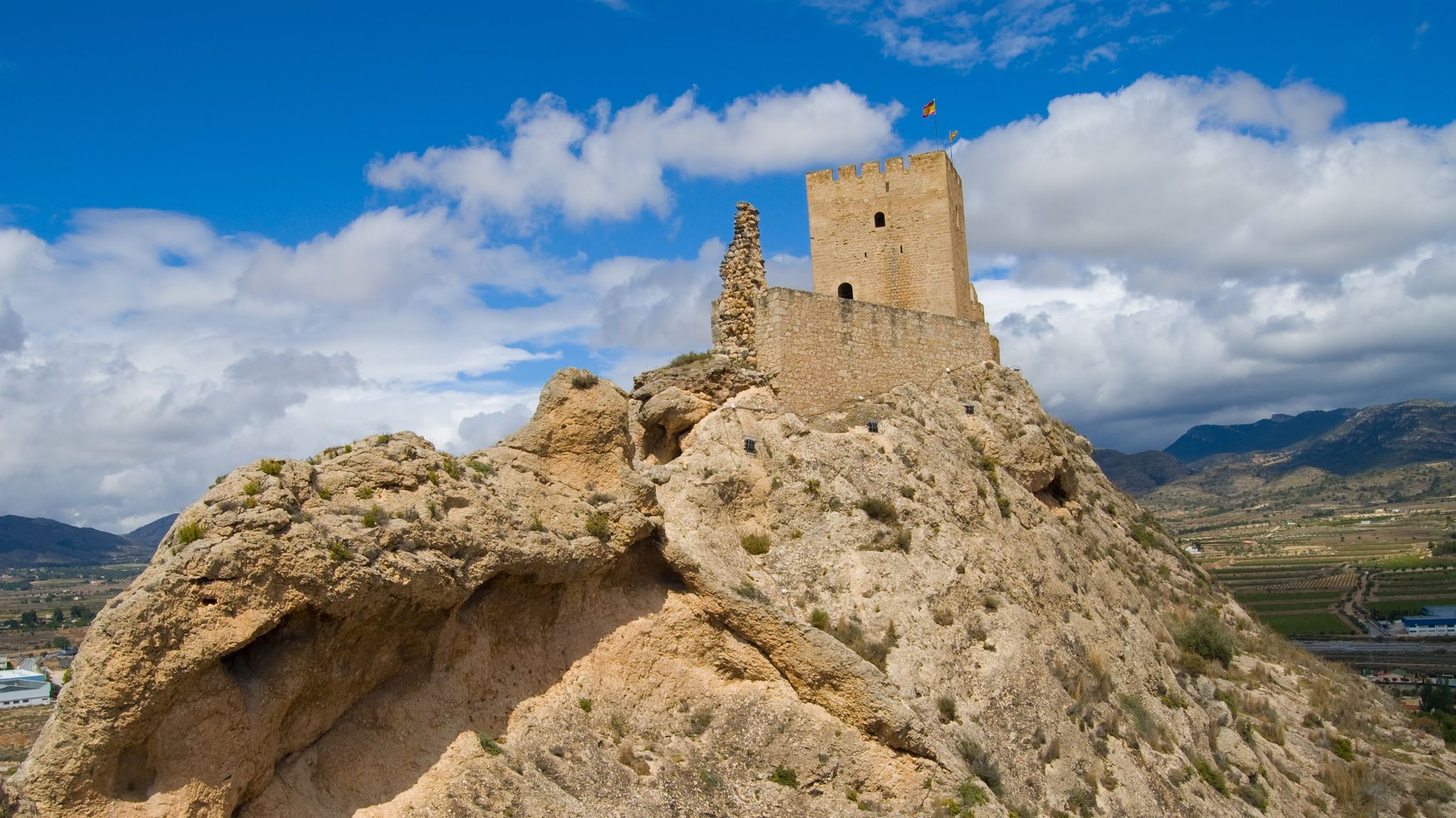

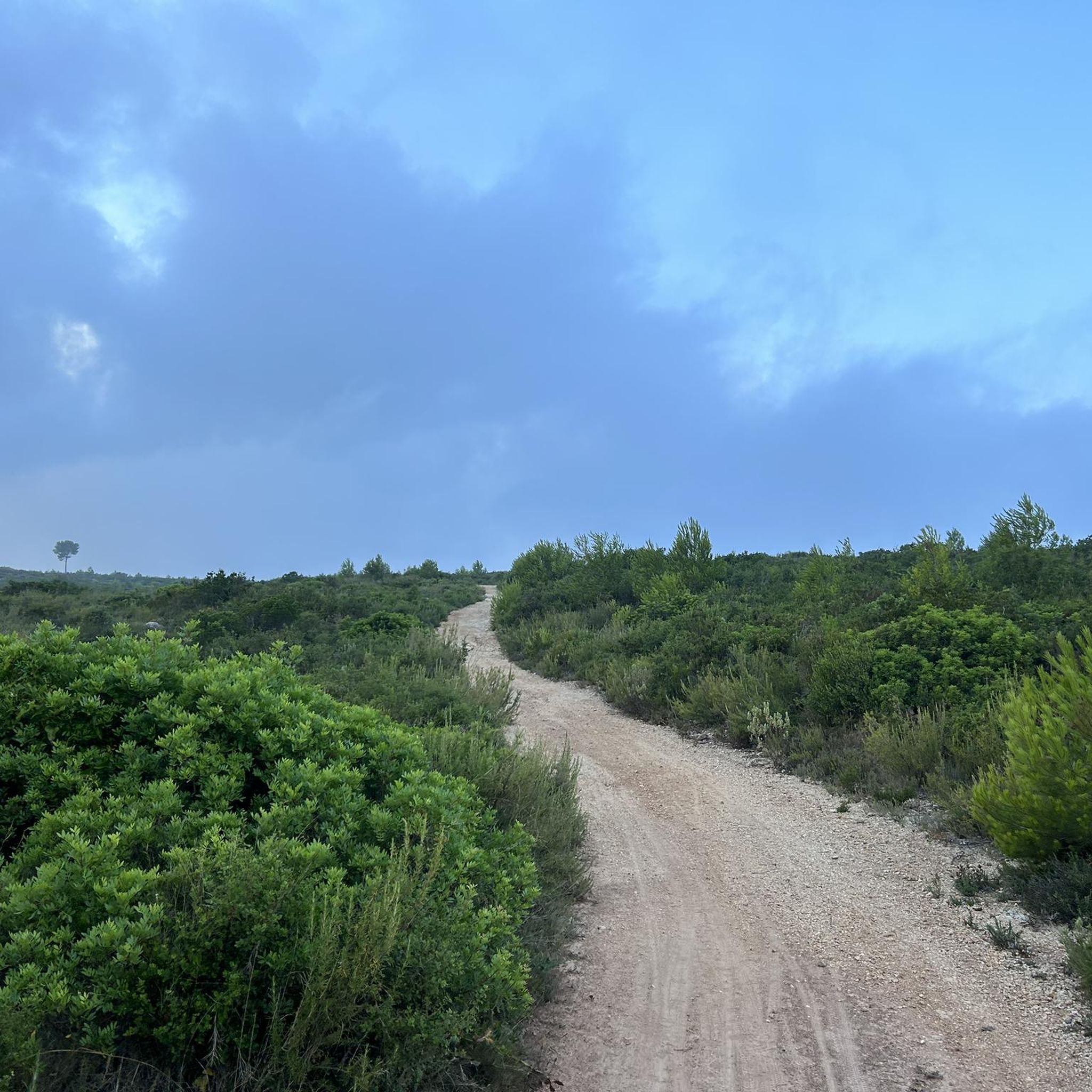
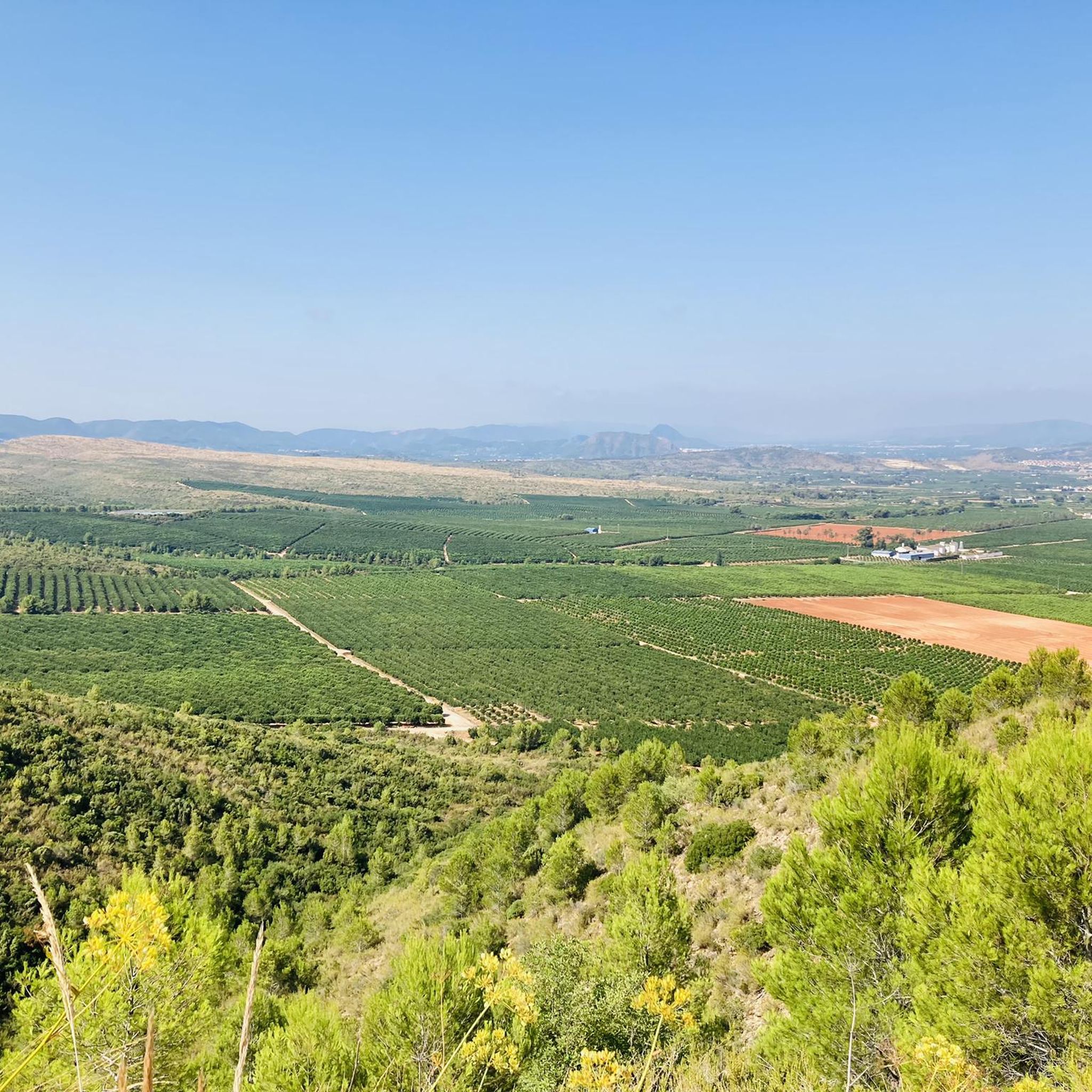

Tips from the Community

Preciós paratge natural molt prop de Gandia, amb ullals d'aigua, sala d'interpretació dels aiguamolls, bancs, taules i molta vegetació.
3
0
El convent d'Aigües Vives, també anomenat Reial Monestir de Santa Maria d'Aigües Vives, és un antic monestir amb orígens que es remunten al segle XIII. L'edifici actual es va construir durant els segles XVI i XVII, amb els corresponents estils, renaixentista i barroc, si bé l'ala nord es va acabar en el segle XVIII. El monestir va pertànyer a l'orde dels agustins, orde que custodiava la imatge de la Mare de Déu d'Aigües Vives, patrona de la ciutat de La Barraca d'Aigües Vives. A mitjan segle XIX, a conseqüència de la desamortització de Mendizábal, els monjos hagueren d'abandonar el cenobi. Aquest va passar a mans dels barons de Casanova, que el destinaren com a habitatge rural. L'any 1977 el monestir fou adquirit i reformat per a destinar-lo a hotel residència per Antonio Vidal Bellver (fotògraf i empresari de Carcaixent). Actualment és propietat d'un empresari hoteler de Gandia. El 2024, la Generalitat Valenciana va instar els nous propietaris a fer obres per a mantenir aquesta obra major que ha patit un deteriorament progressiu com a conseqüència de robatoris, vandalisme i abandonament.
1
0

The port of Barx is a Valencian classic. Its horseshoe bends run over the panorama of the surrounding mountains and the Mediterranean coast.
3
0

L'Ullal de la Marjal de Gandia is a small but important wetland within the Marjal de Gandia Natural Park. It is a natural marsh lake surrounded by reeds, water channels, and wet meadows, providing a habitat for numerous bird and amphibian species. The flat paths around the Ullal are ideal for exploring by bike. The route leads through a tranquil, unspoiled landscape, past bodies of water, reeds, and flowering riparian plants. The combination of tranquility, birdwatching, and the typical Marjal landscape makes the route a worthwhile excursion for nature lovers and cyclists alike.
5
0
The Garrofer spring is a spring where water, coming from the Agulles aquifer, flows happily through two pipes and is channeled to an adjacent washhouse. Despite the warning that the water is not potable (as it is not chlorinated or subject to any health control), thousands of Alzire residents travel up to thirteen kilometers and sometimes form long queues to fill their water jugs.
1
0

The wonderful setting surrounds a fairytale monastery.
1
0

Jaume II of Aragon (1298): "A valley worthy of a monastery of your religion" Take a break and enjoy the view. From here, the Valldigna Valley and Tavernes look spectacular. After all the effort, you deserve this moment to regain your strength and enjoy the scenery. You don't always have to be pedaling; sometimes it's best to stop and let the mountain carry you away. Enjoy the ride again. The Valldigna remains a spectacular place to enjoy the mountains, cycling, hiking, and history. Tavernes de la Valldigna, Simat, Benifairó, and Barx are part of this valley, which, centuries later, remains "worthy" of contemplation.
1
0
Frequently Asked Questions
How many gravel bike trails are available around Carcaixent?
There are over 50 gravel bike trails around Carcaixent, offering a wide variety of experiences. These routes cater to different skill levels, from moderate rides to more challenging adventures with significant elevation gain.
What kind of terrain can I expect on gravel bike trails in Carcaixent?
Carcaixent's gravel trails offer incredibly diverse terrain. You'll find yourself cycling through extensive orange groves and agricultural plains, along the Júcar River, and into more mountainous regions. The area features natural monuments, ravines, streams, and even old limekilns, providing a dynamic and constantly changing backdrop for your rides.
Are there gravel routes suitable for beginners or those looking for an easier ride?
Yes, Carcaixent offers routes suitable for various fitness levels. While many routes involve significant elevation, there are also moderate options that explore the agricultural plains and river areas. For example, the Riola (Rio Júcar) – Júcar River Levee loop from Algemesí is a moderate trail that follows the Júcar River levee with minimal elevation gain.
What natural features or landmarks can I see along the gravel bike routes?
Many gravel routes in Carcaixent pass by significant natural features and historical landmarks. You can encounter impressive gorges like Barranco de Manessa, natural monuments such as La Puigmola Spring, and even explore caves like Cova de la Galera. Historical sites like the Aguas Vivas Convent also add cultural interest to your rides.
Are there any scenic viewpoints on the gravel trails?
Absolutely. The region boasts several rewarding viewpoints. The Collado del Infierno Viewpoint is a notable spot, often reached via routes like the Font del Garrofer – Collado del Infierno Viewpoint loop from Alzira, offering panoramic views. Another great option is the Barranc de Noguera Viewpoint.
Can I find routes that pass through the famous orange groves?
Yes, cycling through the expansive orange groves is a quintessential Carcaixent experience. The region is renowned for its agricultural heritage, and many routes, particularly those on the plains, will take you directly through these picturesque orchards, allowing you to immerse yourself in the local culture and scenery.
Are there any circular gravel bike routes in Carcaixent?
Many of the gravel bike routes in Carcaixent are designed as loops, allowing you to start and end at the same point. Examples include the Riola (Rio Júcar) – Júcar River Levee loop from Alzira and the Old narrow-gauge train station – Monastery of Aigues Vives loop from Tavernes de la Valldigna.
What do other gravel bikers enjoy most about gravel biking in Carcaixent?
The komoot community highly rates gravel biking in Carcaixent, with an average score of 4.4 stars from over 19 reviews. Riders often praise the diverse landscapes, from the peaceful orange groves to the challenging mountain ascents, and the constantly changing scenery along the Júcar River and through various natural features.
What is the best time of year for gravel biking in Carcaixent?
The Valencian Community generally offers pleasant cycling conditions for much of the year. Spring and autumn are typically ideal, with milder temperatures and less chance of extreme heat. Winter can also be a good option, while summer might be very hot, especially for longer rides with significant elevation.
Are there any routes that explore historical sites like the Aguas Vivas Convent?
Yes, some routes incorporate historical points of interest. For instance, the Old narrow-gauge train station – Monastery of Aigues Vives loop from Alzira takes you past the beautiful 16th-century Aguas Vivas Convent, nestled in a scenic valley, adding a cultural dimension to your ride.
Are there any challenging gravel routes for experienced riders?
Experienced riders will find plenty of challenging options. Many routes feature significant elevation gain and unpaved, difficult segments as they transition into the mountainous terrain surrounding Carcaixent. The region's diverse landscape, often referred to as the 'Tuscany of Valencia,' offers high mountain climbs and endless ridge lines for those seeking a demanding adventure.
Most popular routes around Carcaixent
Most popular attractions around Carcaixent

Get inspired with the komoot mobile app


Explore more
Browse the best Gravel rides in other regions.
