The best gravel rides around Cullera
4.5
(23)
247
riders
29
rides
Gravel biking around Cullera offers diverse landscapes, blending mountainous terrain with expansive riverine environments and coastal areas. The region is characterized by the Júcar River and its surrounding wetlands, alongside hills like Muntanya les Raboses, providing varied elevations. This geography creates a mix of asphalted roads and dirt tracks, suitable for gravel bikes.
Best gravel bike trails around Cullera
- The most popular gravel bike trail is Riola (Rio Júcar) – Monastery of Aigues Vives loop from Tavernes de la Valldigna…
Last updated: October 19, 2026
5.0
(2)
26
riders
67.3km
03:49
200m
200m
Moderate gravel ride. Good fitness required. Mostly paved surfaces. Suitable for all skill levels.
20
riders
65.6km
04:08
750m
750m
Hard gravel ride. Very good fitness required. Mostly paved surfaces. Suitable for all skill levels.

5.0
(1)
10
riders
31.3km
01:59
40m
40m
Easy gravel ride. Great for any fitness level. Mostly paved surfaces. Suitable for all skill levels.
4.5
(2)
16
riders
44.0km
02:37
60m
60m
Moderate gravel ride. Good fitness required. Mostly paved surfaces. Suitable for all skill levels.
5.0
(5)
19
riders
Moderate gravel ride. Good fitness required. Mostly paved surfaces. Suitable for all skill levels.
Get access to more routes and recommendations from other explorers.
Already have an account?
Our route recommendations are based on thousands of hikes, rides, and runs completed by other people on komoot.
Start today with a free account
Your next adventure awaits.
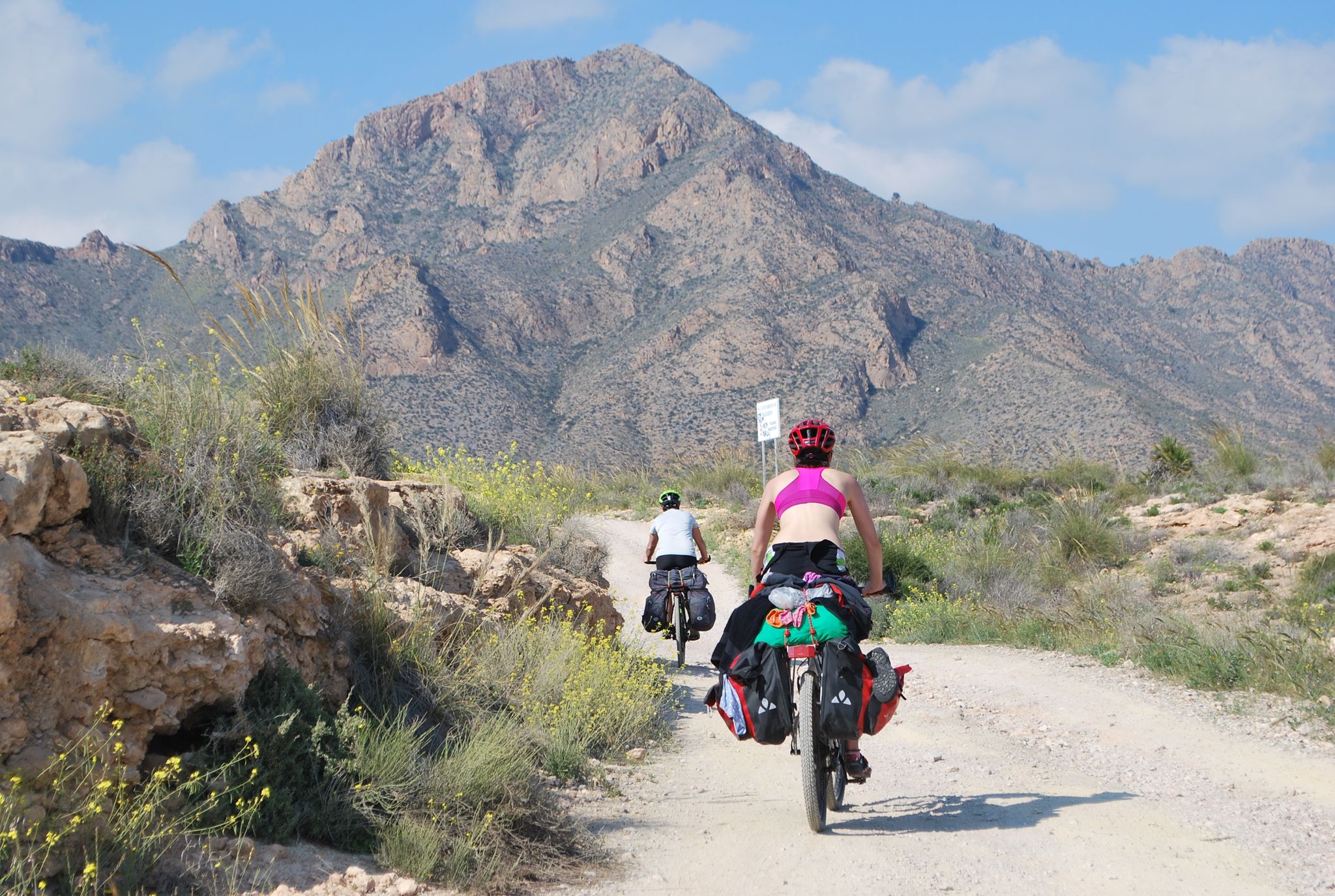
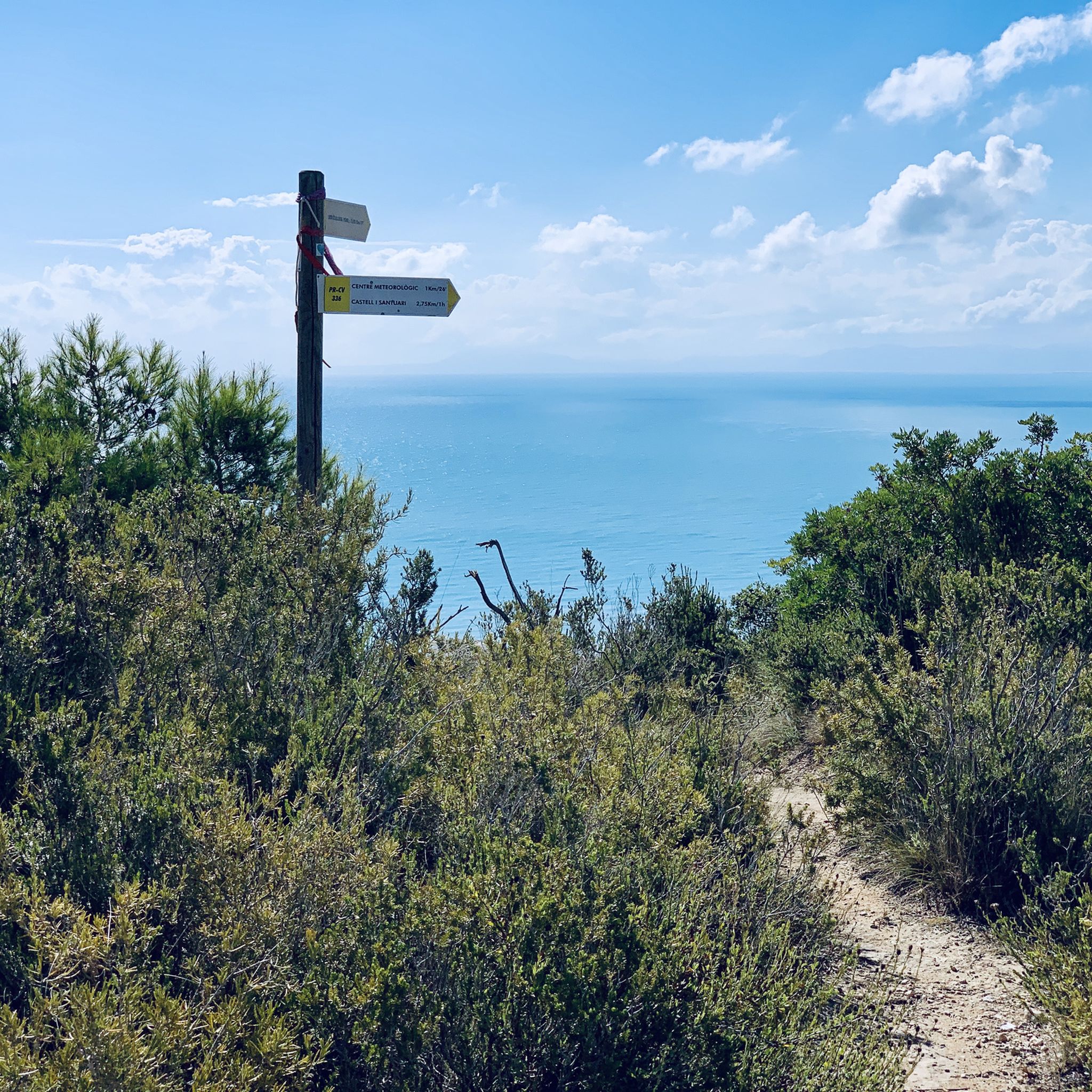
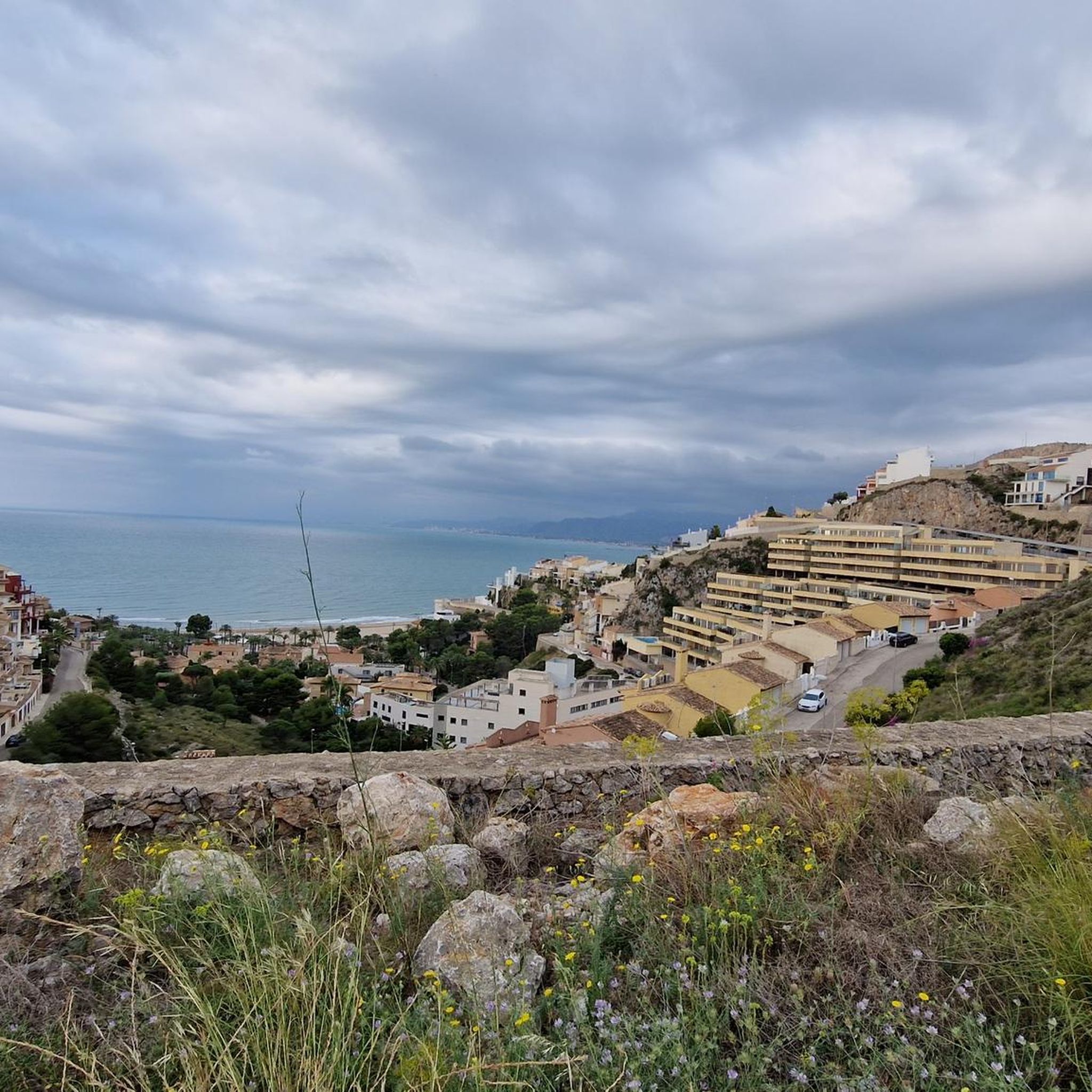
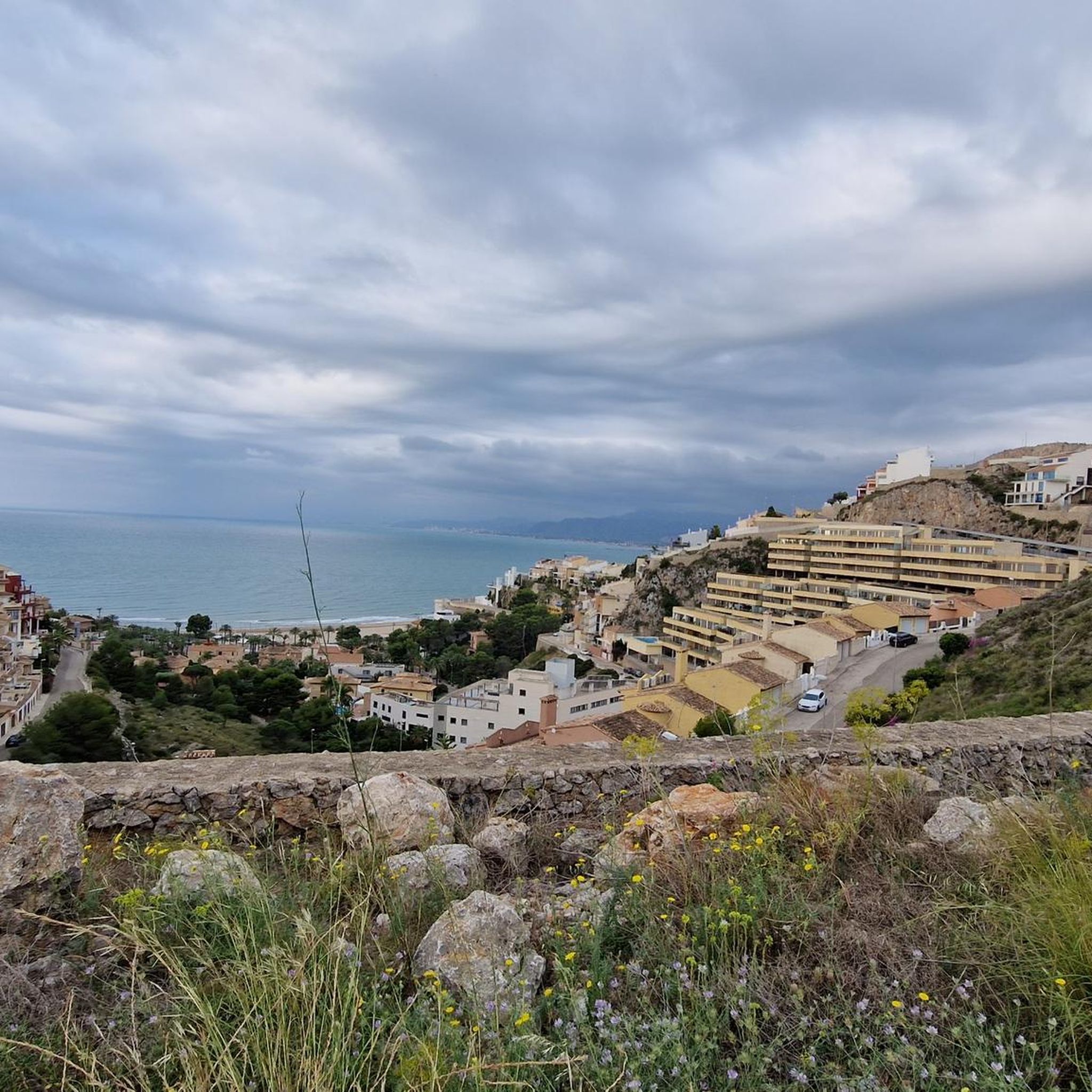
Other adventures around Cullera

Tips from the Community

El convent d'Aigües Vives, també anomenat Reial Monestir de Santa Maria d'Aigües Vives, és un antic monestir amb orígens que es remunten al segle XIII. L'edifici actual es va construir durant els segles XVI i XVII, amb els corresponents estils, renaixentista i barroc, si bé l'ala nord es va acabar en el segle XVIII. El monestir va pertànyer a l'orde dels agustins, orde que custodiava la imatge de la Mare de Déu d'Aigües Vives, patrona de la ciutat de La Barraca d'Aigües Vives. A mitjan segle XIX, a conseqüència de la desamortització de Mendizábal, els monjos hagueren d'abandonar el cenobi. Aquest va passar a mans dels barons de Casanova, que el destinaren com a habitatge rural. L'any 1977 el monestir fou adquirit i reformat per a destinar-lo a hotel residència per Antonio Vidal Bellver (fotògraf i empresari de Carcaixent). Actualment és propietat d'un empresari hoteler de Gandia. El 2024, la Generalitat Valenciana va instar els nous propietaris a fer obres per a mantenir aquesta obra major que ha patit un deteriorament progressiu com a conseqüència de robatoris, vandalisme i abandonament.
1
0
La ruta per la mota dreta del riu transcorre entre les cases del poble i el propi riu.
1
0
Camí agradable entre xalets, cases de camp i la pineda de la Casella, que arriba fins el bar existent dins del paratge natural.
1
0
Una pujada agradable entre xalets, cases de camp i la pineda de la Casella.
1
0

The Río Vaca, which flows along the Camí Vell de Gandia, is a picturesque place that makes for a great tour. This route offers a mix of nature, agriculture and quiet paths, ideal for cyclists looking for a relaxed tour surrounded by the countryside. The route passes through a region known for its orange and lemon groves - the scent is particularly wonderful in spring when the trees are in bloom. The surrounding hills and mountains of the region provide a beautiful backdrop for the tour. The Camí Vell de Gandia and the area along the Río Vaca are less busy, making the route a perfect choice for cyclists looking for a way to discover the beauty of the Oliva-Gandia region.
6
0
The Urban Art Route of Valencia CF is the result of the collaboration between the VCF Foundation and the Diputació de Valencia, through Valencia Tourism, an initiative that arises with the aim of promoting the incorporation of urban art from quality as a bed of cultural and artistic expression, to create a reference tourist itinerary, linked to Valencia CF. Specifically, this mural was created by the artists Xemayo, Nacho Mawe and Bogosink.
1
0

Highly recommended scenic spot with access in any way, but I recommend it for cycling or on foot.
0
0
The train track cuts the route at this point, but you can cross it by loading the bike. There is no danger, as it is a long straight in which you can see the train coming in time.
1
0
Frequently Asked Questions
How many gravel bike trails are available around Cullera?
There are over 30 gravel bike trails available around Cullera, catering to various skill levels. You'll find a good mix of moderate and difficult routes, with a few easier options as well.
What kind of terrain can I expect on gravel bike trails around Cullera?
Cullera offers a diverse gravel biking experience. You can expect mountainous terrain with challenging climbs and panoramic views, serene riverine and wetland environments along the Júcar River and rice fields, and coastal roads with picturesque sea views. The routes often combine paved and unpaved surfaces.
What is the best time of year for gravel biking in Cullera?
The climate in Cullera is generally mild, making it suitable for gravel biking for much of the year. Spring and autumn typically offer the most pleasant temperatures for outdoor activities. Summers can be hot, especially in the middle of the day, while winters are generally mild and sunny.
Are there gravel bike routes suitable for beginners or families in Cullera?
Yes, while many routes offer challenging climbs, Cullera also provides easier options. Flatter routes through the rice fields and along the Júcar River are generally more accessible for beginners or families looking for a less strenuous ride. For example, the Júcar River Levee – Riola (Rio Júcar) loop from Cullera offers a moderate experience through riverine environments.
Do Cullera's gravel routes offer significant elevation gain?
Yes, many gravel routes in Cullera, particularly those venturing into the Muntanya de l'Or (les Raboses mountain), feature significant elevation gain. For instance, the La Visteta Viewpoint – Port de Barx loop from Tavernes de la Valldigna includes nearly 500 meters of ascent, providing challenging climbs and rewarding panoramic views.
What points of interest can I see along gravel bike routes in Cullera?
Gravel biking in Cullera allows you to explore various points of interest. You might pass by historical sites such as the Monastery of Santa María de la Valldigna or the Old narrow-gauge train station. Natural highlights include the unique marshy landscapes around Lake Park and the Ullal de Baldoví. Coastal routes offer views of the Cullera Lighthouse.
Are there any circular gravel bike routes in Cullera?
Yes, many of the gravel bike routes around Cullera are designed as loops, allowing you to start and end in the same location. Examples include the Riola (Rio Júcar) – Monastery of Aigues Vives loop from Tavernes de la Valldigna and the Júcar River Levee – Riola (Rio Júcar) loop from Cullera.
Is there public transport access to gravel bike trails in Cullera?
Cullera is connected by public transport, and some routes may be accessible from train or bus stations in Cullera or nearby towns like Tavernes de la Valldigna. It's advisable to check local transport regulations regarding bicycles before planning your trip.
Where can I park my car when going gravel biking in Cullera?
Parking is generally available in Cullera and surrounding towns. For routes starting from specific points like Tavernes de la Valldigna or Sueca, you can usually find public parking areas. It's recommended to check parking availability near your chosen starting point in advance.
Are there places to eat or drink along the gravel bike routes?
While some routes pass through or near towns where cafes and restaurants are available, many gravel trails in Cullera traverse natural and agricultural areas. It's always a good idea to carry sufficient water and snacks, especially on longer rides, and plan your stops in advance if you intend to refuel at an establishment.
What do other gravel bikers enjoy the most about gravel biking in Cullera?
The komoot community highly rates gravel biking in Cullera, with an average score of 4.5 stars. Riders often praise the diverse landscapes, from challenging mountain ascents with panoramic views to serene paths through rice fields and along the Júcar River. The variety of terrain and the opportunity to explore historical sites are also frequently highlighted.
Can I bring my dog on gravel bike trails in Cullera?
While many natural areas in Spain are dog-friendly, specific regulations can vary. It's best to check local signage or park rules for any restrictions on bringing dogs, especially in protected natural areas or agricultural zones. Always ensure your dog is well-behaved and on a leash where required.
Most popular attractions around Cullera

Get inspired with the komoot mobile app


Explore more
Browse the best Gravel rides in other regions.
