The best gravel rides around Santorcaz
5.0
(1)
24
riders
22
rides
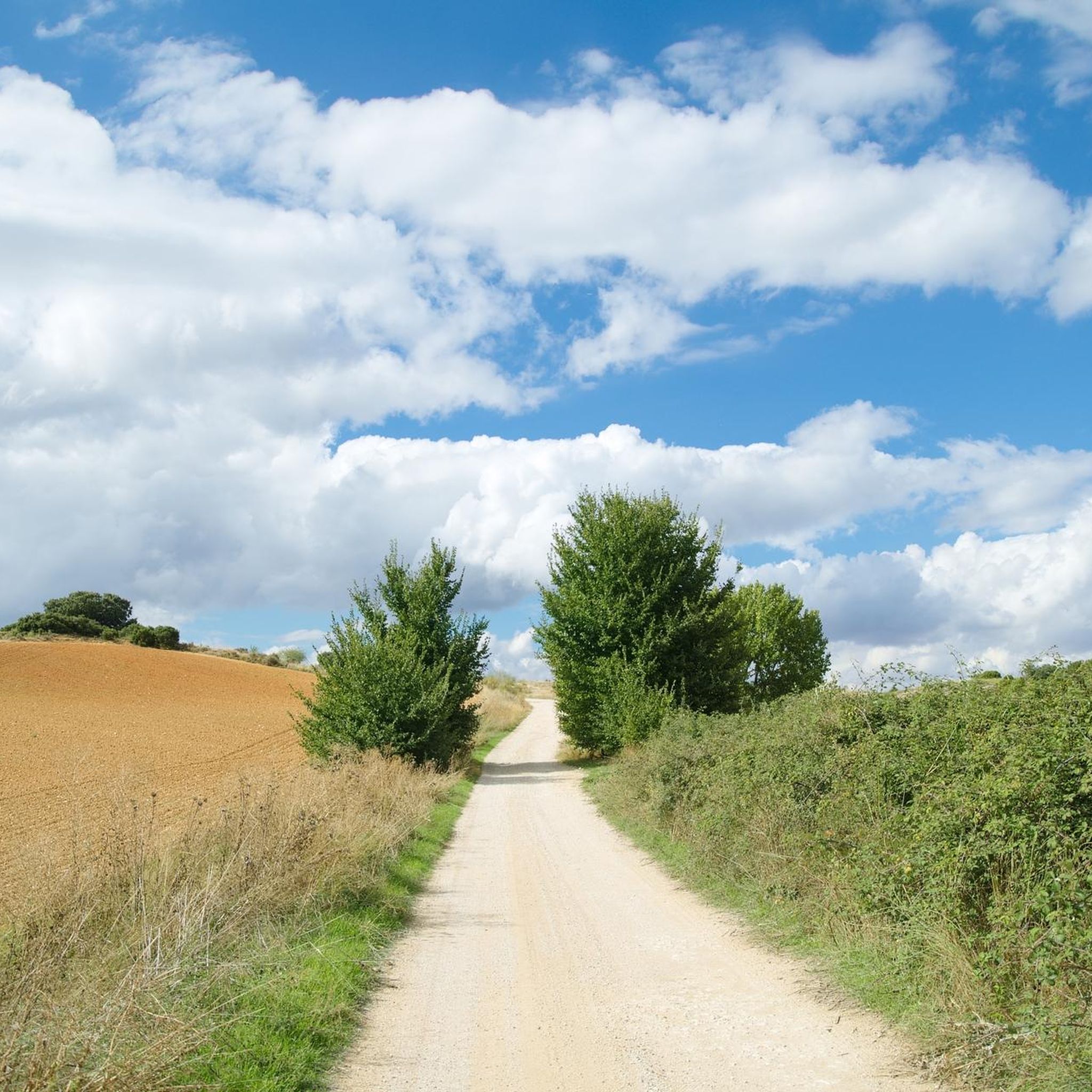
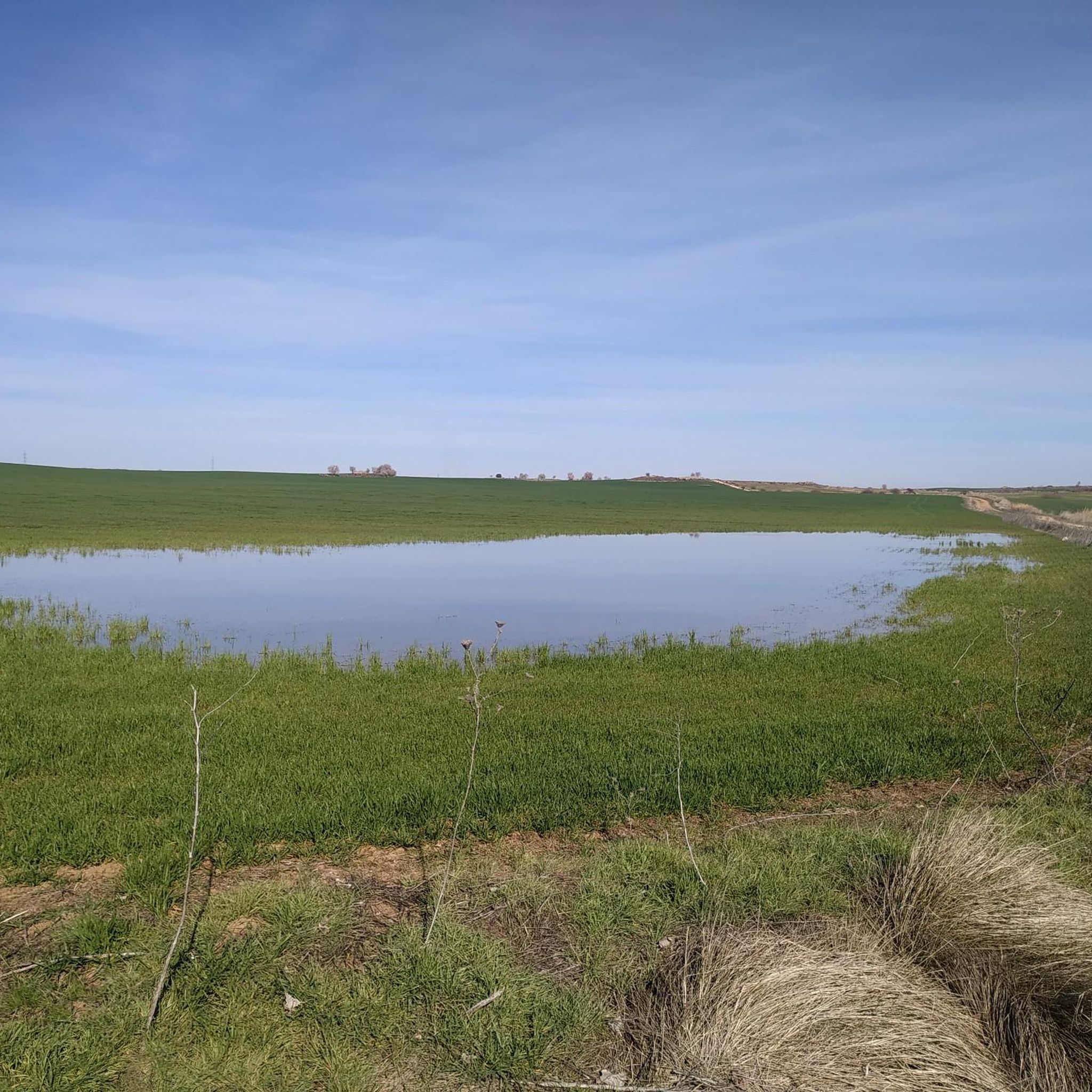
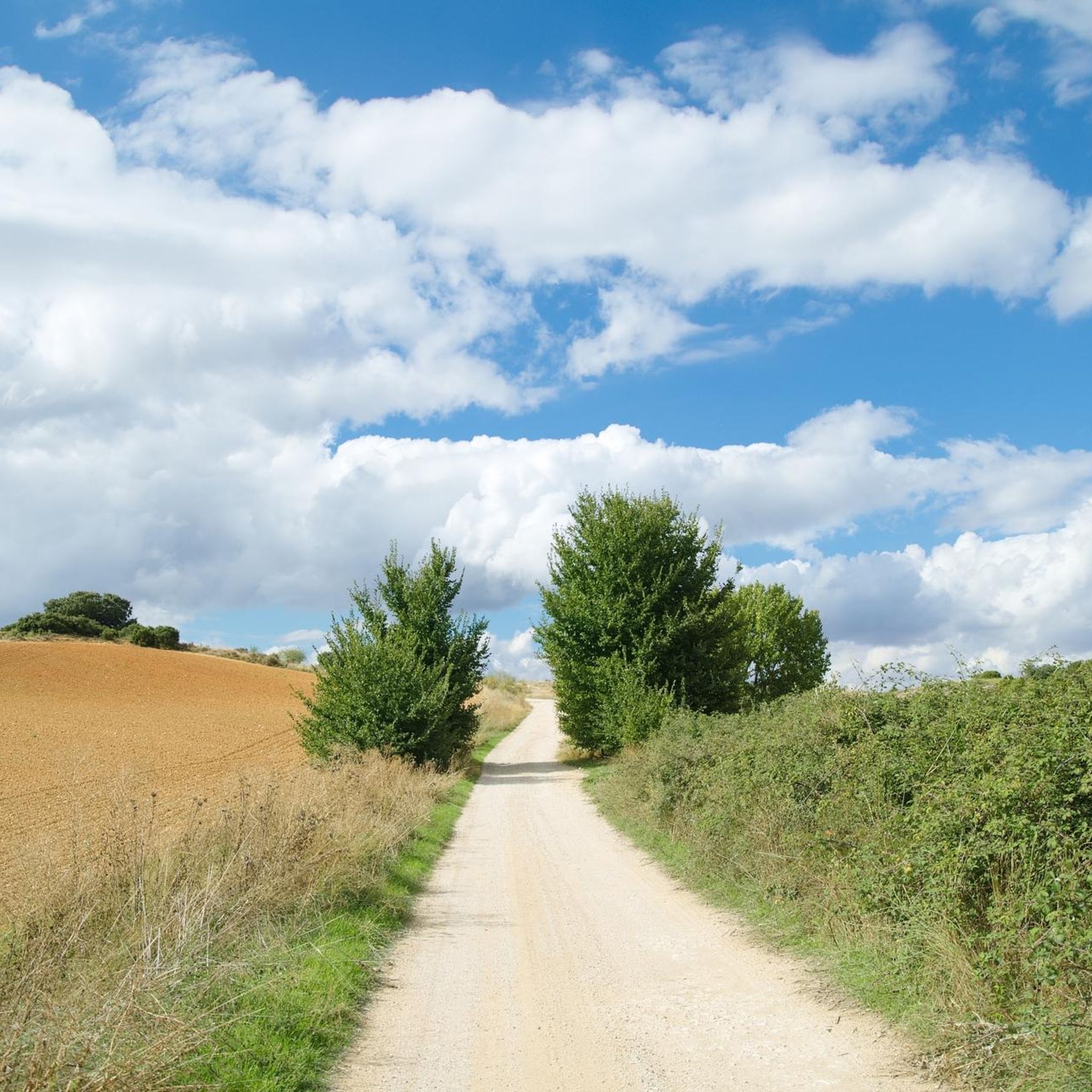
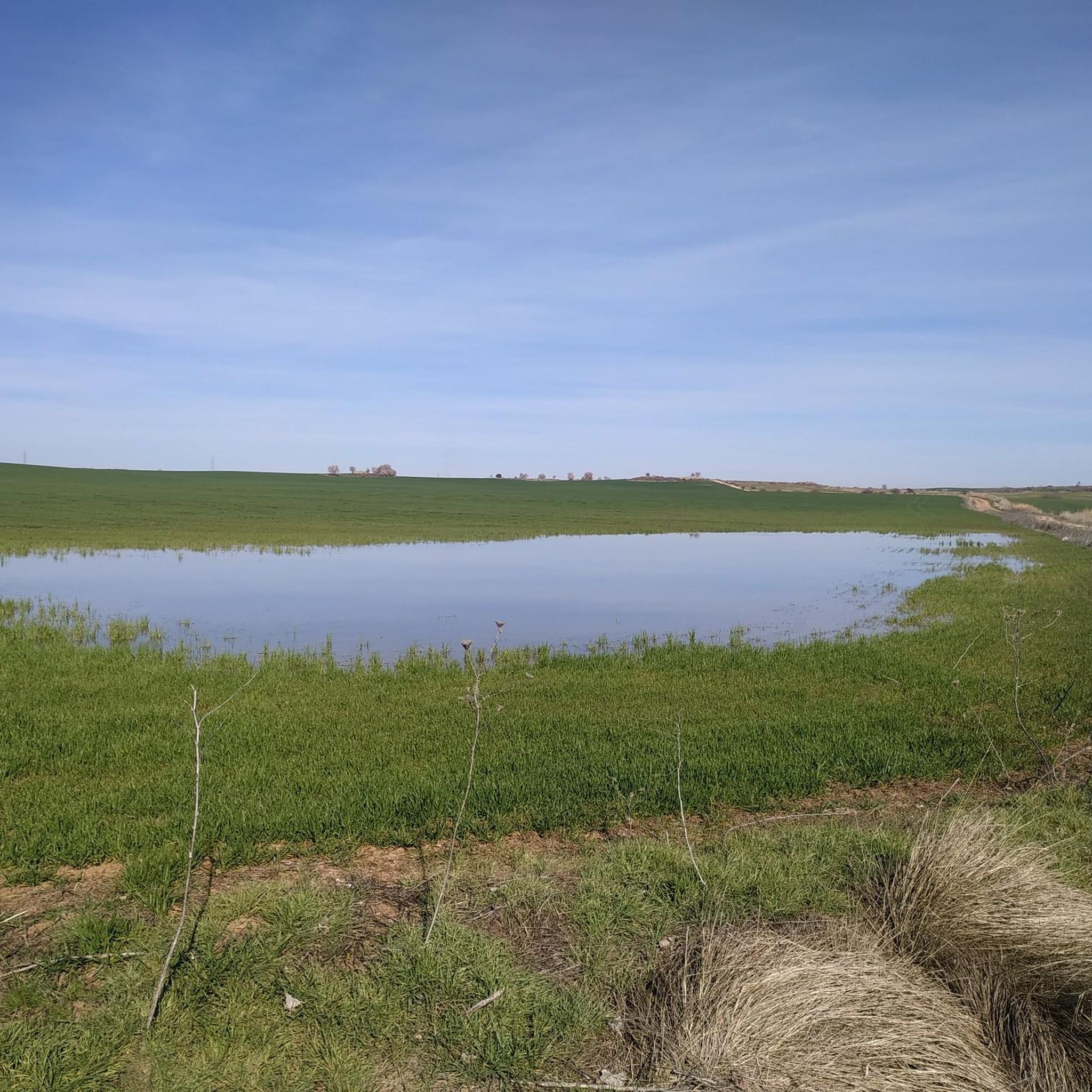
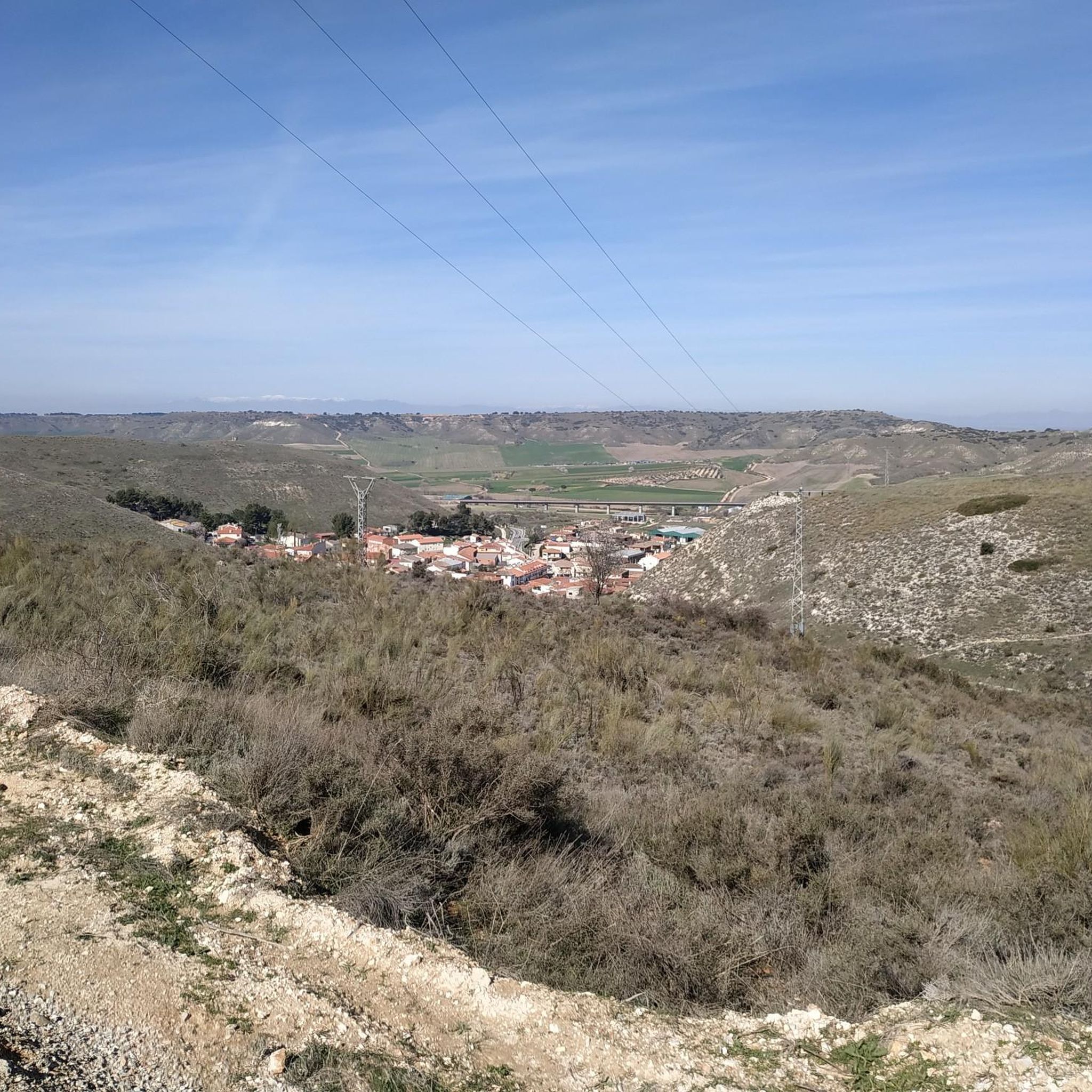
Gravel biking around Santorcaz offers diverse terrain within the Community of Madrid. The region features extensive forests and rolling hills, providing varied topography suitable for gravel bikes. Riders can expect to traverse mixed surfaces, including unpaved sections, as they explore the countryside. River meadows and elevated terrain contribute to the natural features encountered during rides.
Best gravel bike trails around Santorcaz
- The most popular gravel bike trail is Puerta de la Cadena – Church of Santorcaz loop from Los Santos…
Last updated: October 11, 2026
3
riders
Moderate gravel ride. Good fitness required. Mostly paved surfaces. Suitable for all skill levels.
8
riders
Hard gravel ride. Good fitness required. You may need to push your bike for some segments of this route.

3
riders
34.9km
02:41
320m
320m
Moderate gravel ride. Good fitness required. Mostly paved surfaces. Suitable for all skill levels.
3
riders
30.9km
02:29
290m
290m
Moderate gravel ride. Good fitness required. Mostly paved surfaces. Suitable for all skill levels.
5.0
(1)
7
riders
39.0km
02:44
210m
210m
Moderate gravel ride. Good fitness required. Mostly paved surfaces. Suitable for all skill levels.
Get access to more routes and recommendations from other explorers.
Already have an account?
Our route recommendations are based on thousands of hikes, rides, and runs completed by other people on komoot.
Start today with a free account
Your next adventure awaits.
Tips from the Community

Super cool water to replenish your strength
0
0

August 2025 under construction
0
0

The Valmores watering hole was restored in 2022, recovering an essential piece in the ethnographic heritage of Pezuela de las Torres. The first references to the fountain appear in the Topographic Relations of 1578. In 1735, reforms and improvements were made to the original spring, making it essential in the daily life of the countryside. The construction has a functional design to water livestock at a crossroads of the Alcarreño moor with trees and benches to take a break.
0
0
Pezuela de las Torres acquired jurisdictional independence in 1554 for the payment of one and a half million maravedis, erecting a pillory in the Plaza del Coso that represented the power to administer justice and a place for the town's residents to see criminals who were being sentenced to a pillory. The pillory is seven metres high on a pedestal of four steps and is topped with the heads of four lions. Next to it is the Plaza de la Constitución, home to the Town Hall and the Church of the Assumption, with a Romanesque apse and the rest rebuilt between the 16th and 18th centuries. It has a curious stately doorway from 1748 and a 16th century porticoed gallery, known as El Portalillo, the former meeting centre of the council. Most of the town's streets are on a slope, facing the plain, some houses retain the traditional two-storey country architecture and white facades. On Cerro del Calvario there are remains of traditional wineries used to make wine.
0
0
The Small Fountain is at the start of the Valverde de Alcalá road, it appears mentioned in several 18th century quotes, it maintains the limestone ashlar construction, it has a water spout that falls into an elongated basin and takes the water to the cattle trough. The Big Fountain is at the exit of the town, it is monumental, from the same period and forms a notable ethnographic and heritage complex on the passage of the Cordel de la Galiana livestock route.
0
0
The ethnographic complex of the Fuente Grande de Corpa is an important element of the local heritage. It was built in 1897 by local stonemasons Francisco and Vicente, according to an inscription attached to the wall of the watering hole. The water reaches the stone basins from two different springs in an old cattle rest area at the Cordel de la Senda de la Galiana, although there had been a powerful spring for a long time before. The largest pond was a public washhouse and one of the jets has its own name, it is the Collantes spout and was an old war cannon.
0
0

It is untreated water but it is perfectly safe to drink.
0
0
At this point you can decide to go to Santorcaz or Santos de la Humosa
0
0
Frequently Asked Questions
What kind of terrain can I expect on gravel bike trails around Santorcaz?
The Santorcaz region offers a varied landscape for gravel biking. You'll encounter extensive forests, rolling hills, and river meadows, providing a mix of surfaces including unpaved sections. The topography ranges from elevated terrain to river plains, ensuring a diverse riding experience.
Are there gravel bike routes suitable for beginners in Santorcaz?
Yes, Santorcaz has options for various skill levels. There are 3 easy gravel bike routes available, perfect for those new to gravel biking or looking for a more relaxed ride. These routes allow you to enjoy the scenic countryside without overly challenging terrain.
What are some challenging gravel bike routes in the Santorcaz area?
For experienced gravel bikers seeking a challenge, Santorcaz offers 4 difficult routes. One such route is the Church of Santorcaz – Plaza de Santorcaz loop from Pezuela de las Torres, which is 37.8 km long and features significant elevation changes. Another demanding option is the Abánades Entrance – Fountain of Joy loop from Chiloeches, covering 51.6 km.
Can I find circular gravel bike routes around Santorcaz?
Yes, many of the gravel bike routes in the Santorcaz area are designed as loops, allowing you to start and finish in the same location. For example, the popular Puerta de la Cadena – Church of Santorcaz loop from Los Santos de la Humosa is a 44.1 km circular route, and the Church of Santorcaz – Puerta de la Cadena loop from Villalbilla is a moderate 30.3 km loop.
What historical sites or landmarks can I see while gravel biking near Santorcaz?
The region around Santorcaz is rich in history. You can explore areas with Middle-Aged castles and villages. Notable historical sites include the Goyeneche Palace of Nuevo Baztán and the Ruins of Alcalá la Vieja Fortress. While not directly in Santorcaz, Cervantes Square in nearby Alcalá de Henares is also a significant cultural landmark.
Are there any natural attractions or viewpoints along the gravel routes?
Absolutely. The routes often pass through picturesque natural settings. You might encounter river meadows, vineyards, olive groves, and seasonal fields of poppies and sunflowers. Specific natural highlights include the Fuente Grande de Corpa, Fountain of Joy, and the Los Cerros Forest Park, offering beautiful natural scenery and potential viewpoints.
How long do gravel bike routes typically take to complete in Santorcaz?
The duration varies depending on the route's length and difficulty. For instance, a moderate route like the Puerta de la Cadena – Church of Santorcaz loop from Los Santos de la Humosa typically takes around 3 hours and 29 minutes. More challenging routes, such as the Abánades Entrance – Fountain of Joy loop from Chiloeches, can take up to 4 hours and 27 minutes.
What is the best time of year for gravel biking in Santorcaz?
The region's diverse landscapes, including forests and river meadows, make it enjoyable across different seasons. While specific recommendations depend on personal preference for weather, spring and autumn generally offer pleasant temperatures and vibrant scenery, with fields of poppies and sunflowers in season. Winter can also be an option, but riders should check local weather conditions.
Are there any facilities like cafes or restaurants near the gravel bike trails in Santorcaz?
While the guide focuses on the trails themselves, Santorcaz and its surrounding villages offer local amenities. You can often find cafes and restaurants in the towns that serve as starting or ending points for many routes, providing opportunities for refreshments and meals after your ride. It's advisable to check opening times, especially in smaller villages.
Is there parking available for gravel bikers in Santorcaz?
Yes, when planning your gravel biking trip, you'll typically find parking options in the towns and villages that serve as common starting points for the routes. These might include public parking areas or designated spots near trailheads. It's always a good idea to check specific parking availability for your chosen starting location.
How many gravel bike trails are available in the Santorcaz area?
There are 15 gravel bike trails available around Santorcaz. This network includes a variety of routes, with 3 easy, 8 moderate, and 4 difficult options, ensuring there's something for every skill level.
Most popular attractions around Santorcaz

Get inspired with the komoot mobile app


Explore more
Browse the best Gravel rides in other regions.
