The best gravel rides around Santa Maria De Palautordera
4.3
(46)
856
riders
90
rides
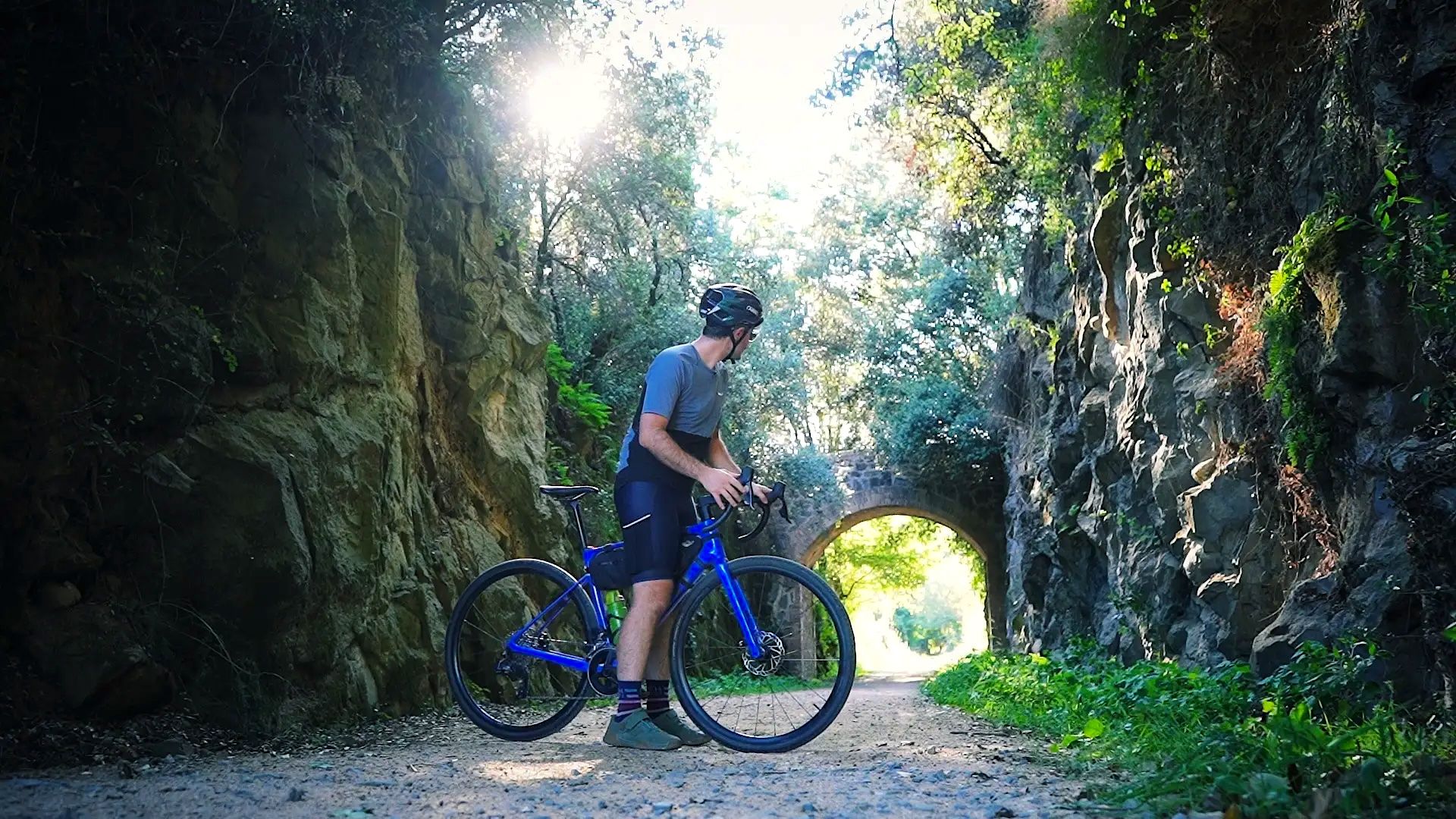
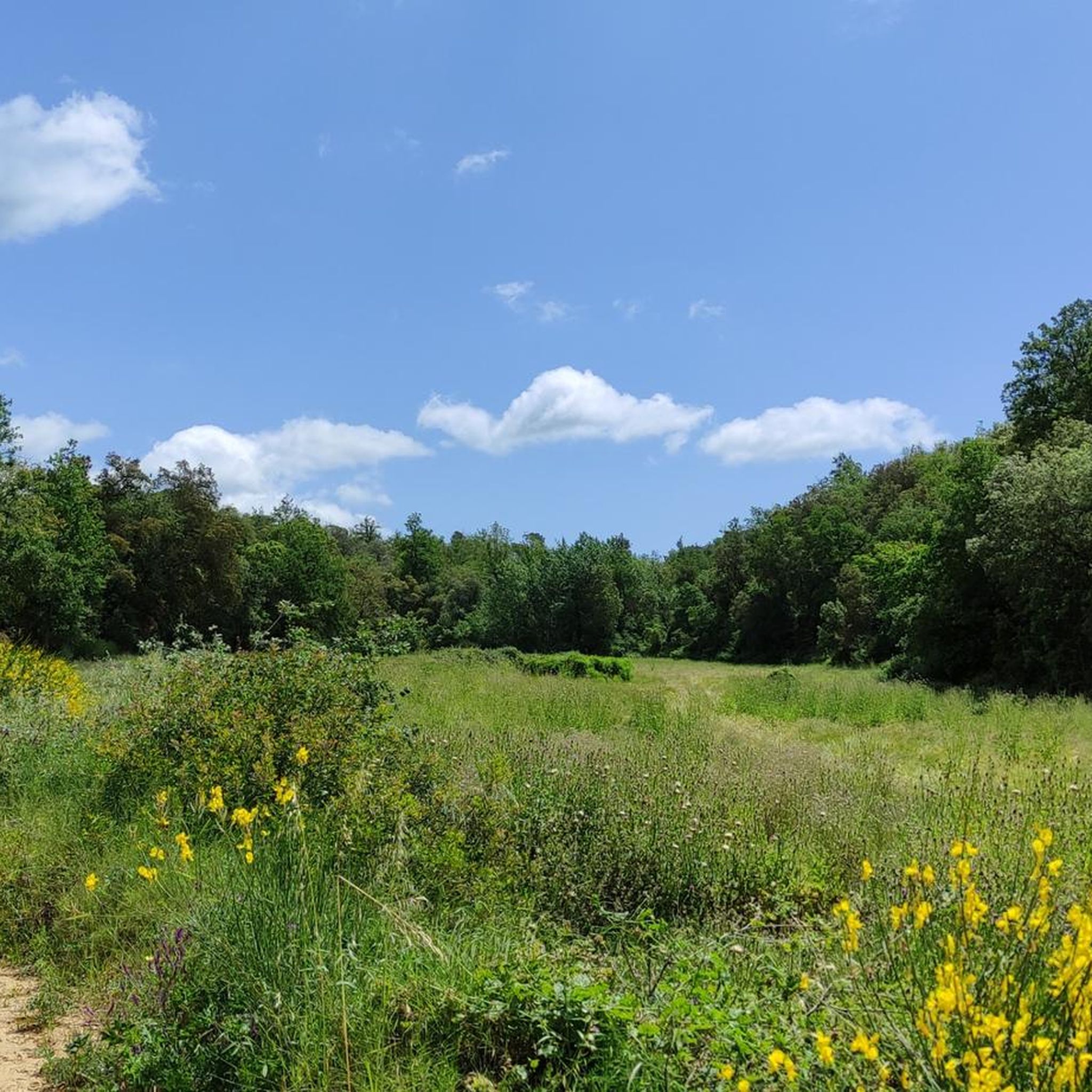
Gravel biking around Santa Maria De Palautordera offers access to diverse landscapes at the foothills of the Montseny massif, a UNESCO Biosphere Reserve. The region features lush forests, areas of pronounced relief, and a network of paths suitable for gravel cycling. Terrain varies from demanding gravel paths to paved sections, with significant elevation gains in some areas, providing varied conditions for gravel biking.
Best gravel bike trails around Santa Maria De Palautordera
- The most popular gravel bike trail is Can…
Last updated: October 11, 2026
5.0
(1)
22
riders
73.8km
05:42
1,150m
1,150m
Hard gravel ride. Very good fitness required. Mostly paved surfaces. Suitable for all skill levels.
4.3
(3)
26
riders
53.9km
04:18
1,260m
1,260m
Hard gravel ride. Very good fitness required. Mostly paved surfaces. Suitable for all skill levels.

3.5
(2)
24
riders
147km
09:35
830m
830m
Hard gravel ride. Very good fitness required. Mostly paved surfaces. Suitable for all skill levels.
4.5
(2)
21
riders
57.3km
04:02
450m
450m
Moderate gravel ride. Good fitness required. Mostly paved surfaces. Suitable for all skill levels.
45
riders
69.5km
04:38
370m
370m
Moderate gravel ride. Good fitness required. Mostly paved surfaces. Suitable for all skill levels.
Get access to more routes and recommendations from other explorers.
Already have an account?
Our route recommendations are based on thousands of hikes, rides, and runs completed by other people on komoot.
Start today with a free account
Your next adventure awaits.
Popular around Santa Maria De Palautordera
Other adventures around Santa Maria De Palautordera

Tips from the Community

It looks as if we were some centuries back in time!
0
0

Tradition has it that when fishermen were far out at sea, they would look for a tiny white dot on the mountain amidst the green of the forest. It was this hermitage. It served as a reference point for them to orient themselves and know where the coast was. A kind of lighthouse, but on the mountain. And there's a second, even more curious story. Centuries ago, a severe smallpox epidemic affected the farmhouses of Hortsavinyà. Legend has it that a stranger appeared with an image of the Virgin and assured that those who came to pray to her would be healed. People associated the healings with that image, and eventually, the small oratory was built here. There's even a curious play on its name: Erola and verola—smallpox in Catalan—ended up being linked in popular tradition, although the origin of 'erola' seems to actually refer to the small plain where it is located. So that little white house lost among the trees was, depending on who looked at it, a sanctuary for some and an orientation point for those sailing down below in the Mediterranean.
0
0

Església de Sant Llop d'Hortsavinyà El document més antic on s'esmenta Hortsavinyà és del 1101, i el primer de l'església, del 1301, si bé la primitiva esglesiola podria ser del segle IX o X. La major part de l'edifici actual és del segle XVIII. Sant Llop n'és el patró (1 de setembre), i per això se celebra la festa major en aquestes dates, coincidint amb el primer diumenge del mes. I si sant Llop és el patró de l'església, santa Eulàlia ho és del poble, i pels volts del 10 de desembre se celebra la festa major petita d'Hortsavinyà. Tradicionalment, sant Llop fou l'encarregat, en la fe cristiana, de guarir el mal de coll i l'afonia, i se'l relacionava amb alguns comportaments dels llops. Tot això ens porta a cercar els seus orígens en un personatge precristià, el pare Llop, un home que convivia amb un ramat de llops a les muntanyes. Una vegada a l'any baixava a les masies a cobrar un tribut, que calia pagar si es volia evitar l'atac dels llops al bestiar i a les persones. També era creença general, segons podem llegir als bestiaris medievals catalans, que si un home veia un llop abans que el llop a ell, la bèstia restava muda per sempre més, però si era el llop qui el veia primer, qui perdia la veu era l'home. Això darrer es produïa per l'ensurt que patia la persona en trobar-se el llop. D'aquí ve la relació de sant Llop amb l'afonia. Font: XPN
1
0
Capella de Mare de Deu de l'Erola Prop de Santa Eulàlia (o Sant Llop) d'Hortsavinyà, seguint amunt pel camí GR-92, trobem l'ermita de la Mare de Déu de l'Erola. És un petit oratori de parets blanques que segons la tradició, servia de guia als pescadors que, en mirar les muntanyes, hi veien una petita taca blanca. L'edifici, molt senzill, és de planta rectangular amb volta semicircular. Al seu interior hi ha una fornícula amb una imatge de la Mare de Déu. Font: Pobles de Catalunya
0
0

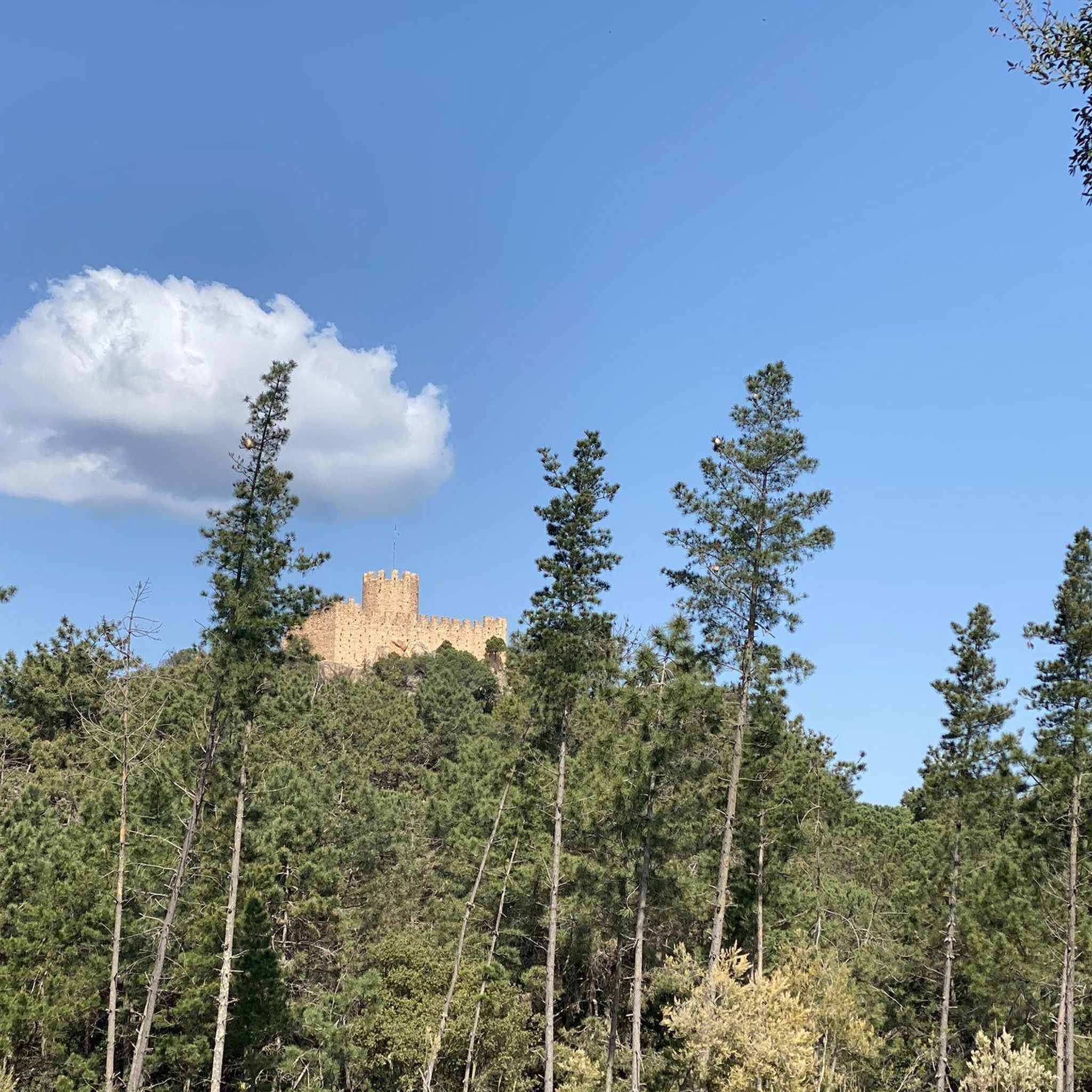
The Torre de Marata is a Gothic, fortified manor house with a distinctive defensive tower. It is located on a hill and overlooks the area of the municipality of Maçanet de la Selva (province of Girona). The building is now privately owned.
0
0

Dates from the 18th century.... Built in honor of the only person who did not get sick during the smallpox outbreak that made everyone else sick. Erola, the name of the girl who did not get sick, and dedicated herself to healing all the sick. Believing that what this girl did was a miracle, they built this Hermitage for her.... Mara de Déu de la Erola. To this day, perfectly cared for and clean. The name Erola.... means..... Small esplanade at the top of the Mountain ⛰️😃
1
0

Very nice. It looks so much better than it did years ago.
1
0

A fortified tower dating from the 13th century. Currently privately owned.
0
0
Frequently Asked Questions
How many gravel bike trails are available around Santa Maria De Palautordera?
There are over 90 gravel bike trails in the Santa Maria De Palautordera region, offering a wide range of options for different skill levels. The area is particularly known for its challenging routes within the Montseny massif.
What is the general terrain like for gravel biking in Montseny Natural Park?
The terrain around Santa Maria De Palautordera and within the Montseny Natural Park is highly varied. You'll encounter lush forests, areas with significant relief, and a mix of demanding gravel paths, paved sections, and asphalted roads. Expect diverse conditions, from challenging climbs to more serene routes, often with substantial elevation gains.
Are there any easy or beginner-friendly gravel bike routes in the area?
While many routes in the Montseny massif feature significant elevation gains and are rated as difficult, the region does offer options for varying fitness levels. The Pla de la Calma, for instance, is a relatively flatter zone at around 1100 meters altitude, accessible from several points, which can provide a less strenuous experience. You can find routes with moderate difficulty, though dedicated 'easy' gravel routes are fewer.
What are some scenic points of interest or landmarks I can see along the gravel bike trails?
The gravel trails often lead to stunning natural and historical sites. You can explore the UNESCO Biosphere Reserve of Montseny Natural Park, with its diverse flora and fauna. Notable landmarks include the medieval Corredor Sanctuary, the unique La Torrassa del Moro, and the impressive Turó de l'Home (Man's Hill), which offers panoramic views stretching to the Pyrenees. The Les Agudes and Montalt summits are also prominent features.
Are there any circular gravel bike routes available?
Yes, many of the gravel routes in the area are designed as loops. For example, the popular Can Benet Pass – Marcedor de la Serpula loop from Palautordera is a challenging 73.3 km circular trail. Another option is the Mirador de Les Goitadores – Sant Martí de Riells Church loop from Sant Celoni, offering scenic views over 55 km.
What is the best time of year for gravel biking in Santa Maria De Palautordera?
The region is enjoyable for gravel biking for much of the year. Spring and autumn generally offer the most pleasant temperatures and vibrant landscapes. Summer can be warm, especially at lower elevations, but higher routes in Montseny provide cooler conditions. Winter riding is possible, but be prepared for colder temperatures and potentially snow at higher altitudes within the Montseny massif.
Is public transport available to access gravel bike trails from Santa Maria De Palautordera?
Yes, the Santa Maria De Palautordera train station is a convenient hub. It offers bike and e-bike rental services, often with preloaded GPS routes, making it easy to start your gravel adventure directly from the station and explore the Baix Montseny and Montnegre Corredor areas.
Are there any family-friendly cycling options or attractions nearby?
While many gravel routes are challenging, the region offers other family-friendly attractions. The Arboretum (Arbreda del Montseny) in Santa Maria de Palautordera is a tranquil park showcasing local flora, complete with a pond and ducks, which can be a pleasant stop. For cycling, look for less strenuous paths around the Sec River area or the Els Enamorats fountain for leisurely exploration.
Are permits required for gravel biking in Montseny Natural Park?
The region is generally open for cycling on designated routes and paths. While specific permits for gravel biking are not typically required for general access, it's always advisable to check the official Montseny Natural Park regulations for any updates or specific restrictions, especially concerning protected areas or seasonal closures.
What do other gravel bikers enjoy most about the trails in Santa Maria De Palautordera?
The area is highly rated by the komoot community, with an average score of 4.5 stars from over 40 reviews. Riders frequently praise the diverse terrain, the challenging climbs with rewarding panoramic views, and the opportunity to explore the lush forests and natural beauty of the Montseny massif. The extensive network of routes catering to various levels is also a highlight.
Where can I find parking for gravel biking trails in Santa Maria De Palautordera?
Santa Maria De Palautordera, being a gateway to the Montseny Natural Park, offers various parking options. You can typically find parking near the train station or in designated areas within the town. For routes starting deeper into the park, look for small parking lots or roadside pull-offs near trailheads, but always ensure you are parking legally and considerately.
Are there any cafes or places to eat along the gravel bike routes?
Santa Maria De Palautordera itself has various cafes and restaurants. While some routes might pass through small villages with amenities, many trails venture into the more remote Montseny Natural Park. It's advisable to carry sufficient water and snacks, especially on longer rides, and plan your stops in advance. Some guided tours in the area are bundled with meals, offering a convenient option.
Can I bring my dog on the gravel bike trails in Montseny Natural Park?
Montseny Natural Park is generally dog-friendly, but specific rules apply to protect wildlife and ensure the safety of all visitors. Dogs are usually permitted on trails but must be kept on a leash. Always check the park's official guidelines for any restricted areas or seasonal regulations, especially during nesting periods for birds or in areas with grazing livestock.
Most popular routes around Santa Maria De Palautordera
Most popular attractions around Santa Maria De Palautordera

Get inspired with the komoot mobile app


Explore more
Browse the best Gravel rides in other regions.
