The best gravel rides around Coombe Keynes
4.0
(7)
49
riders
7
rides
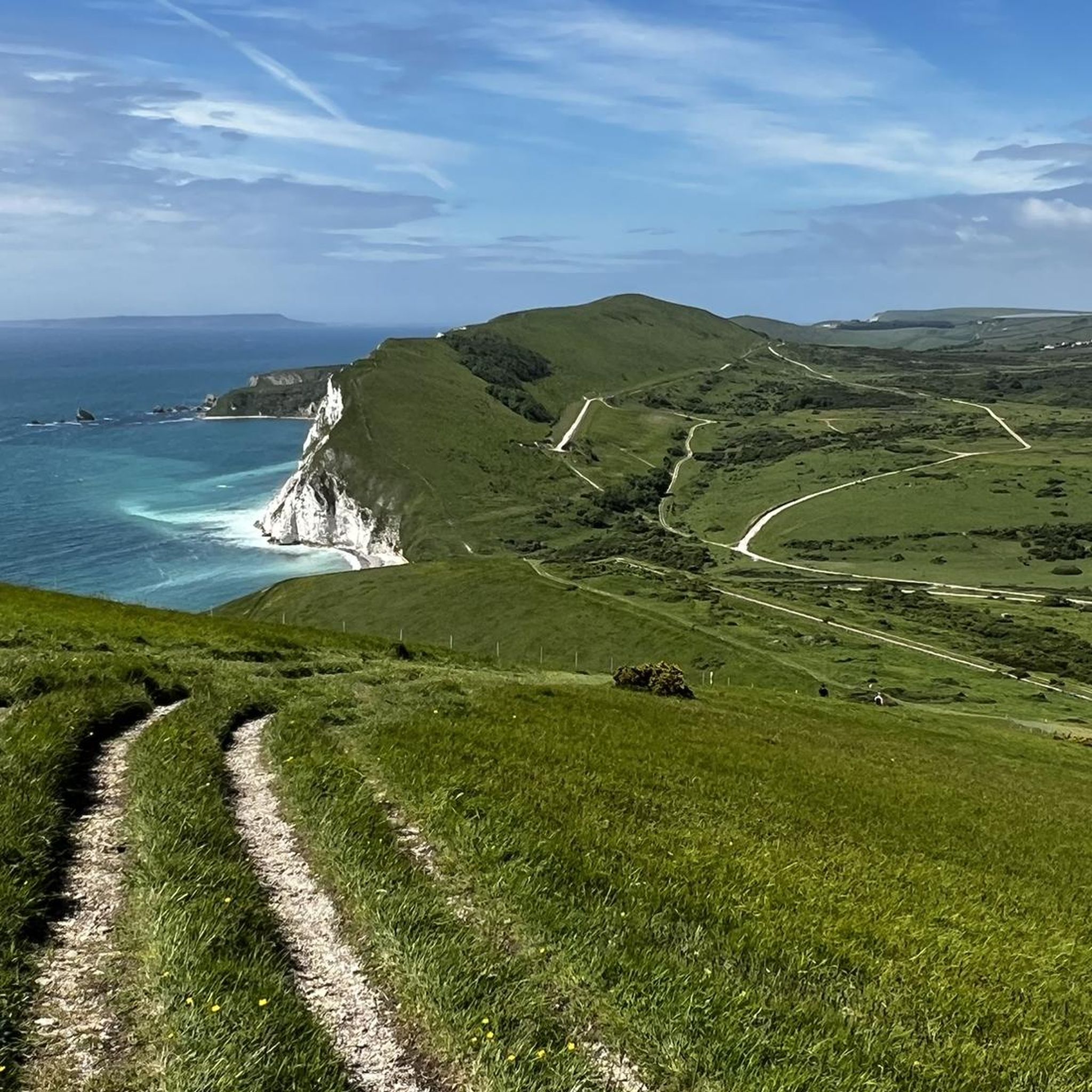
Gravel biking around Coombe Keynes offers diverse landscapes for off-road cycling. The region features a varied topography including rolling hills, valleys, and heathlands, providing a mix of challenges and scenic routes. Proximity to the Jurassic Coast offers access to coastal views, while inland areas like Tadnoll & Winfrith Heath provide rides through unique heathland and woodland environments. The terrain around Coombe Keynes includes hilly sections, offering rewarding climbs and descents for gravel biking enthusiasts.
Best gravel bike trails around Coombe…
Last updated: October 19, 2026
3.0
(1)
5
riders
81.6km
05:44
780m
780m
Hard gravel ride. Very good fitness required. Mostly paved surfaces. Suitable for all skill levels.
4.7
(3)
16
riders
29.3km
01:50
180m
180m
Moderate gravel ride. Good fitness required. Mostly paved surfaces. Suitable for all skill levels.

3
riders
60.1km
03:52
520m
520m
Hard gravel ride. Very good fitness required. Mostly paved surfaces. Suitable for all skill levels.
4.0
(1)
5
riders
63.4km
03:41
390m
390m
Moderate gravel ride. Good fitness required. Mostly paved surfaces. Suitable for all skill levels.
3
riders
Easy gravel ride. Great for any fitness level. Mostly paved surfaces. Suitable for all skill levels.
Get access to more routes and recommendations from other explorers.
Already have an account?
Our route recommendations are based on thousands of hikes, rides, and runs completed by other people on komoot.
Start today with a free account
Your next adventure awaits.
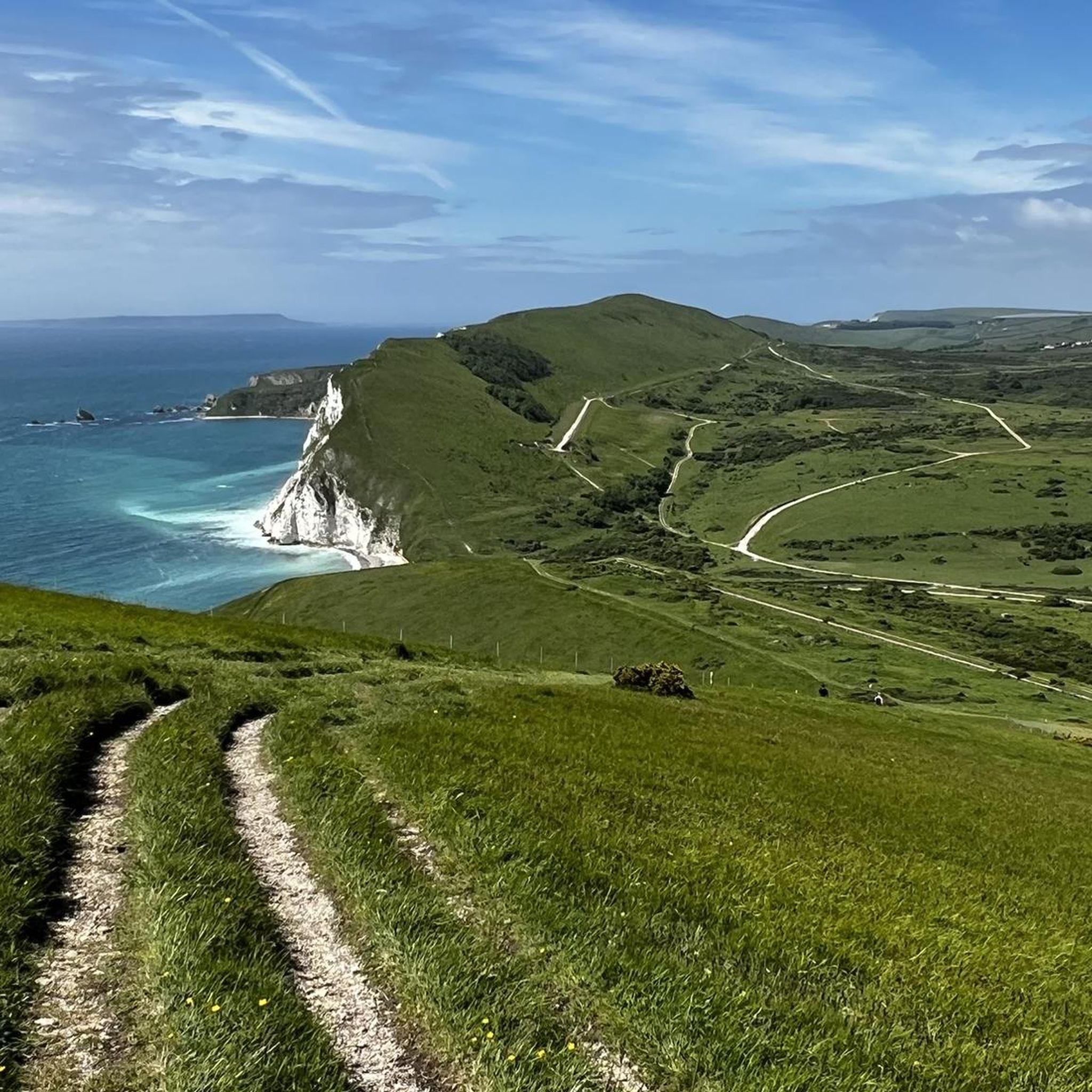
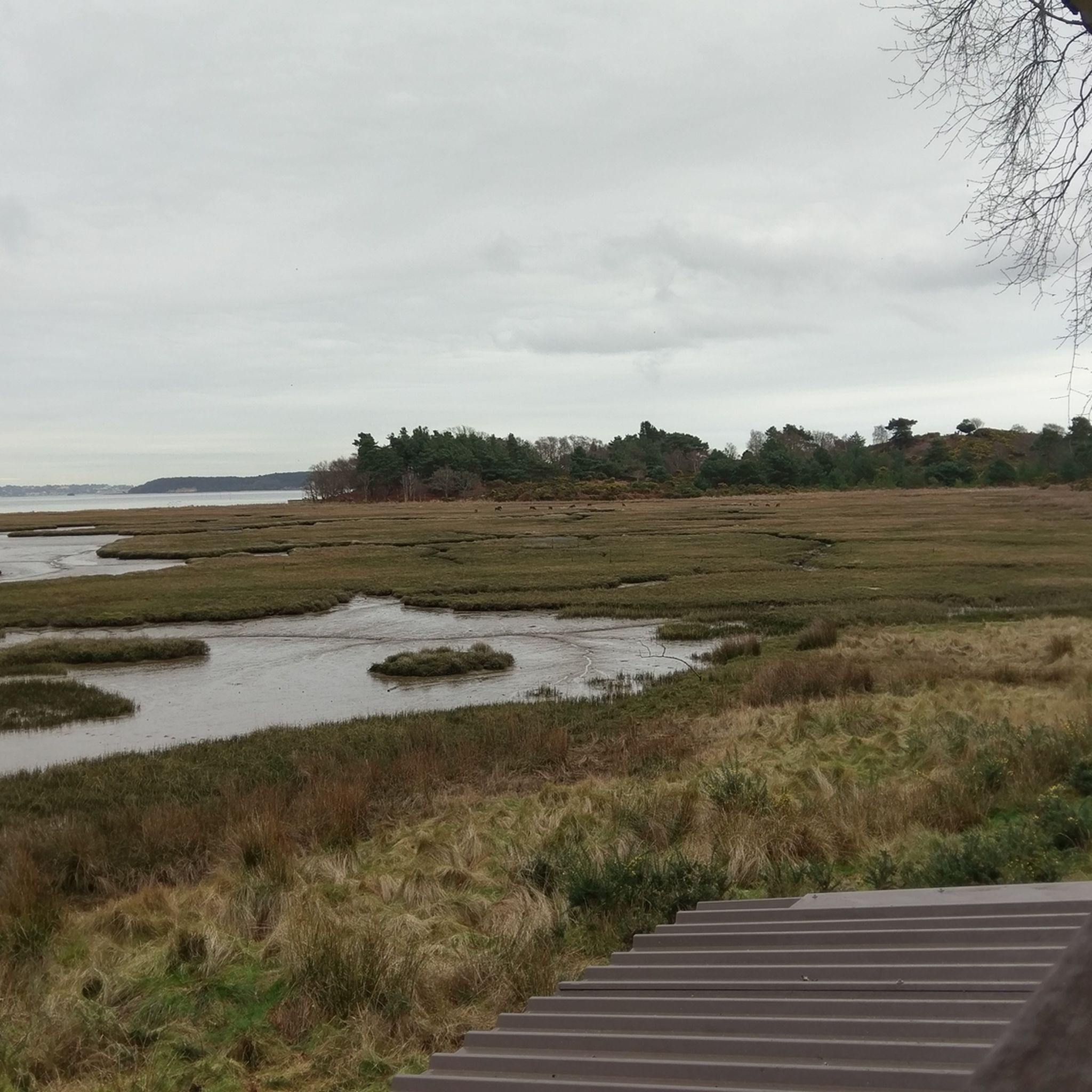
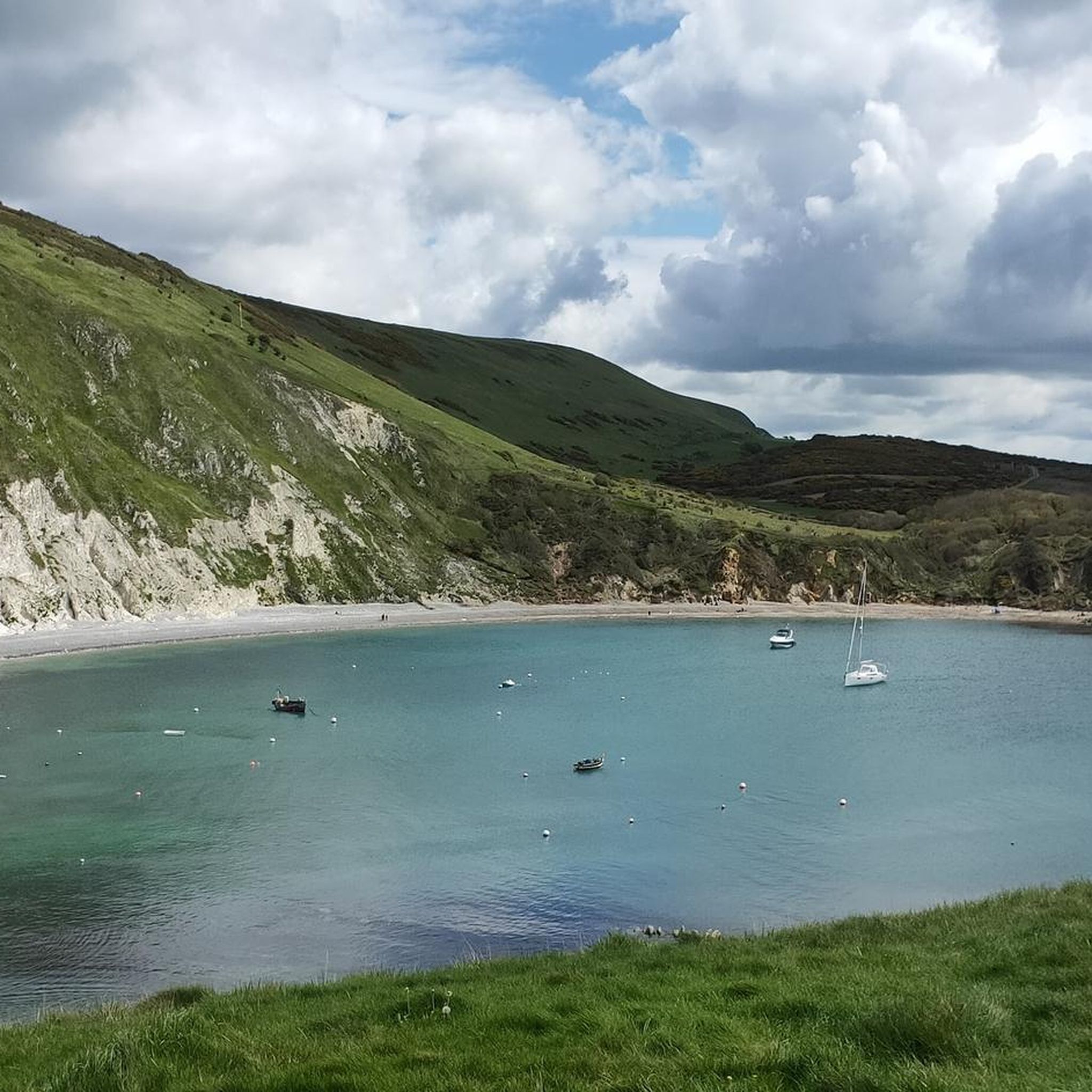
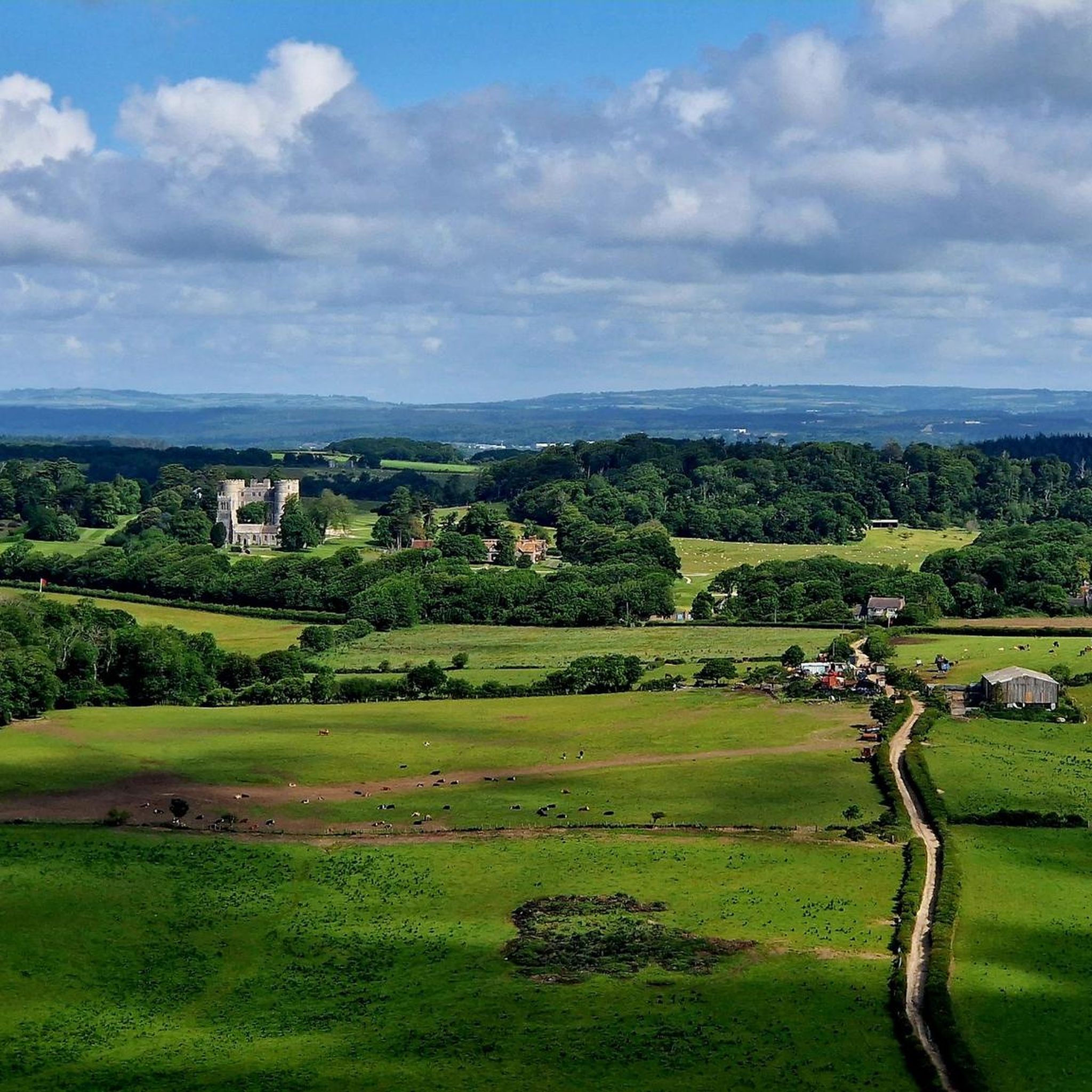
Tips from the Community

Here the route is a bit strenuous, as you have to cross the road twice if you want to use the bypass.
1
0


The North Dorset Trailway Connection Today, Spetisbury Station is a popular access point for the North Dorset Trailway. Trailhead: The section of the Trailway running from Spetisbury north to Sturminster Newton, largely following the old railway bed, is a well-maintained, traffic-free path for walking, cycling, and riding. Visitor Stop: The former station site makes a perfect place to stop, rest, and picnic while exploring the Trailway, offering fine views over the Stour Valley. It's a wonderful example of local history being preserved and repurposed for community and recreation!
0
0
The Spetisbury Station Project Unlike the bridge at Blandford, which remains a preserved structure, the Spetisbury station site is being actively restored by volunteers. The Project: The Spetisbury Station Project Group was formed in 2012 by dedicated volunteers to clear and preserve the abandoned site. What You Can See: While the original station buildings were demolished shortly after the 1956 closure, the project has cleared the site to reveal the foundations of the station buildings, the booking office, and the signal box. Ambience: The site is now a peaceful, landscaped green space featuring picnic areas, benches, and information boards. Volunteers have added replica signage and restored the platforms to recreate the atmosphere of the former country station. Wildlife Haven: The site is also managed to be a haven for local wildlife, with features like a wildlife pond, bat boxes, and specific flower borders.
0
0
The Railway and Closure Original Line: Spetisbury Station was located on the Somerset & Dorset Joint Railway (S&DJR), which connected Bath to Bournemouth. Opening: It originally opened on November 1, 1860, as part of the Dorset Central Railway's line from Wimborne to Blandford. It initially had a single platform. Double Track: Around 1901, the line was doubled through the station, and a second platform and a signal box were added to handle the increased traffic. Downgrade: Like many rural stations seeking to cut costs, it was downgraded to an unstaffed "halt" in 1934. Passenger Closure: The station closed completely to passengers on September 17, 1956, one of the early closures on the S&D line. Line Closure: Although the station itself was closed, the main S&DJR line through the site continued to operate passenger services until the whole route closed in March 1966. Goods traffic ceased in 1969, and the track was lifted in 1970.
0
0

The church was built in 1786. This was during the creation of the new village of Milton Abbas by Joseph Damer, the Earl of Dorchester. He had the original market town of Milton (or Middleton), which was too close to his mansion (now Milton Abbey School), demolished and a new model village constructed to house his estate workers. * Replacing an Older Church: There was an earlier St James' Church serving the parish before the new village was built. Its exact location is uncertain, though some speculate it might have been near the south door of Milton Abbey. Registers of this earlier church date back to 1650. * Materials from the Abbey: It is believed that some of the materials used to build St James' Church came from the demolished abbey barn. * Victorian Enhancements: In 1886, the church underwent significant alterations. The chancel was enlarged, the chancel and tower arches were rebuilt, and a south aisle was added.
1
0

Frequently Asked Questions
What kind of terrain can I expect on gravel bike trails around Coombe Keynes?
The Coombe Keynes area, part of the Purbeck region, offers a diverse topography ideal for gravel biking. You'll encounter rolling hills, valleys, and heathlands. While some routes feature paved sections, many include unpaved paths, sandy stretches, and potentially muddy terrain, especially during wetter seasons. Expect rewarding climbs and descents, often leading to panoramic views.
Are there any easy gravel bike trails suitable for beginners in Coombe Keynes?
Yes, there are options for beginners. For an easier ride, consider the Gravel Trail Through Heathland – Sika Trail loop from Cold Harbour. This route is 13.5 km long with moderate elevation gain, making it a good choice for those new to gravel biking or looking for a less strenuous outing.
What are the more challenging gravel routes in the Coombe Keynes area?
For experienced gravel bikers seeking a challenge, Coombe Keynes offers several demanding routes. The Sika Trail – View from Bulbarrow Hill loop from Wareham is a difficult 81.4 km trail with significant elevation gain. Another challenging option is the River Piddle Crossing – Spetisbury Station loop from Wool, a 60.1 km route featuring varied terrain and a river crossing.
Can I find family-friendly gravel biking options near Coombe Keynes?
While specific family-designated routes aren't highlighted, the region's extensive cycle networks include routes of varying difficulties. For families, consider shorter, less technical routes or those with lower elevation gain. The Wareham Quay – Sika Trail loop from Wareham, at 29.4 km and moderate difficulty, might be suitable for families with older children or those with some cycling experience, as it leads through heathland and along the quay.
What natural features or landmarks can I see along the gravel bike trails?
The trails around Coombe Keynes offer access to stunning natural features and historical landmarks. You're near the dramatic Jurassic Coast, a UNESCO World Heritage Site. Iconic sights like Durdle Door and Lulworth Cove are accessible, offering breathtaking coastal views. Inland, you can explore unique heathland and woodland environments, some of which are Sites of Special Scientific Interest with rich wildlife. Historic landmarks such as Corfe Castle Ruins are also within reach.
What is the best time of year for gravel biking in Coombe Keynes?
The diverse terrain means conditions can vary seasonally. Spring and autumn generally offer pleasant temperatures and vibrant scenery, making them ideal. Summers are also great for exploring, especially coastal routes. During winter, some unpaved sections might become muddy, particularly in heathland and woodland areas, so be prepared for potentially challenging conditions.
Are there any specific starting points or parking facilities for gravel bike routes?
Many routes in the area are loops, often starting and ending in towns or villages that offer parking. For example, routes like the Sika Trail – Canford Bridge loop start from Wareham, where public parking is available. It's advisable to check specific starting points and parking options for your chosen route in advance.
How accessible is Coombe Keynes by public transport for cyclists?
Dorset has a network of public transport, including train lines that serve towns like Wareham and Wool, which are common starting points for rides in the Coombe Keynes area. Many local buses also operate, though space for bikes can be limited. Planning your journey with local transport providers is recommended to confirm bike carriage policies.
What do other gravel bikers enjoy most about cycling in Coombe Keynes?
The area is highly rated by the komoot community, with an average score of 4.2 stars. Reviewers often praise the diverse landscapes, from rolling hills and heathlands to coastal views, and the mix of challenging and scenic routes. The opportunity to explore both natural beauty and historical points of interest is also frequently highlighted.
Are there any pubs or cafes along the gravel bike routes in Coombe Keynes?
While specific establishments aren't listed for every route, the Coombe Keynes area and surrounding villages are well-equipped with amenities. Many routes pass through or near towns like Wareham and Wool, where you can find pubs and cafes to refuel. It's a good idea to plan your stops based on your chosen route.
Can I bring my dog on the gravel bike trails around Coombe Keynes?
Many public rights of way and trails in the Dorset countryside are dog-friendly, provided dogs are kept under control, especially around livestock or wildlife. However, specific rules can vary by land ownership (e.g., National Trust, private estates). Always check local signage and be mindful of other trail users and the environment. It's best to keep dogs on a lead on shared paths.
How many gravel bike trails are available in the Coombe Keynes area?
There are currently 7 gravel bike tours available around Coombe Keynes on komoot. These range in difficulty from easy to difficult, offering a variety of options for different skill levels and preferences.
Most popular attractions around Coombe Keynes

Get inspired with the komoot mobile app


Explore more
Browse the best Gravel rides in other regions.
