The best gravel rides around Zelzate
4.8
(23)
338
riders
17
rides
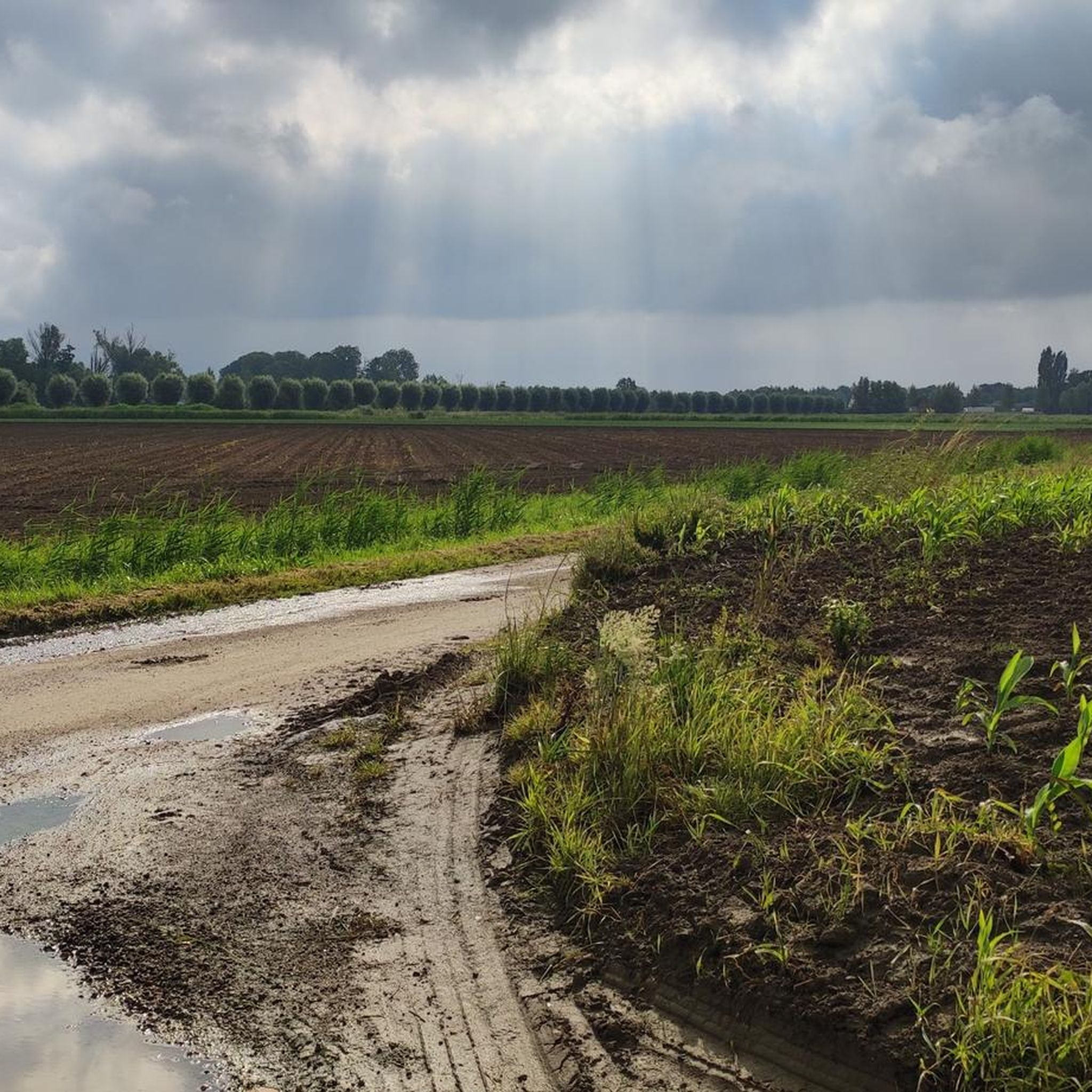
Gravel biking around Zelzate is characterized by its predominantly flat terrain, offering routes along canals, through agricultural polders, and occasional forested sections. The region's landscape is shaped by waterways and open fields, providing consistent surfaces for gravel cycling. Elevation changes are minimal, with routes generally staying below 200 meters. This makes the area suitable for riders seeking less strenuous, long-distance gravel experiences.
Best gravel bike trails around Zelzate
- The most popular gravel bike trail is Grit! Wild Boar Route,…
Last updated: October 19, 2026
4.5
(2)
75
riders
124km
09:15
160m
160m
The Grit! Route Wild Boar 130K is a difficult 77.2-mile gravel biking route in Meetjesland, featuring diverse unpaved paths.
4.3
(16)
149
riders
58.0km
03:16
70m
70m
Hard gravel ride. Good fitness required. You may need to push your bike for some segments of this route.

46
riders
80.1km
04:48
90m
90m
Hard gravel ride. Good fitness required. You may need to push your bike for some segments of this route.
5.0
(2)
21
riders
49.1km
02:53
50m
50m
Moderate gravel ride. Good fitness required. Mostly paved surfaces. Suitable for all skill levels.
5.0
(1)
15
riders
44.7km
02:32
40m
40m
Moderate gravel ride. Good fitness required. Mostly paved surfaces. Suitable for all skill levels.
Get access to more routes and recommendations from other explorers.
Already have an account?
Our route recommendations are based on thousands of hikes, rides, and runs completed by other people on komoot.
Start today with a free account
Your next adventure awaits.
Tips from the Community

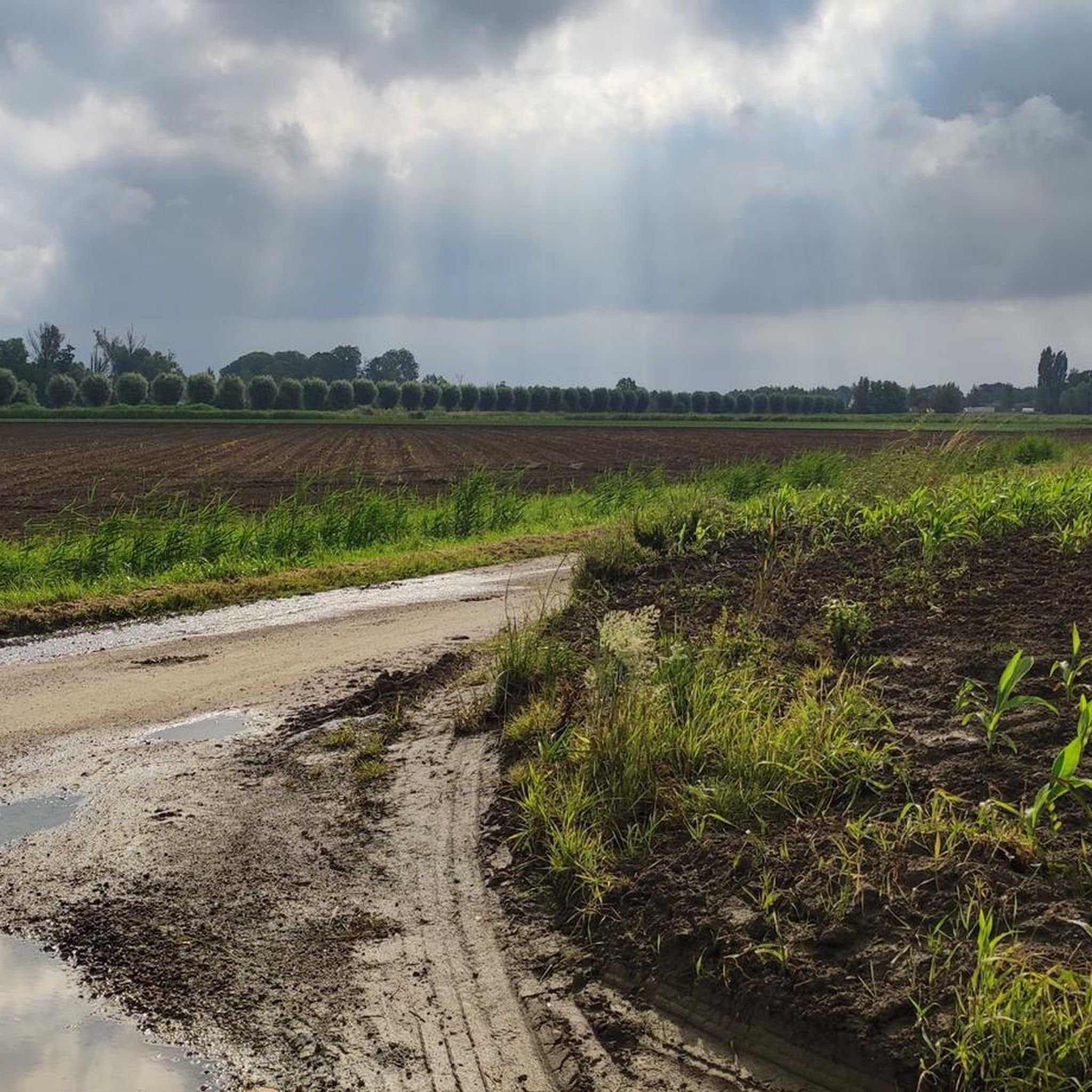
Between the Kluizen reservoir and the village center of Sleidinge, you walk on gravel through the fields the entire time. You have to share the path with gravel bikers, but, following the call that @Elias made earlier: they will surely take the presence of hikers into account and undoubtedly adjust their speed ;-)
2
0
The wooden arch bridge over the Stekense Vaart, named after Frans Coppens, was receiver-clerk in the municipality of Sinaai for almost a quarter of a century. He played an important role in "de Groote Watering van Sinay", the name given to the project launched by the Boerenbond in 1926. This project was initiated after repeated floods and aimed to make the polders 'dry'. The construction of the pumping station near Hondsnest was one of the first achievements within this project. During the Second World War, the unemployed were employed to clean or widen ditches. Under the impetus of dike reeve Jozef "meester" Maes and... receiver-clerk Frans Coppens (!), major reclamation works were carried out in the 60s, continuing into the following decades. Thus, Hondsnest got a new pumping station in 1975. In the meantime, the watering area had been converted into a polder, pursuant to the polder law of June 3, 1957. source: info file "Polder Daknam-Sinaai"
2
0

This open water (creek) is a remnant of a military inundation in the fight against the French in the War of the Spanish Succession - period 1701–1713. By breaching this dike, the polders behind it around Koewacht were flooded. When restoring the dike, they went around the deepest part of the stream channel.
6
0
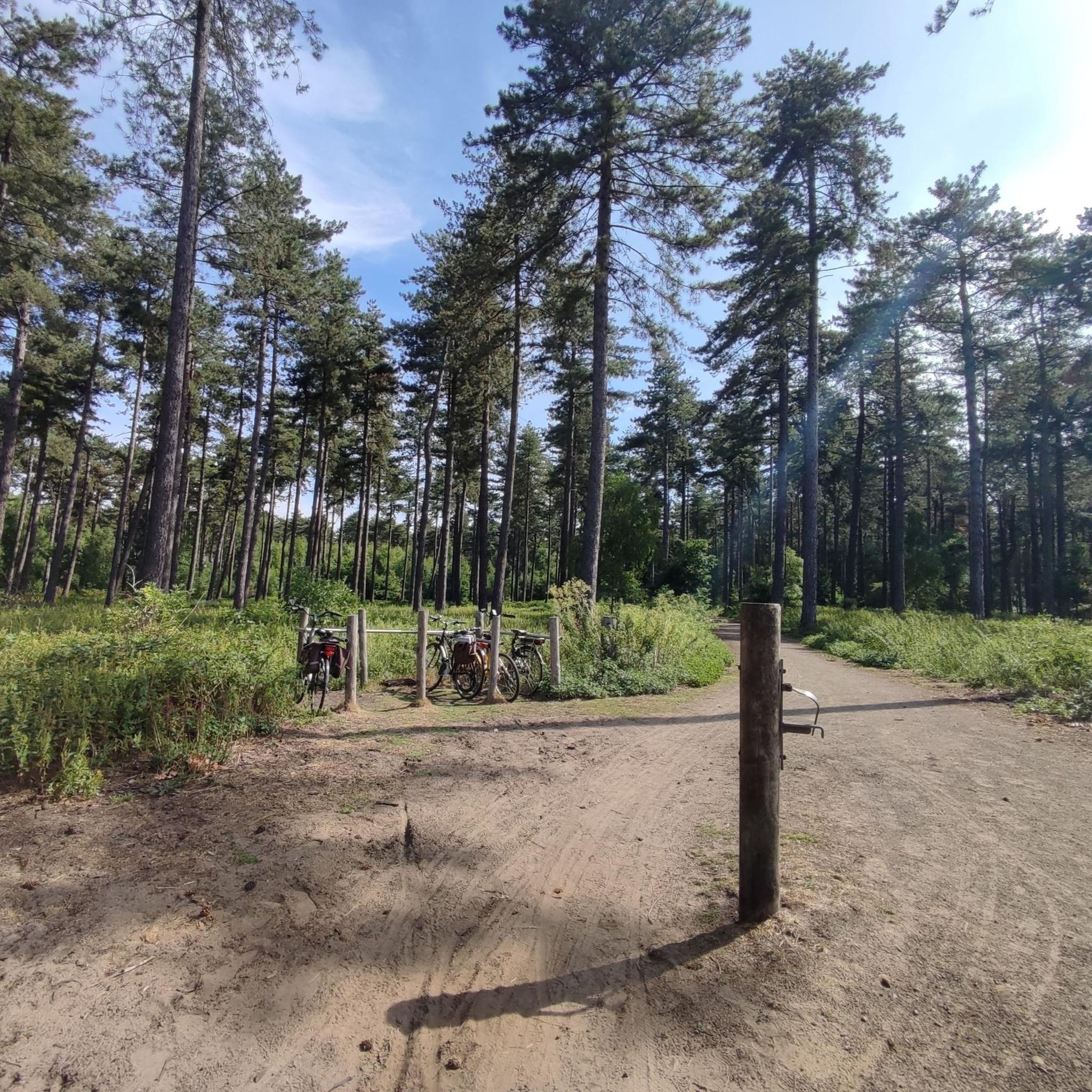
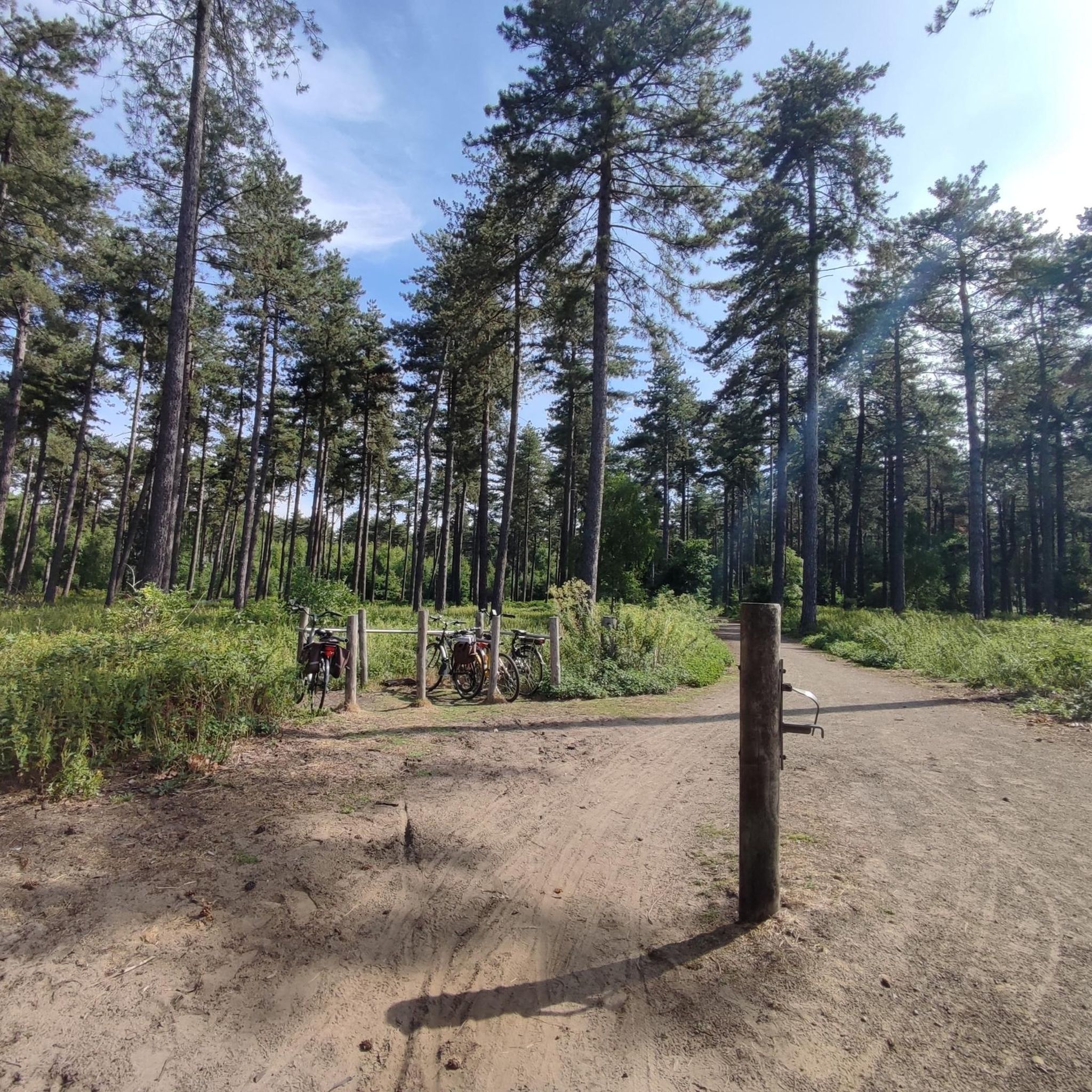
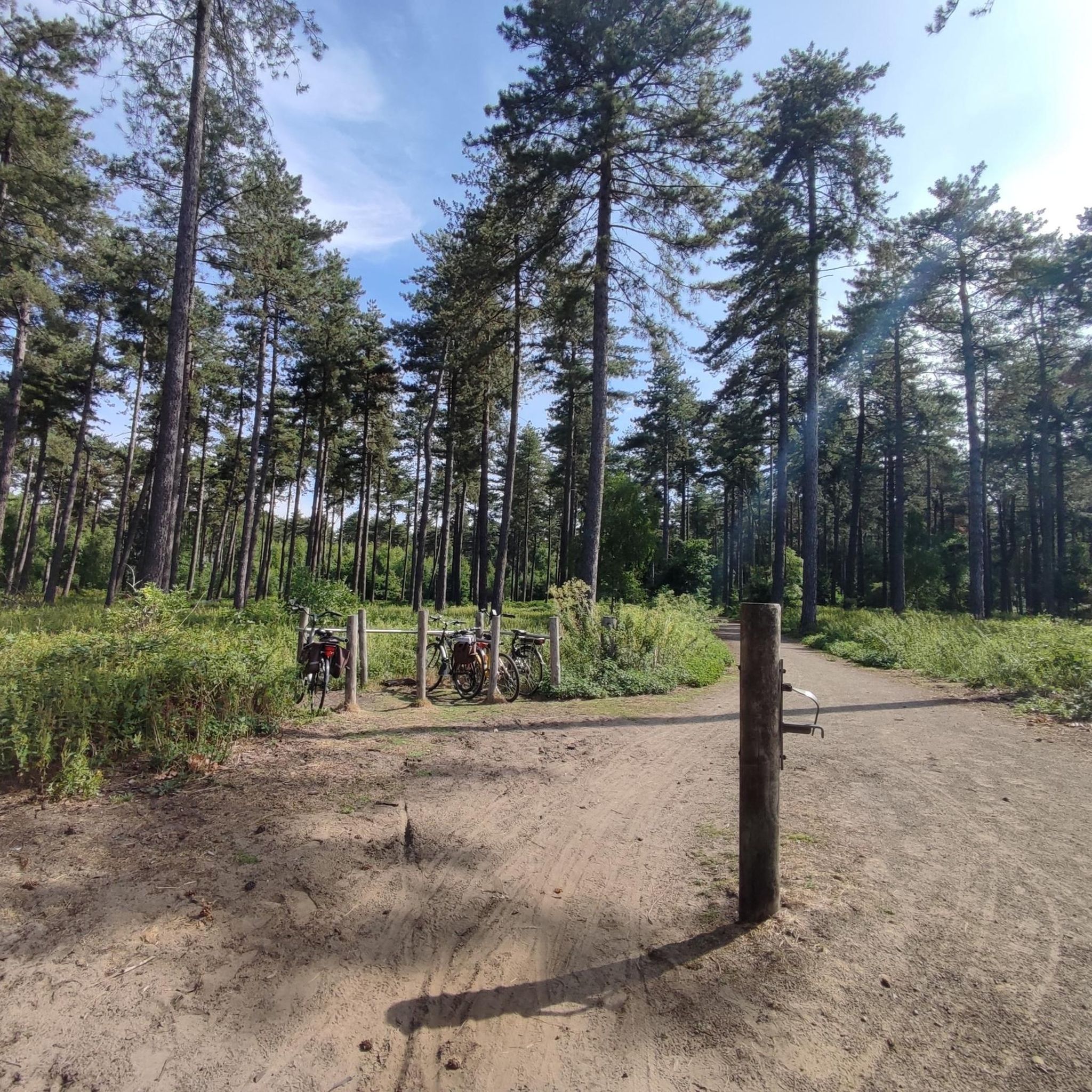
An ideal stopping point on your cycling or hiking experience: Step back in time and discover a hidden piece of history: Fort Sint-Jacob. This fascinating remnant from the Eighty Years' War takes you back to a period when borders were still fought over and waterways made the difference between safety and danger. Located on the Passageule, this fort once formed a crucial link between the Spanish Netherlands and the States' territories. As part of the impressive States-Spanish Lines, Fort Sint-Jacob guarded the border and held back enemy infiltrations from the north. After the Peace of Münster, the fort lost its military function and slowly faded into obscurity. Nature took over, until around 2010 it was restored with care and respect for the past. Today, you can once again experience the contours of the past, including a replica of a cannon that symbolises the struggle that was once waged here. But Fort Sint-Jacob is more than just history. It is a place where peace and nature meet. The ramparts and moats now form a unique landscape where special plants and animals feel at home, typical of the brackish Zeeland area. Whether you are walking or cycling, this is an ideal place to pause, enjoy, and let yourself be carried away by the past. Let yourself be surprised and experience Fort Sint-Jacob for yourself.
4
0
The gravel path is semi-hardened. The landscape you see here was partly shaped during the Spanish-Dutch struggle in the Eighty Years' War. Note the dikes and elevations in the landscape. These were important during the turbulent war years.
6
0
Discover Fort Sint-Joseph, a special place full of history in the Zeeuws-Vlaanderen landscape. Together with forts Sint-Jacob and Sint-Livinus, this fort is part of the historical line of communication between Sas van Gent and Hulst. These defensive structures were built in 1634 by the Spanish as simple, square forts and served as outposts along the creeks and salt marshes. On this historical line, you will encounter the remnants of the fort. Imagine soldiers once looking out over the landscape from watch houses – small observation towers that guarded the area. The forts were surrounded by a wide moat of over 10 meters and were only accessible via a bridge, making them extra defensible. 💡 Did you know… The name of a fort immediately revealed which side of the line it was on? Spanish forts, like Sint-Joseph, were named after saints. Dutch (Protestant) forts, on the other hand, had earthly, often humorous names that reflected the harsh soldier's life, such as Misère, Boerenverdriet, or Kaas en Brood. A visit to Fort Sint-Joseph is not just a walk in nature, but also a journey back in time along the borders of the Spanish-Dutch lines.
5
0

Beautiful gravel strip at the border
0
0

Very well-developed cycle path
0
0
Frequently Asked Questions
How many gravel bike trails are available around Zelzate?
Zelzate offers a diverse network of nearly 30 gravel bike trails, catering to various skill levels. You'll find a good mix of easy, moderate, and difficult routes to explore the region's unique polder and canal landscapes.
Are there any beginner-friendly gravel bike routes in Zelzate?
Yes, Zelzate has several routes suitable for beginners. These trails typically feature flat terrain along canals and through open fields. For a moderate option, consider the Durmakker Gravel Path – Meerbeek gravel path loop from Kluizen, which is 28.4 miles (45.7 km) long and follows dedicated gravel paths.
What are the options for experienced gravel bikers looking for a challenge?
Experienced riders can tackle more demanding routes that feature longer distances and varied terrain. The Grit! Wild Boar Route is a challenging 77.2 miles (124.3 km) trail that takes approximately 9 hours 15 minutes to complete, offering a significant endurance test.
Are there any family-friendly gravel cycling trails in the Zelzate area?
While specific 'family' trails aren't designated, many of the easier and moderate routes with minimal elevation are suitable for families. Look for routes that stick to canal towpaths and paved sections, offering a relaxed ride through the scenic polders. The flat nature of the region makes it generally accessible for riders of all ages.
What kind of scenic viewpoints or attractions can I expect along the gravel routes?
The routes around Zelzate offer views of the characteristic polder landscapes, tranquil canals, and occasional forested sections. You might pass by natural highlights like Groote Gat or Bosdam Pond. The Moervaart Towpath is a notable feature, offering picturesque stretches along the water.
What is the best time of year for gravel biking in Zelzate?
The spring and autumn months generally offer the most pleasant conditions for gravel biking in Zelzate, with milder temperatures and beautiful scenery. Summer can also be enjoyable, though it can get warm. Winter riding is possible, but be prepared for potentially wet and muddy conditions, especially on unpaved sections.
Are there any loop gravel bike routes available near Zelzate?
Yes, many of the gravel routes in Zelzate are designed as loops, allowing you to start and end at the same point. An example is the Towpath Along the Moervaart – Cycle Path Along the Moervaart loop from Heidebos, a moderate 34.5 miles (55.5 km) route that offers a circular experience.
What do other gravel bikers enjoy most about gravel biking in Zelzate?
The komoot community highly rates the gravel biking experience in Zelzate, with an average score of 4.8 stars from over 10 reviews. Riders often praise the region's quiet, flat routes along canals and through polders, which provide a peaceful and consistent surface for long-distance cycling.
Are there any longer gravel bike routes for endurance training?
Absolutely. For those seeking longer rides, Zelzate offers routes that extend well beyond a typical day trip. The Heidebos Singletrack – Stekense Canal loop from Zelzate, at 48.7 miles (78.3 km), provides a substantial ride through forests and along canal paths, taking around 5 hours 31 minutes to complete.
What are the typical conditions for gravel biking in Zelzate during winter?
During winter, gravel biking in Zelzate can be quite cold and potentially wet. While the flat terrain remains accessible, unpaved sections may become muddy. It's advisable to wear appropriate waterproof and warm clothing, and ensure your bike is equipped for potentially slippery surfaces. Always check local weather forecasts before heading out.
Are there any hidden gem gravel bike trails near Zelzate that are less known?
While many routes are popular, exploring some of the moderate-difficulty trails can lead to less crowded experiences. The Towpath Along the Moervaart – Cycle Path Along the Moervaart loop from Moerbeke, a 27.1 miles (43.6 km) moderate route, offers a pleasant journey along the Moervaart, often providing a quieter ride through the local landscape.
Most popular attractions around Zelzate

Get inspired with the komoot mobile app


Explore more
Browse the best Gravel rides in other regions.
