The best gravel rides around Vajont
4.6
(11)
92
riders
30
rides
Gravel biking around Vajont offers a diverse landscape characterized by river valleys, rolling hills, and forested areas. The region provides a mix of terrain suitable for various gravel cycling experiences, from riverside paths to routes with moderate climbs. The area's geology includes features shaped by watercourses, offering varied surfaces for gravel bike trails.
Best gravel bike trails around Vajont
- The most popular gravel bike trail is Spilimbergo – Bridge over the Cellina stream loop from Maniago, a 42.1 miles…
Last updated: October 8, 2026
5.0
(1)
9
riders
58.5km
03:46
310m
310m
Moderate gravel ride. Good fitness required. Mostly paved surfaces. Suitable for all skill levels.
5.0
(1)
22
riders
85.2km
06:05
1,970m
1,970m
Hard gravel ride. Very good fitness required. Mostly paved surfaces. Suitable for all skill levels.

4.3
(3)
14
riders
72.7km
04:33
410m
410m
Moderate gravel ride. Good fitness required. Mostly paved surfaces. Suitable for all skill levels.
4.5
(2)
9
riders
Moderate gravel ride. Good fitness required. Mostly paved surfaces. Suitable for all skill levels.
2
riders
47.5km
03:12
290m
290m
Moderate gravel ride. Good fitness required. Mostly paved surfaces. Suitable for all skill levels.
Get access to more routes and recommendations from other explorers.
Already have an account?
Our route recommendations are based on thousands of hikes, rides, and runs completed by other people on komoot.
Start today with a free account
Your next adventure awaits.
Tips from the Community

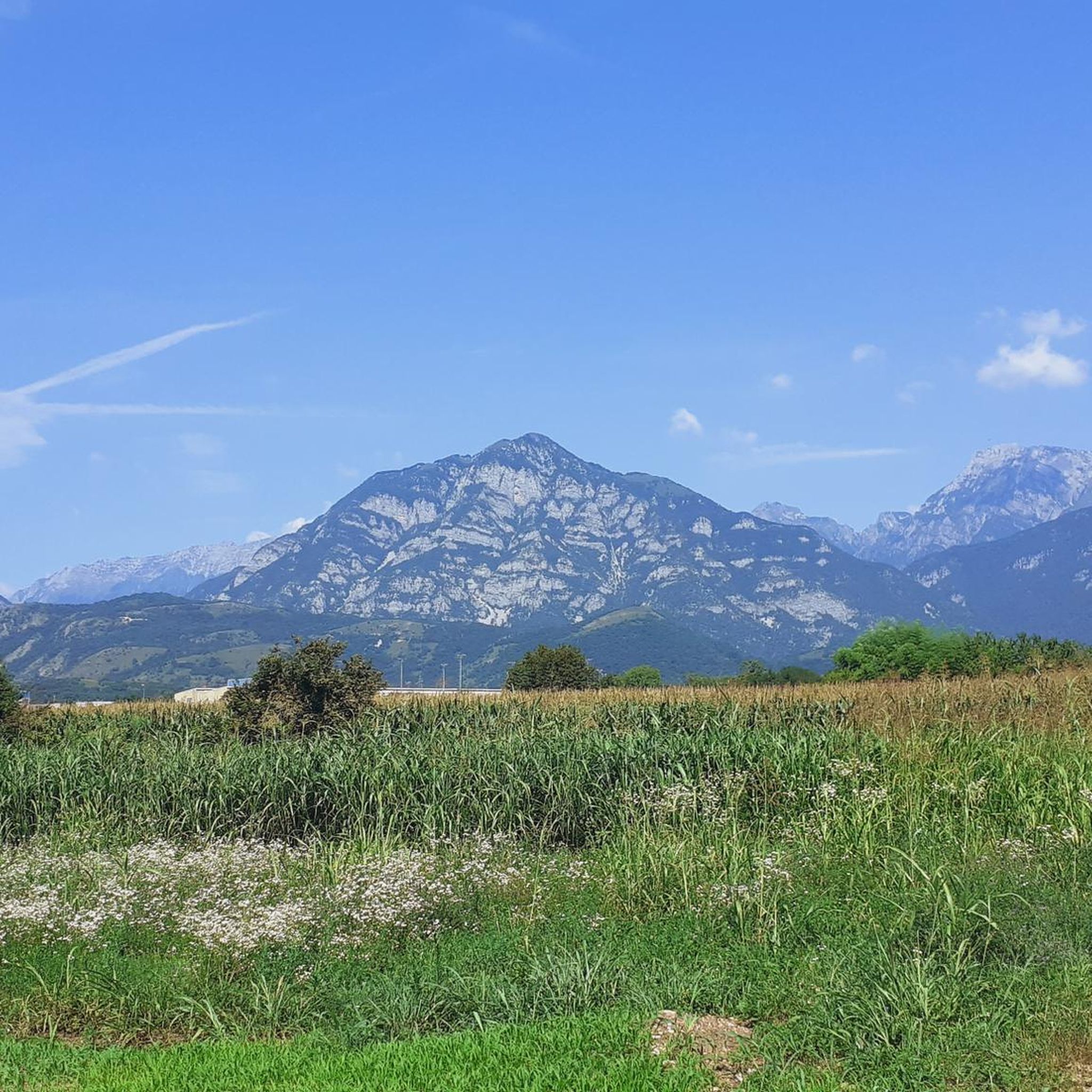
Maniago, located at the foot of the Carnic Prealps in the Pordenone foothills, is a Friulian town famous throughout the world for its centuries-old tradition in cutlery and ironworking. The beating heart of the historic center is Piazza Italia, one of the largest in the region, dominated by the 15th-century cathedral in Gothic-Renaissance style and surrounded by elegant buildings and historic fountains. Strolling through its streets, you can breathe in a hardworking and welcoming atmosphere, enriched by the presence of the Museum of Blacksmithing and Cutlery, which tells the story of the evolution of local artisanal ingenuity. Surrounded by unspoiled nature, Maniago also represents a gateway to the evocative surrounding valleys, offering a perfect blend of culture, industrial history, and alpine landscapes. A fascinating destination where artisanal knowledge meets the beauty of the territory.
0
0
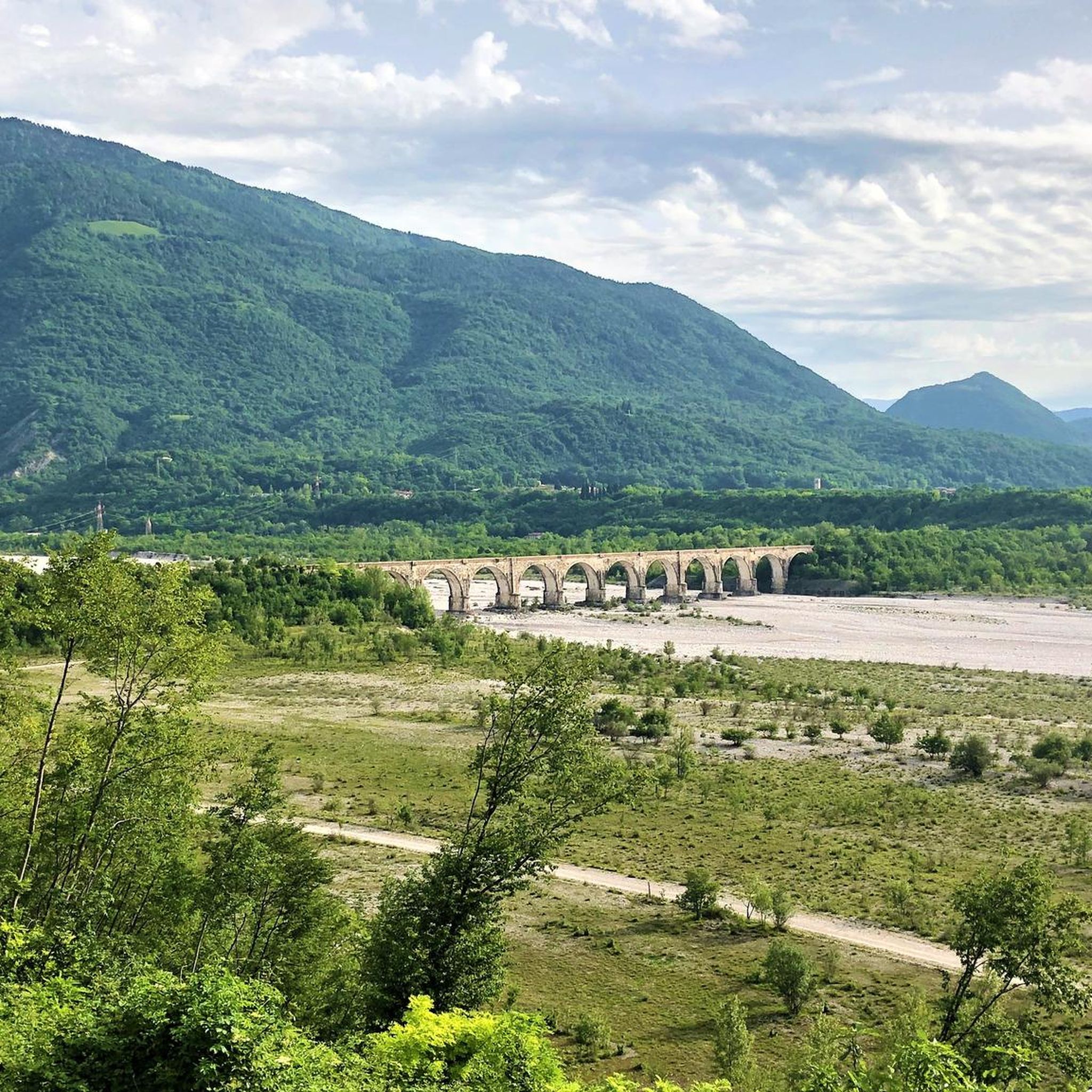
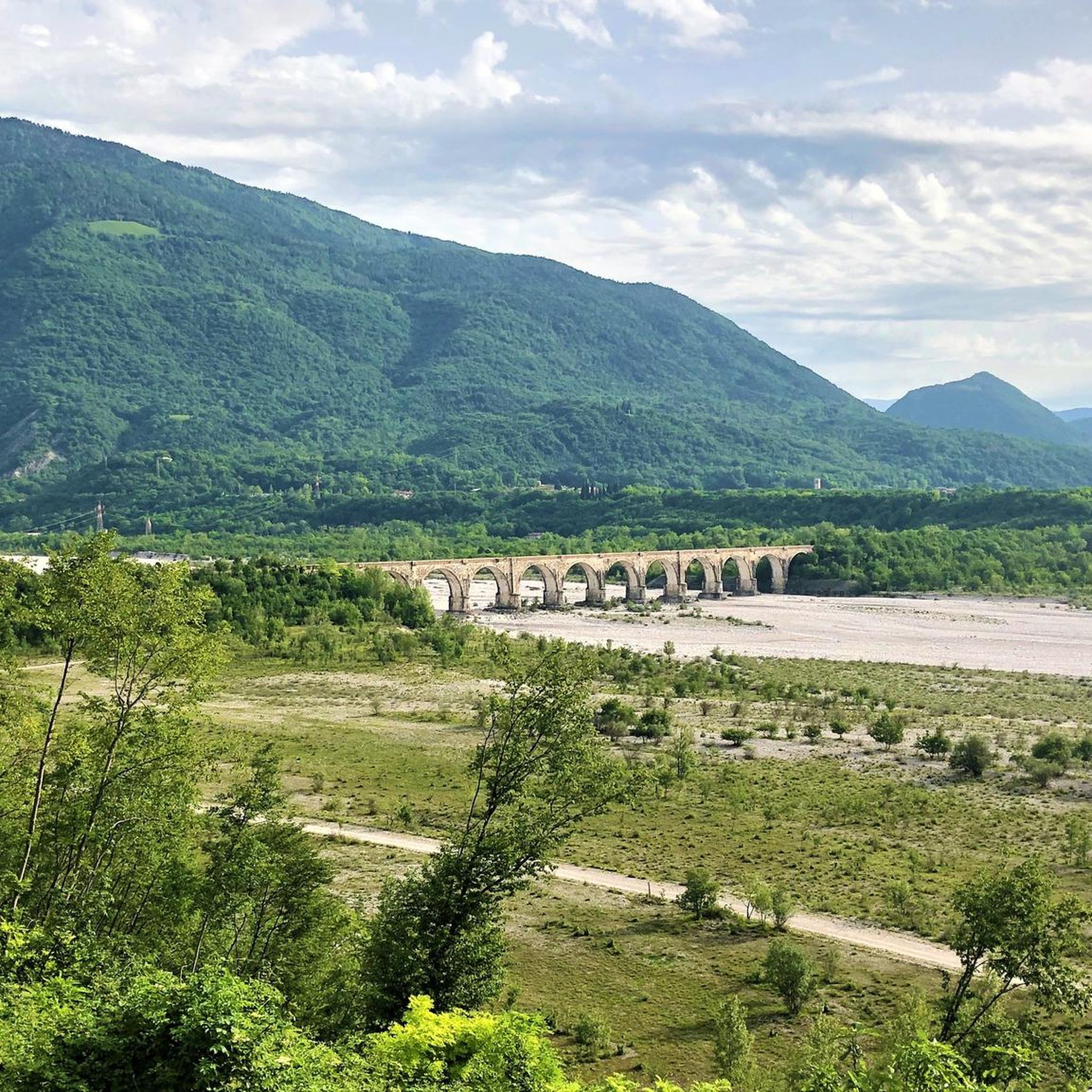
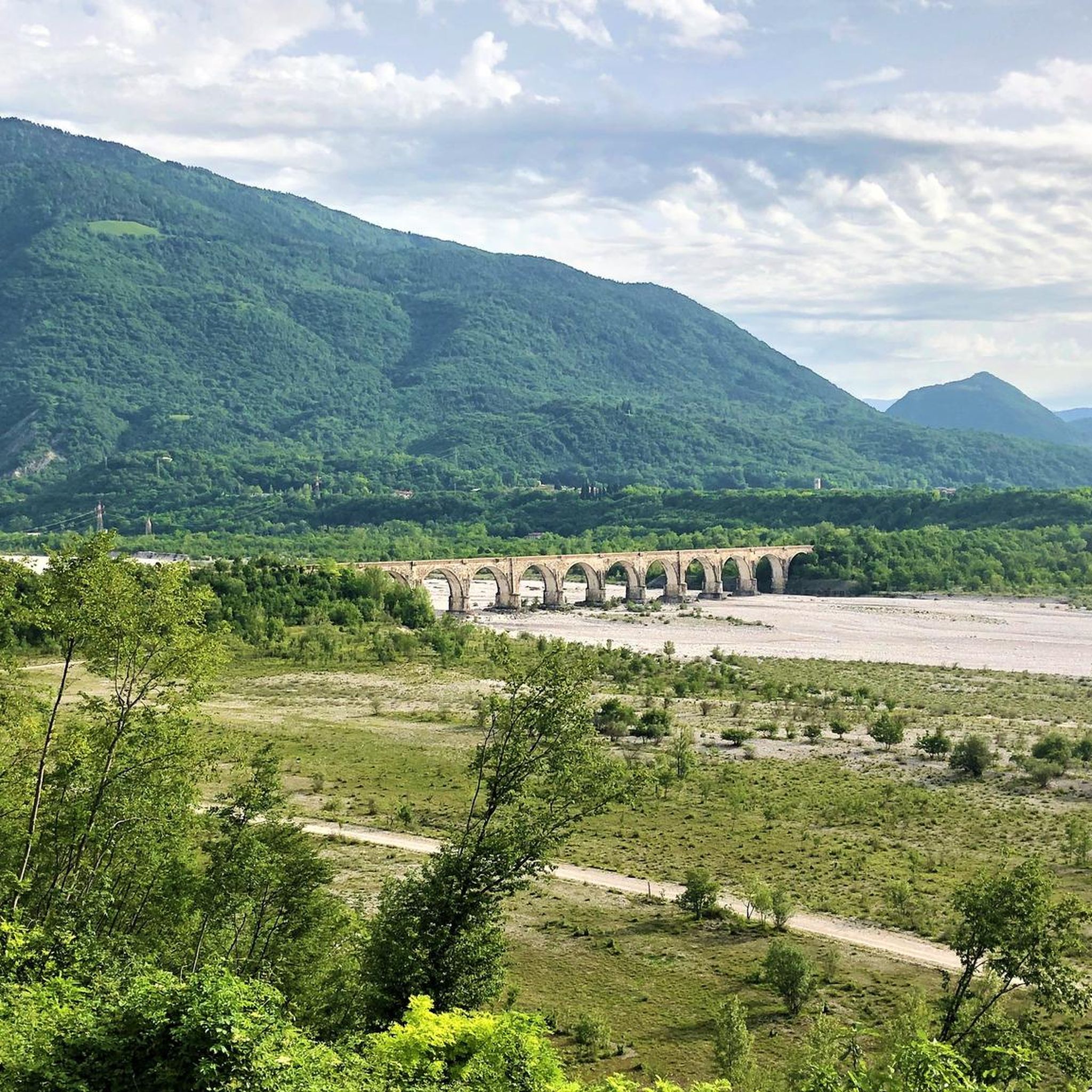
The Ponte sul Cellina is an extraordinary feat of engineering and a striking viewpoint immersed in the wild nature of the Carnic Prealps. Suspended over the crystal-clear waters of the Cellina stream, the structure offers a spectacular passage along the famous Valcellina, connecting banks shaped by time and erosion. Its privileged position allows you to admire the imposing limestone gorges and the turquoise reflections of the river, offering visitors a visual experience of great emotional impact. Beyond its logistical and infrastructural function, the bridge represents a symbol of union between man and the territory, integrating harmoniously into a protected landscape of rare beauty. Crossing it means immersing yourself in an uncontaminated natural setting, where the contrast between constructive ingenuity and the power of nature creates a unique and unforgettable atmosphere.
0
0

A fantastic gravel section along trees and meadows. The surface is fine gravel, no potholes. There can be accumulations of gravel on the roadside, so it's better to cycle in the track.
0
0

Lake Aprilis, better known as Lake Barcis, is an artificial basin created in 1954 by damming the Cellina stream near the Ponte Antoi gorge. It owes its characteristic brilliant green color to the combination of sunlight with minerals and calcareous sediments carried by the water. The presence of dense beech and fir forests along the banks accentuates the emerald green tones.
1
0


The historic old town of Pordenone is worth seeing.
0
0

The Town Hall of Pordenone is the city's most famous civil symbol, a masterpiece of Gothic architecture that dominates the end of Corso Vittorio Emanuele II. Built between 1291 and 1395, the original palace displayed classic medieval forms with a lower loggia, once the seat of the market and city assemblies, and an upper hall for the council. The building was enhanced in the 16th century with the addition of the splendid and eclectic clock tower, designed by the Pordenone painter and architect Pomponio Amalteo. This tower is famous for its large astronomical dial and for the two bronze Moors who strike the hours on the bell. With its characteristic battlements and the striking contrast between stone and terracotta, the Town Hall represents a perfect blend of public function and the extraordinary artistic flourishing of western Friuli.
0
0
Frequently Asked Questions
How many gravel bike trails are available in the Vajont region?
The Vajont region offers a diverse network of nearly 30 gravel bike trails. These routes traverse river valleys, rolling hills, and forested areas, providing a variety of experiences for gravel cyclists.
What are the difficulty levels of gravel bike trails around Vajont?
The trails in Vajont cater to various skill levels. You'll find 5 easy routes perfect for beginners, 16 moderate trails for those with some experience, and 8 more challenging routes for advanced riders seeking a greater adventure.
Are there easy gravel bike trails suitable for beginners in Vajont?
Yes, Vajont has several easy gravel bike trails. For instance, the Maniago – Bridge over the Cellina stream loop from Maniago is a moderate route that offers a good introduction to the region's terrain without being overly strenuous.
What is the typical length and duration of gravel bike routes near Vajont?
Gravel bike routes in Vajont vary significantly in length and duration. You can find shorter loops like the Ravedis Bridge – Cellina Bridge loop from Montereale Valcellina, which is about 22.1 miles (35.6 km) and takes around 2 hours 20 minutes. Longer routes, such as the Spilimbergo – Bridge over the Cellina stream loop from Maniago, can be up to 42.1 miles (67.7 km) and take over 4 hours to complete.
Are there any family-friendly gravel cycling options in Vajont?
Many of the easier and moderate routes in Vajont are suitable for families, especially those with some cycling experience. The region's river paths and less challenging forested sections provide pleasant and relatively flat terrain. Always check the route details for elevation and surface conditions to ensure it matches your family's abilities.
What is the best time of year for gravel biking in Vajont?
The best time for gravel biking in Vajont is typically during spring and autumn when temperatures are mild and the natural scenery is at its most vibrant. Summer can also be enjoyable, especially along shaded river sections, but be prepared for warmer weather. Winter riding is possible, but some higher elevation routes might be affected by snow or ice, so checking local conditions is advisable.
Are there circular gravel bike routes available in Vajont?
Yes, many of the gravel bike routes in Vajont are designed as circular loops, allowing you to start and end at the same point. Examples include the Laghetti di Rorai – Lake Burida loop from Montereale Valcellina, which offers varied terrain and scenic views, and the Ravedis Bridge – Cellina Bridge loop from Montereale Valcellina.
What interesting landmarks or attractions can I see along the gravel bike trails in Vajont?
While gravel biking in Vajont, you can encounter several points of interest. The Ravedis Bridge is a notable landmark, and the charming Poffabro Village offers a glimpse into local architecture. Some routes also pass by the Church of San Biagio (Giais). For those interested in local huts, the Rupeit Hut is also accessible.
What do other gravel bikers enjoy the most about gravel biking in Vajont?
The gravel biking experience in Vajont is highly rated by the komoot community, with an average score of 4.4 stars. Reviewers often praise the diverse landscape, which includes engaging river valleys, rolling hills, and beautiful forested sections, offering a mix of terrain suitable for various cycling preferences.
Are there any challenging gravel bike routes for experienced riders in Vajont?
Yes, for experienced riders seeking a challenge, Vajont offers several difficult routes. The Piancavallo (Aviano) – Piancavallo climb loop from Grizzo / Gris is a demanding option, featuring significant elevation gain and a longer distance, providing a robust workout and rewarding views.
Where can I find parking or trailhead access for gravel cycling in Vajont?
Trailhead access and parking are generally available in the towns and villages from which the routes start, such as Maniago or Montereale Valcellina. Many routes are loops, making it convenient to park your vehicle and begin your ride directly from the starting point. Specific parking details can often be found within individual route descriptions on komoot.
Most popular attractions around Vajont

Get inspired with the komoot mobile app


Explore more
Browse the best Gravel rides in other regions.
