The best gravel rides around Chiesanuova
4.5
(7)
102
riders
19
rides
Gravel biking around Chiesanuova offers diverse landscapes within the Lessinia region, characterized by unspoiled natural scenery and mountainous terrain. The area features green parks and trails that traverse varied elevations. Riders can expect a mix of surfaces, from gravel paths to some paved sections, providing a comprehensive outdoor experience. This region is well-suited for sports tourism, with a strong infrastructure supporting outdoor activities.
Best gravel bike trails around Chiesanuova
- The most popular gravel bike trail is Bealera Brissacca – Bairo…
Last updated: October 21, 2026
4.7
(3)
13
riders
46.7km
03:17
560m
560m
Hard gravel ride. Very good fitness required. Mostly paved surfaces. Suitable for all skill levels.
7
riders
52.8km
03:24
260m
260m
Moderate gravel ride. Good fitness required. Mostly paved surfaces. Suitable for all skill levels.

10
riders
62.9km
04:08
560m
560m
Hard gravel ride. Very good fitness required. You may need to push your bike for some segments of this route.
4.0
(1)
7
riders
30.1km
01:46
120m
120m
Easy gravel ride. Great for any fitness level. Mostly paved surfaces. Suitable for all skill levels.
5.0
(1)
5
riders
36.1km
02:27
360m
360m
Moderate gravel ride. Good fitness required. Mostly paved surfaces. Suitable for all skill levels.
Get access to more routes and recommendations from other explorers.
Already have an account?
Our route recommendations are based on thousands of hikes, rides, and runs completed by other people on komoot.
Start today with a free account
Your next adventure awaits.

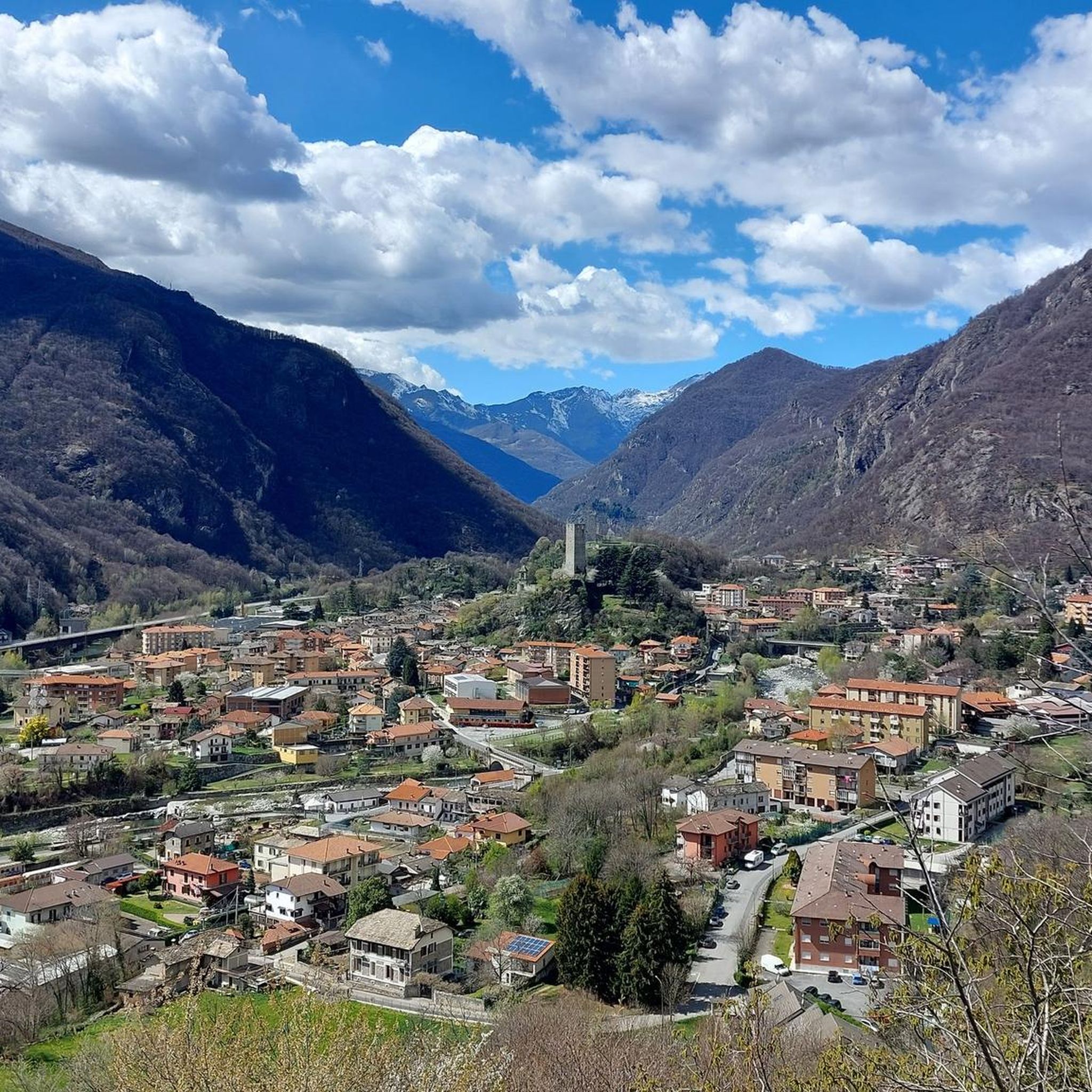
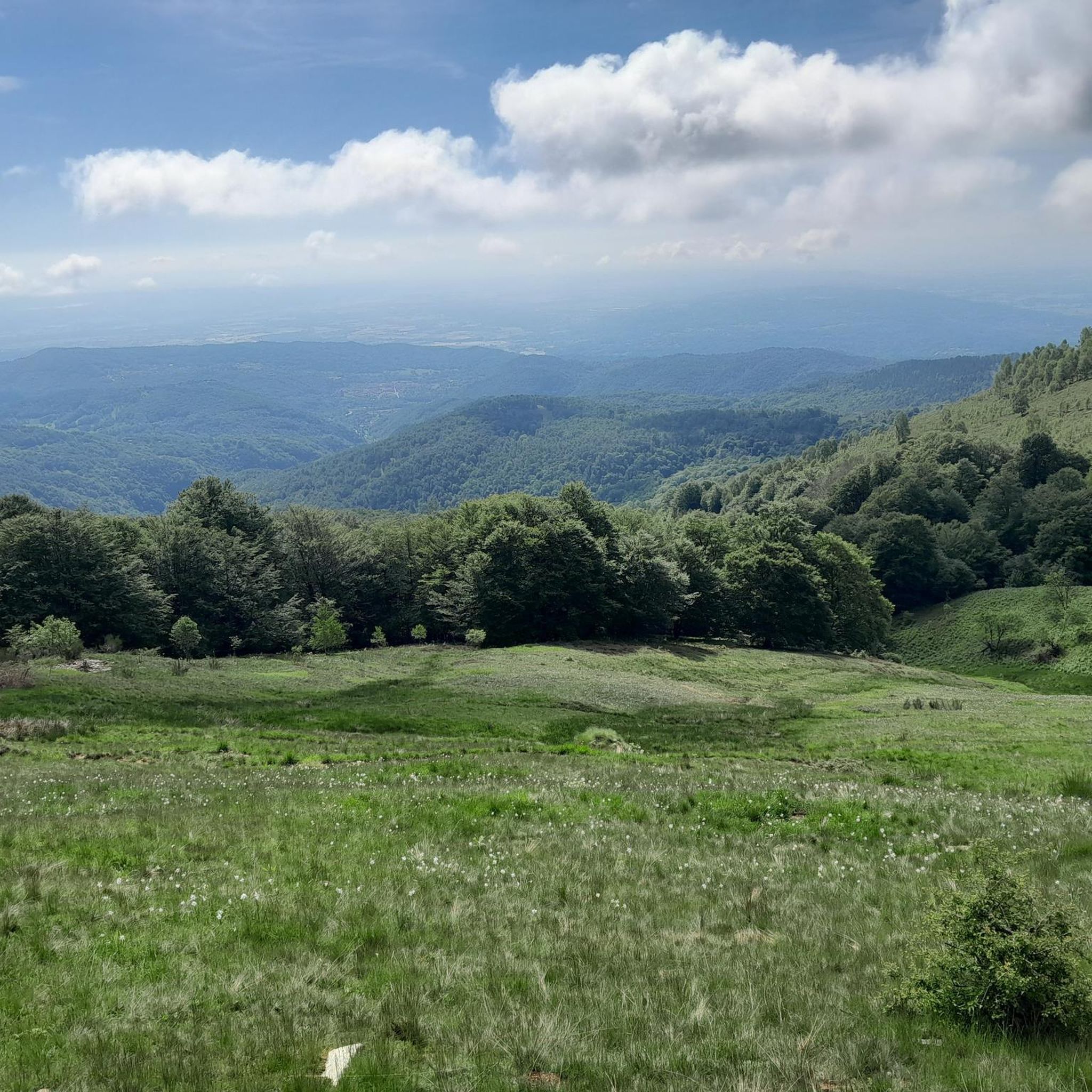
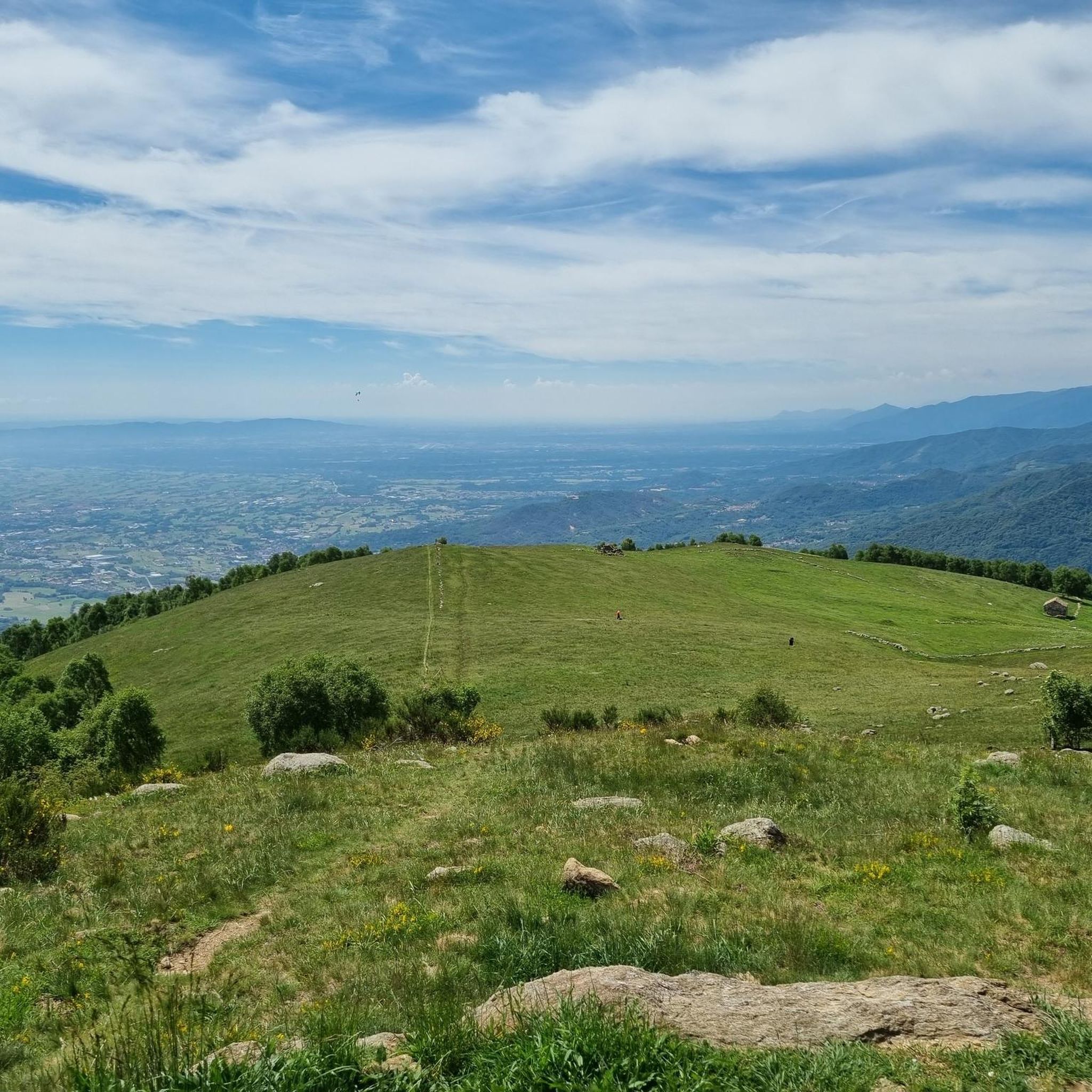
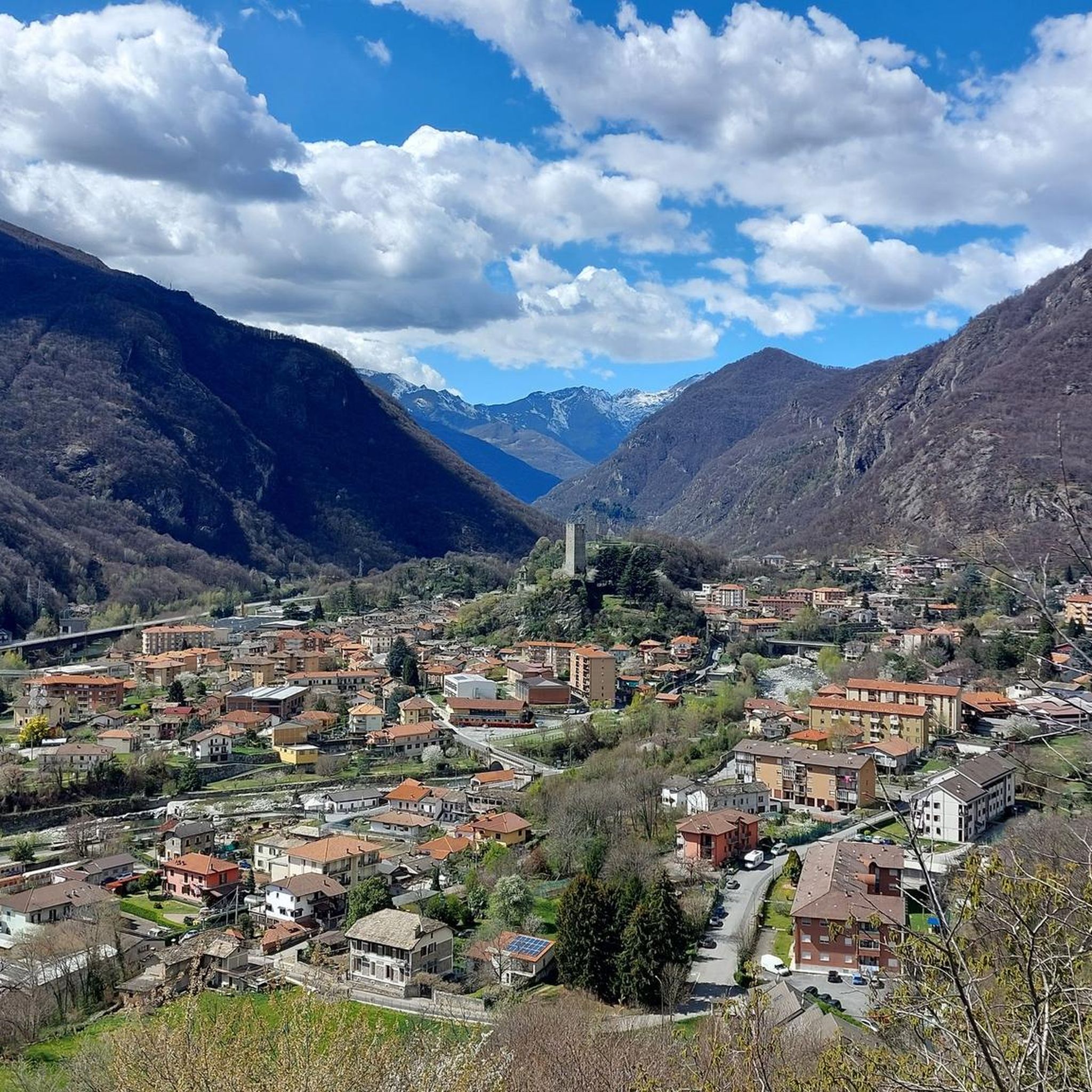
Tips from the Community


Beautiful old town with imposing buildings and views of the mountains.
0
0

Nice rooms and very good local dinner. Reasonably priced.
0
0

Leaving aside the chaos of the center, it is a pleasant city, rich in history and ideas for trekking and/or cycling.
0
0

Agliè, an enchanting village in the heart of Canavese, boasts a thousand-year history that has its roots in the Roman era. The original nucleus, probably located on the hills of the current hamlet of Santa Maria delle Grazie, was known as "Macunciacum" and depended on the Abbazia Fruttuaria di San Benigno. Agliè, as a fortified village, emerges in documents in 1141, when the feudal lords of Canavese divided the territory. The town became one of the lands of the San Martino di Rivarolo and Agliè, a family that would profoundly mark the history of the village. Despite the feudal struggles that raged in the region, Agliè maintained relative stability, even if it was not immune to looting and devastation. With the arrival of the Savoy, Agliè experienced a period of growth and development. In 1448, the village obtained municipal statutes, a sign of autonomy and recognition. The most emblematic figure of this period was Count Filippo San Martino di Agliè, a man of culture and prominent politician. Minister of Cristina of France, regent of the Duchy of Savoy, Filippo transformed the castle of Agliè into a sumptuous residence, enriching it with works of art and gardens. Today, Agliè is a village that preserves its historical and artistic charm intact. The Ducal Castle, with its gardens and richly decorated rooms, is an unmissable destination for visitors. The streets of the village, with their stone houses and noble palaces, tell the story of a place that has managed to preserve its identity over the centuries.
0
0
A UNESCO World Heritage Site since 1997, the Ducal Castle of Agliè is perhaps the most significant architectural work in the Canavese area. The current appearance of the majestic castle is the result of four major construction phases, which led it to change its shape over the centuries, transforming it from a fortified building from the Middle Ages to a true royal residence, as can still be admired today.
1
0
At this point you will find one of the many panels that along all the paths of Morena Ovest talk about the geology of the Morainic Amphitheater of Ivrea. This one in particular explains how the glacier, retreating, creates particular terraces in the form of steps, called “Terrazzi di Kame”. Next to the panel you can see a very particular plant, which in the local dialect is called “Trumpa” or “Sumpa”. It is one of the many chestnut trees that were pollarded when the forest was used extensively in a subsistence economy.
0
0
The car park is freely accessible at all hours, it is free and unattended.
0
0
Frequently Asked Questions
How many gravel bike trails are available around Chiesanuova?
There are over 15 gravel bike routes in the Chiesanuova area, offering a variety of experiences for different skill levels. You'll find everything from moderate paths to more challenging, difficult routes.
What kind of terrain can I expect on gravel bike trails in Chiesanuova?
The Lessinia region around Chiesanuova features diverse landscapes, including mountainous terrain, green parks, and unspoiled natural scenery. You can expect a mix of gravel paths and some paved sections, with routes varying in elevation gain and technical difficulty.
Are there any easy gravel bike trails suitable for beginners or families in Chiesanuova?
While many routes in Chiesanuova are moderate to difficult, there are options that can be enjoyed by those looking for a less strenuous ride. For example, the area offers routes with less significant elevation gain, providing a good introduction to gravel biking in the region. Always check the route details for specific difficulty ratings.
What are some challenging gravel bike routes for experienced riders in Chiesanuova?
Experienced riders seeking a challenge will find several difficult routes. The Bealera Brissacca – Bairo Mill loop from Castellamonte is a demanding 46.9 km trail with significant elevation gain. Another difficult option is the Pian delle Nere – Bairo Mill loop from Ozegna, which also features substantial climbing.
Are there any scenic viewpoints or natural landmarks along the gravel trails?
Yes, the Lessinia region offers several scenic spots. You can find stunning views at highlights like the Pian del Lupo Viewpoint and Pian delle Nere. The mountainous terrain also features various passes and summits such as Monte Quinzeina and Cima Mares.
What do other gravel bikers say about the trails in Chiesanuova?
The gravel biking routes around Chiesanuova are highly rated by the komoot community, with an average score of 4.5 stars. Riders often praise the varied terrain and the beautiful, unspoiled natural scenery of the Lessinia region.
Are there any circular gravel bike routes in the area?
Many of the gravel bike routes around Chiesanuova are designed as loops, allowing you to start and finish at the same point. Examples include the Bealera Brissacca – Bairo Mill loop from Cuorgnè and the Bairo Mill – Bealera Brissacca loop from Salassa - San Ponso, which are popular choices for exploring the local countryside.
Can I find places to eat or stay near the gravel trails in Chiesanuova?
The Lessinia region, including areas around Bosco Chiesanuova, has a strong infrastructure for sports tourism. You can find local establishments like Malga Lessinia, which serves food year-round, and various other options in the picturesque villages. For more information on local amenities, you might find resources on the Visit Verona or Visit Lessinia websites helpful.
What is the best time of year for gravel biking in Chiesanuova?
The Lessinia region offers outdoor activities year-round. For gravel biking, spring and autumn generally provide pleasant temperatures and beautiful scenery. Summer can also be enjoyable, especially at higher elevations, while winter might offer unique experiences, though some routes could be affected by snow or ice.
Are there any other attractions or activities in the Chiesanuova area besides gravel biking?
Beyond gravel biking, the Lessinia region boasts a wealth of natural attractions and facilities. You can explore unspoiled villages, visit adventure parks like Veja Adventure Park or BoscoPark, or enjoy other sports facilities such as an ice rink, mini-golf, and tennis courts in Bosco Chiesanuova. The broader Verona province also offers green parks and river strolls.
Are there any specific cultural or historical landmarks accessible by gravel bike?
While primarily known for its natural beauty, the region does have points of interest. For example, the Agliè Ducal Castle – Bairo Mill loop from Castellamonte route passes near the Agliè Ducal Castle. Additionally, the Sanctuary of Sacro Monte di Belmonte is another notable cultural highlight in the vicinity.
Most popular routes around Chiesanuova
Most popular attractions around Chiesanuova

Get inspired with the komoot mobile app


Explore more
Browse the best Gravel rides in other regions.
