The best gravel rides around Castellania
4.0
(7)
50
riders
17
rides
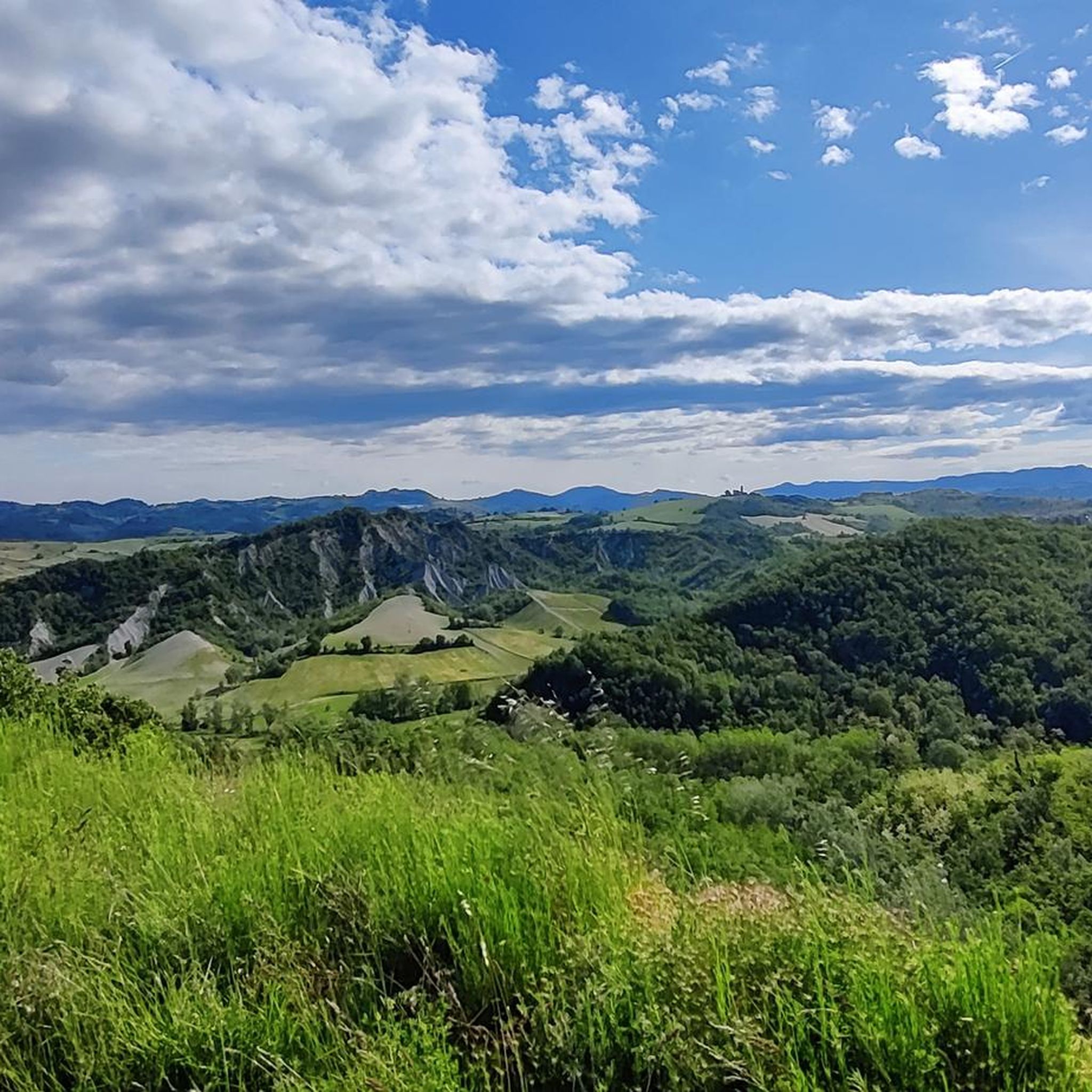
Gravel biking around Castellania offers routes through a landscape of rolling hills and vineyards in Italy's Piedmont region. This area, known for its cycling heritage, features a mix of paved and unpaved segments, providing varied surfaces characteristic of gravel biking. The terrain includes demanding ascents and scenic views across the Tortona Hills and Val Borbera, with unpaved roads locally known as "sterrate" common throughout the region. Unique geological formations like the Calanchi badlands also contribute to the distinctiveness of the…
Last updated: October 18, 2026
4.0
(2)
13
riders
60.7km
04:45
1,310m
1,310m
Hard gravel ride. Very good fitness required. Mostly paved surfaces. Suitable for all skill levels.
3
riders
12.5km
00:58
250m
250m
Moderate gravel ride. Good fitness required. Mostly paved surfaces. Suitable for all skill levels.

2
riders
45.4km
03:25
850m
850m
Hard gravel ride. Very good fitness required. Mostly paved surfaces. Suitable for all skill levels.
5.0
(1)
3
riders
13.9km
00:58
320m
320m
Moderate gravel ride. Good fitness required. Mostly paved surfaces. Suitable for all skill levels.
1
riders
10.1km
01:00
300m
310m
Moderate gravel ride. Good fitness required. Mostly paved surfaces. Suitable for all skill levels.
Get access to more routes and recommendations from other explorers.
Already have an account?
Our route recommendations are based on thousands of hikes, rides, and runs completed by other people on komoot.
Start today with a free account
Your next adventure awaits.
Tips from the Community

Vargo has had a castle known since 1157, the year of the invasions of Barbarossa's troops, but this construction was actually built as a signal tower in the Lombard era and is part of the so-called line of castles documented by Pertica.
14
0

Small but evocative, this Romanesque parish church still retains part of its original medieval architectural structure.
0
0

Anna is an exhaustive source to relive the exploits of the great champion, she will make you relive his greatest exploits and excite you by entering the Coppi house, learning anecdotes of how the Heron was born, dancing on the French and Italian climbs, making them historic and mythical... you absolutely must stop and enter the House-Museum!!!!
0
0

Vargo is a hamlet of the municipality of Stazzano (AL) at about 410 m above sea level. During the Middle Ages it was an imperial fiefdom under the Genoese families of Fieschi and then Doria. In 1797 it was annexed to the Ligurian Republic and after the fall of Napoleon it followed the fate of the province of Novi, becoming part of Piedmont in 1859 with the Rattazzi Decree. It was an independent municipality until 1928. Vargo has a castle known since 1157, the year of the invasions of the troops following Barbarossa, but this construction was actually born as a signal tower in the Lombard era and is part of the so-called line of castles. The town developed concentrically around the “castle”, rebuilt by the Fieschi family of Genoa, lords of Vargo since 1413: after the conspiracy against the said feudal lords, it was dismantled in 1442, and later passed to the Doria family in 1547. Next to what must have been the south-east walls, there is still an oratory dedicated to the Virgin of the Annunciation, while today the once fortified structure is partly used as a residence, and the very visible main tower, inside which are the living quarters of the last owner, has not been altered.
2
0

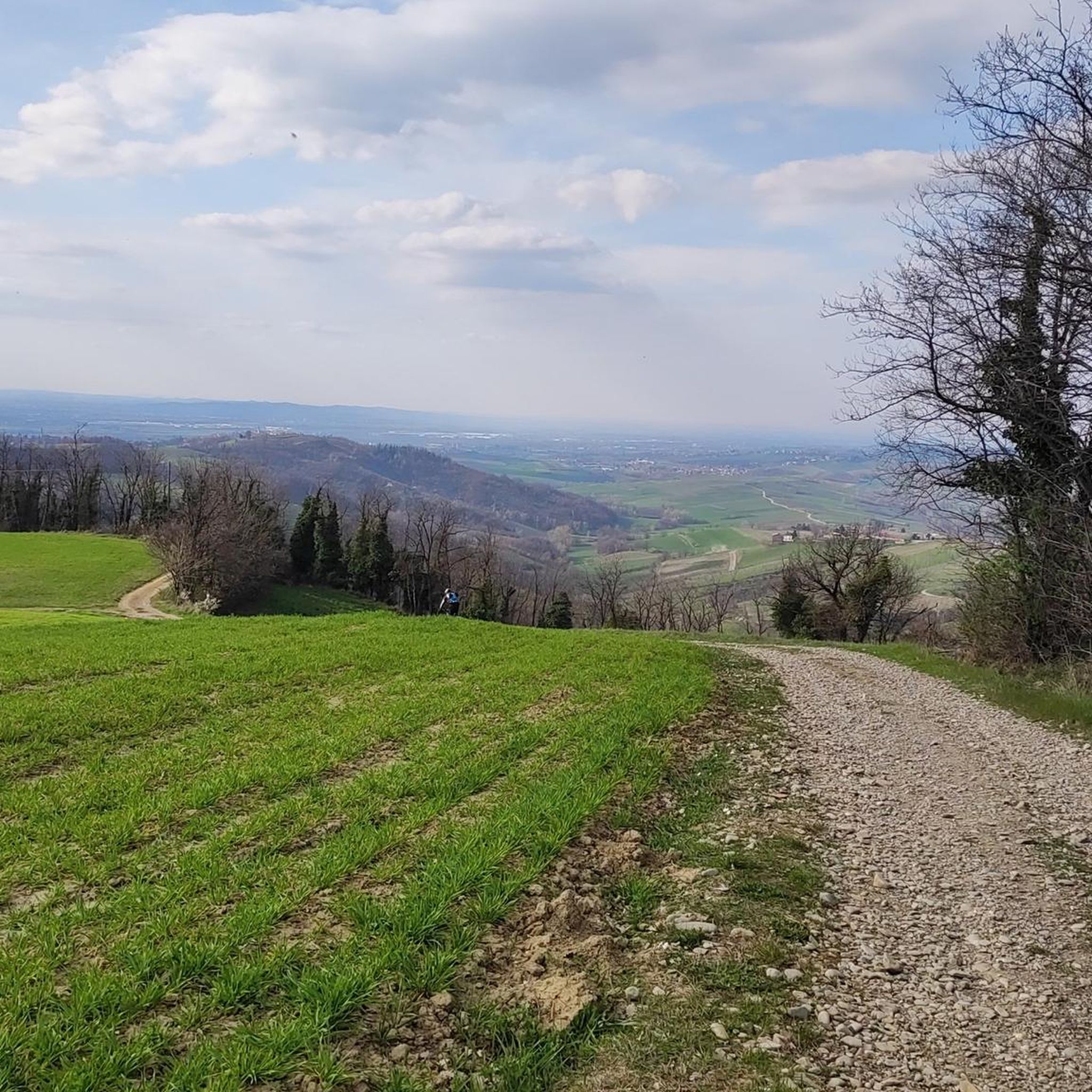
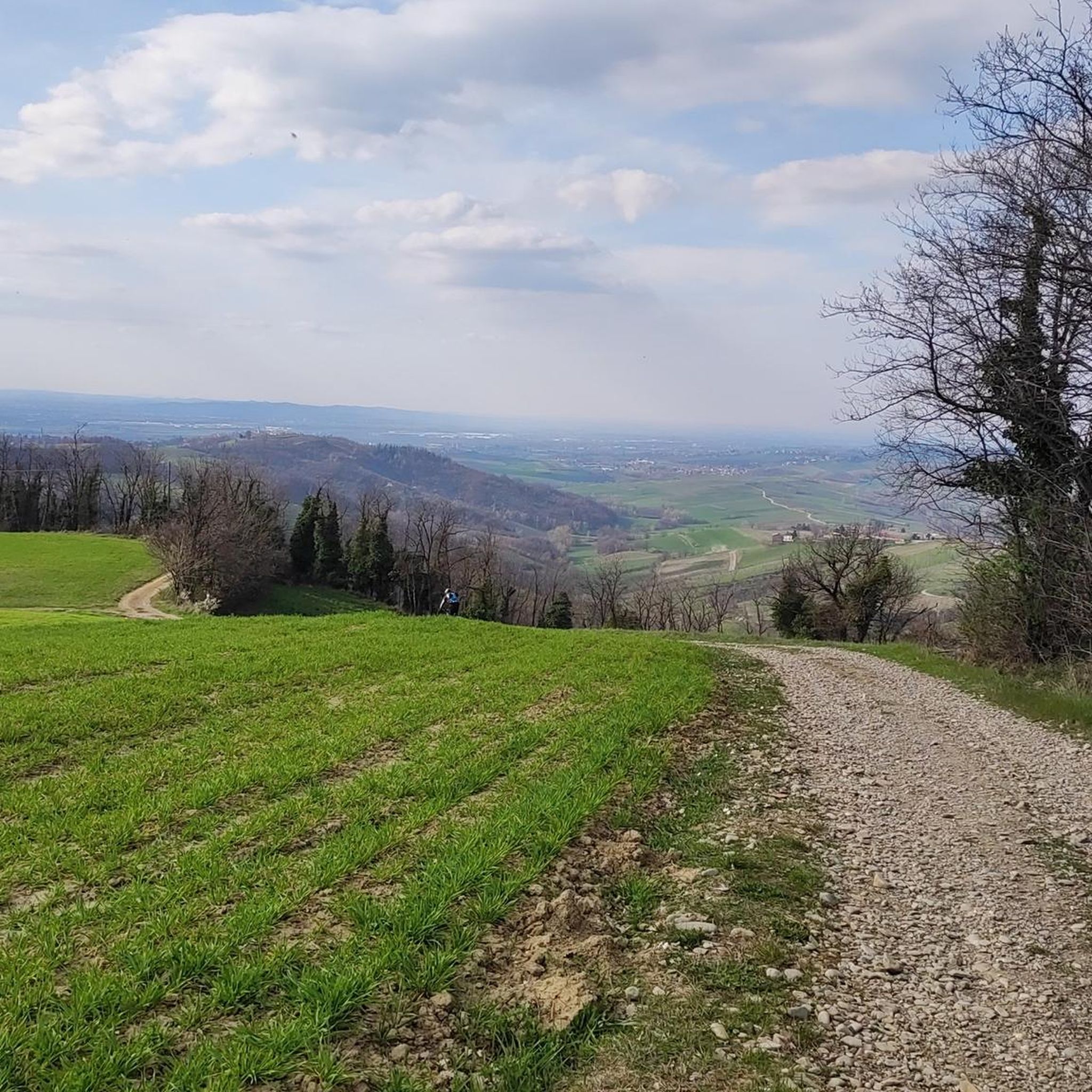
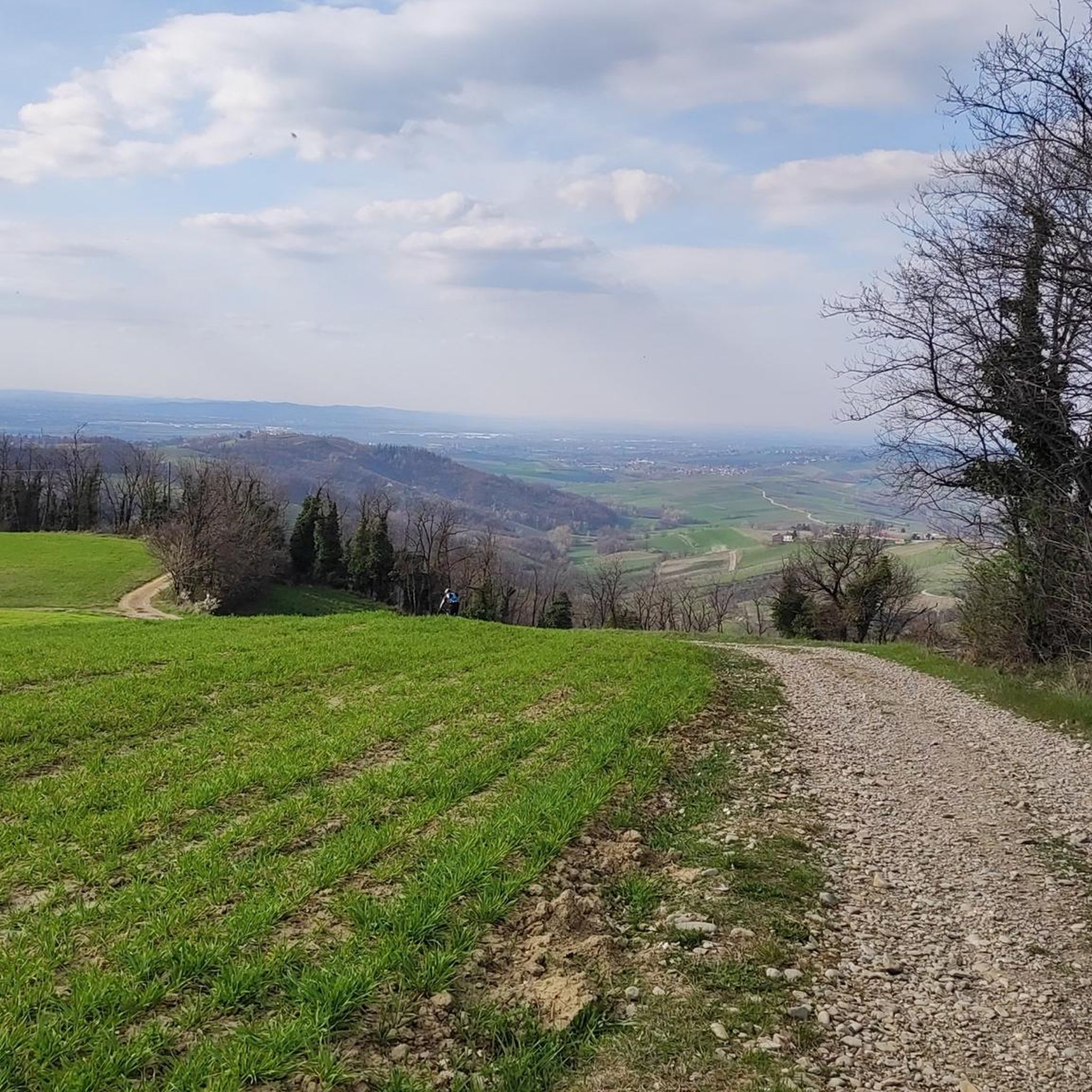
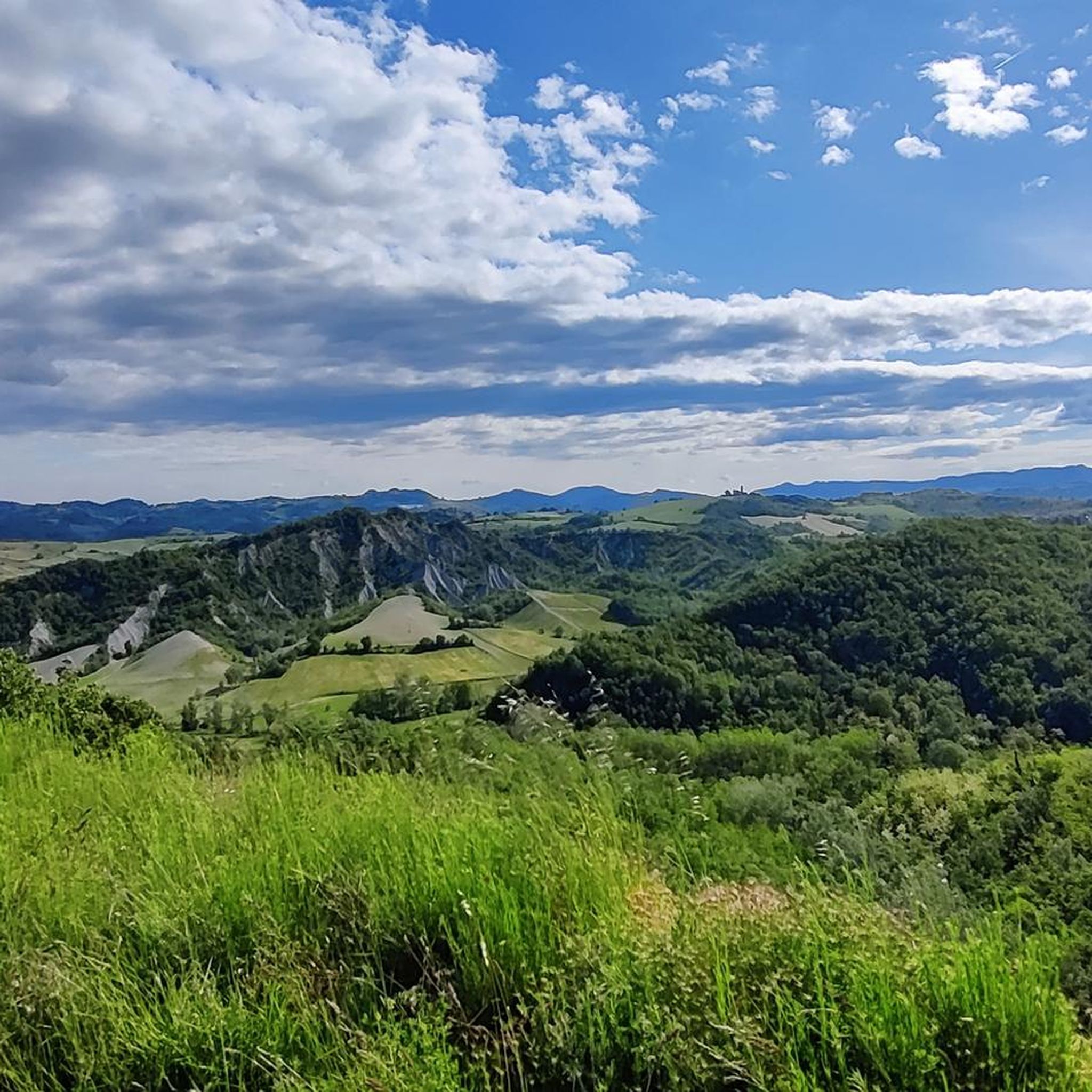
On the hills around Spineto Scrivia, this panoramic point is located in the Rampina area and offers great views of the surrounding hills, vineyards and woods. The cart track here is wide and has a simple gravel, also very suitable for gravel bikes.
0
0

Panoramic gravel section with smooth surface
0
0
The foundation of the Sanctuary dates back to 1672. The feast of the Sanctuary is celebrated on August 5th on the occasion of the feast of the Madonna della Neve.
0
0

The Sanctuary of Cà del Bello or Madonna della Neve is located in the municipality of Borghetto di Borbera. Founded in 1672, it was renovated several times, the first in 1757, the second in 1868 before being completed in 1900. The two side naves were completed in 1940 also thanks to donations from emigrants to South America. It is named after the Madonna della Neve, which is celebrated on 5 August with Mass at the Sanctuary and a procession.
0
0
Frequently Asked Questions
How many gravel bike trails are available around Castellania?
There are over 20 gravel bike trails around Castellania, offering a diverse range of experiences through the region's rolling hills and vineyards. These routes cater to various fitness levels, from moderate to difficult.
What kind of terrain can I expect on gravel bike routes in Castellania?
Gravel biking in Castellania features a mix of paved and unpaved segments, locally known as "sterrate." You'll encounter rolling hills, demanding ascents, and scenic views, characteristic of the "Colli di Coppi" region. While less rocky than in Fausto Coppi's time, the unpaved roads still offer an authentic and challenging experience.
Are there any family-friendly gravel bike routes in Castellania?
While many routes in Castellania feature demanding ascents and require good fitness, some shorter, moderate options might be suitable for families with older, experienced riders. For example, the Passo Coppi – Panoramic View of the Vineyard loop from Carezzano is a moderate 7.6-mile path offering scenic views without extreme difficulty.
What are some notable landmarks or attractions I can see along the gravel trails?
The region is rich in cycling history and natural beauty. You can visit the Fausto Coppi House Museum in Castellania itself. Along the trails, you might encounter historical sites like the Medieval Towers of Sant'Alosio or enjoy panoramic views from spots like the Monte San Vito Summit. Many routes also pass through charming villages and vineyards.
What is the best time of year for gravel biking in Castellania?
The best time for gravel biking in Castellania is generally during spring (April-May) and autumn (September-October) when the weather is milder and the landscapes are particularly beautiful. Summers can be hot, and winters can bring colder temperatures and potentially wet conditions on unpaved roads.
Are there any circular gravel bike routes available?
Yes, many of the gravel bike routes around Castellania are designed as loops, allowing you to start and finish in the same location. An example is the challenging Mongualdone Hill – Coppi Climb Mural loop from Castellania Coppi, which covers 37.8 miles through historic hills.
Where can I find parking for gravel biking in Castellania?
Parking is generally available in the towns and villages that serve as starting points for the routes, such as Castellania Coppi, Carezzano, or Cassano Spinola. It's advisable to check local parking regulations upon arrival, especially during events.
What do other gravel bikers enjoy most about the routes in Castellania?
The routes in Castellania are highly rated by the komoot community, with an average score of 4.0 stars. Reviewers often praise the historical significance of riding in Fausto Coppi's footsteps, the challenging yet rewarding terrain, and the beautiful, varied landscapes of rolling hills and vineyards.
Are there any routes that offer extensive vineyard views?
Absolutely. The region is known for its vineyards. The Vineyard Ridge of Gavi – San Cristoforo Castle loop from Serravalle Scrivia is a challenging route that takes you through the picturesque Gavi wine region, offering extensive views of the vineyards and the historic San Cristoforo Castle.
Can I find bike-friendly cafes or pubs along the gravel routes?
Many of the smaller towns and villages along the routes, such as Castellania itself or those in the Val Borbera, will have local cafes and trattorias where you can refuel. These establishments often welcome cyclists, especially given the region's strong cycling culture.
Are there any particularly long or challenging gravel routes for experienced riders?
For experienced riders seeking a significant challenge, the Val Borbera – Strette del Borbera loop from Cassano Spinola is an excellent option. This difficult 67.2-mile trail leads through the scenic Val Borbera and typically takes over 8 hours to complete, featuring substantial elevation changes.
What is the elevation gain like on gravel routes in Castellania?
The gravel routes in Castellania are characterized by rolling hills, meaning you can expect significant elevation gain on many trails. For example, the Passo Coppi – Coppi Climb Mural loop from Costa Vescovato, though moderate in distance, includes over 300 meters of ascent, reflecting the hilly nature of the region.
Most popular attractions around Castellania

Get inspired with the komoot mobile app


Explore more
Browse the best Gravel rides in other regions.
