The best gravel rides around Graureihersee
4.4
(11)
85
riders
5
rides
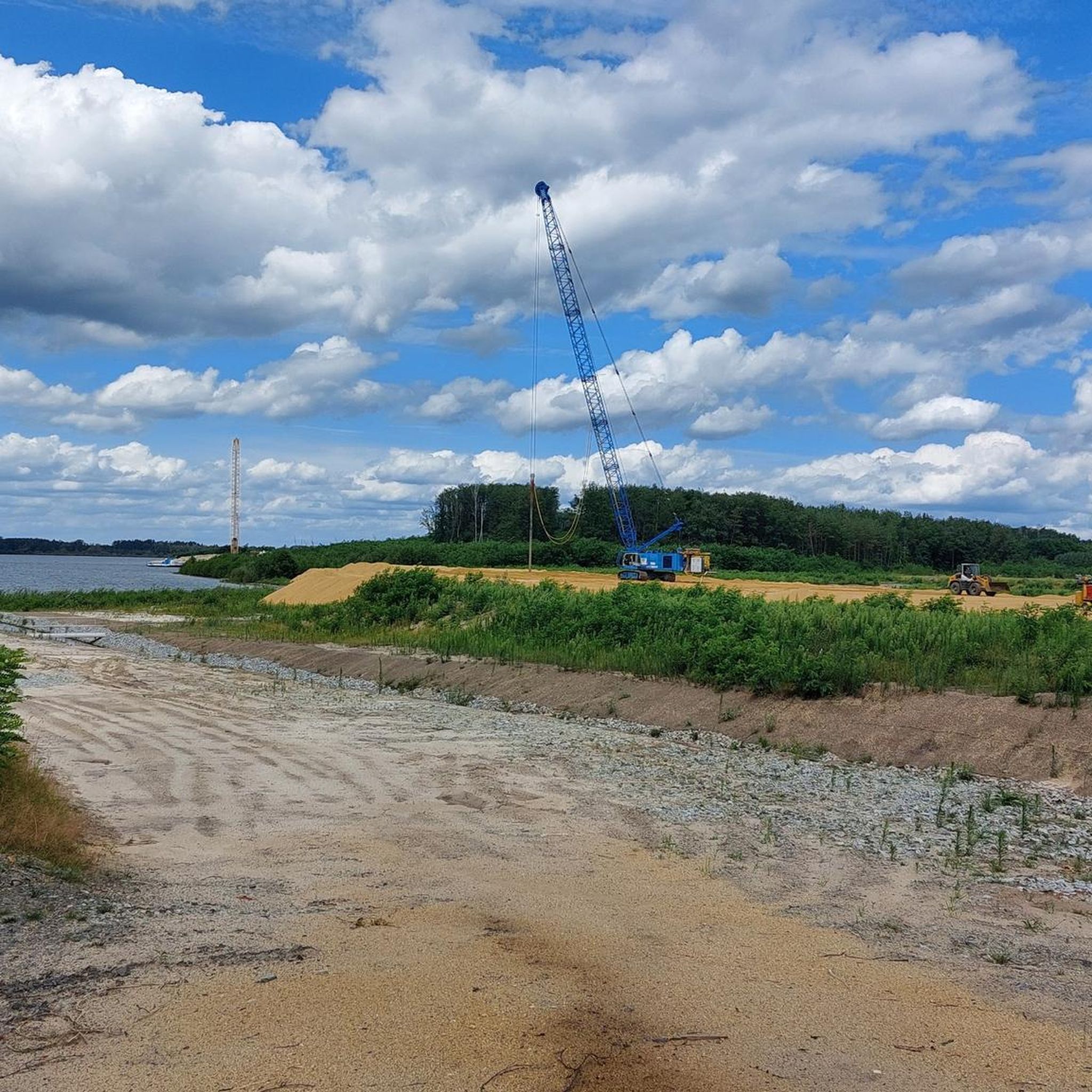
Gravel biking around Graureihersee features a landscape characterized by numerous lakes and former industrial areas, now often reclaimed by nature. The terrain is generally flat to gently rolling, with minimal elevation changes, making it suitable for various skill levels. The region offers a network of paths and tracks, often alongside water bodies or through reforested zones.
Best gravel bike trails around Graureihersee
- The most popular gravel bike trail is View of the Lonely Islands – Lohsa Reservoir loop from Knappenrode…
Last updated: July 2, 2026
2.0
(1)
4
riders
Hard gravel ride. Good fitness required. You may need to push your bike for some segments of this route.
4.6
(8)
52
riders
Hard gravel ride. Very good fitness required. Mostly paved surfaces. Suitable for all skill levels.

Sign up for free
5
riders
Moderate gravel ride. Good fitness required. Mostly paved surfaces. Suitable for all skill levels.
2
riders
Hard gravel ride. Good fitness required. You may need to push your bike for some segments of this route.
3
riders
Moderate gravel ride. Good fitness required. Mostly paved surfaces. Suitable for all skill levels.
Our route recommendations are based on thousands of hikes, rides, and runs completed by other people on komoot.
Start today with a free account
Your next adventure awaits.
Login or Signup
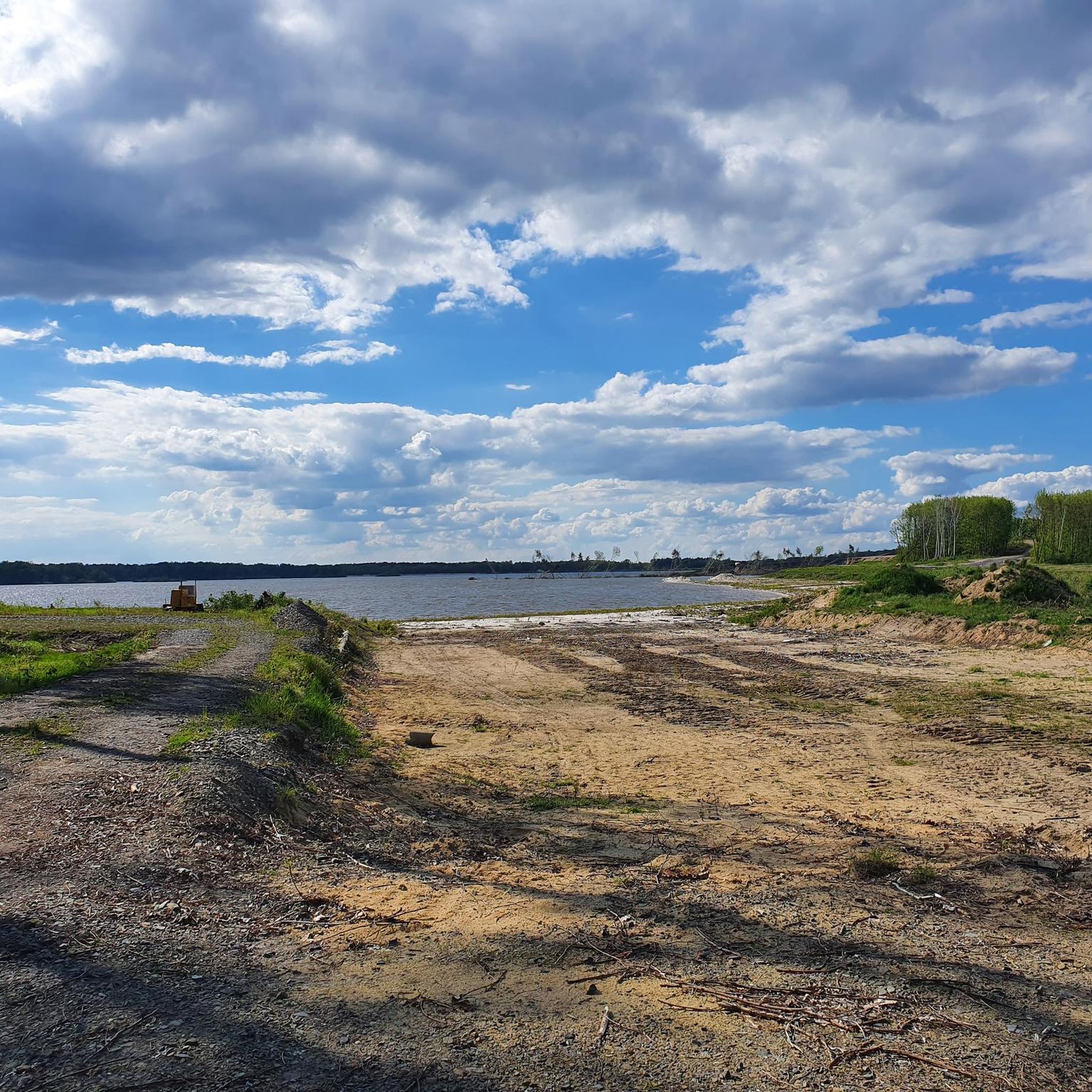
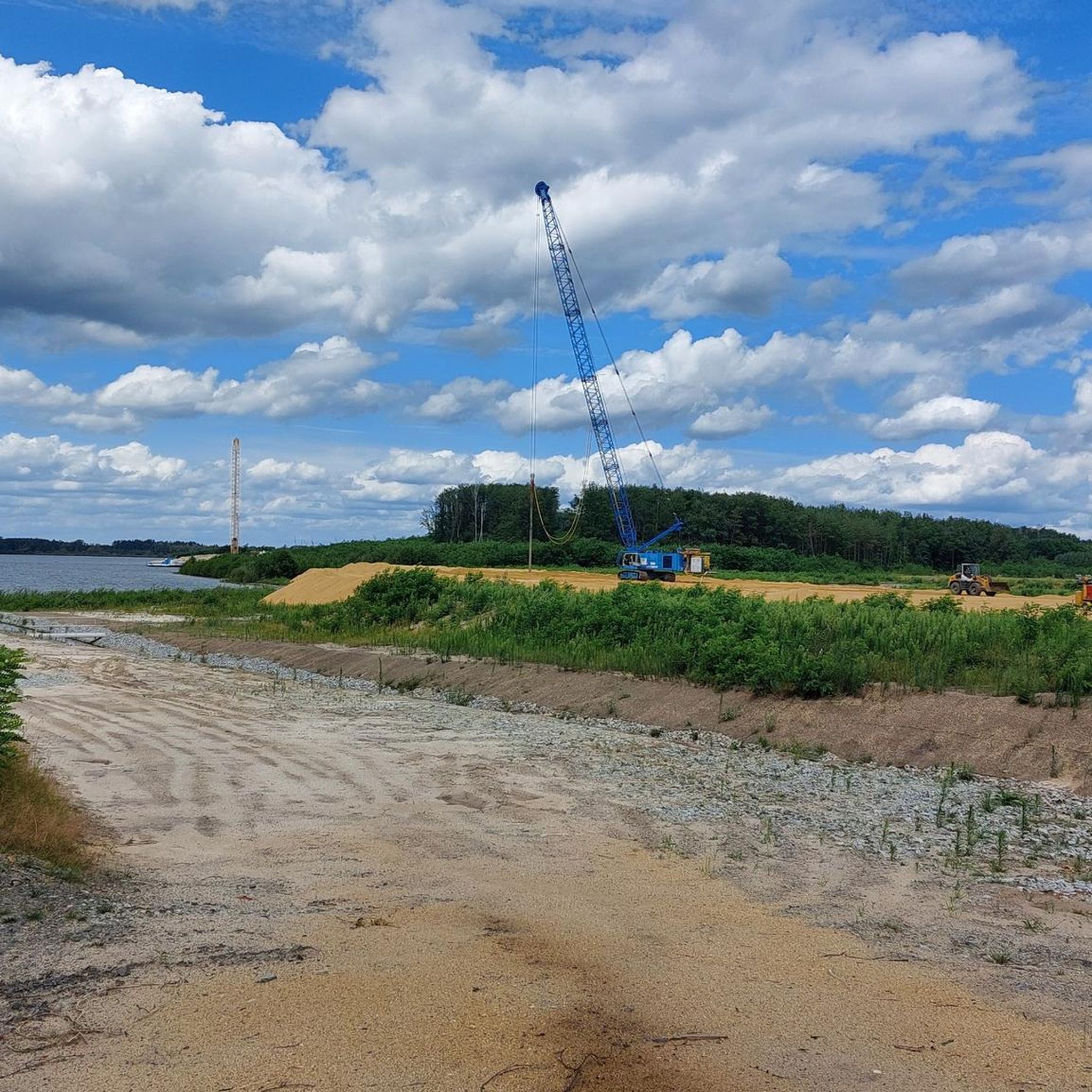
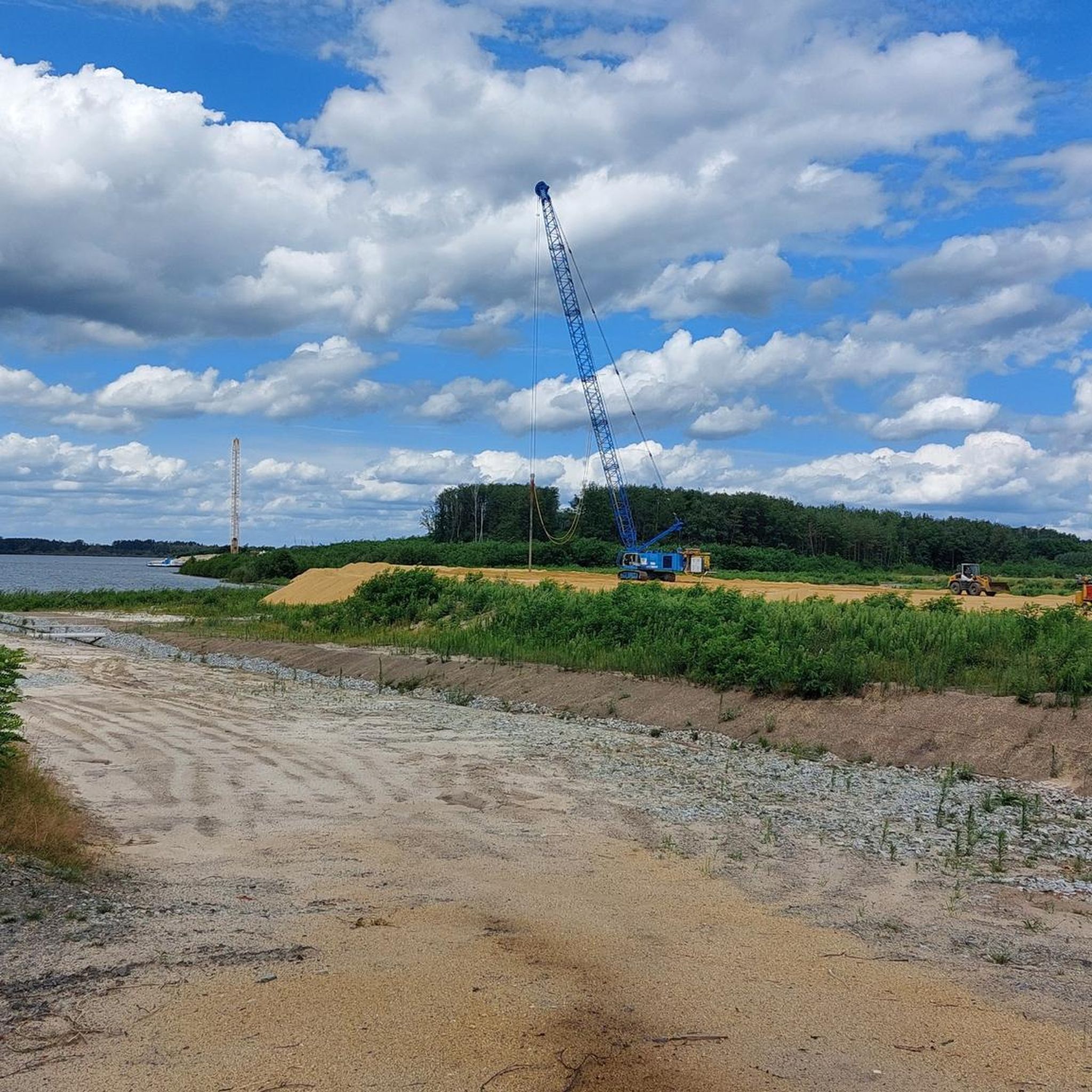
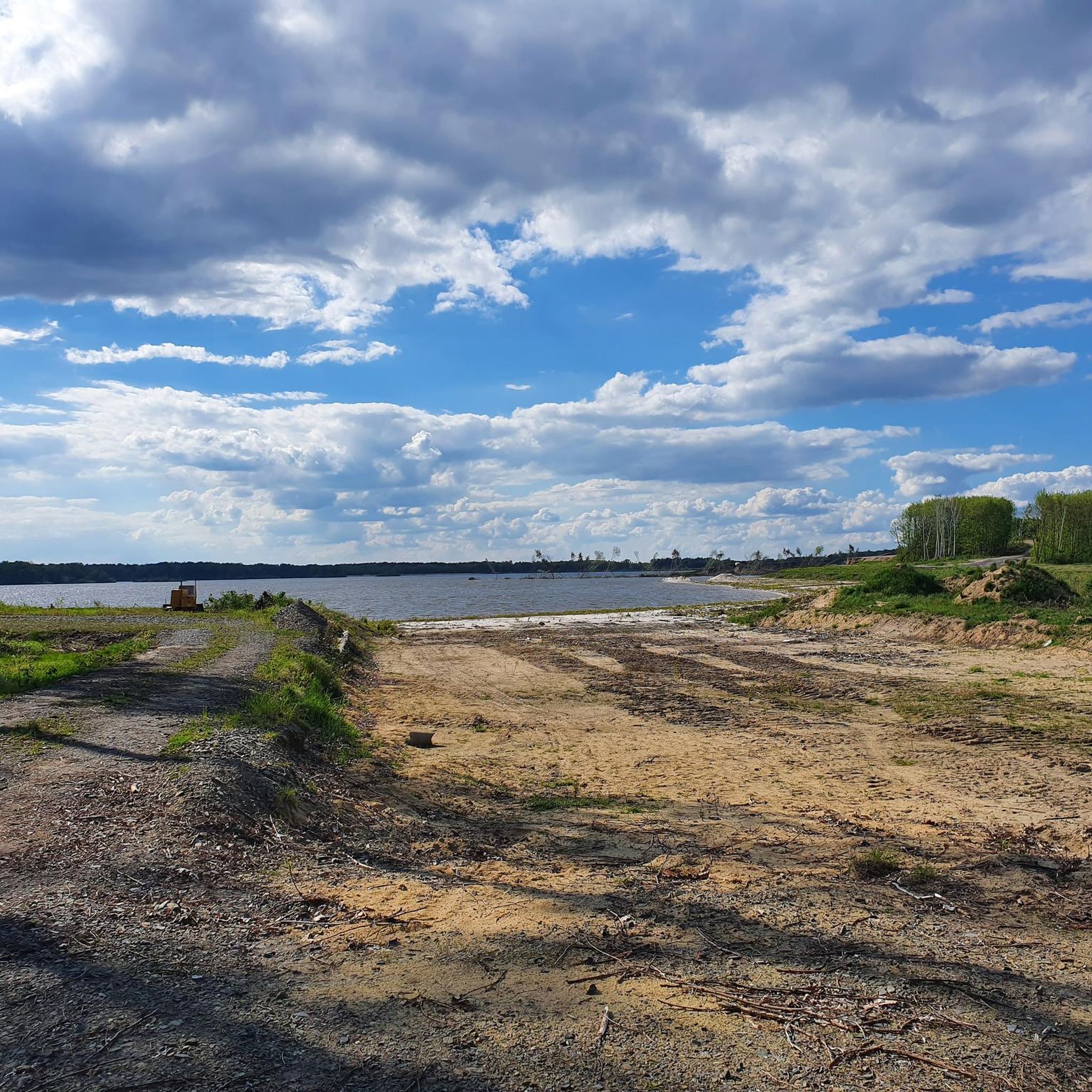
Tips from the Community

Very nice section. You can pick up the pace here. Hardly any traffic!
0
0

This listed cemetery is one of the most beautiful in the country.
0
0

A small self-help workshop from the ADAC!
0
0

A relaxed round with the opportunity to rest.
0
0

Anyone entering the former briquette factory will experience 100 years of Lusatian industrial history with all their senses. It is a technical monument and has been open to the public as a museum since 1994. The modern foyer features a bistro and a museum shop. The multimedia permanent exhibition tells the story of the Lusatian mining region for the first time. It ranges in stages from pre-industrialization through the lignite economic boom at the beginning of the 20th century, the role of Lusatia during wartime and times of crisis, as well as its role as an energy center of the GDR, to the development of the Lusatian Lake District and current issues of the energy transition. The focus is on the people and their relationship to work, culture, and the environment. The 30-meter-high Lusatia.Blick offers a magnificent view. The heart of the museum is the historic factory. Sieving, grinding, drying, pressing: On the Factory.Experience.Tour, the briquetting process can be experienced firsthand. Former workers have their say, and the factory siren sounds three times a day to call for the acoustic shift. Outside, other buildings from the former operational infrastructure provide a glimpse into the complex operational processes: large-scale open-cast mining equipment, drainage technology, and rail-bound vehicles that were once in daily use.
0
0

Zeißig, Upper Sorbian. Ćisk is a village on the green in Upper Lusatia and is part of the recognized Sorbian settlement area. Zeißig was first mentioned in documents in 1248. The Zeißighof has been the cultural and recreational center of the village of Zeißig for many years. The farm was built as a Sorbian farm at the end of the 19th century in a style typical of the region, with a brick facade and the typical brick basket arch over the entrance. After extensive renovation, the Zeißighof is a meeting place where Sorbian life and rural crafts can be experienced firsthand in their original form. One of the building's special features is the over 100-year-old wood-fired oven, in which Zeißig wood-fired bread is baked on special occasions. Zeißig clubs demonstrate Sorbian customs as part of themed events. Source: https://www.sorben-tourismus.com/zeissighof.html Photo: Uwe Schulz / Energiefabrik Knappenrode
1
0
The Werminghoff briquette factory began operations in 1918 as one of the most modern factories in Europe. Over 100 years later, the briquette factory is a testament to lignite processing in Upper Lusatia and a museum. The museum has been extensively redesigned and, for the first time, presents a permanent exhibition that traces the development of the old Lusatian mining region from its pre-industrial beginnings to a future-oriented holiday and energy region. On a journey through time, visitors playfully experience the region's industrial, social, and ecological transformation processes: from the Sorbian heath villages to the economic boom fueled by lignite in the 20th century, to the development of the Lusatian Lake District and current issues surrounding the energy transition. You can experience it with all your senses – see, hear, touch, feel. The current website: https://www.energiefabrik-knappenrode.de/
1
0
Frequently Asked Questions
How many gravel bike trails are available around Graureihersee?
There are over 10 gravel bike routes available for exploration around Graureihersee on komoot, catering to various skill levels. These include 2 easy, 4 moderate, and 4 difficult routes.
Are there easy gravel bike routes around Graureihersee suitable for beginners?
Yes, Graureihersee offers several easy gravel bike routes perfect for beginners or those looking for a relaxed ride. One excellent option is the Road to Knappenrode – Energiefabrik Knappenrode loop from Maukendorf - Mučow, an 8.2-mile (13.2 km) path that explores the area around Energiefabrik Knappenrode, featuring a mix of natural and industrial heritage landscapes.
What are the typical distances for gravel bike routes in the Graureihersee area?
Gravel bike routes around Graureihersee vary significantly in length. You can find shorter paths like the 8.2-mile (13.2 km) Road to Knappenrode – Energiefabrik Knappenrode loop from Maukendorf - Mučow, up to longer excursions such as the 45.6-mile (73.4 km) View of Partwitzer Lake – Scheibe Village Memorial loop from Lohsa / Łaz.
Are there challenging gravel bike trails around Graureihersee for experienced riders?
Absolutely. Experienced gravel bikers will find several challenging routes. For instance, the View of the Lonely Islands – Lohsa Reservoir loop from Knappenrode - Hórnikecy is a difficult 26.2-mile (42.2 km) trail offering extensive views around Lohsa Reservoir. Another demanding option is the 45.6-mile (73.4 km) View of Partwitzer Lake – Scheibe Village Memorial loop from Lohsa / Łaz.
Are there any circular gravel bike routes in the Graureihersee region?
Yes, many of the gravel bike routes around Graureihersee are designed as loops, allowing you to start and finish at the same point. Examples include the Uhyst Beach at Lake Bärwalder – Bärwalder See Cycling Route loop from Lohsa / Łaz and the Cycle path at Dreiweiberner Lake – Bench of the Three Women loop from Lohsa / Łaz.
What kind of scenery can I expect on the gravel bike trails around Graureihersee?
The gravel bike trails around Graureihersee offer diverse scenery. You'll encounter numerous lakes, reforested areas, and landscapes shaped by former industrial sites now reclaimed by nature. Many routes run alongside water bodies, providing picturesque views.
What do other gravel bikers enjoy most about gravel biking in Graureihersee?
The area is highly rated by the komoot community, with an average score of 4.5 stars from over 10 reviews. Reviewers often praise the region's varied terrain, the extensive lake shores, and the unique blend of natural beauty with industrial heritage.
Is parking available near the gravel bike trails around Graureihersee?
While specific parking lots are not detailed for every route, most komoot tours around Graureihersee begin from accessible towns or villages like Knappenrode, Maukendorf, or Lohsa, where public parking facilities are generally available. It's advisable to check local parking options for your chosen starting point.
Can I access the gravel trails around Graureihersee using public transport?
Many of the starting points for gravel bike routes around Graureihersee, such as Lohsa, Knappenrode, and Maukendorf, are connected by local public transport. We recommend checking regional bus or train schedules to plan your journey to the trailheads.
Are there any viewpoints or scenic spots along the gravel routes in Graureihersee?
Given the region's characteristic lakes and reforested areas, many routes offer scenic viewpoints, particularly along the extensive lake shores. The View of the Lonely Islands – Lohsa Reservoir loop from Knappenrode - Hórnikecy, for example, is known for its extensive views around Lohsa Reservoir.
What is the best season for gravel biking around Graureihersee?
The generally flat to gently rolling terrain makes gravel biking around Graureihersee enjoyable across multiple seasons. Spring and autumn offer pleasant temperatures and beautiful natural colors, while summer is ideal for lakeside rides. Winter conditions can vary, so checking local weather is always recommended.
Most popular routes around Graureihersee

Get inspired with the komoot mobile app


Explore more
Browse the best Gravel rides in other regions.
