The best gravel rides around Huvenhoopsmoor
5.0
(4)
31
riders
8
rides
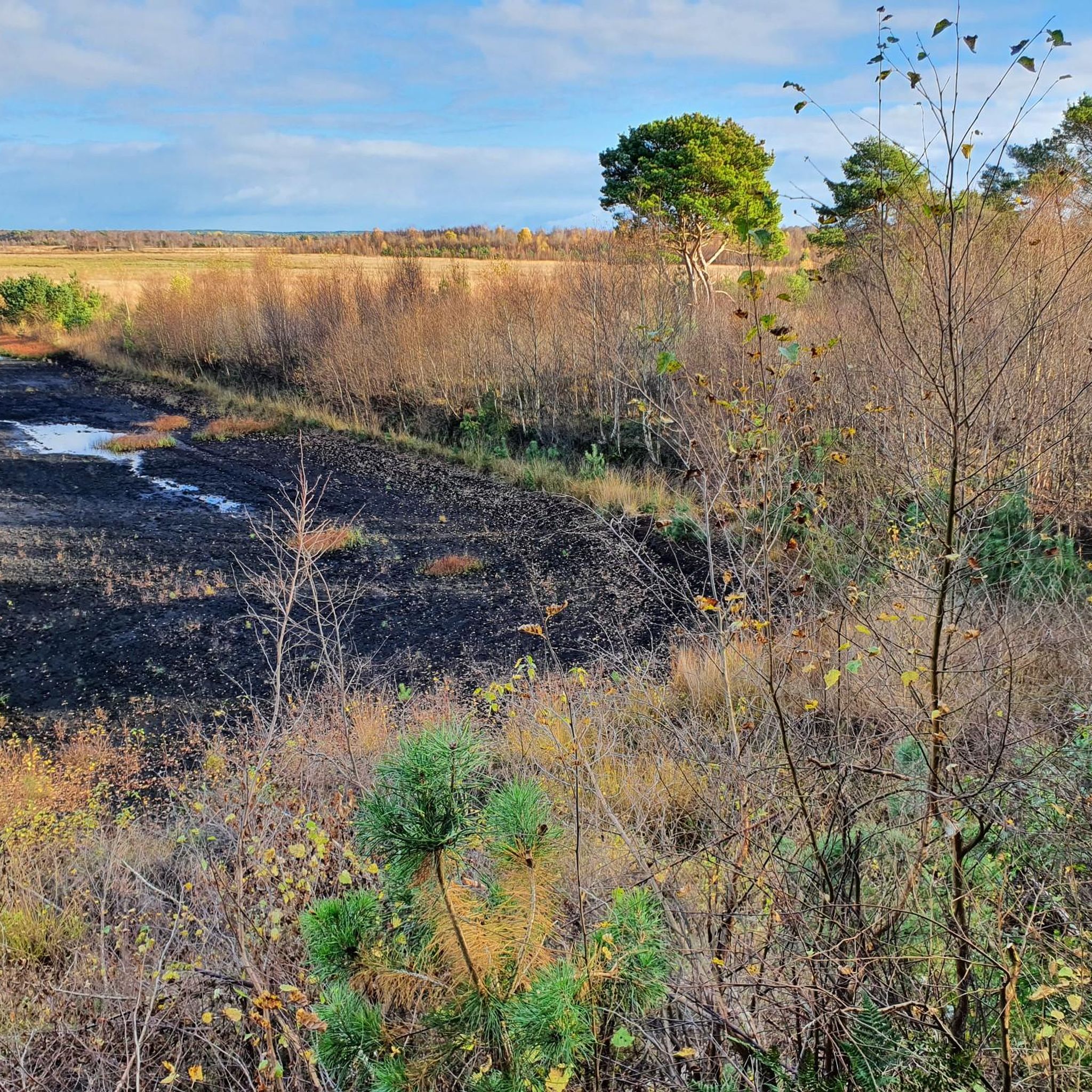
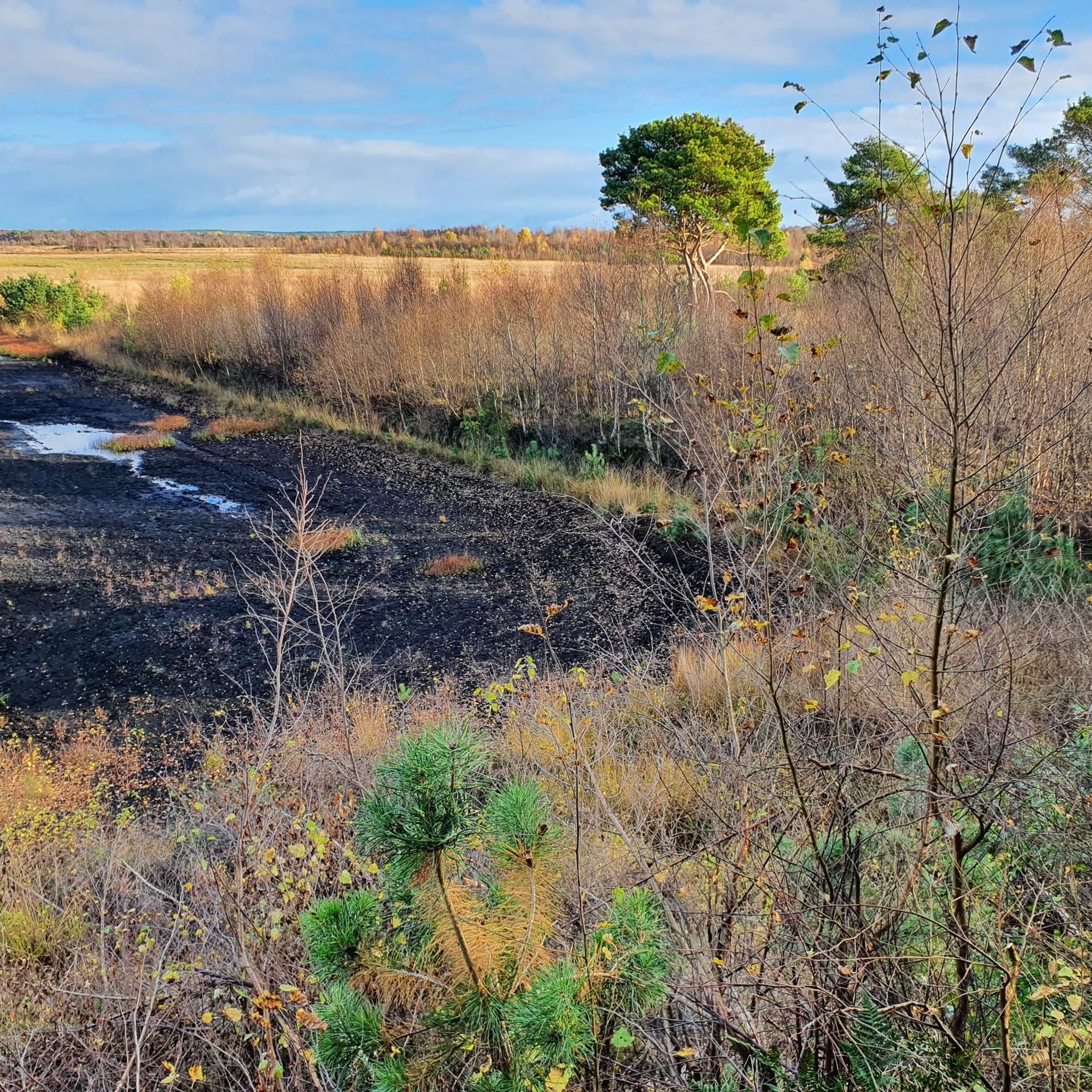
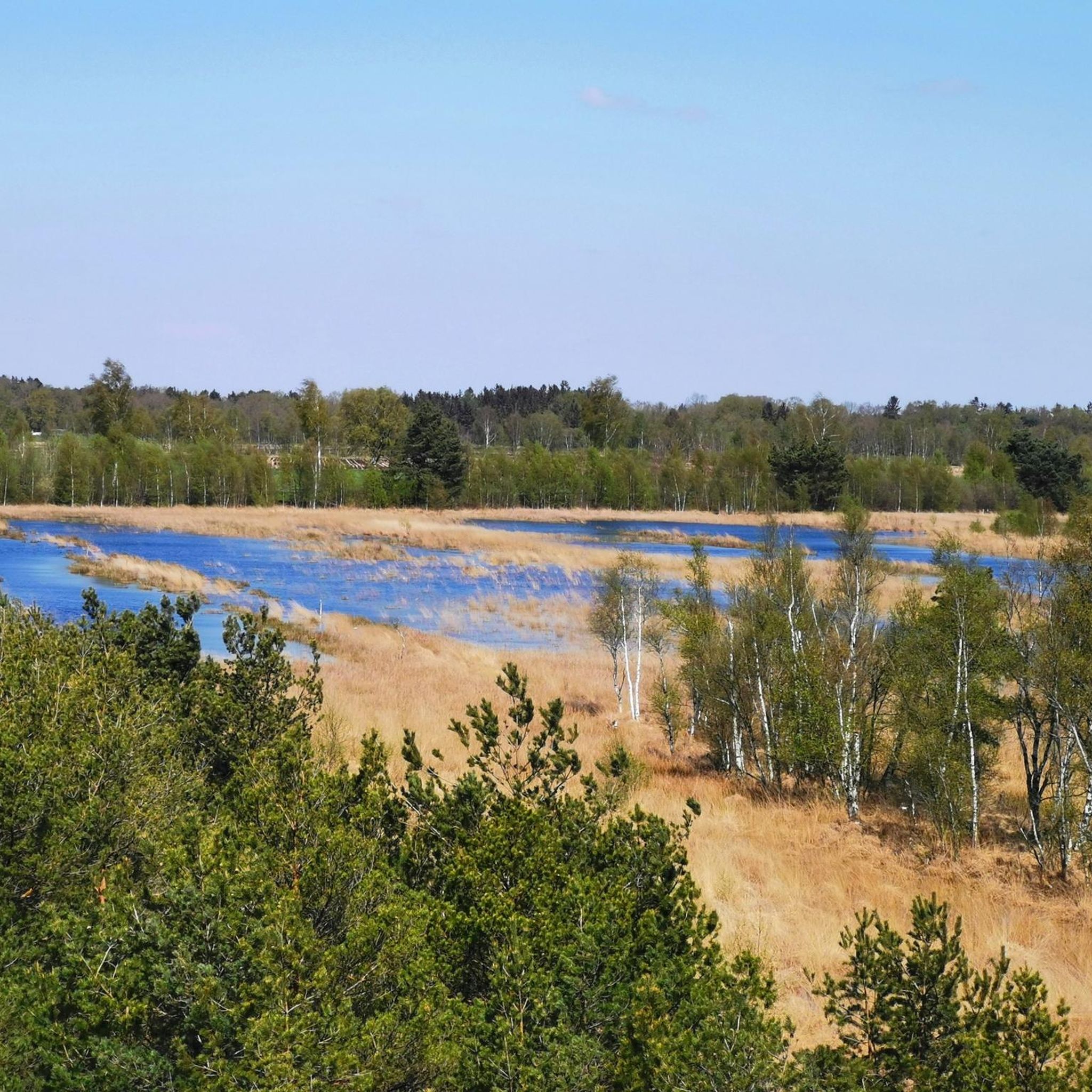
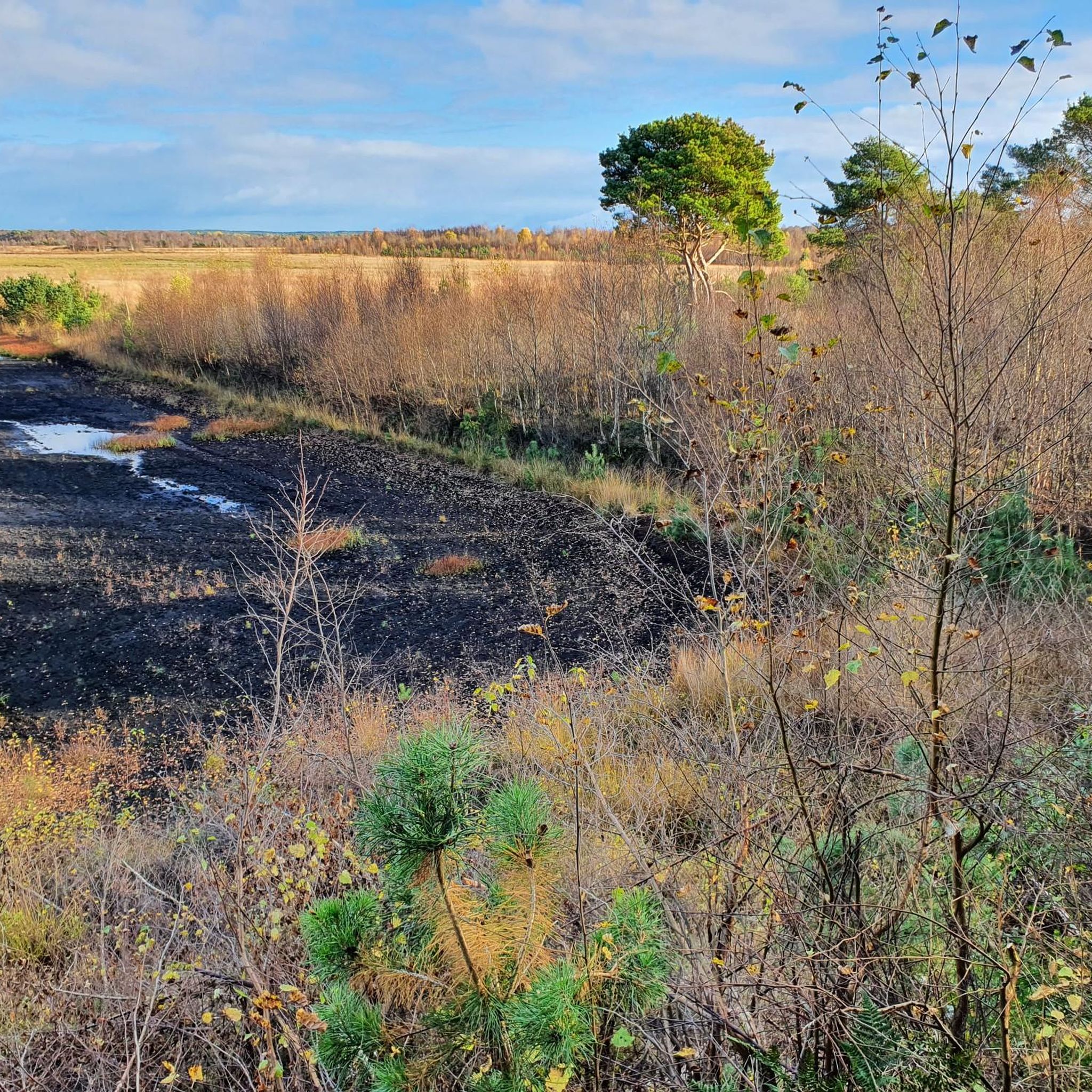
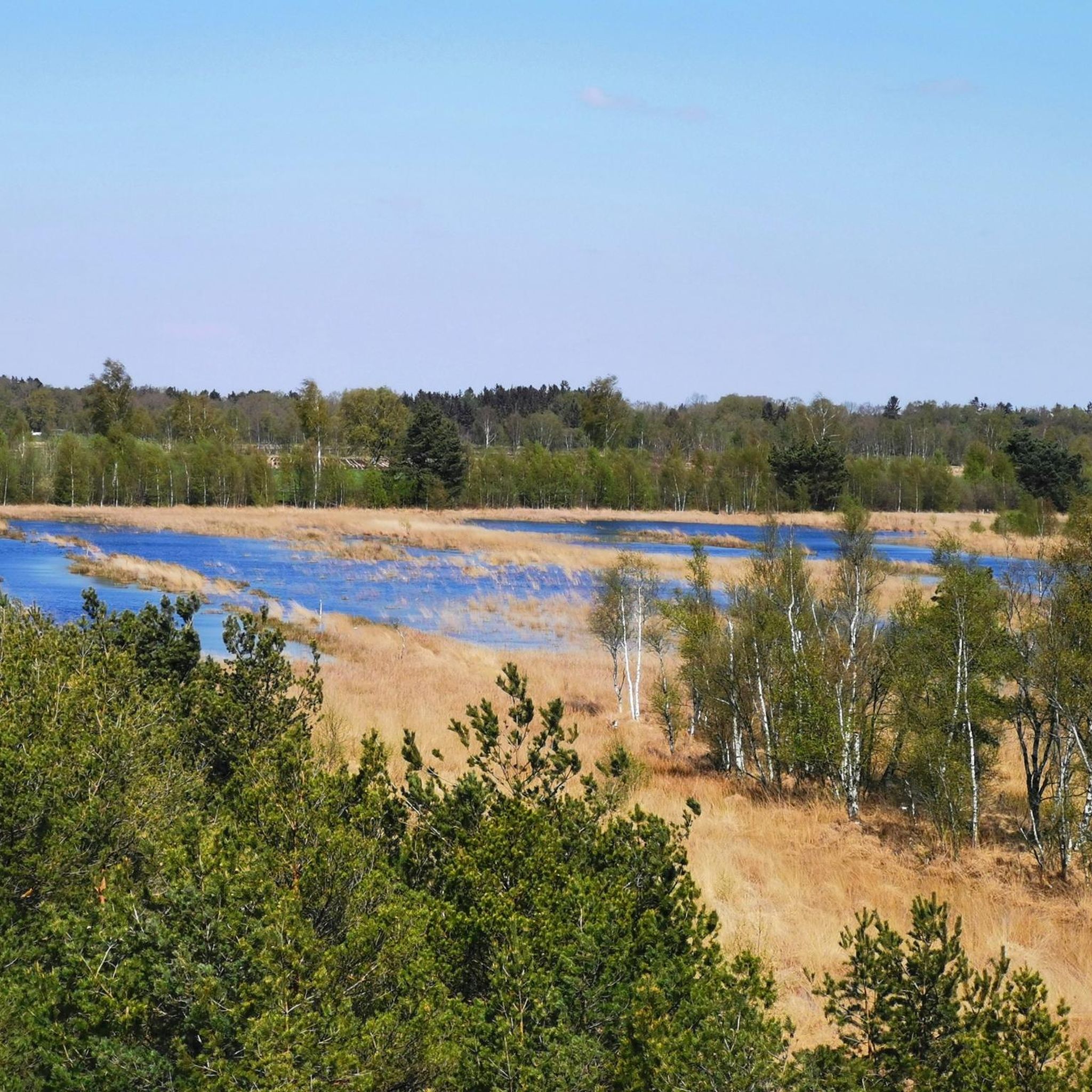
Gravel biking around Huvenhoopsmoor offers routes through a protected moorland ecosystem, characterized by intact raised bogs, wetland habitats, and light birch forests. The terrain includes both agricultural areas and re-wetted bogs, providing varied surfaces for gravel cyclists. Routes often follow the Oste River, showcasing reed beds and riparian forests. The region's flat topography means elevation changes are generally minimal.
Best gravel bike trails around Huvenhoopsmoor
- The most popular gravel bike trail is Osterwede – Barchel Village Idyll loop from Fahrendorf…
Last updated: July 16, 2026
3
riders
28.6km
01:47
130m
130m
Hard gravel ride. Great for any fitness level. You may need to push your bike for some segments of this route.
1
riders
Easy gravel ride. Great for any fitness level. Mostly paved surfaces. Suitable for all skill levels.

Sign up for free
5.0
(2)
11
riders
34.9km
02:07
130m
130m
Moderate gravel ride. Good fitness required. Mostly paved surfaces. Suitable for all skill levels.
5.0
(1)
5
riders
Moderate gravel ride. Good fitness required. Mostly paved surfaces. Suitable for all skill levels.
3
riders
Moderate gravel ride. Good fitness required. Mostly paved surfaces. Suitable for all skill levels.
Get access to more routes and recommendations from other explorers.
Sign up for free
Already have an account?
Our route recommendations are based on thousands of hikes, rides, and runs completed by other people on komoot.
Start today with a free account
Your next adventure awaits.
Login or Signup
Tips from the Community

Very nice cafe with a fantastic coffee garden located directly on the water. Highly recommended.
1
0


At the instigation of Selsingen pastor Walter Meyer, a collection was taken up in the village in 1952 for new church bells in Selsingen, as the old bells had been removed during the war and melted down for the production of grenades and other armaments. The collection was successful, so that part of it could be used to purchase a new village bell. The dedication took place on Sunday, September 28, 1952, at 3 p.m. Until the 1990s, the bell was rung by pulling a bell rope by hand. Today, a timer controls the electric drive of the bell, which rings every evening at 6 p.m. (Source: Sign commemorating 800 years of Godenstedt).
2
0

The Ostetal North Trail also runs along this route. All information about the trail can be found at the following link: https://www.nordwaerts.de/aktiv-entspannt/tour/nordpfad-ostetal-100258944/ (as of July 19, 2025).
0
1

Next to the St. Viti Church in Zeven is this playground, which offers activities for young and old.
1
0

The Beverwald has lost none of its charm since my last visit in 2021. Well-maintained, endless, easy-to-ride forest paths – 100% nature.
0
0

Godenstedt, a typical Lower Saxon farming village, characterized by large farms and impressive oak trees. Here you can take a break at the bell tower or by the Oste. In 1970, Godenstedt won the national competition "Our Village Has a Future".
1
0

There is a café in the mill.
0
0
Frequently Asked Questions
What kind of terrain can I expect on gravel bike trails around Huvenhoopsmoor?
The terrain around Huvenhoopsmoor is diverse, featuring protected moorland ecosystems with intact raised bogs, wetland habitats, and light birch forests. You'll encounter varied surfaces, including agricultural areas and re-wetted bogs. Routes often follow the Oste River, offering picturesque views of reed beds and riparian forests. The region is generally flat, so elevation changes are minimal.
Are there any easy gravel bike routes suitable for beginners in Huvenhoopsmoor?
Yes, there are several easy routes. For instance, the Dahldorf Canal Path – Karlshöfen Airfield loop from Gnarrenburg is rated as easy and offers a pleasant ride through canal paths and open areas. Another easy option is the Beverner Forest Nature Reserve – Field path at the Hese loop from Bevern, which is shorter and has minimal elevation.
What are the most challenging gravel bike routes in the area?
For a more challenging ride, consider the Osterwede – Barchel Village Idyll loop from Fahrendorf. This route is rated as difficult and provides a demanding experience through the local landscape.
What natural features and landmarks can I see along the gravel bike trails?
Huvenhoopsmoor offers several natural highlights. You can explore the Huvenhoopsmoor Nature Reserve itself, which is a significant raised bog ecosystem. The Huvenhoopsmoor Nature Discovery Trail provides insights into the moor's origins, flora, and fauna. You might also spot the Seehürnsbarg Lake, one of the last intact raised bog lakes in Lower Saxony. Viewing platforms like the Moorturm and Kranichschanze offer spectacular long-distance views over the moor.
Is Huvenhoopsmoor a good place for wildlife spotting while gravel biking?
Absolutely. Huvenhoopsmoor is a crucial habitat for wildlife, especially birds. It's an important resting area for thousands of cranes during their spring and autumn migrations, and some even breed here. Beyond cranes, you might see Eurasian Hobby, Red-backed Shrike, Common Cuckoo, Northern Lapwing, various ducks and geese, and over 20 species of dragonflies. The best times for crane observation are typically dawn and dusk during migration seasons.
Are there any family-friendly gravel cycling options in Huvenhoopsmoor?
Yes, the generally flat topography and network of paths make parts of Huvenhoopsmoor suitable for families. Routes rated as 'easy' like the Dahldorf Canal Path – Karlshöfen Airfield loop from Gnarrenburg are good choices. The Moor Adventure Trail (Moorerlebnispfad) also offers interactive experiences that can be engaging for children, though cyclists may need to walk their bikes in strictly protected areas.
What are the rules for cycling with dogs in the Huvenhoopsmoor Nature Reserve?
While the region is generally welcoming, within the strictly protected areas of the Huvenhoopsmoor Nature Reserve, cyclists are typically required to walk their bikes along marked paths. It's advisable to keep dogs on a leash to protect the sensitive moorland ecosystem and its wildlife, especially ground-nesting birds and migrating cranes. Always respect local signage regarding dog access and cycling regulations.
What do other gravel bikers enjoy most about cycling in Huvenhoopsmoor?
The area is highly rated by the komoot community, with an average score of 4.5 stars from over 3 reviews. Reviewers often praise the unique protected moorland landscapes, the varied terrain that caters to different fitness levels, and the peaceful atmosphere of cycling through wetland habitats and light birch forests. The opportunities for wildlife observation, especially cranes, are also frequently highlighted.
What is the best time of year to go gravel biking in Huvenhoopsmoor?
The spring and autumn months are particularly rewarding for gravel biking in Huvenhoopsmoor, especially if you're interested in wildlife. These seasons offer the best opportunities to observe migrating cranes. Summer provides pleasant weather for cycling, while winter conditions can be challenging due to potential ice or snow on paths, though the landscape can be uniquely beautiful.
Are there places to eat or stay near the gravel bike routes in Huvenhoopsmoor?
While the immediate nature reserve is wild, nearby towns like Gnarrenburg, Rhade, and Glinstedt offer options for cafes, pubs, and accommodation. These towns are generally accessible from the gravel routes and provide convenient stops for refreshments or overnight stays after your ride.
Where can I find parking for gravel biking in Huvenhoopsmoor?
Designated parking areas for visitors are available at various access points to the Huvenhoopsmoor Nature Reserve and its trails. For example, parking is often available near the Moor Adventure Trail or other popular starting points. It's recommended to check local signage upon arrival for specific parking instructions.
Can I reach Huvenhoopsmoor by public transport for cycling trips?
Public transport options to the Huvenhoopsmoor area are available, though they might require some planning. Towns like Gnarrenburg serve as potential access points with bus connections. From these towns, you can cycle to the nature reserve. It's advisable to check current bus schedules and routes to plan your journey effectively.
Most popular routes around Huvenhoopsmoor
Most popular attractions around Huvenhoopsmoor

Get inspired with the komoot mobile app


Explore more
Browse the best Gravel rides in other regions.
