The best gravel rides around Trogen
4.4
(68)
558
riders
58
rides
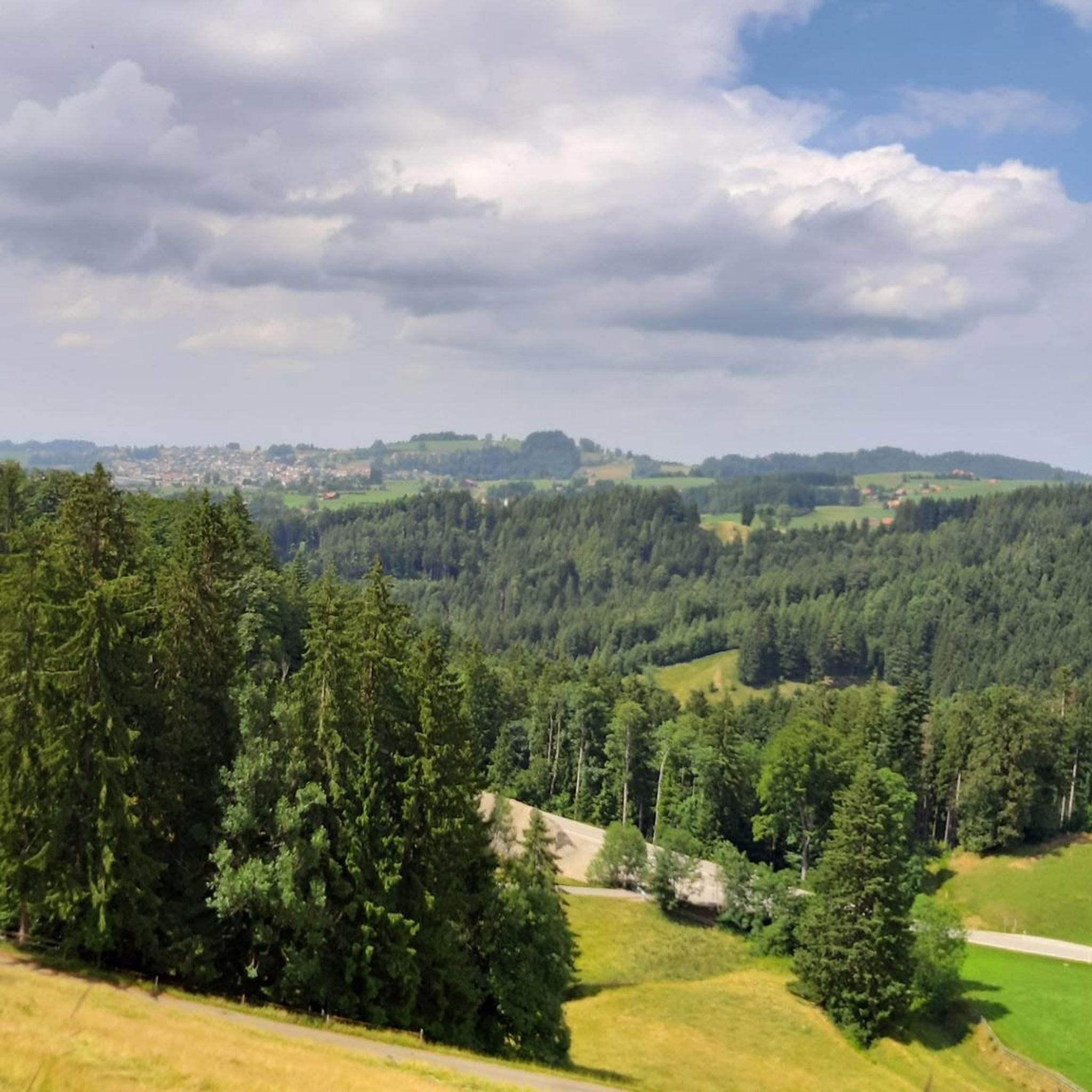
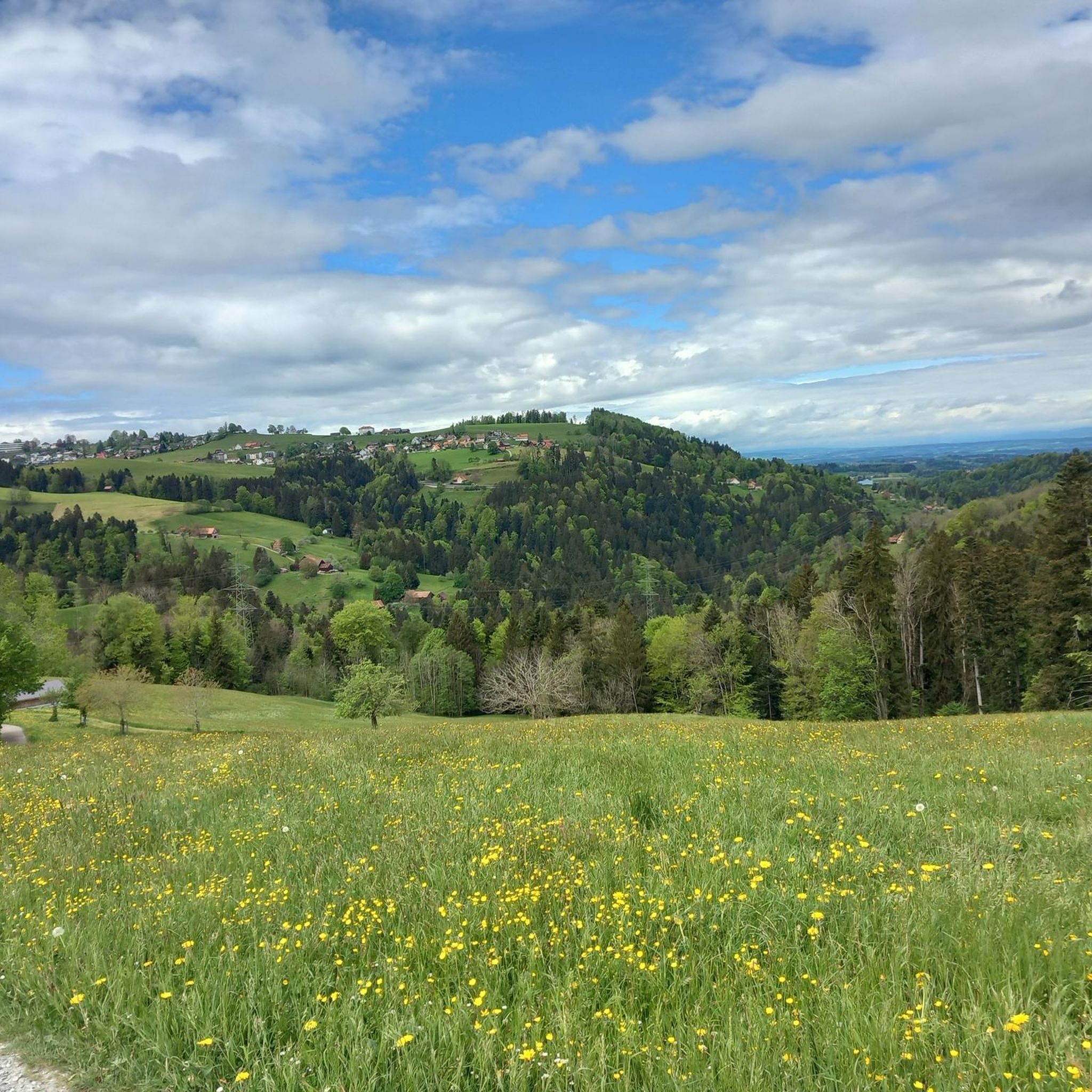
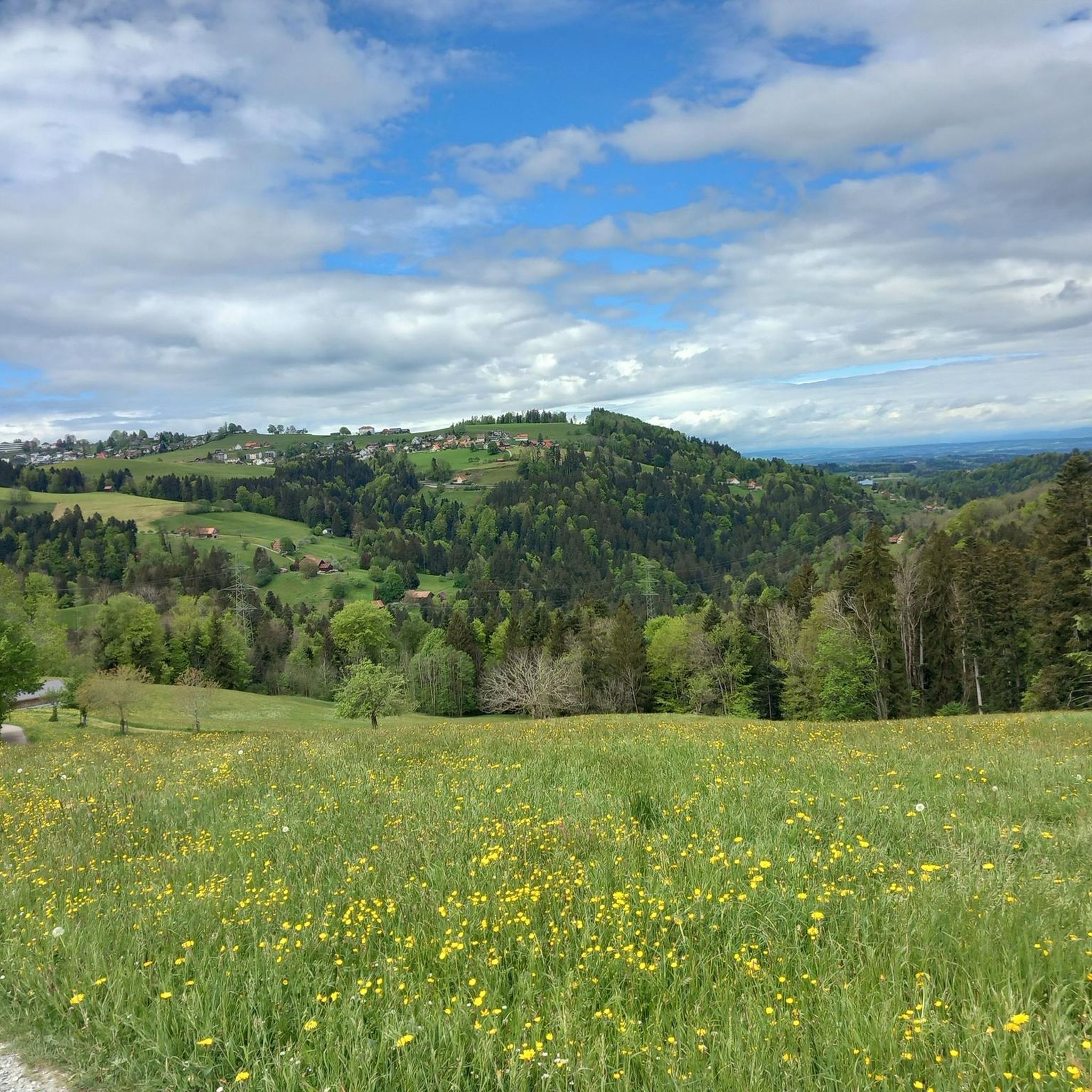
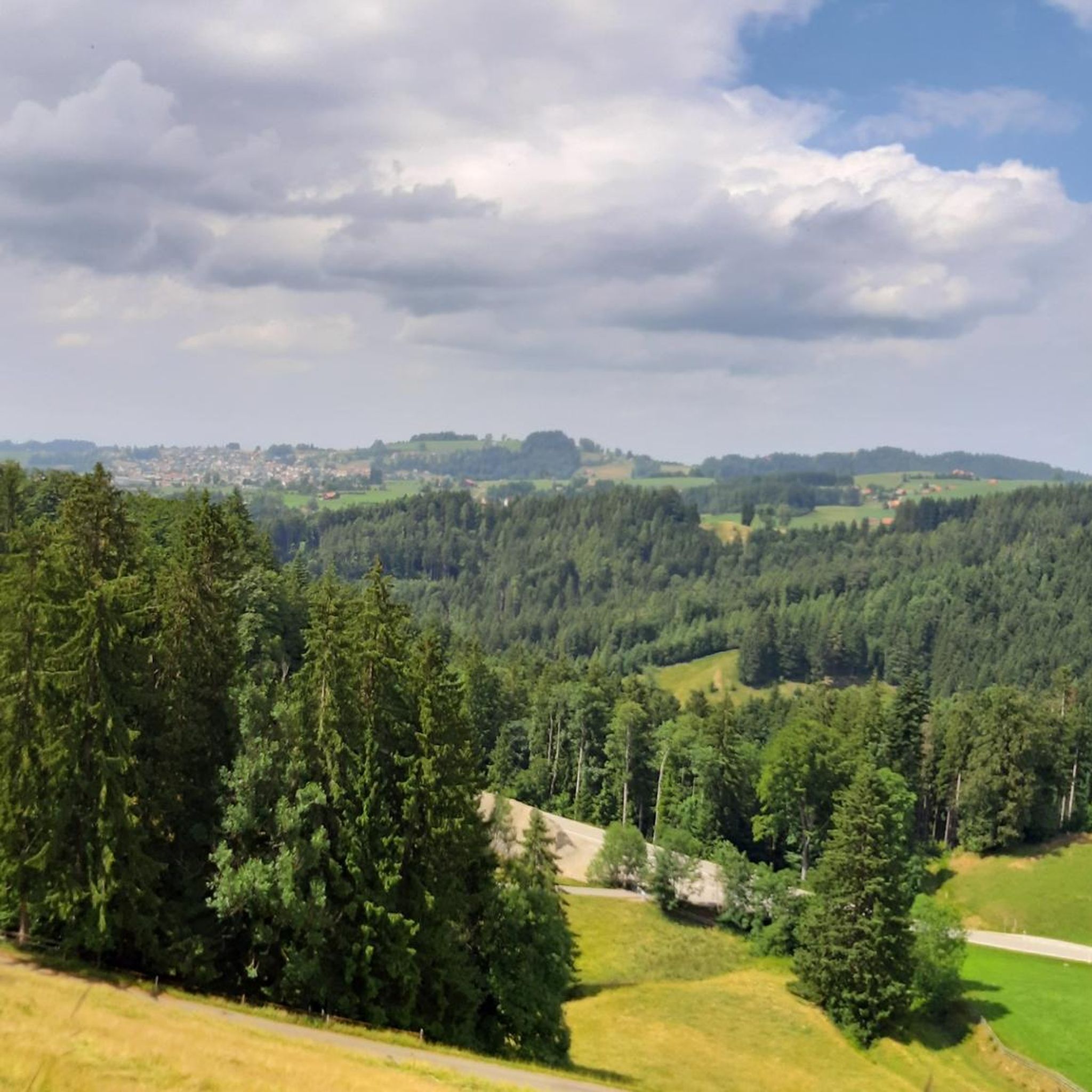
Gravel biking around Trogen Switzerland offers routes through the hilly terrain of the Appenzell region. The landscape features rolling hills, forested sections, and open areas that provide panoramic views of the Rhine Valley and Lake Constance. Routes often include a mix of paved and unpaved surfaces, including forest paths and unsealed roads, characteristic of the Appenzeller Mittelland. Elevations vary, with many routes including sustained climbs and descents.
Best gravel bike trails around Trogen
- The most popular gravel bike trail is…
Last updated: October 19, 2026
4.5
(6)
42
riders
29.1km
02:14
570m
580m
Hard gravel ride. Very good fitness required. Mostly paved surfaces. Suitable for all skill levels.
5.0
(2)
42
riders
36.3km
02:46
710m
710m
Hard gravel ride. Very good fitness required. Mostly paved surfaces. Suitable for all skill levels.

4.0
(2)
24
riders
19.9km
01:36
470m
470m
Hard gravel ride. Very good fitness required. Mostly paved surfaces. Suitable for all skill levels.
4.0
(1)
12
riders
36.6km
03:09
1,080m
1,080m
Hard gravel ride. Very good fitness required. You may need to push your bike for some segments of this route.
15
riders
15.7km
01:10
360m
360m
Moderate gravel ride. Good fitness required. Mostly paved surfaces. Suitable for all skill levels.
Get access to more routes and recommendations from other explorers.
Already have an account?
Our route recommendations are based on thousands of hikes, rides, and runs completed by other people on komoot.
Start today with a free account
Your next adventure awaits.
Popular around Trogen
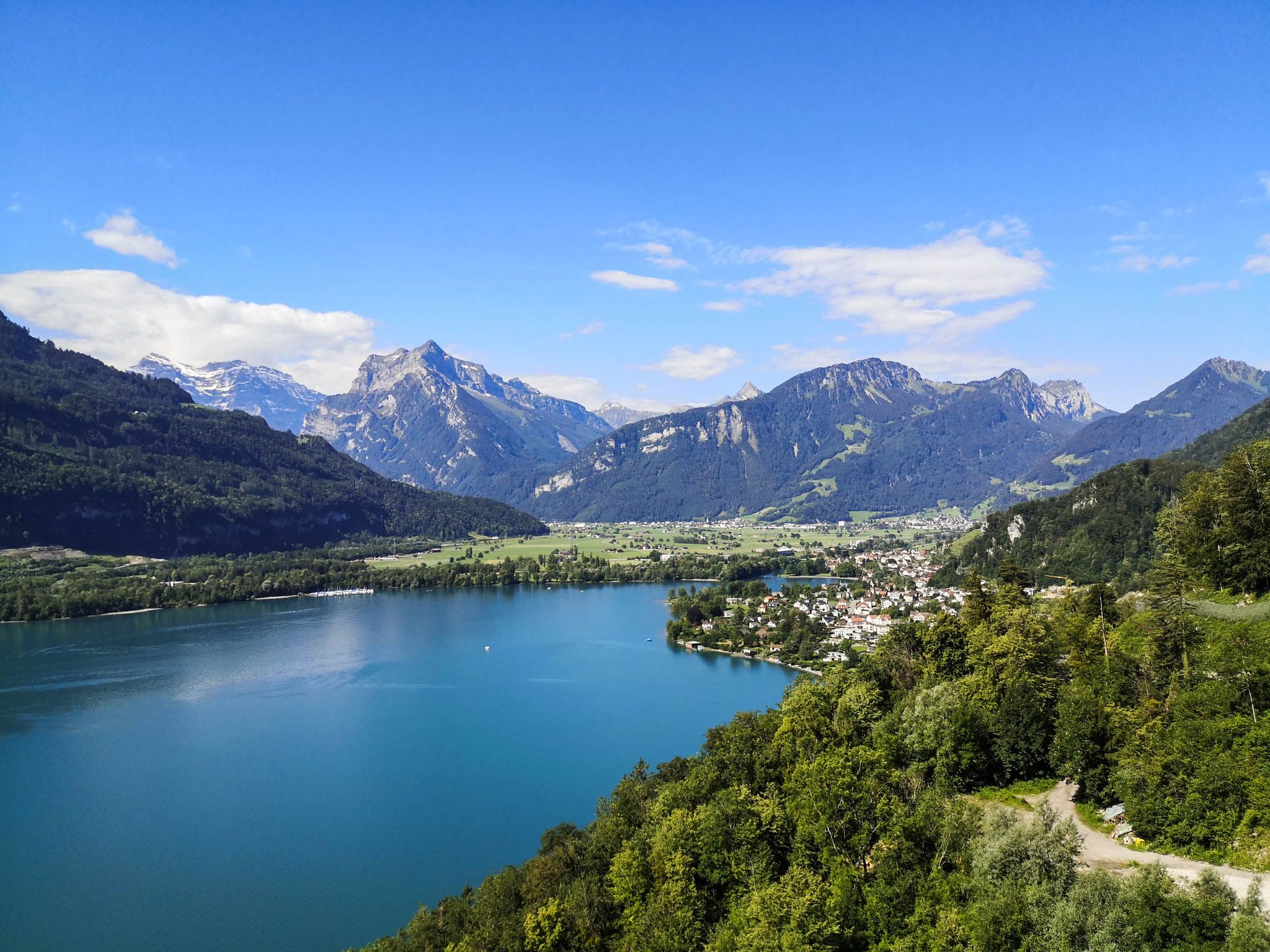
Alpine Panorama Trail in Switzerland – Keep your eyes on the mountains
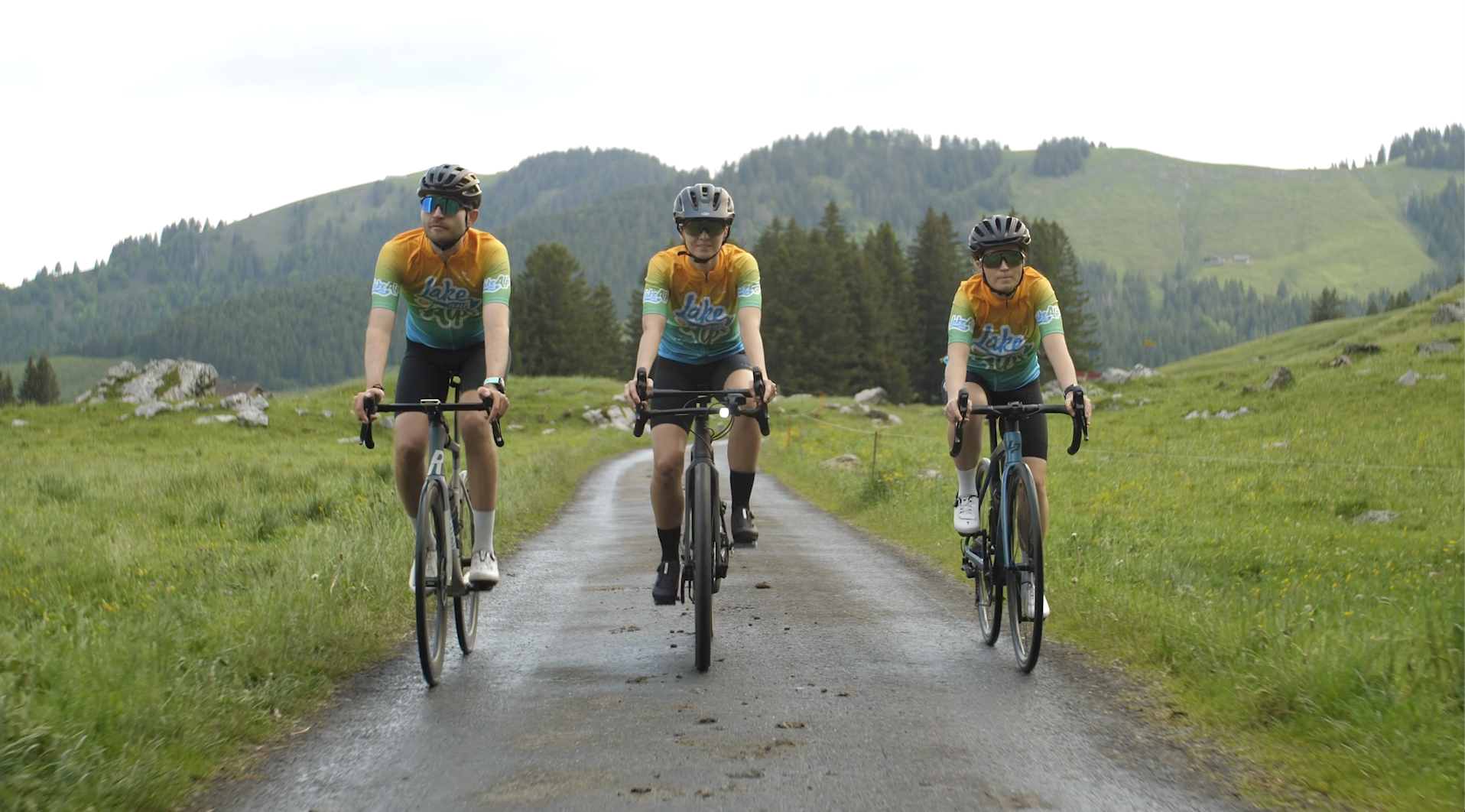
Lake and Alps Adventure – explore 100 dreamy places in our cycling region!
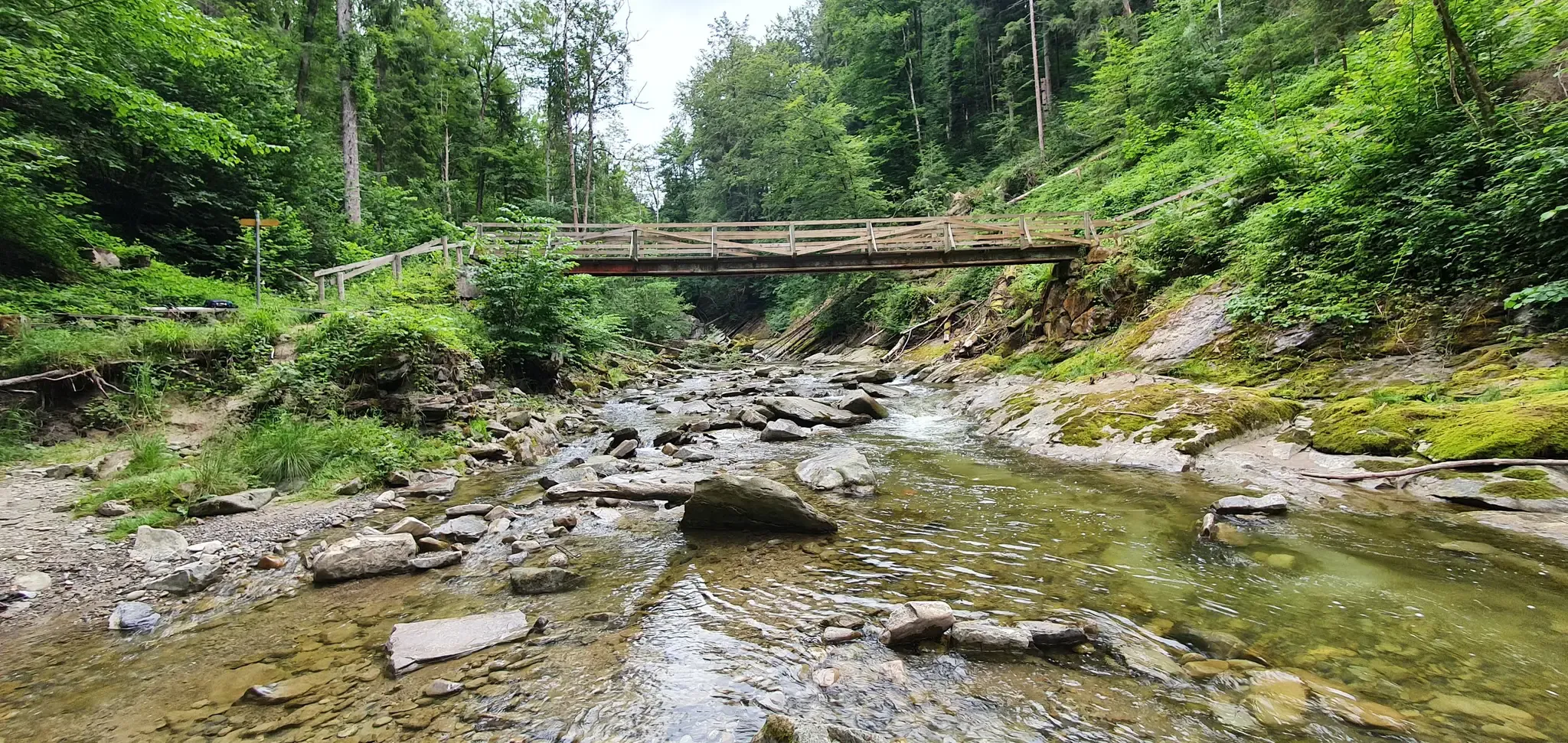
Cultural Trail Appenzellerland - Hiking between Lake Constance and Alpstein
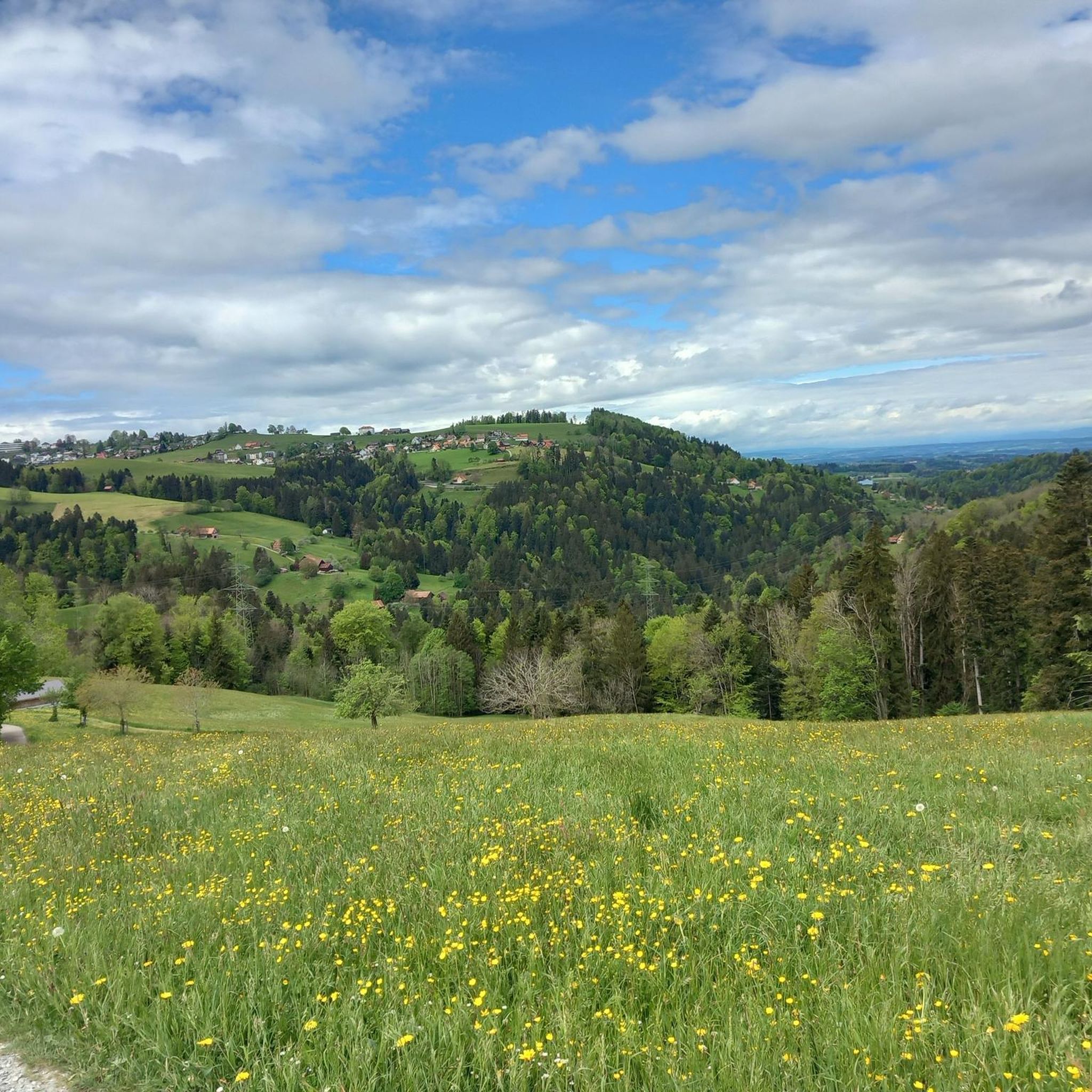
Hiking around Trogen
Road Cycling Routes around Trogen
Cycling around Trogen
MTB Trails around Trogen
Running Trails around Trogen
Mountain Hikes around Trogen
Other adventures around Trogen


Tips from the Community

fascinating road from the pass to Trogen
0
0

Schloss Dottenwil, built by Peter Graf in 1543 The Schloss Dottenwil, built by Peter Graf in 1543, has a rich history. It was first mentioned in 1302 and later built by Weibratha Graf. Weibratha married Konrad Atzenholz, who expanded the small castle and inherited the estate with the small castle in 1587. Margaretha, the daughter of Weibratha and Konrad Atzenholz, married Christoph Buffler and brought the Schloss and Gut Dottenwil into her marriage. The ownership of the castle changed hands several times in the 19th century, until Johann Baptist Blattmann acquired the castle for 7000 Gulden in 1807. Blattmann built a large spa house next to the castle and laid out a magnificent garden. The hotel and whey spa enjoyed great popularity and were very well-known. However, Blattmann incurred high debts, so his creditors had the estate publicly auctioned in 1816. Text / Source: wikipedia.org https://de.wikipedia.org/wiki/Schloss_Dottenwil
14
0
Schloss Dottenwil, Wittenbach This jewel, built in 1543, is a popular attraction for families, day-trippers and culture lovers on weekends. Enjoy a wine from the in-house vineyard in the castle garden with a magnificent view, discover old and new treasures in the local museum and the cellar gallery, or experience stars of the Swiss cabaret scene after a delicious dinner – no wish remains unfulfilled here. Every weekend, volunteers work here with great passion. Text / Source: IG Schloss Dottenwil, Dottenwil 661, Wittenbach https://www.dottenwil.ch/geschichte
14
0

In the old town, the artistically decorated oriel windows stand out, bearing witness to the travels of the St. Gallen textile merchants of the 18th and 19th centuries all over the world. They are a reminder of St. Gallen's importance in the linen and embroidery trade. There are more than a hundred such oriel windows in the old town. Some are multi-story, painted, or carved from wood.
10
0

The road to Teufen has a whopping 20% gradient!
1
0

Of course, you can also ride past a castle on a mountain bike.
1
0

Info: Bridge currently closed due to construction. August 18, 2025
0
0
Frequently Asked Questions
What are the general difficulty levels for gravel biking around Trogen?
The gravel bike trails around Trogen primarily feature moderate to difficult terrain due to the hilly nature of the Appenzell region. While there is 1 easy route, you'll find 25 moderate and 86 difficult routes, offering a good challenge for experienced riders.
Are there any longer gravel bike routes for extended rides in the Trogen area?
Yes, Trogen offers several longer routes. For example, the St. Anton Viewpoint – St. Anton Viewpoint loop from Altstätten is a challenging 25.1 miles (40.4 km) ride, and the St. Anton Viewpoint – St. Anton Viewpoint loop from Espenmoos covers 23.4 miles (37.7 km), both providing significant elevation gain.
What kind of views can I expect on the gravel bike trails around Trogen?
Many routes in Trogen offer panoramic vistas, especially from elevated points. The region is known for its rolling hills and open areas that provide scenic views. The St. Anton Viewpoint – St. Anton Viewpoint loop from Espenmoos is specifically highlighted for its views from the St. Anton viewpoint. You can also find routes like the View of the Alpstein Mountains – Waldegg loop from Notkersegg which offers stunning mountain panoramas.
Are there any circular gravel bike routes available near Trogen?
Yes, many of the popular gravel bike routes around Trogen are circular. Examples include the St. Anton Viewpoint – St. Anton Viewpoint loop from Espenmoos, the Drei Weieren – Waldegg loop from Notkersegg, and the St. Anton Viewpoint – St. Anton Viewpoint loop from Altstätten, all designed as loops for convenient exploration.
What is the best time of year to go gravel biking in Trogen?
The Appenzell region, including Trogen, is generally best for gravel biking from spring through autumn when the weather is milder and trails are clear of snow. Summer offers lush green landscapes, while spring and autumn provide pleasant temperatures and vibrant colors. Always check local weather conditions before heading out.
What do other gravel bikers say about the trails in Trogen?
The gravel biking routes in Trogen are highly regarded by the komoot community, holding an average rating of 4.6 stars from over 190 reviews. Riders often praise the varied terrain, the challenging climbs, and the rewarding panoramic views across the hilly landscapes.
Are there any interesting landmarks or attractions to see near the gravel bike trails?
Yes, the Trogen area is rich in attractions. You can find historical sites like the St. Gallen Old Town or the Old Town of Appenzell nearby. For natural beauty, consider visiting the Fähnerenspitz Summit or exploring some of the local caves like Kristallhöhle Kobelwald.
Are there any routes that pass by lakes or water features?
Yes, the Drei Weieren – Waldegg loop from Notkersegg navigates through varied terrain, including sections near the Drei Weieren lakes, offering pleasant views of these water features.
What kind of terrain can I expect on the gravel bike trails around Trogen?
The terrain around Trogen is characterized by rolling hills, forested sections, and open areas. You'll encounter a mix of paved and unpaved surfaces, typical for gravel biking, with many routes featuring sustained climbs and descents that add to the challenge and scenic reward.
Are there any routes that are less frequented or considered 'hidden gems'?
While many routes are popular, exploring some of the moderate difficulty trails, such as the Ruppen Pass – Altstätten Old Town loop from Altstätten, might offer a slightly quieter experience while still providing excellent views and varied terrain away from the most frequented paths.
Most popular attractions around Trogen

Get inspired with the komoot mobile app


Explore more
Browse the best Gravel rides in other regions.
