The best gravel rides around Biburg
4.6
(27)
178
riders
13
rides
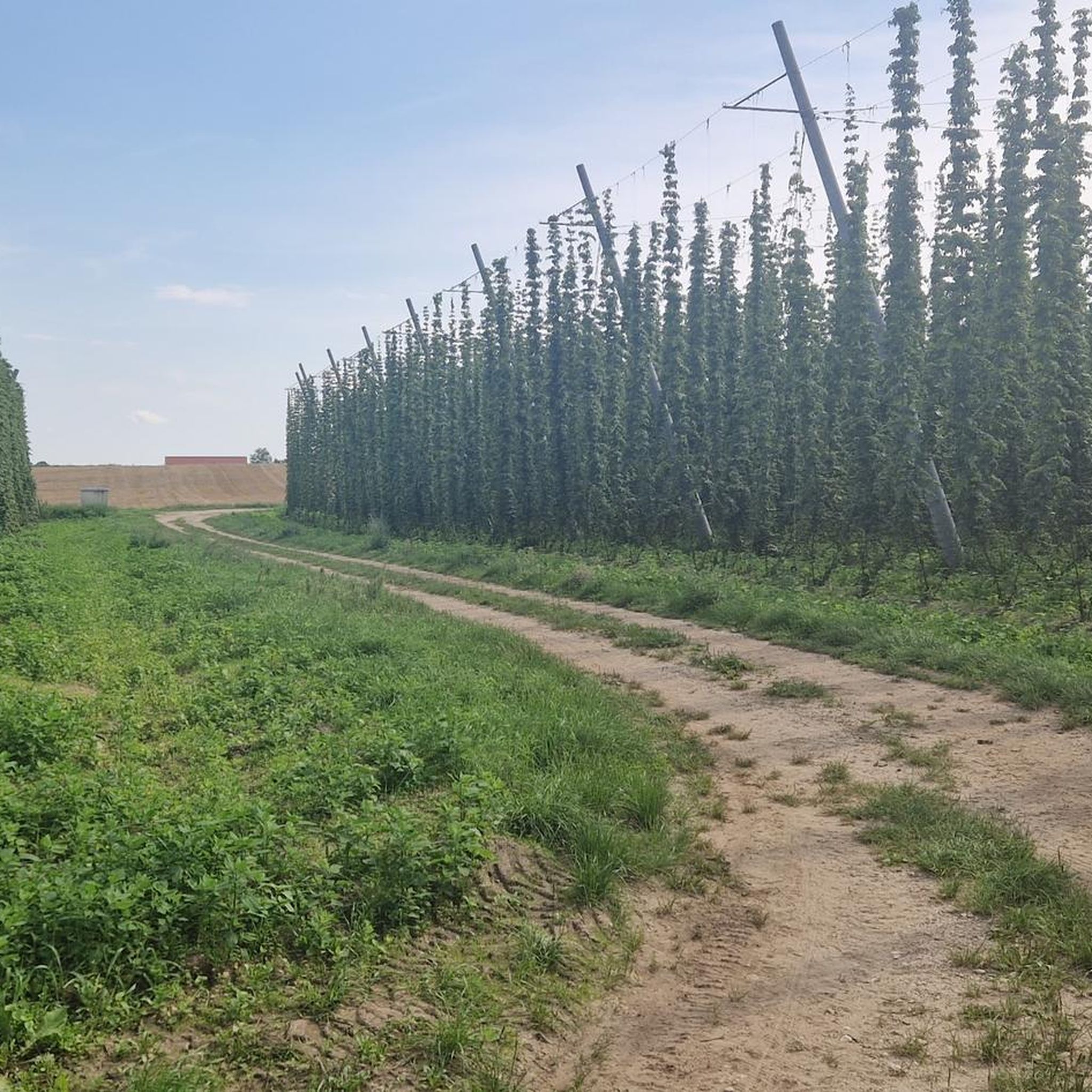
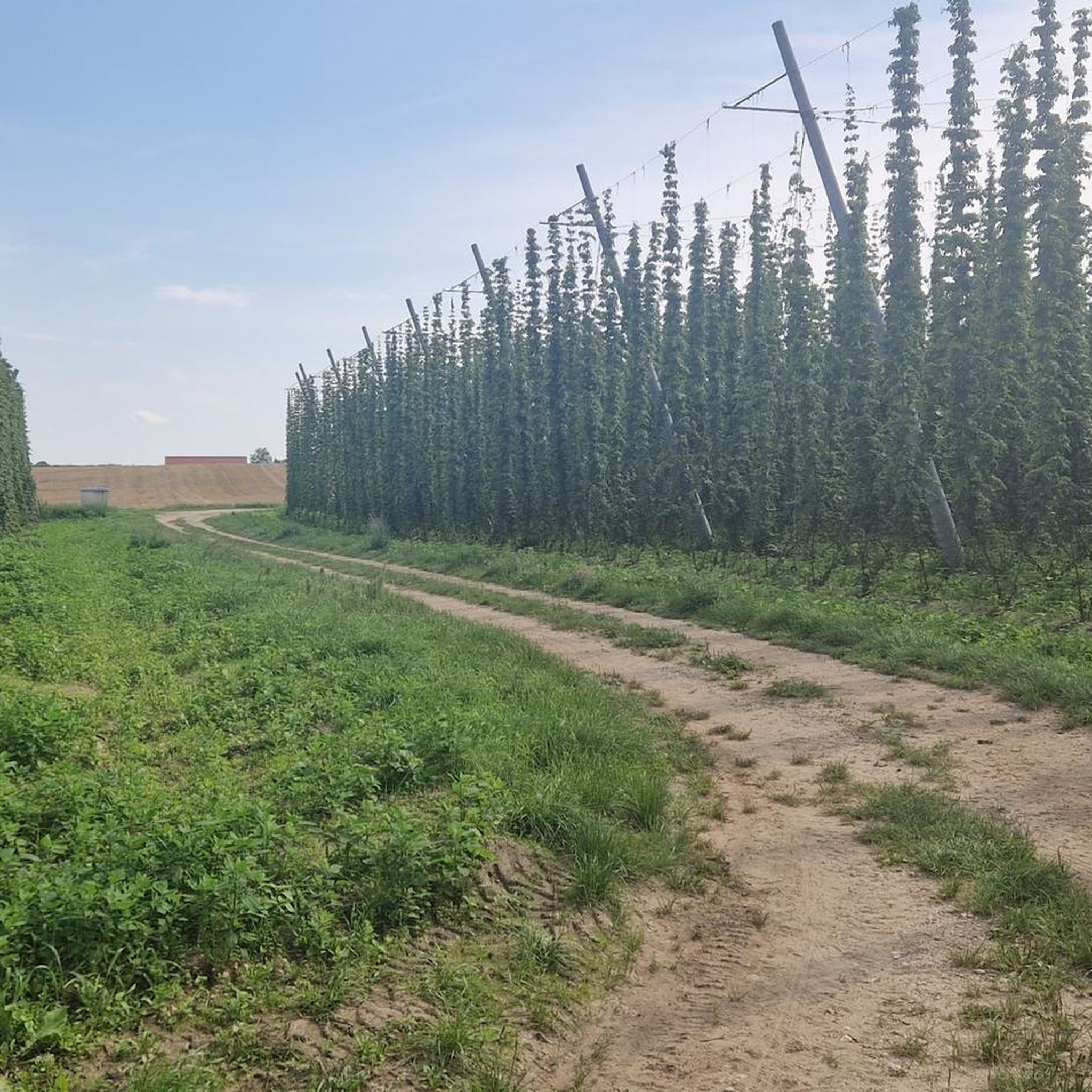
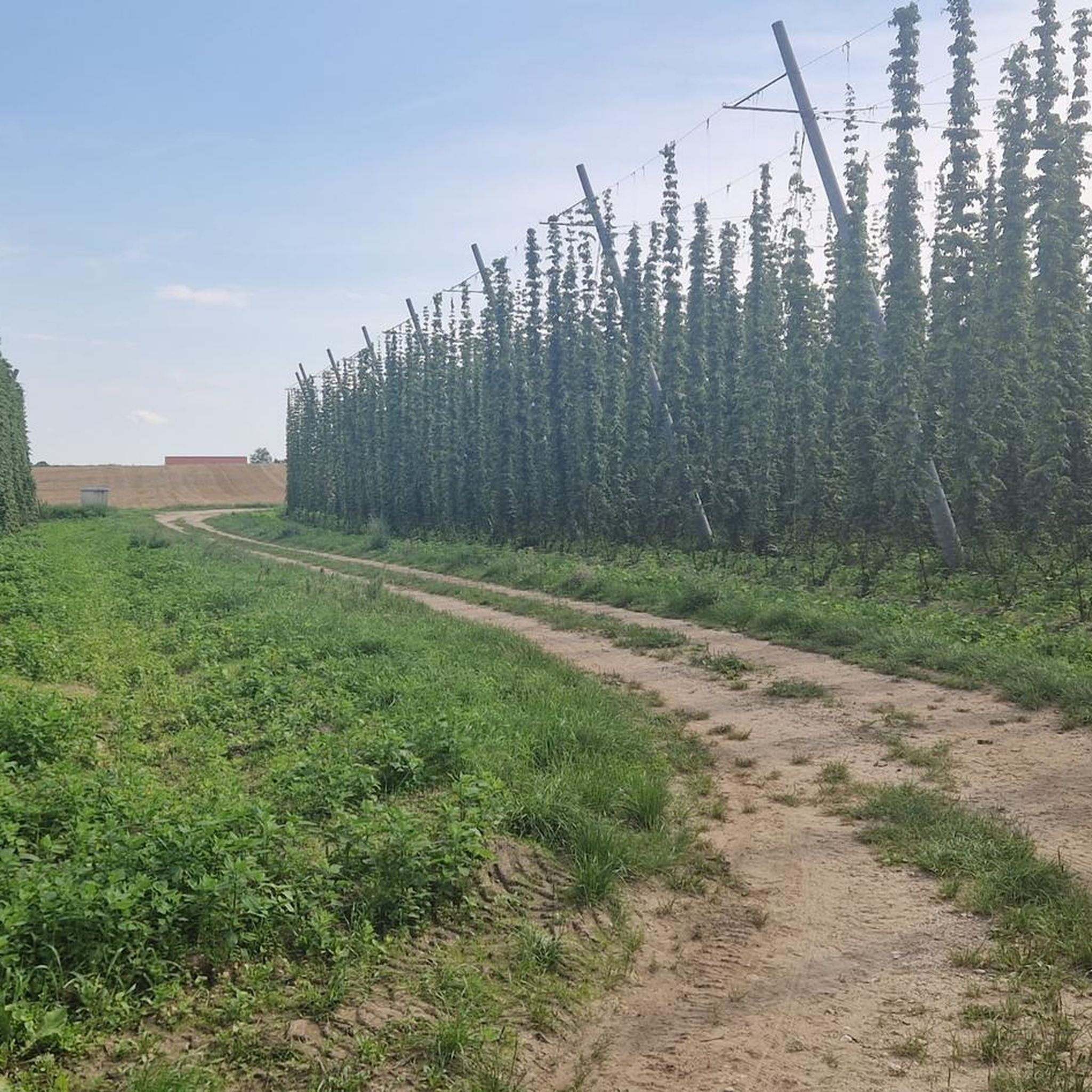
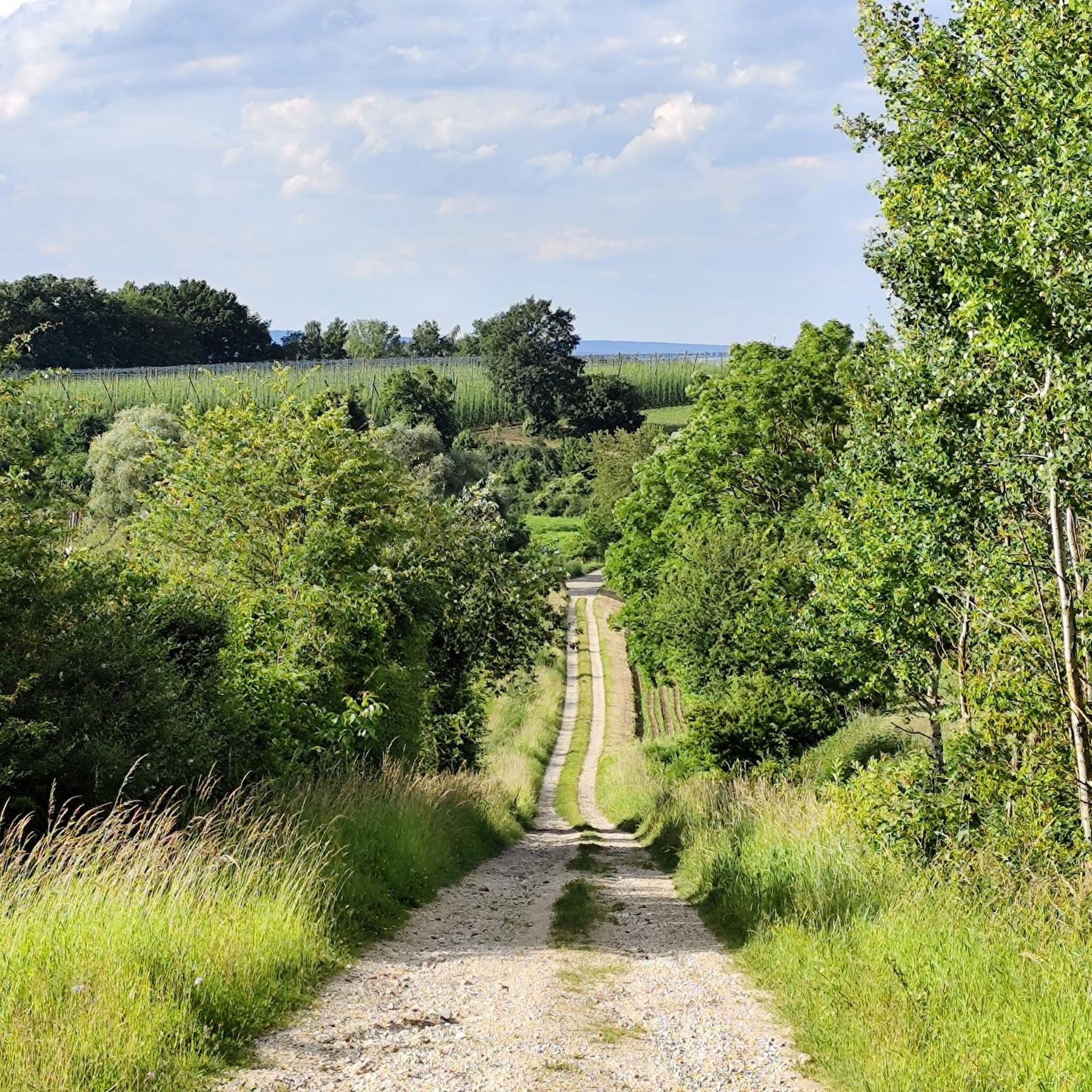
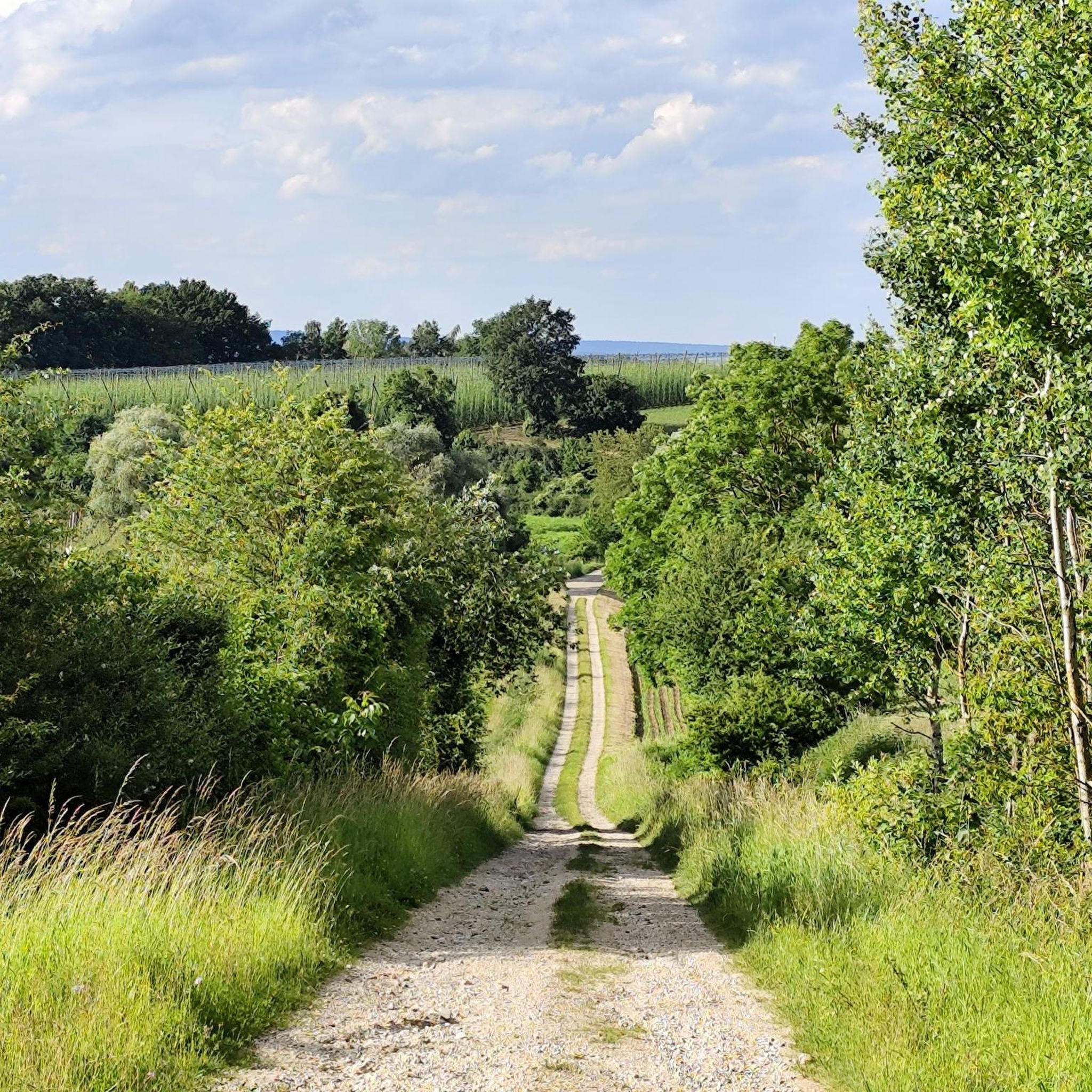
Gravel biking around Biburg offers diverse landscapes, blending riverine environments with hilly natural parks. The region features agricultural areas with cereal plants and cornfields, providing a mix of unpaved farm roads, forest trails, and dirt paths. Riders can expect varied terrain, including gentle ascents to plateaus and rolling hills, alongside some paved sections. This area provides a versatile cycling experience with elevation changes typically ranging from 100 to 200 meters from valley floors.
Best gravel bike trails around Biburg
- The…
Last updated: October 19, 2026
4.8
(15)
85
riders
55.7km
03:15
120m
120m
Moderate gravel ride. Good fitness required. Mostly paved surfaces. Suitable for all skill levels.
4.3
(3)
42
riders
Easy gravel ride. Great for any fitness level. Mostly paved surfaces. Suitable for all skill levels.

15
riders
Easy gravel ride. Great for any fitness level. Mostly paved surfaces. Suitable for all skill levels.
4.5
(2)
9
riders
Moderate gravel ride. Good fitness required. Mostly paved surfaces. Suitable for all skill levels.
5.0
(2)
10
riders
Moderate gravel ride. Good fitness required. Mostly paved surfaces. Suitable for all skill levels.
Get access to more routes and recommendations from other explorers.
Already have an account?
Our route recommendations are based on thousands of hikes, rides, and runs completed by other people on komoot.
Start today with a free account
Your next adventure awaits.
Tips from the Community

Beautiful view of the currently very empty Danube
0
0


A boat trip through the Danube Gorge is a must-have experience
1
0

The Kuchlbauer Tower is an architectural project by Friedensreich Hundertwasser. With its 35 meters height, it is a beacon of Bavarian beer.
1
0

Ludwigsplatz is the pulsating heart of the old town of Kelheim. It is not only the central market square, but also a place where the eventful history of the Wittelsbach city is concentrated in a confined space.
1
0

I recommend stopping off for an ice cream or coffee at the Dolce Vita ice cream parlor in Neustadt an der Donau.
0
0

A special structure and a testament to elaborate architecture.
1
0

Seems to be the meeting point in Kelheim.
1
0
Frequently Asked Questions
How many gravel bike trails are available around Biburg?
There are over 40 gravel bike trails around Biburg, offering a wide range of options for different skill levels. These routes are highly rated by the komoot community, with an average score of 4.4 stars.
Are there easy gravel bike routes suitable for beginners or families?
Yes, Biburg offers several easy gravel routes perfect for beginners or family outings. For example, the Abensberg old town – Danube Riverside View loop from Neustadt (Donau) is an easy 26.6 km trail. Another great option is the Beer garden at the Eining ferry – Danube Riverside View loop from Abensberg, which is 23.1 km long and also rated easy.
What kind of terrain can I expect on gravel bike trails in Biburg?
Gravel biking in Biburg offers diverse landscapes, blending riverine environments with hilly natural parks. You can expect a mix of gravel roads, forest trails, and dirt paths, alongside some paved sections. The Altmühl Valley Nature Park, in particular, features picturesque valleys, gentle ascents, and rocky landscapes with elevation changes typically ranging from 100 to 200 meters from valley floors to plateaus.
Are there challenging gravel bike routes for experienced riders?
Absolutely. For experienced riders seeking a challenge, Biburg has several difficult routes. The View of the Jura Cliffs – Danube River Landscape loop from Neustadt (Donau) is a difficult 90.7 km trail featuring significant elevation gain through the Danube River landscape.
What are the typical lengths and durations of gravel bike trails in the Biburg area?
The gravel bike trails around Biburg vary significantly in length and duration. Easy routes can be around 23-26 km, taking about 1.5-2 hours. Moderate trails, like the Vohburg Danube Gate – Vohburg an der Donau — Old Town loop from Neustadt (Donau), are about 59 km and can take around 4.5 hours. More difficult routes, such as the View of the Jura Cliffs – Danube River Landscape loop from Neustadt (Donau), can extend to over 90 km and require more than 6 hours to complete.
Are the gravel bike routes in Biburg circular?
Yes, many of the gravel bike routes around Biburg are designed as circular loops, allowing you to start and end your ride at the same point. This makes planning your trip more convenient, especially if you're driving to the starting point.
What interesting landmarks or attractions can I see along the gravel bike trails?
While gravel biking around Biburg, you can integrate cultural and natural attractions into your routes. Notable landmarks include the unique Kuchlbauer Tower (Hundertwasser Tower) and the historic Abensberg Town Square. You might also encounter the Eining Ferry across the Danube, offering a unique river crossing experience.
Are there places to stop for refreshments or food along the routes?
Yes, the region's charming villages and towns often provide opportunities for refreshments. You can find places like the Schlossgarten Ratzenhofen Beer Garden or other local establishments to enjoy regional specialties and take a break during your ride.
What makes the gravel bike routes in Biburg scenic?
The routes in Biburg are highly scenic due to their location near the Danube River and the Altmühl Valley Nature Park. Riders can enjoy breathtaking views of rolling hills, green fields, and charming villages. The varied terrain, from riverine landscapes to picturesque valleys and plateaus, ensures a constantly changing and visually appealing backdrop for your ride.
What do other gravel bikers enjoy most about gravel biking in Biburg?
The area is highly rated by the komoot community, with an average score of 4.4 stars from over 40 reviews. Reviewers often praise the diverse landscapes, the mix of challenging and easy terrain, and the opportunity to explore both natural beauty and cultural attractions. Many appreciate the versatile cycling experience offered by the gravel roads, forest trails, and dirt paths.
When is the best time of year for gravel biking in Biburg?
The Biburg region, like much of Bavaria, is generally best for gravel biking from spring through autumn (April to October). During these months, the weather is typically mild, and the natural landscapes are at their most vibrant. While some routes might be accessible in winter, conditions can be challenging due to snow or ice, especially on unpaved sections.
Most popular attractions around Biburg

Get inspired with the komoot mobile app


Explore more
Browse the best Gravel rides in other regions.
