The best gravel rides around Mockrehna
4.4
(15)
121
riders
21
rides
Gravel biking around Mockrehna offers access to diverse natural landscapes, primarily within the Dübener Heide Nature Park. This region is characterized by extensive mixed forests, tranquil moorlands, and idyllic waters, providing varied terrain for gravel cyclists. The gentle undulations of the Leipzig Lowland Bay contribute to a range of routes, from flat riparian paths to more challenging forest trails. The area's well-maintained network of paths is suitable for exploration by bike.
Best gravel bike trails around Mockrehna
- The most popular…
Last updated: July 16, 2026
4.6
(7)
89
riders
Hard gravel ride. Good fitness required. You may need to push your bike for some segments of this route.
3.0
(1)
4
riders
54.0km
03:28
280m
280m
Moderate gravel ride. Good fitness required. Mostly paved surfaces. Suitable for all skill levels.

Sign up for free
4.0
(1)
6
riders
Hard gravel ride. Good fitness required. You may need to push your bike for some segments of this route.
5.0
(1)
6
riders
34.9km
02:07
120m
120m
Moderate gravel ride. Good fitness required. Mostly paved surfaces. Suitable for all skill levels.
4.0
(2)
9
riders
58.7km
03:07
120m
120m
Moderate gravel ride. Good fitness required. Mostly paved surfaces. Suitable for all skill levels.
Get access to more routes and recommendations from other explorers.
Sign up for free
Already have an account?
Our route recommendations are based on thousands of hikes, rides, and runs completed by other people on komoot.
Start today with a free account
Your next adventure awaits.
Login or Signup
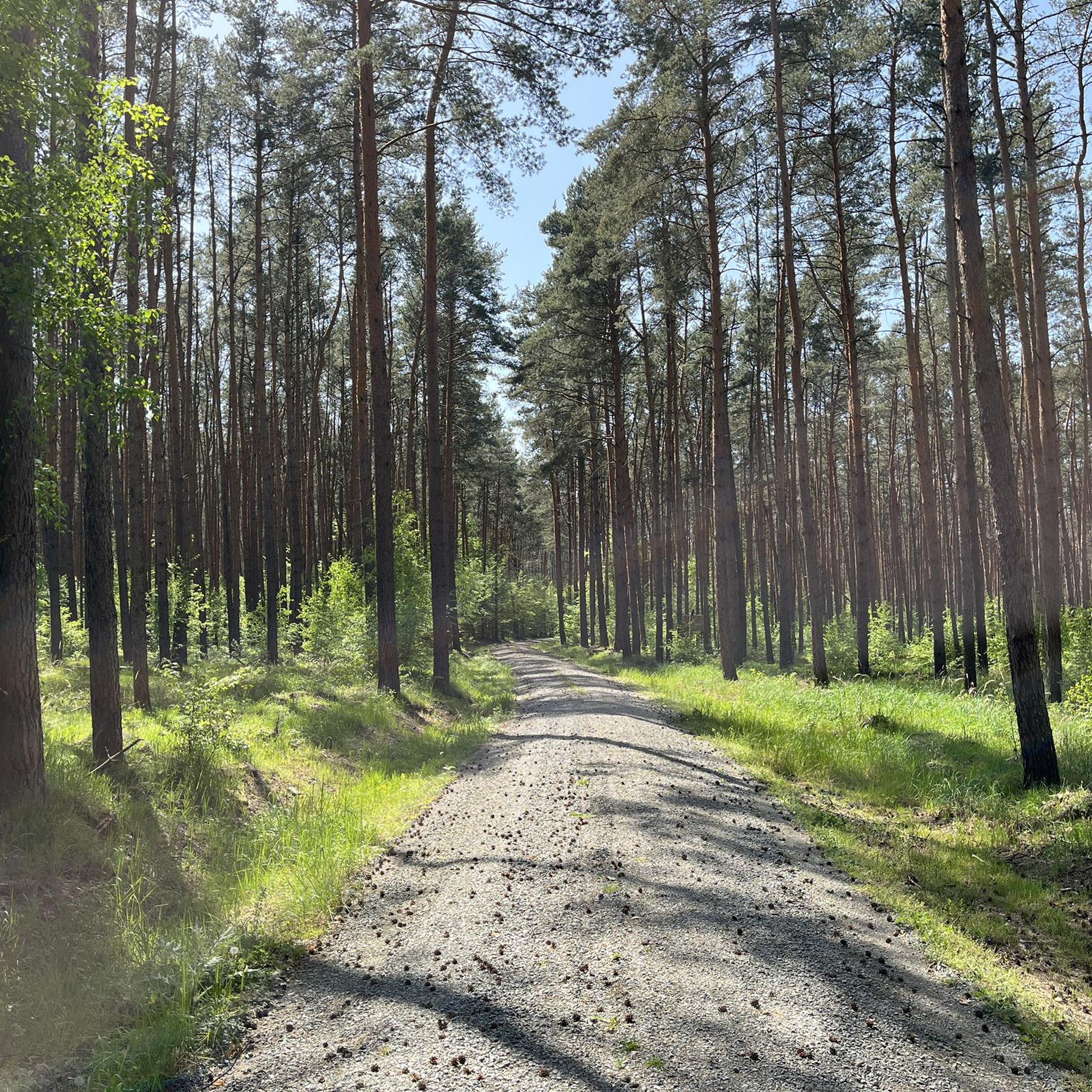
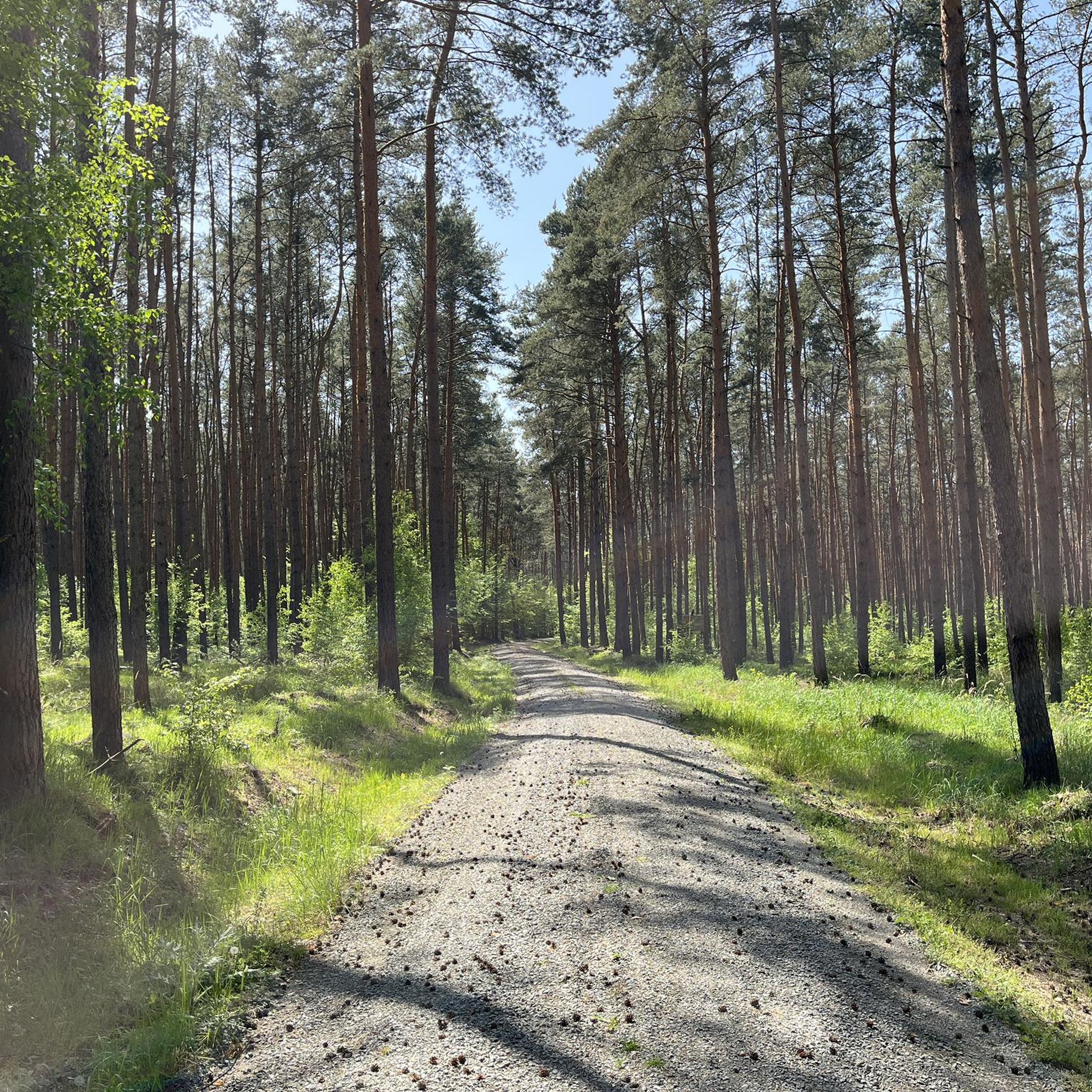
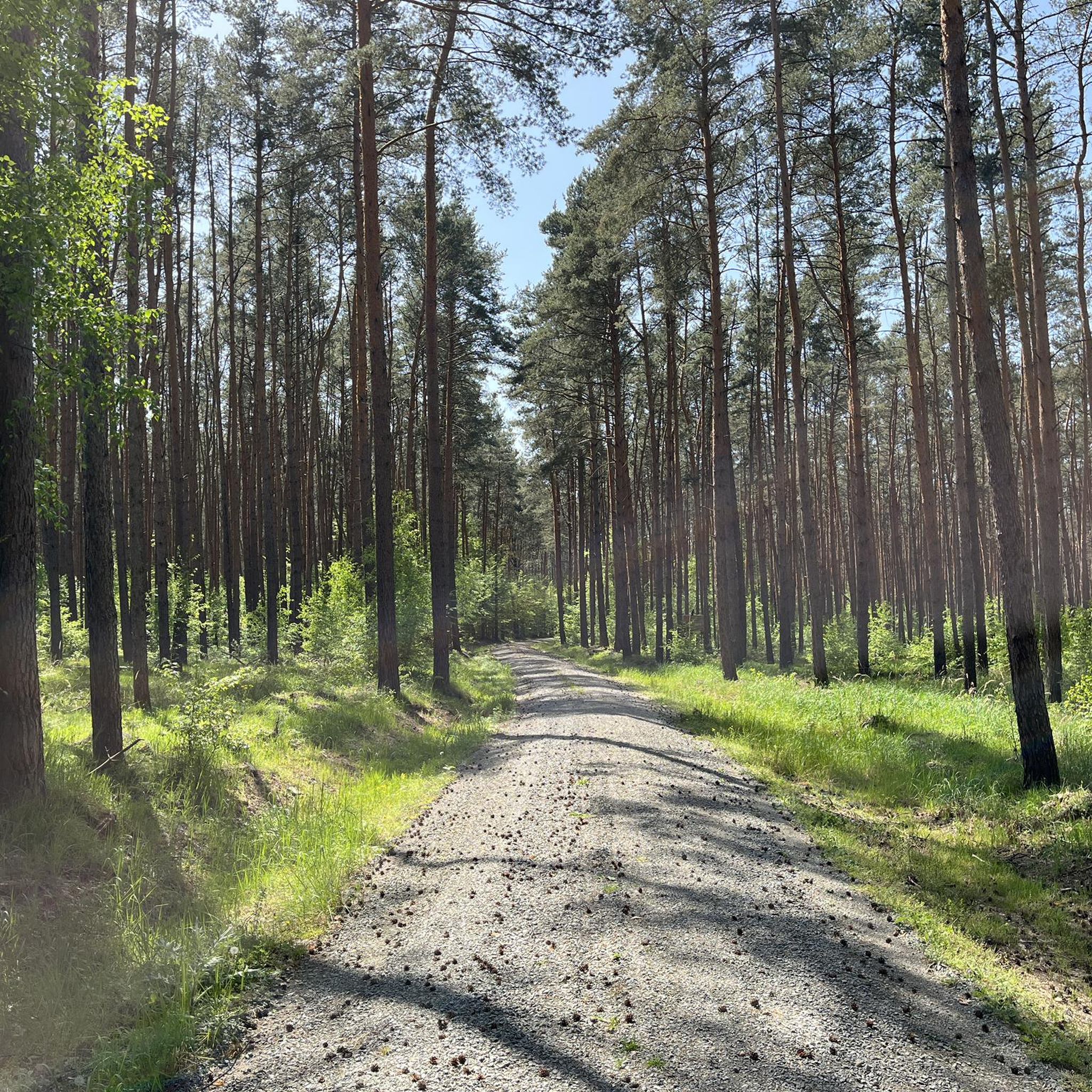
Tips from the Community

Die Heideschänke is a recommendation for a restaurant with very good cuisine. A hikers' rest stop in the beer garden is also so beautiful in nature.
0
0

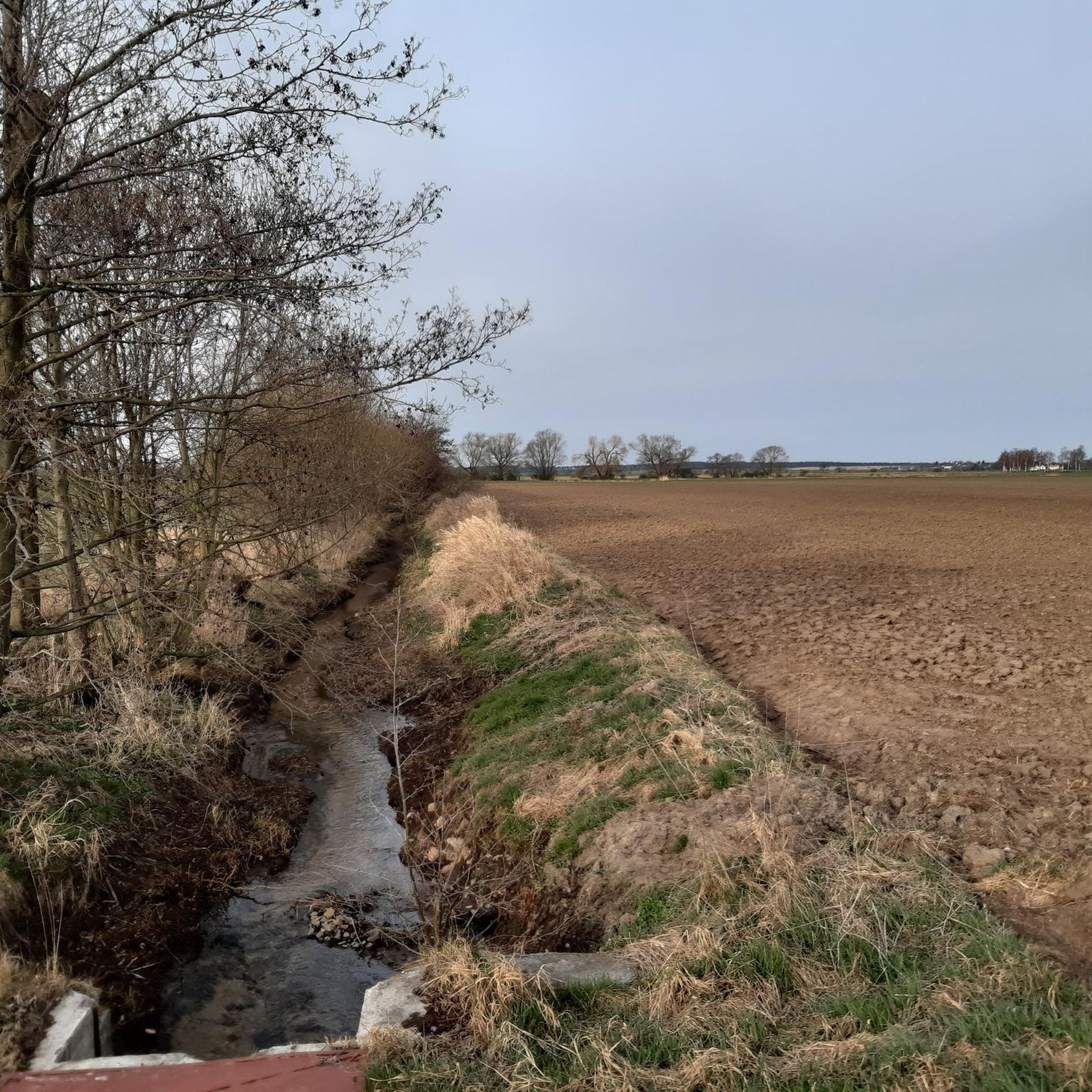
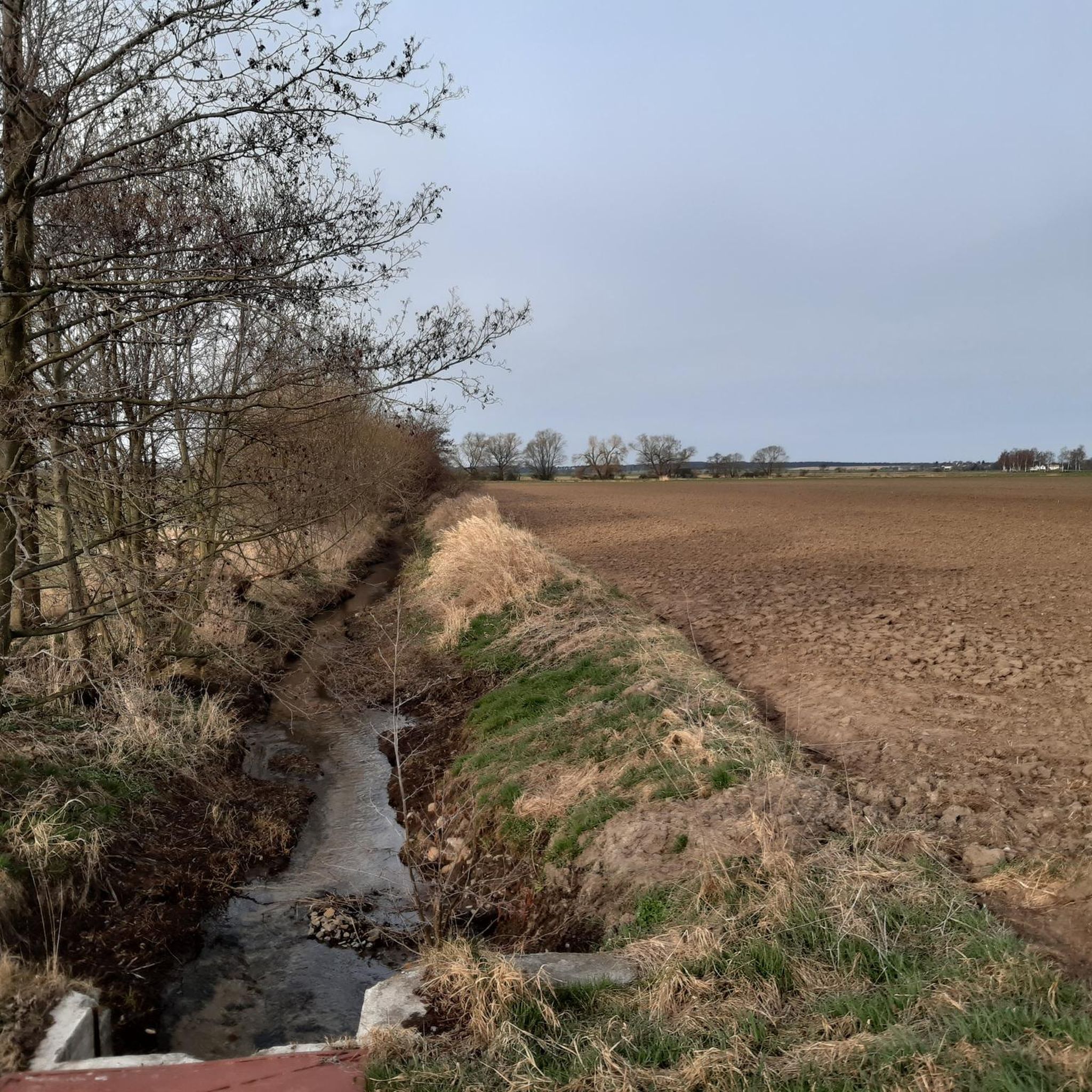
From the small bridge, you have a nice view over the water.
2
0
Invites you to take a short break
0
0
The centerpiece of the furnishings is a late Gothic carved altar from around 1500, which was restored in 1996/97. In the predella, it shows a painted depiction of the Veil of Veronica; in the shrine, a crescent Madonna with Saints Martin and Nicholas on either side. Each wing depicts four saints, whose attributes are partly no longer original, which is why the dating is unclear. On the left are a saint with an ax and Catherine, as well as Cyriacus and Ursula, on the right are Dorothea and Rochus, as well as Barbara and Peter. Of the tracery with five saints, only four pinnacles and a small crucifix above the shrine have been preserved. The octagonal baptismal font from the 17th century shows a pewter baptismal bowl with the year 1653. The small organ with a neo-Gothic prospect and free-standing console is a work from around 1840, probably by Ludwig Weineck or Nicolaus Schrickel. Source: https://de.wikipedia.org/wiki/Dorfkirche_Battaune
1
0
The simple Romanesque hall church is particularly noteworthy for its carefully executed painting, which was probably created around the year 1200. The hall was extended at the end of the 15th century, and the windows were enlarged at the beginning of the 19th century. The murals have been uncovered since 1997. The towerless building has an apse and a half-hipped roof. The Romanesque part consists of bog iron ore, the extensions to the west were made of rubble stone and brick. On the north and south sides there are (now walled-up) round-arched portals and round-arched windows, in the apse five Romanesque windows, three of which have been widened and two walled up. Inside, the building is covered with a flat roof; simple galleries are installed on three sides, with simple loges from around 1700 on the north and south sides. Under the late Gothic room version with consecration crosses, unusually well-preserved murals in a fine zigzag style have been found in the apse and on the southern wall of the hall. They show the Maiestas Domini with evangelist symbols and probably an extended Deesis in the apse, below prophets and curtain painting. There is an Atlas at each of the corner points of the apse. The Archangel Michael and the Crucifixion are depicted on the eastern wall of the hall. Source https://de.wikipedia.org/wiki/Dorfkirche_Battaune
1
0
Frequently Asked Questions
How many gravel bike trails are available around Mockrehna?
There are over 25 gravel bike trails around Mockrehna, offering a variety of experiences for different skill levels. The komoot community has explored more than 160 gravel biking tours in the region.
What kind of terrain can I expect on gravel bike trails near Mockrehna?
The terrain around Mockrehna is diverse, primarily featuring the extensive mixed forests, tranquil moorlands, and idyllic waters of the Dübener Heide Nature Park. You'll encounter a mix of shady forest paths, blooming meadows, and riparian trails along rivers, with gentle undulations characteristic of the Leipzig Lowland Bay.
What do other gravel bikers enjoy most about the routes around Mockrehna?
The gravel biking routes around Mockrehna are highly rated by the komoot community, with an average score of 4.5 stars. Reviewers often praise the varied terrain, the peaceful atmosphere of the Dübener Heide Nature Park, and the well-maintained network of paths suitable for exploration.
Are there any notable natural features to see while gravel biking in the Mockrehna area?
Absolutely. The region is rich in natural beauty, especially within the Dübener Heide Nature Park, which is known for its extensive mixed forests, mysterious moorlands, and serene lakes. You can also find scenic riparian paths along rivers like the Parthe, offering a mix of natural beauty and open trails.
What historical sites or landmarks can I explore near Mockrehna during a gravel bike tour?
While Mockrehna itself is charming, the broader region offers several historical sites. For instance, you could integrate a visit to Hartenfels Castle in Torgau, a Renaissance masterpiece, or see the Elbe bridge Torgau. Other nearby castles like Thallwitz Castle also offer cultural interest alongside natural exploration.
Are there gravel bike trails suitable for beginners or families around Mockrehna?
Yes, Mockrehna offers several easy gravel bike trails perfect for beginners or family outings. One example is the St. John’s Church Taura – To the Beautiful Beech loop from Belgern-Schildau, which is an easy 8.5 km route with minimal elevation gain.
Are there more challenging gravel bike routes for experienced riders?
Yes, for experienced riders seeking a challenge, there are several difficult routes. The St. John’s Church Taura – Fünf-Hausa Stone Marker loop from Belgern-Schildau is a difficult 24.2 km trail that explores varied surfaces. Another challenging option is the Muldenaue near Eilenburg – Wooden Bridge in Dübener Heide loop from Eilenburg Ost, a 35.1 km route through the Dübener Heide Nature Park.
Is it possible to access gravel bike trails around Mockrehna using public transport?
The region around Mockrehna is part of a larger network that encourages cycling, and some starting points for tours may be accessible via public transport, particularly train stations in nearby towns like Eilenburg or Torgau. It's advisable to check local public transport schedules and bike carriage policies for specific routes.
Where can I find parking for gravel biking trails in the Mockrehna region?
Many trailheads and popular starting points in and around Mockrehna, especially those leading into the Dübener Heide Nature Park or near towns like Torgau and Eilenburg, typically offer designated parking areas for visitors. Look for parking facilities near major access points to the nature park or at the start of specific routes.
What is the best time of year for gravel biking in Mockrehna?
The best time for gravel biking in Mockrehna is generally from spring through autumn. During these seasons, the weather is most favorable, and the natural landscapes of the Dübener Heide are at their most vibrant. While winter cycling is possible, be prepared for colder temperatures and potentially icy or muddy conditions on some trails.
Are there any circular gravel bike routes available around Mockrehna?
Yes, many of the gravel bike routes in the Mockrehna area are designed as loops, allowing you to start and end at the same point. For example, the popular Great Pond, Torgau – Großer Teich Promenade loop from Torgau offers a scenic circular ride around the Great Pond.
Are there any places to stop for refreshments or accommodation along the gravel bike routes?
While Mockrehna itself has local amenities, the broader region, especially in towns like Torgau or Eilenburg, offers cafes, restaurants, and accommodation options. Within the Dübener Heide Nature Park, you might find smaller huts or shelters like the Willi Fischer Shelter or Aeschengrund Shelter, which can be good rest stops.
Most popular attractions around Mockrehna

Get inspired with the komoot mobile app


Explore more
Browse the best Gravel rides in other regions.
