The best gravel rides around Wildenfels
4.4
(48)
273
riders
77
rides
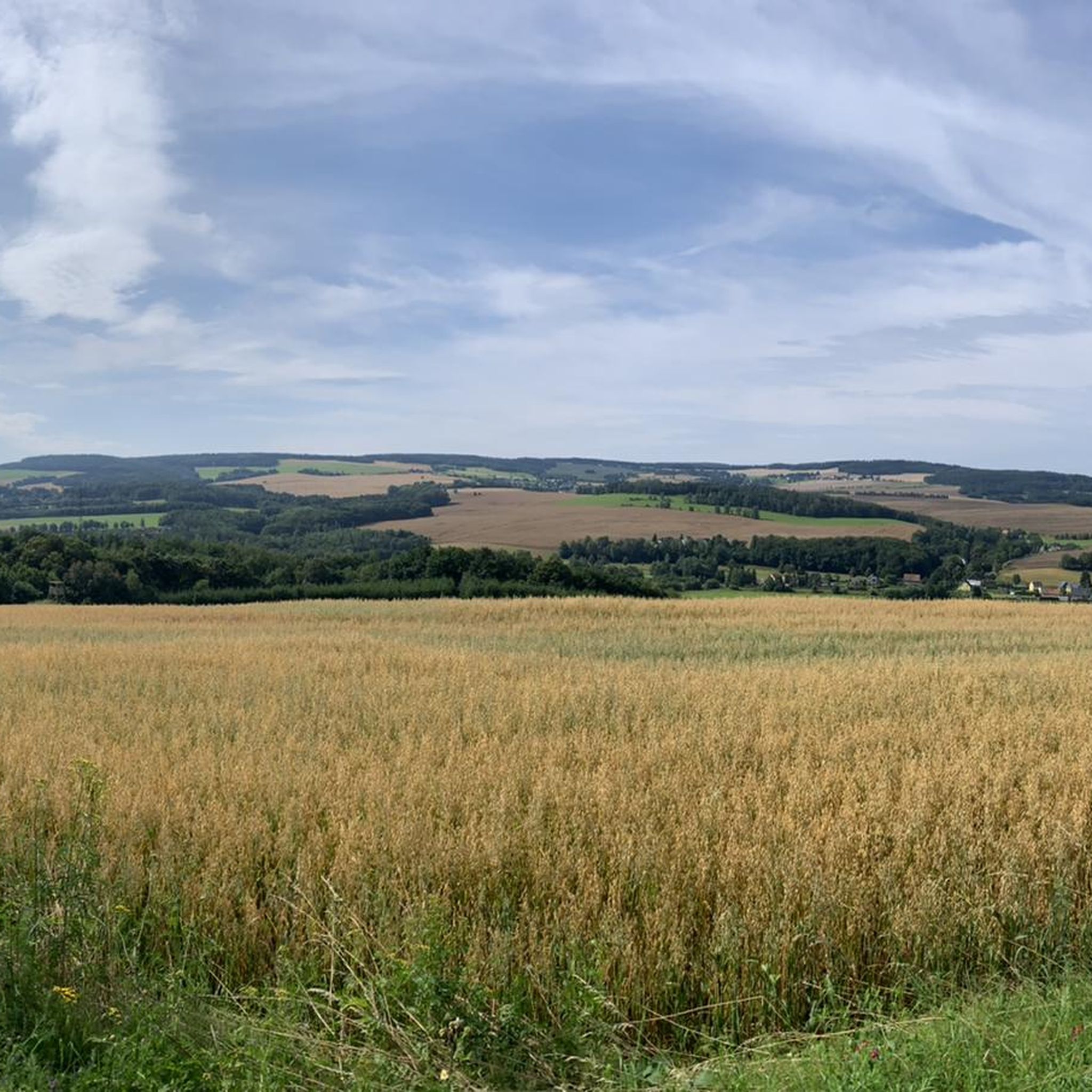
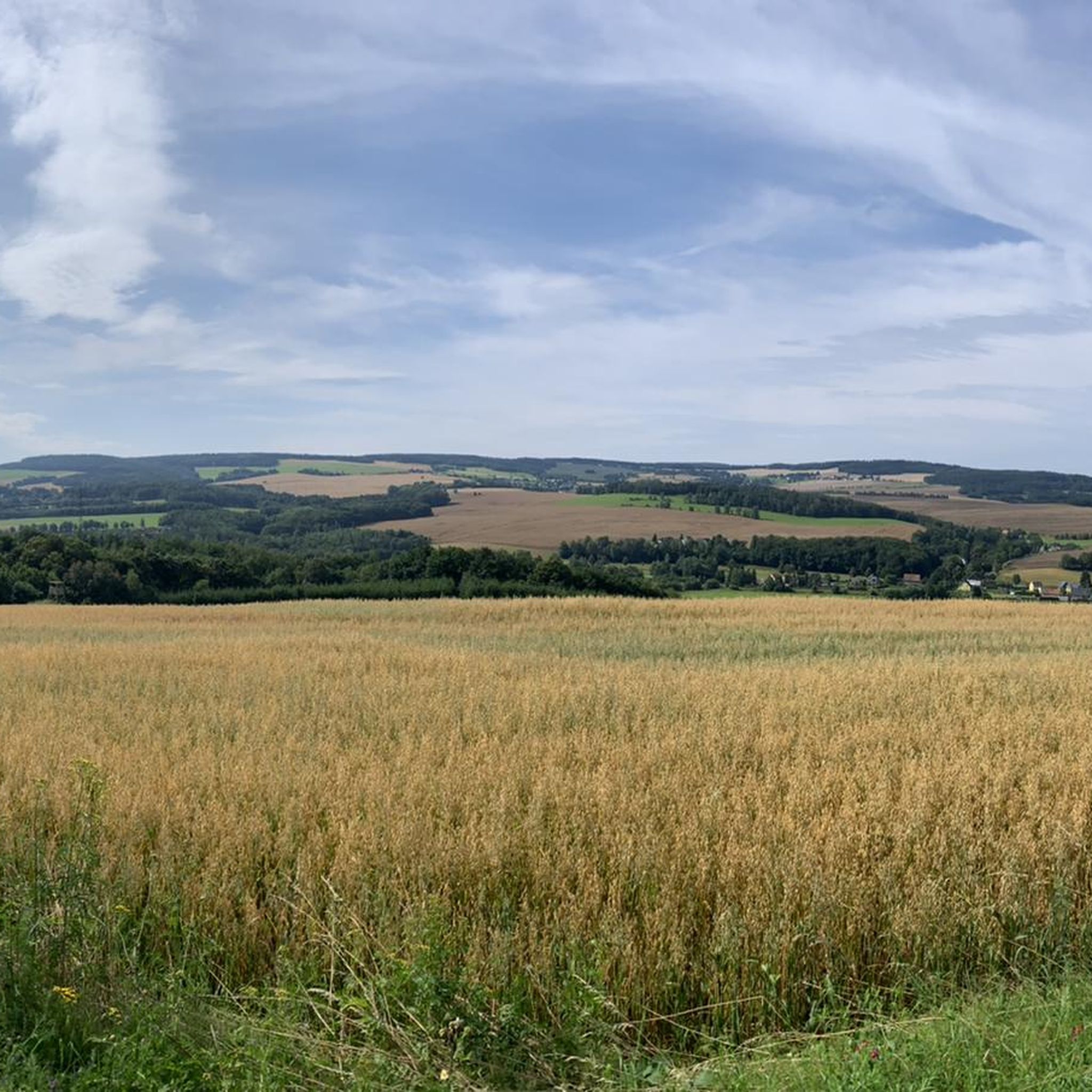
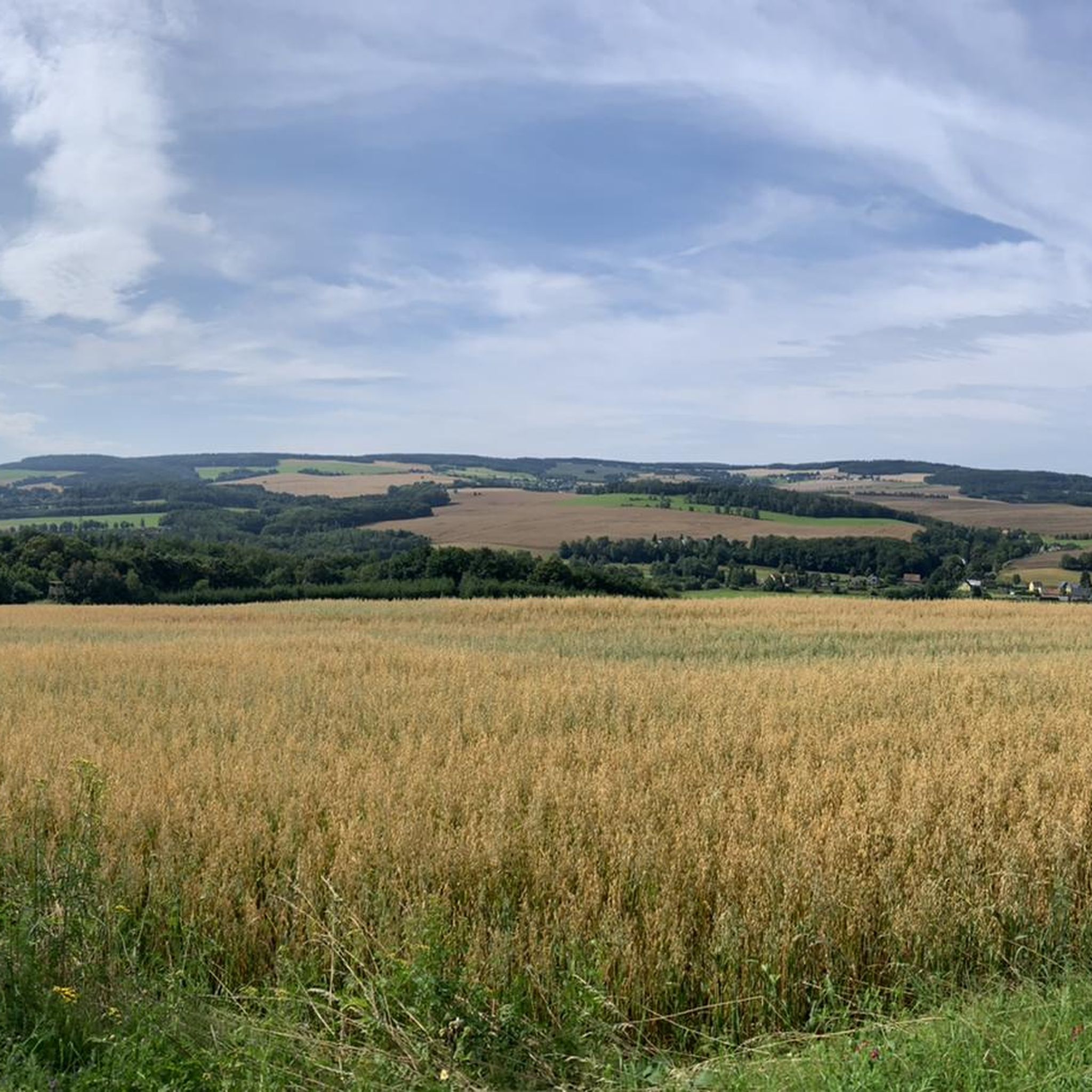
Gravel biking around Wildenfels offers a diverse landscape at the foot of the Ore Mountains, characterized by rolling hills and dense forests. The region's varied topography provides a mix of challenging ascents and rewarding descents, with the unique Wildenfelser Zwischengebirge contributing to varied terrain. Numerous trails wind through lush forests and along the Zwickauer Mulde River, creating scenic backdrops for rides. This area is well-suited for gravel biking, thriving on its mixed surfaces and natural features.
Best gravel bike trails…
Last updated: July 3, 2026
4.0
(2)
19
riders
110km
07:11
1,800m
1,800m
Hard gravel ride. Very good fitness required. Mostly paved surfaces. Suitable for all skill levels.
5.0
(3)
18
riders
56.6km
03:06
470m
470m
Hard gravel ride. Very good fitness required. Mostly paved surfaces. Suitable for all skill levels.

Sign up for free
4.8
(4)
18
riders
Moderate gravel ride. Good fitness required. Mostly paved surfaces. Suitable for all skill levels.
11
riders
Hard gravel ride. Very good fitness required. Mostly paved surfaces. Suitable for all skill levels.
4.0
(1)
8
riders
36.9km
02:04
290m
290m
Moderate gravel ride. Good fitness required. Mostly paved surfaces. Suitable for all skill levels.
Get access to more routes and recommendations from other explorers.
Sign up for free
Already have an account?
Our route recommendations are based on thousands of hikes, rides, and runs completed by other people on komoot.
Start today with a free account
Your next adventure awaits.
Login or Signup
Tips from the Community

well-developed and also flat cycle path.
0
0

Recommended for very hot days, as a large part of the route runs through shady forest
0
0


With every step, closer to the summit – the Fichtelberg climb on the Stoneman Miriquidi Road. From the intersection, it's not far anymore, and motivation gets a final boost.
1
0
Always beautiful 👍🏻
0
0

The large peace bell on the Fichtelberg had to remain silent for six months in 2024. Stone throwing in May 2022 had so badly damaged the bell that its sound suffered. It was decided to stop ringing it and replace it with a new one. The old bell rang for the last time on Easter Monday 2024. Just in time for the mountain service on German Unity Day on October 3, the new bell was officially rung for the first time in the fall of 2024. The idea of using a peace bell to commemorate the peaceful revolution of 1989 in the GDR and German reunification in 1990 came from watchman Gerd Schlesinger and night watchman Jörg Eller from the Ore Mountains town of Schwarzenberg. The bell was also intended to be heard in neighboring Czechia and thus ring for a united Europe. The cast steel bell, already ninety years old at the time, was rung for the first time in 2010. The new bell was cast in Innsbruck by the Grassmayr company. At 2,700 kilograms, it is about 1,100 kilograms heavier than the old bell.
17
1
The first weather observer on this summit was the innkeeper of the Fichtelberghaus. He recorded his weather observations from 1890 onwards, but from 1898 onwards only intermittently, and from 1910 onwards not at all. The head of the Royal Saxon State Meteorological Observatory, Paul Schreiber, suggested the construction of a permanent weather observatory. Temperature, wind speed, and precipitation amounts have been continuously recorded here since January 1, 1916. The strongest storm recorded here was on January 3, 1976, with a peak gust speed of 216 kilometers per hour. The coldest day on the summit was February 9, 1956, with minus 30.4 degrees Celsius; the warmest was July 27, 1983, with plus 30.8 degrees Celsius. The highest snow cover was measured in March 1944: 3.35 meters. The year 1951 was bad for Fichtelberg tourists: it held the record for foggy days with 315.
13
1

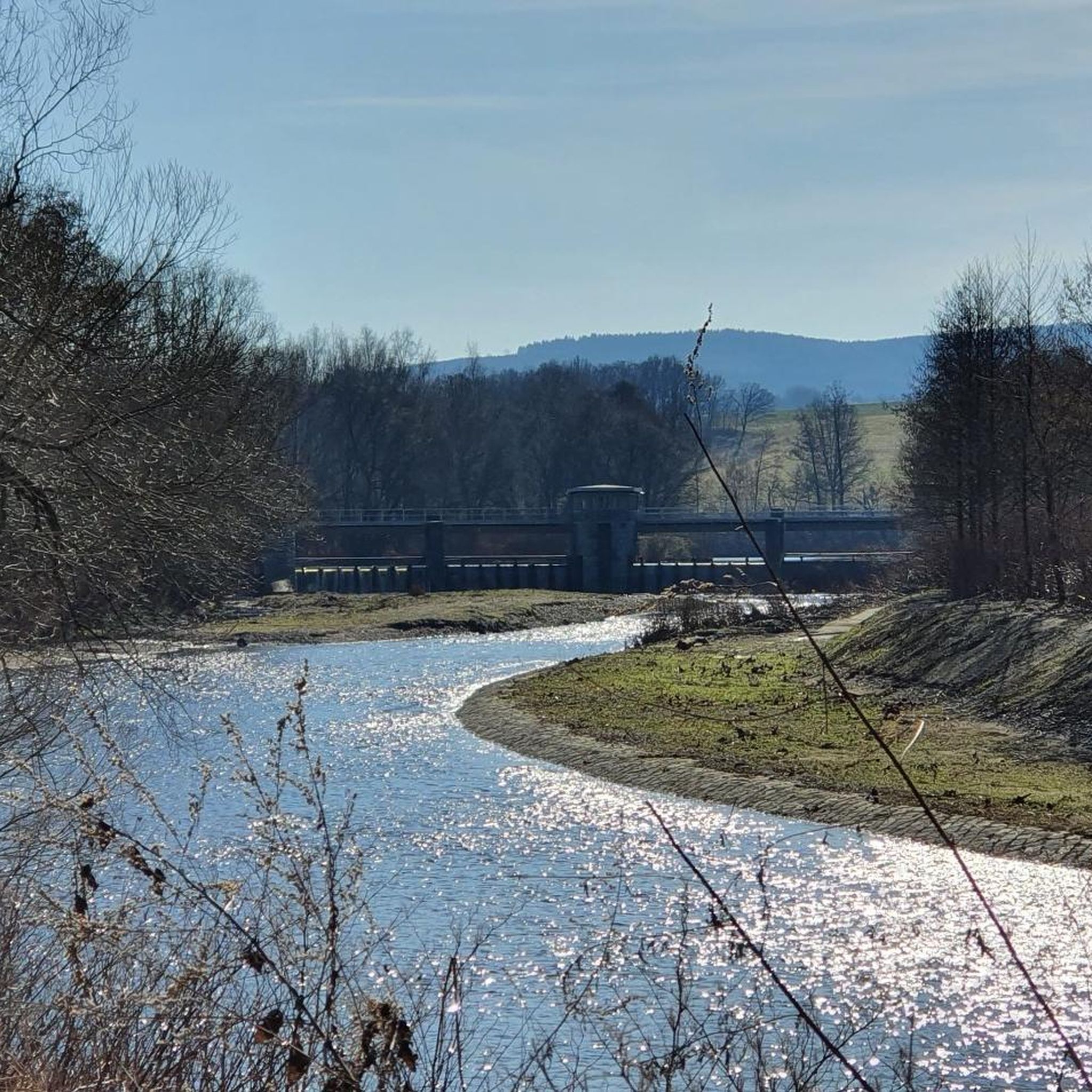
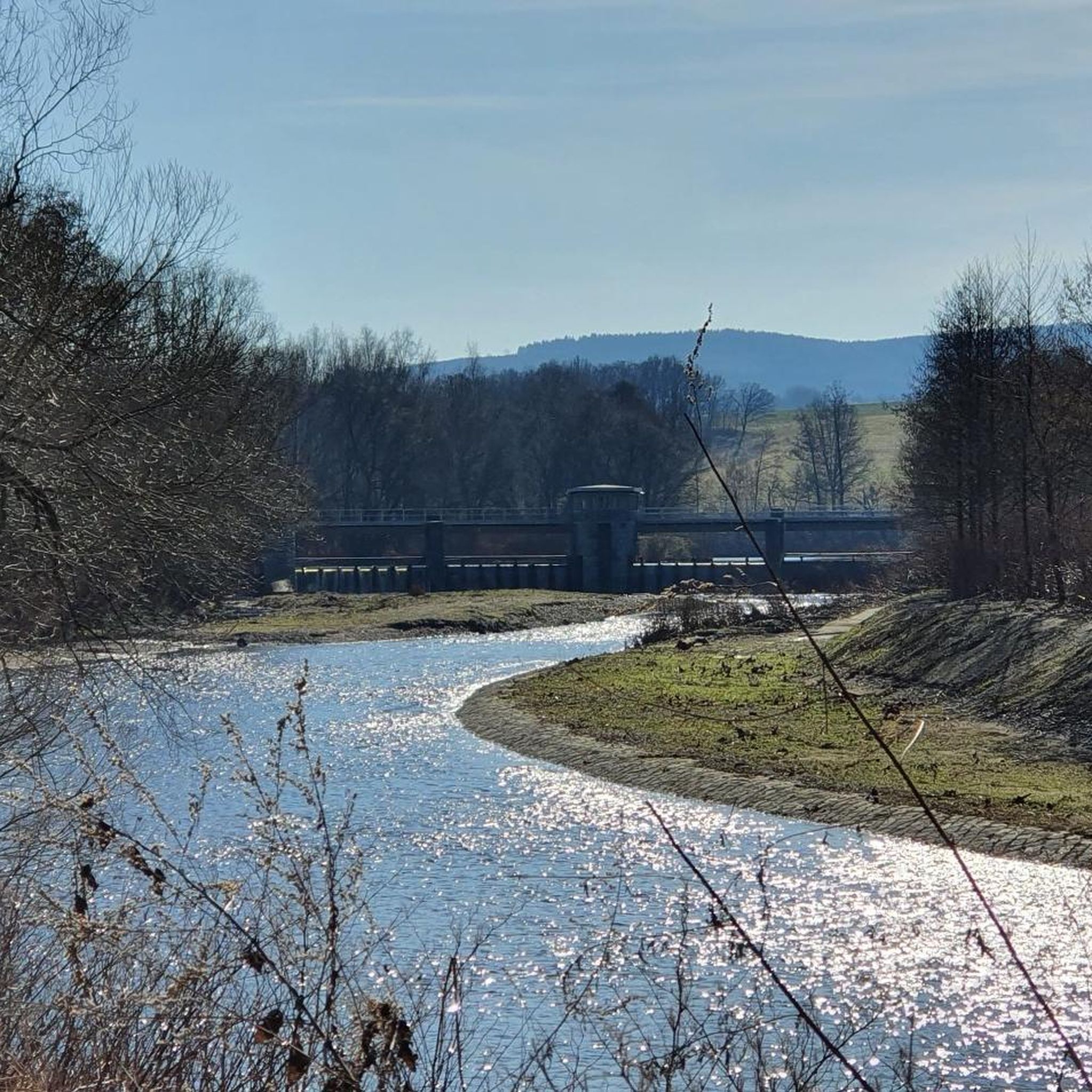
Here's the bike path over the Mulde. A quick photo on the bridge is a must.😀
0
0
Frequently Asked Questions
How many gravel bike trails are available around Wildenfels?
There are over 150 gravel bike trails around Wildenfels, catering to various skill levels. You'll find 7 easy routes, 76 moderate routes, and 75 difficult routes to explore.
What kind of terrain can I expect on gravel bike trails in Wildenfels?
The Wildenfels region, nestled at the foot of the Ore Mountains, offers a diverse landscape. Expect a mix of rolling hills, dense forests, and varied topography with both challenging ascents and rewarding descents. Many trails also follow river valleys, such as the Mulde, providing scenic, mixed-surface riding.
Are there any family-friendly gravel bike routes in Wildenfels?
While many routes in Wildenfels are moderate to difficult, there are 7 easy routes suitable for families or those looking for a more relaxed ride. These typically feature less elevation gain and smoother surfaces, often found along river paths or through flatter forested areas.
What are some notable landmarks or viewpoints I can see along the gravel bike trails?
Many trails offer scenic views and pass by interesting landmarks. You might encounter historical sites like Wildenfels Castle, which offers great views, or other castles such as Stein Castle. The region also features natural viewpoints like Dr. Köhler Tower and Glöckner Inn on the Gleesberg, offering panoramic vistas of the surrounding valleys and the Ore Mountains foothills.
Are there any circular gravel bike routes in the Wildenfels area?
Yes, many of the gravel bike routes around Wildenfels are designed as loops, allowing you to start and finish at the same point. For example, the Tuchmacherdamm – Crossen Weir loop from Silberstraße is a moderate 32.8 km circular trail that takes you through river valleys.
What is the best time of year for gravel biking in Wildenfels?
The region is enjoyable for gravel biking throughout much of the year. Spring and autumn offer pleasant temperatures and beautiful scenery with changing foliage. Summer is also great, especially for trails that pass by lakes or rivers like the Koberbachsee, where you can cool off. Winter riding is possible, but some trails might be affected by snow or ice, particularly at higher elevations in the Ore Mountains foothills.
Are there any long-distance or challenging gravel bike routes for experienced riders?
Absolutely. For experienced gravel bikers seeking a challenge, the region offers 75 difficult routes. A prime example is the Fichtelberghaus – Fichtelberg Ascent loop from Ortmannsdorf, a demanding 110.8 km trail with significant elevation gain through the Ore Mountains foothills, typically taking around 8 hours 50 minutes to complete.
What do other gravel bikers enjoy most about riding in Wildenfels?
The gravel biking experience in Wildenfels is highly rated by the komoot community, with an average score of 4.5 stars from over 200 reviews. Riders often praise the diverse landscape, the mix of challenging ascents and rewarding descents, and the scenic routes through dense forests and along the Mulde River valley. The variety of terrain and the natural beauty are frequently highlighted.
Can I find routes that follow the Mulde River?
Yes, the Mulde River is a significant feature of the region, and several gravel bike routes incorporate sections of the Mulde Cycle Path. This path is known for its tree-lined avenues, offering a scenic and often shaded ride. An example is the Zwickauer Mulde River Trail – Iron Bridge Over the Mulde loop from Hartenstein, a moderate 37.3 km route.
Are there any routes that offer views of the Ore Mountains?
Given Wildenfels' location at the foot of the Ore Mountains, many routes provide glimpses or expansive views of the range. Trails that venture into the foothills, such as the challenging Fichtelberghaus – Fichtelberg Ascent loop from Ortmannsdorf, offer direct engagement with the mountain landscape and its characteristic topography.
Are there any gravel bike trails suitable for beginners?
Yes, beginners can find suitable options among the 7 easy routes available. These trails are generally shorter and have less demanding elevation profiles, making them perfect for those new to gravel biking or looking for a leisurely ride to enjoy the scenery without significant physical challenge.
What is the typical duration for gravel bike tours in Wildenfels?
Tour durations vary widely depending on the route's length and difficulty. Shorter, moderate routes like the Tuchmacherdamm – Crossen Weir loop from Silberstraße can be completed in about 2 hours. Longer, more difficult tours, such as the Fichtelberghaus – Fichtelberg Ascent loop from Ortmannsdorf, can take over 8 hours.
Most popular routes around Wildenfels
Most popular attractions around Wildenfels

Get inspired with the komoot mobile app


Explore more
Browse the best Gravel rides in other regions.
