The best gravel rides around Sulzdorf an der Lederhecke
4.7
(10)
107
riders
34
rides
Gravel biking around Sulzdorf an der Lederhecke offers diverse landscapes within the Rhön-Grabfeld district of Bavaria. The region features rolling hills, dense forests, and a mix of gravel paths, forest tracks, and asphalt suitable for gravel bikes. The terrain includes picturesque valleys, such as the Sulz valley, and notable natural features like the Reuthsee, one of Lower Franconia's largest natural lakes. This varied environment provides a suitable setting for different gravel biking experiences.
Best gravel bike trails around Sulzdorf an…
Last updated: July 16, 2026
4.5
(4)
15
riders
56.6km
03:43
720m
720m
Hard gravel ride. Very good fitness required. Mostly paved surfaces. Suitable for all skill levels.
5
riders
59.4km
04:17
990m
990m
Hard gravel ride. Very good fitness required. You may need to push your bike for some segments of this route.

Sign up for free
9
riders
Hard gravel ride. Very good fitness required. Mostly paved surfaces. Suitable for all skill levels.
4.0
(1)
7
riders
Hard gravel ride. Good fitness required. You may need to push your bike for some segments of this route.
5.0
(1)
8
riders
Hard gravel ride. Good fitness required. You may need to push your bike for some segments of this route.
Get access to more routes and recommendations from other explorers.
Sign up for free
Already have an account?
Our route recommendations are based on thousands of hikes, rides, and runs completed by other people on komoot.
Start today with a free account
Your next adventure awaits.
Login or Signup
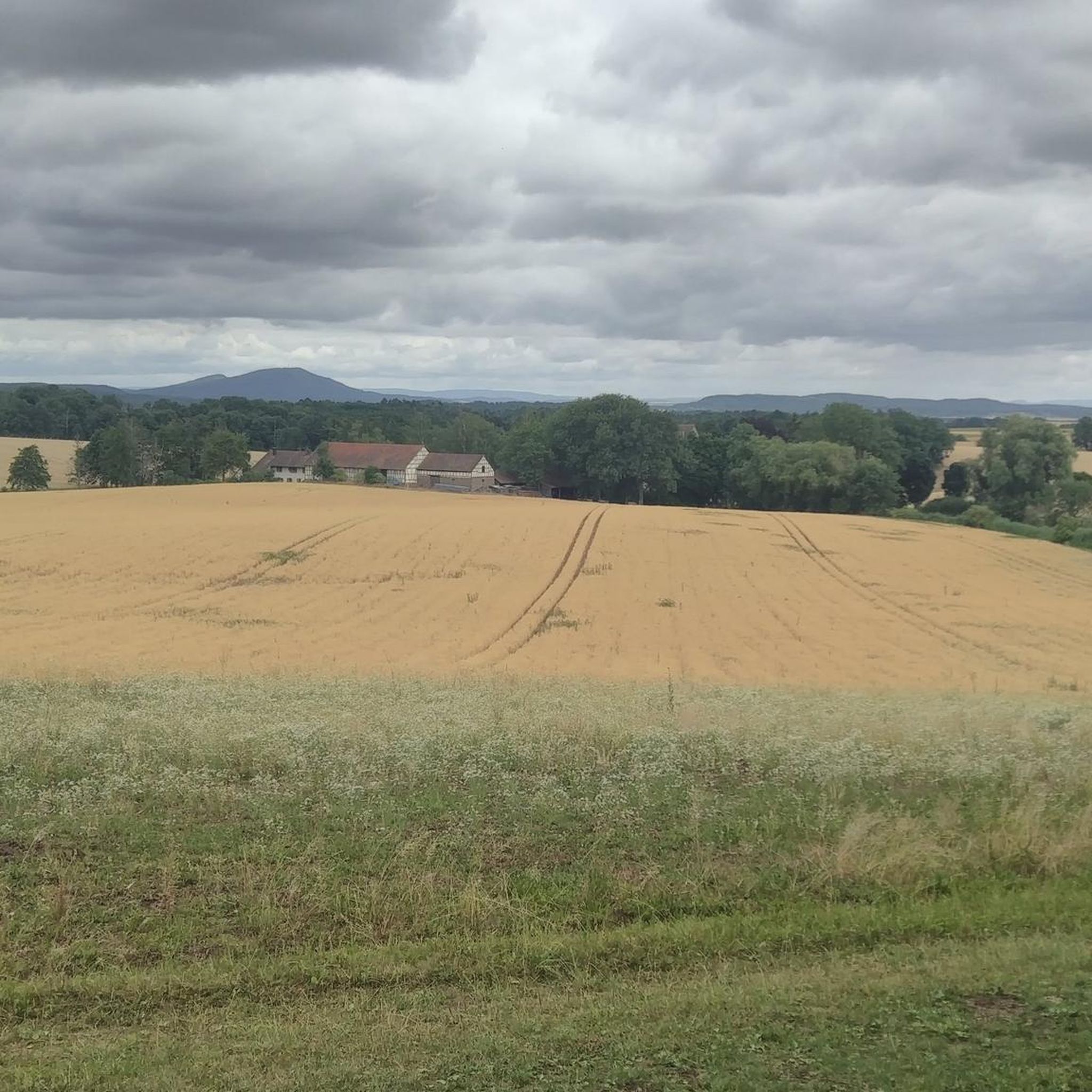
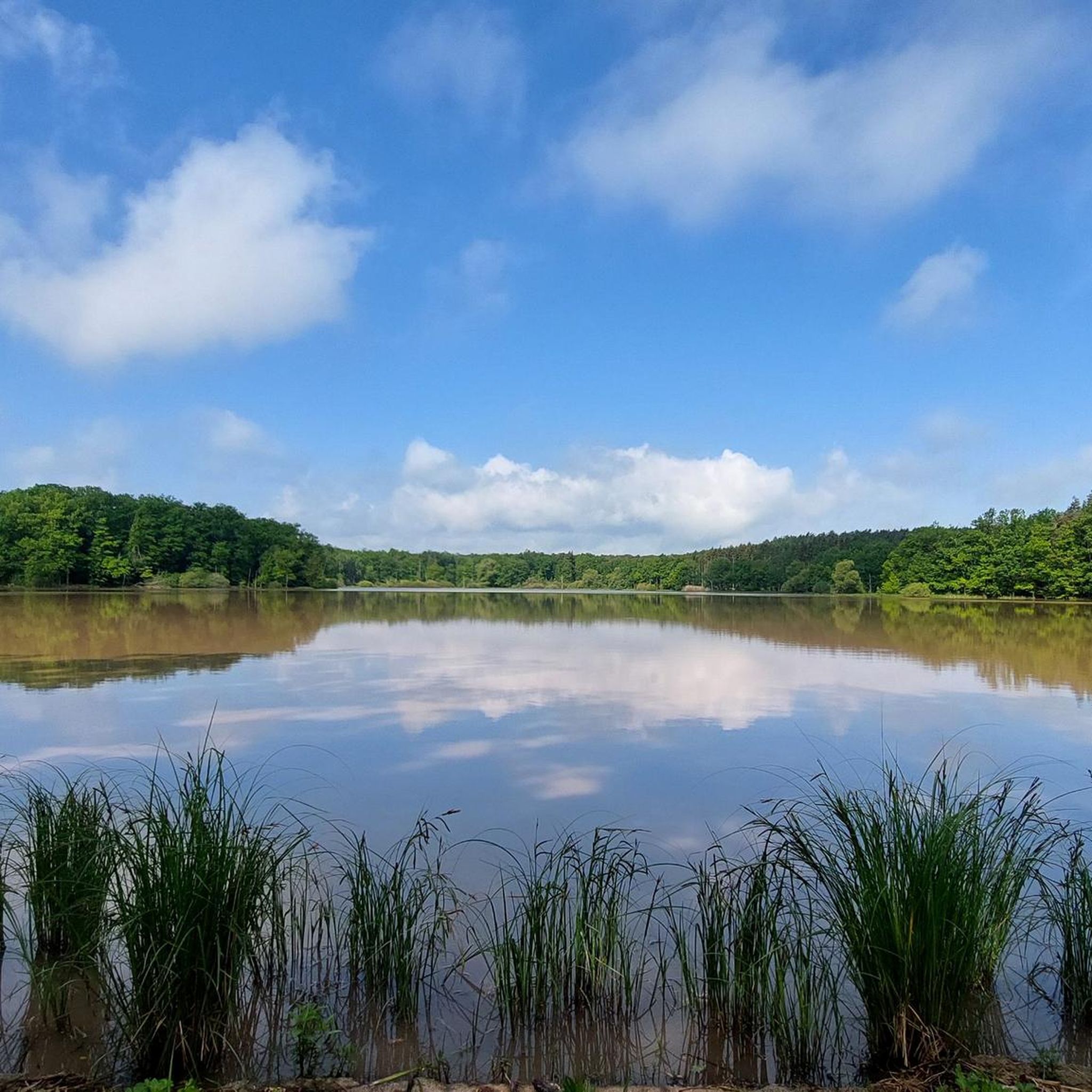
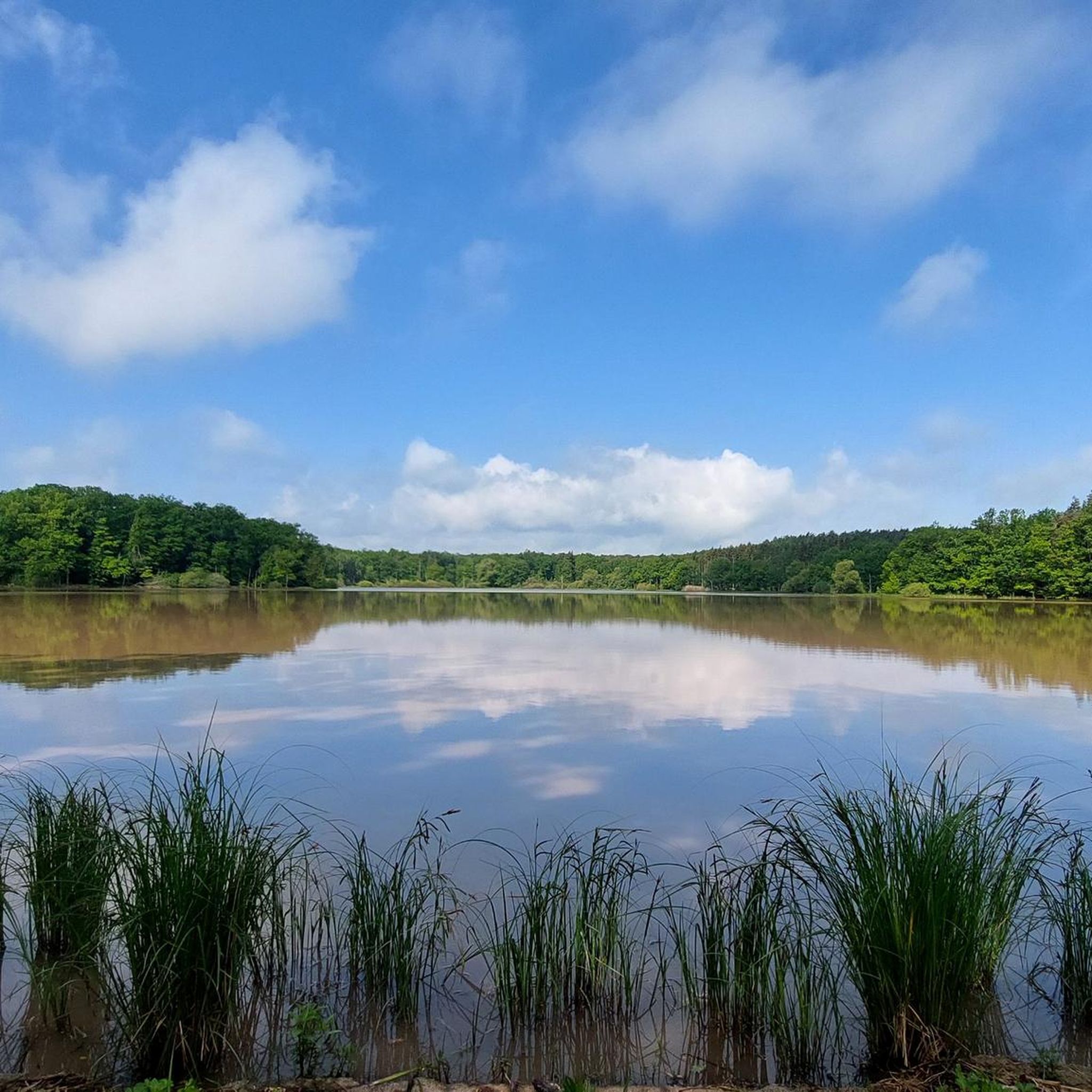
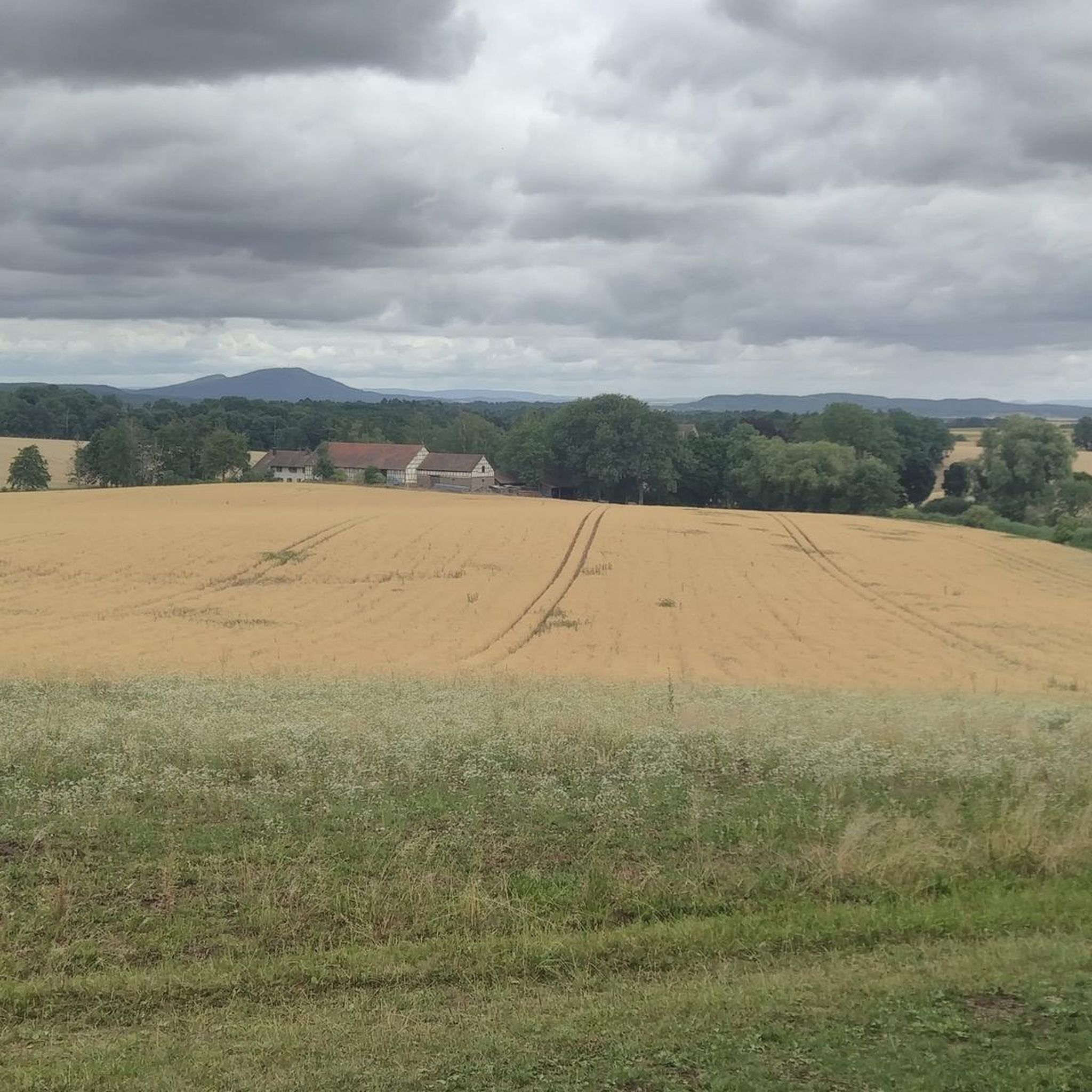
Tips from the Community

Friesenhausen Castle was built as a moated castle in the 13th/14th century.
12
0

Welcome to Friesenhausen Castle The small village of Friesenhausen, part of the municipality of Aidhausen, is beautifully situated at the foot of the Haßberge hills. Along with the Protestant St. George's Church and the Catholic Church of the Assumption of Mary, Friesenhausen Castle is a defining feature of the village. The current building dates back to a Gothic castle surrounded by a moat. In the 16th century, a Renaissance palace was built over the castle courtyard and later converted into a Baroque palace. Further details can be found under the section on the castle's history. To commemorate the village's 1200th anniversary in 2016, a historical guide to Friesenhausen Castle will be published, containing a detailed history of the castle's construction as well as numerous illustrations. The property is privately owned and is generally not open to the public. Groups of 20 or more can request a guided tour by contacting us. Photography is not permitted inside the castle, and animals are not allowed on the premises. On Sunday, September 11, 2016, this year's Open Monument Day will take place. On this occasion, Friesenhausen Castle will open its gates from 12 pm to 5 pm (guided tours will be offered by family members; a small contribution towards expenses is requested). Coffee and cake will also be available. Larger groups can register for the event on this day by contacting us. http://www.schloss-friesenhausen.de/index.html
1
1
Architectural History of Friesenhausen Castle Around the year 1300, several local lords held sway in Friesenhausen simultaneously. A Gothic moated castle in a small lake existed from approximately 1300 to 1741 and was at times owned by the Truchseß von Wetzhausen family. Traces of this family can still be found in the Protestant Church of St. George. The Gothic lake castle, however, was demolished in 1741, and the lake was filled in with the rubble. The present Renaissance-Baroque castle in Friesenhausen also originates from a Gothic castle, which, however, did not stand in the adjacent lake but was surrounded by a moat. Around 1563, the married couple Schenk von Ostheim-Steinau von Steinrück built a Renaissance castle over the Gothic moated castle, incorporating the castle courtyard. The conversion to a Baroque castle and further construction work were carried out under the Würzburg Cathedral canon Johann Philipp Fuchs von Dornheim and the Lords von... Dalberg, who embellished the entire complex with numerous additions such as the gate and the equestrian statues. In 1940, Franz Karl Prince zu Salm-Salm acquired the castle, but resided there only temporarily. As early as 1938, it had served as quarters for women of the Reich Labor Service, later as accommodation for prisoners of war, a military hospital for wounded German soldiers, and finally as a transit camp for expellees from Silesia and the Sudetenland. Subsequently, Caritas Würzburg established a retirement home there, which remained in operation until March 1957. After this intensive use, the building stood empty for 16 years, which is why Prince Salm sold the urgently needed renovation of the castle to the von Eichborn family in March 1973. You can read the detailed, richly illustrated architectural history in our newly published 2016 art guide. http://www.schloss-friesenhausen.de/baugeschichte.html
1
1

From here you have a beautiful view of Königsberg Castle.
2
0

A bit narrow in places, but the surface is good. There are often beautiful views over the river.
9
0

A beautiful path leads all the way around Lower Franconia's largest lake. The lake is a great place for a break. You can grab a snack at the kiosk and, if the weather's nice, sit on the sandy beach.
0
0
The old town of Königsberg impresses with its wonderful half-timbered houses.
12
0
Frequently Asked Questions
What kind of terrain can I expect on gravel bike trails around Sulzdorf an der Lederhecke?
The region offers a diverse mix of landscapes, including rolling hills, dense forests, and picturesque valleys like the Sulz valley. You'll encounter a variety of surfaces, from gravel paths and forest tracks to sections of asphalt, making it ideal for gravel bikes, mountain bikes, or robust trekking bikes.
How many gravel bike trails are available in the Sulzdorf an der Lederhecke area?
There are over 50 gravel bike trails around Sulzdorf an der Lederhecke, catering to various skill levels. The majority are moderate to difficult, with a few easier options available for those seeking a more relaxed ride.
Are there any easy gravel bike routes suitable for beginners or families?
While most routes in the area are rated moderate to difficult, there is at least one easy gravel bike trail available. For a more relaxed experience, consider exploring the well-developed network of paths around the Kuhsee Poppenhausen or the scenic Sulz Valley, which offers narrow paths through dense forests alongside a soothing stream.
What are some notable natural attractions or landmarks I can see while gravel biking?
You can explore several natural and historical highlights. The Kuhsee Poppenhausen is a significant natural lake. For panoramic views, the Schwedenschanze Observation Tower offers expansive vistas across the Haßberge, Grabfeld, and Rhön regions. You might also encounter the picturesque Sulz Valley and the smaller Lederheckensee.
Are there any castles or historical sites along the gravel routes?
Yes, the region is rich in history. You can admire the well-preserved Brennhausen Castle, a moated castle dating back to the 13th century, or the early Baroque Sternberg Castle. The area also features Celtic burial mounds in the forests north and south of the Reuthsee, adding a historical dimension to your ride.
What do other gravel bikers say about the trails in Sulzdorf an der Lederhecke?
The gravel biking routes in Sulzdorf an der Lederhecke are highly rated by the komoot community, with an average score of 4.6 stars from over 16 reviews. Many riders praise the varied terrain, the scenic beauty of the forests and lakes, and the challenging yet rewarding nature of the trails.
Are there any circular gravel bike routes in the area?
Yes, many of the gravel bike routes around Sulzdorf an der Lederhecke are designed as loops. For example, the View of Lake Ellertshäuser – Baunachsee loop from Sulzfeld and the Sulzfelder Lake – Beer Garden at Sulzfeld Bathing Lake loop from Bad Königshofen im Grabfeld are popular circular options that allow you to start and finish in the same location.
Can I find places to rest or get refreshments along the trails?
While specific cafes directly on every trail might vary, the region has several huts and rest areas. The Gerichtsberg Rest Area and the Hexenhügel Shelter are examples of places where you can take a break. Additionally, towns and villages in the Rhön-Grabfeld district often offer opportunities for refreshments.
What is the best season for gravel biking in Sulzdorf an der Lederhecke?
The diverse landscapes, including forests and lakes, make the region appealing throughout much of the year. Spring and autumn generally offer pleasant temperatures and beautiful scenery. Even in winter, when the Reuthsee freezes, it becomes a spot for winter sports, suggesting the area remains accessible and scenic, though trail conditions will vary.
Is there public transport access to Sulzdorf an der Lederhecke for cyclists?
While specific public transport options directly tailored for cyclists with bikes might require checking local schedules, Sulzdorf an der Lederhecke is situated within the Rhön-Grabfeld district of Bavaria. For detailed information on bus or train connections to the region, it's advisable to consult local public transport providers or the FrankenTourismus website for regional travel information.
Where can I park my car when starting a gravel bike tour?
While specific parking locations for every trail are not detailed, many routes start from or pass through towns and villages like Sulzfeld or Bad Königshofen im Grabfeld. These locations typically offer public parking facilities. It's recommended to check the starting points of your chosen route for the most convenient parking options.
Are there any challenging gravel bike routes for experienced riders?
Absolutely. The majority of gravel bike routes in this area are rated as difficult, offering significant elevation changes and longer distances. Trails like the Jägerpfad Schwedenschanze – Trail to Schwedenschanze loop from Sulzfeld, with nearly 1000 meters of elevation gain over 59.4 km, provide a demanding experience for seasoned gravel bikers.
Most popular routes around Sulzdorf an der Lederhecke
Most popular attractions around Sulzdorf an der Lederhecke

Get inspired with the komoot mobile app


Explore more
Browse the best Gravel rides in other regions.
