The best gravel rides around Groß Gerungs
4.6
(10)
60
riders
18
rides
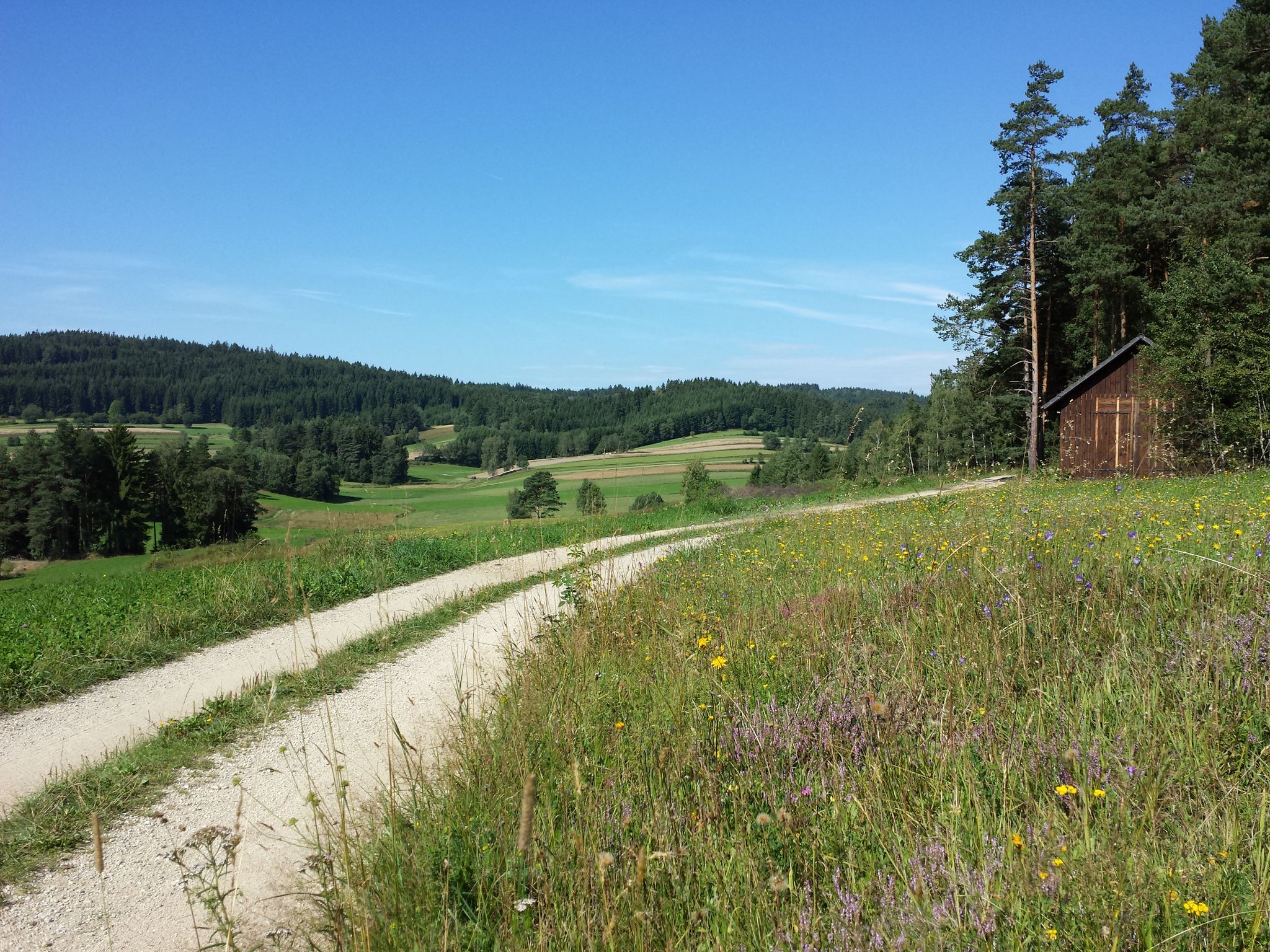
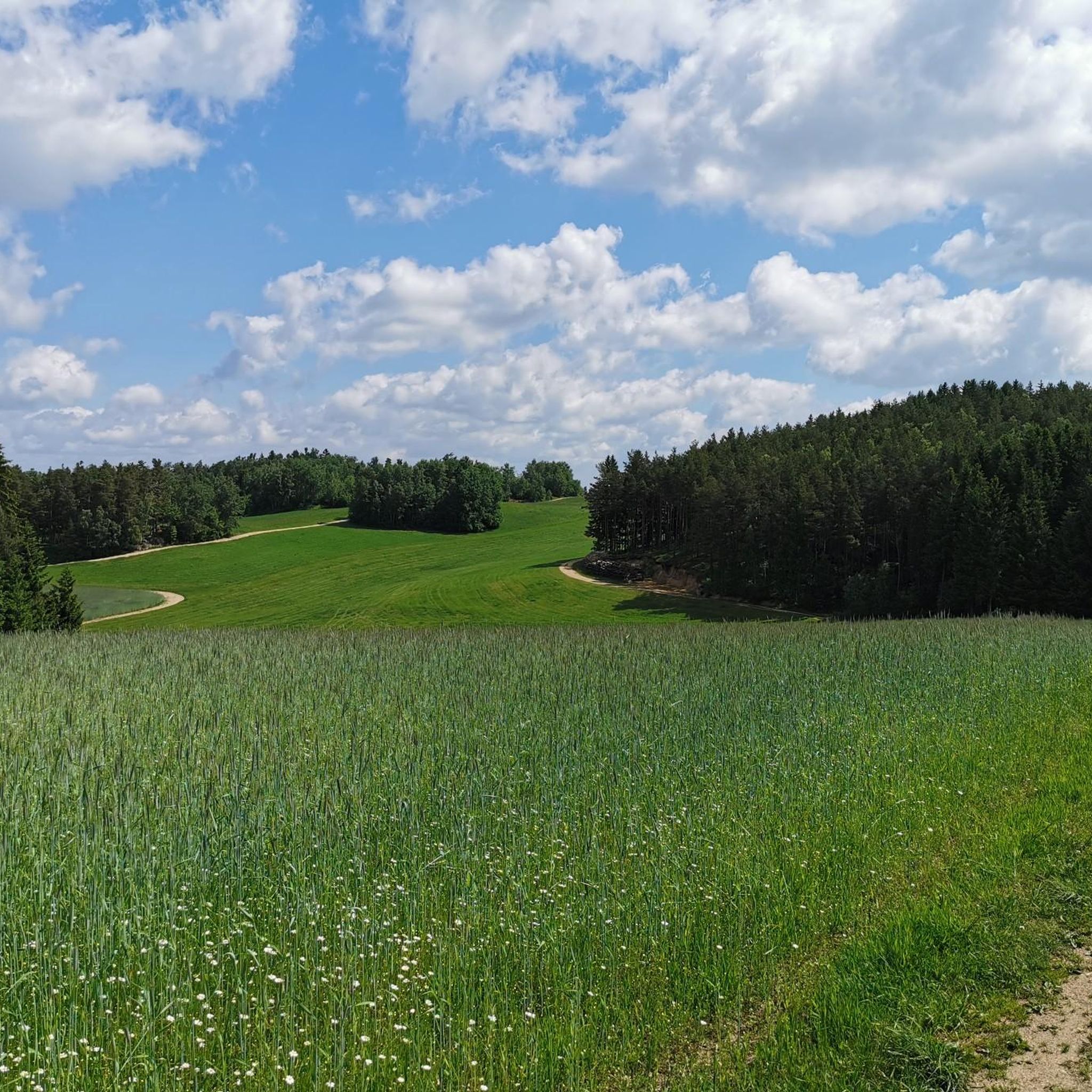
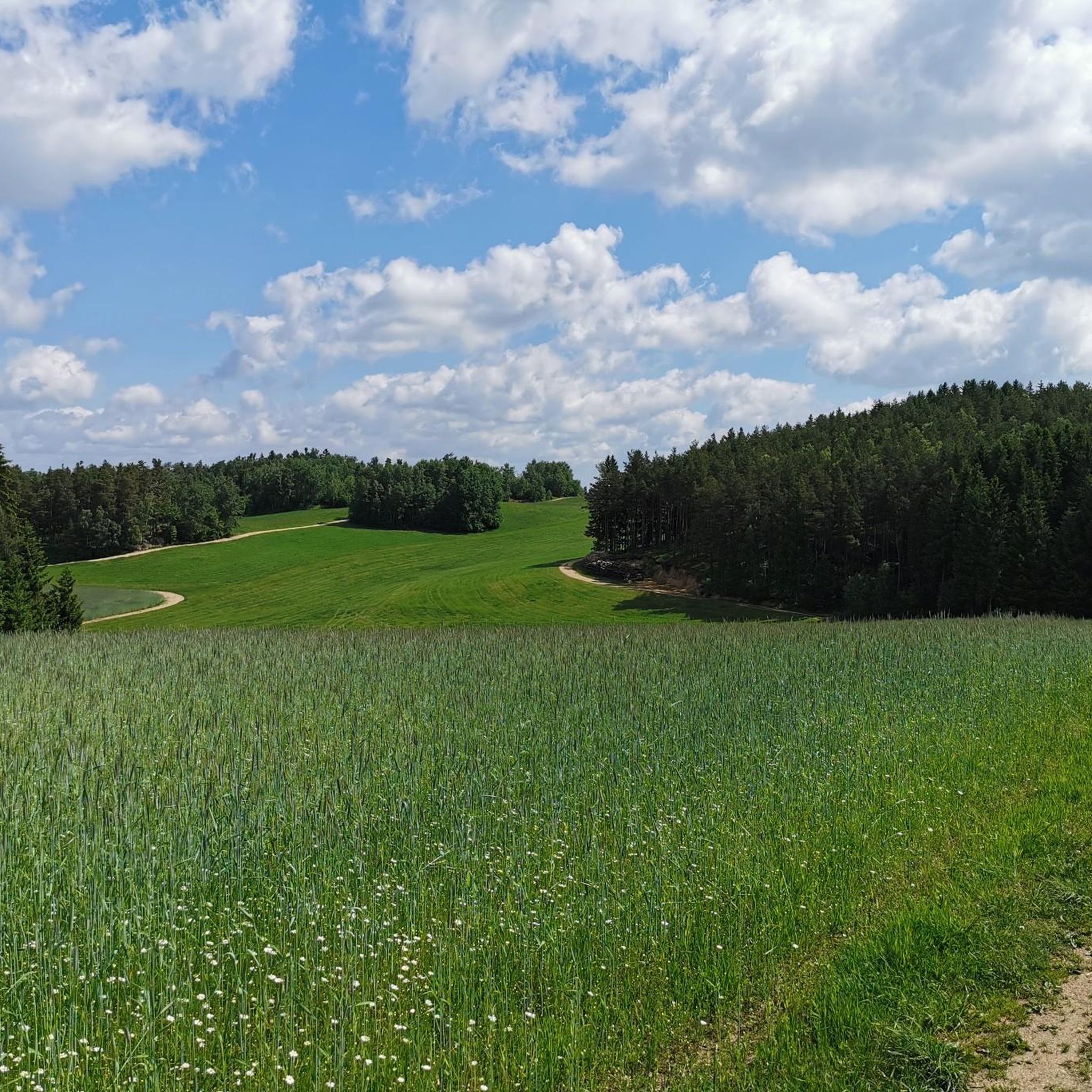
Gravel biking around Groß Gerungs offers diverse landscapes in the Waldviertel highlands of Austria. The region features gently rolling hills, extensive forests, and numerous granite-rock formations. Cyclists can expect varied terrain with a mix of ascents and descents, ideal for gravel exploration. The average elevation is around 751 meters, providing a good range of gradients.
Best gravel bike trails around Groß Gerungs
- The most popular gravel bike trail is Rubner Pond in the Tannermoor – Rubenerteich loop from Liebenau,…
Last updated: July 2, 2026
4.0
(1)
4
riders
14.7km
01:08
250m
250m
Hard gravel ride. Good fitness required. You may need to push your bike for some segments of this route.
4.0
(1)
5
riders
57.5km
04:03
1,120m
1,110m
Hard gravel ride. Very good fitness required. Mostly paved surfaces. Suitable for all skill levels.

Sign up for free
4
riders
48.2km
03:15
690m
690m
Hard gravel ride. Very good fitness required. Mostly paved surfaces. Suitable for all skill levels.
3
riders
12.7km
00:53
150m
150m
Easy gravel ride. Great for any fitness level. Mostly paved surfaces. Suitable for all skill levels.
2
riders
33.8km
02:32
560m
560m
Hard gravel ride. Very good fitness required. Mostly paved surfaces. Suitable for all skill levels.
Get access to more routes and recommendations from other explorers.
Sign up for free
Already have an account?
Our route recommendations are based on thousands of hikes, rides, and runs completed by other people on komoot.
Start today with a free account
Your next adventure awaits.
Login or Signup
Other adventures around Groß Gerungs

Tips from the Community

At the Kamp, above Zwettl, a weir with a mill race and a power station were to be built, in which two turbines with a total of 100 HP would generate enough electricity to operate at least 950 light bulbs in Zwettl, each with a luminous intensity of 16 standard candles. [The "standard candle" was an old unit of measurement for luminous intensity = the light of a paraffin candle with a diameter of 20 mm, whose wick was trimmed so that the flame burned 50 mm high.] Initially, it was planned to generate high-voltage direct current, which was to be transported to Zwettl via an approximately 2.8 km long overhead line to a transformer. The costs for all preparatory work (including land and usage rights acquired as early as April 1892) were borne in equal parts by Wichtl, Göschl, and Löscher out of their own pockets.
0
0
In 1892, when the use of electrical energy was still in its infancy worldwide, three Zwettl businessmen made the bold decision to build an "electrical power and light central" (= a power plant) in this city. They were the 40-year-old master miller Alois Wichtl (Kuenringerstraße 3), the innkeeper Karl Löscher (Ottenschlager Straße 2), then just 38 years old, and the 43-year-old master cabinetmaker Friedrich Göschl (Kamptalstraße 22). They consulted the Viennese electrical engineer Franz Kröttlinger and became convinced that they had found the ideal location for their power plant in the Kamptal, near the Gschwendtmühle. Here, both the drop, water level, and water volume seemed suitable for the project to the technician.
0
0
In 1984, the municipality, in cooperation with the Nature Friends and the local savings bank, created a memorial plaque with a relief image of Emperor Franz Joseph. The monument is still popularly called Kaiserbüste (Emperor's Bust), even though there is no longer a bust of an emperor here.
0
0
The old cult object, a statue of the Virgin with Child, has now been displaced by the construction of a Lourdes grotto and a statue of Our Lady of Lourdes. To the left of the grotto stands Saint Francis of Assisi in a semicircular niche. The statue depicts the saint in his characteristic brown habit, accompanied by an ox. He carries a crozier and holds a book, referring to his role as a religious role model and founder of an order. In the ivy-covered Lourdes grotto stands a statue of the Virgin of Lourdes. She wears a white dress with a blue sash. To the right of the grotto stands Saint Florian in a semicircular niche. He is depicted as a Roman soldier with armor, a cloak, and a spear.
0
0

Cozy resting place in the forest along the mountain bike trail.
0
0

At the beginning of the 13th century, Hadmar II of Kuenring had the castle town of Weitra built. Since its founding, Weitra held the central military, administrative, judicial, and ecclesiastical functions in the so-called "Districtus Witrensis" (District of Witrensis). It was also a central market town and refuge in times of war. In the 16th century, the castle was rebuilt into a magnificent Renaissance palace according to plans by Pietro Ferrabosco. In 1994, the palace was renovated by Prince Johannes zu Fürstenberg and opened to the public. More on the history: https://de.wikipedia.org/wiki/Schloss_Weitra
1
0

The imposing Weitra Castle sits atop a hill above the equally beautiful old town and is a sight to behold from all directions. Current information on history and events is available at https://schloss-weitra.at/
0
0
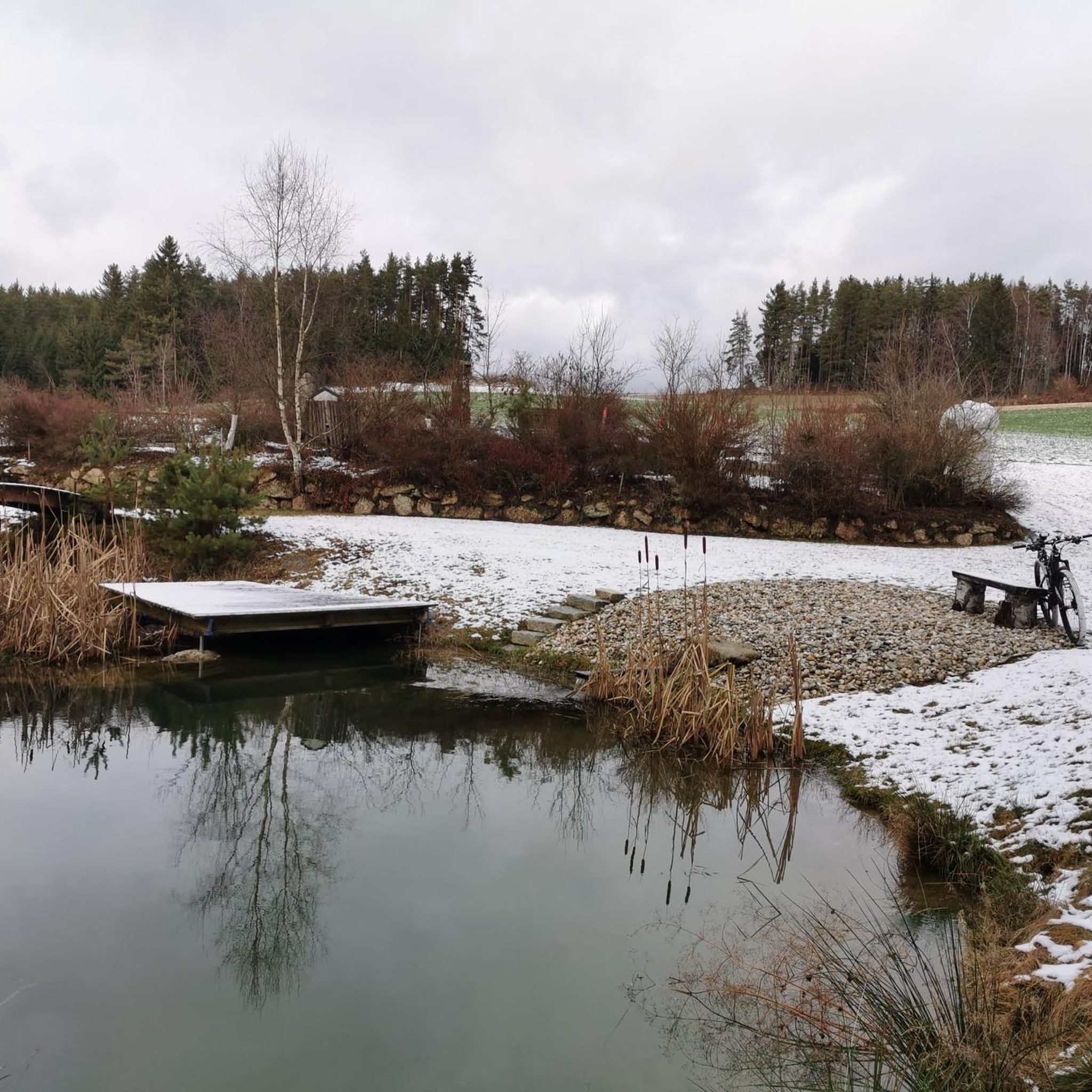
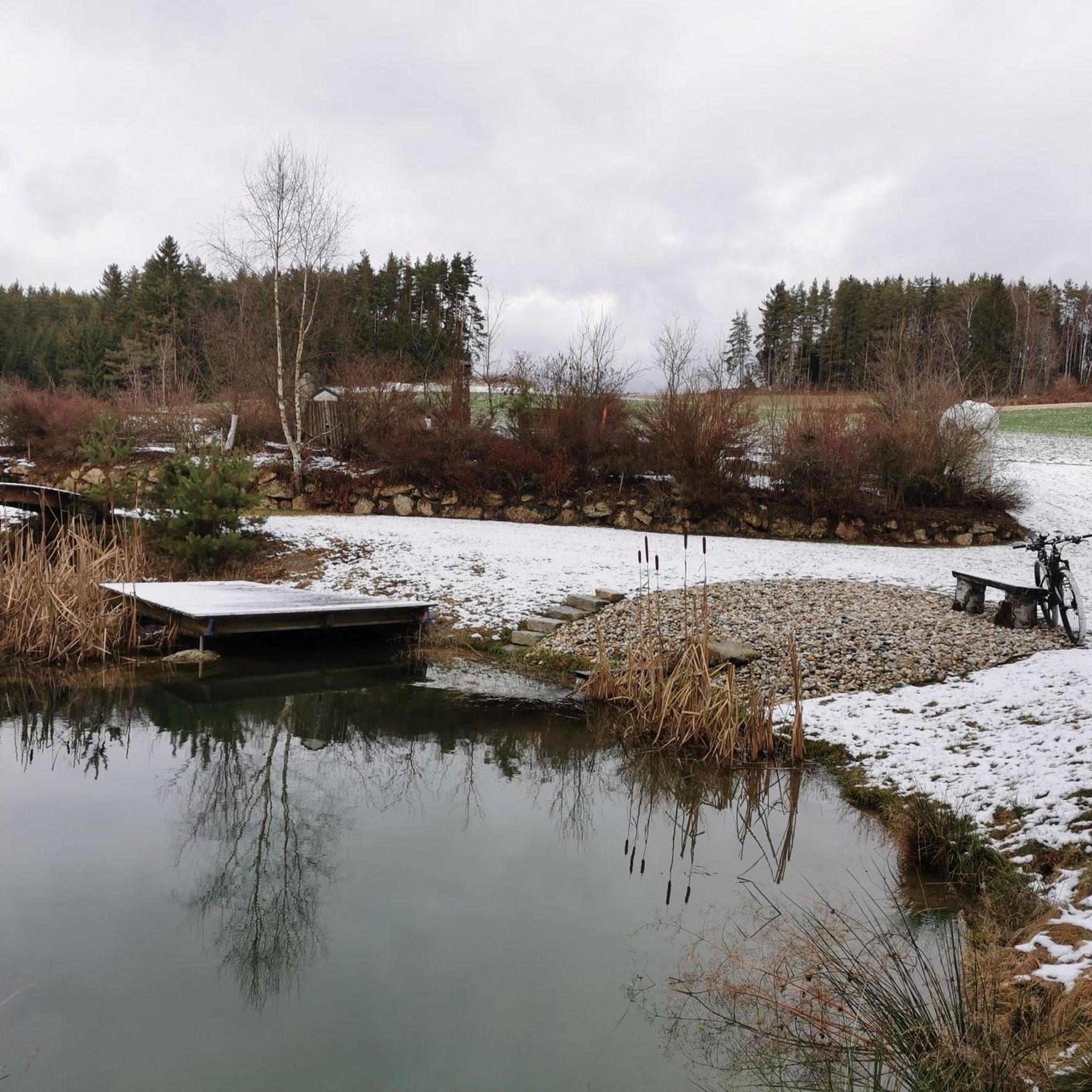
Unfortunately, there's barely a clear view of the fenced-in area anymore – the surrounding trees block the view. A few buildings above the pond are still visible, but there's no sign of any habitable barrels.
0
0
Frequently Asked Questions
How many gravel bike trails are available in Groß Gerungs?
Groß Gerungs offers a wide selection of gravel biking routes, with over 20 trails available for exploration. These routes cater to various skill levels, ranging from easy to difficult.
Are there gravel routes suitable for beginners or families in Groß Gerungs?
Yes, Groß Gerungs has routes suitable for less experienced riders and families. For an easier option, consider the Kaiser Franz Joseph Memorial – Center of Zwettl loop from Moidrams, which is rated as easy and covers about 12.7 km.
What kind of terrain can I expect on gravel bike trails in Groß Gerungs?
The terrain around Groß Gerungs is characterized by gently rolling hills, extensive forests, and distinctive granite-rock formations. You'll encounter a good mix of ascents and descents, with an average elevation of around 751 meters, providing varied and engaging gravel riding.
Are there any long-distance gravel routes in the Groß Gerungs area?
For those seeking a longer ride, the Rubner Pond in the Tannermoor – Rubenerteich loop from Liebenau is a challenging 57.6 km trail that takes you through the unique Tannermoor. Another substantial option is the Lainsitz River – St. Wolfgang Church loop from Groß Gerungs, spanning 49.3 km.
Can I find circular gravel bike routes around Groß Gerungs?
Absolutely. Many of the gravel routes in Groß Gerungs are designed as loops, allowing you to start and finish in the same location. An example is the Klaus Chapel – Klaus Chapel loop from Groß Gerungs, a moderate 17.5 km trail that explores local forests and landmarks.
What unique natural features or attractions can I see along the gravel trails?
The region is rich in natural beauty and mystical 'Kraftarena' sites. You might encounter the picturesque Lohnbach Waterfall, the ancient Rubner Pond in the Tannermoor, or fascinating granite formations like the Wackelstein (Wobbling Stone) in Pierbichlwald. The Along the Granittrail – Groß Gerungs Railway Station loop from Arbesbach is a great way to experience the granite landscape.
Are there any castles or historical sites accessible from the gravel routes?
Yes, the Waldviertel region is dotted with historical sites. While cycling, you might find opportunities to visit impressive structures like Burg Rappottenstein or the Arbesbach Castle Ruins. These can often be reached via short detours from the main gravel paths.
What do other gravel bikers say about the trails in Groß Gerungs?
The gravel biking routes in Groß Gerungs are highly regarded by the komoot community, holding an average rating of 4.5 stars from over 6 reviews. Riders frequently praise the diverse landscapes, the quiet forest paths, and the unique geological features that make for a memorable experience.
Are there any mountain huts or cafes along the gravel routes for a break?
While specific cafes on every route are not guaranteed, the region does feature spots like the Nebelstein Hut, a popular destination for bikers, which can be accessed via gravel paths. Many villages along the routes will also offer opportunities for refreshments.
What is the best time of year for gravel biking in Groß Gerungs?
The diverse landscapes of Groß Gerungs are enjoyable throughout much of the year. Spring and autumn offer pleasant temperatures and vibrant scenery, while summer provides longer daylight hours. Even winter can be an option for experienced riders, though conditions may vary.
Are there any challenging gravel trails for advanced riders?
Absolutely. Groß Gerungs offers several difficult routes for experienced gravel bikers. These trails often feature significant elevation changes and technical sections, providing a rewarding challenge. For example, both the Rubner Pond and Lainsitz River loops are rated as difficult.
Most popular routes around Groß Gerungs
Most popular attractions around Groß Gerungs

Get inspired with the komoot mobile app


Explore more
Browse the best Gravel rides in other regions.
