The best gravel rides around Gnadenwald
4.1
(18)
81
riders
9
rides
Gravel biking around Gnadenwald offers diverse terrain at the foot of the Alpenpark Karwendel nature reserve in Tyrol, Austria. The region features a mix of paved surfaces, gravel paths, and forest roads, providing varied experiences for cyclists. Riders can explore routes within the Karwendel Nature Park, which is characterized by wild mountain valleys and notable peaks. The landscape also includes views of the Inn Valley and access to idyllic alpine pastures.
Best gravel bike trails around Gnadenwald
- The most popular…
Last updated: July 2, 2026
5.0
(9)
24
riders
21.9km
01:28
330m
330m
Moderate gravel ride. Good fitness required. Mostly paved surfaces. Suitable for all skill levels.
3.4
(8)
35
riders
Moderate gravel ride. Good fitness required. Mostly paved surfaces. Suitable for all skill levels.

Sign up for free
10
riders
21.2km
02:01
890m
890m
Hard gravel ride. Very good fitness required. You may need to push your bike for some segments of this route.
3.0
(1)
8
riders
22.5km
02:20
1,070m
1,070m
Hard gravel ride. Very good fitness required. Mostly paved surfaces. Suitable for all skill levels.
5.0
(1)
6
riders
48.0km
03:41
1,400m
1,400m
Hard gravel ride. Very good fitness required. Mostly paved surfaces. Suitable for all skill levels.
Get access to more routes and recommendations from other explorers.
Sign up for free
Already have an account?
Our route recommendations are based on thousands of hikes, rides, and runs completed by other people on komoot.
Start today with a free account
Your next adventure awaits.
Login or Signup
Popular around Gnadenwald
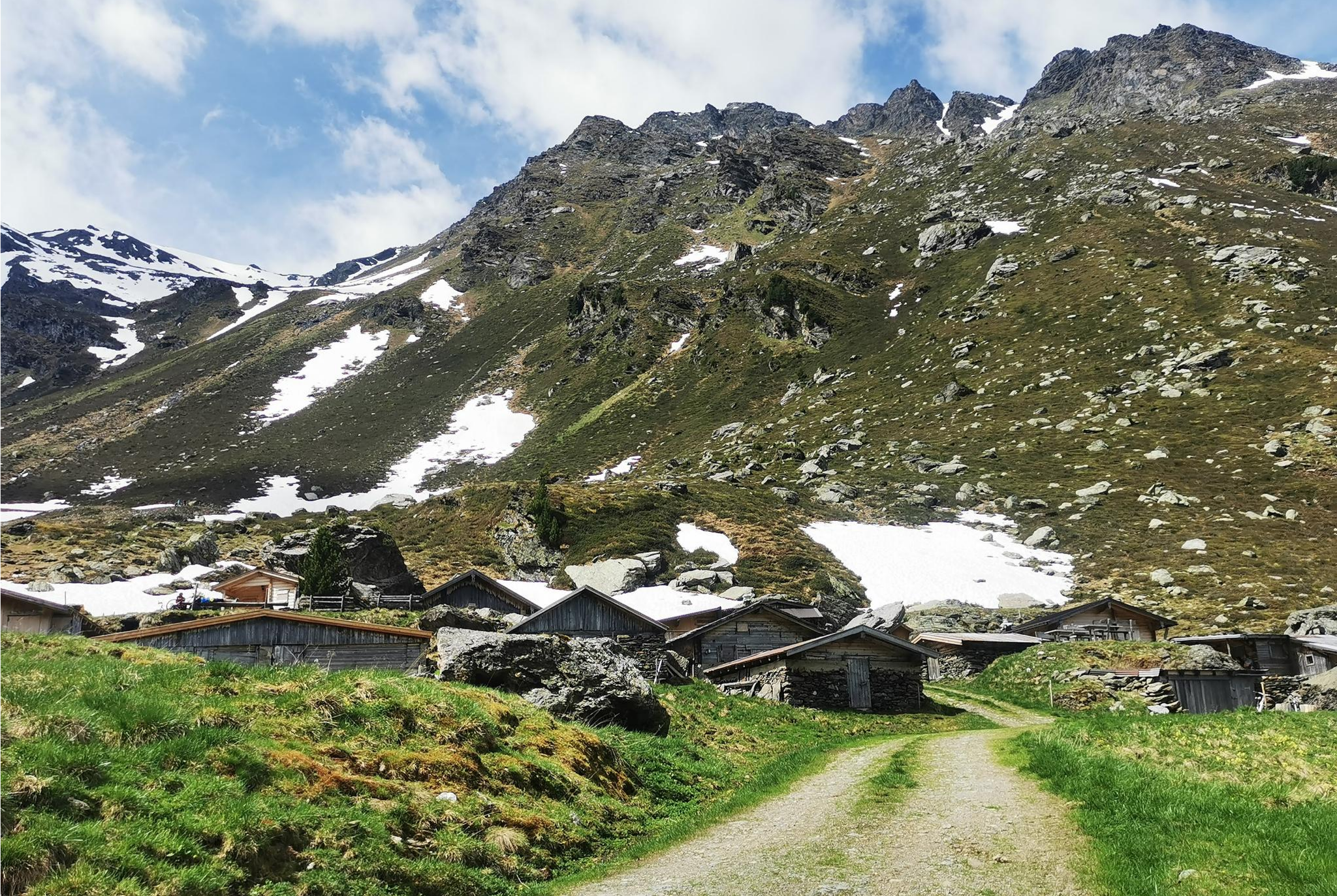
From Alm to Alm – superb hikes in the Hall-Wattens Region
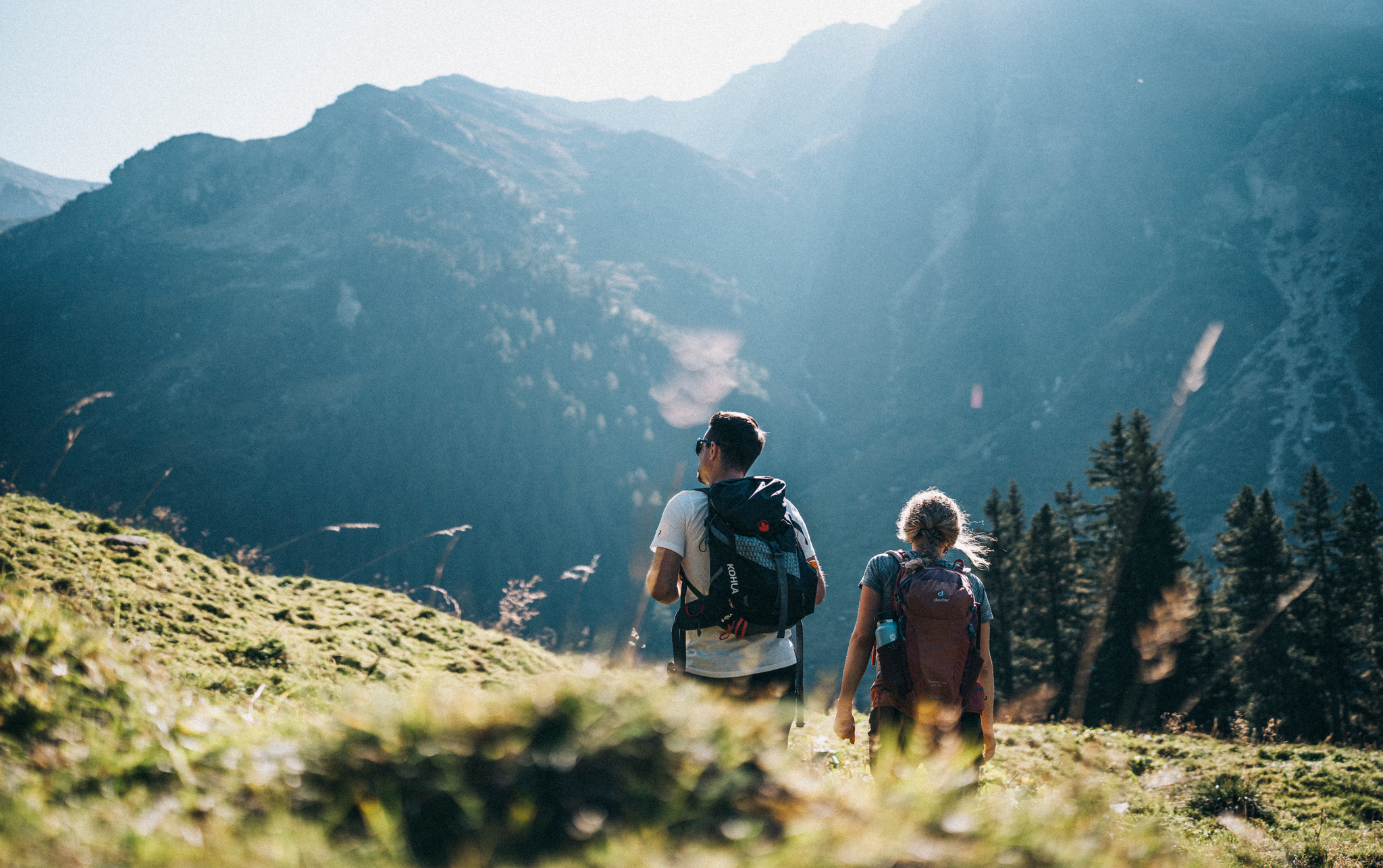
The most beautiful autumn hikes in Hall-Wattens
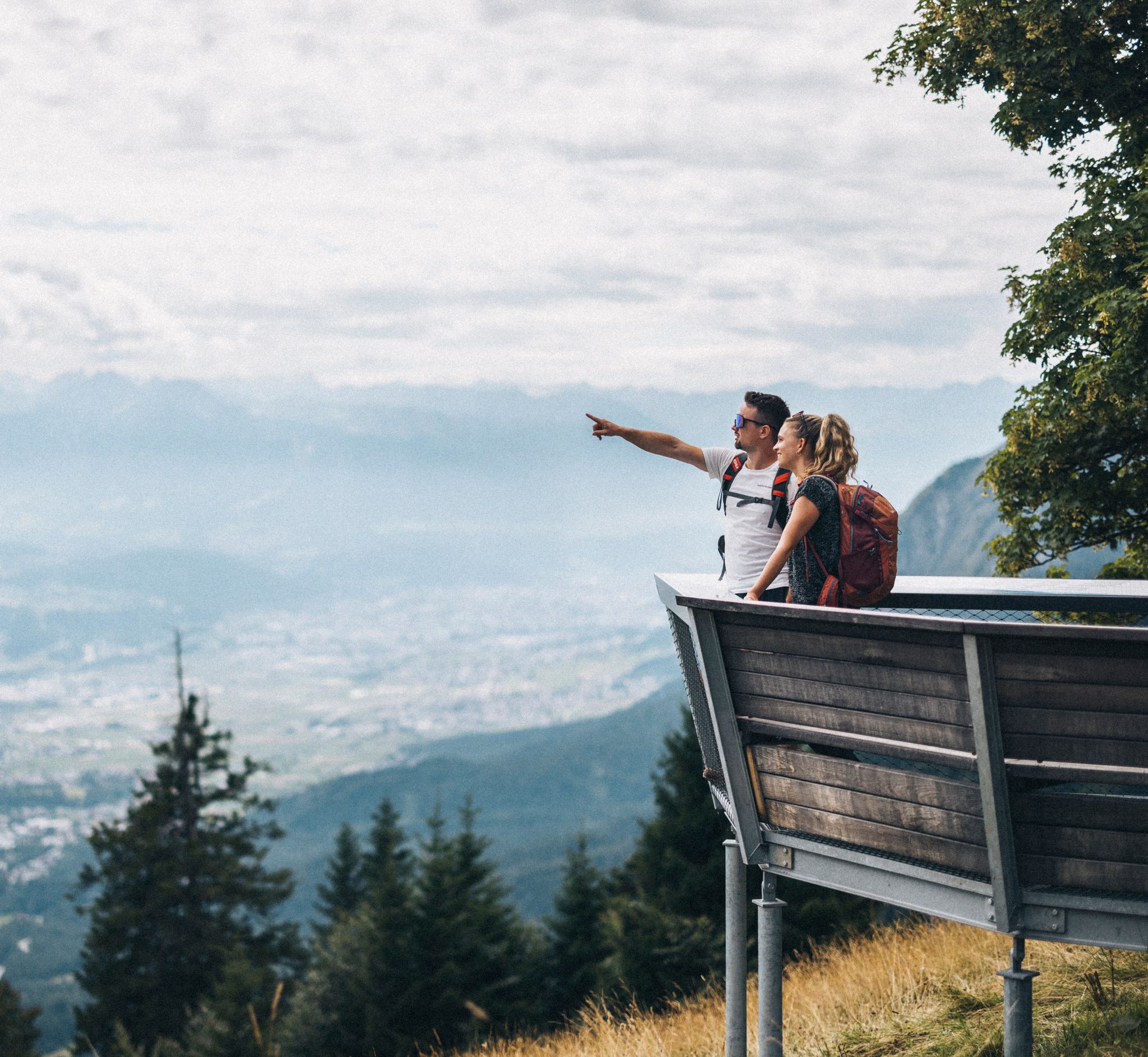
Where giants meet ghosts – Tyrol’s Mountain Legends long-distance trail
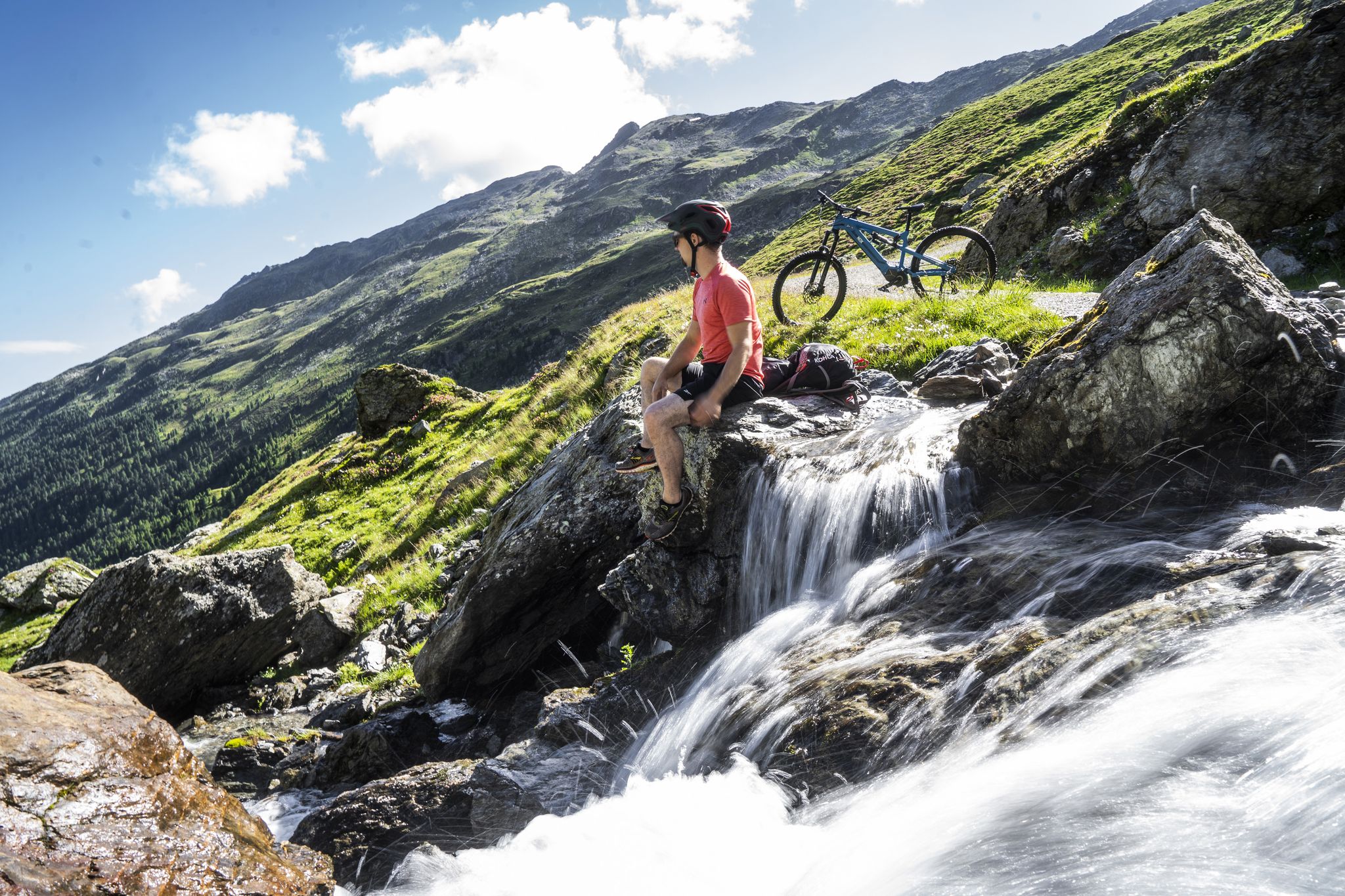
For foodies, adventurers and families – MTB Paradise Hall-Wattens
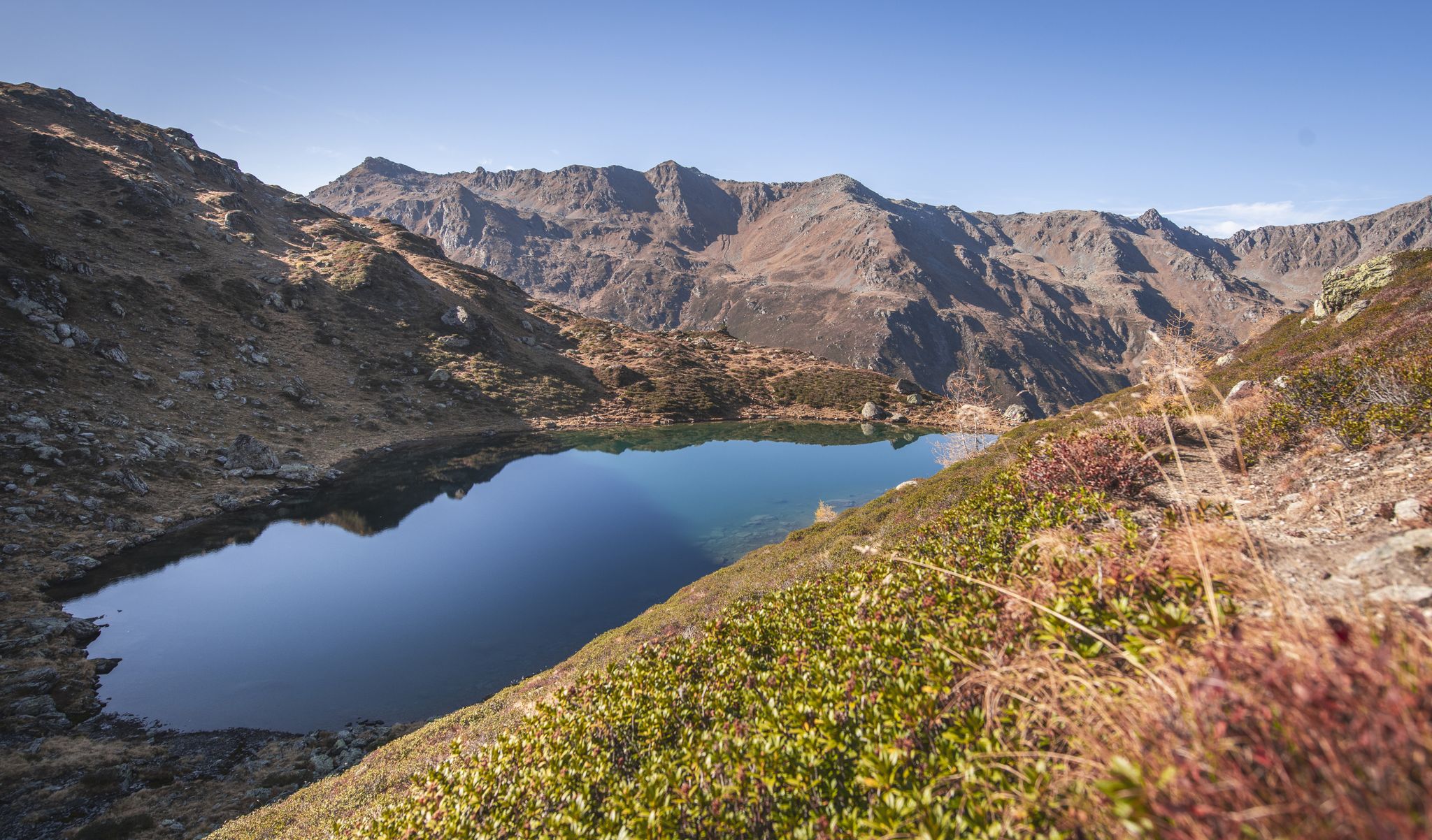
Hikes in Austria’s Hall-Wattens region – discover powerful places
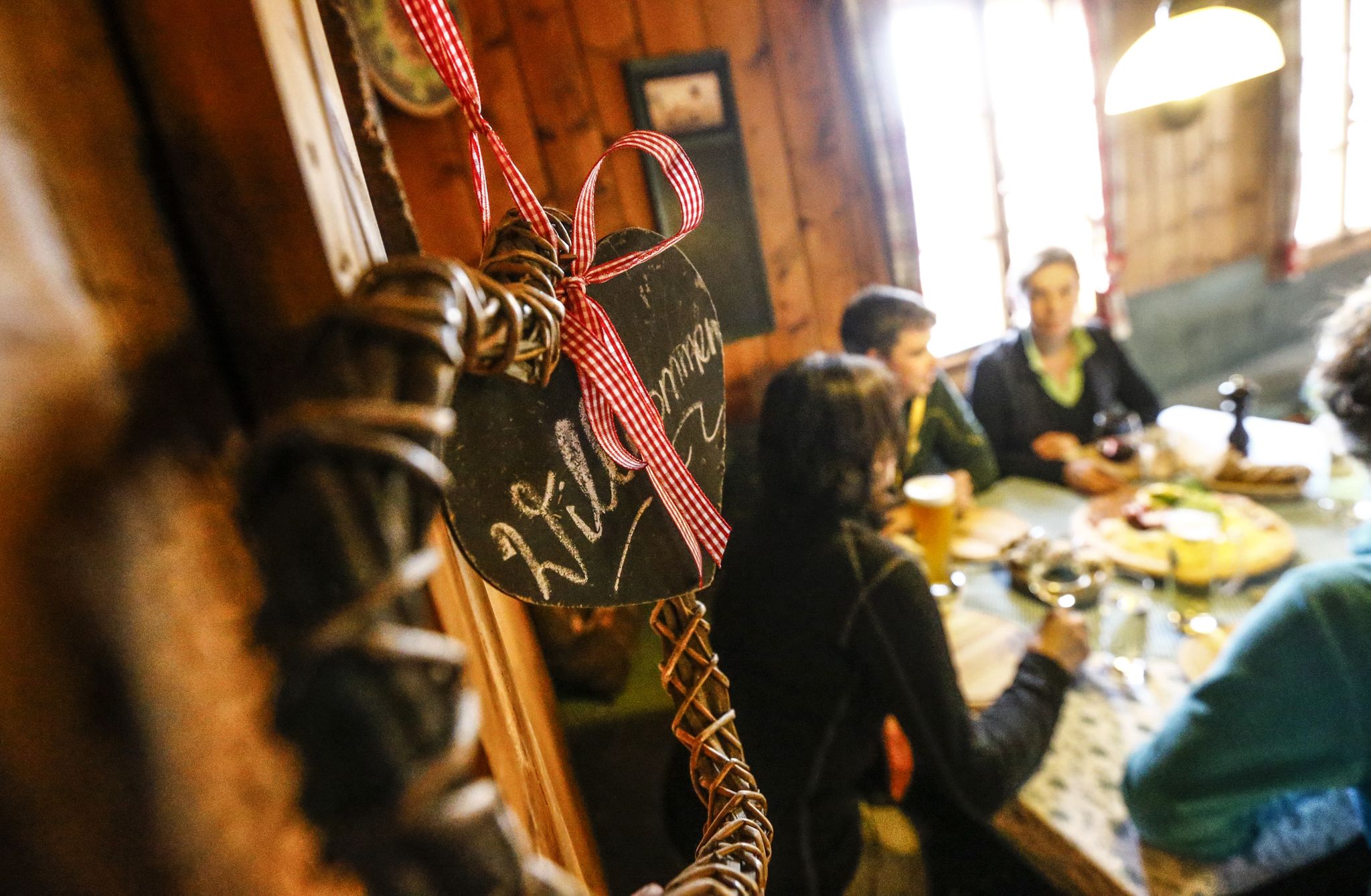
Hike hut to hut in Austria – foodie Tours in the Hall-Wattens region
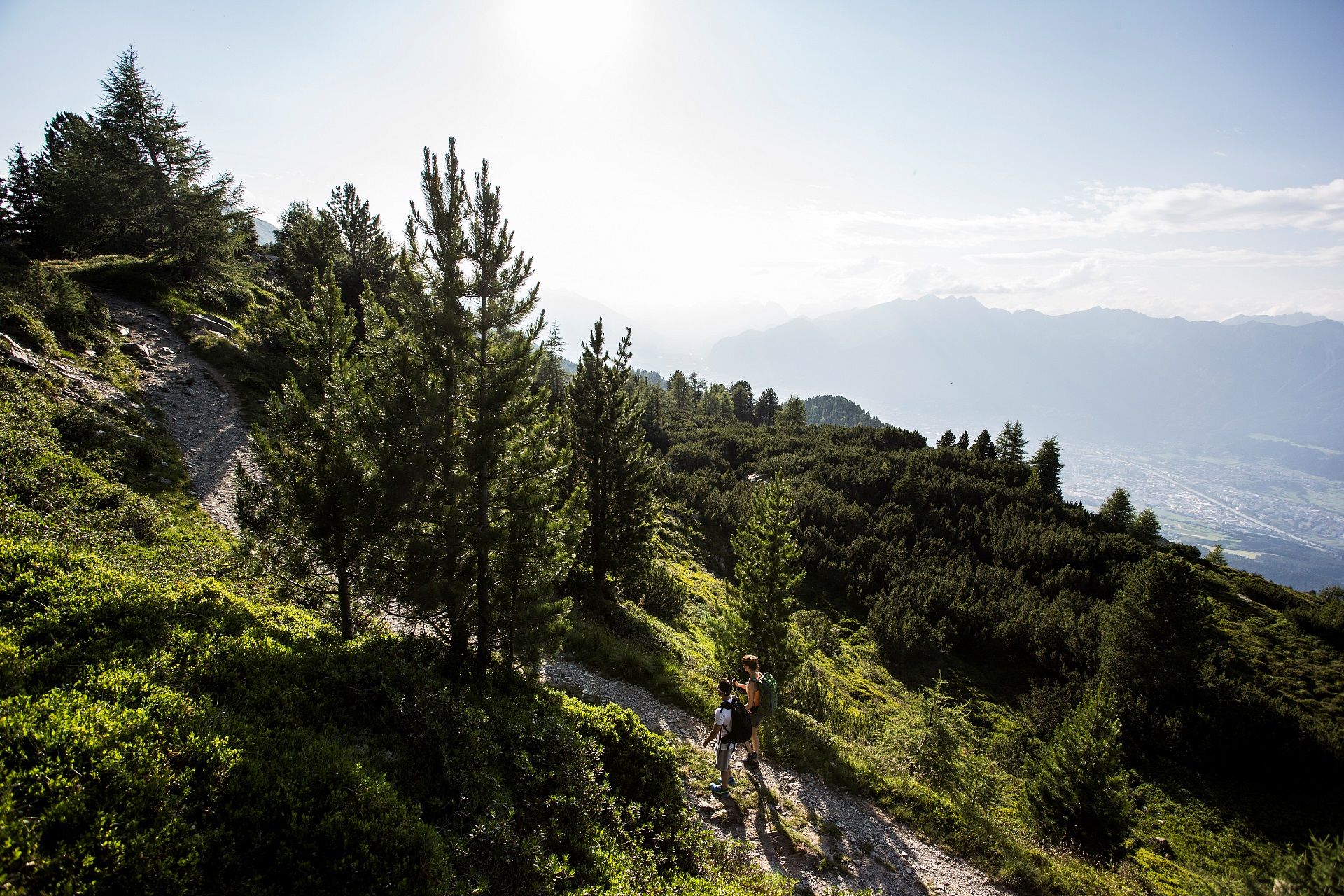
Pines & peaks in the Tyrolian holiday region Hall-Wattens
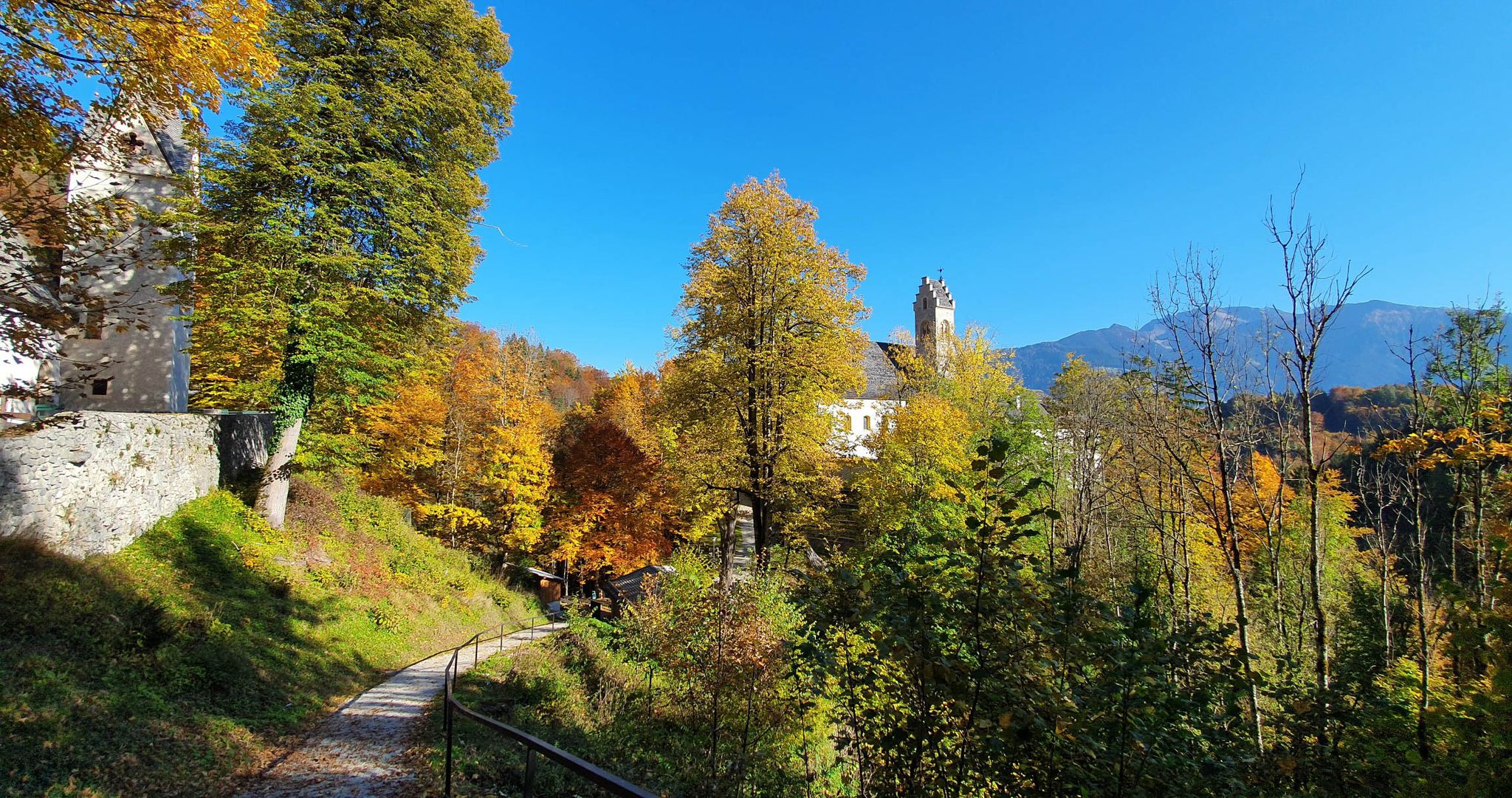
Vibrant colours and epic views – autumn in the Inn and Ziller valleys
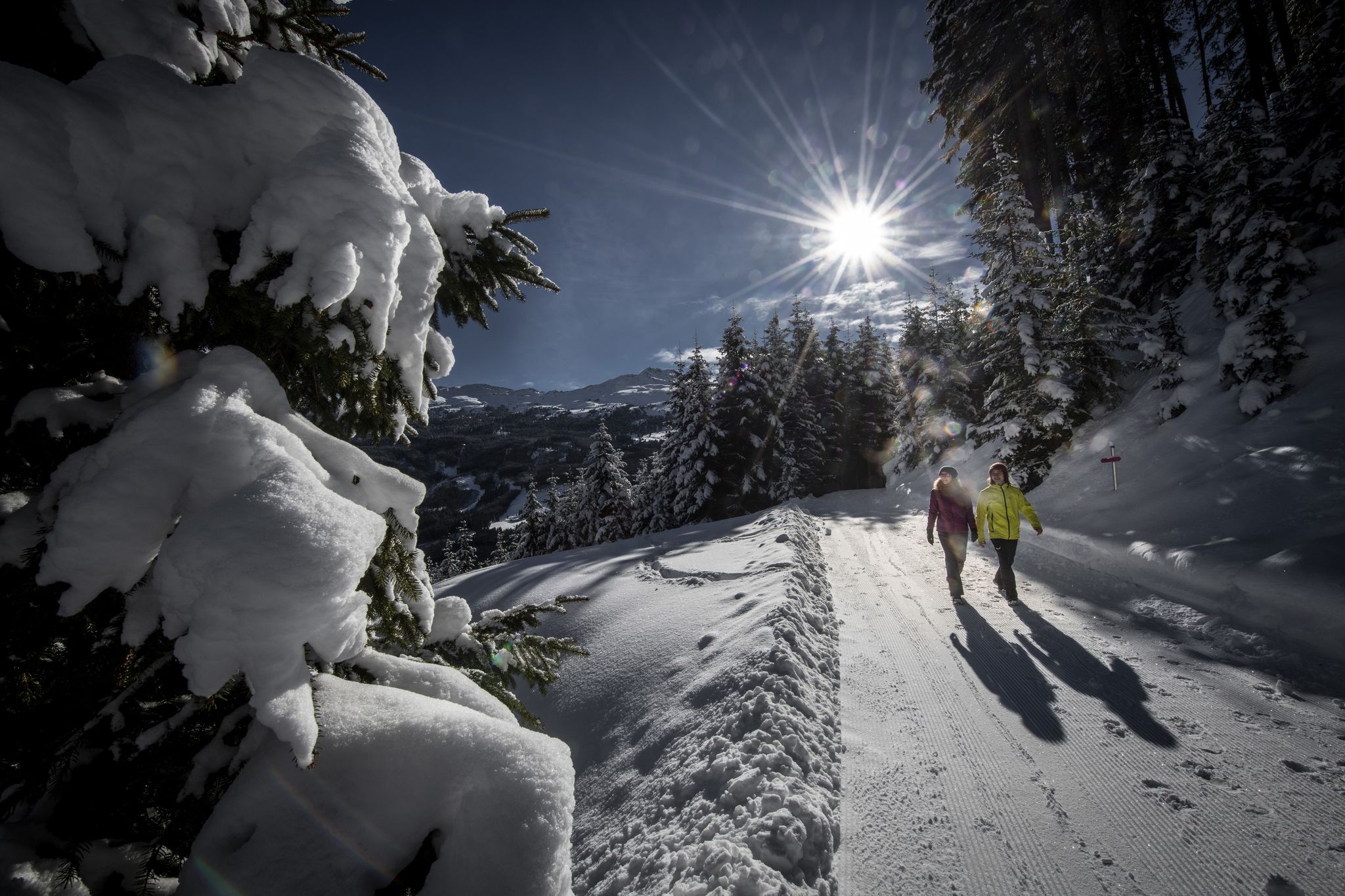
Zauberhaftes Winterwandern in der Region Hall-Wattens
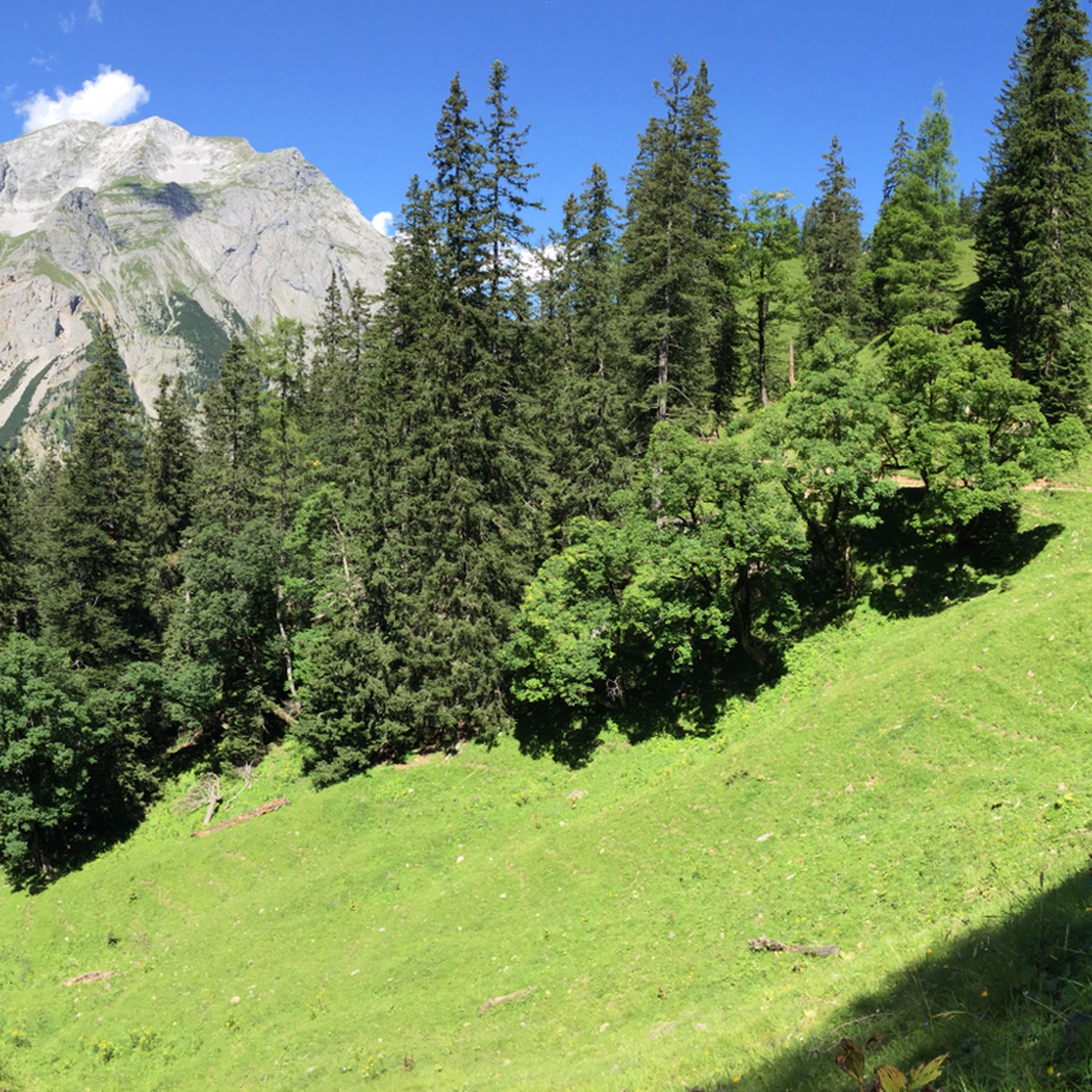
Hiking around Gnadenwald
Other adventures around Gnadenwald


Tips from the Community

In the morning or evening hours when the sun is low and the mountains cascade with shadows, a dream on the bike. Provided there is little traffic, which is usually the case.
0
0

Kloster St. Martin in Gnadenwald That St. Martin in Gnadenwald was chosen as one of our places of power is actually self-evident. When you arrive there, you can already feel the special aura of this place. First and foremost, St. Martin is a place of recreation - both physical and spiritual. In our fast-paced times, "coming to rest" is extremely important. The Cretan or classical stone labyrinth located to the left below the monastery is a symbol of the human life path. Labyrinths have existed in many cultures for more than 5000 years and are shaped by the need for inner peace and a sense of home. Text / Source: Hall-Wattens Tourismus, Unterer Stadtplatz 19, Hall in Tirol https://www.hall-wattens.at/de/st-martin-in-gnadenwald.html
10
0
History of St. Martin in Gnadenwald As early as the 11th century, a hunting lodge with a chapel in honor of St. Martin is said to have stood on the site of the present-day monastery. The first documented mention dates from 1337 in a will of the Tyrolean master of the hunt, Heinrich von Rottenburg. A second mention occurred in 1382. Around the same time or not long after, a hermitage was also founded here, inhabited by two lay brothers. The daughter Magdalena Getzner of the wealthy Hall citizen Jörg Perl entered the monastery of St. Magdalena in Halltal together with her daughter in 1486. This was possible because her father donated a considerable sum annually to the monastery of St. Magdalena. The daughter of Magdalena Getzner, also named Magdalena, had health problems, probably a mental disability, which is why the bishop allowed her to leave the monastery of St. Magdalena and settle in a healthy location in monastic habit. Magdalena Getzner and her daughter now chose St. Martin in Gnadenwald as their new place of residence. This is evidenced by a document from 1497 from the parish archive of Baumkirchen. In addition, some sisters followed them to St. Martin, so that a monastery was established there, of which Magdalena Getzner the Elder became the abbess. On October 7, 1520, the Augustinian monastery in St. Martin in Gnadenwald burned down. The 30 nuns found refuge in the St. Salvator chaplaincy in Hall and remained there until 1566. The era of the Peasants' Wars and the Reformation was not an age for rebuilding burnt-down monasteries. Thus In 1826, the entire church was renovated, and in 1836 it received a new high altar with an altarpiece, presumably by Arnold Schöpf. The frescoes by Milldorfer remained. During the Nazarene period, the small monastery received its Christmas nativity scene with figures over 80 cm tall. In 1935, the Tertiary Sisters from Hall moved into the long-vacant cells and have run a guesthouse for visitors there since 1939. This was a valuable place of refreshment for pilgrims during their journey. Unfortunately, the rental business was discontinued in 2019, and the Tertiary Sisters no longer live in the monastery. Text / Source: Hall-Wattens Tourismus, Unterer Stadtplatz 19, Hall in Tirol https://www.hall-wattens.at/de/st-martin-in-gnadenwald.html
10
0
Maria Larch The pilgrimage church of Maria Larch is located at the entrance to the Larch valley and is a beautiful destination for walks in the surroundings of Terfens / Gnadenwald. The origin of the pilgrimage to Maria Larch dates back to 1665. The beneficiary of St. Martin in Gnadenwald gave a peasant woman an image of the Mother of God made of clay, which was hung on a tree to awaken good thoughts in passers-by. About 10 years later, a chapel was built, which, however, underwent several renovations. Two miraculous healings were the trigger for Maria Larch becoming a popular pilgrimage site: a mute girl regained her speech after a heartfelt prayer before the image of grace, and a seriously ill child was healed. Text / Source: wallfahrt-online.at https://wallfahrt-online.at/maria-larch/
9
0
The spring: (Pilgrimage Chapel Maria Larch, Terfens) The Pilgrimage Chapel Maria Larch dates back to the 17th century. In the baroque well house, St. Florian watches over the water, which is still considered a revitalizing drink today. In the 18th century, it healed a mute girl from her suffering and later many, many more - probably also before and after. It is a right-turning water in a place of power that could not be more impressive. When the custodians of this gem have to openly ask for a donation for the water, it is actually a sign of poverty for those who bottle water here. Three things should be a matter of course at every holy spring: reverence, gratitude, and an "offering", whatever that may look like. Text / Source: Austria-Forum https://austria-forum.org/af/Kunst_und_Kultur/B%C3%BCcher/Heilige_Quellen/Tirol/Terfens_Maria_Larch
9
0
Maria Larch Legend: A devout woman named Magdalena Bogner, who was married to the respected farmer Veit Spieltenner in Schlegelsbach, gave the first occasion for it (the chapel). This woman felt an inexplicable urge within her to perform her devotion at the spot where the chapel now stands, and where she herself often passed by, either on Sundays and holidays on her way to church in Terfens or for business reasons. Johann Weiß, the chaplain in the hermitage of St. Martin in the woods, to whom she had confided the peculiar feeling in her heart, gave her a statue of the Mother of God, which she was to place somewhere at the designated spot, and then she could devote herself to prayer there without hesitation. The chaplain had made the statue himself out of clay. It is a shoe high; the divine mother holds the dear Christ child in her left hand and carries the gilded apple in her right. The woman brought the precious gift home with a joyful heart, and immediately had her husband place the statue at the designated spot in a small niche carved out of a strong larch tree. A narrow roof from above was to serve as protection for the statue against the falling rain; at the bottom, a narrow block was placed so that people could kneel more comfortably while praying. This happened in the year 1665. Text / Source: Legende: sagen.at https://www.sagen.at/doku/quellen/quellen_tirol/maria_larch.html
9
0


Several paths lead to Freundsberg Castle. From here you have a beautiful view towards the castle and also down to Schwaz.
0
0
Frequently Asked Questions
How many gravel bike trails are available around Gnadenwald?
There are over 30 gravel bike trails available around Gnadenwald, offering a diverse range of experiences from easy rides to challenging, longer tours. The region is highly rated by the komoot community, with an average score of 4.5 stars from over 120 reviews.
What kind of terrain and difficulty can I expect on gravel bike trails in Gnadenwald?
Gnadenwald offers diverse terrain, combining paved surfaces, gravel paths, and forest roads. You'll find everything from easy, scenic rides along the Inn Valley to challenging tours with significant elevation gains through the Karwendel Mountains. Some segments may even include more difficult unpaved sections for adventurous cyclists.
Are there any family-friendly gravel bike routes in Gnadenwald?
Yes, Gnadenwald offers several easier routes suitable for families. These trails often feature less elevation gain and smoother surfaces, allowing for a relaxed cycling experience. Look for routes that stick to the Inn Valley for generally flatter terrain.
Can I bring my dog on the gravel bike trails in Gnadenwald?
Many gravel paths and forest roads in Gnadenwald are suitable for cycling with dogs, especially those away from busy areas. However, always ensure your dog is well-behaved and on a leash where required, particularly within the Karwendel Nature Park, to protect wildlife. Be mindful of other trail users and local regulations.
What are some notable natural attractions or viewpoints along the gravel bike routes?
Gravel routes in Gnadenwald offer breathtaking views of the Karwendel Mountains and the Inn Valley. You can cycle towards destinations like the idyllic Walderalm alpine pasture or explore paths leading to the small Fallbach Waterfall. The Adlerblick 1522 wildlife observation station at Hinterhornalm also offers special mountain impressions.
Are there any historical landmarks or cultural sites accessible by gravel bike?
Yes, some routes can lead you past historical sites. For example, you might encounter the Thaur Castle Ruins or Freundsberg Castle. The region also features the Tree Trail, an educational path between St. Martin's Monastery and St. Michael's Monastery, which can be incorporated into a ride.
What do other gravel bikers enjoy most about cycling in Gnadenwald?
The komoot community highly rates the gravel biking experience in Gnadenwald, with an average score of 4.5 stars. Riders often praise the perfect combination of adventure in nature, sporting challenge, and the pure freedom found on the diverse trails. The stunning alpine scenery and varied terrain are frequently highlighted as key attractions.
Are there any long-distance or challenging gravel bike loops in the area?
Yes, Gnadenwald is an excellent starting point for longer, more challenging loops. For instance, the difficult Inn Cycle Path – Wattener Augießen Cycle Path loop from Gnadenwald covers 60 miles (96.6 km) with significant ascents. Another demanding option is the Buchau at Lake Achensee – Inn Cycle Path loop from Fritzens-Wattens, which is 76.8 miles (123.6 km) long and leads towards Lake Achensee.
Where can I find parking for gravel biking in Gnadenwald?
Gnadenwald and the surrounding Hall-Wattens region offer various parking options for cyclists. Specific parking areas are often available near popular trailheads or village centers. It's advisable to check local signage upon arrival for designated cyclist parking.
Is it possible to reach Gnadenwald trails using public transport with a bike?
Gnadenwald is well-integrated into a broader cycling network, and public transport options are available in the region. Buses often serve the area, and some may accommodate bikes, though it's recommended to check with the local transport provider for specific routes and bike carriage policies, especially during peak times.
Are there any permits or special regulations for gravel biking in the Karwendel Nature Park?
As Gnadenwald is at the foot of the Alpenpark Karwendel nature reserve, it's important to be aware of regulations within the park. While general cycling on designated paths is usually permitted, always respect protected areas, stay on marked trails, and be mindful of wildlife. No specific permits are generally required for gravel biking on public trails, but always check local signage for any temporary restrictions.
What is a good moderate gravel bike route to try in Gnadenwald?
A popular moderate option is the Mint Tower, Hall in Tyrol – Inn Cycle Path Near Schwaz loop from Mairbach. This 27.7-mile (44.6 km) trail offers scenic views along the Inn Cycle Path and is a great way to experience the region without extreme difficulty.
Most popular routes around Gnadenwald
Most popular attractions around Gnadenwald

Get inspired with the komoot mobile app


Explore more
Browse the best Gravel rides in other regions.
