The best gravel rides around La Sotonera
3.8
(5)
106
riders
70
rides
Gravel biking around La Sotonera offers routes through a landscape characterized by rolling hills, historical sites, and natural features like reservoirs and rock formations. The region provides diverse terrain suitable for gravel cyclists seeking varied challenges. Trails often traverse open countryside, offering expansive views and a mix of surfaces. The area's geography includes both agricultural lands and more rugged, elevated sections.
Best gravel bike trails around La Sotonera
- The most popular gravel bike trail is Vultures Viewpoint – Peñas de…
Last updated: July 8, 2026
4.0
(2)
20
riders
36.0km
02:52
810m
810m
Hard gravel ride. Very good fitness required. Mostly paved surfaces. Suitable for all skill levels.
8
riders
67.5km
05:11
1,020m
1,020m
Hard gravel ride. Very good fitness required. Mostly paved surfaces. Suitable for all skill levels.

Sign up for free
3.0
(1)
8
riders
65.1km
05:07
750m
750m
Hard gravel ride. Very good fitness required. You may need to push your bike for some segments of this route.
3.0
(1)
8
riders
69.3km
05:24
710m
710m
Hard gravel ride. Very good fitness required. You may need to push your bike for some segments of this route.
6
riders
113km
08:43
980m
980m
Hard gravel ride. Very good fitness required. You may need to push your bike for some segments of this route.
Get access to more routes and recommendations from other explorers.
Sign up for free
Already have an account?
Our route recommendations are based on thousands of hikes, rides, and runs completed by other people on komoot.
Start today with a free account
Your next adventure awaits.
Login or Signup
Popular around La Sotonera
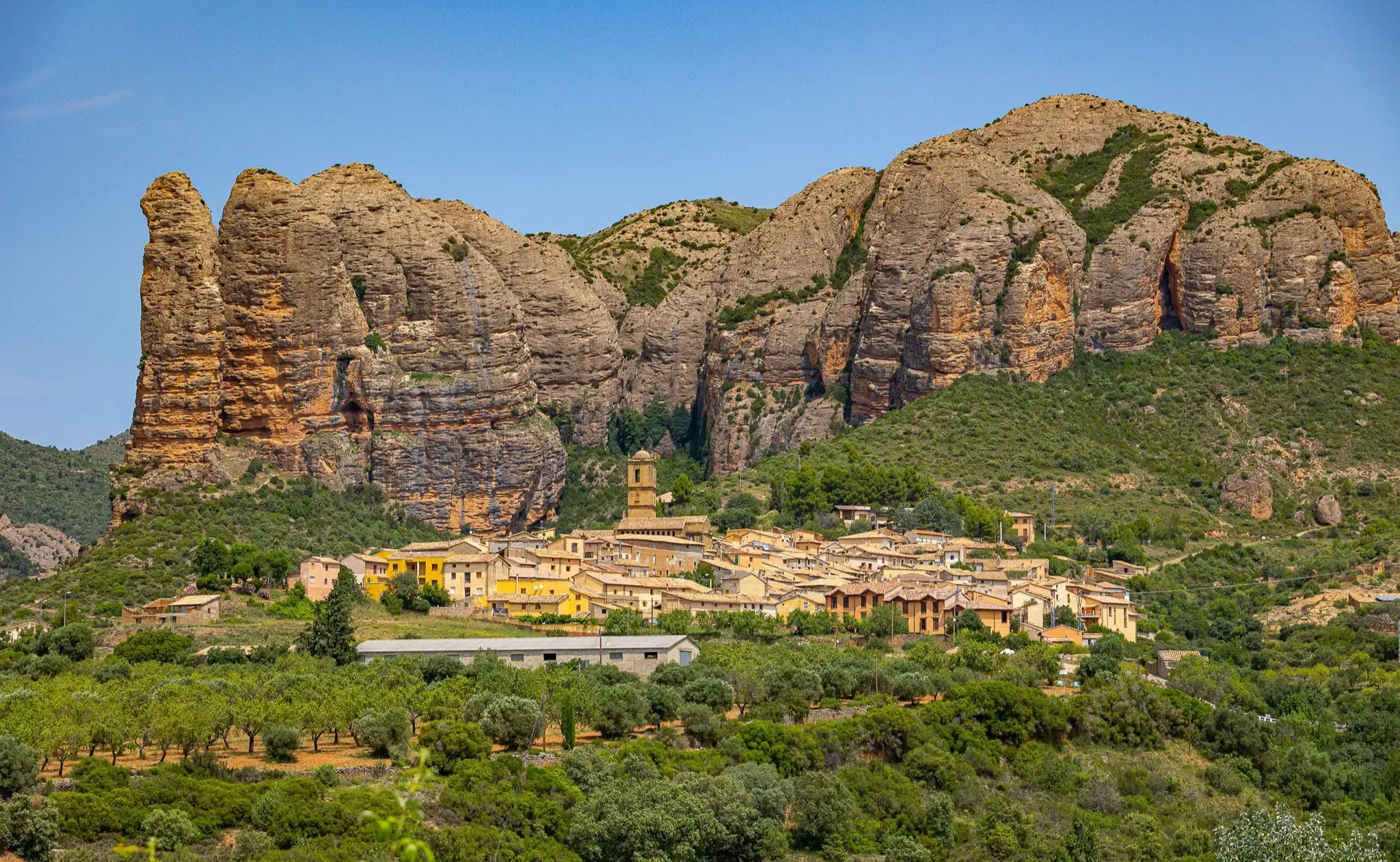
Hiking between geology and history – GR1 in Aragón
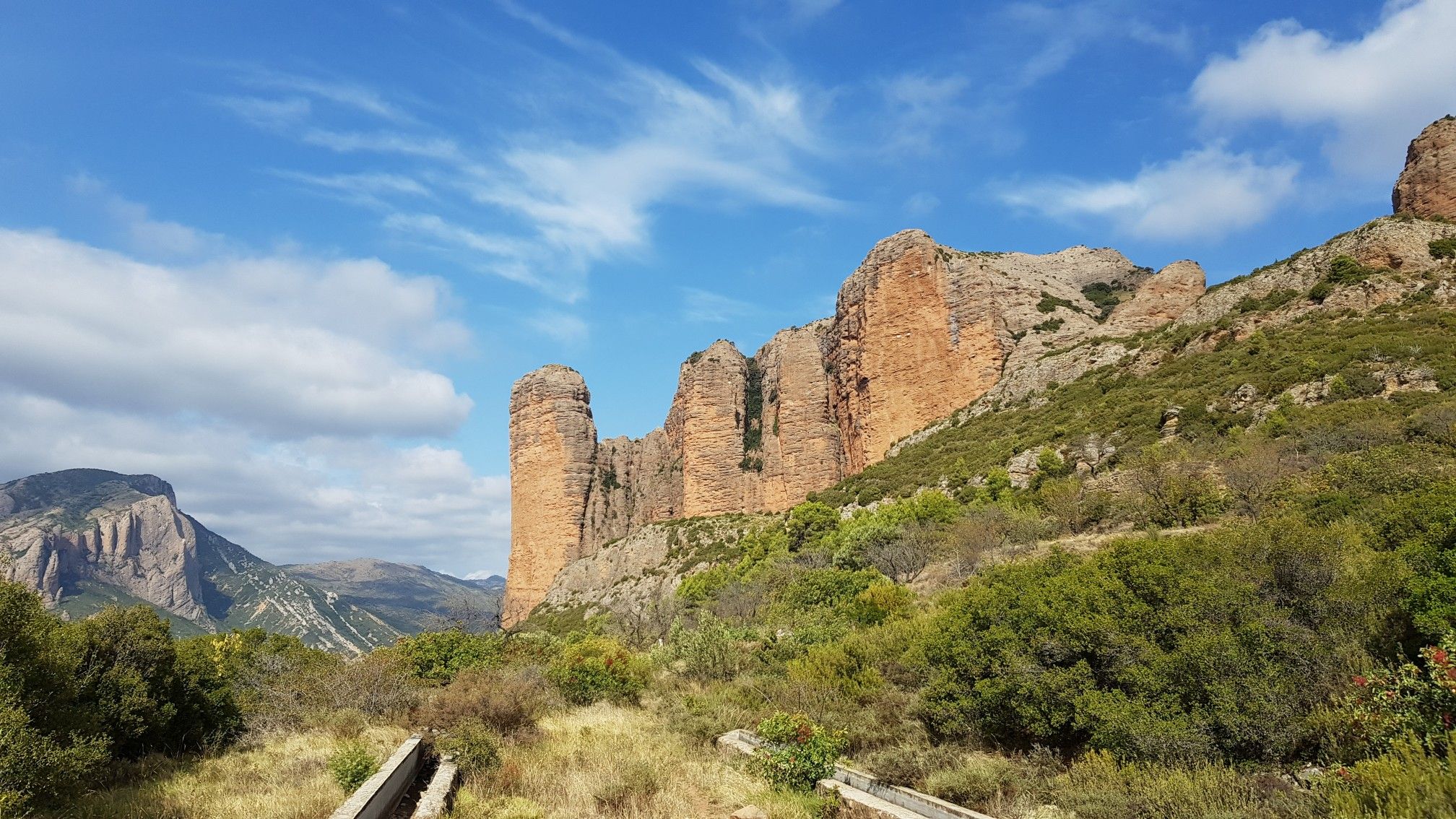
Monumental landscapes and culture — the Pre-Pyrenees by MTB
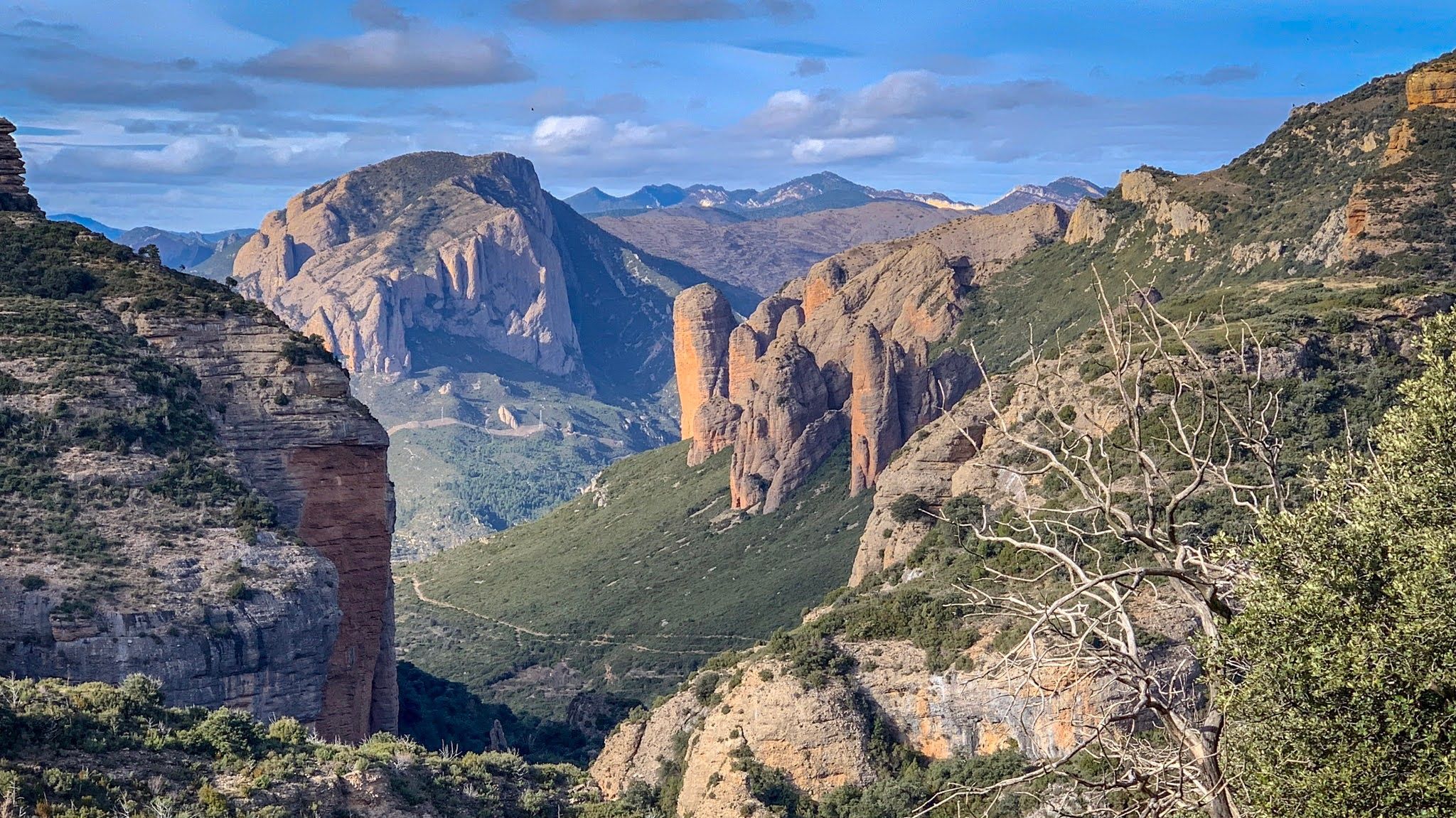
Gravel and geology – Huesca Valley nature trail
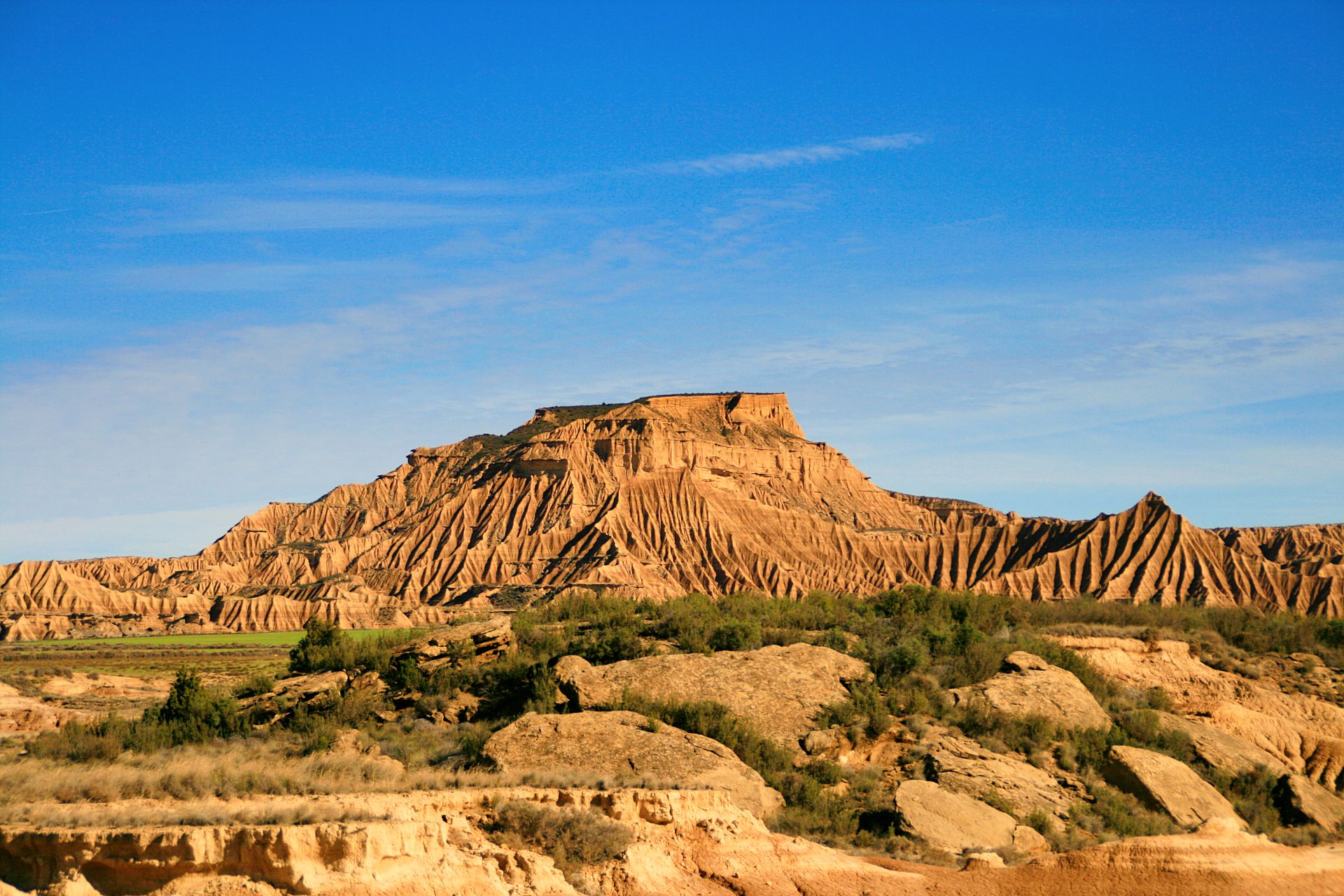
Spain’s Wild West – Sierra de Guara to the Bardenas
Land of rock and water – Sendero Histórico en Aragón
Road Cycling Routes around La Sotonera
Hiking around La Sotonera
Cycling around La Sotonera
Running Trails around La Sotonera
MTB Trails around La Sotonera
Other adventures around La Sotonera


Tips from the Community

The fragment isn't exactly eye-catching. Nor is there any indication that it's a genuine Roman artifact. It's shady and perhaps worth a break.
0
0

They seem so close, but they are still far away from here.
0
0
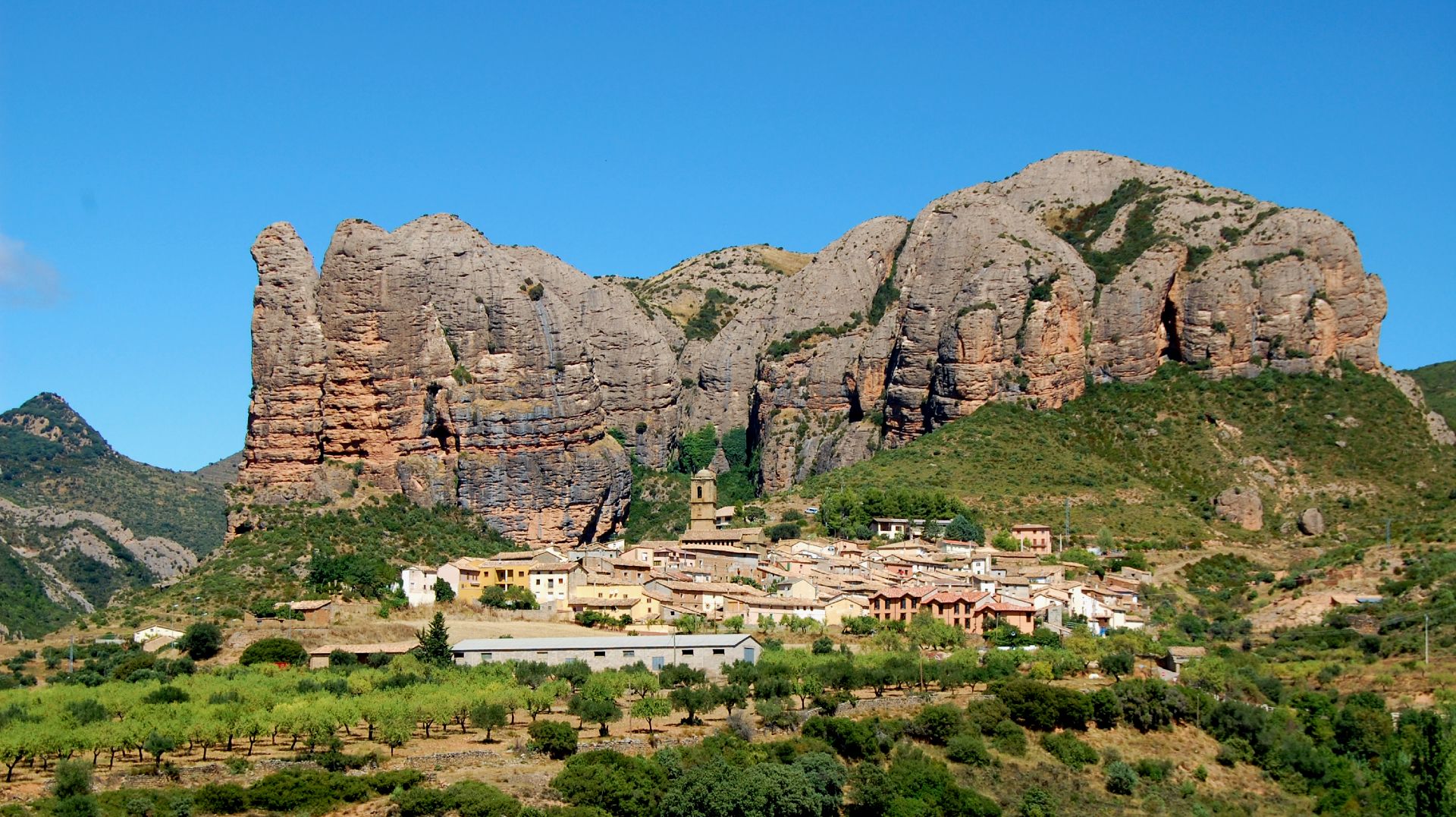
The Mallos of the Aragonese Pre-Pyrenees were formed 65 million years ago after eroded material from the Pyrenees washed away.
1
0

Impressive views of the Mallos de Riglos
0
0

Really beautiful castle in the middle of a semi arid landscape with perfect gravel roads. Surprisingly empty!
1
0

This town in the region of Hoya de Huesca in the community of Aragón appears mentioned for the first time in 1104, in a concord between the bishop of Huesca and the abbot of Montearagón. Its origin is Roman, a link that still survives in the tradition of the "vote", which unites Alerre with six other towns that surround Huesca and form the "Seven Places". This historical community was united by the promise of a vote destined to ask for the holy protection of a saint, Lorenzo, son of two Roman subjects who lived in a Roman settlement near present-day Huesca, and who was martyred in Rome. Alerre has an interesting costume and footwear museum, located in the keep, next to the town hall, and which collects more than 3,000 pieces from all over the world, donated by the Scottish diplomat of Spanish origin Tomás Moyano.
1
0
Founded and built by Sancho Ramírez of Aragón in Romanesque style in the 11th and 12th centuries, Montearagón Castle was a fortified complex that included military housing, a church and a royal monastery. It is located on a strategic promontory in the Huesca town of Quicena, in the Hoya de Huesca region, Aragon. Although its military function ended with the taking of Huesca and the end of the Spanish-Arab wars, it continued to house the canonical abbey under the name of the Abbey of Jesús de Nazaret de Montearagón. Several Aragonese kings were buried in the castle in addition to its founder, Sancho Ramírez of Aragón.
2
0

Magnificent landscapes with the sight of vultures just overhead.
0
0
Frequently Asked Questions
How many gravel bike trails are available in La Sotonera?
La Sotonera offers a wide selection of over 50 gravel bike routes, catering to various skill levels and preferences.
Are there gravel bike trails suitable for beginners in La Sotonera?
Yes, La Sotonera has 6 easy gravel bike routes, perfect for beginners or those looking for a more relaxed ride. These trails typically traverse gentler terrain and offer a good introduction to the region's landscapes.
What kind of terrain can I expect on gravel bike trails around La Sotonera?
The gravel bike trails in La Sotonera feature diverse terrain, including rolling hills, open countryside, and agricultural lands. You'll also encounter more rugged, elevated sections and routes that pass by natural features like reservoirs and rock formations.
Are there any challenging gravel bike routes for experienced riders?
Absolutely. For experienced riders seeking a challenge, La Sotonera offers 23 difficult gravel bike routes. These often include significant elevation changes and more technical sections. One such route is the Vultures Viewpoint – Peñas de Riglos loop from Loarre, which covers 36 km with over 800 meters of elevation gain.
Are there any gravel bike routes that are circular or loop trails?
Many of the gravel bike routes in La Sotonera are designed as loops, allowing you to start and end at the same point. An example is the Vadiello Reservoir – Huesca loop from Huesca, a challenging 65.2 km route that explores the area around the reservoir and extends towards Huesca.
What are some notable landmarks or natural attractions along the gravel bike trails?
Many routes offer views of significant landmarks and natural features. You might pass by the Arguis Reservoir, the impressive Gorgas de San Julián, or enjoy panoramic views from the Vultures Viewpoint. Historical sites like Montearagón Reservoir are also accessible.
What is the best time of year to go gravel biking in La Sotonera?
The best time for gravel biking in La Sotonera is generally during spring and autumn. These seasons offer milder temperatures and more stable weather conditions, making for a more comfortable ride. Summers can be hot, while winters may bring colder temperatures and occasional precipitation.
Are there any long-distance gravel bike routes in the region?
Yes, La Sotonera features several longer routes for those looking to spend more time in the saddle. The Huesca Cathedral – Huesca loop from Huesca is a significant option, covering over 113 km and typically taking more than 10 hours to complete.
What do other gravel bikers enjoy most about the trails in La Sotonera?
The gravel biking routes in La Sotonera are highly rated by the komoot community, with an average score of 3.5 stars. Riders often praise the diverse terrain, the expansive views of the open countryside, and the opportunity to explore both natural and historical sites.
Can I find routes that pass by historical sites or castles?
Yes, the region is rich in history, and some gravel routes incorporate historical landmarks. For instance, the Nuevo Village Entrance – Montearagón Castle loop from Plasencia del Monte leads through varied terrain towards the impressive Montearagón Castle, offering a blend of cycling and cultural exploration.
Are there any viewpoints along the gravel routes in La Sotonera?
Many routes offer excellent viewpoints, allowing you to take in the region's scenic beauty. The Vultures Viewpoint and the Riglos Griffon Vulture Viewing Area are particularly notable for their panoramic vistas and wildlife spotting opportunities.
Most popular routes around La Sotonera
Most popular attractions around La Sotonera

Get inspired with the komoot mobile app


Explore more
Browse the best Gravel rides in other regions.
