The best running trails in Bandelier National Monument
43
runners
10
runs
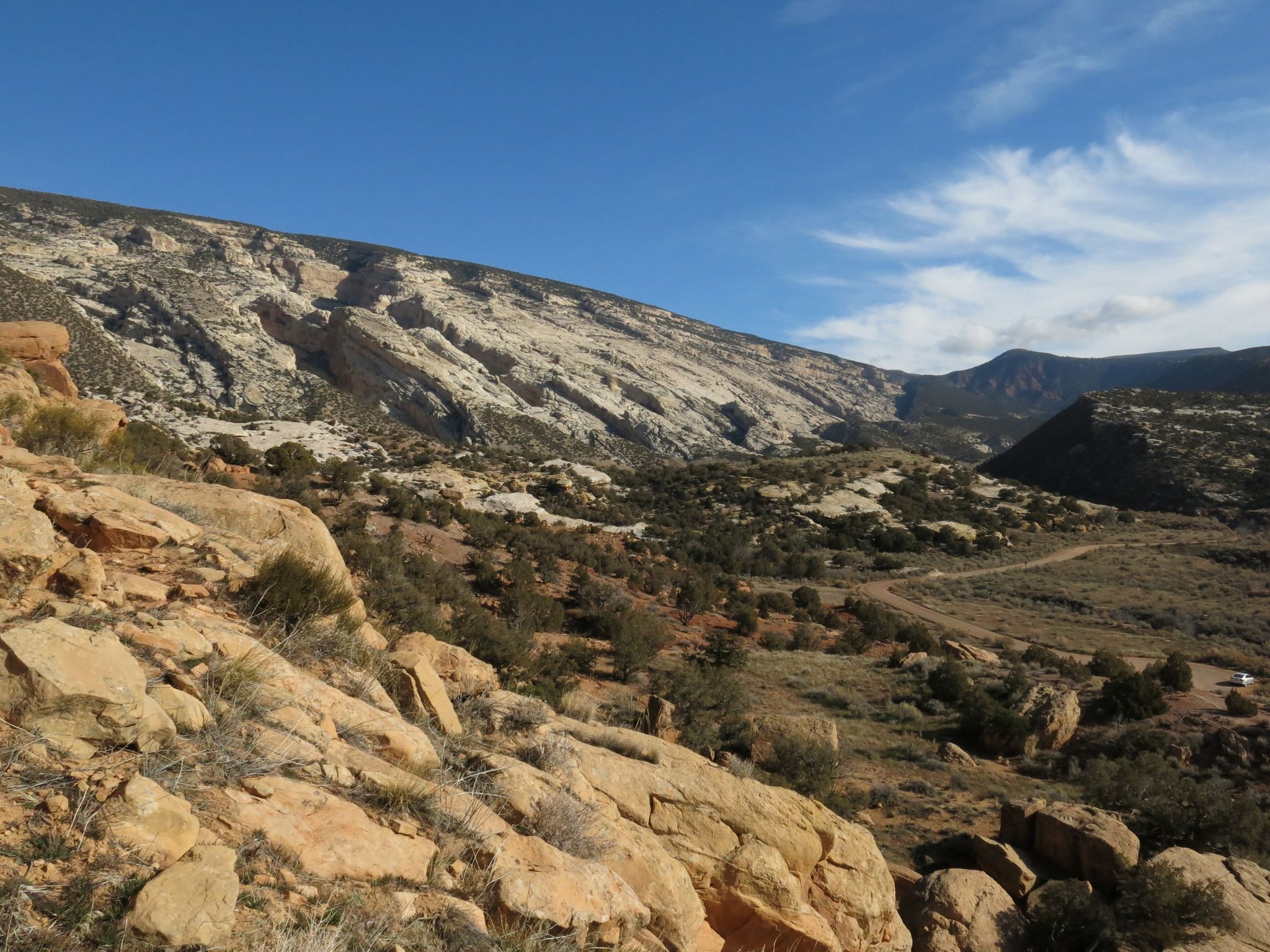
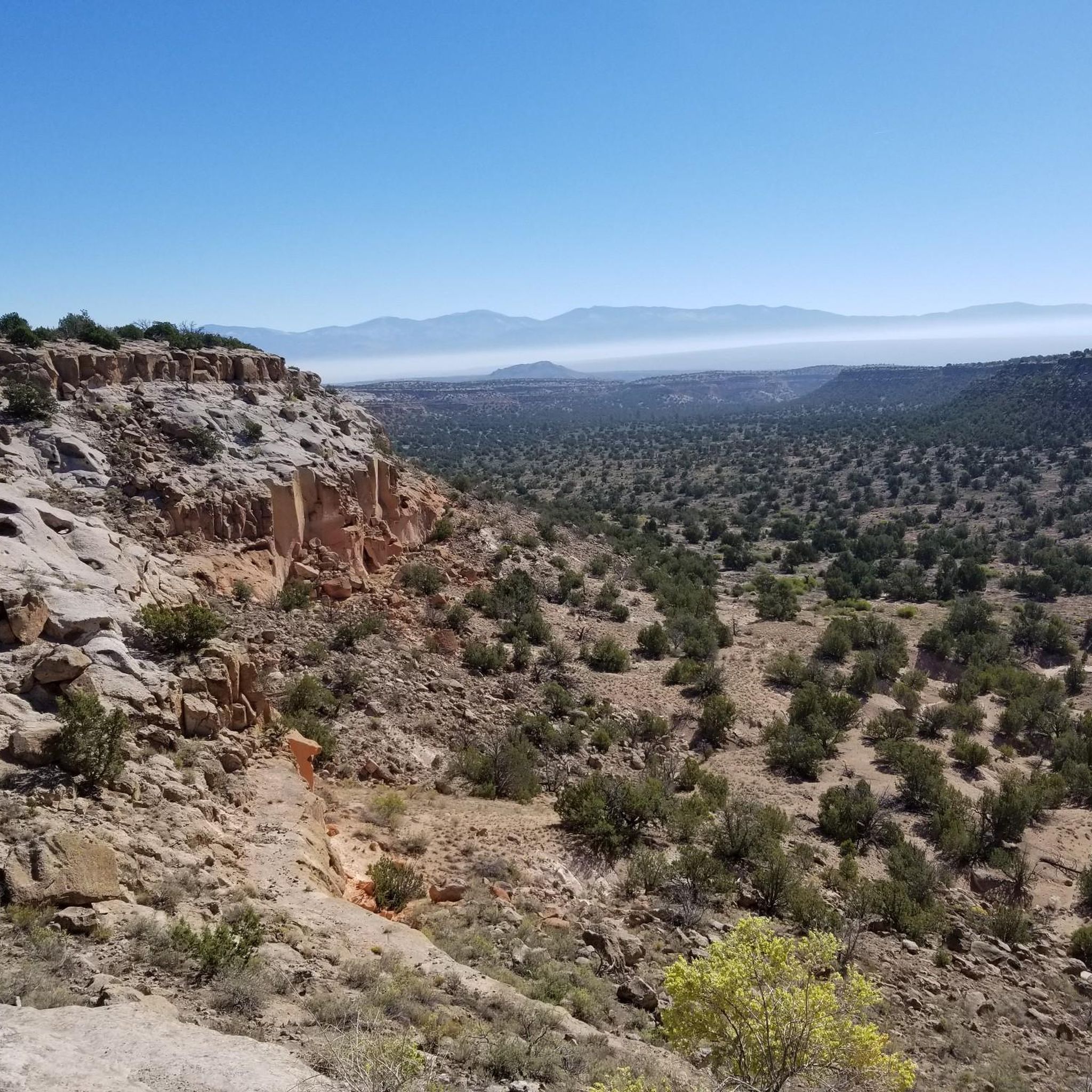
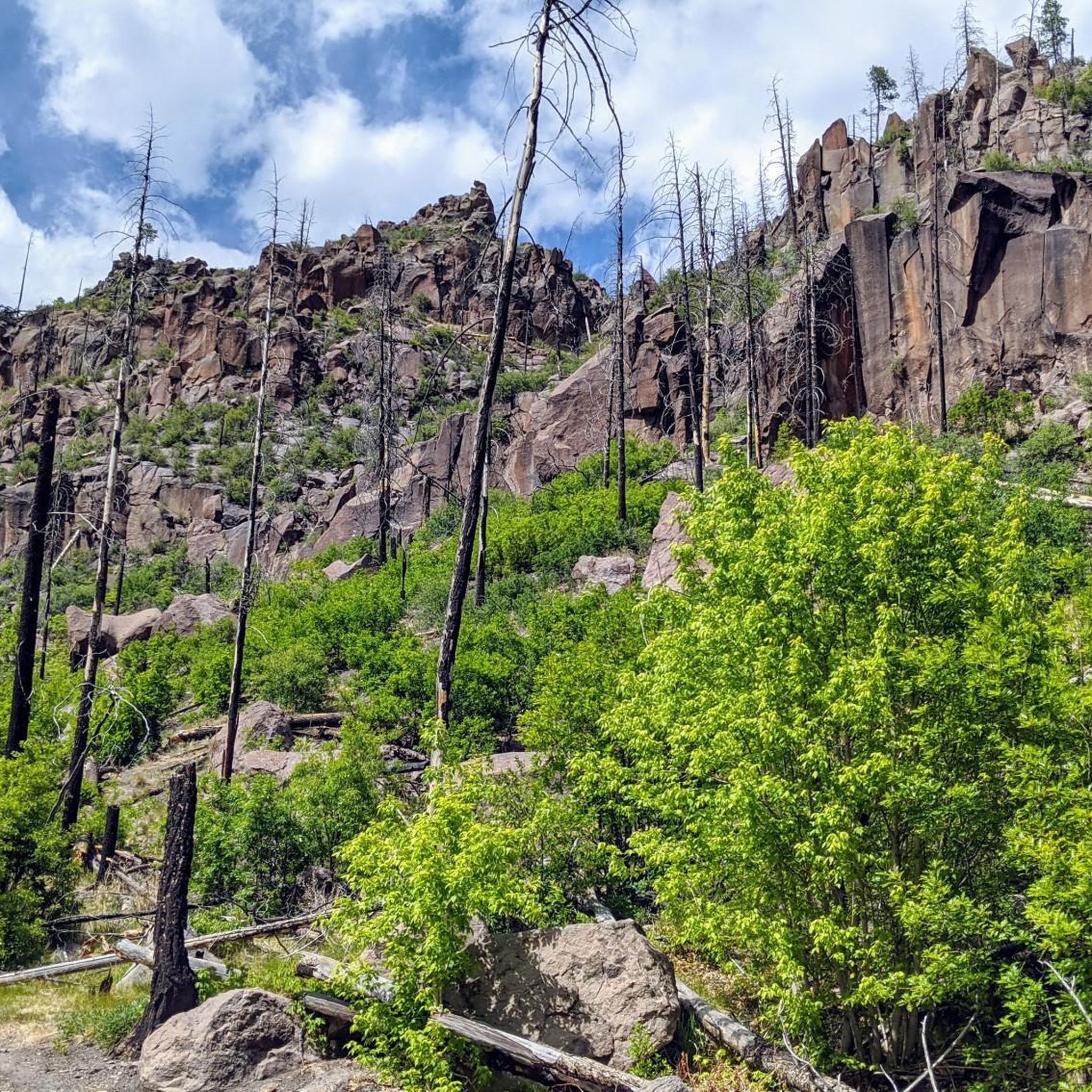
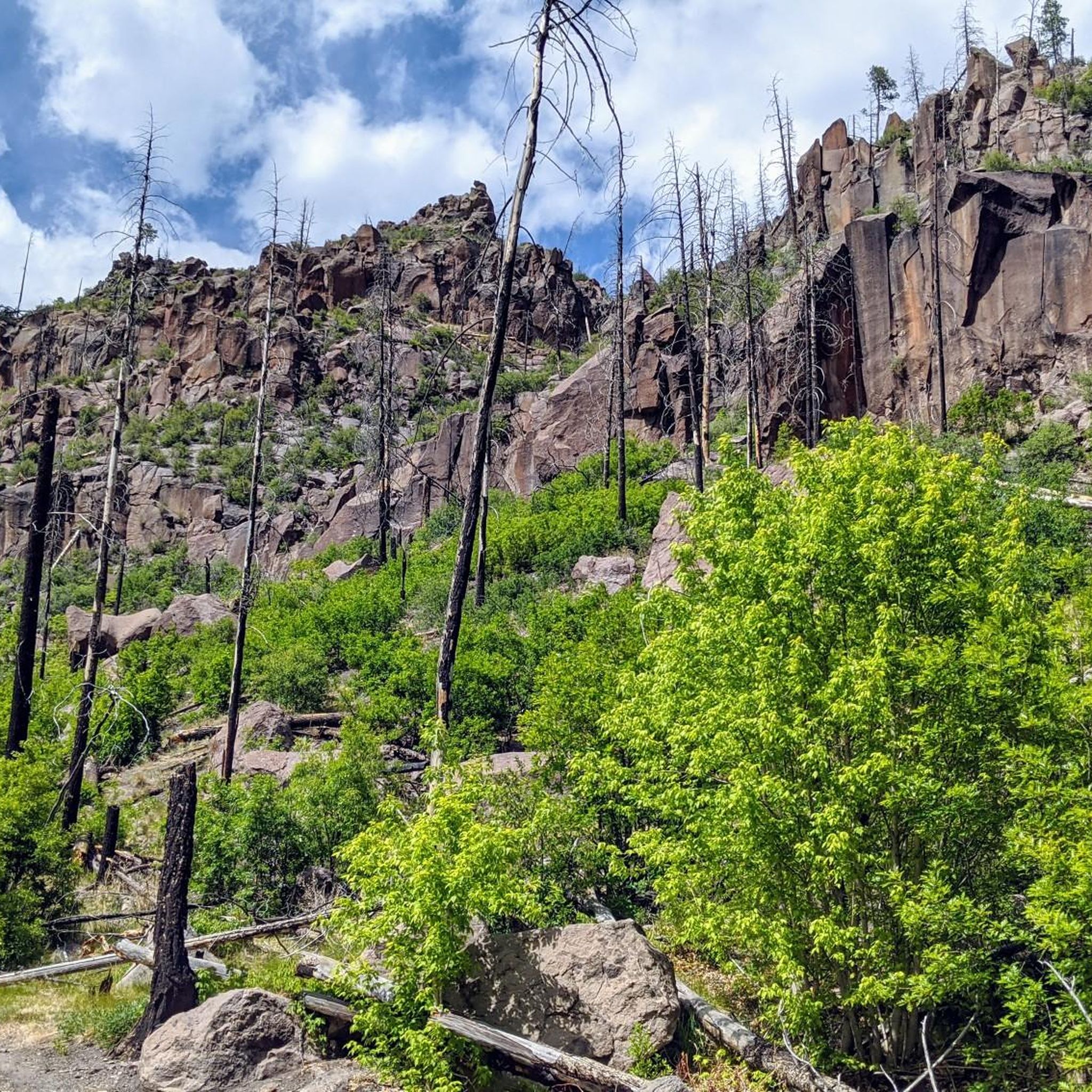
Jogging in Bandelier National Monument offers diverse terrain across over 33,000 acres of rugged canyon and mesa country. The landscape features steep-walled Frijoles Canyon, carved by Frijoles Creek, and expansive mesa tops. Runners can experience varied environments, including desert grasslands, montane meadows, and Ponderosa pine forests, with views of Northern New Mexico and several mountain ranges. Volcanic geology is a prominent feature throughout the monument.
Best jogging routes in Bandelier National Monument
- The most popular jogging route is Frijoles Trail…
Last updated: October 10, 2026
4
runners
24.4km
03:20
690m
690m
Hard run. Very good fitness required. Sure-footedness, sturdy shoes and alpine experience required.
2
runners
21.2km
02:31
440m
440m
Hard run. Very good fitness required. Mostly paved surfaces. Suitable for all skill levels.

1
runners
5.48km
00:43
150m
150m
Moderate run. Good fitness required. Mostly paved surfaces. Suitable for all skill levels.
1
runners
2.89km
00:22
50m
50m
Easy run. Great for any fitness level. Mostly paved surfaces. Suitable for all skill levels.
1
runners
4.79km
00:36
90m
90m
Easy run. Great for any fitness level. Mostly paved surfaces. Suitable for all skill levels.
Get access to more routes and recommendations from other explorers.
Already have an account?
Our route recommendations are based on thousands of hikes, rides, and runs completed by other people on komoot.
Start today with a free account
Your next adventure awaits.
Other adventures in Bandelier National Monument

Tips from the Community

Located 12 miles from the main section of Bandelier National Monument on State Highway 4, the Tsankawi section offers a 1.5-mile walk along a mesa, showcasing cavates, petroglyphs, and an Ancestral Pueblo village. The trail is sometimes narrow in places, requires some scrambling in addition to climbing several ~12 foot ladders, and is quite exposed to the elements so it should be avoided during thunderstorms and inclement weather. In winter, the path may be slippery and icy. Tsankawi also can be a little challenging to locate, in large part because it signs on Highway 4. From Santa Fe, turn from State Highway 502 to 4, finding Tsankawi less than 1/4 mile on the left. Coming from Bandelier, it's easier to locate, with the gravel parking lot on the right past the 3rd stoplight. Here is a link to a great virtual tour of the site by the NPS: nps.gov/band/learn/photosmultimedia/tt-vt-intro.htm
0
0

The Ferry Trail is about a mile and a half long and takes hikers through forests and open spaces with nice views of the surrounding plateaus and hills. The Ferry Trail is the main connecting trail between the Juniper Campground area and the Bandelier National Monument Visitor Center.
0
0
The Falls Trail brings runners to Upper and Lower Frijloes Falls by first descending down to the falls, then ascending to get back to the start. In the past, the trail led all the way down to the Rio Grande but now ends at the Upper Falls. Along the trail, rock formations can be found along with other geological interests. In the winter, this trail can get icy, so approach with caution.
0
0
Upper Frijoles Falls is a waterfall that comes off of Frijoles Creek. This waterfall and others in the area were created when stronger rocks, like basalt, slowed the erosional process. This area is known as a geological point of interest. Looking across the creek here, there are maar volcano deposits that formed during ancient volcano eruptions, when molten rock erupted through water.
0
0
Lower Frijoles Falls is the last stop on the Falls Trail before it terminates. Here, hikers get a view over the Lower Frijoles Falls, where, in different seasons, water can be flowing low or rushing out! In the winter months, it gets cold enough for ice cycles to form around the falls. The canyon around the falls has multicolored rocks and foliage that changes with the seasons as well.
0
0
The Yapashi Ancestral Pueblo site's ruins are on the Pajarito Plateau in the Bandelier backcountry. Beyond the ancient ruins, runners can enjoy the panoramic views of the volcanic landscape formed by the ancient Valles Caldera eruption. These ruins were made by the Keres people in 1200–1500 CE. Some of the buildings were up to three stories tall and had hundreds of rooms.
0
0
The Frijoles Trail follows the Rito de los Frijoles in the Frijoles Canyon. Runners can marvel at the high canyon walls towering overhead. The Frijoles Trail is about 5 miles one way.
0
0
The Frijoles Rim Trail is about 8 miles long one way and brings runners just above the rim of the Frijoles Canyon. It has great views and amazing natural rock features. It is advised to bring good skin protection for this trail as shade can be sparse.
0
0
Frequently Asked Questions
What kind of terrain can I expect when jogging in Bandelier National Monument?
Bandelier National Monument offers a diverse landscape for runners, characterized by rugged canyon bottoms, steep-walled Frijoles Canyon, and expansive mesa tops. You'll encounter varied environments including desert grasslands, montane meadows, and Ponderosa pine forests, with volcanic geology prominent throughout. Routes can range from flat, easy paths along Frijoles Creek to more strenuous options with significant elevation changes.
Are there running routes suitable for beginners in Bandelier National Monument?
Yes, Bandelier National Monument has routes suitable for beginners. For example, the Tsankawi Trail is an easy 1.8-mile (2.9 km) loop that takes about 20 minutes to complete, featuring cavates and petroglyphs. The Falls Trail is another easy option, a 3.0-mile out-and-back route to the Upper Falls of Frijoles Canyon.
What are some challenging running trails for experienced runners in Bandelier National Monument?
For experienced runners seeking a challenge, Bandelier offers several difficult routes. The Frijoles Trail to Yapashi Pueblo ruins loop trail run is a demanding 15.2-mile (24.4 km) route exploring rugged canyon and mesa country. Another difficult option is the Frijoles Canyon and Rim Trail Loop, a 13.2-mile (21.2 km) path that descends into the canyon bottom and offers expansive views from the rim.
How many running routes are available in Bandelier National Monument?
There are 10 dedicated running routes available in Bandelier National Monument, catering to various fitness levels from easy footpaths to more strenuous trails.
Can I explore ancient Pueblo dwellings or historical sites on my run?
Absolutely! Bandelier National Monument is rich in archaeological attractions. Many trails lead past ancestral Pueblo dwellings. For instance, the Tsankawi Trail features cavates, petroglyphs, and an Ancestral Pueblo village. You can also find sites like Alcove House, Cavates, and Petroglyphs along various routes.
Are there any scenic viewpoints or natural features to see while running in Bandelier National Monument?
Yes, the monument offers stunning natural beauty. You can enjoy views of Northern New Mexico and several mountain ranges, with some trails providing glimpses of the Rio Grande. Frijoles Creek and its Upper Falls are prominent natural features; the Falls Trail leads directly to Frijoles Falls. The Frey Trail offers excellent bird's-eye views of Tyuonyi Pueblo as it descends into the canyon.
Is Bandelier National Monument suitable for family-friendly runs?
Yes, Bandelier National Monument offers options for families. The Main Loop Trail (Pueblo Loop Trail) in Frijoles Canyon is a popular 1.2 to 1.4-mile partially paved loop that provides easy access to ancestral Pueblo dwellings and is suitable for families. The initial flat portion of the Alcove House Trail along Frijoles Creek is also pleasant for a family outing.
Are dogs allowed on the running trails in Bandelier National Monument?
Generally, pets are permitted on paved roads, in parking areas, and in the Juniper Campground and picnic areas. They are also allowed on the Frey Trail and the Pueblo Loop Trail (Main Loop Trail) in Frijoles Canyon. However, pets are not allowed on other trails or in buildings. Always keep your dog on a leash no longer than 6 feet (1.8 meters).
What is the best time of year to go running in Bandelier National Monument?
The best time to visit Bandelier National Monument for running is typically during the spring (April-May) and fall (September-October) when temperatures are milder and more comfortable for outdoor activities. Summer can be hot, especially in the canyons, while winter can bring snow and ice, particularly at higher elevations.
Are there any loop running trails in Bandelier National Monument?
Yes, there are several loop options for runners. The Frijoles Trail to Yapashi Pueblo ruins loop trail run and the Frijoles Canyon and Rim Trail Loop are both excellent longer loop options. For a shorter, easier loop, consider the Tsankawi Trail.
What do other runners enjoy the most about jogging in Bandelier National Monument?
The routes in Bandelier National Monument are highly rated by the komoot community. Runners often praise the unique combination of physical activity with opportunities to explore ancient historical sites, the varied terrain from canyon bottoms to mesa tops, and the stunning views of Northern New Mexico and its mountain ranges.
Is public transport available to Bandelier National Monument?
During peak season (typically mid-May to mid-October), private vehicles are generally not allowed into Frijoles Canyon between 9 AM and 3 PM. Visitors must use a mandatory shuttle bus service from the town of Los Alamos to access the main visitor center and trails in Frijoles Canyon. Check the official NPS website for current operating schedules and details: NPS Bandelier Plan Your Visit.
Are there any permits or fees required for jogging in Bandelier National Monument?
Yes, Bandelier National Monument charges an entrance fee. This fee covers entry for 7 days. Annual passes and interagency passes are also accepted. No specific jogging permit is required beyond the standard park entrance fee. For current fee information, please refer to the official park website.
Most popular routes in Bandelier National Monument
Most popular attractions in Bandelier National Monument

Get inspired with the komoot mobile app


Explore more
Browse the best Running Trails & Routes in other regions.
