Attractions and Places To See around Fürstenau - Top 20
Best attractions and places to see around Fürstenau include historic landmarks, cultural sites, and natural areas. This historic town in Lower Saxony, Germany, features a blend of architectural heritage and green spaces. Visitors can explore ancient fortifications, impressive religious buildings, and expansive parks. The region offers opportunities to experience its natural surroundings through various outdoor activities.
Best attractions and places to see around Fürstenau
- The most popular attractions is Artländer Dom St. Nikolaus, a religious building that serves as…
Last updated: October 9, 2026
Artländer Dom St. Nikolaus
Highlight • Religious Site
Translated by Google •
Tip by

High Gate, Fürstenau
Highlight • Monument
Translated by Google •
Tip by

Sign up now to discover places like this
Get recommendations on the best single tracks, peaks, & plenty of other exciting outdoor places.
Wöstenesch Watermill
Highlight • Monument
Translated by Google •
Tip by

Bistro at Saller Lake
Highlight • Cafe
Translated by Google •
Tip by

Gold Hill Shelter
Highlight • Mountain Hut
Translated by Google •
Tip by

Sign up for free to discover even more attractions around Fürstenau.
Already have an account?
Start today with a free account
Your next adventure awaits.
Popular around Fürstenau
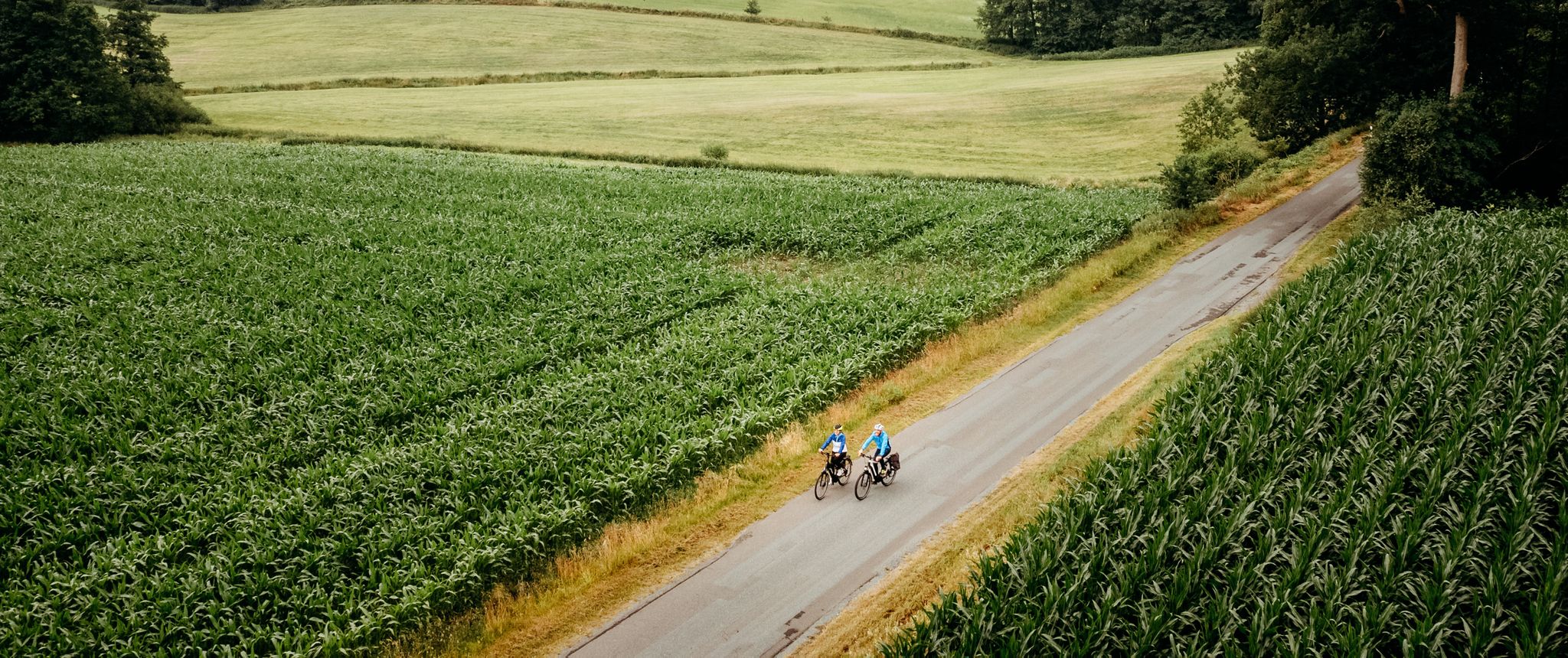
On the road on the Artland cycle tour
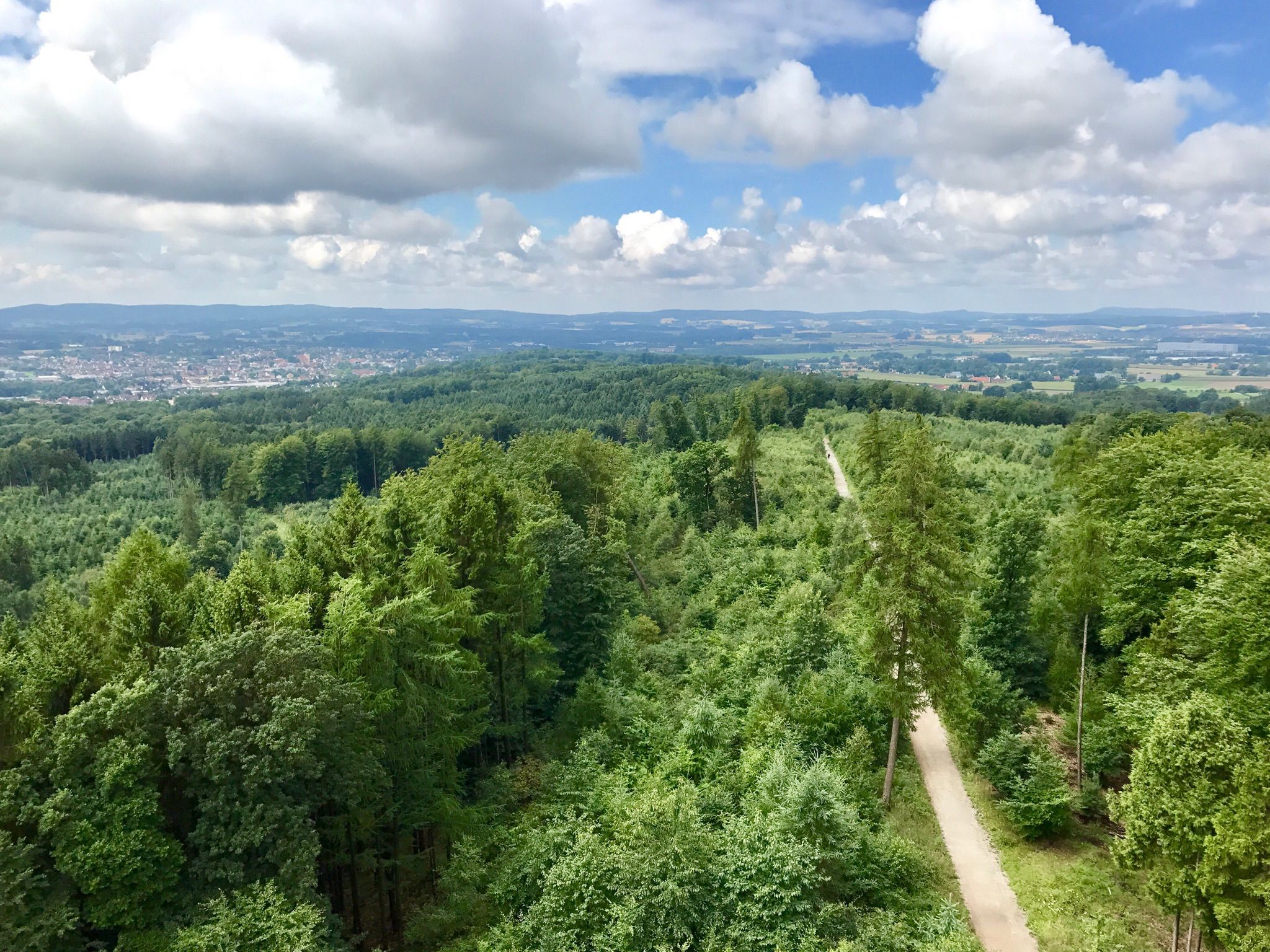
Peace and nature on Germany’s Ems-Hase-Hunte-Else Trail
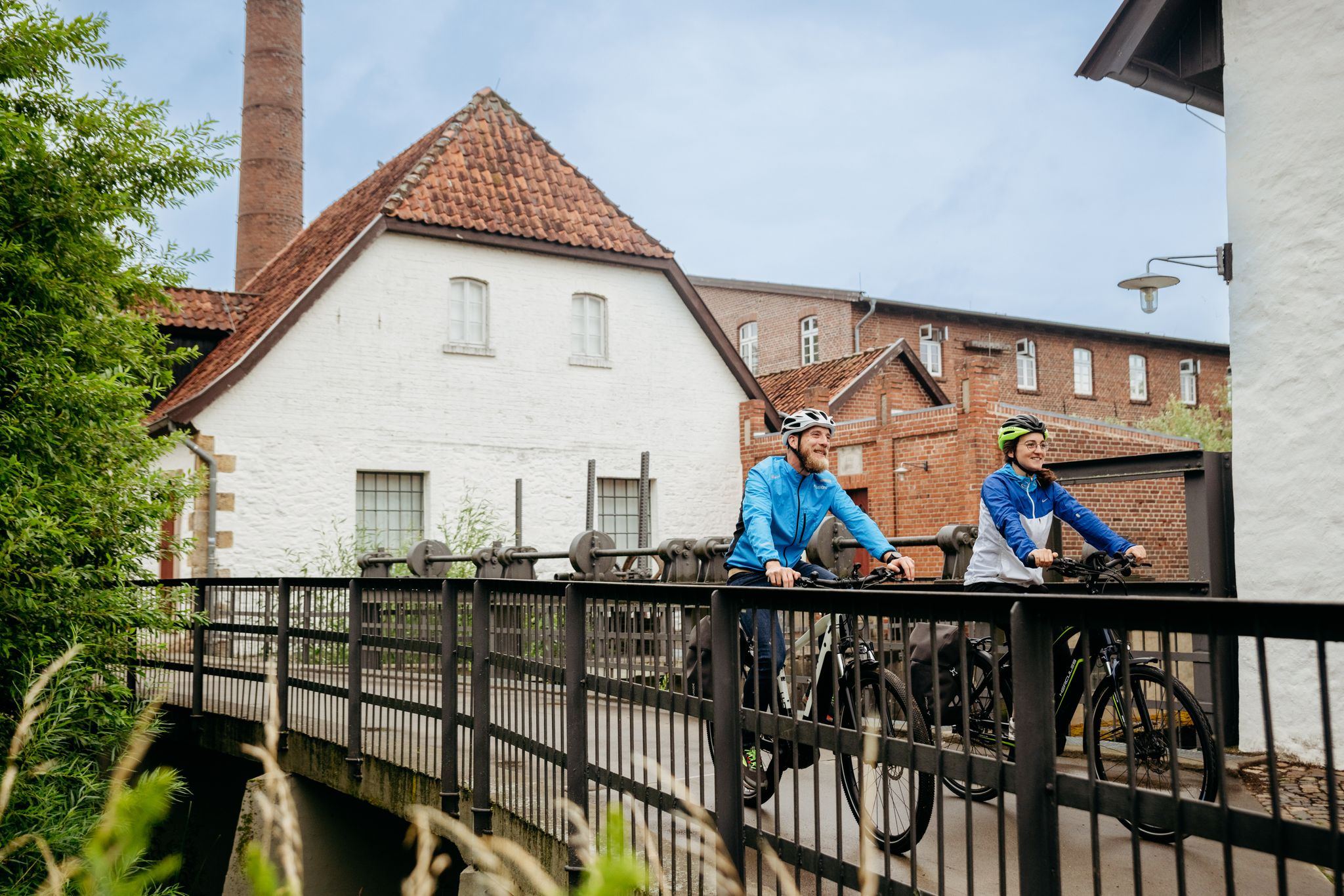
Day rides in Osnabrück region – variety in Germany’s northwest
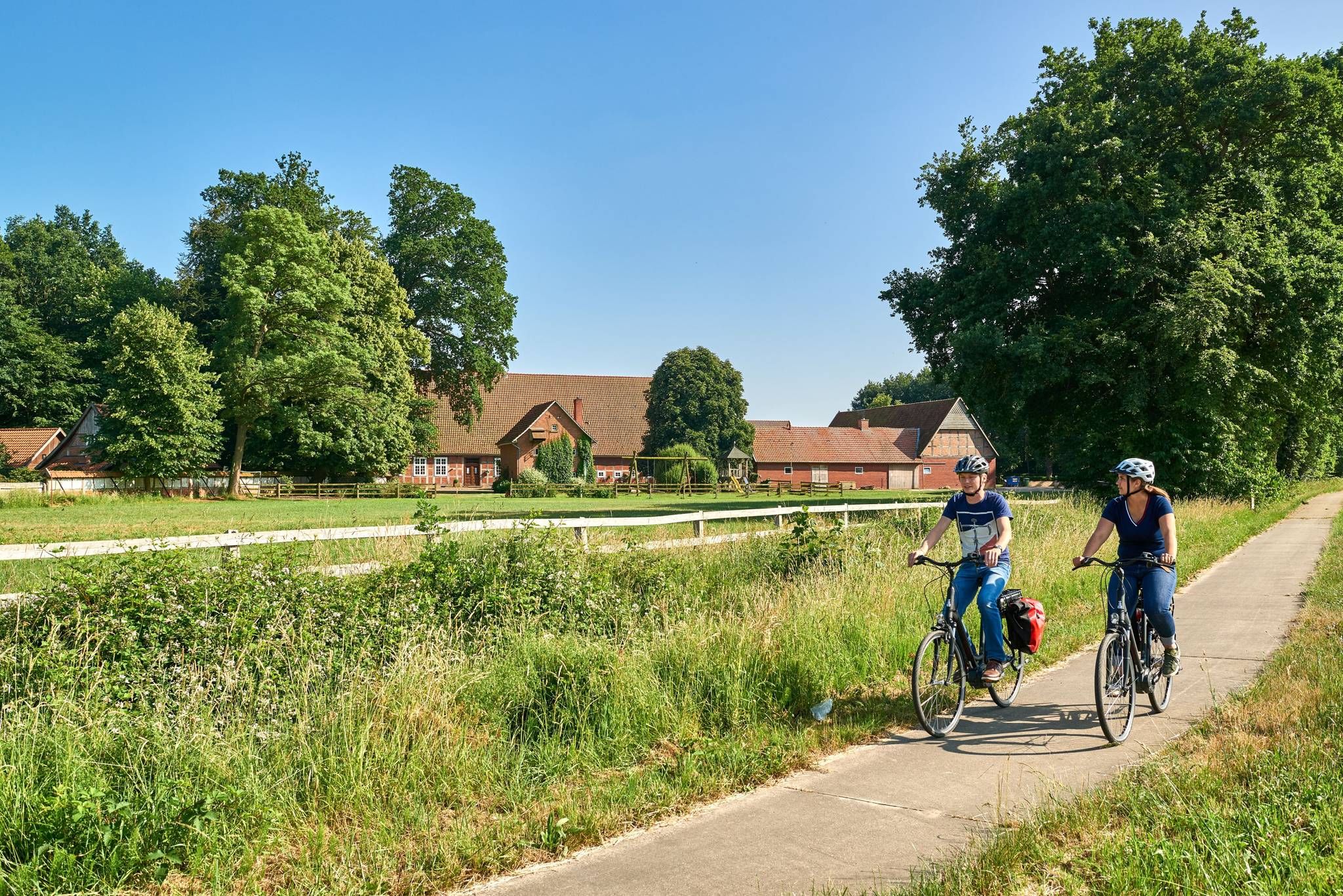
Castles, mills & timber-framed houses – Osnabrück Land
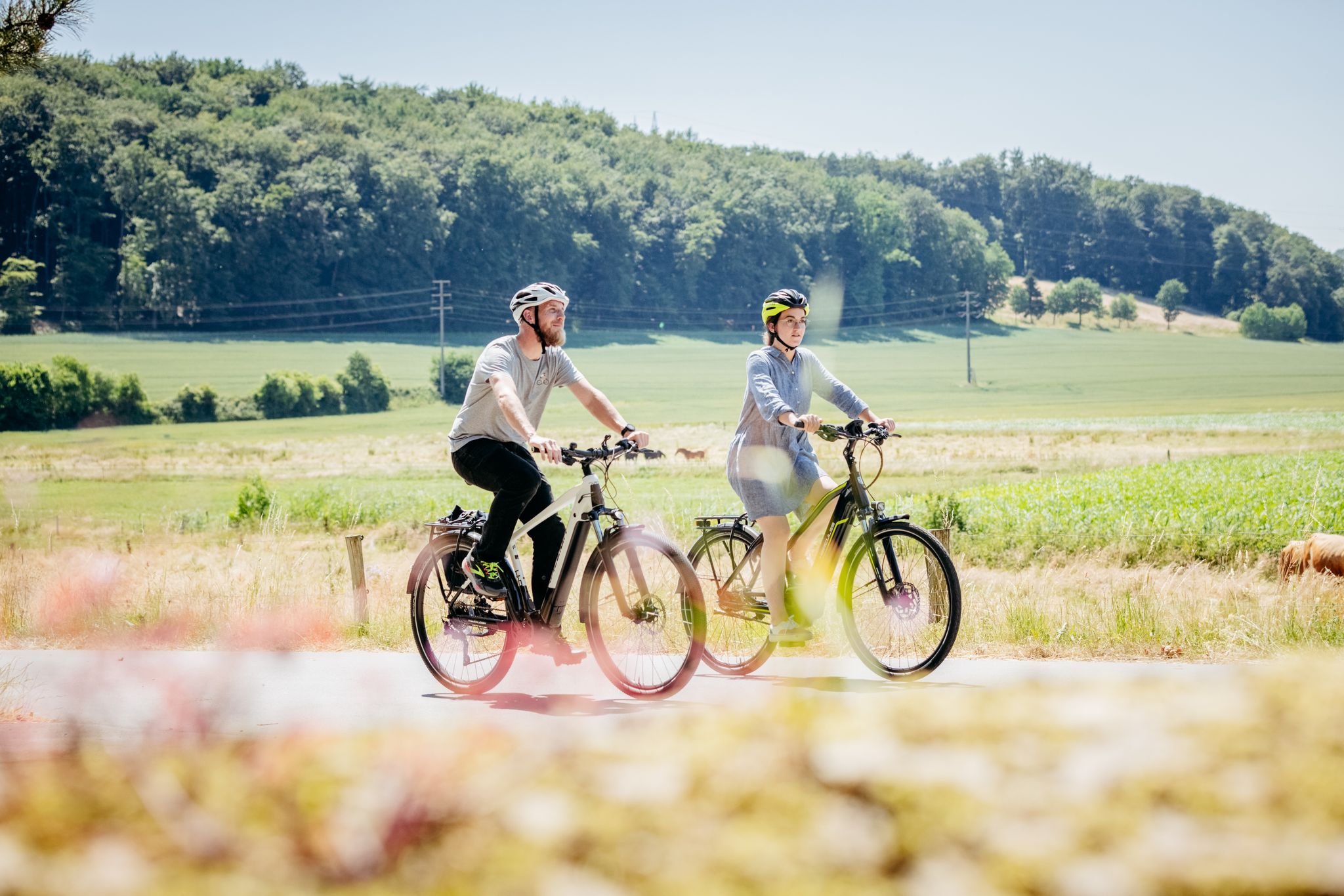
11 loops in Osnabrück Land in Germany – a cyclist’s paradise
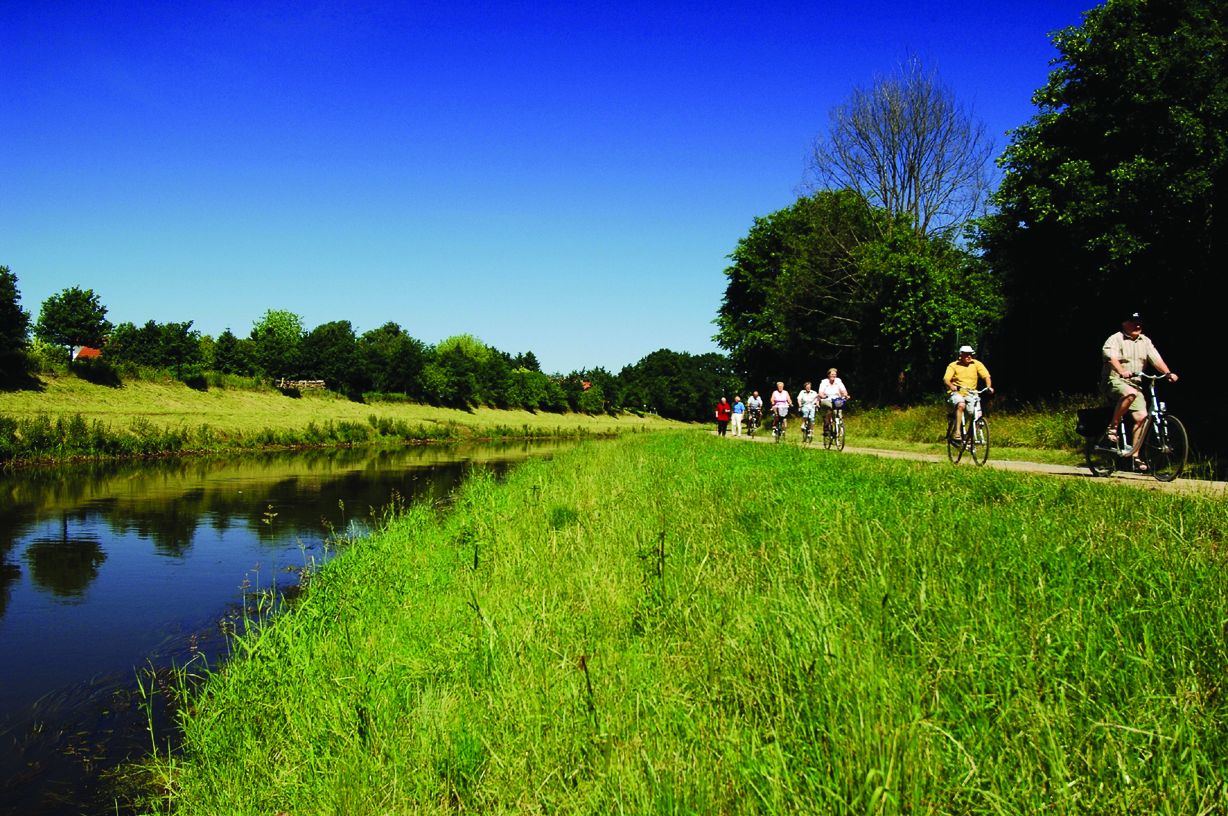
3-Länder-Tour
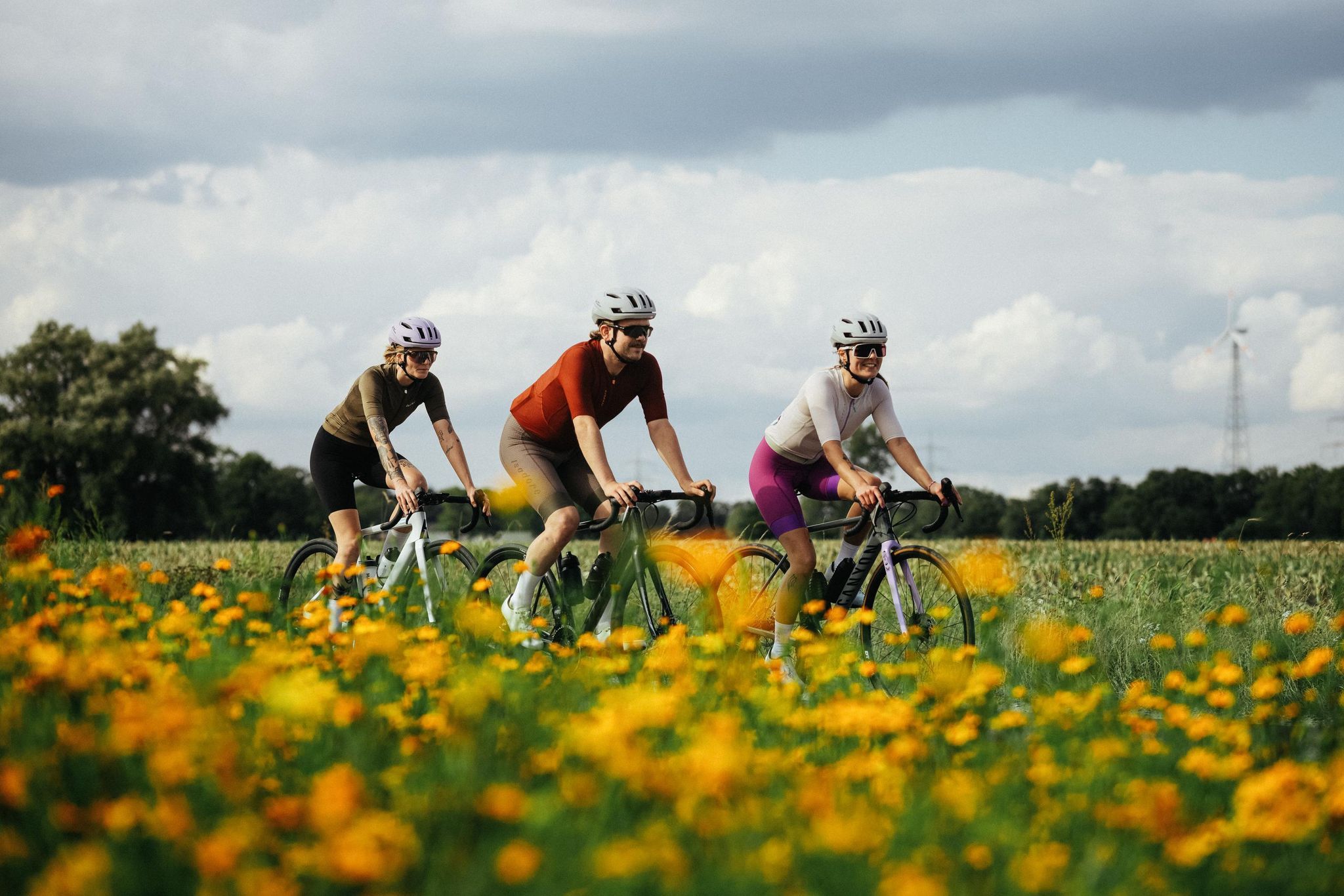
Hoch, weit, fantastisch – Rennradtouren im Osnabrücker Land
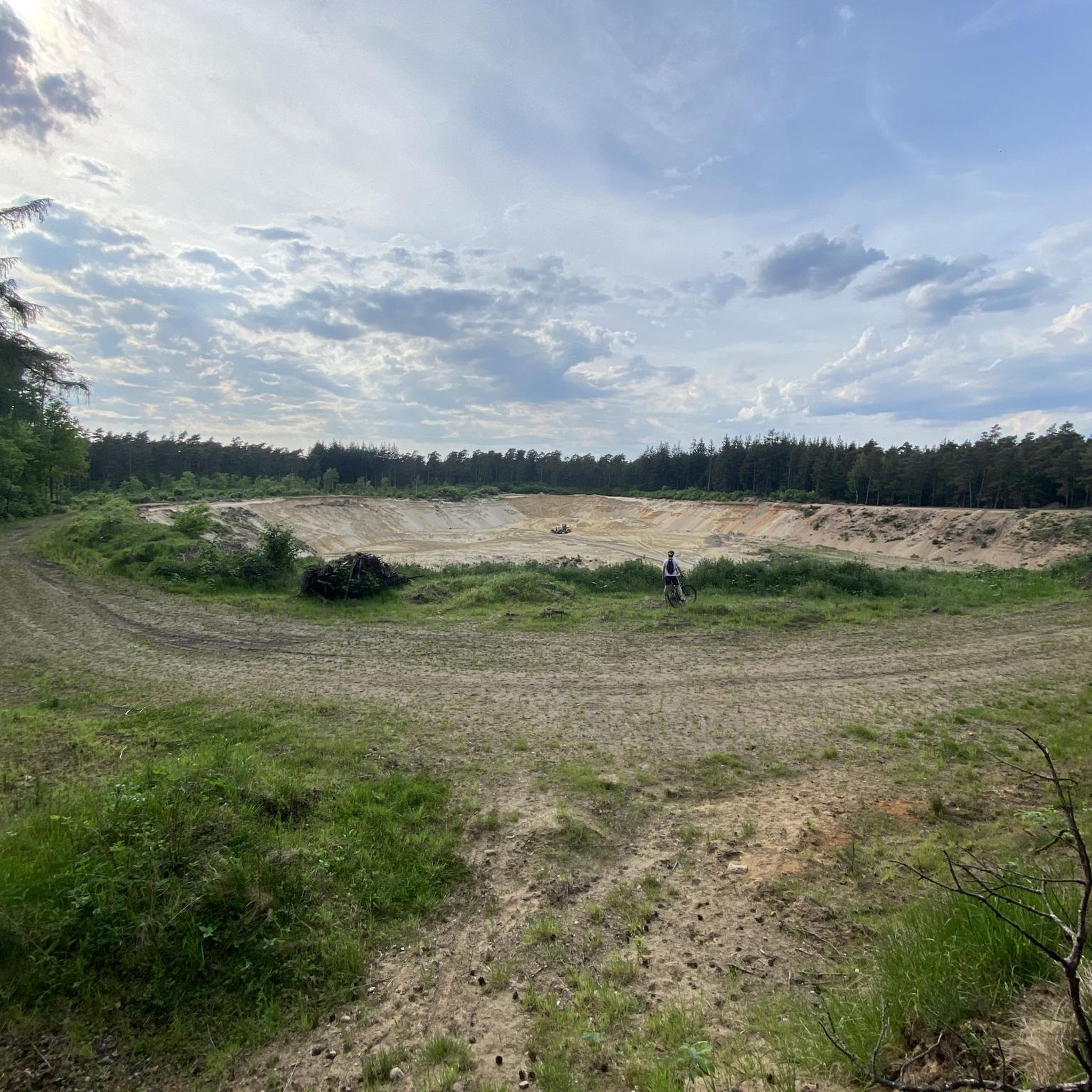
Cycling around Fürstenau
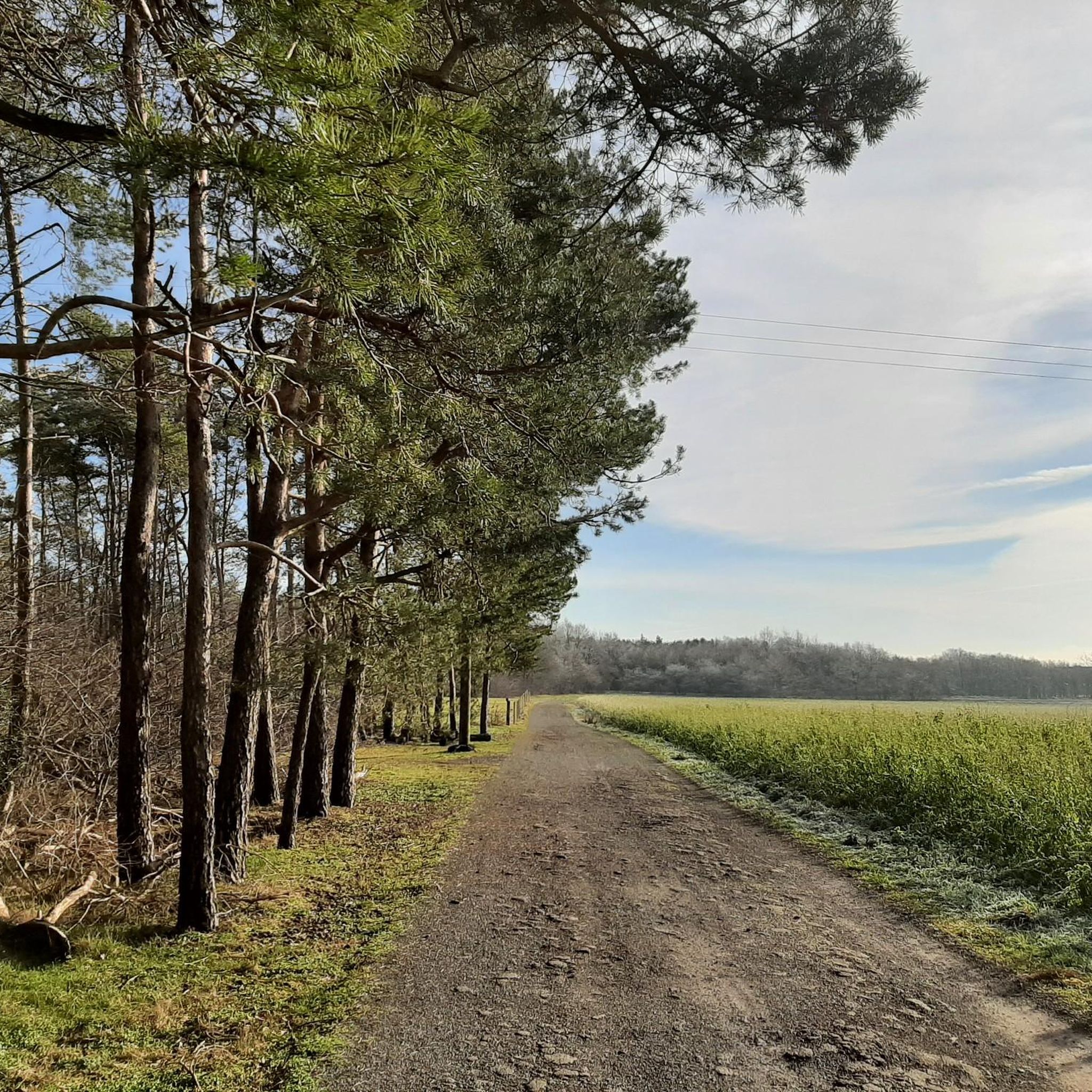
Hiking around Fürstenau
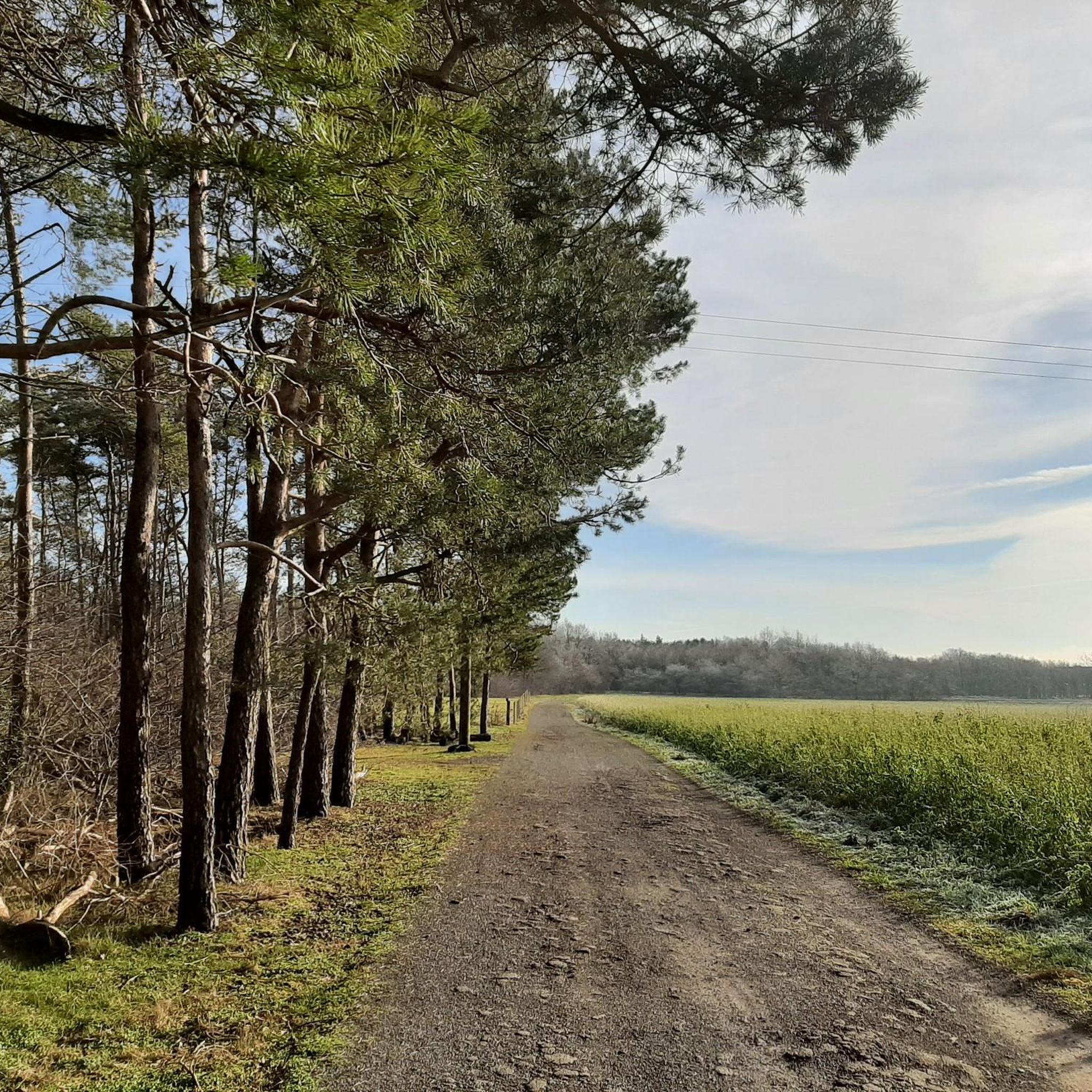
Road Cycling Routes around Fürstenau
Other adventures around Fürstenau


Tips from the Community

This historic watermill is the headquarters of the Eggermühlen local history association.
1
0
This wonderful rest hut invites you to relax.
0
0

A beautiful historic mill
1
0

Historic mill, unfortunately you can't see much from the outside. Small rest area opposite for a short break
2
0

The small water mill is always worth a short detour.
2
0

The Wöstenesch watermill was the only one of three watermills on the Eggermühlenbach that was preserved and revived by the local community. It bears witness to the long tradition of water mills in this area. The Wöstenesch water mill, which belongs to the village of Eggermühlen, is embedded in an old cultural landscape on the edge of the extensive Maiburg forest area. It was the only one of three mills that were originally located on the Eggermühlenbach stream that was preserved. The first documented mention in the archives of the Westphalian noble seat of Darfeld dates back to 1594, when the mill, built by the Cistercian nuns of the Börstel monastery, changed hands for the first time.
2
1
At its end, Schwedenstraße meets the former eastern cross street, the street “An den Schanzen”. The current name is reminiscent of an earth bastion that was located here until 1734, the Rinken or Kemnaschanze (Kemnade), named after the residents of the house directly on the ski jump. The large earth wall with a wide city moat secured the southeast side of the city. Even during the 30 Years' War, the entrenchment was a strong defensive bulwark.
2
0
Frequently Asked Questions
What historical landmarks can I explore in Fürstenau?
Fürstenau is rich in history. You can visit Fürstenau Castle, an impressive 14th-century water castle that once served as the Prince-Bishop's residence. Don't miss the High Gate, Fürstenau, an old city gate that was part of the historical city fortifications. The town also features historic farmer houses and an Old Town Hall, reflecting its past.
Are there any notable cultural sites or museums in Fürstenau?
Beyond the castle, you can explore the Parish Church of St. Katharina, which is part of the castle complex. The town also has a Local History Museum for those interested in its past. For a unique experience, consider a guided tour and tasting at the traditional Philipp Becker Distillery, established in 1830.
Where can I find natural beauty and parks for relaxation in Fürstenau?
The expansive Fürstenau Castle is surrounded by a large, water-rich park, perfect for leisurely strolls. The region is also bordered by the Maiburg Forest Area, offering beautiful wooded landscapes. For a tranquil spot, visit the Bistro at Saller Lake, where you can enjoy views of the water and nature.
What outdoor activities are available around Fürstenau?
The area around Fürstenau is ideal for outdoor enthusiasts. You can enjoy cycling and hiking through the beautiful wooded areas. In summer, there's a natural open-air swimming pool. For specific routes, explore the various guides available, such as Easy hikes around Fürstenau or Cycling around Fürstenau.
Are there good hiking opportunities near Fürstenau?
Yes, Fürstenau offers numerous hiking trails through its idyllic landscape. You can find easy routes like the 'Old Town Hall Fürstenau – High Gate, Fürstenau loop' or the 'Fürstenau Castle – Bench on Forest Path loop'. For more options, check out the Easy hikes around Fürstenau guide.
Can I go cycling around Fürstenau?
Absolutely! The region is well-suited for cycling. You can find routes ranging from easy to difficult, such as the 'Historic center of Fürstenau – High Gate, Fürstenau loop' or longer tours like the 'Hesemann Watermill – Ramingsmühle Watermill loop'. Discover more routes in the Cycling around Fürstenau guide.
Are there family-friendly attractions in the Fürstenau area?
Many attractions in Fürstenau are suitable for families. Children can enjoy exploring Fürstenau Castle and its surrounding park. The Wöstenesch Watermill offers a glimpse into history, and the natural open-air swimming pool is a great summer activity. The nearby 'Fursten Forest' Leisure and Holiday Park also provides a range of family activities.
What is the best time to visit Fürstenau for outdoor activities?
Spring and summer are particularly recommended for outdoor pursuits in Fürstenau. The weather is generally pleasant for hiking, cycling, and enjoying the natural open-air swimming pool. The castle park and other natural areas are at their most vibrant during these seasons.
What is the <a href="https://www.komoot.com/highlight/180573" target="_blank" rel="noopener">Artländer Dom St. Nikolaus</a> and where is it located?
The Artländer Dom St. Nikolaus, also known as Artland Cathedral, is a significant Roman Catholic parish church located in the nearby town of Ankum. It's a prominent landmark with a history dating back to 977 AD, and its impressive tower is visible from afar. The historic town center of Ankum also offers cozy cafés and restaurants.
Can I visit historic mills near Fürstenau?
Yes, you can visit the Wöstenesch Watermill, located in Eggermühlen on the edge of the Maiburg forest area. This historic mill dates back to at least 1594 and is the only preserved mill of three that originally operated on the Eggermühlenbach stream. It's now maintained by a local history association.
Are there any ancient historical sites in the region?
For those interested in ancient history, the region features Hünen Cult Grave Stones. These grave sites date back almost a thousand years B.C., offering a fascinating glimpse into the area's distant past.
Most popular routes around Fürstenau
Most popular attractions around Fürstenau

Get inspired with the komoot mobile app


Explore more
Still not found the Highlight you’re looking for? See guides of the top attractions in other regions:
