Attractions and Places To See around Glasin - Top 20
Attractions and places to see around Glasin, a municipality in Mecklenburg-Vorpommern, Germany, offer a blend of natural beauty and historical sites. The region is characterized by dense forests, gentle hills, and prominent natural features like Glasee and the Klaasbachtal. Visitors can explore historical landmarks such as former monasteries and ancient structures, providing opportunities for outdoor activities and cultural exploration.
Best attractions and places to see around Glasin
- The most popular attractions is Neuburg Village Church, a religious building that is an imposing brick structure in the Gothic style. It is one of the oldest village churches in Mecklenburg, completed in 1244, and features frescoes from different eras.
- Another must-see spot is Sonnenkamp Monastery, Neukloster, a religious building that was a former Benedictine monastery founded in 1219. The monastery church houses some of the oldest stained-glass windows in Northern Germany, dating from around 1250.
- Visitors also love Stone arch bridge over the Farpener Bach, a historical bridge built in the 18th century. This listed technical monument was once part of the postal road between Rostock and Wismar until 1882.
- Glasin is known for its religious buildings, historical sites, and natural landscapes. The region offers a variety of attractions to see and explore, from ancient churches to scenic bridges.
- The attractions around Glasin are appreciated by the komoot community, with 3 highlights featuring 23 photos and receiving 90 upvotes.
Last updated: June 22, 2026
Sonnenkamp Monastery, Neukloster
Highlight • Religious Site
The monastery was secularized in 1555 during the Reformation. Afterwards, large parts of the site fell into disrepair. A visit to the monastery church is still worthwhile today. Here visitors will find some of the oldest stained glass windows in northern Germany. They were created around 1250, show various saints and are located in the group of three windows in the choir.
Translated by Google •
Tip by

Neuburg Village Church
Highlight • Religious Site
Translated by Google •
Tip by

Sign up now to discover places like this
Get recommendations on the best single tracks, peaks, & plenty of other exciting outdoor places.
Sign up for free
Stone arch bridge over the Farpener Bach
Highlight • Bridge
Further information can be found in the pictures.
Translated by Google •
Tip by

Church Neukirchen
Highlight • Religious Site
It is a late medieval village church that was built in the middle of the 13th century by Westphalian settlers as a strong, heavy stone building. 100 years passed before it was completed.
Inside, the nave has two bays with eight-ribbed dome vaults. The old portals show the form of the round arch in the choir and the choir has groin vaults. In the nave they have the shape of a flattened pointed arch. The nave ends with dome vaults over head consoles and deep belt arches on strong stepped templates. Arched projections for a vault are visible in the tower, but this was not executed. The old painting in the choir room was restored in 2003.
Translated by Google •
Tip by

Translated by Google •
Tip by

Sign up for free to discover even more attractions around Glasin.
Sign up for free
Already have an account?
Start today with a free account
Your next adventure awaits.
Login or Signup

Tips from the Community

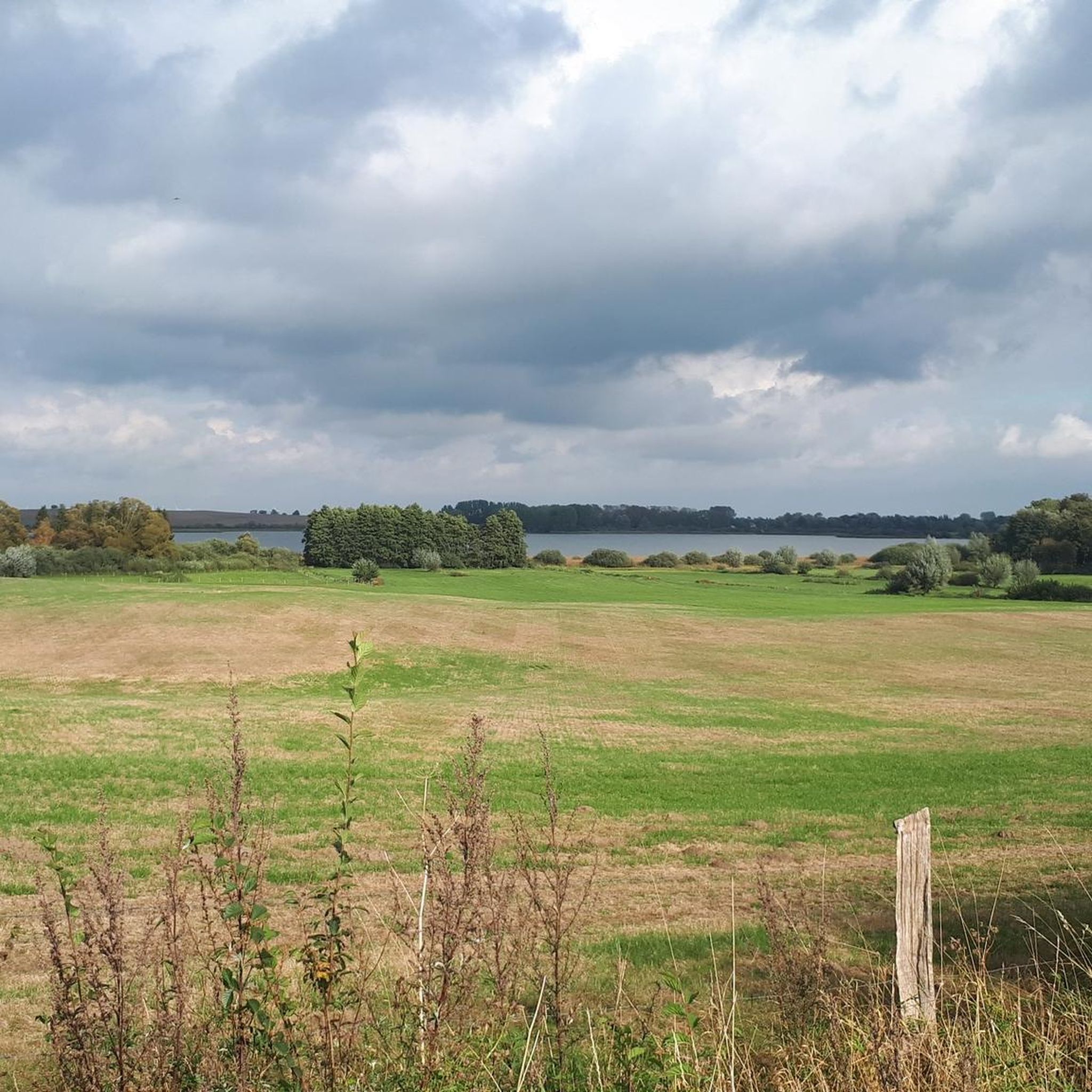
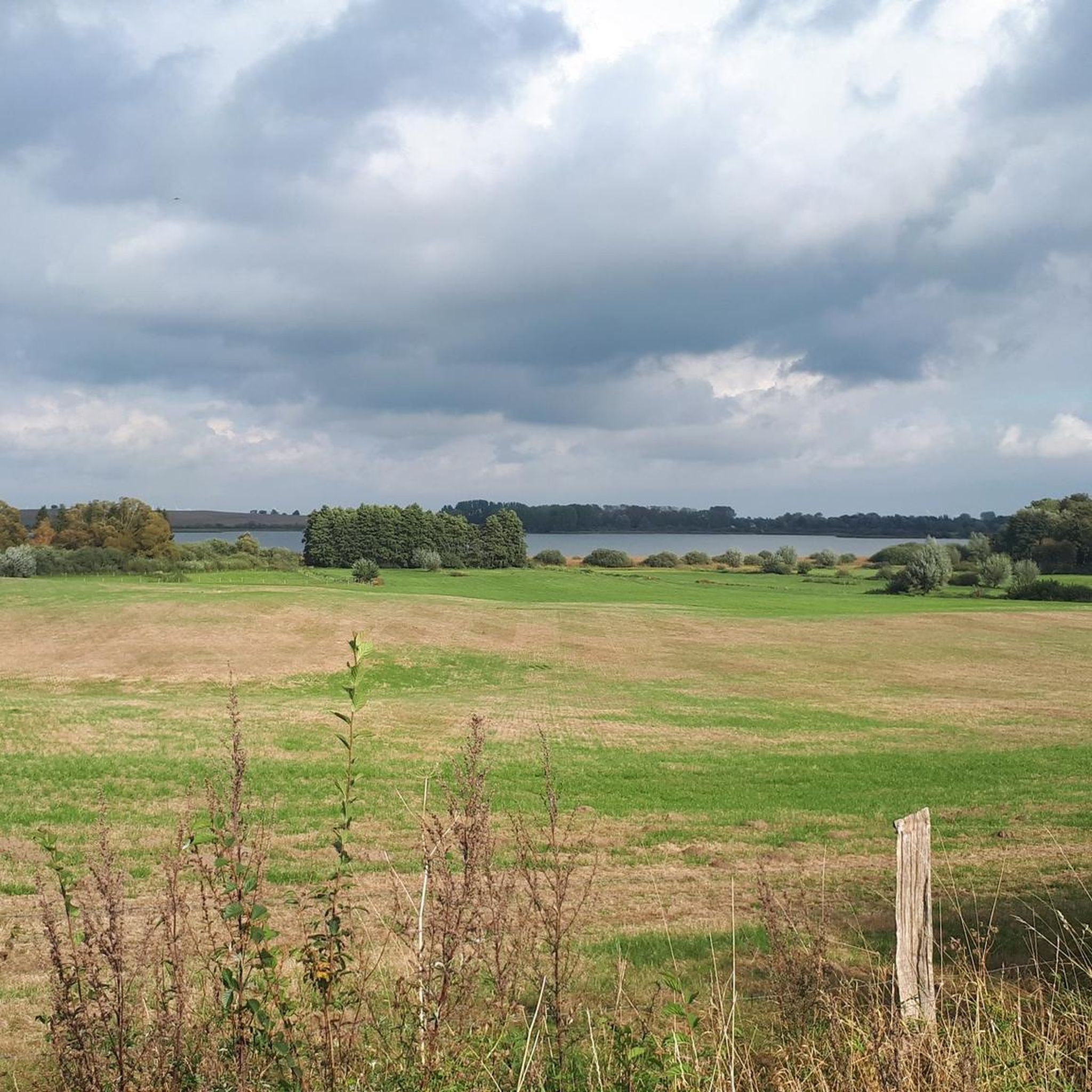
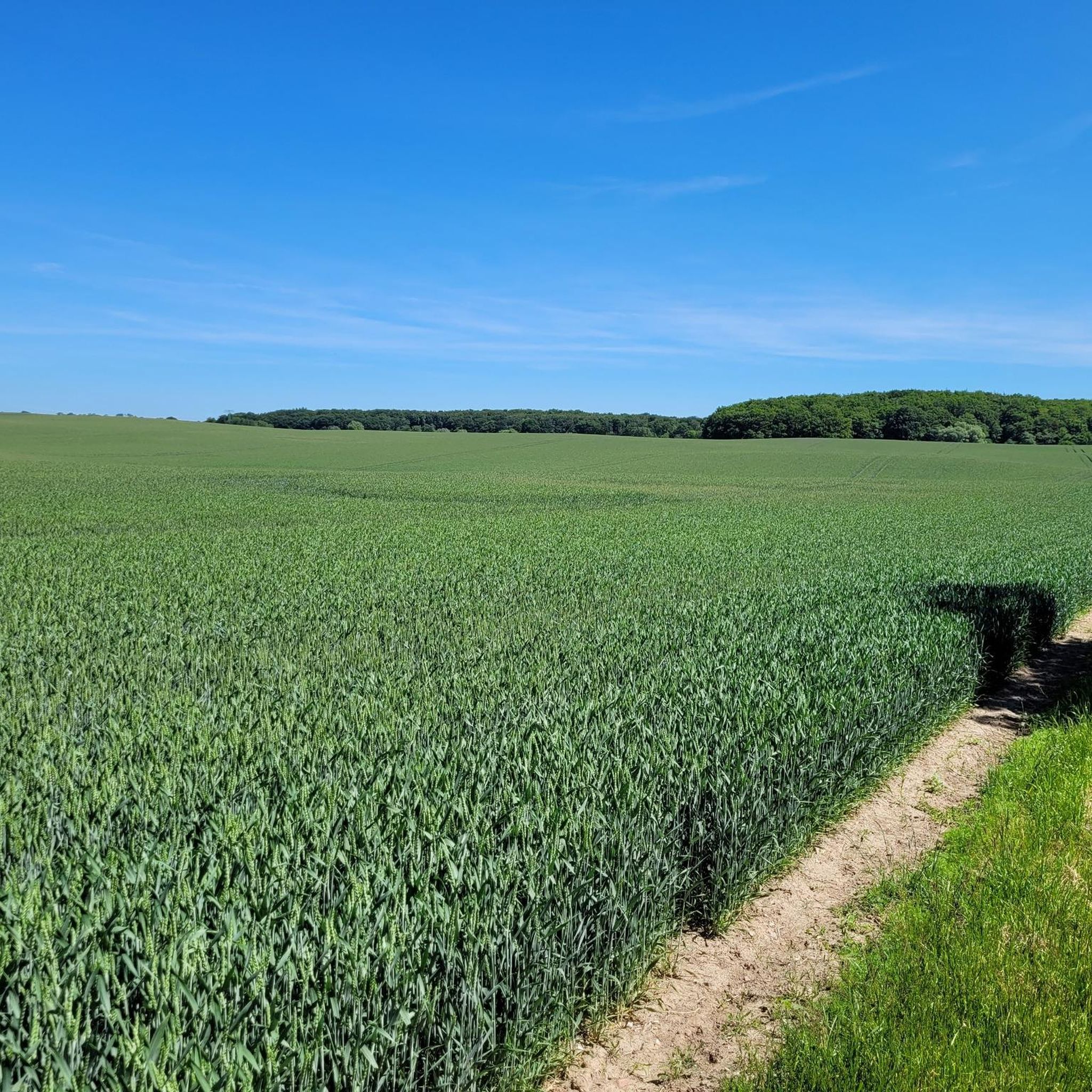
Most of the shore is surrounded by forest – this makes the lake very natural and quiet. It is located in the Sternberger Seenland nature park and is part of a charming hilly landscape with forests, meadows, and other smaller lakes.
0
0

Nice spot for a quick dip in the water.
1
0

The nunnery that moved into Sonnenkamp came from the branch in Parkow. The Marienkloster in Bergen on Rügen had also been intended as the mother house, but the Benedictine convent in Arendsee in the Altmark was a more likely candidate, since Adelheid, the second wife of Prince Borwin I, was a princess from the Mark Brandenburg who, through good relations with the Arendsee monastery, brought the first Benedictine nuns to Mecklenburg. After 1245, the convent adopted the Cistercian rule, which was probably due to the influence of the powerful Cistercian abbey of Doberan. In a letter of protection from Pope Clement IV dated May 26, 1267,[6] a Cistercian monastery was first mentioned as Cysterciensis ordinis, and the monastery was governed by a prioress and followed the rules of Saint Benedict according to the customs of the Cistercian brothers….
0
0

Luke 14:11: "... everyone who exalts himself will be humbled, and whoever humbles himself will be exalted
2
0
Proverbs 26:24: "A person with hatred in his heart may appear lovable, but he is only pretending."
2
0
Matthew 7:12: "Therefore, whatever you want others to do to you, do also to them. This is the Law and the Prophets."
2
0

Stone Arch Bridge The old postal or stone arch bridge at the foot of the Wallberg was built in the 18th century and is a listed technical monument. Traffic once traveled between Rostock and Wismar over this bridge. It was part of the postal road until the B105 highway and the Rostock-Wismar railway line were built in 1882. Today, the European Hiking Trail E9, the Hanseatic Way, and the Baltic-Westphalian Way of St. James share this section. Source: Information board of the municipality of Neuburg
1
0
The church's interior has now been beautifully restored and is open for viewing. A very beautiful altar and wonderful frescoes can be seen, among other things. The old cemetery surrounding the church has also been somewhat renovated. "A priest for Neuburg was documented in 1219. The building was built as a residential church in brick from 1220 to 1244. It is one of the oldest village churches in Mecklenburg. [...] Around 1266, thanks to a donation from Henry the Pilgrim, it received a share in the income from the town wine cellar in Wismar. [...] The mighty west tower, with an almost square floor plan, is as wide as the nave and was built at the end of the 14th century. [...] The remains of a 14th-century Last Supper depiction were uncovered on the south side of the choir. On the north wall of the nave, depictions of Christopher and George from around 1400 were found. On the east wall of the nave and in the clerestory, depictions of the apostles can be seen; they were painted in the second half of the 17th century. The painted wall hangings and the angels in the choir date from the same period." You can find the complete text here: https://de.wikipedia.org/wiki/Dorfkirche_Neuburg
2
2
Frequently Asked Questions
What historical sites can I explore near Glasin?
The region offers several historical sites. You can visit the Sonnenkamp Monastery in Neukloster, a former Benedictine monastery founded in 1219, known for housing some of the oldest stained-glass windows in Northern Germany. Another significant site is the Neuburg Village Church, an imposing Gothic brick structure completed in 1244, featuring frescoes from different eras. Additionally, the Stone arch bridge over the Farpener Bach, an 18th-century technical monument, marks a historic postal road.
Are there any natural attractions or scenic areas around Glasin?
Yes, Glasin is surrounded by natural beauty. The Glasee, located just a few kilometers away, offers diverse views of the lake, meadows, and forests, with a circular hiking trail. The Klaasbachtal (Klaasbach Valley) provides an idyllic nature experience where you can follow the quiet Klaasbach stream. The general landscape features dense forests and gentle hills, perfect for nature lovers.
What kind of outdoor activities can I do near Glasin?
The region is ideal for outdoor activities, especially hiking and cycling. You can find numerous scenic routes for both. For specific hiking trails, explore options like the 'View of Neukloster Lake' or 'Wasserschloss Gnemern' routes, which you can find more about in the Hiking around Glasin guide. For cycling, there are road cycling and gravel biking routes available, such as the 'Neuburg Village Church' road cycling loop or the 'View of Neukloster Lake' gravel biking route, detailed in the Road Cycling Routes around Glasin and Gravel biking around Glasin guides.
Are there family-friendly attractions in the Glasin area?
Many of the historical sites like the Neuburg Village Church and the Stone arch bridge over the Farpener Bach are considered family-friendly. Additionally, the natural areas like Glasee and Klaasbachtal are suitable for family walks. For a meal with children, Fischers Kiepe, a restaurant by Lake Neukloster, offers a small play tower with a slide and sandpit.
Where can I find a good place to eat near the attractions?
If you are exploring around Lake Neukloster, Fischers Kiepe is a highly-rated restaurant. It's known for excellent fish, friendly service, and a pleasant view of the lake. It's a great spot to stop for a meal or coffee.
What is the best time of year to visit Glasin for outdoor activities?
The region's natural landscape, characterized by dense forests and gentle hills, is enjoyable throughout the warmer months for hiking and cycling. Spring and autumn offer pleasant temperatures and beautiful scenery, while summer is ideal for longer days outdoors. Winter can also be beautiful, but trails might require appropriate gear.
Are there any ancient historical structures in the area?
Yes, in the nearby locality of Glaisin, you can find a Bronze Age burial mound (Hügelgrab Glaisin). Dating from approximately 2200 to 800 BC, this mound is a significant historical testament to prehistoric times in the region and is visible in a field between Glaisin and Menkendorf.
What makes the Neuburg Village Church special?
The Neuburg Village Church is one of the oldest village churches in Mecklenburg, completed in 1244. It's an imposing brick structure in the Gothic style, and inside, visitors can admire frescoes from different eras. The rectangular Gothic tower dates from the 14th century.
Can I find circular hiking trails around Glasin?
Yes, the Glasee, a prominent natural feature near Glasin, has a dedicated circular hiking trail (Rundweg um den Glasee) that allows visitors to enjoy diverse views of the lake and its surrounding landscape. Many other routes in the area, such as those listed in the Hiking around Glasin guide, also offer circular options.
What is the significance of the Sonnenkamp Monastery in Neukloster?
The Sonnenkamp Monastery in Neukloster, originally founded as a Benedictine monastery in 1219, is historically significant. Although much of the original complex is in ruins, the monastery church, bell tower, and provost's building remain. The church is particularly notable for housing some of the oldest stained-glass windows in Northern Germany, dating from around 1250 and depicting various saints.
Are there other notable churches in the vicinity besides Neuburg?
Yes, the Church Neukirchen is another impressive late medieval village church built in the mid-13th century. It features a mighty fieldstone tower and a two-bay nave with unique vaulting. Inside, you can find a late Gothic crucifix from the 15th century and restored old paintings in the choir room.
Most popular attractions around Glasin

Get inspired with the komoot mobile app


Explore more
Still not found the Highlight you’re looking for? See guides of the top attractions in other regions:
