The best walks and hikes in Big Indian Wilderness
4.5
(61)
864
hikers
13
hikes
Hikes in Big Indian Wilderness explore a rugged, mountainous area in the Catskill Park. The region is characterized by dense forests, steep-sided hollows, and several peaks with elevations reaching over 3,800 feet (1,158 m). A significant portion of the area contains primary forest, offering a remote backcountry experience.
Best hiking trails in Big Indian Wilderness
- The most popular hiking route is Balsam Mountain via Oliverea-Mapledale Trail — Big Indian Wilderness, a 5.4 mile (8.7 km) trail that takes about 3 hours 30 minutes to complete. This moderate route involves a steady climb to the summit of Balsam Mountain.
- Another top favourite among local hiking enthusiasts is Big Indian Mountain – Fir Mountain loop from Big Indian Mountain Association, a difficult 9.5 mile (15.2 km) path. The route is a challenging loop that connects two of the area's prominent peaks.
- Local hiking enthusiasts also love the Balsam Mountain Overlook via Oliverea Mapledale Trail loop — Slide Mountain Wilderness, a 4.9 mile (7.9 km) trail leading through the adjacent wilderness area, often completed in about 3 hours 15 minutes.
- Hiking in Big Indian Wilderness is defined by its deep woods, steep ascents to mountain summits, and extensive network of footpaths. The trail system provides options for both moderate day hikes and more strenuous multi-day backpacking loops.
- The routes in Big Indian Wilderness are highly rated by the komoot community with an average score of 4.8 stars from more than 40 reviews. More than 700 hikers have used komoot to explore Big Indian Wilderness's varied terrain.
Last updated: October 11, 2026
11
hikers
4.33km
01:43
520m
0m
Moderate hike. Good fitness required. Easily-accessible paths. Suitable for all skill levels.
6
hikers
12.1km
05:03
610m
530m
Hard hike. Very good fitness required. Mostly accessible paths. Sure-footedness required.

3
hikers
5.47km
02:30
490m
30m
Moderate hike. Good fitness required. Mostly accessible paths. Sure-footedness required.
2
hikers
6.20km
02:29
520m
40m
Moderate hike. Good fitness required. Mostly accessible paths. Sure-footedness required.
1
hikers
9.10km
03:41
620m
620m
Moderate hike. Good fitness required. Mostly accessible paths. Sure-footedness required.
Get access to more routes and recommendations from other explorers.
Already have an account?
Our route recommendations are based on thousands of hikes, rides, and runs completed by other people on komoot.
Start today with a free account
Your next adventure awaits.
Popular around Big Indian Wilderness
Tips from the Community

First hurdle: crossing (sometimes wading) the Neversink River on the Phoenicia-East Branch Trail... and this can be quite challenging in winter or spring... the trail can be a fast-flowing stream in places, and in winter: sheer ice, perhaps long stretches of snow on ice, quite steep (mostly boulder terrain) but manageable. The summit itself was... well: not impressive, but before the summit there are several viewing platforms with excellent views of the northern Catskills... Slide Mt. is apparently known (though we didn't know that either) because of the naturalist John Burroughs, who discovered Bicknell's thrush here; in any case, there were some spectacular views at certain points.
0
0

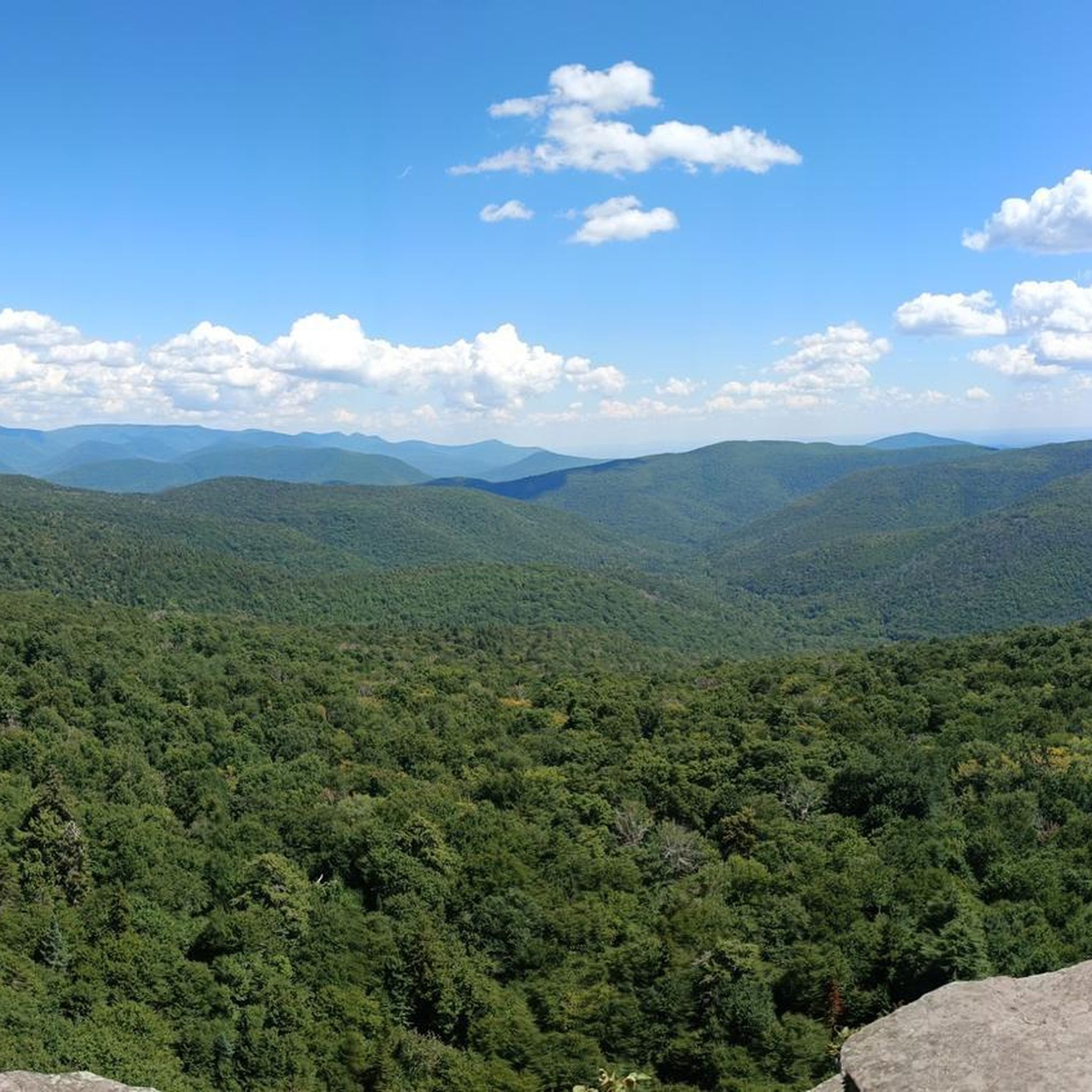
Slide Mountain is the tallest mountain in the Catskills. A few hundred feet past the actual summit, you can enjoy panoramic views from a rocky outcrop. Despite the trees, you'll be able to see the Ashokan Reservoir and part of the Catskill Park.
0
0

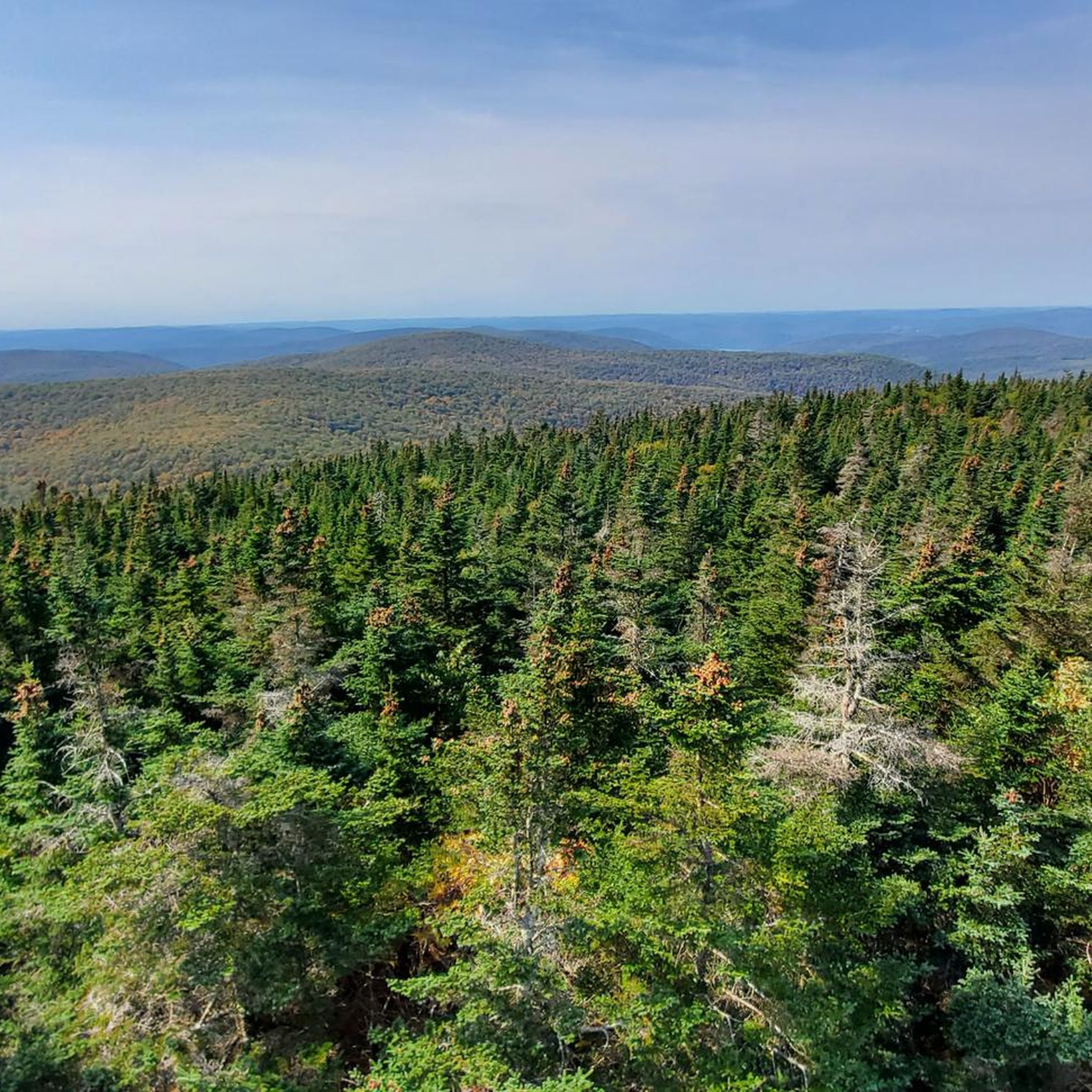
Eagle Mountain is situated within a dense forest, so its summit doesn't offer any expansive views. It's still a popular mountain to run up since it offers so much time in a dense forest ecosystem. The colors are especially spectacular in the fall months.
0
0
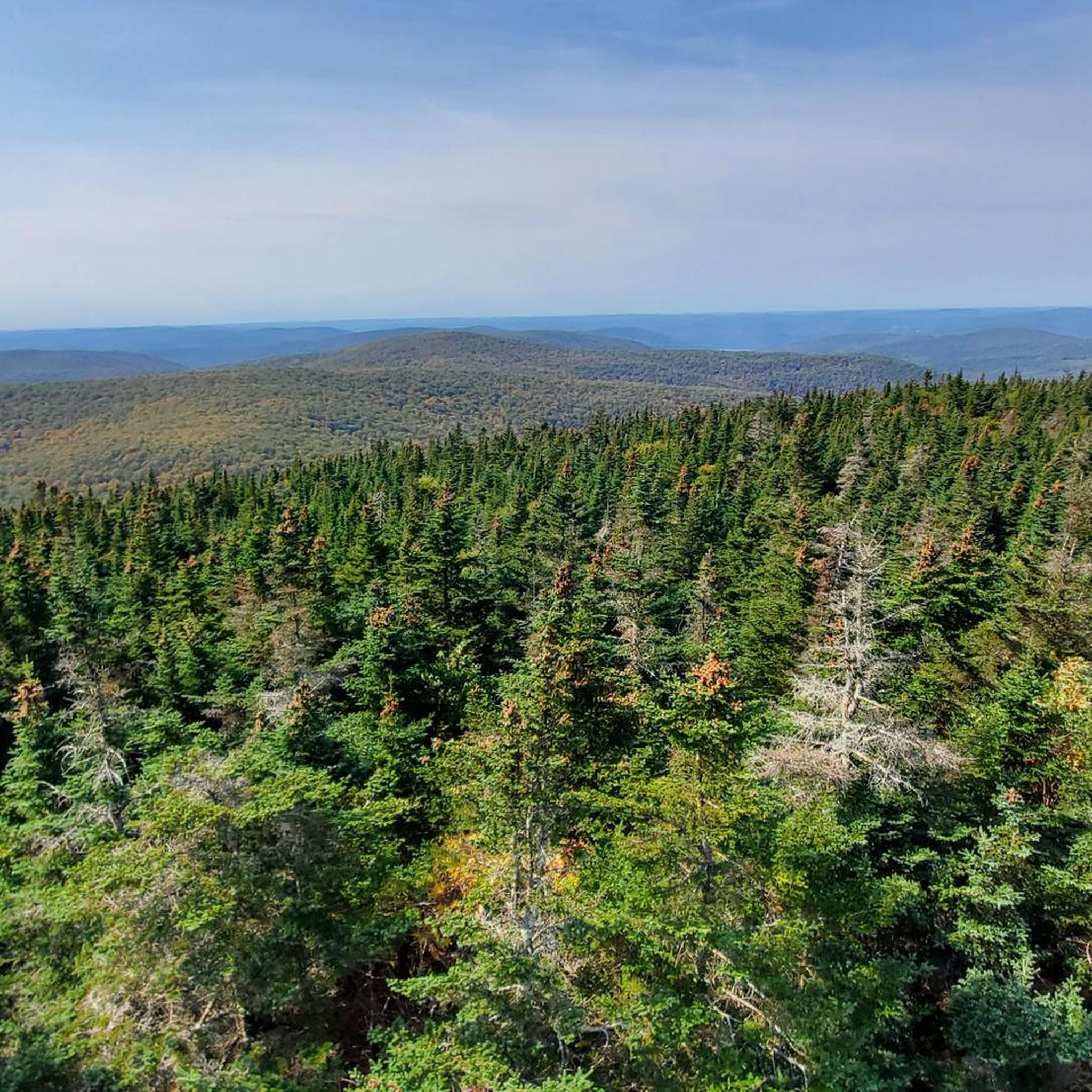
Eagle Mountain is situated within a dense forest, so its summit doesn't offer any expansive views. It's still a popular mountain to hike since it offers so much time in a dense forest ecosystem. The colors are especially spectacular in the fall months.
0
0

Fir Mountain is a 3,620-foot wooded summit with a summit canister at the peak.
0
0
Big Indian's summit, standing at 3,700 feet, ranks as the 19th highest in the Catskills. It is a wooded summit similar to Fir Mountain. You will know you have reached the summit when you find a summit canister at the end of the trail.
0
0

At 4,204 feet, Slide Mountain is the tallest peak in the Catskills Mountains of New York. It is located within Slide Mountain Wilderness Area and is a very popular hike, for good reason!
0
0
Slide Mountain is the tallest mountain in the Catskills. A few hundred feet past the actual summit, you can enjoy panoramic views from a rocky outcrop. Despite the trees, you'll be able to see the Ashokan Reservoir and part of the Catskill Park.
1
0
Frequently Asked Questions
Are dogs allowed on the trails in Big Indian Wilderness?
Yes, dogs are generally permitted on the trails in the Big Indian Wilderness, but they must be under your control at all times. In some areas, regulations may require them to be on a leash, especially in high-use areas or to protect wildlife. Always be prepared to clean up after your pet.
What are the options for backpacking and overnight camping?
The Big Indian Wilderness is ideal for backpacking. Primitive camping is allowed on most state lands, but you must camp at least 150 feet away from any trail, road, or water source. The area also has five lean-tos, which are available on a first-come, first-served basis. For a multi-day trek, the 14.1-mile Pine Hill-West Branch Trail is a classic choice with access to lean-tos and water sources.
Are there any easy, family-friendly hikes in the area?
While the region is known for its rugged terrain, there are some less strenuous options. The Neversink-Hardenburgh Trail offers an easy, relatively flat walk through the forest, perfect for families or those seeking a gentle outing. It provides a great opportunity to experience the deep woods without a major climb.
Can I find any circular or loop hikes?
Yes, there are several excellent loop trails. For a challenging day out, the Big Indian Mountain – Fir Mountain loop from Big Indian Mountain Association is a difficult 9.5-mile (15.2 km) circuit that takes you over two prominent peaks. For a more moderate option, the 4.8-mile Rider Hollow-Mine Hollow Loop is a popular choice that includes the summit of Balsam Mountain.
What are the trail conditions like and what should I be prepared for?
Trails in the Big Indian Wilderness are often rugged, rocky, and can be steep. You should expect a true backcountry experience. Proper hiking footwear is essential. Trails can be muddy after rain, and some sections are remote. Always carry a map, compass, extra water, food, and layers of clothing, as weather can change quickly in the mountains. Cell service is unreliable.
Is it possible to hike here in the winter?
Yes, winter hiking and snowshoeing are popular activities. However, they require specific gear and experience. Trails will be covered in snow and ice, so you'll need traction devices like microspikes or crampons, and possibly snowshoes for deeper snow. Days are shorter and conditions can be severe, so plan accordingly and check weather and avalanche forecasts before you go.
What kind of wildlife might I see in the Big Indian Wilderness?
The remote nature of the wilderness makes it a great habitat for wildlife. It's common to see white-tailed deer, porcupines, and a wide variety of birds. The area is also home to more elusive animals like black bears, bobcats, and fishers. The Mongaup-Hardenburg Trail is noted as a particularly good route for wildlife observation due to its less-trafficked nature.
Are there any hikes with waterfalls?
While the Big Indian Wilderness is primarily known for its dense forests and mountain peaks rather than large waterfalls, the area's many streams and brooks create smaller cascades and beautiful water features, especially after rainfall. The headwaters of several famous trout streams, like the Esopus Creek and the Beaverkill, originate here, and trails that follow these waterways offer scenic water views.
How does Big Indian Wilderness compare to the neighboring Slide Mountain Wilderness?
Both offer fantastic Catskills hiking. The Big Indian Wilderness is known for having the longest stretch of trail through uninterrupted virgin forest, providing a deep sense of solitude. The adjacent Slide Mountain Wilderness contains Slide Mountain, the highest peak in the Catskills, which tends to draw larger crowds. You can easily explore both, for example on the Slide Mountain Summit via Phoenicia East Branch Trail, which starts near the border between the two areas.
What do other hikers enjoy most about the Big Indian Wilderness?
The area is highly rated by the komoot community, with an average score of 4.8 stars. Hikers often praise the feeling of solitude and the immersive backcountry experience. The extensive old-growth forests and the challenging, yet rewarding, climbs to the peaks are frequently mentioned as highlights.
Are there any trails with good summit views?
While many peaks offer a 'deep woods' experience with limited views, Balsam Mountain is well-regarded for its lookouts. A hike like the Balsam Mountain via Oliverea-Mapledale Trail leads to a summit ridge that features a 'window view' of the surrounding high peaks, making the climb very rewarding.
How many hiking trails are in the Big Indian Wilderness?
You can explore over 40 different hiking routes in and around the Big Indian Wilderness on komoot. These range from easy forest walks to difficult multi-day backpacking adventures, covering more than 30 miles of marked foot trails within the wilderness boundary.

Get inspired with the komoot mobile app


Explore more
Browse the best Hikes in other regions.
