Attractions and Places To See around Ludwigslust - Top 20
Attractions and places to see around Ludwigslust feature a blend of baroque architecture, expansive parks, and historical sites. The town's past as a ducal residence is reflected in its planned layout and significant landmarks. Visitors can explore a large palace park, historical churches, and unique water features. The surrounding district also offers natural landscapes with wetlands and lakes.
Best attractions and places to see around Ludwigslust
- The most popular attractions is 24 water jumps, a natural monument that features…
Last updated: October 10, 2026
Ludwigslust Palace
Highlight • Castle
Translated by Google •
Tip by

24 water jumps
Highlight • Natural Monument
Translated by Google •
Tip by

Sign up now to discover places like this
Get recommendations on the best single tracks, peaks, & plenty of other exciting outdoor places.
St. Helena and St. Andreas Church with bell tower, Ludwigslust Palace Park
Highlight • Religious Site
Translated by Google •
Tip by

New Palace Neustadt-Glewe
Highlight • Castle
Translated by Google •
Tip by

Grotto ruins in Ludwigslust Palace Park
Highlight • Monument
Translated by Google •
Tip by

Sign up for free to discover even more attractions around Ludwigslust.
Already have an account?
Start today with a free account
Your next adventure awaits.
Popular around Ludwigslust
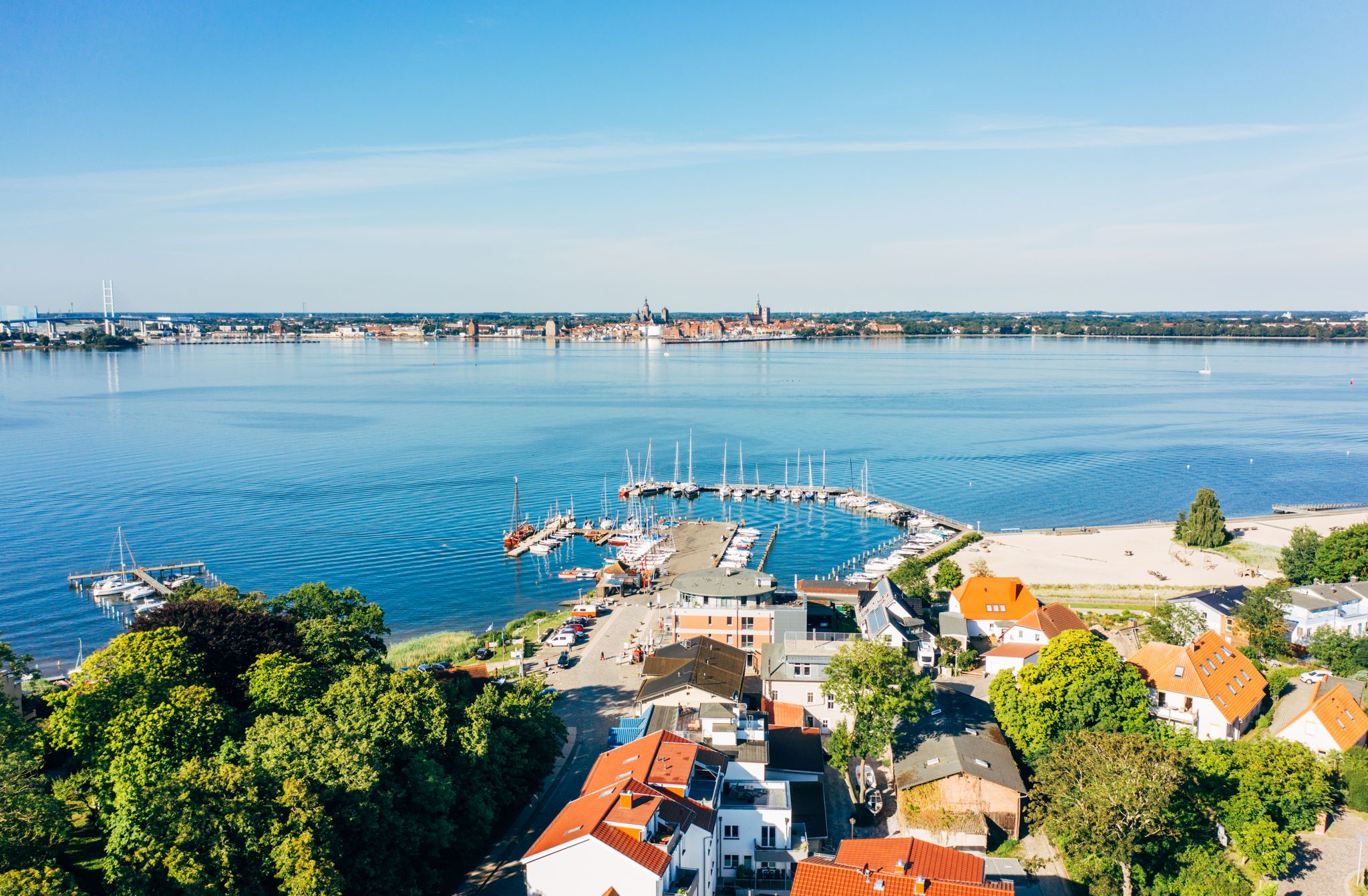
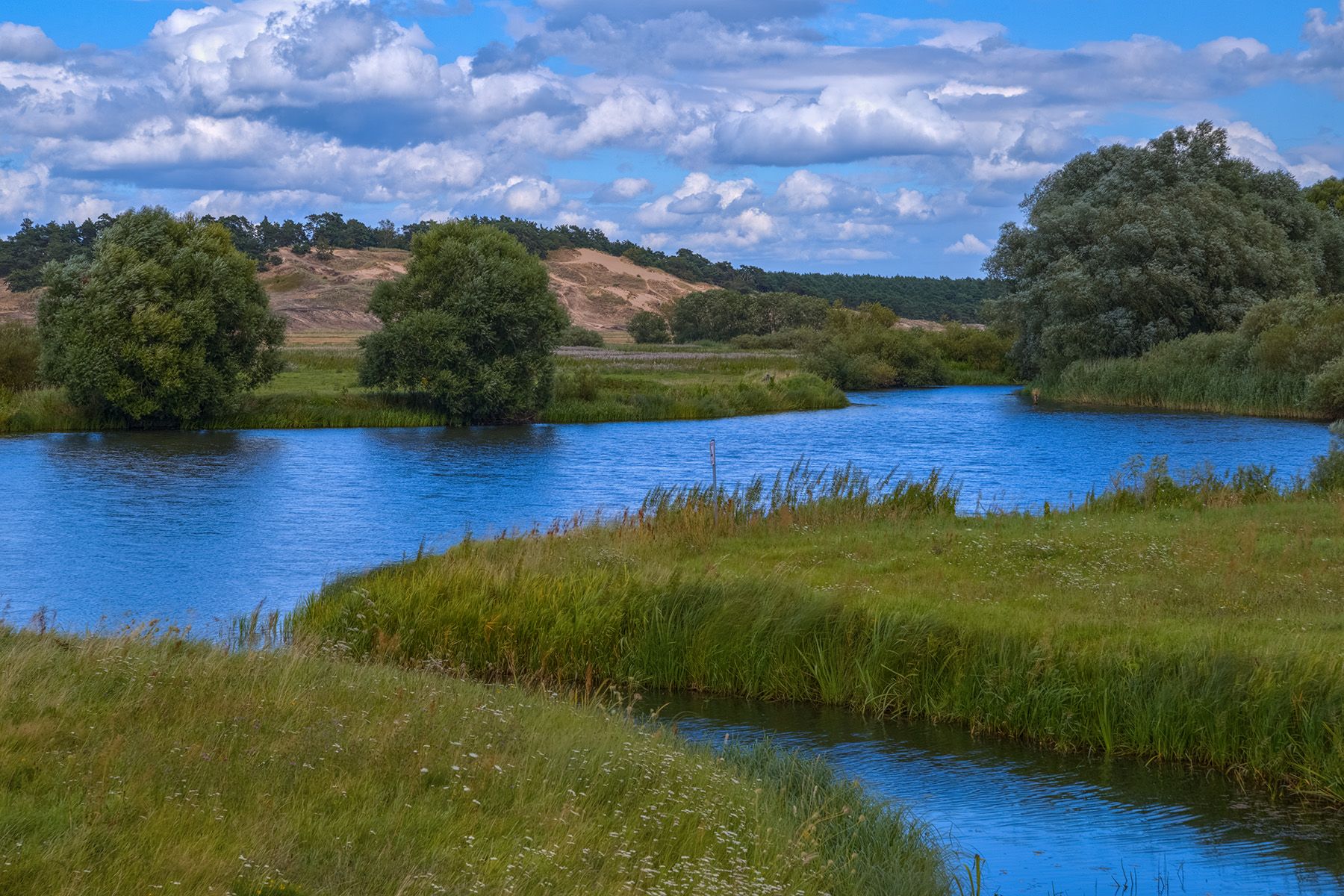
Spectacular nature in the cycle country Mecklenburg-Western Pomerania
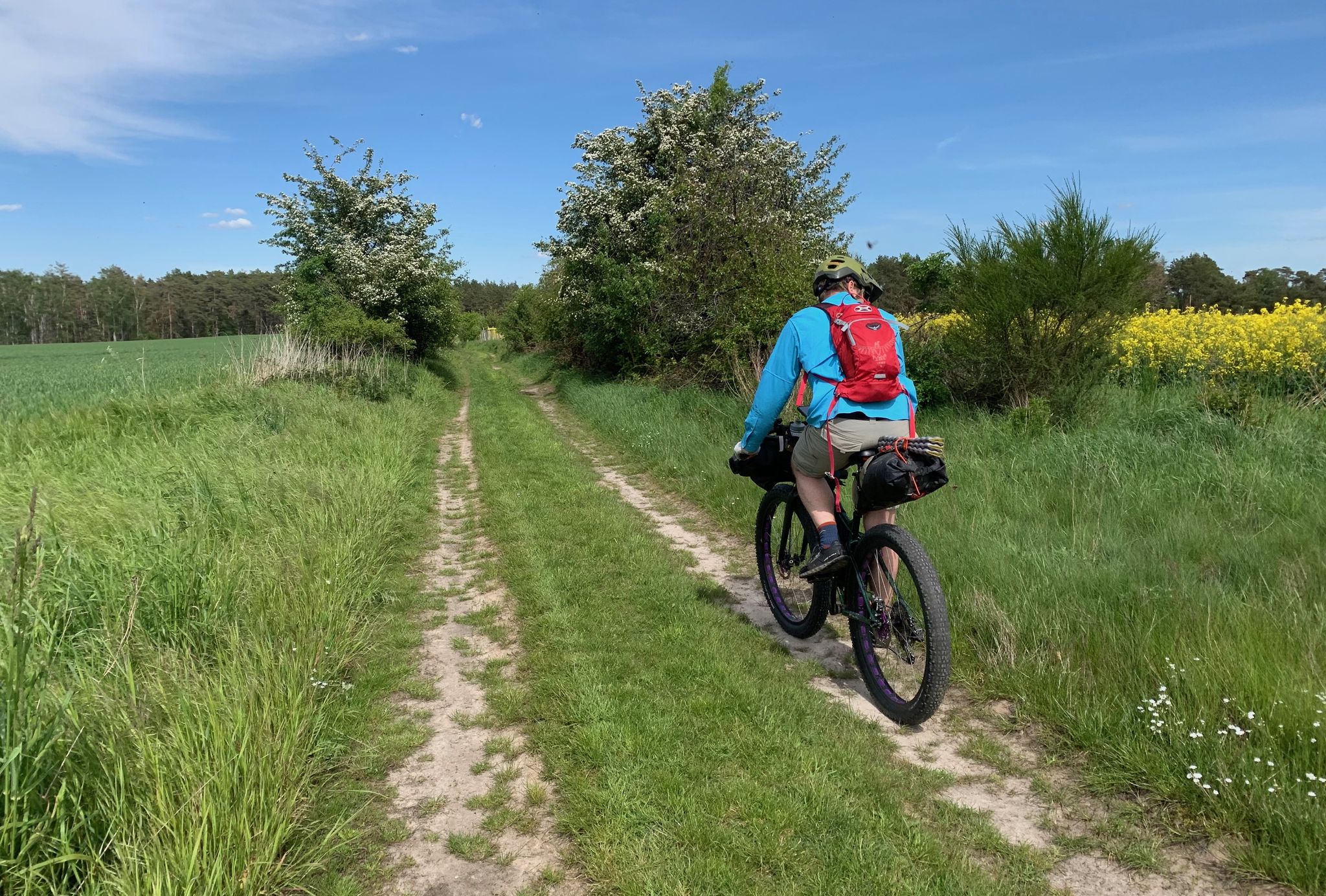
Multi-day tours in the Schaalsee Biosphere Reserve
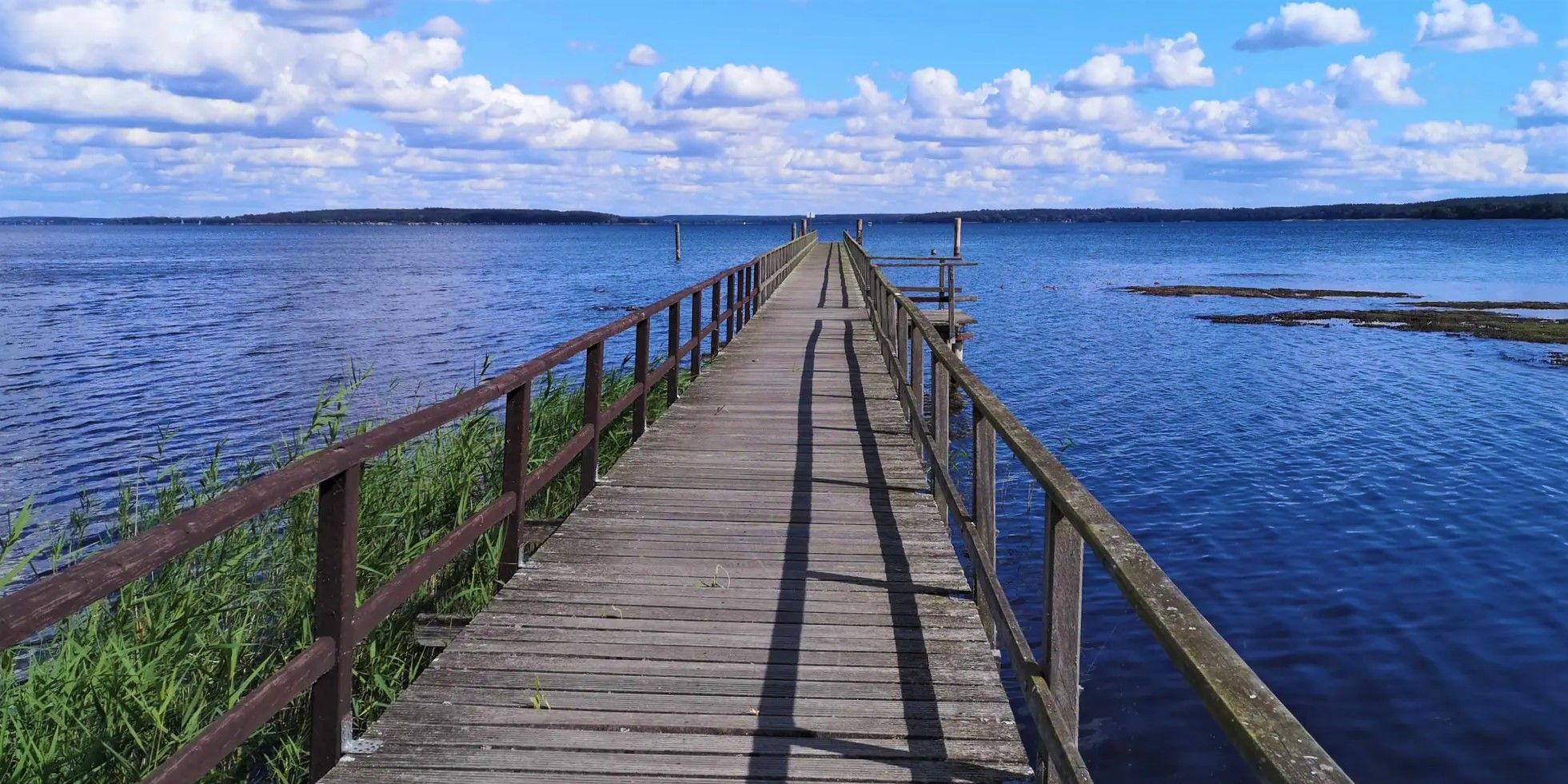
Cycling and swimming fun – Mecklenburg Lakes Cycle Route
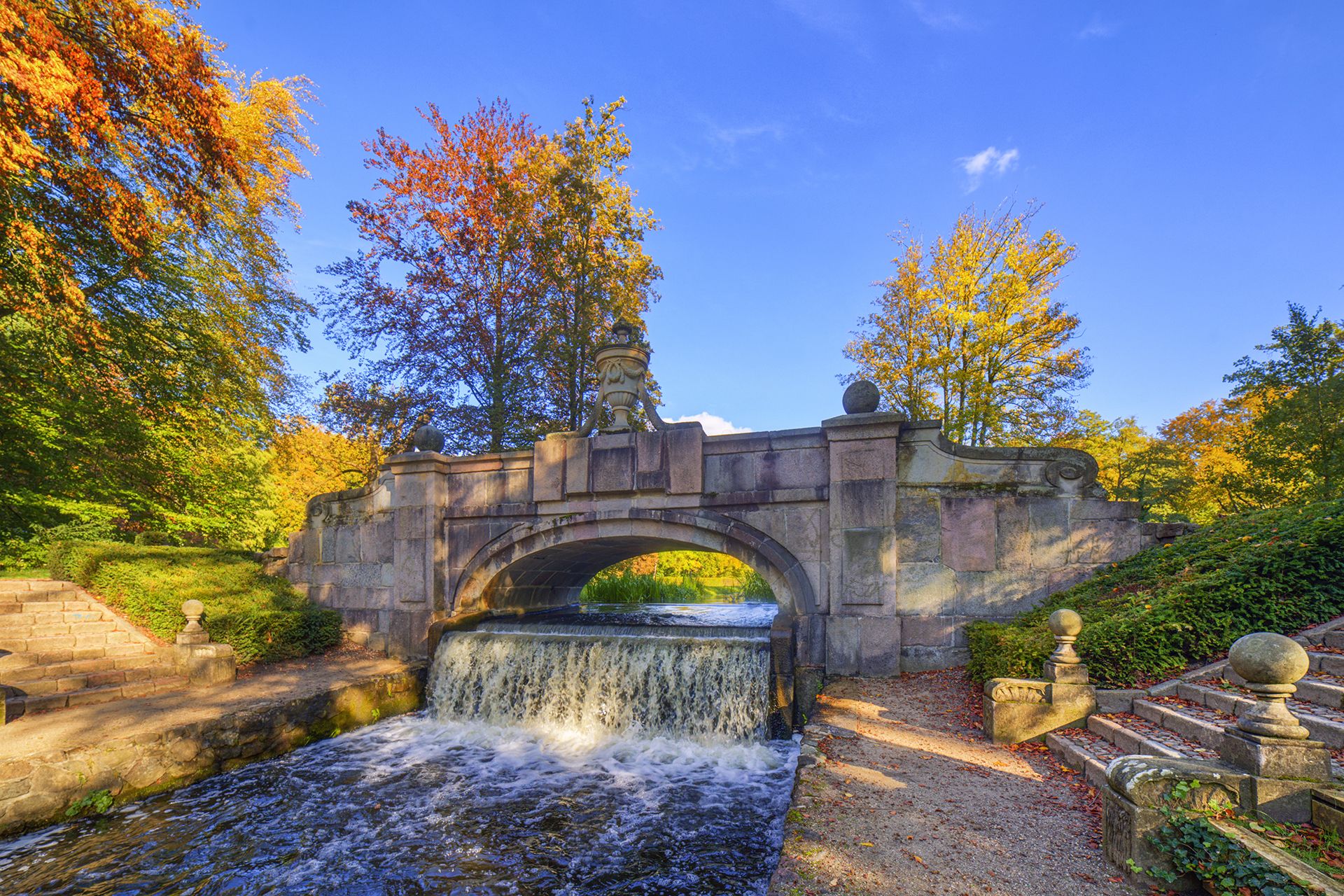
Auf dem Elbe-Schaalsee-Rundweg durch das Biosphärenreservat
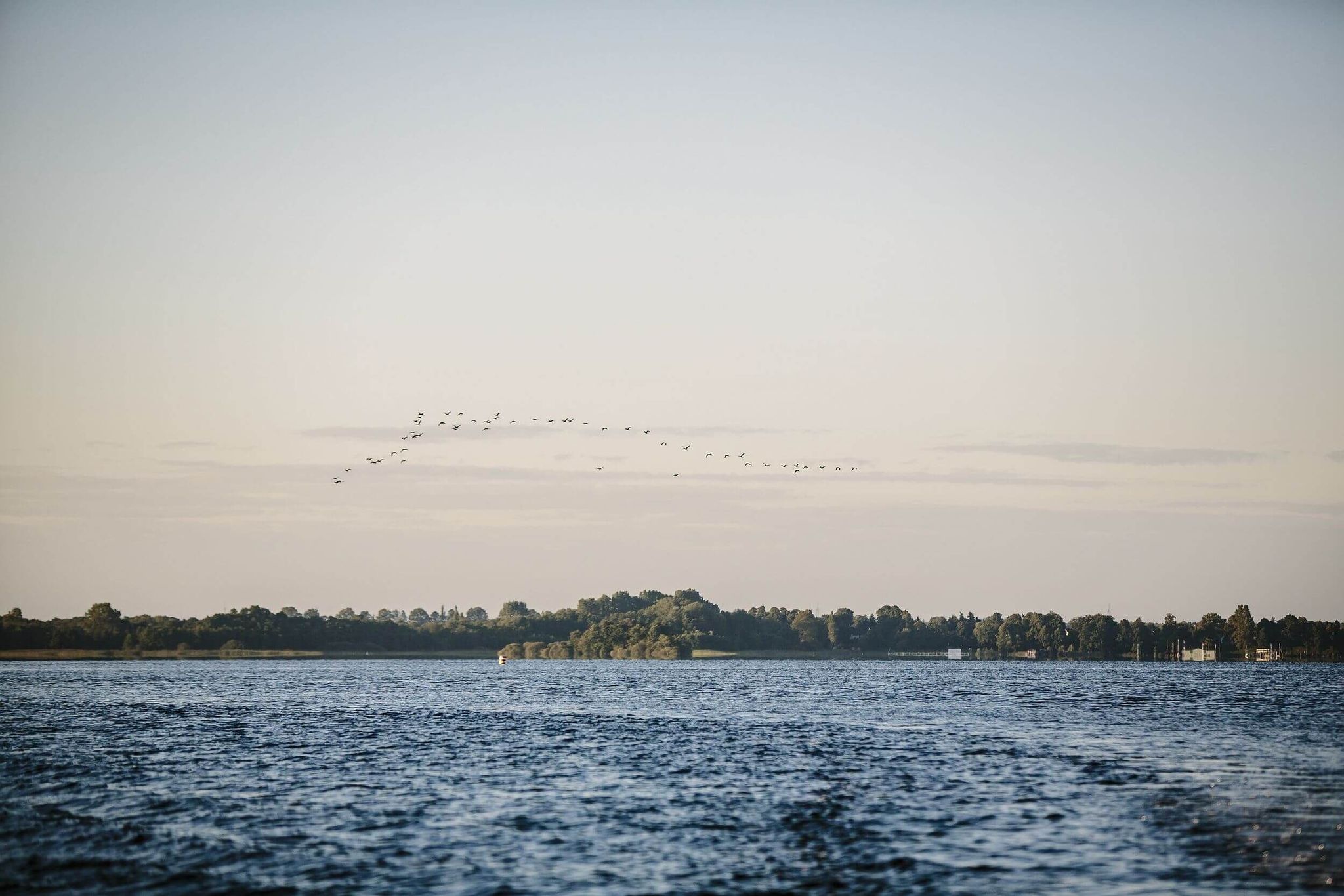
Mit dem Rad auf dem Elbe-Schaalsee-Rundweg
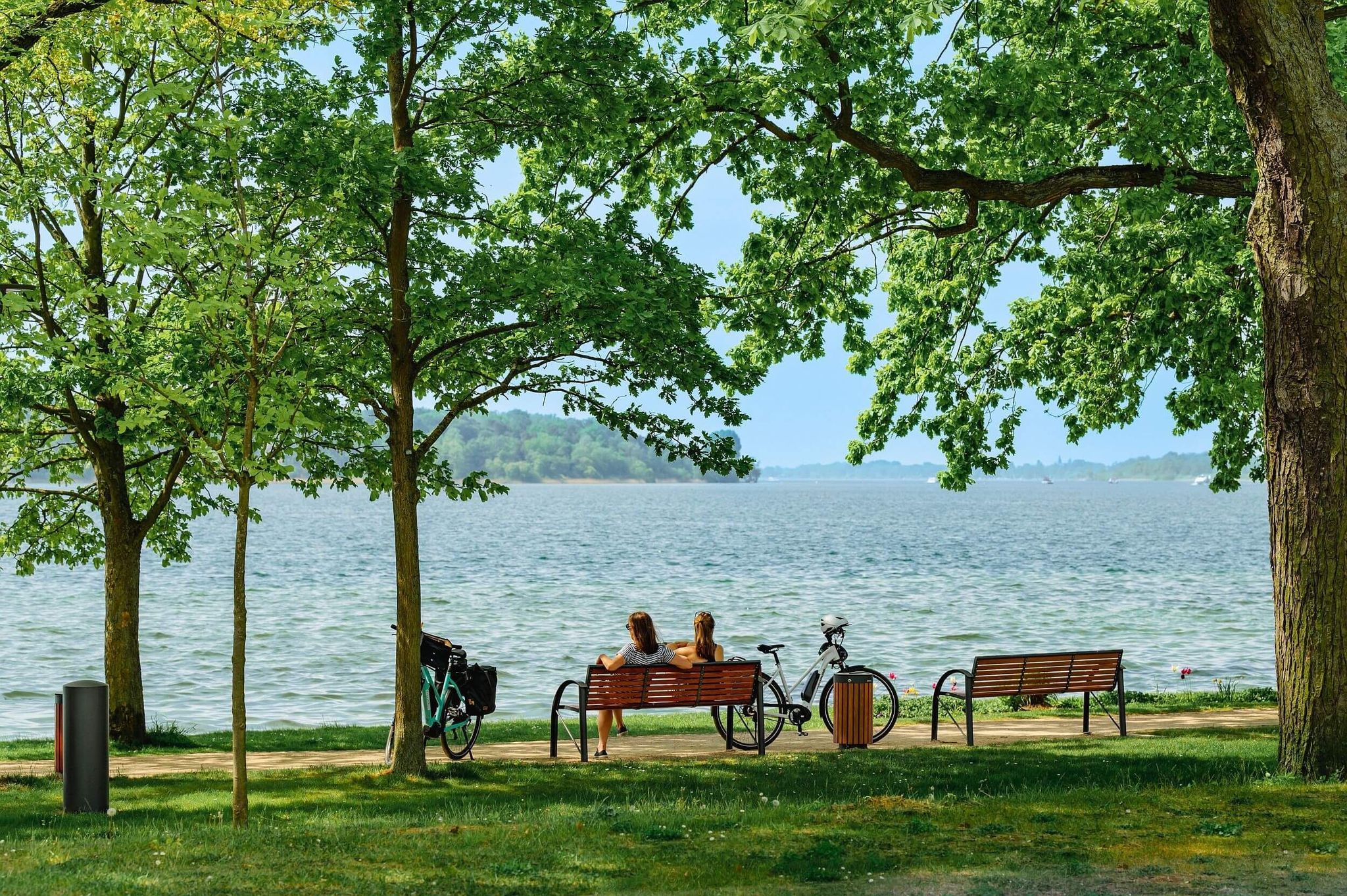
Elbetal-Schaalsee-Rundweg
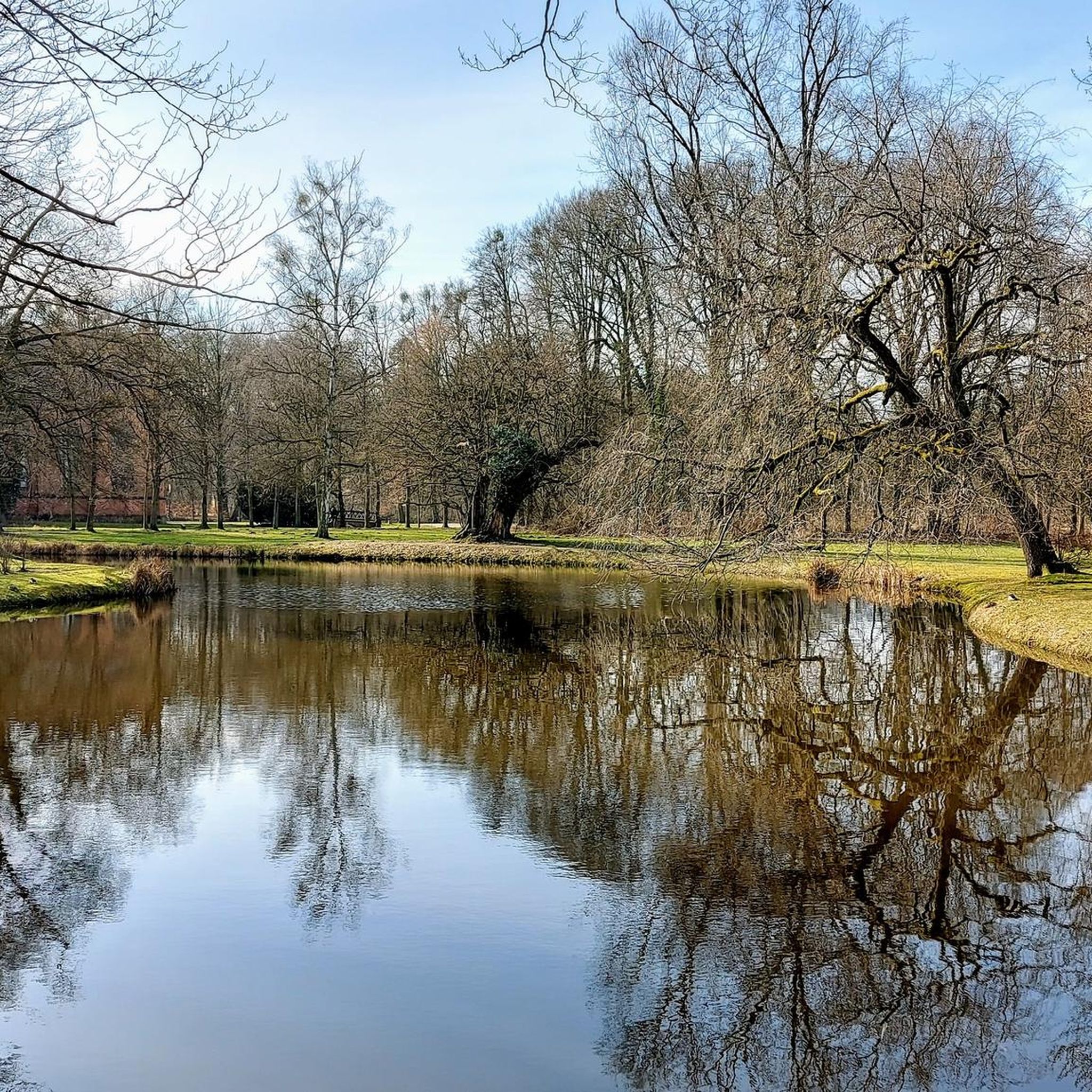
Elbe-Oderhaff Radweg
Cycling around Ludwigslust
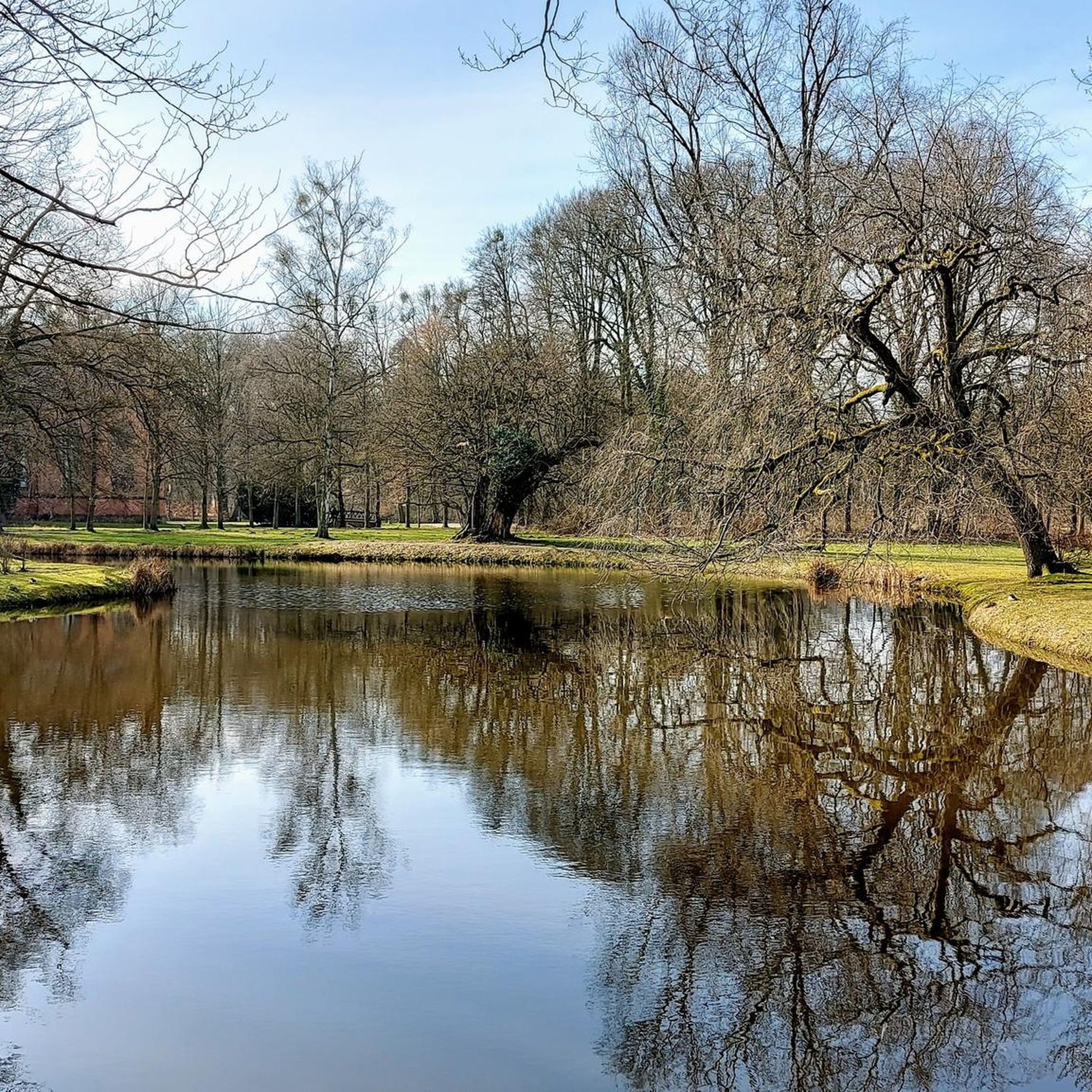
Hiking around Ludwigslust
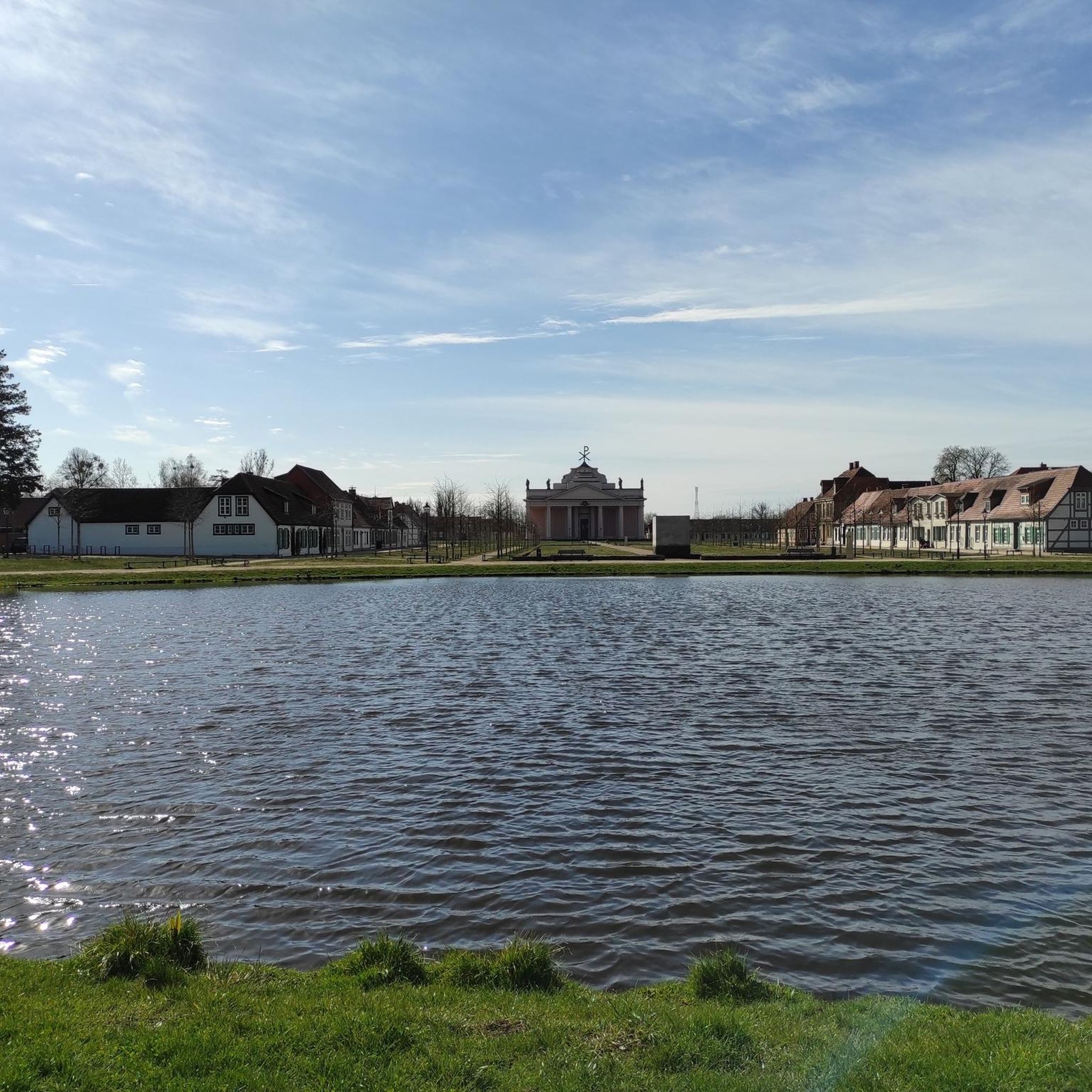
Running Trails around Ludwigslust
Other adventures around Ludwigslust


Tips from the Community

An ice cellar was hidden under the artificial hill. Ice from the park's ponds was stored here well into the summer. Later, the cool room was even used for mushroom cultivation. So the romantic setting also had very practical purposes.
0
0
The water features were created in the late Baroque expansion under court master builder Johann Joachim Busch (around the 1760s) during the time of Duke Friedrich. The park emerged from a small Baroque garden (from 1731/35) and was redesigned into a landscape park by Peter Joseph Lenné from 1852–1860. The fountains are operated exclusively by the natural (and partly artificially created) gradient of the water – without mechanical pumps. This applies to all water features in the park.
2
0

Beautiful, historic castle 🏰 Now a hotel 🏨 💯🔝👍🏻😉‼️
2
0


The 24 "water jumps" in the Ludwigslust Canal in the Ludwigslust Palace Park are really worth seeing and it is worth walking the path through the beautiful palace park to get here. The water jumps are powered exclusively by the water gradient. https://de.wikipedia.org/wiki/Datei:Ludwigslust_Schlosspark_24_Wasserspr%C3%BCnge.JPG
3
0

Very pleasant place to take a short break. Definitely very nice in summer.
1
0

The grotto is an artificial ruin built around 1785 from lawn iron stone. In addition to its romantic and decorative function, it also served practical purposes as an ice cellar. Source:https://de.wikipedia.org/wiki/Schloss_Ludwigslust
1
1

artificially created ruin of amazing size
5
0
Frequently Asked Questions
What historical sites can I explore in Ludwigslust?
Ludwigslust offers a rich history, primarily centered around its ducal past. Beyond the magnificent Ludwigslust Palace, you can visit the St. Helena and St. Andreas Church, an early neo-Gothic church located within the palace park. The Neoclassical Stadtkirche (City Church) with its Greek temple-like appearance is also a notable historical landmark. The entire old town features a meticulously planned Baroque layout, inviting visitors to explore its lovingly restored brick buildings.
Are there family-friendly attractions in Ludwigslust?
Yes, Ludwigslust offers several family-friendly attractions. The expansive Ludwigslust Palace Park is perfect for strolls, with its water features and open spaces. Children will particularly enjoy the Grotto ruins within the park, which are an artificially created ruin where they can climb and play hide-and-seek. The 24 water jumps, driven by hydropower, also provide a fascinating and tranquil spot for families to enjoy.
What natural features can I see in Ludwigslust and its surroundings?
The most prominent natural feature within Ludwigslust is the vast Ludwigslust Palace Park, which includes enchanting water features, canals, and artificial cascades like the 24 water jumps. Beyond the town, the Ludwigslust-Parchim district is known for its wetlands and numerous lakes, offering opportunities to spot wildlife such as ospreys, cranes, and otters. The Lewitz, a large meadow landscape, is home to sea eagles, kingfishers, and grey geese. The Ruhner mountains and the Naturpark Nassentiner-Schwinzer-Heide also provide natural beauty and outdoor adventures.
What unique architectural features can I observe in Ludwigslust?
Ludwigslust is renowned for its Baroque town layout, where the entire old part of the town was constructed following a meticulous plan. The Ludwigslust Palace itself is a prime example of Baroque architecture, often called the 'Versailles of the North.' The St. Helena and St. Andreas Church is notable for its neo-Gothic style, with a facade resembling a city gate and a tapering shape like a ship. The Stadtkirche, with its portico and Doric columns, presents a striking Neoclassical design reminiscent of a Greek temple.
Are there opportunities for outdoor activities like cycling or running near Ludwigslust's attractions?
Yes, the area around Ludwigslust is excellent for outdoor activities. You can find numerous routes for cycling and running that often pass by the town's attractions and through its scenic surroundings. For cycling, explore routes like the 'Grabow Town Hall – Elde River in Grabow loop' or the 'Old Castle Neustadt-Glewe – New Palace Neustadt-Glewe loop.' Runners can enjoy trails such as the 'Swiss House Ludwigslust – Ludwigslust Palace Park loop' or the 'Ludwigslust Town Church loop.' You can find more detailed routes and guides for these activities on the Cycling around Ludwigslust and Running Trails around Ludwigslust guide pages.
What is the best time of year to visit Ludwigslust's historical sites and parks?
The best time to visit Ludwigslust's historical sites and parks is generally from spring to early autumn (April to October). During these months, the weather is pleasant for exploring the expansive Ludwigslust Palace Park, enjoying the water features, and strolling through the Baroque town. The gardens are in full bloom in spring and summer, and autumn offers beautiful foliage. While some indoor attractions like the Palace museum are open year-round, the outdoor experience is enhanced by warmer weather.
Are there any museums or unique exhibits in Ludwigslust?
Yes, Ludwigslust offers a few unique museum experiences. The Ludwigslust Palace houses a museum showcasing Baroque domestic culture, with unique exhibits including pieces that mimic wood and marble, and the impressive Golden Hall. Additionally, the Natureum am Schloss Ludwigslust, located in the oldest building in town (a former fountain house), presents the nature and natural history of western Mecklenburg, featuring Ice Age rocks, mammoth remains, fossils, and taxidermied animals.
Can I visit other castles or historical buildings near Ludwigslust?
Absolutely. A notable nearby historical site is the Old Castle Neustadt-Glewe. This well-preserved medieval castle has a rich history, serving various roles from a ducal residence to a bailiwick. It now houses a museum, a wedding room, and a restaurant, offering insights into its almost 800-year past. Guided tours and events are often available.
What do visitors enjoy most about the attractions in Ludwigslust?
Visitors frequently praise the tranquil beauty and historical grandeur of Ludwigslust. The Ludwigslust Palace and its vast park are often highlighted for their impressive architecture and serene atmosphere. The unique hydropower-driven 24 water jumps are a particular favorite for their peaceful ambiance and the sound of the waterfall. Many also appreciate the historical significance and artistic details found in sites like the St. Helena and St. Andreas Church, with its ancient carvings and windows.
Are there any hidden gems or lesser-known spots in Ludwigslust?
Beyond the main attractions, the Grotto ruins in Ludwigslust Palace Park are considered a charming hidden gem. This artificially created ruin, built from lawn ironstone, offers a wildly romantic facility somewhat tucked away in the park. It's a unique spot for exploration and photography. The Palais Bülow, which includes a papier-mâché manufactory, also offers a glimpse into a less common aspect of the town's history and craftsmanship.
Can I find places to eat or relax near the Ludwigslust Palace Park?
While specific cafes are not detailed, the Ludwigslust Palace Park itself offers many pleasant spots for a break, especially near the Cascades (Wassersprünge). The town center, with its Baroque layout, is also within easy reach of the park and likely offers various dining options. For a historical dining experience, the Old Castle Neustadt-Glewe, a short trip away, features a restaurant within its renovated complex.
Most popular routes around Ludwigslust
Most popular attractions around Ludwigslust

Get inspired with the komoot mobile app


Explore more
Still not found the Highlight you’re looking for? See guides of the top attractions in other regions:
