Hafod Elwy Moor National Nature Reserve
Hafod Elwy Moor National Nature Reserve
The best road cycling routes around Hafod Elwy Moor National Nature Reserve
65
riders
8
rides
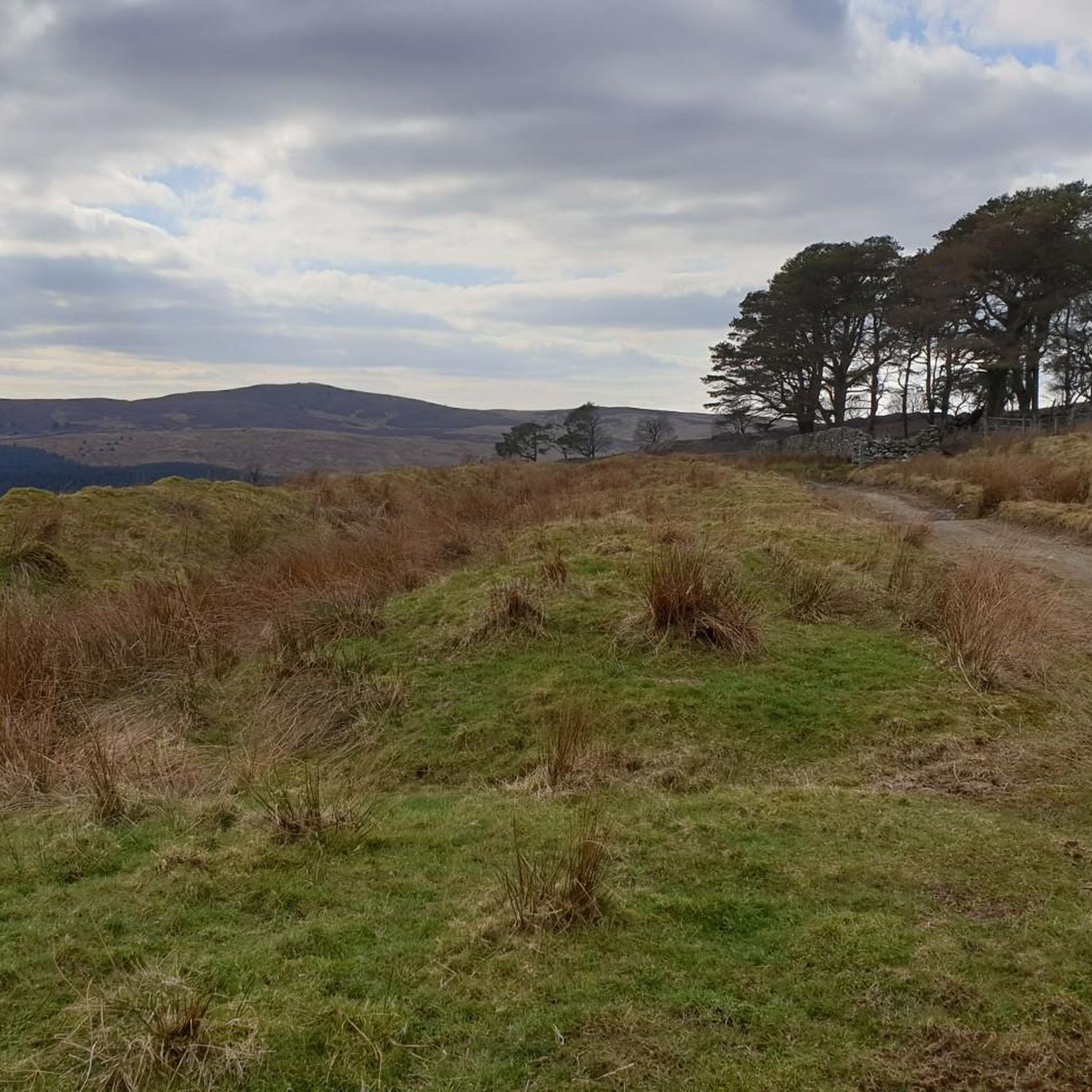
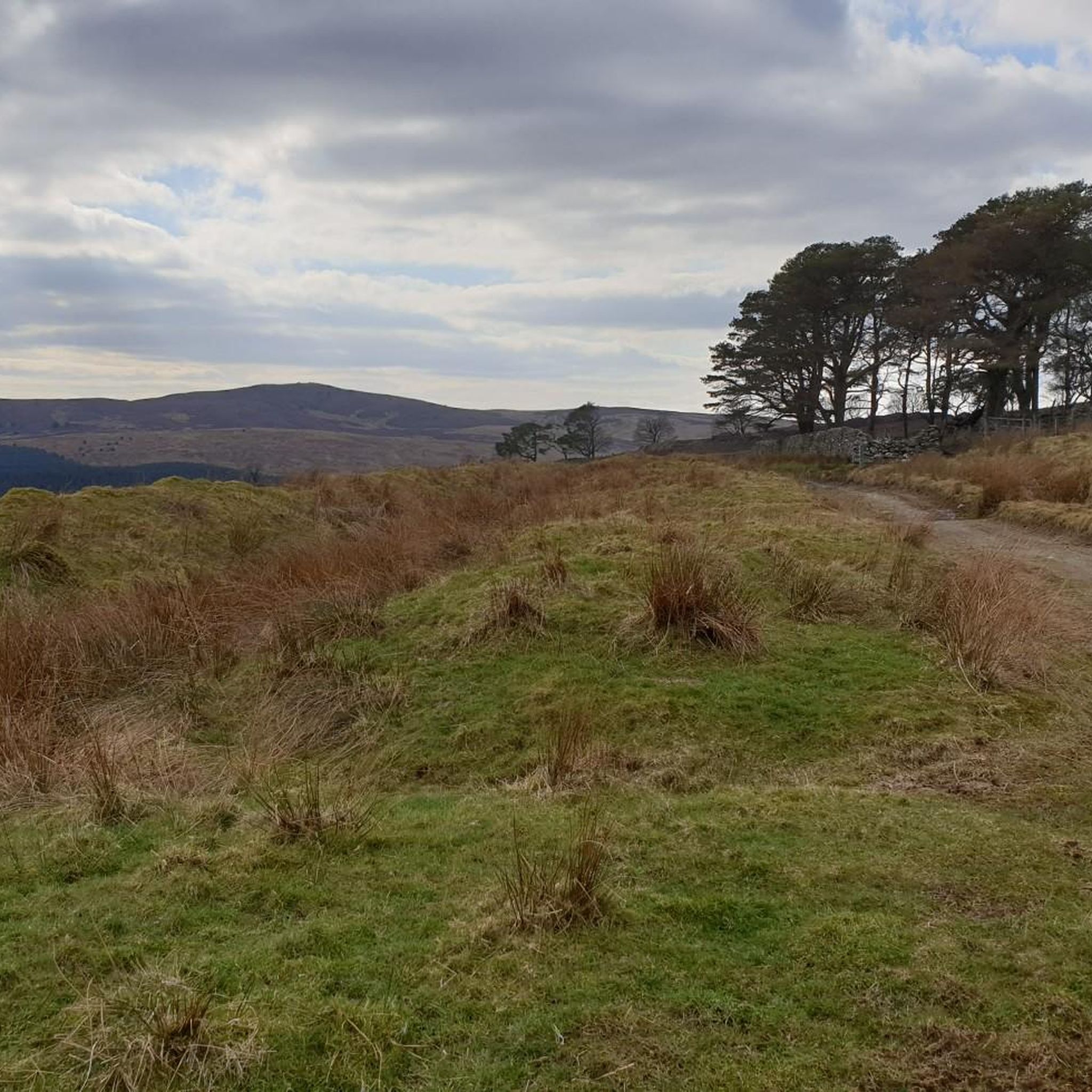
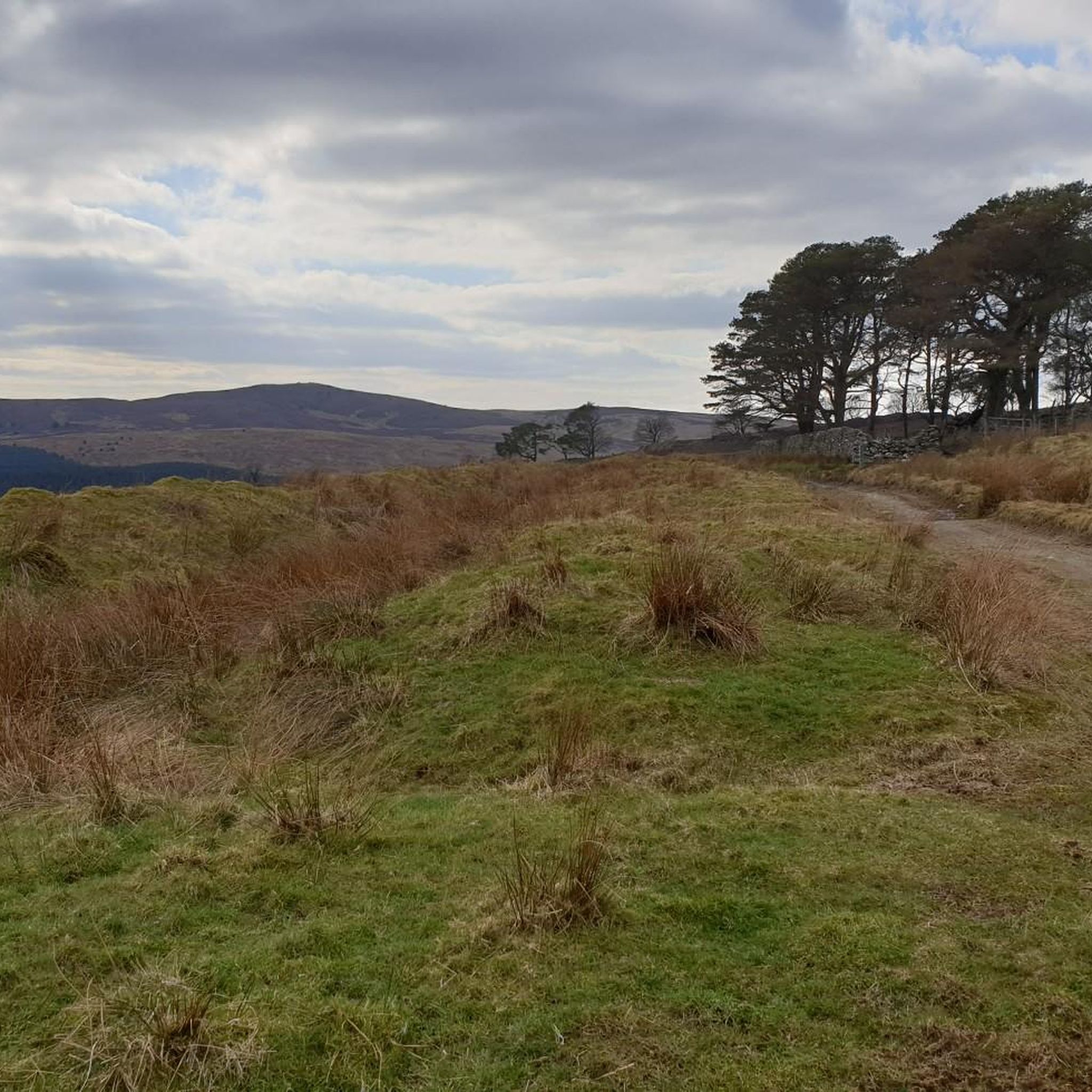
Road cycling routes around Hafod Elwy Moor National Nature Reserve traverse an upland landscape characterized by moorland, rolling hills, and the presence of large reservoirs such as Llyn Brenig. The region features varied terrain, including open stretches and areas with significant elevation changes. Road surfaces typically consist of paved roads suitable for road bikes, connecting natural areas with local towns and historical sites.
Best road cycling routes around Hafod Elwy Moor National Nature Reserve
- The most popular road cycling route…
Last updated: April 25, 2026
4
riders
36.4km
01:55
520m
520m
Moderate road ride. Good fitness required. Mostly well-paved surfaces and easy to ride.
6
riders
36.2km
01:57
660m
660m
Moderate road ride. Good fitness required. Mostly well-paved surfaces and easy to ride.

Sign up for free
22
riders
76.3km
04:18
1,440m
1,440m
Hard road ride. Very good fitness required. Some segments of this route may be unpaved and difficult to ride.
14
riders
70.5km
03:56
1,240m
1,240m
Hard road ride. Very good fitness required. Some segments of this route may be unpaved and difficult to ride.
4
riders
35.1km
01:47
500m
500m
Moderate road ride. Good fitness required. Mostly well-paved surfaces and easy to ride.
Get access to more routes and recommendations from other explorers.
Sign up for free
Already have an account?
Our route recommendations are based on thousands of hikes, rides, and runs completed by other people on komoot.
Start today with a free account
Your next adventure awaits.
Login or Signup
Tips from the Community

A lovely market town with pubs and shops and bakeries. Hilly routes into town but a number of good places for a stop mid ride.
0
0

Great decent but coming the other way is a little tough.
0
0
Complete knackered after this one and cars get very close.
2
0
Llyn Brenig is a reservoir located on Denbigh Moors in North Wales. The artificial lake, which was constructed between 1973 and 1976, was created by building an embankment dam across the Afon Brenig valley. It lies at 1,200 ft above sea level on the border between the counties of Conwy and Denbighshire.
2
0
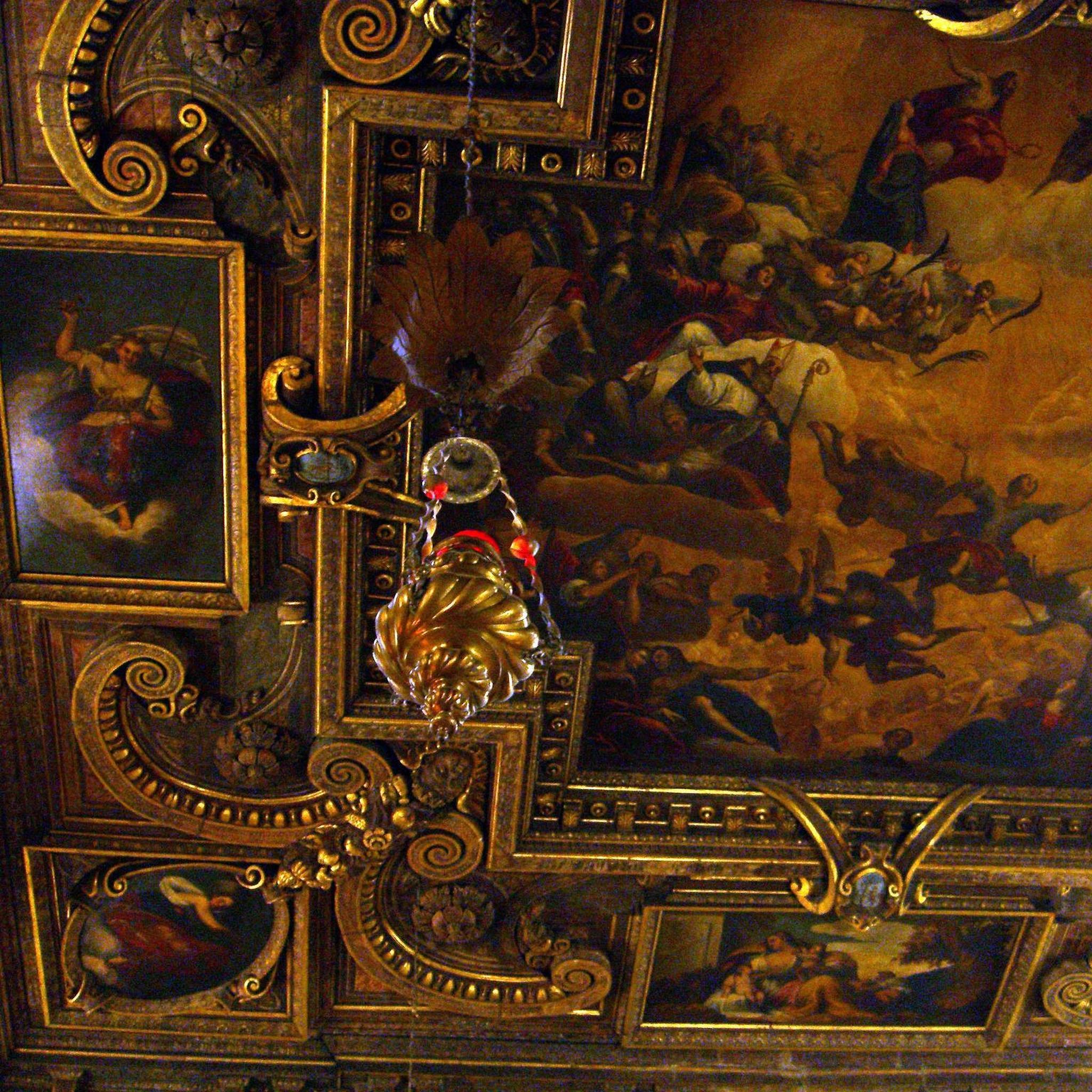
The castle passed between various owners in the first half of the 14th century, before coming under the control of the Mortimer family. Meanwhile, the walled town had proved impractical to live in, and a newer, much larger, settlement developed outside the defences. In 1400, the walled town was raided during the Glyndŵr Rising, although the castle itself remained secure throughout the rebellion. During the Wars of the Roses, Denbigh was attacked by Lancastrian forces; the walled town was attacked and burnt. In the aftermath, the old town was largely abandoned by its inhabitants, the walled area becoming an extension of the castle's defences.
3
0
Denbigh Castle and town walls (/ˈdɛnbi/ DEN-bee; Welsh: Castell Dinbych a waliau tref [ˌkastɛɬ ˈdɪnbɨχ]) were built to control the lordship of Denbigh after the Conquest of Wales by Edward I of England in 1282. The lands were granted to Henry de Lacy, Earl of Lincoln, who began to build a new walled town, colonised by immigrants from England, protected by a substantial castle and surrounded by deer parks for hunting. The work had not been completed by 1294, when the Welsh temporarily seized the castle during the Madog ap Llywelyn revolt. The defences continued to be improved, although the castle was not completely finished by the time of Henry's death in 1311.
3
0

Llyn Brenig is located at the heart of the Mynydd Hiraethog and is a good base for outdoor activities, including walking, cycling, fishing and sailing. It is a great spot for a break off the bike and the area is surrounded by a network of footpaths and a number of way marked trails suitable for biking and walking, including the Brenig Trail. The Visitor Centre provides toilet facilities and a cafe.
2
0

very nice campsite and pub. Also very willing to let you park there for a bike ride. Campsite is £10 per tent and 2 people. very friendly landlord.
0
0
Frequently Asked Questions
What kind of terrain can I expect when road cycling around Hafod Elwy Moor National Nature Reserve?
The region offers a diverse landscape characterized by moorland, rolling hills, and the prominent presence of large reservoirs like Llyn Brenig. You'll encounter varied terrain, from open stretches to areas with significant elevation changes, all on paved roads suitable for road bikes.
Are there challenging road cycling routes for experienced riders in the Hafod Elwy Moor area?
Yes, for experienced road cyclists seeking a challenge, the area provides routes with significant climbs. A notable difficult route is the Moel Arthur Climb – Denbigh Castle and Town Walls loop from Cerrigydrudion, which spans 76.3 km and features substantial elevation gain.
What are some moderate road cycling options around Hafod Elwy Moor National Nature Reserve?
For a moderate ride, consider routes that loop around Llyn Brenig. Options include the Llyn Brenig Visitor Centre – Llyn Brenig loop from Gorsedd Bran (36.4 km) or the Llyn Brenig Visitor Centre – Llyn Brenig loop from Brenig Reservoir (36.2 km), both offering scenic views of the reservoir and surrounding moorland.
Are there any circular road cycling routes in Hafod Elwy Moor National Nature Reserve?
Many of the road cycling routes in the area are circular, allowing you to start and end at the same point. Popular circular options include several loops around Llyn Brenig, such as the Llyn Brenig Visitor Centre – Llyn Brenig loop from Cerrigydrudion.
What historical landmarks or points of interest can I see while road cycling in this region?
Road cycling routes in the area often pass by significant historical sites. For example, the difficult Llyn Brenig Visitor Centre – Denbigh Castle and Town Walls loop from Llyn Brenig Visitor Centre includes sections near Denbigh Castle and its historic town walls, offering a glimpse into the region's past.
What is the typical duration for road cycling routes around Hafod Elwy Moor?
Route durations vary based on distance and difficulty. Moderate loops around Llyn Brenig, typically around 35-36 km, can take approximately 1 hour 45 minutes to 2 hours. Longer, more challenging routes, such as the 76 km Moel Arthur Climb – Denbigh Castle and Town Walls loop, can take over 4 hours.
What is the best time of year to go road cycling in Hafod Elwy Moor National Nature Reserve?
The spring and summer months (April to September) generally offer the most favorable conditions for road cycling, with milder temperatures and longer daylight hours. However, the moorland landscape can be exposed, so checking weather forecasts is always advisable, especially for wind and rain.
Are there any cafes or pubs along the road cycling routes for a break?
While the immediate moorland area is quite remote, routes often connect to local towns and visitor centers where you can find amenities. The Llyn Brenig Visitor Centre, for instance, is a common starting point and offers facilities for a break. Exploring nearby villages will also reveal local pubs and cafes.
What can I expect regarding road surfaces for cycling in Hafod Elwy Moor?
The road cycling routes primarily utilize paved roads that are generally suitable for road bikes. These surfaces connect natural areas with local towns, ensuring a smooth ride for most of your journey through the moorland and reservoir landscapes.
How many road cycling routes are available in the Hafod Elwy Moor National Nature Reserve area?
There are several road cycling routes available in the Hafod Elwy Moor National Nature Reserve area, with komoot featuring over 5 distinct routes that cater to various skill levels, from moderate to difficult.
What do other road cyclists enjoy most about the Hafod Elwy Moor region?
Road cyclists frequently appreciate the region's expansive moorland views, the scenic circuits around Llyn Brenig, and the undulating hills that provide a good workout. The variety of routes, from moderate loops to more challenging climbs, is also highly valued by the komoot community.
Most popular routes around Hafod Elwy Moor National Nature Reserve

Get inspired with the komoot mobile app


Explore more
Browse the best Road cycling routes in other regions.
