Attractions and Places To See in Zona De Amortecimento Do Parque Estadual Da Chacrinha - Top 9
Attractions and places to see in Zona De Amortecimento Do Parque Estadual Da Chacrinha encompass a blend of natural beauty and historical significance within an urban setting. This area, serving as a buffer zone for Parque Estadual da Chacrinha, preserves a portion of the Atlantic Forest in Copacabana. It features diverse landscapes, from lush vegetation to historical ruins and military vestiges. The region offers opportunities for wildlife observation and exploring trails amidst a densely populated environment.
Best attractions and places…
Last updated: July 15, 2026
Sugarloaf Mountain Cable Car
Highlight • Monument
Translated by Google •
Tip by

Sugarloaf Mountain
Highlight • Natural Monument
First, the large statue of Christ the Redeemer, which watches over one of Brazil's most famous cities from Corcovado Mountain and is featured …
Translated by Google •
Tip by

Sign up now to discover places like this
Get recommendations on the best single tracks, peaks, & plenty of other exciting outdoor places.
Sign up for free
Cláudio Coutinho Trail
Highlight • Trail
Translated by Google •
Tip by

Morro da Urca Trail
Highlight (Segment) • Trail
Alternatively, you can also take the cable car back.
Translated by Google •
Tip by

View of Rio de Janeiro Coast
Highlight • Viewpoint
Translated by Google •
Tip by

Sign up for free to discover even more attractions in Zona De Amortecimento Do Parque Estadual Da Chacrinha.
Sign up for free
Already have an account?
Start today with a free account
Your next adventure awaits.
Login or Signup
Popular around Zona De Amortecimento Do Parque Estadual Da Chacrinha
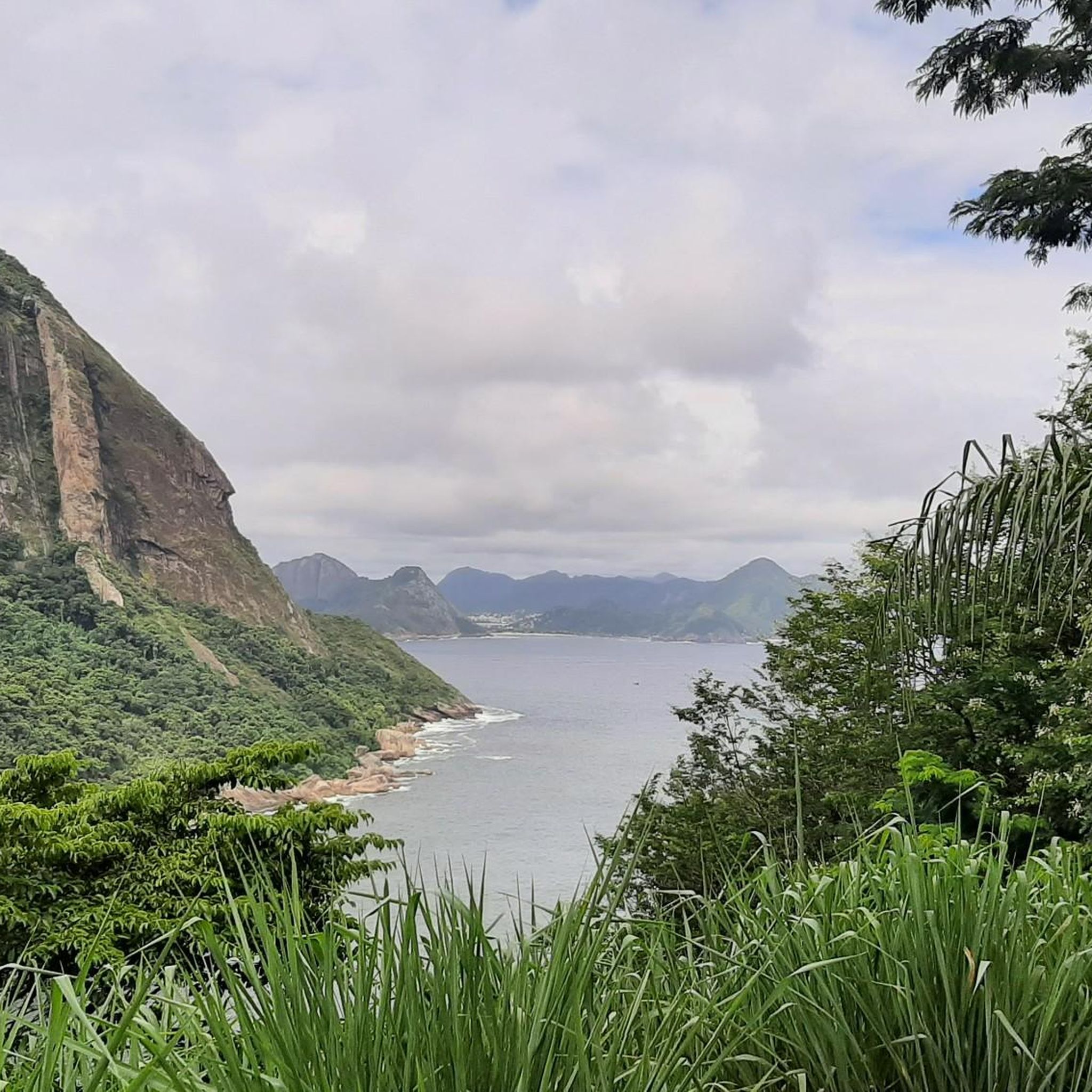
Hiking in Zona De Amortecimento Do Parque Estadual Da Chacrinha

Cycling in Zona De Amortecimento Do Parque Estadual Da Chacrinha
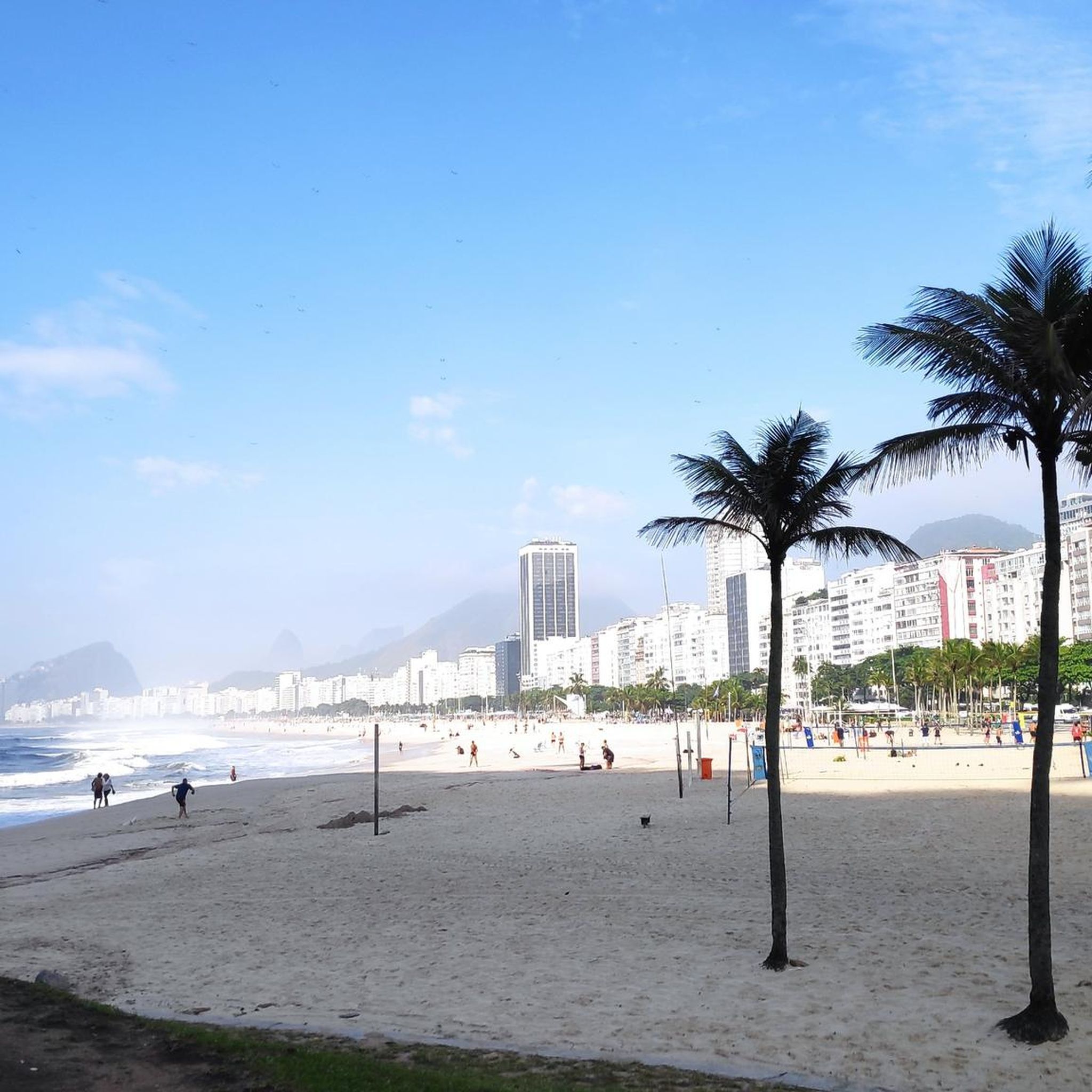
Running Trails in Zona De Amortecimento Do Parque Estadual Da Chacrinha

Road Cycling Routes in Zona De Amortecimento Do Parque Estadual Da Chacrinha

MTB Trails in Zona De Amortecimento Do Parque Estadual Da Chacrinha
Tips from the Community

From this point on Morro da Urca, the views of Botafogo Bay are unforgettable. You can see the sea, the port with its boats, and the landscape surrounding Rio de Janeiro, crowned by Christ the Redeemer on Corcovado Mountain.
0
0

It's a well-marked urban route that runs parallel to the coast. Along the way, you'll enjoy clear views of the promontory, which rises at one end of the city as a constant landmark. At one point, the path passes by a funicular railway, whose cars slowly ascend and descend the hillside. It's a comfortable and accessible path, ideal for walking while enjoying the coastal scenery and the mountainous backdrop that frames the city.
0
0

Don't leave on weekends or too early for sunset - the lines for the four rides can be incredibly long!
0
0

From Praia Vermelha, visitors take the first tramway to Morro da Urca, and from there, a second tramway takes them to the summit of Morro do Pão de Açúcar, which stands 396 meters above sea level. Various stories justify the name of this tourist spot; the most famous says that in the 16th and 18th centuries, at the height of sugarcane production, producers stored blocks of sugar in molds for export, and the object's resemblance to Sugarloaf Mountain gave rise to the name. Opened in 1912, the Sugarloaf Cable Car was the first cable car in Brazil and the third in the world, connecting Morro da Urca to Morro do Pão de Açúcar. Since then, more than 40 million people have used the cable cars. From the top of the two hills, you can see breathtaking views of the city, including Botafogo Bay, the Copacabana promenade, and the entrance to Guanabara Bay. In summer, the amphitheater at the top of Morro da Urca hosts shows and nighttime events that combine fun with beautiful views of the city lights. Source: www.riotur.rio/que_fazer/paodeacucar
2
0
From Praia Vermelha, visitors take the first tram to Morro da Urca, and from there, a second tram takes them to the summit of Morro do Pão de Açúcar, which stands 396 meters above sea level. Several stories justify the name of this tourist spot; the most famous says that in the 16th and 18th centuries, at the height of sugarcane production, producers stored blocks of sugar in molds for export, and the object's resemblance to Sugarloaf Mountain gave rise to the name. Opened in 1912, the Sugarloaf Cable Car was the first cable car in Brazil and the third in the world, connecting Morro da Urca to Morro do Pão de Açúcar. Since then, more than 40 million people have used the cable cars. From the top of the two hills, you can see breathtaking views of the city, including Botafogo Bay, the Copacabana promenade, and the entrance to Guanabara Bay. In summer, the amphitheater at the top of Morro da Urca hosts shows and nighttime events that combine fun with beautiful views of the city lights. Source: https://riotur.rio/que_fazer/paodeacucar/
1
0
Information about the cable car and tickets are available at www.bondinho.com.br
0
0

Current gondola lift is from a Swiss company. The first gondola, which you can also see on site, was manufactured by a German company. A James Bond was filmed here.
1
0
Current gondola lift is from a Swiss company. The first gondola, which you can also see on site, was manufactured by a German company.
2
0
Frequently Asked Questions
What natural features can I explore in Zona De Amortecimento Do Parque Estadual Da Chacrinha?
The area, particularly within the Parque Estadual da Chacrinha, preserves a significant portion of the Atlantic Forest. You can experience lush vegetation, observe various local fauna, and find hiking trails that lead to scenic spots like the top of Morro de São João. The Sugarloaf Mountain itself is a prominent natural monument.
Are there any historical sites or ruins to discover?
Yes, the Parque Estadual da Chacrinha contains historical ruins from the early 20th century, including remnants of what is considered the oldest house in Copacabana. You can also find vestiges of military occupation from 1708 and observe old mule paths used during Brazil's colonial period. An 18th-century aqueduct is also nearby in the military village of Babilônia.
What kind of wildlife can I spot in the area?
The Parque Estadual da Chacrinha serves as a refuge for local fauna. Visitors might spot various species, including opossums, armadillos, roadside hawks, owls, white-rumped tanagers, and sayaca tanagers, especially along the hiking trails.
Are there viewpoints offering scenic vistas?
Absolutely. The Sugarloaf Mountain Cable Car offers grandiose panoramic views of Rio de Janeiro and its beaches. The Sugarloaf Mountain summit itself provides an iconic vista. Additionally, the Cláudio Coutinho Trail and Morro da Urca Trail offer coastal scenery and views of the promontory.
Are there easy or family-friendly hiking trails available?
Yes, the Cláudio Coutinho Trail is a well-marked, comfortable, and accessible urban route, ideal for walking and considered family-friendly. The Parque Estadual da Chacrinha also features trails suitable for various fitness levels, including those with waterfalls.
What are some popular hiking routes near these attractions?
Beyond the trails within the park, you can explore several hiking routes in the broader area. Popular options include the Circular do Morro da Urca, which is an easy loop, and the Paseo por la ciclovía Orla Copacabana for a moderate coastal walk.
Are there family-friendly activities or facilities for children?
The Parque Estadual da Chacrinha is designed with families in mind, offering children's playgrounds and rest areas. Its easy access makes it suitable for children and elderly visitors, providing spaces for recreation and contact with nature.
Is the area wheelchair accessible?
The Sugarloaf Mountain Cable Car is noted as wheelchair accessible, allowing visitors with mobility challenges to enjoy the panoramic views. Some paths within the Parque Estadual da Chacrinha may also be accessible, particularly the recreational areas.
What is the best time to visit Zona De Amortecimento Do Parque Estadual Da Chacrinha?
The Parque Estadual da Chacrinha and its surrounding attractions can be enjoyed year-round. However, for comfortable hiking and outdoor activities, visiting during the drier, cooler months (typically May to September) might be preferable. Always check local weather forecasts before your visit.
How can I get to the attractions using public transport?
The Zona De Amortecimento Do Parque Estadual Da Chacrinha is located in Copacabana, Rio de Janeiro, an urban area well-served by public transport. Buses and the metro system provide convenient access to the vicinity of the Parque Estadual da Chacrinha and the base of Sugarloaf Mountain.
Are there places to eat or drink nearby?
Yes, you can find places to eat and drink. For example, Casa Doral is a charming café located very close to the Sugarloaf Mountain base station, offering delicious cakes, coffee, and chocolate specialties.
What outdoor activities can I do near these attractions?
Beyond hiking, the region offers various outdoor activities. You can find waterfall hikes, such as the Horto Waterfall loop, and several road cycling routes, including loops to the Chinese Viewpoint. The park itself provides spaces for recreation and sports.
What makes the Parque Estadual da Chacrinha unique?
The Parque Estadual da Chacrinha is unique as an urban oasis, preserving a significant portion of Atlantic Forest within the densely populated Copacabana. It blends natural beauty with historical remnants, offering a sanctuary for wildlife, recreational spaces, and a connection to the area's rich past, all while facilitating environmental education.
Most popular routes in Zona De Amortecimento Do Parque Estadual Da Chacrinha

Get inspired with the komoot mobile app


Explore more
Still not found the Highlight you’re looking for? See guides of the top attractions in other regions:
