The best road cycling routes in KahaualeʻA Natural Area Reserve
5.0
(4)
74
riders
8
rides
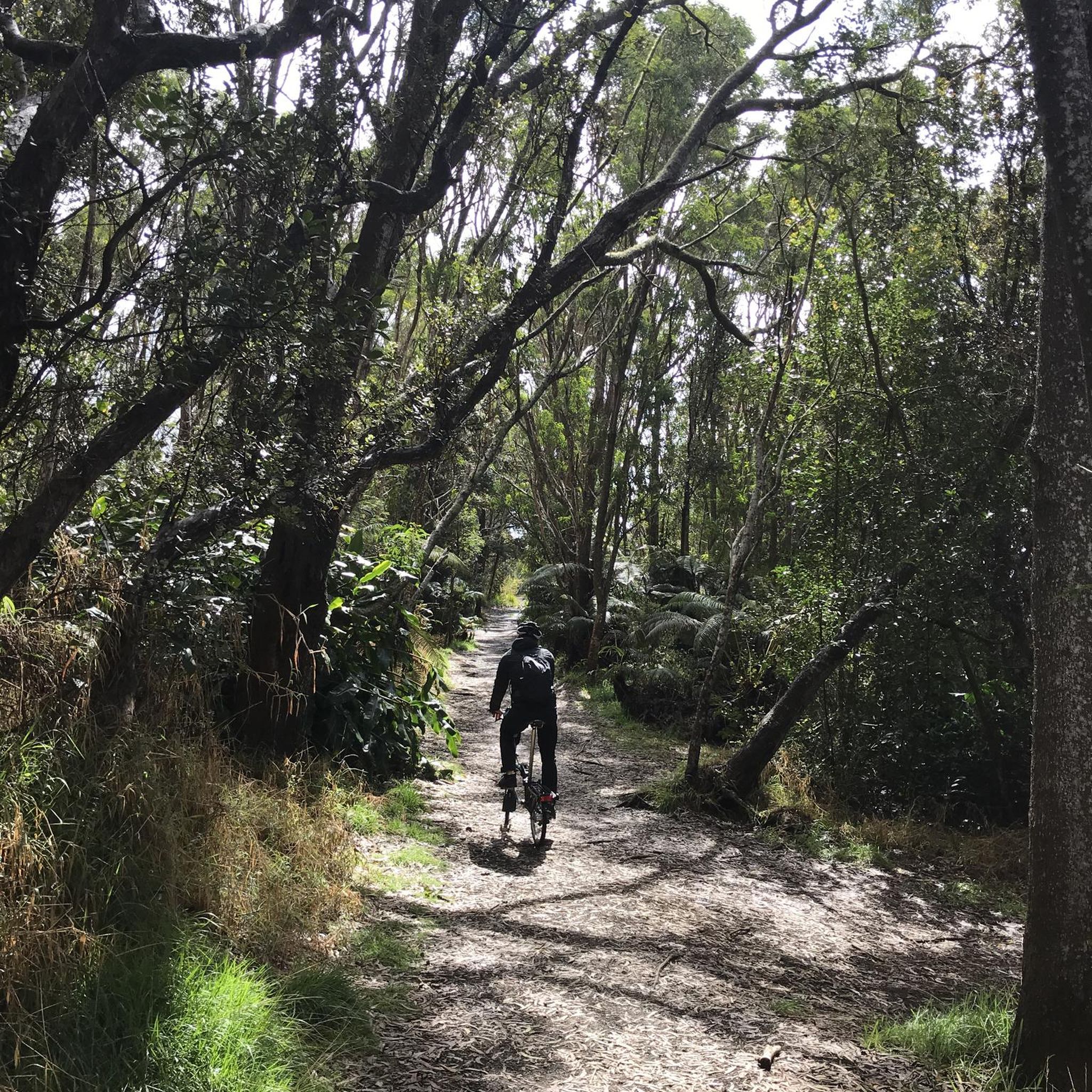
Road cycling routes in KahaualeʻA Natural Area Reserve traverse the gentle slopes of the active Kilauea volcano in Hawaii's Puna District. The landscape is shaped by volcanic activity, featuring formations, hardened pāhoehoe lava flows, and diverse forests. These environments include volcanic rainforest and wet ʻōhiʻa forests, contributing to the region's biodiversity. Varying elevation changes across the terrain provide different levels of physical challenge for road cyclists.
Best road cycling routes in KahaualeʻA Natural Area Reserve
- The most popular road cycling…
Last updated: May 2, 2026
5.0
(1)
6
riders
75.7km
03:45
1,200m
1,200m
Prepare for a challenging racebike adventure on the Volcano to Keaʻau loop, a difficult route spanning 47.0 miles (75.7 km). This ride will test you with a significant elevation gain…
1
riders
34.8km
01:32
380m
380m
Explore the challenging 21.6-mile Kaʻū Desert route, a moderate trail through unique volcanic landscapes, best suited for hiking or mountain

Sign up for free
5.0
(1)
18
riders
62.5km
03:40
1,270m
1,270m
Hard road ride. Very good fitness required. Some segments of this route may be unpaved and difficult to ride.
5.0
(1)
13
riders
72.6km
03:44
1,300m
1,300m
Embark on a challenging road cycling journey along the Chain of Craters Road, a route that spans 45.1 miles (72.6 km) within Hawaiʻi Volcanoes National Park. You will encounter dramatic…
6
riders
45.4km
02:29
620m
620m
Embark on a moderate racebike journey along the Hilina Pali Road, a 28.2-mile (45.4 km) route that takes you through the diverse landscapes of Hawaiʻi Volcanoes National Park. You will…
Get access to more routes and recommendations from other explorers.
Sign up for free
Already have an account?
Our route recommendations are based on thousands of hikes, rides, and runs completed by other people on komoot.
Start today with a free account
Your next adventure awaits.
Login or Signup
Popular around KahaualeʻA Natural Area Reserve
Tips from the Community

Viewpoint with shelter and great view of the Pacific
3
0
The center is closed for renovations until August 2026
2
0

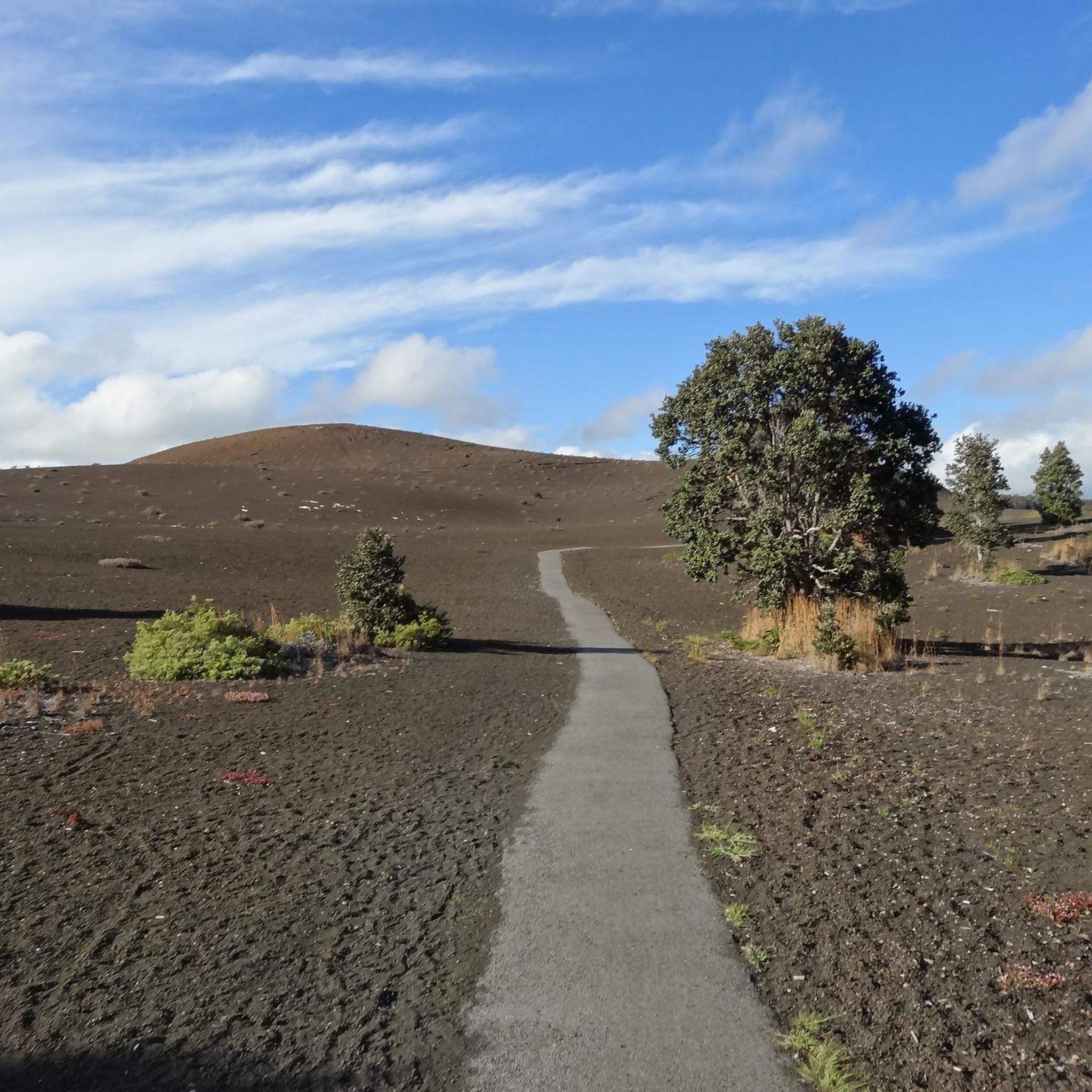
Pauahi is 360 feet deep and 1600 feet wide! This crater has had three recent eruptions (relatively), with two in 1973 and one in 1979. The 1979 event was the most dramatic and is what left the thin veneer currently seen on the crater floor. Pauahi Crater is culturally significant and religious to many of the Hawaiian people. You may see a hoʻokupu (offering), perhaps wrapped in leaves. These should not be touched or disturbed.
0
0
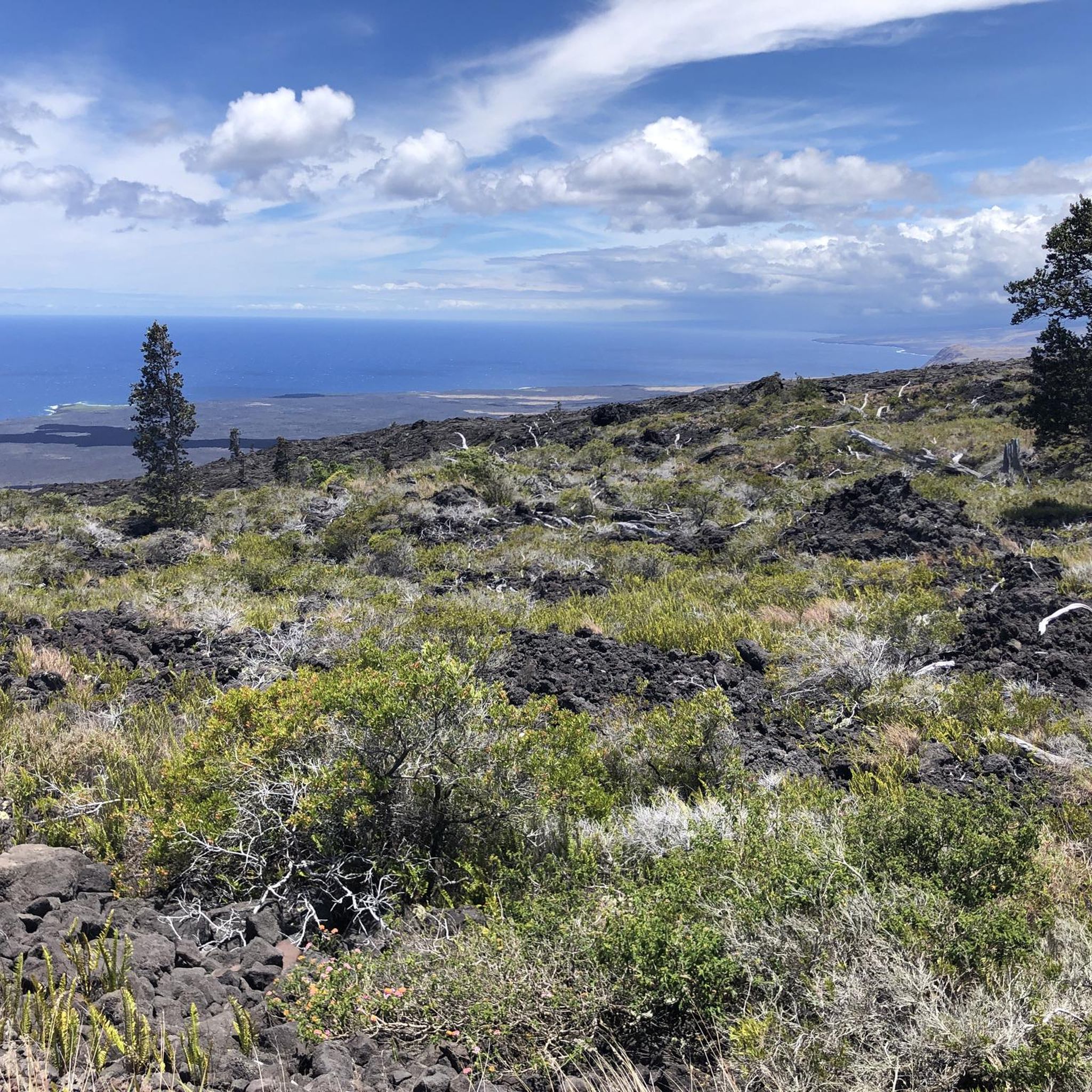
Hilina Pali Overlook provides visitors with a incredible view of the Hawaiian coastline and Pacific Ocean. There is a shelter and bathroom here to provide shelter from any storms, althought there is no potable water.
0
0
Kealakomo Overlook has panoramic views of the Pacific Ocean and lava fields. Kealakomo Overlook gets its name from the ancient village that once resided here and is now partially covered from the Maunaulu flows of 1969-1974. Don't tell real estate developers, but the Maunaulu flows created approximately 210 acres of new land.
0
0
At the bottom of the Chain of Craters Road you can see steep lava rock cliffs. Winds are known to be high here, so use caution if you have deep wheels! This is a unique view with the blue crashing waves on one side and the brown laval fields stretching up the side of the volcano.
0
0
Open 9am-5pm daily, the Kīlauea Visitor Center is a great place to stop before entering the park. There is a park store here that sells books, posters, and other souvenirs! On the back side of the building there are restrooms and across the street you can find a few restaurants and another gift shop!
0
0
Frequently Asked Questions
How many road cycling routes are available in KahaualeʻA Natural Area Reserve?
There are 6 road cycling routes available in KahaualeʻA Natural Area Reserve, offering a range of difficulties from moderate to difficult.
Is road cycling permitted within KahaualeʻA Natural Area Reserve?
While road cycling is generally recognized as an activity within the broader KahaualeʻA Natural Area Reserve area, specific natural trails, like the Kahaualeʻa Trail (Captain's Trail), explicitly prohibit biking. Cyclists should stick to designated roads or areas where cycling is permitted. For official regulations, you can consult the Hawaii Department of Land and Natural Resources website.
What kind of terrain can I expect on road cycling routes in KahaualeʻA Natural Area Reserve?
Road cycling routes in KahaualeʻA Natural Area Reserve primarily feature volcanic terrain, including hardened pāhoehoe lava flows and formations near Kīlauea Caldera and Kīlauea Iki Crater. You'll also traverse diverse forests, such as volcanic rainforest and wet ʻōhiʻa forests, with varying elevation changes that provide different levels of physical challenge.
Are there any beginner-friendly road cycling routes in the area?
While many routes feature significant elevation gain, there is one easy route available. For those looking for a moderate challenge, the Volcano to Kaʻū Desert Trailhead — Kaʻu route is a good option, offering a journey through the volcanic landscape with moderate climbs over 21.6 miles.
What are some of the most scenic road cycling routes in KahaualeʻA Natural Area Reserve?
The Chain of Craters Road is a highly regarded route that leads through dramatic volcanic terrain, offering unique views of lava formations. Another option is Hilina Pali Road, which provides a different perspective of the volcanic landscape.
What is the best time of year for road cycling in KahaualeʻA Natural Area Reserve?
The reserve's climate is generally mild, with average temperatures ranging from 65°F to 75°F year-round. However, it is characterized by rainfall, mist, and fog, so be prepared for potentially wet conditions regardless of the season. Checking local weather forecasts before your ride is always recommended.
Are there any loop road cycling routes available?
Yes, the Volcano to Keaʻau loop is a popular option. This difficult 47.0-mile route offers a comprehensive tour with significant elevation gain, bringing you back to your starting point.
What do other road cyclists enjoy most about road cycling in KahaualeʻA Natural Area Reserve?
The area is highly rated by the komoot community, with an average score of 5.0 stars. Reviewers often praise the unique experience of cycling through volcanic landscapes and diverse forests, highlighting the challenging yet rewarding elevation changes.
Are there opportunities to see wildlife or unique natural features while cycling?
Yes, the reserve is known for its rich biodiversity. You might encounter native birds like the ʻelepaio and observe unique plant species such as ʻōhiʻa trees and hāpuʻu ferns growing through lava flows. The volcanic formations themselves, including hardened pāhoehoe lava, are significant natural features to explore.
Are there any long-distance road cycling routes for experienced riders?
For experienced riders seeking a challenge, routes like the Volcano to Keaʻau loop (47.0 miles) and Chain of Craters Road (45.1 miles) offer substantial distances and significant elevation gains, providing a demanding ride through the region's unique landscape.
Is parking available near the road cycling routes?
While specific parking areas for each route are not detailed, the broader area around KahaualeʻA Natural Area Reserve and nearby Hawaii Volcanoes National Park typically offers designated parking facilities. It's advisable to check specific starting points for routes for the most convenient parking options.
Are there any particularly challenging road cycling routes in the reserve?
Yes, several routes are classified as difficult due to significant elevation gain. The Mauna Loa Road, for instance, is a challenging 37.5-mile route with substantial climbing, offering a rigorous experience for advanced cyclists.
Most popular routes in KahaualeʻA Natural Area Reserve

Get inspired with the komoot mobile app


Explore more
Browse the best Road cycling routes in other regions.
