Morning Star Natural Resources Conservation Area
Morning Star Natural Resources Conservation Area
Top 5 Lakes in Morning Star Natural Resources Conservation Area
Best lakes in Morning Star Natural Resources Conservation Area are found within a 37,842-acre mountainous conservation area in Washington State. This region protects unique ecological features, including numerous pristine subalpine and alpine lakes and wetlands. The area serves as a habitat for rare plant species and wildlife, offering diverse experiences for hikers and nature enthusiasts. It features extensive trail systems leading to various backcountry and alpine environments.
Best lakes in Morning Star Natural Resources Conservation Area
- The most popular lakes…
Last updated: April 23, 2026
Little Greider Lake
Highlight • Lake
Tip by

Bear Creek Site on Spada Lake
Highlight • Viewpoint
Tip by
Sign up now to discover places like this
Get recommendations on the best single tracks, peaks, & plenty of other exciting outdoor places.
Sign up for free
Cutthroat Lakes
Highlight • Lake
Tip by
View of Spada Lake
Highlight • Viewpoint
Tip by

Start today with a free account
Your next adventure awaits.
Login or Signup
Popular around Morning Star Natural Resources Conservation Area
Tips from the Community

Great views over Spada Lake, which provides most of the city of Everett's drinking water. Because of that no swimming or wading is allowed, and your pets must be on leash at all times. There can be good trout fishing here, though.
0
0

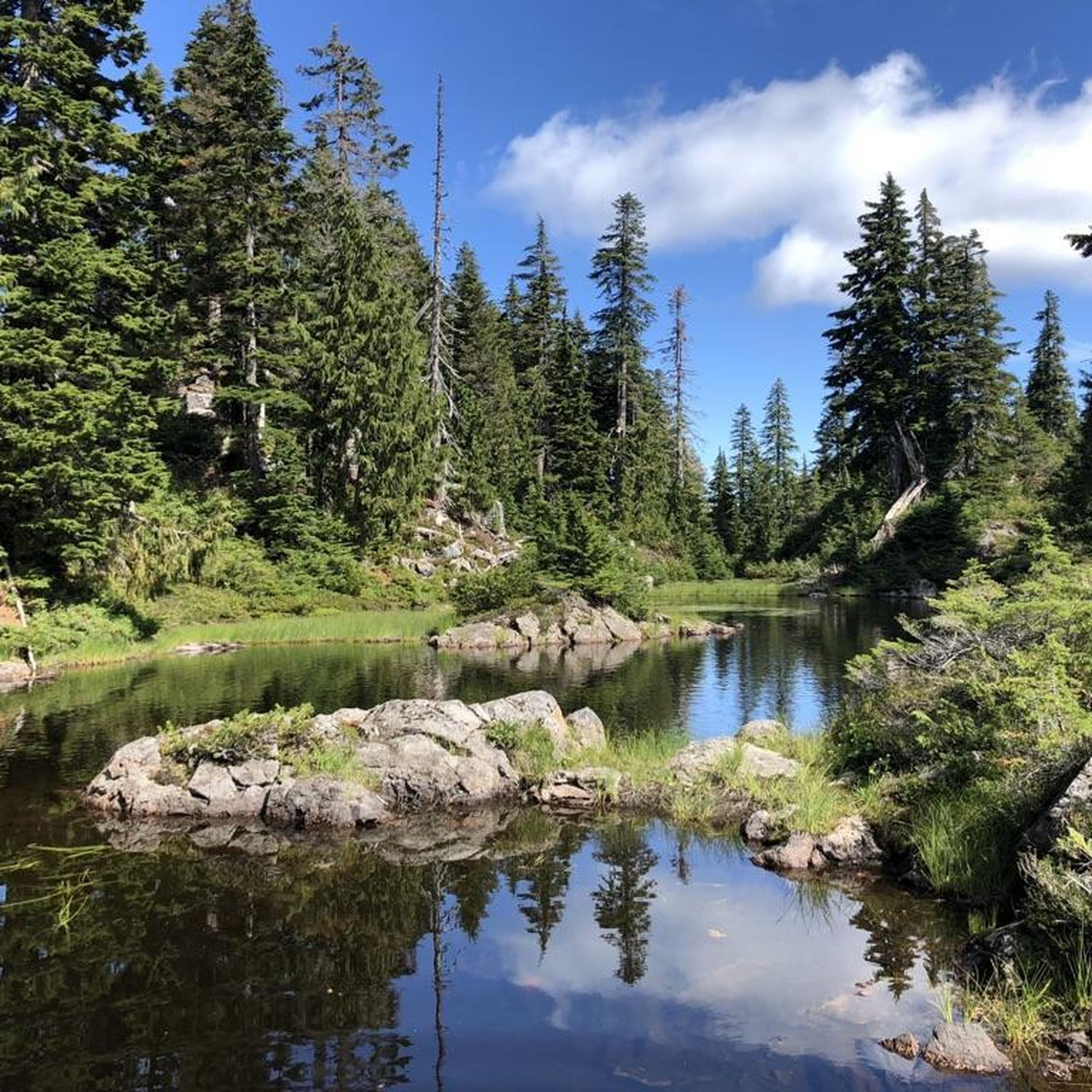
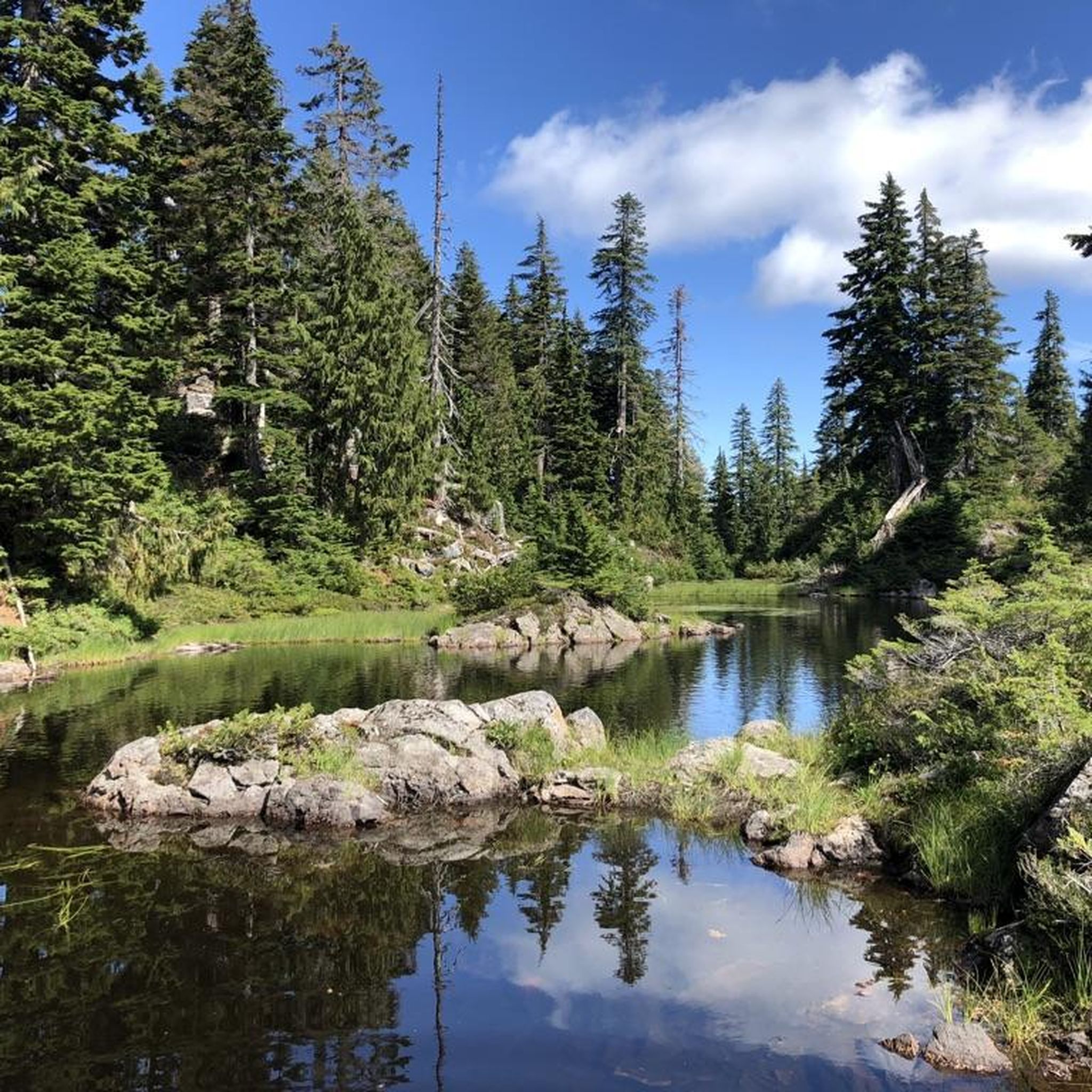
The trail is very steep and power-hikey up until this point, where it mostly levels out until you reach Big Greider Lake. Little Greider Lake is a great spot for camping, and the views are dramatic as the trail skirts between the two peaks. There is a camp along the lake.
0
0

Bear Creek Sites have overlooks that have benches and a view of the nearby forest and Lake Spada. The Lake is a drinking water reservoir, so swimming or wading is not allowed.
0
0
The Walt Bailey Trail goes past a series of small ponds and lakes referred to as Cutthroat Lakes. It's a good water source to refill if you have a water filter.
0
0
It is said that between Little Greider like and Big Greider Lake, Little Greider has the better camping. Keep hiking on south for half a mile to Big Greider Lake.
0
0

Spada Lake was created in 1965 by damming the Sultan River. The lake is a reservoir and scenic recreation area,.
0
0
Frequently Asked Questions
What makes the lakes in Morning Star Natural Resources Conservation Area unique?
The lakes in Morning Star Natural Resources Conservation Area are notable for their pristine backcountry and alpine environments. Many are subalpine and alpine lakes, surrounded by natural forests and meadows. The area also protects unique ecological features, including wetlands and habitats for rare plant species and wildlife.
Are there opportunities for backcountry camping near the lakes?
Yes, several lakes offer designated backcountry campsites. You can find camping spots at Beaver Plant Lake, Upper Ashland Lake, Lower Ashland Lake, Little Greider Lake (which has good camping spots and dramatic views), Big Greider Lake, and Boulder Lake.
What kind of hiking trails can I find around these lakes?
The area features extensive trail systems leading to the lakes, ranging from moderate to challenging. For example, the Ashland Lakes Trail is a 3.7-mile route to the Ashland Lakes, while the Greider Lakes Trail is an 8.5-mile roundtrip with significant elevation gain. You can find more details on various hiking options in the Hiking in Morning Star Natural Resources Conservation Area guide.
Are there any family-friendly lake viewpoints?
Yes, there are family-friendly viewpoints that offer scenic views without requiring strenuous hikes. For instance, the Bear Creek Site on Spada Lake provides overlooks with benches and views of the forest and Lake Spada.
Can I swim in any of the lakes?
While many lakes are pristine, swimming or wading is generally not permitted in Spada Lake, as it is a drinking water reservoir. This applies to areas like the View of Spada Lake and the Bear Creek Site.
What wildlife can I expect to see near the lakes?
The Morning Star NRCA provides important habitat for various wildlife. Black bear sightings are common, especially around the Greider Lakes area. The wetlands and subalpine areas also support diverse species, making it a good spot for wildlife viewing.
What are the Ashland Lakes like?
The Ashland Lakes (Lower, Upper, and Beaver Plant Lake) are popular alpine destinations accessible via a 3.7-mile trail. Beaver Plant Lake is known for its backcountry campsites, while Upper and Lower Ashland Lakes offer pristine views. This area is also historically significant for its unique forest ecosystem, having avoided major fires for centuries.
How challenging are the trails to the Greider Lakes?
The hike to Greider Lakes can be challenging, featuring an 8.5-mile roundtrip route with nearly 2,000 feet of elevation gain. The trail includes steep sections and switchbacks, but rewards hikers with well-maintained campsites and opportunities for wildlife viewing, particularly around Little Greider Lake and Big Greider Lake.
What is Foggy Lake known for?
Foggy Lake is a 19-acre glacial lake situated in the stunning Gothic Basin, beneath Gothic Peak and Del Campo Peak. The trail to Gothic Basin is challenging, involving a steep ascent and potential scrambling, but offers breathtaking alpine views. Campfires are prohibited in the basin to protect its fragile habitat.
Are there any lakes with rare plant species?
Yes, the Morning Star NRCA is known for its ecological significance, protecting outstanding examples of native plant communities. Boulder Lake, for instance, includes sensitive wetlands and may contain a rare sphagnum, along with the rare Choris's Bog Orchid. The area around Big Greider Lake also features sensitive wetlands with rare plants.
When is the best time to visit the lakes in Morning Star NRCA?
The best time to visit depends on your preferred activity. For hiking and camping, late spring through early fall generally offers the most accessible conditions. In autumn, the ground-hugging berry bushes around areas like Greider Lakes provide vibrant fall colors, making it a scenic time for a visit.
What is the significance of Cutthroat Lakes?
The Cutthroat Lakes are accessible via the Walt Bailey Trail and are known for providing access to pristine backcountry wilderness. While no rare plants are currently known there, it was historically a site for such occurrences. The lakes also serve as a good water source for filtering during hikes.
Most popular routes in Morning Star Natural Resources Conservation Area
Most popular attractions in Morning Star Natural Resources Conservation Area

Get inspired with the komoot mobile app


Explore more
Still not found your perfect lake in Morning Star Natural Resources Conservation Area? Check out the guides of these regions to see even more beautiful places.
