Attractions and Places To See in Zepa Sierra De La Fausilla - Top 5
Attractions and places to see in Zepa Sierra De La Fausilla are found within a Special Protection Area for Birds, located south of the Region of Murcia. This area spans 791 hectares, featuring a diverse ecosystem with unique vegetation, including protected endemic plant species. The region is characterized by its geological formations, such as dramatic cliffs composed of violet-colored slates, and extends along a coastal landscape. It offers a combination of natural features and historical points of interest for exploration.
…Last updated: July 5, 2026
Aguilones Battery
Highlight • Historical Site
Translated by Google •
Tip by

Portman Climb via Cola del Caballo
Highlight (Segment) • Climb
Translated by Google •
Tip by

Sign up now to discover places like this
Get recommendations on the best single tracks, peaks, & plenty of other exciting outdoor places.
Sign up for free
Playa del Gorguel
Highlight • Beach
Translated by Google •
Tip by
Mining ruins
Highlight • Structure
Translated by Google •
Tip by

Valle de Escombreras Industrial Complex
Highlight (Segment) • Structure
Translated by Google •
Tip by

Sign up for free to discover even more attractions in Zepa Sierra De La Fausilla.
Sign up for free
Already have an account?
Start today with a free account
Your next adventure awaits.
Login or Signup

Tips from the Community

Along this old path carved into the hillside you pass the ruins of an old mining facility. The landscape, although decadent in appearance, maintains the charm of terracotta tones.
0
0

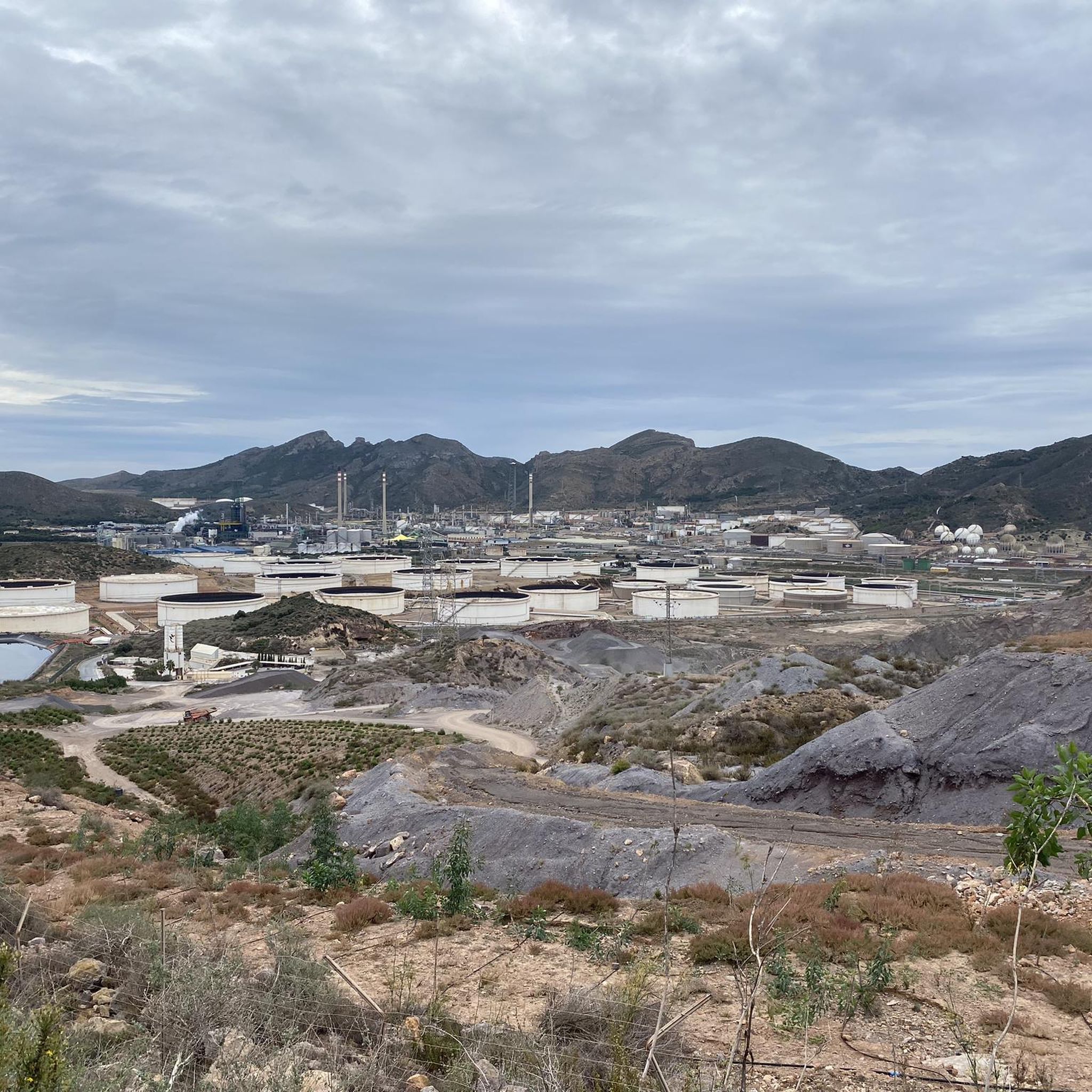
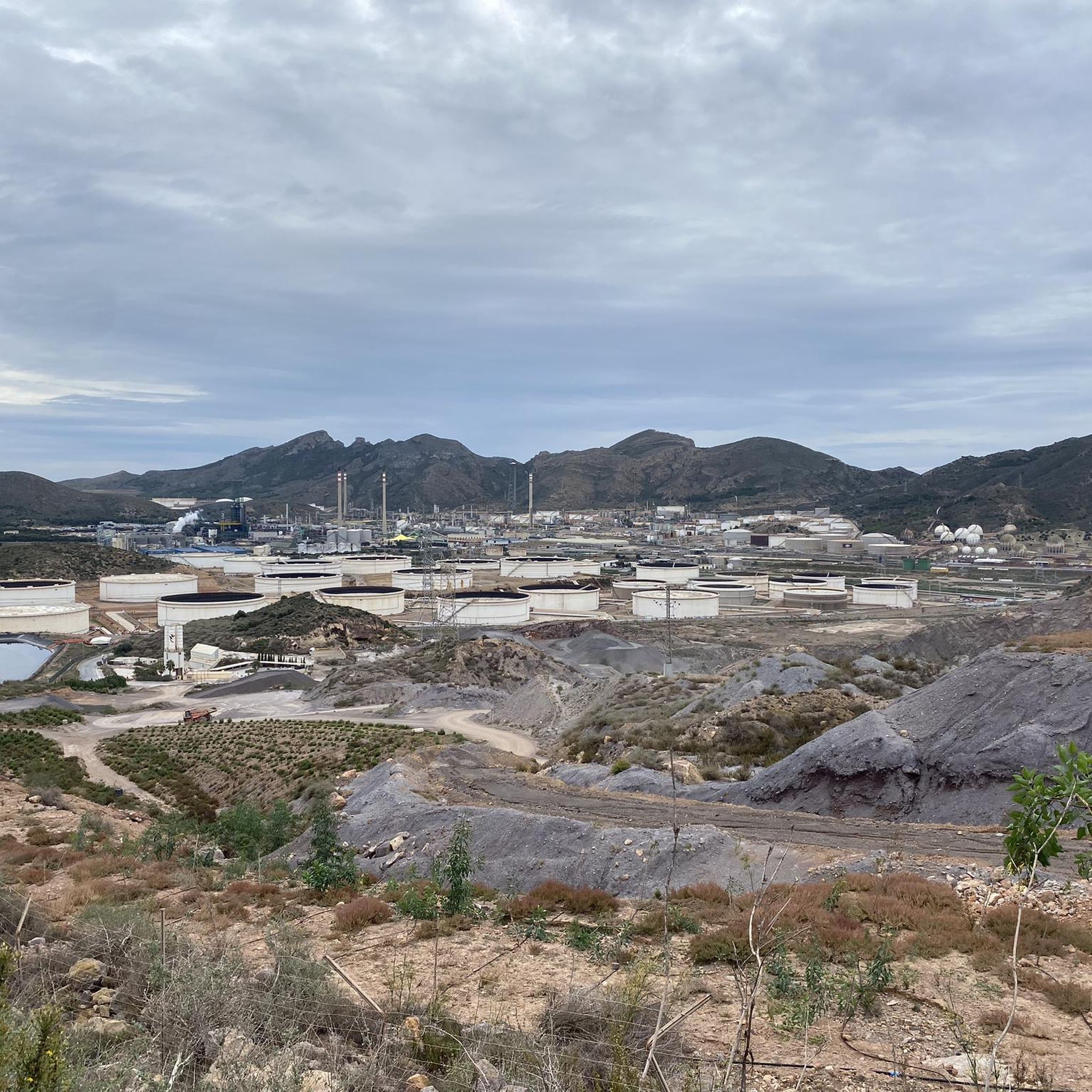
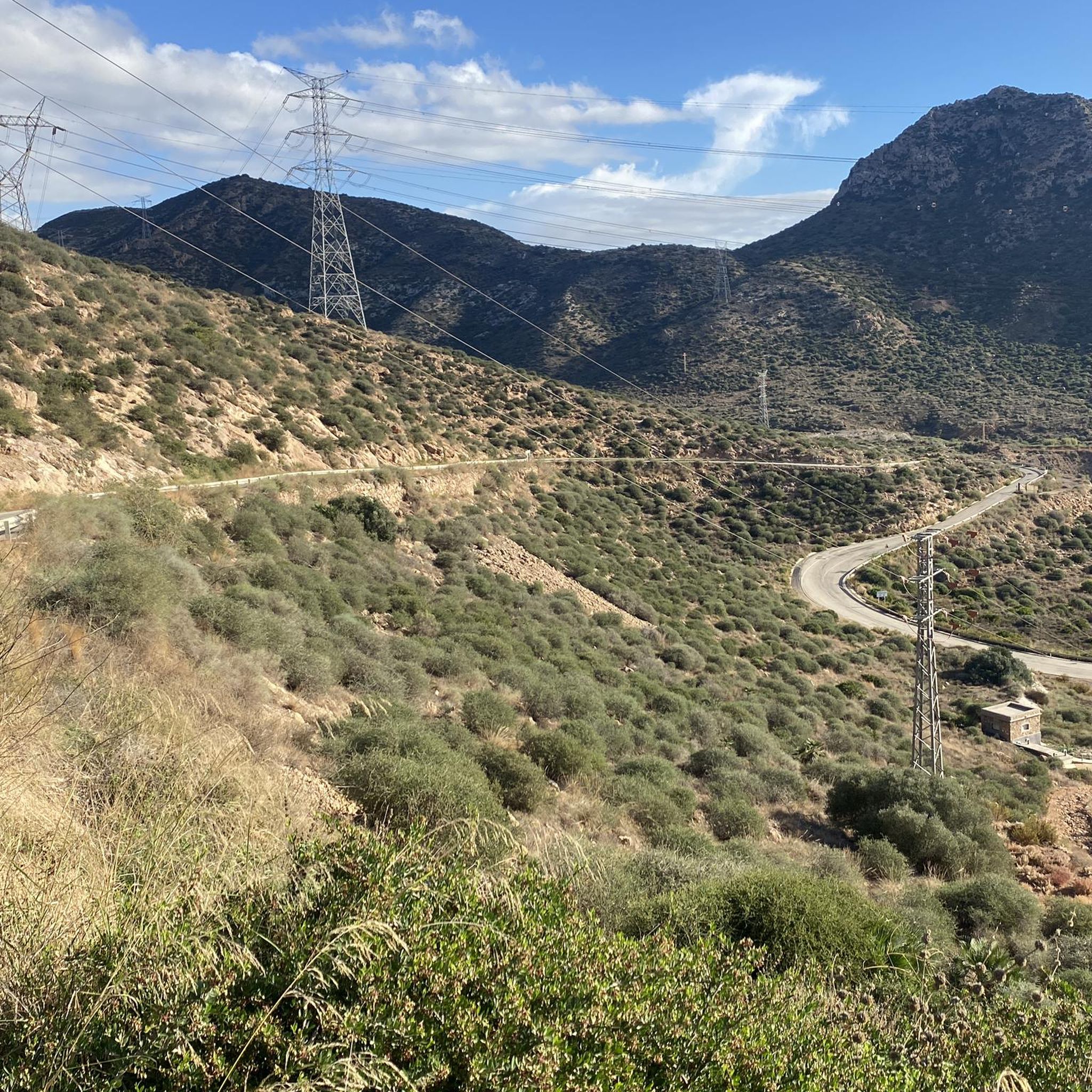
If you come here from the east, i.e. from the mountains, you will probably be shocked in the right turn (at least country bumpkins like us): huge industrial buildings. It goes without saying that this does not apply to residents of the Ruhr area. But to us Allgäu. The things are already impressive in the area. A must for every pipe or line builder. Unfortunately, the builders forgot to build a bike path here. So you drive on the road (in 1/22 little traffic).
1
0
The construction work took place from 1933 to 1936. The battery was armed with cannons that had a range of about 35 km and fired penetrating projectiles of 900 kg. Purpose: to prevent ships from bombarding the naval base of Cartagena. Great view over the port to the city of Cartagena. Easy to reach.
0
0

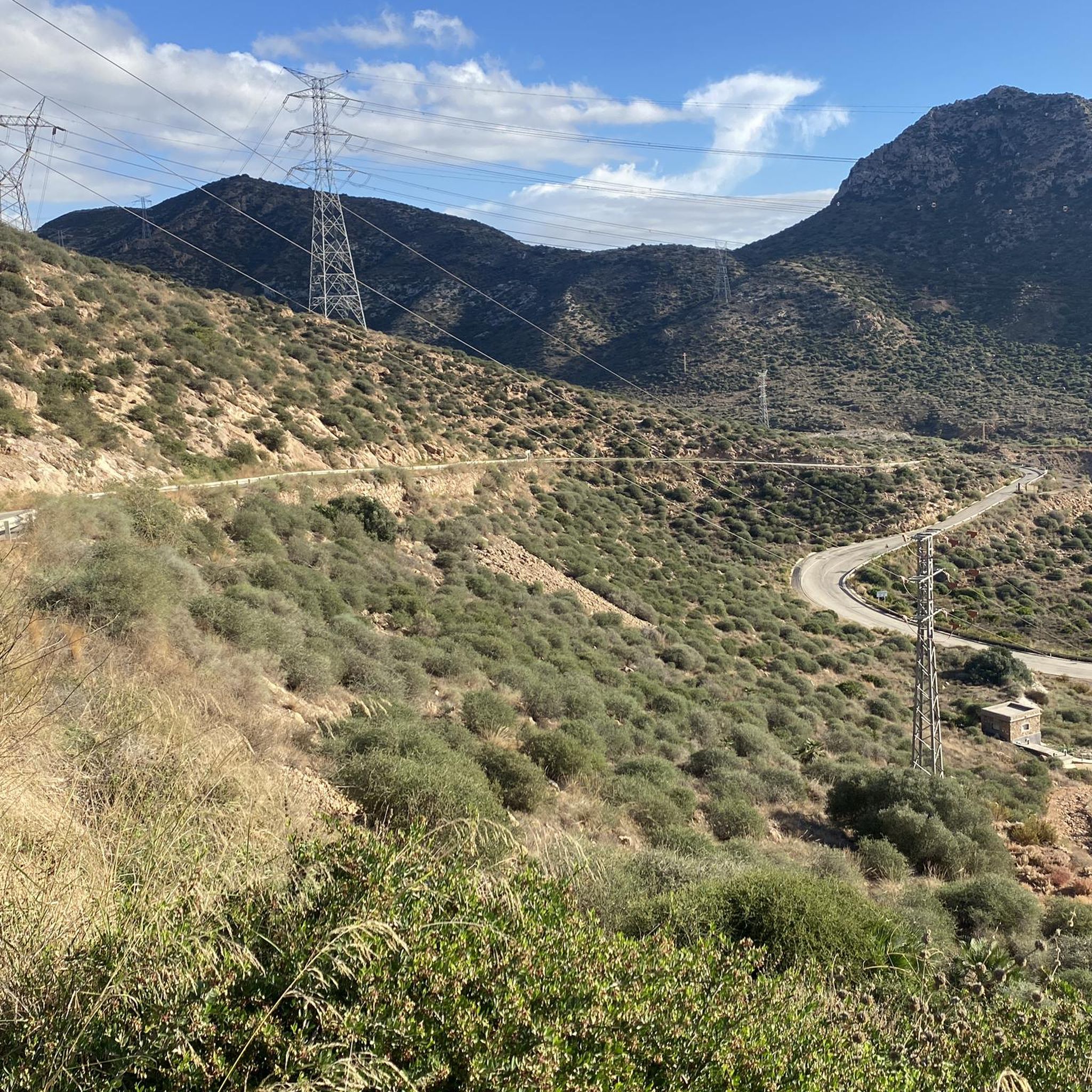
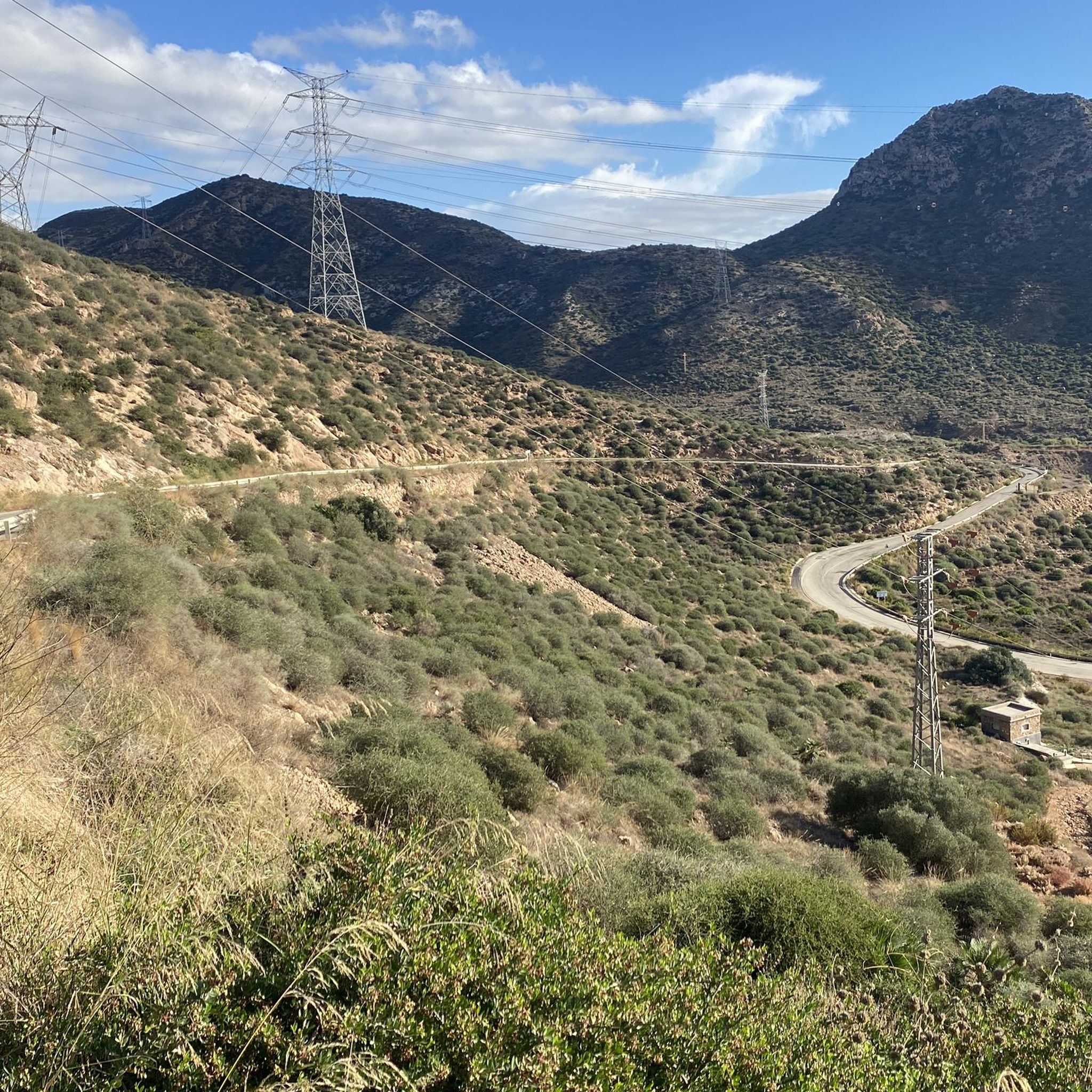
Portman is one of the areas most frequented by cyclists in the Mar Menor area. This climb begins when leaving the town in the direction of La Unión, where we immediately find a very sharp and steep right-hand curve (right here is the parking area to go down to the Cola del Caballo cove). The ascent is about 2.5 kms at 5.7% with a peak above 10%.
0
0
A port of 2 kilometers at an average 8% slope, with sections of up to 16%. It is located in the Escombreras Valley and has a typical layout of mountain passes with very steep horseshoe curves. The last section, starting from an old abandoned checkpoint, is gravel, but it can be done perfectly with the road bike. From above, you can see the entire Refinery, the Rabbit Battery, and the Mediterranean.
0
0

A gentle pedaling route to have a good time and enjoy the visits.
1
1
It is not a very visited beach, you will hardly find people bathing due to its difficult access by car.
0
0
Frequently Asked Questions
What kind of natural features can I explore in Zepa Sierra De La Fausilla?
The Zepa Sierra De La Fausilla is known for its diverse ecosystem, including unique vegetation like "cornicales" and "tomillares," and protected endemic plant species. You'll find dramatic cliffs composed of violet-colored slates, and a beautiful coastal landscape. A notable natural spot is Playa del Gorguel, a less-visited cove that offers a tranquil natural setting.
What historical sites are there to visit in Zepa Sierra De La Fausilla?
The region is rich in history. You can explore Aguilones Battery, a significant military installation built between 1933 and 1936 to protect Cartagena's naval base. Additionally, you'll find intriguing Mining ruins along old paths, showcasing the area's industrial past. The ruins of a reflector and command post at Cabo de Aguas, and an old foundry chimney near the coast, also offer glimpses into the past.
Are there opportunities for hiking in Zepa Sierra De La Fausilla?
Yes, the area is popular for hiking, with numerous routes to explore its natural beauty and historical points. You can find a variety of trails, including an ancient bridle path once used by coast guards. For detailed routes and difficulty levels, check out the Hiking in Zepa Sierra De La Fausilla guide, which includes routes like the 'Balcón de Antonio – Old Mining Factory loop'.
What cycling routes are available in the area?
Cyclists frequently visit the Zepa Sierra De La Fausilla. A popular challenge is the Portman Climb via Cola del Caballo, an ascent of about 2.5 km with an average gradient of 5.7%. For more cycling options, including routes of varying difficulty, explore the Cycling in Zepa Sierra De La Fausilla guide.
Can I go running in Zepa Sierra De La Fausilla?
Absolutely! The region offers several running trails. You can find routes like the 'Batería de Conejos loop' or the 'Portmán Roman Road loop'. For a comprehensive list of running trails and their details, refer to the Running Trails in Zepa Sierra De La Fausilla guide.
What kind of wildlife can I expect to see, especially birds?
As a Special Protection Area for Birds (ZEPA), the region is crucial for bird conservation. You might spot species such as the peregrine falcon, eagle-owl, Bonelli's eagle, and the trumpeter finch. Other common birds include the common kestrel, common swift, common house martin, rock sparrow, and various warblers.
Are there any family-friendly attractions or activities?
While many attractions involve hiking or exploring historical sites, the natural settings can be enjoyed by families. Playa del Gorguel, though challenging to access by car, offers a natural beach environment for a quiet family outing. Shorter, easier hiking trails may also be suitable for families, depending on their experience.
What is the terrain like in Zepa Sierra De La Fausilla?
The terrain is characterized by its geological formations, primarily metamorphic and sedimentary rocks, with dramatic cliffs largely composed of violet-colored slates reaching an average height of 300 meters. Hiking trails can vary from ancient bridle paths to more challenging routes with significant elevation changes, as seen in the Portman Climb.
What do visitors enjoy most about Zepa Sierra De La Fausilla?
Visitors appreciate the unique blend of natural splendor and historical intrigue. The area offers stunning coastal views, challenging climbs for cyclists, and the opportunity to explore ancient military installations and mining heritage. The tranquility of less-visited spots like Playa del Gorguel is also highly valued.
Are there any industrial landmarks to see?
Yes, the region has a significant industrial past. You can observe the Valle de Escombreras Industrial Complex, which presents a striking contrast to the natural landscape with its large industrial buildings. Near the coast, there's also a chimney from a 19th-century foundry and a partially collapsed subterranean tunnel, remnants of the area's mining and industrial history.
What is the best time to visit Zepa Sierra De La Fausilla?
Given its coastal location and the nature of its attractions, spring and autumn generally offer the most pleasant weather for exploring the Zepa Sierra De La Fausilla. Temperatures are milder, making hiking and cycling more comfortable. Summers can be hot, while winters are generally mild, but some trails might be less accessible during heavy rains.
Most popular routes in Zepa Sierra De La Fausilla

Get inspired with the komoot mobile app


Explore more
Still not found the Highlight you’re looking for? See guides of the top attractions in other regions:
