Top 18 Castles around Gräfenhainichen
Best castles around Gräfenhainichen offer a glimpse into the region's rich history and diverse architecture. Located in the Anhalt-Bitterfeld district, the area is characterized by its proximity to the Elbe River and the Düben Heath, providing varied landscapes for exploration. The castles range from medieval origins to Baroque and Neo-Renaissance designs. These historical sites are often integrated into scenic parks and natural settings, making them accessible for outdoor activities.
Best castles around Gräfenhainichen
- The most popular castles is Wörlitz Castle…
Last updated: June 22, 2026
Neogothic castle gate at Sieglitzer Berg
Highlight • Monument
Translated by Google •
Tip by

Wörlitz Castle
Highlight • Castle
In the region, it is often referred to as the "Little White House."
Translated by Google •
Tip by

Sign up now to discover places like this
Get recommendations on the best single tracks, peaks, & plenty of other exciting outdoor places.
Sign up for free
Reinharz Moated Castle
Highlight • Castle
Heinrich von Löser, Electorate of Saxony's hereditary marshal, had a representative moated castle with a baroque park, castle pond and brewery pond built between 1690 …
Translated by Google •
Tip by

Burgkemnitz Castle
Highlight • Castle
construction time
18th century, 19th century,
1869
Architectural style
Baroque, historicism, neo-renaissance
Builder
Hans Bodo Baron von Bodenhausen (1869)
Builder/architect
–
Condition
The castle in Burgkemnitz is currently …
Translated by Google •
Tip by

Johann Building (Dessau City Palace)
Highlight • Castle
Translated by Google •
Tip by

Sign up for free to discover even more castles around Gräfenhainichen.
Sign up for free
Already have an account?
Start today with a free account
Your next adventure awaits.
Login or Signup
Popular around Gräfenhainichen
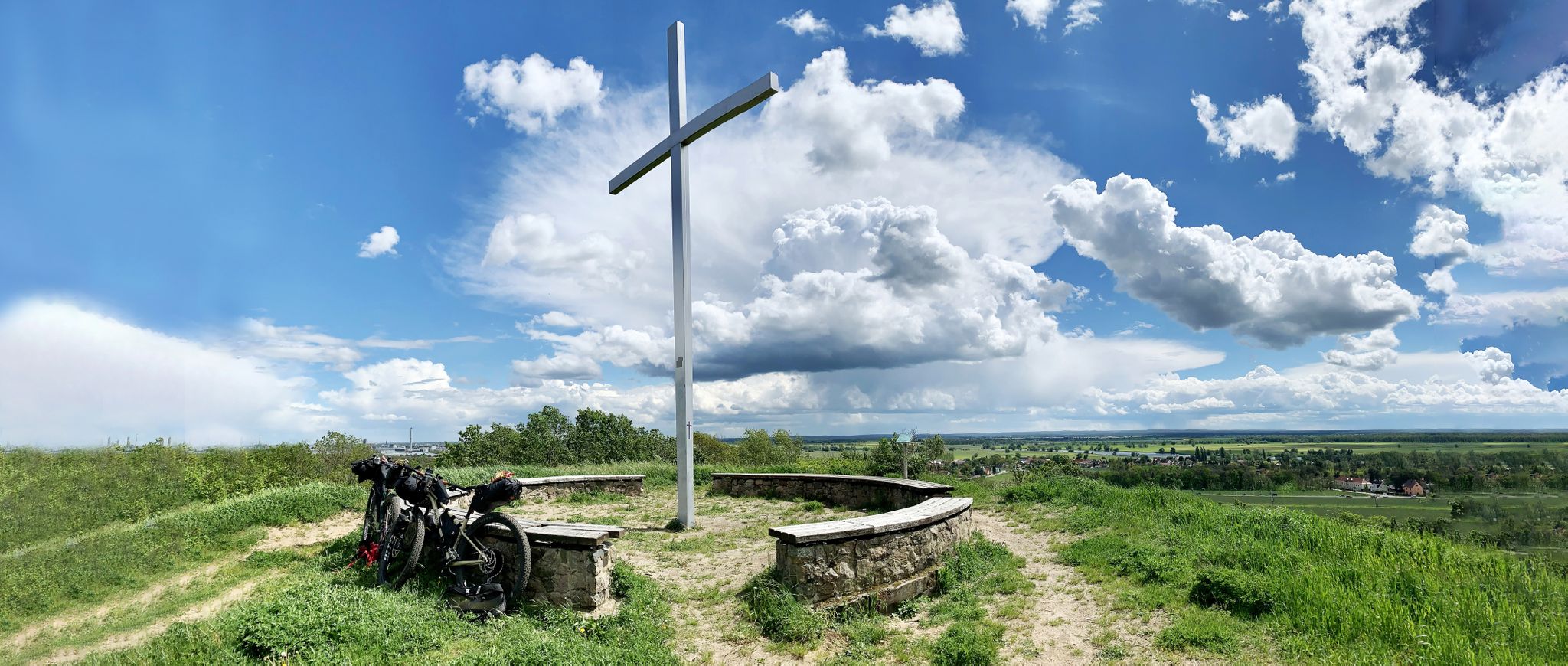
Romanticism on the Elbe River — cycling around the MDV north network
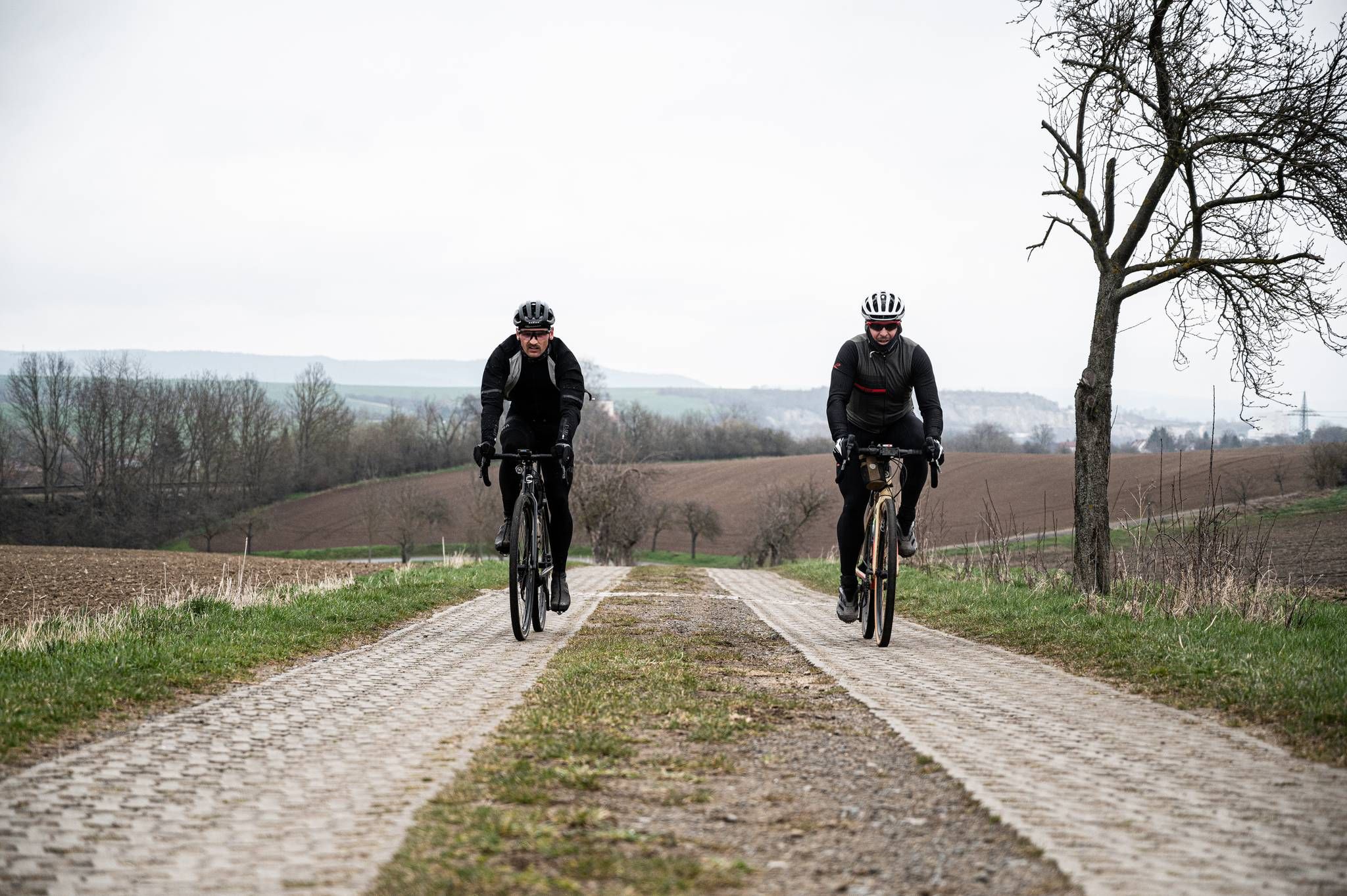
Cycling across Germany – my journey to the southernmost point of Germany
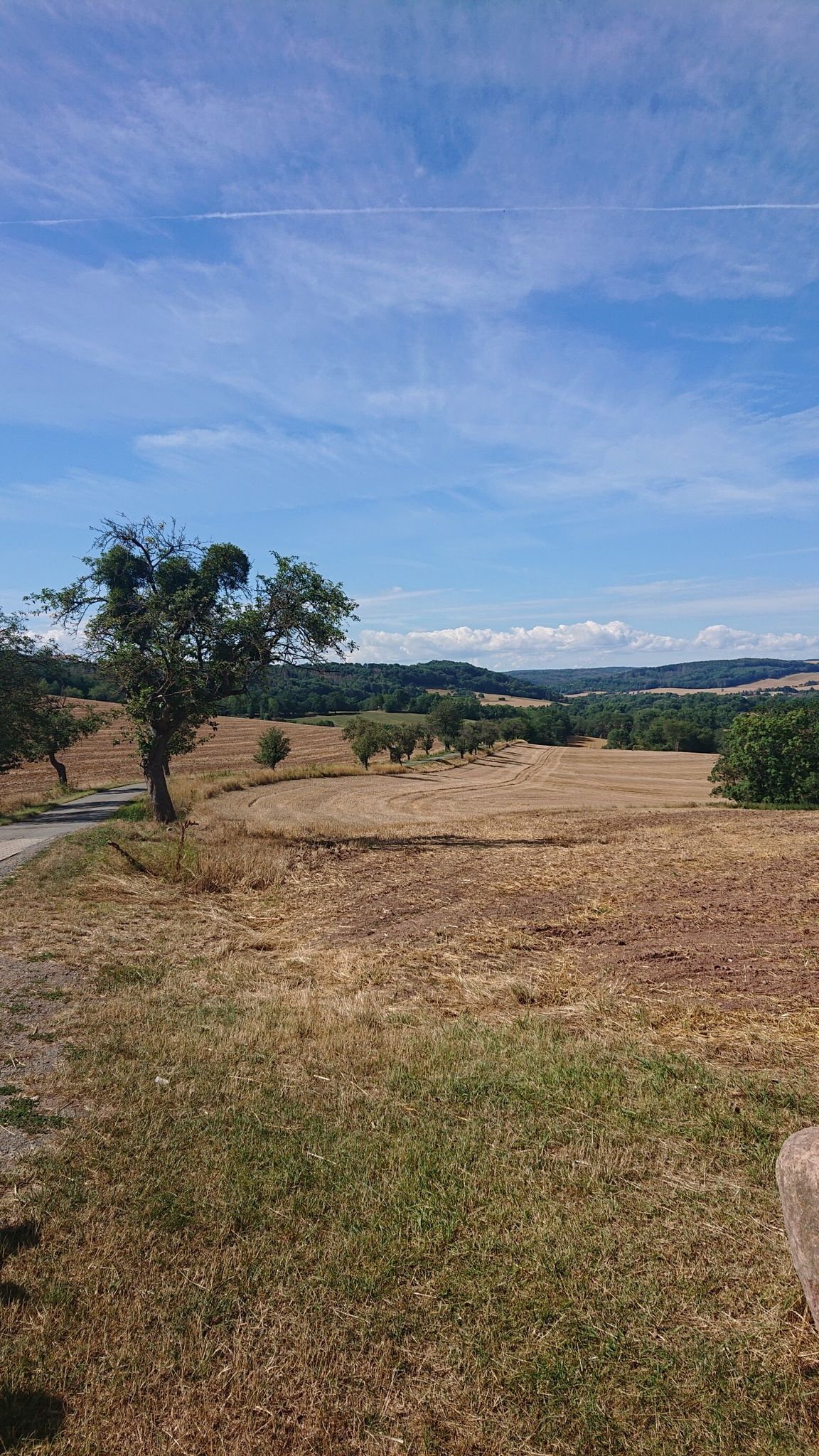
From A(ugsburg) to B(rodowin) – Cycling across Germany
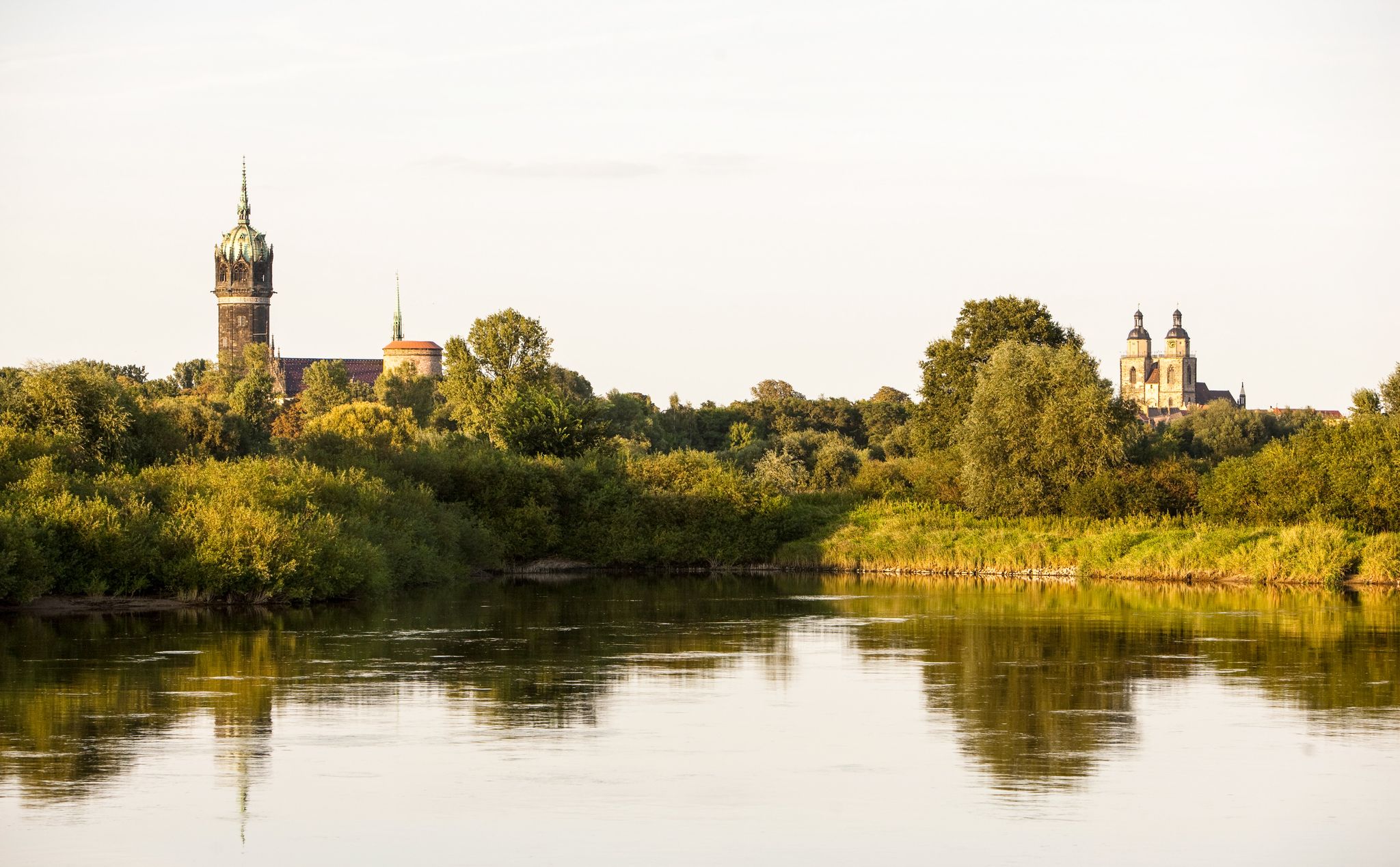
Holiday in Germany – Discover Saxony-Anhalt by bike
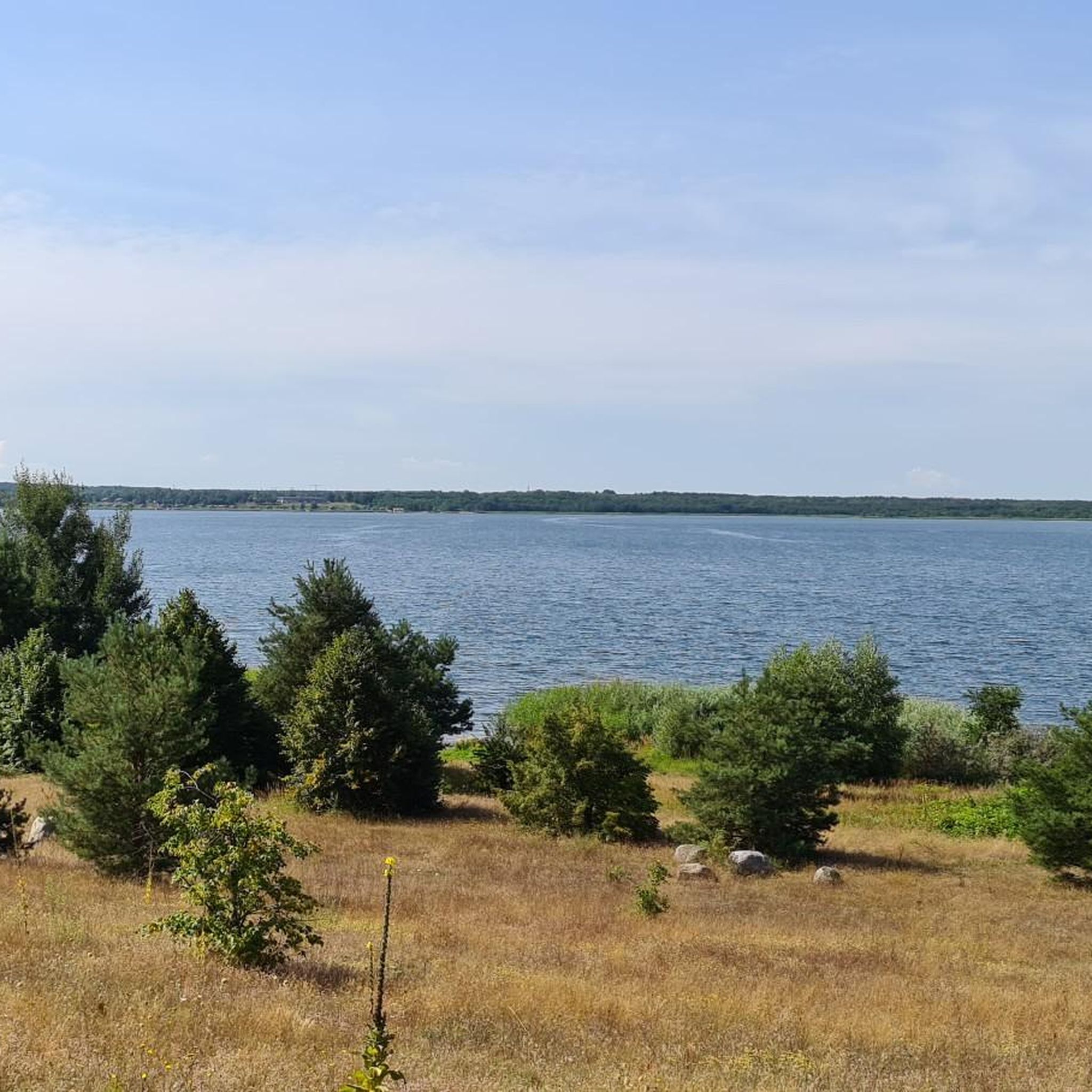
Hiking around Gräfenhainichen
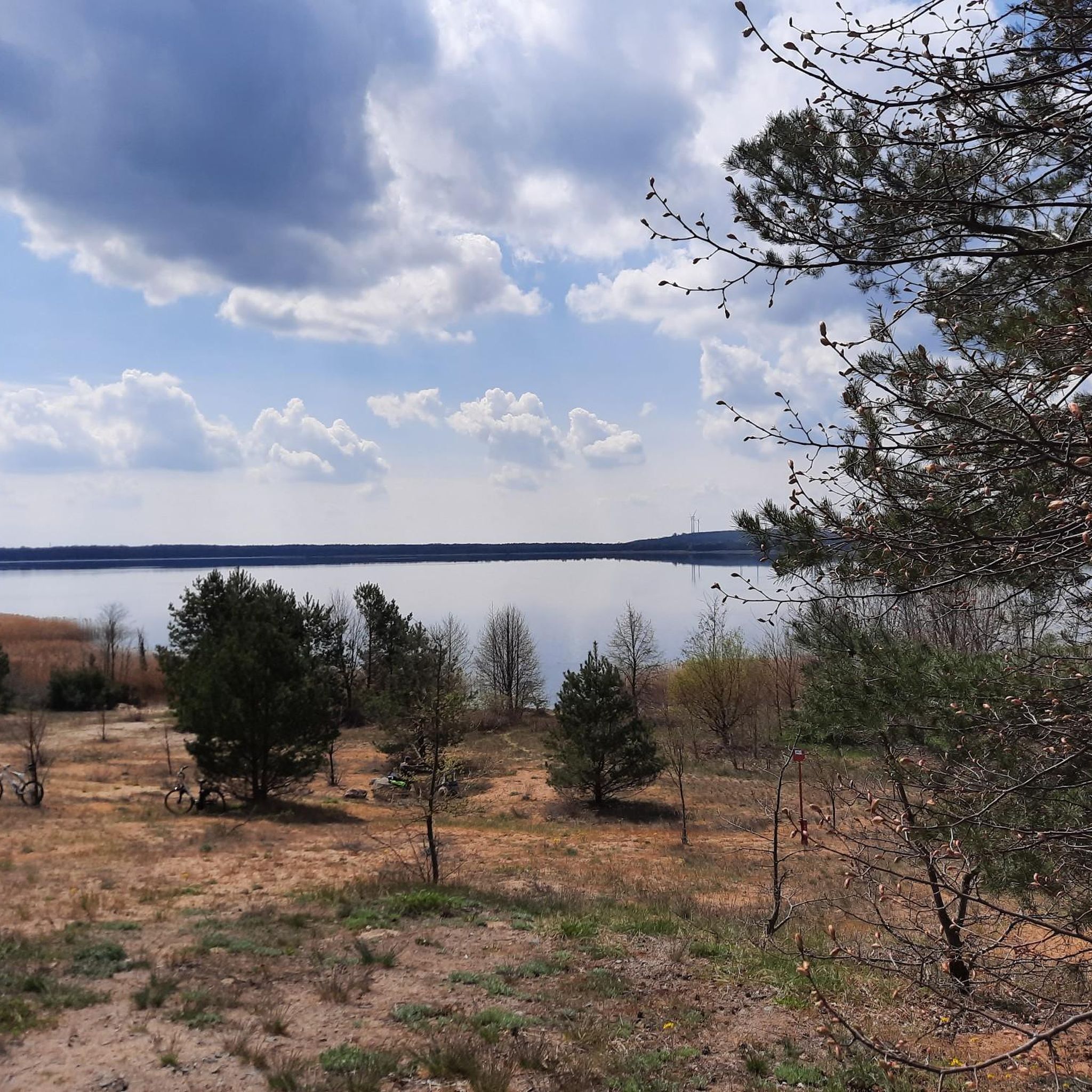
Cycling around Gräfenhainichen
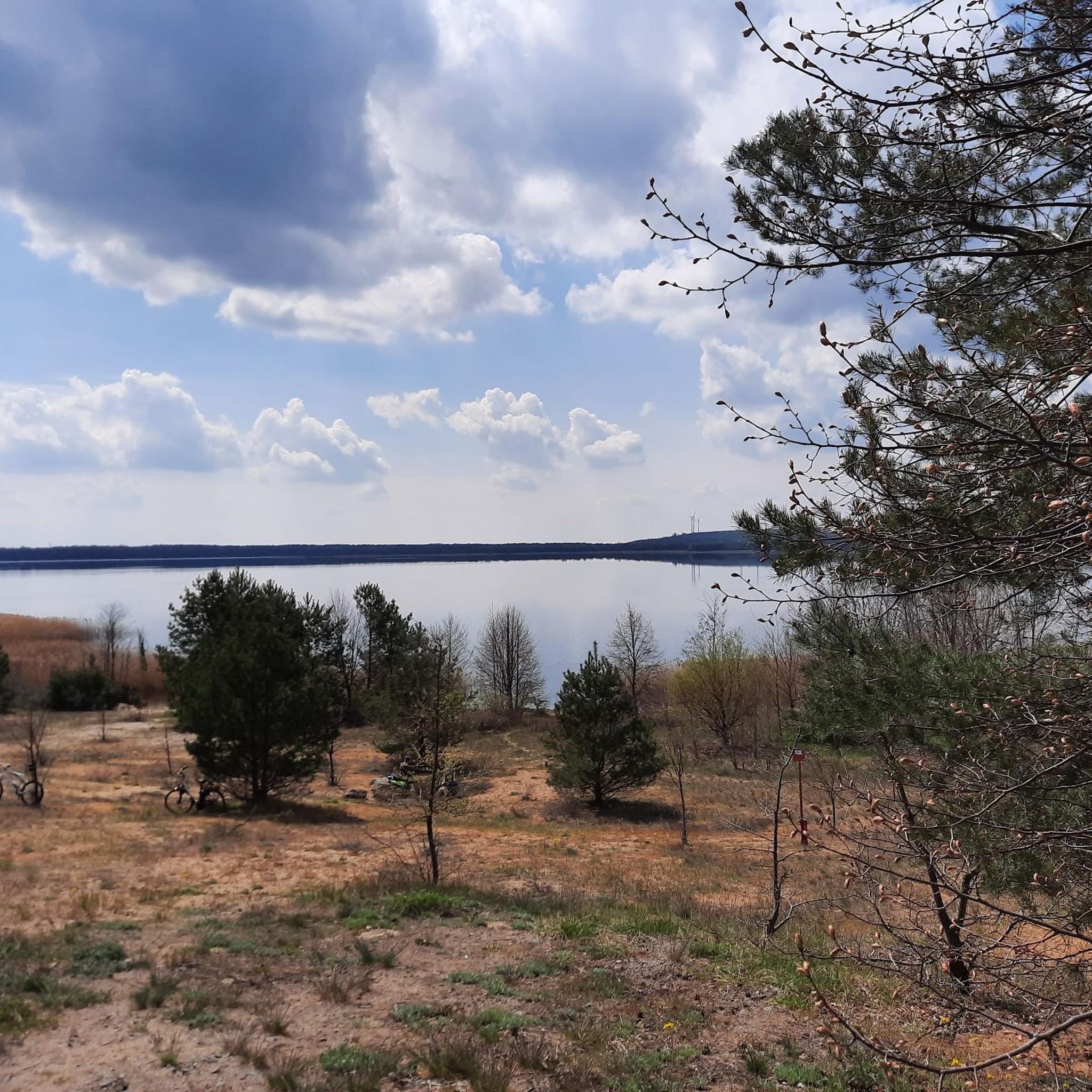
Running Trails around Gräfenhainichen
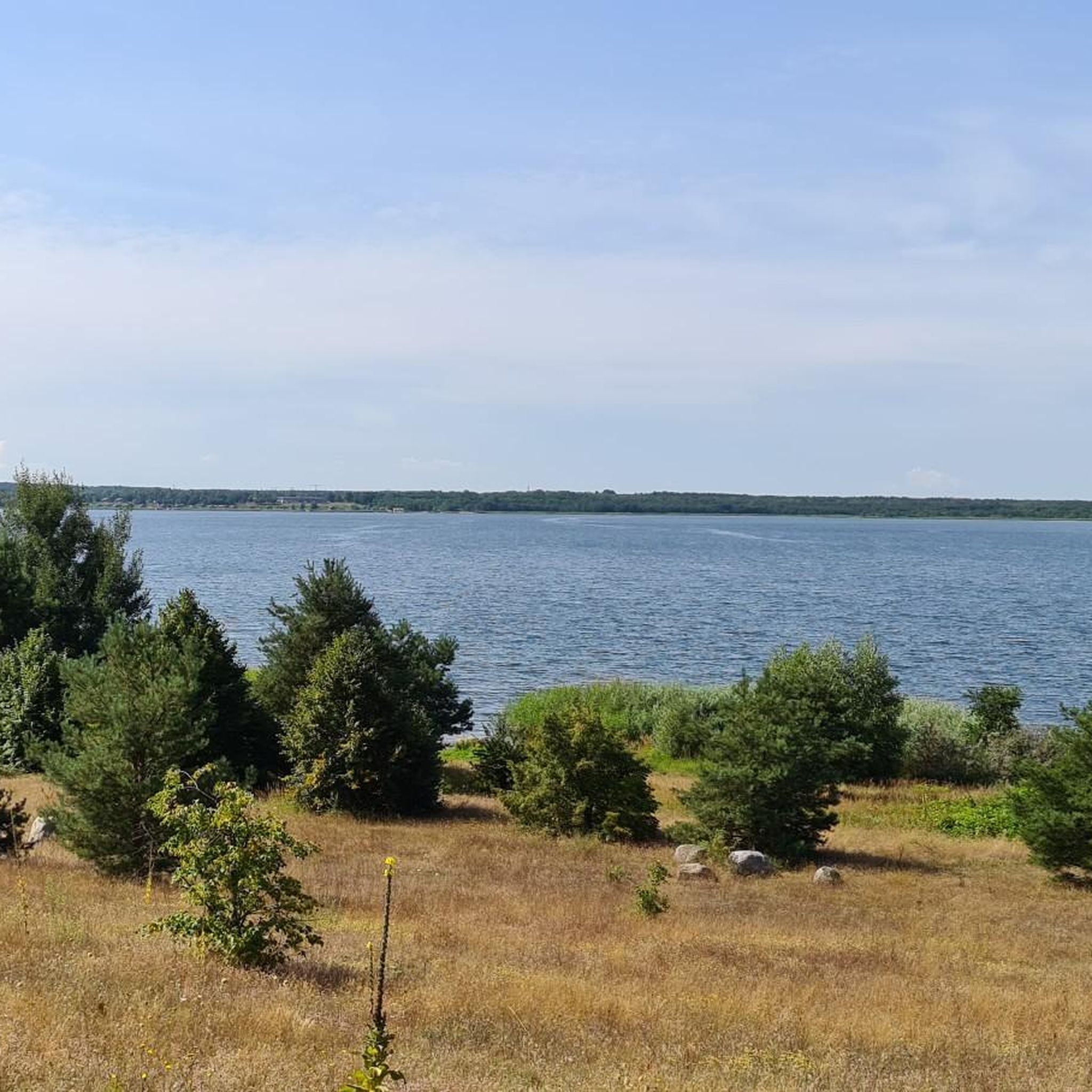
MTB Trails around Gräfenhainichen
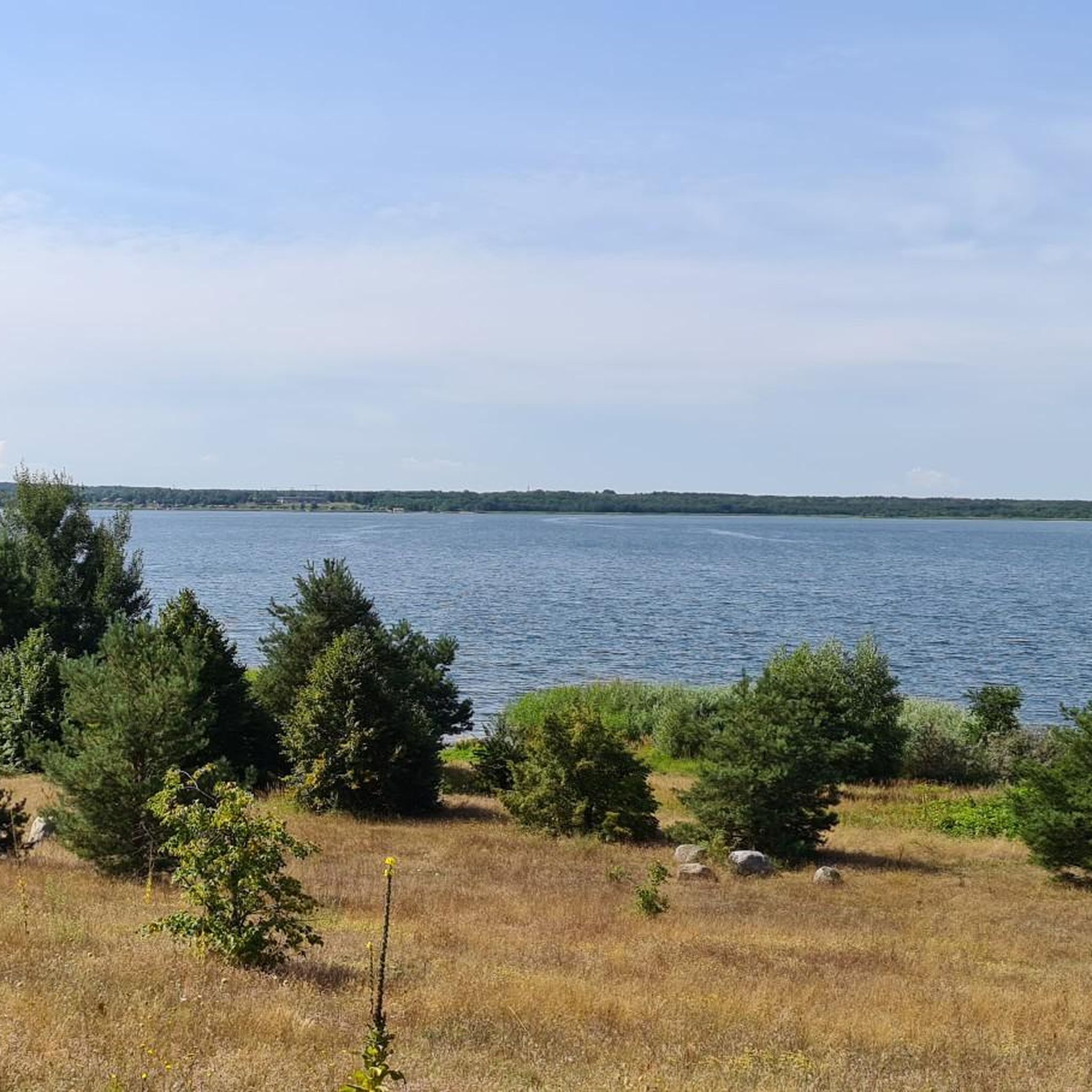
Road Cycling Routes around Gräfenhainichen
Gravel biking around Gräfenhainichen
Other adventures around Gräfenhainichen


Tips from the Community

The Wörlitzer 🏰 was built between 1769 and 1773 by Friedrich Wilhelm von Erdmannsdorff. In the region, it is often referred to as the "Little White House."
21
0

Reinharz Moated Castle, nestled in forests, resembles a legendary fairytale castle. The castle park and surrounding water features, with their rare trees, invite you to linger. Heinrich von Löser, Electoral Marshal of Saxony, had this impressive moated castle built between 1690 and 1701, featuring a baroque park, a castle pond, and a brewery pond, to provide appropriate accommodation for the nobility during their hunts in the Düben Heath. Source: https://www.anhalt-dessau-wittenberg.de/staedte-sehenswuerdigkeiten-landschaften/wasserschloss-reinharz
3
0
Great historic building 👍
2
2
Burgkemnitz Castle with beautiful park
3
0
The Johannbau was first expanded between 1571 and 1580. The north wing, which was first mentioned in 1571, was demolished in 1708 by Prince Leopold, turning the palace into a three-wing complex.[9] Between 1748 and 1753, the building was redesigned and expanded according to designs by Georg Wenzeslaus von Knobelsdorff. The west wing was retained, contrary to what was planned in the design.[8] For a long time, the old Johannbau had only long halls on all floors, in which the cavalry and the mounted entourage of the court's guests were housed. It was not until later that it was divided into smaller rooms. The east wing, with a view of the Mulde and the Tiergarten, a floodplain forest on the other side of the river, housed the chambers of the princely family. In the south wing, above the court kitchen, was the magnificent ballroom.[10] Source https://de.wikipedia.org/wiki/Residenzschloss_Dessau
3
0
The Dessau Residence Palace was originally built in 1341 from the stones of the Waldeser Castle, also known as Waldersee Castle, which had been destroyed by the Mulde flood.[3][4] The castle burned down in 1405 and 1467.[2] A new building was built by the Dessau princely brothers Johann IV, Georg III and Joachim. Doubts arose about the previously assumed construction period of "around 1530/31" to 1533 when letters from the princely brothers were found which prove that building materials had already been ordered in Saxony in 1528 and 1529 and brought in by raft on the Elbe in 1529. This means that construction of the Johann building can be dated to 1528.[5] For the stair tower, which was built at the same time, a construction period of 1531 to 1533 is certain.[1] The palace wing was named after Prince Johann IV of Anhalt. For a long time, Ludwig Binder (1512–1556), who was verifiably employed as a stonemason for the princes in Anhalt between 1531 and 1554, was considered the master builder of the Johannbau. His stonemason's mark was located in six prominent places in and on the stair tower of this building. Today we know that Ludwig Binder was only 17 years old when construction began, so he was still too young to be the architect who designed it. According to the latest research, it is therefore assumed that the Johannbau was a joint work of Bastian Binder and his son(?) Ludwig.[6] Bastian Binder was, among other things, the archbishop's architect and master builder in the service of Cardinal Albrecht of Brandenburg. According to evidence, he stayed in Dessau several times in 1531/32.[7] Stylistically, the Johannbau is classified as early Renaissance, as the architectural decoration on the round-arch gables, windows, portals, as well as in the balcony and the spiral stone rising above it, has characteristic features such as balls and lily tracery friezes. The formal language corresponds to the transition period from the late Gothic to the Renaissance,[8] as can also be found in other early buildings of the Saxon Renaissance. Source https://de.wikipedia.org/wiki/Residenzschloss_Dessau
4
0

Reinharz Castle and Castle Park Heinrich von Löser, Electorate of Saxony's hereditary marshal, had a representative moated castle with a baroque park, castle pond and brewery pond built between 1690 and 1701 in order to provide appropriate accommodation for the nobles during their hunts in the Düben Heath. Löser based the three-story, horseshoe-shaped building on the annual division: the facade is divided into 365 windows, and the castle has 52 doors and 12 rooms. The 68 m high tower was used as an observatory in the 18th century. Valuable scientific equipment was created in the mechanical-optical workshop, including telescopes, reflecting telescopes and sundials. 15 of these are on display in the Mathematical-Physical Salon of the Dresden Zwinger. The formally designed garden was probably completed in the first half of the 18th century under the direction of Hans von Löser. In 1837, the castle, including the farm buildings and park, was sold to the bourgeois Hertwig family, who had the park landscaped after 1850. The northern embroidery parterre with the strictly axial path system was removed. In addition, a connected meadow area, the "castle meadow", was created with many, sometimes rare, individual trees and groups of trees. Today, they characterize the striking old trees. In the southern section of the park, the main path system has largely been preserved. Between 1947 and 1990, the castle and park were used as a spa complex. The complex has been privately owned since 1998. Source: display board
10
1
From the east you can reach the castle gate in the neo-Gothic style, which is reminiscent of medieval fortress structures. To emphasize this, medieval spolia were inserted into the wall structure above the gate. Source https://de.wikipedia.org/wiki/Sieglitzer_Berg
5
0
Frequently Asked Questions
What are some of the most popular castles to visit around Gräfenhainichen?
Among the most popular are Wörlitz Castle, known as Germany's first classical castle with a fully preserved interior. Another favorite is Reinharz Moated Castle, a Baroque structure with a distinctive 68-meter tower. The Neogothic castle gate at Sieglitzer Berg is also highly appreciated for its scenic location along a bike path.
Are there family-friendly castles in the Gräfenhainichen area?
Yes, several castles are great for families. Wörlitz Castle, Reinharz Moated Castle, and the Neogothic castle gate at Sieglitzer Berg are all listed as family-friendly. The Johann Building (Dessau City Palace), which houses a city history museum, also offers an engaging experience for all ages.
What kind of historical facts are associated with the castles around Gräfenhainichen?
The region boasts a rich history. Wörlitz Castle, built between 1769 and 1773, was Germany's first classical castle. Reinharz Moated Castle, constructed between 1690 and 1701, once had its tall tower used as an observatory. The Johann Building (Dessau City Palace) is a remnant of a Renaissance palace, with parts dating back to 1528, and now serves as a museum of city history.
Are there hiking or walking routes near the castles?
Absolutely! Many castles are integrated into scenic parks and natural settings. For example, the Neogothic castle gate at Sieglitzer Berg is located along a beautiful paved bike path, perfect for walks. You can find numerous hiking routes around the region, including trails like 'Heideteich – Reinharz Castle loop from Tornau' which passes by Reinharz Moated Castle. Explore more options on the Hiking around Gräfenhainichen guide.
What outdoor activities can I do near the castles in Gräfenhainichen?
Beyond exploring the castles themselves, the surrounding area offers various outdoor activities. You can enjoy hiking, running, and gravel biking. Popular routes include 'Ferropolis – City of Iron' for hiking and running, and 'View of Gröberner Lake' for gravel biking. For detailed routes, check out the Hiking around Gräfenhainichen, Running Trails around Gräfenhainichen, and Gravel biking around Gräfenhainichen guides.
Are there any castles with good viewpoints or natural features nearby?
Yes, Reinharz Moated Castle is noted for its 68-meter-high tower, which historically served as an observatory and offers potential views of the surrounding area. The castle is also set within a park with a castle pond and brewery pond, providing a picturesque natural setting. The Burgkemnitz Castle is situated in a beautiful park with several ponds.
What is the best season to visit the castles around Gräfenhainichen?
The castles and their surrounding parks are beautiful year-round. Spring and summer offer lush greenery and pleasant weather for exploring the grounds and nearby routes. Autumn provides stunning foliage, while winter can offer a unique, serene atmosphere, especially for castles like Wörlitz Castle and Reinharz Moated Castle, often with fewer crowds.
Are there parking options available at the castles?
For Reinharz Moated Castle, parking is available, making it convenient for visitors. For other castles, it's advisable to check specific visitor information or local signage upon arrival, as options can vary.
Can I find cafes or restaurants near the castles?
While specific cafes or restaurants directly at every castle are not detailed, the region around Gräfenhainichen, especially near popular sites like Wörlitz Castle, typically offers dining options in nearby towns or within the larger park complexes. For Reinharz Moated Castle, the Graf Löser Café was opened after its privatization, offering a place for refreshments.
Are there any less crowded or 'hidden gem' castles in the Gräfenhainichen region?
While Wörlitz Castle is very popular, exploring sites like the Neogothic castle gate at Sieglitzer Berg, which is part of a scenic bike path, might offer a more tranquil experience. Burgkemnitz Castle, though currently undergoing renovation and not fully accessible inside, offers a beautiful park setting that might be less frequented.
What should I pack for a visit to the castles?
Comfortable walking shoes are highly recommended, as many castles involve exploring extensive grounds or nearby walking paths. Depending on the season, layers of clothing, rain gear, and sun protection are advisable. If you plan to explore the surrounding nature, consider bringing water and snacks. A camera is also a must to capture the beautiful architecture and landscapes.
What architectural styles can I expect to see among the castles?
The castles around Gräfenhainichen showcase a diverse range of architectural styles. You'll find classical designs, such as Wörlitz Castle, Baroque elegance at Reinharz Moated Castle, and Neo-Renaissance elements at Burgkemnitz Castle. The Johann Building (Dessau City Palace) represents early Renaissance architecture.
Most popular routes around Gräfenhainichen
Most popular attractions around Gräfenhainichen

Get inspired with the komoot mobile app


Explore more
Looking for the best castles somewhere else? Discover other guides around Gräfenhainichen:
