Βουνό Άτρος (Αγ. Νικολάου-Πόρου)
Βουνό Άτρος (Αγ. Νικολάου-Πόρου)
The best cycling routes in Βουνό Άτρος (Αγ. Νικολάου-Πόρου)
4.3
(23)
261
riders
3
rides
Touring cycling routes in Βουνό Άτρος (Αγ. Νικολάου-Πόρου) traverse a diverse landscape, combining coastal stretches with inland ascents. The region features varied topography, including pine forests and traditional villages, offering a mix of scenic views. Roads are generally well-paved, though some challenging segments may include unpaved sections. This area provides a compelling mix of natural beauty and cultural points of interest for touring cyclists.
Best touring cycling routes in Βουνό Άτρος (Αγ. Νικολάου-Πόρου)
- The most popular touring cycling route is Scala Archaeological Beach – Poros loop from H.M.S. Perseus, an 11.6 miles (18.7 km) trail that takes 1 hour 15 minutes to complete. This moderate route offers coastal views and passes by archaeological sites.
- Another top favourite among local touring cyclists is Ákra Sarakináto – Poros loop from H.M.S. Perseus, a difficult 23.2 miles (37.3 km) path. This longer route features significant elevation gain and varied terrain, providing a challenging experience.
- Local touring cyclists also love the Scala Archaeological Beach – Poros loop from Archaic Temple of Skala, a 12.2 miles (19.6 km) trail leading through coastal areas and near historical points, often completed in about 1 hour 19 minutes.
- Touring cycling in Βουνό Άτρος (Αγ. Νικολάου-Πόρου) is defined by coastal roads, pine forests, and traditional villages. The network offers options for different ability levels, from moderate loops to more challenging ascents.
- The routes in Βουνό Άτρος (Αγ. Νικολάου-Πόρου) are highly rated by the komoot community with an average score of 4.4 stars from over 17 reviews. More than 200 touring cyclists have used komoot to explore Βουνό Άτρος (Αγ. Νικολάου-Πόρου)'s varied terrain.
Last updated: August 29, 2026
4.0
(2)
14
riders
18.7km
01:15
290m
290m
Moderate bike ride. Good fitness required. Mostly paved surfaces. Suitable for all skill levels.
13
riders
37.2km
02:35
670m
670m
Hard bike ride. Very good fitness required. Mostly paved surfaces. Suitable for all skill levels.

Sign up for free
4.0
(2)
14
riders
18.7km
01:15
290m
290m
Moderate bike ride. Good fitness required. Mostly paved surfaces. Suitable for all skill levels.
5.0
(2)
21
riders
67.7km
04:26
890m
890m
Hard bike ride. Very good fitness required. Mostly paved surfaces. Suitable for all skill levels.
8
riders
97.6km
07:23
2,370m
2,370m
Hard bike ride. Very good fitness required. Mostly paved surfaces. Suitable for all skill levels.
Our route recommendations are based on thousands of hikes, rides, and runs completed by other people on komoot.
Start today with a free account
Your next adventure awaits.
Login or Signup

Tips from the Community

Bay between Scala and Poros, deserted in May and magnificent with its rocks in the clear blue water
0
0
Nice little cove for swimming, you can see schools of fish there without a mask and snorkel!
0
0

A landscape like a painting, with a green, hilly cultural landscape that gently slopes down to the deep blue Ionian Sea. This is typical for the coastal regions of Kefalonia.
0
0
The "I Love Kefalonia" sign is located on the harbor promenade of Argostoli. The iconic sign is a popular spot for souvenir photos and is situated right by the water, overlooking the bay.
0
0
The spacious promenade of the island capital on the natural harbor is known for its distinctive wave pattern of black and white pebbles. One of the special experiences is watching the loggerhead sea turtles. They often stay near the fishing boats at the harbor market in the morning to snatch leftovers from the catch. Also, the De Bosset Bridge: At the southern end of the promenade, this historic stone bridge begins, considered the longest stone bridge over the sea worldwide (approx. 680-690 m). It crosses the Koutavos Lagoon, a protected area for birds and turtles. Food and Shopping: The promenade is lined with cafes, restaurants, and taverns.
0
0
The village is the heart of the production of the famous Robola wine. The agricultural wine cooperative of Kefalonia is also located here. Every year in August (around August 16th) a big Robola wine festival takes place here with traditional music, dance, and free wine. The "ghost village" (Palio Chorio): A little outside lie the ruins of the old Valsamata. The original village was almost completely destroyed by the severe earthquake of 1953 and subsequently abandoned. Today, the ruins and the old church ruin are a popular destination for hikers and lost-place enthusiasts.
0
0
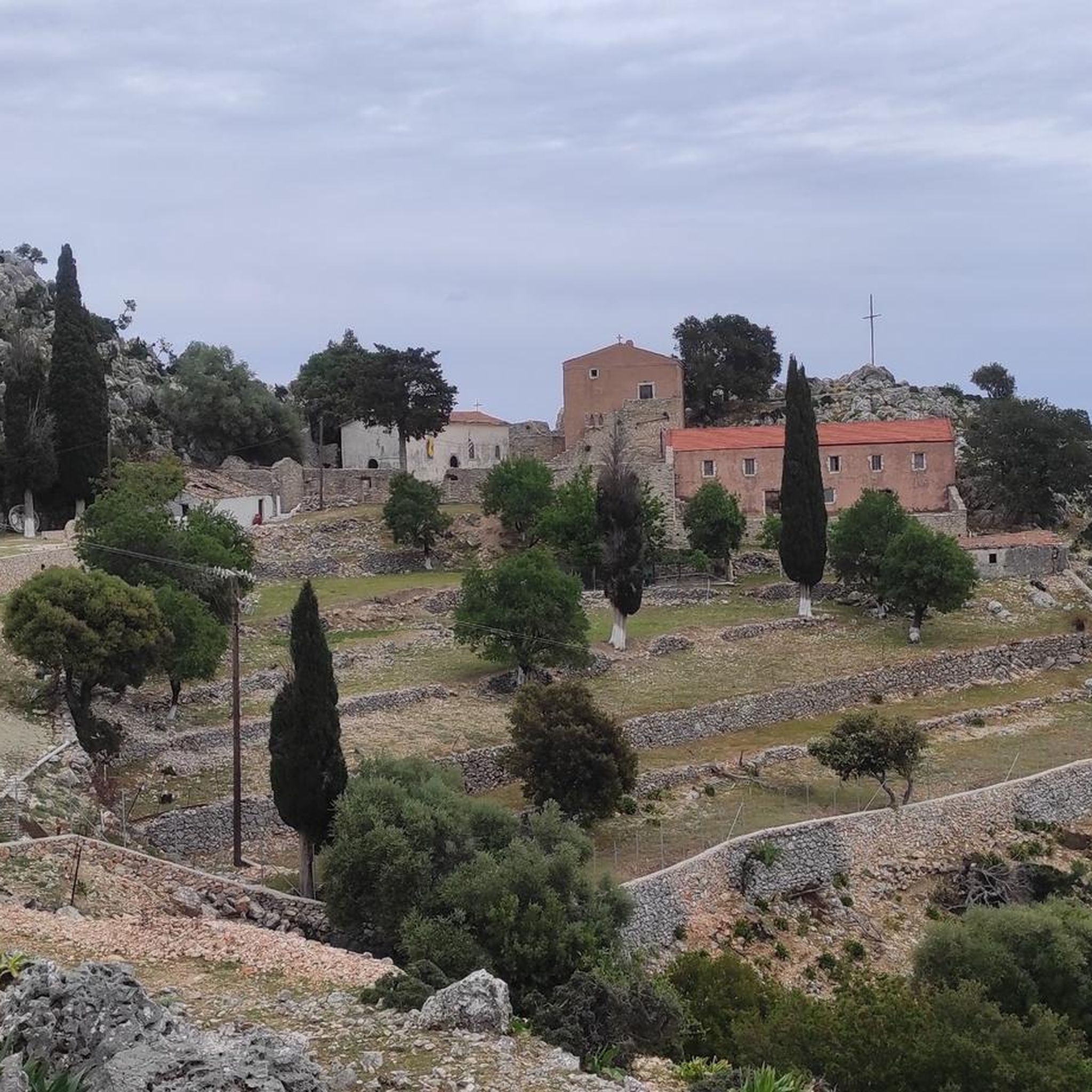
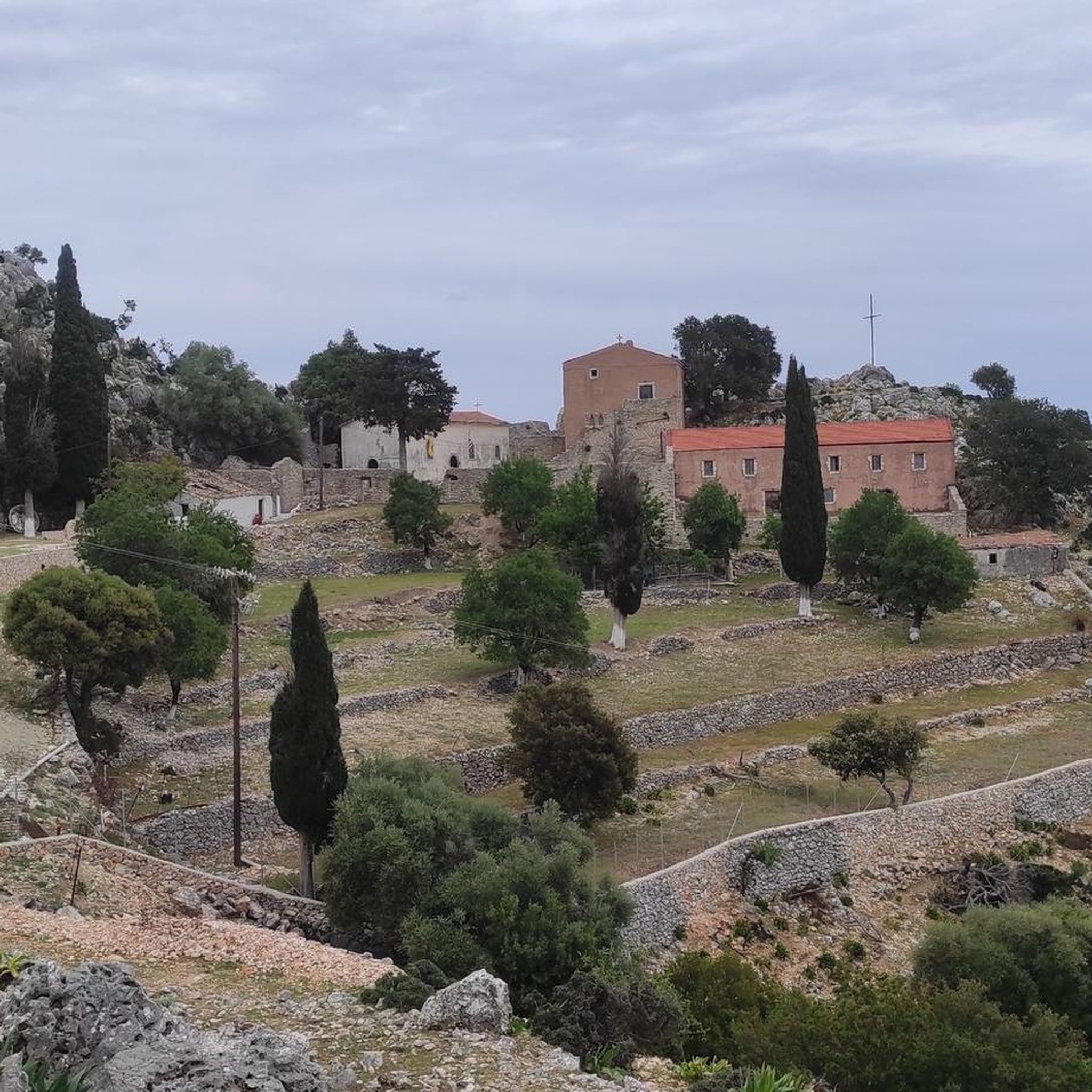
The Monastery of Saint Gerasimos is considered the most important religious center of the island and houses the relics of the patron saint, Saint Gerasimos. Saint Gerasimos founded the monastery in 1560 on the site of an older chapel in the Omala valley. He named it "New Jerusalem". Gerasimos lived as a hermit and was known for his asceticism and his ability to heal. His incorruptible body is preserved today in a silver sarcophagus in the monastery church. The monastery attracts numerous believers, especially on the commemoration days (August 16 and October 20).
0
0
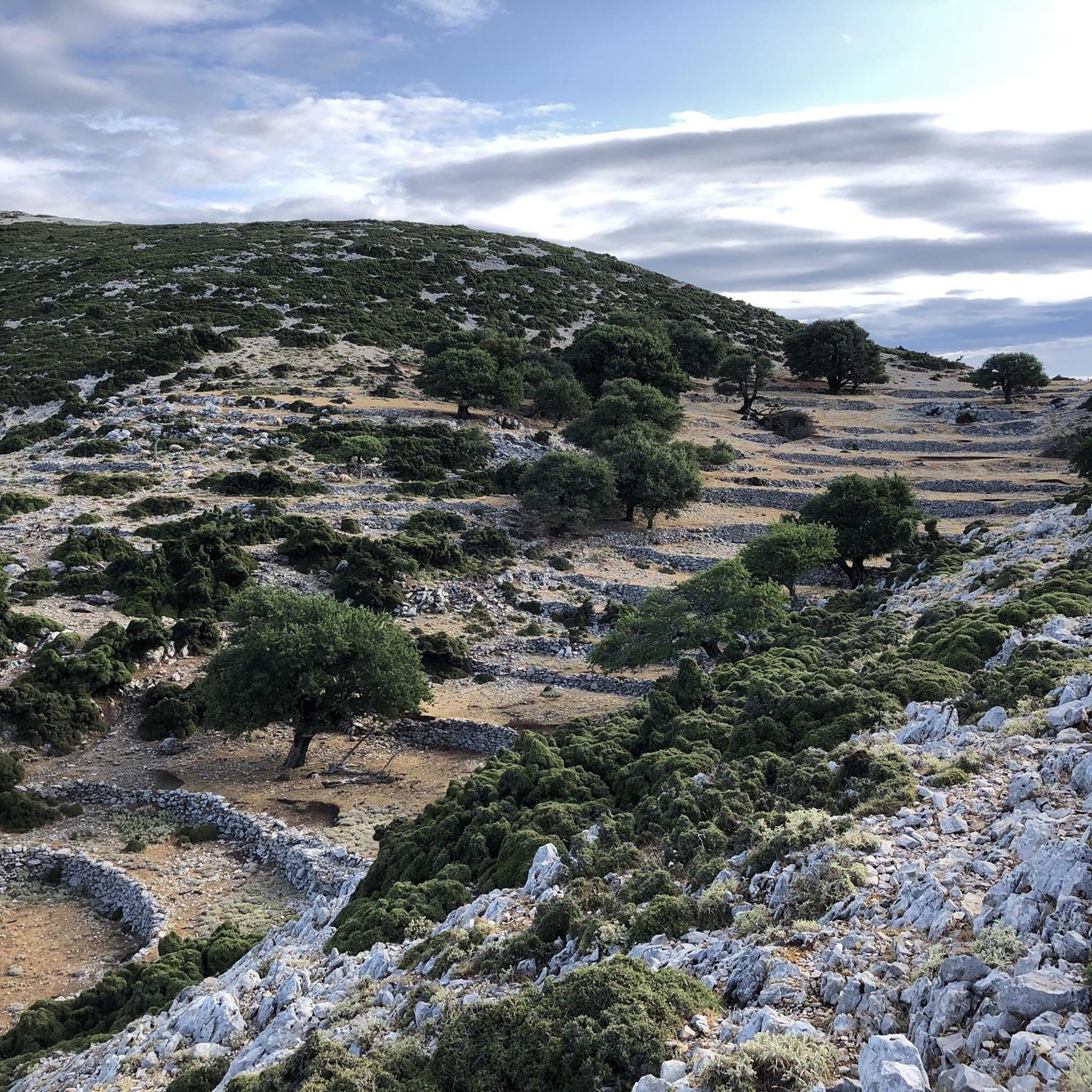
This landscape is absolutely typical of the region around Mount Ainos (Ainos National Park). The strong contrast between the barren, rocky limestone areas lower down and the dense, almost black-looking fir forest at higher altitudes is found only here. This is the only mountain range on a Greek island that hosts such a dense fir forest. The firs are endemic, meaning they originally occurred only there. With a bit of luck, you might even find the island's small, semi-wild horses in the lower, rocky plains of Ainos.
0
0
Frequently Asked Questions
What is the general difficulty level of touring cycling routes in Βουνό Άτρος (Αγ. Νικολάου-Πόρου)?
The touring cycling routes in Βουνό Άτρος (Αγ. Νικολάου-Πόρου) offer a range of difficulties. You'll find moderate routes, such as the Scala Archaeological Beach – Poros loop from H.M.S. Perseus, which is 18.7 km long. For those seeking a greater challenge, there are also difficult routes with significant elevation gain, like the Ákra Sarakináto – Poros loop from H.M.S. Perseus, spanning 37.3 km.
What kind of terrain can I expect on touring cycling routes in this region?
The region offers a diverse topography, combining coastal stretches with inland ascents. You can expect well-paved roads for most parts, ideal for touring. However, some more challenging segments may include unpaved sections, adding to the adventure. The routes often pass through pine forests and traditional villages, providing varied scenery.
Are there any routes suitable for families or beginners?
Yes, there are moderate routes that can be suitable for families or beginners looking for a less strenuous ride. For example, the Scala Archaeological Beach – Poros loop from Archaic Temple of Skala is a moderate 19.6 km route that takes you through coastal areas and near historical points, offering a pleasant experience without extreme difficulty.
What natural features and scenic views can I expect to see while cycling?
Cyclists in Βουνό Άτρος (Αγ. Νικολάου-Πόρου) can enjoy breathtaking views of the Saronic Gulf, lush pine forests, and the unique Lemon Forest located opposite Poros Island. The varied topography ensures constantly changing vistas, from coastal roads to gentle mountain climbs, and the routes often lead through areas of significant biodiversity.
Are there any historical or cultural sites along the cycling routes?
Yes, the region is rich in historical and cultural significance. Cyclists can explore sites such as the ancient Temple of Poseidon (though few remains are visible today) and the Zoodochos Pigi Monastery on Poros Island. Traditional villages encountered along the routes also offer glimpses into local culture. For more information on sights, you can visit visitporos.com.
What is the best time of year for touring cycling in Βουνό Άτρος (Αγ. Νικολάου-Πόρου)?
The Peloponnese region, including Βουνό Άτρος (Αγ. Νικολάου-Πόρου), is generally excellent for cycling during spring and autumn. These seasons offer milder temperatures, making longer rides more comfortable. Summer can be quite hot, especially in July and August, though coastal routes might offer some relief.
Is parking available near the touring cycling routes?
While specific parking areas for each trailhead are not detailed, the proximity to Poros Island and its surrounding areas suggests that parking facilities would be available in towns and villages near the starting points of many routes. It's advisable to check local parking options in places like Poros town or near major attractions before your ride.
Can I reach the cycling routes using public transport?
Poros Island is well-connected by ferry from the mainland (e.g., Galatas), and public transport options exist on the island itself. While direct public transport to every trailhead might not be available, you can often use local buses or taxis to get closer to your desired starting point, especially if you are based in Poros town.
Are there places to eat or drink near the routes?
Yes, the towns and villages in the region, particularly Poros, offer a variety of cafes and restaurants where you can refuel. Many routes pass through or near these settlements, providing convenient stops for refreshments and meals. You'll find traditional Greek tavernas and cafes to enjoy local cuisine.
Are the touring cycling routes in Βουνό Άτρος (Αγ. Νικολάου-Πόρου) typically circular?
Many of the touring cycling routes in this region are designed as loops, allowing you to start and finish at the same point. This is convenient for cyclists who drive to their starting location. Examples include the Scala Archaeological Beach – Poros loop from H.M.S. Perseus and the Ákra Sarakináto – Poros loop from H.M.S. Perseus.
What do other touring cyclists enjoy most about cycling in Βουνό Άτρος (Αγ. Νικολάου-Πόρου)?
The area is highly rated by the komoot community, with an average score of 4.4 stars from over 17 reviews. Reviewers often praise the diverse landscape, combining coastal stretches with inland ascents, and the mix of scenic views that include pine forests and traditional villages. The well-paved roads and options for different ability levels are also frequently highlighted.
Most popular routes in Βουνό Άτρος (Αγ. Νικολάου-Πόρου)

Get inspired with the komoot mobile app


Explore more
Browse the best Cycling routes in other regions.
