The best cycling routes in Boschi Di Montebibico
4.7
(329)
4,103
riders
37
rides
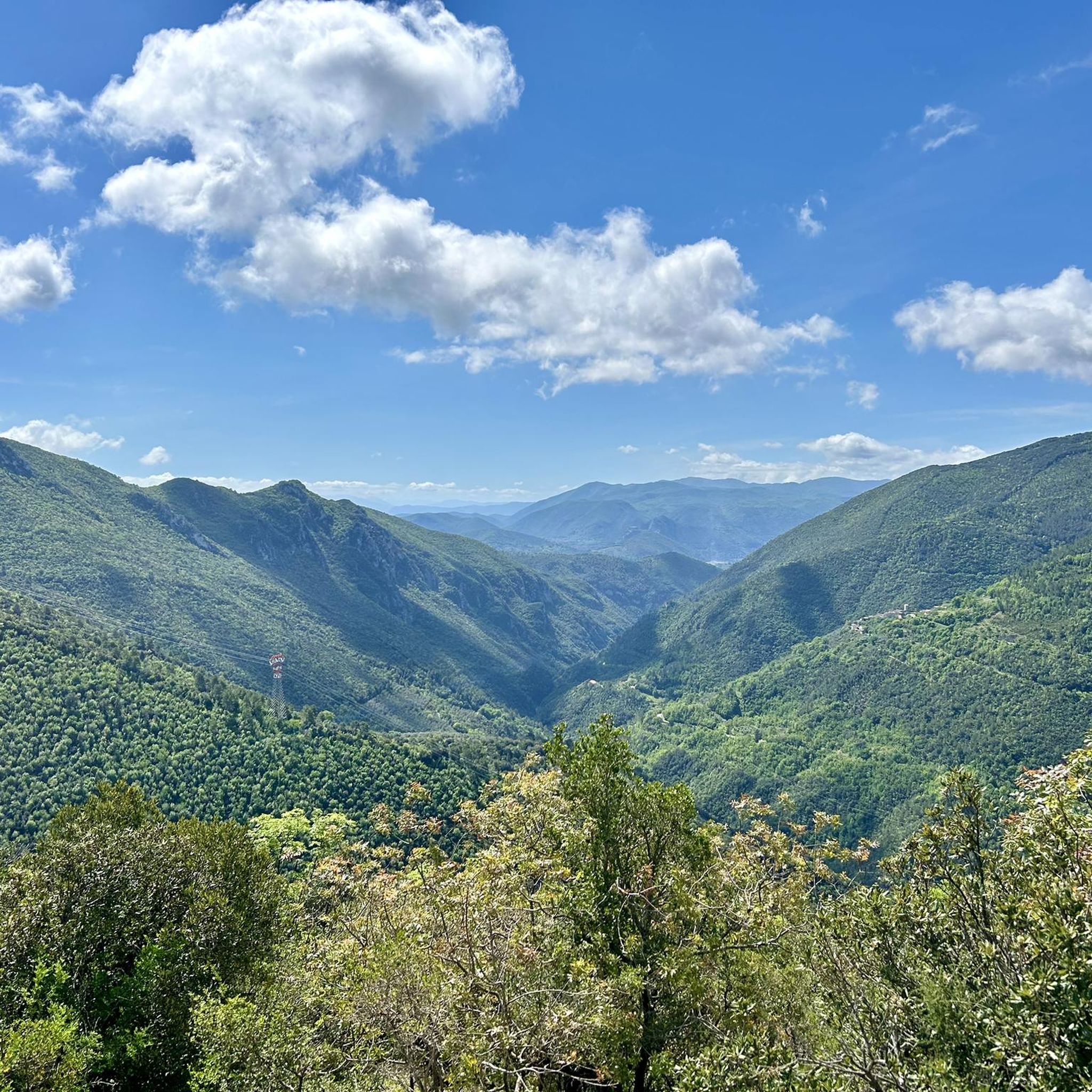
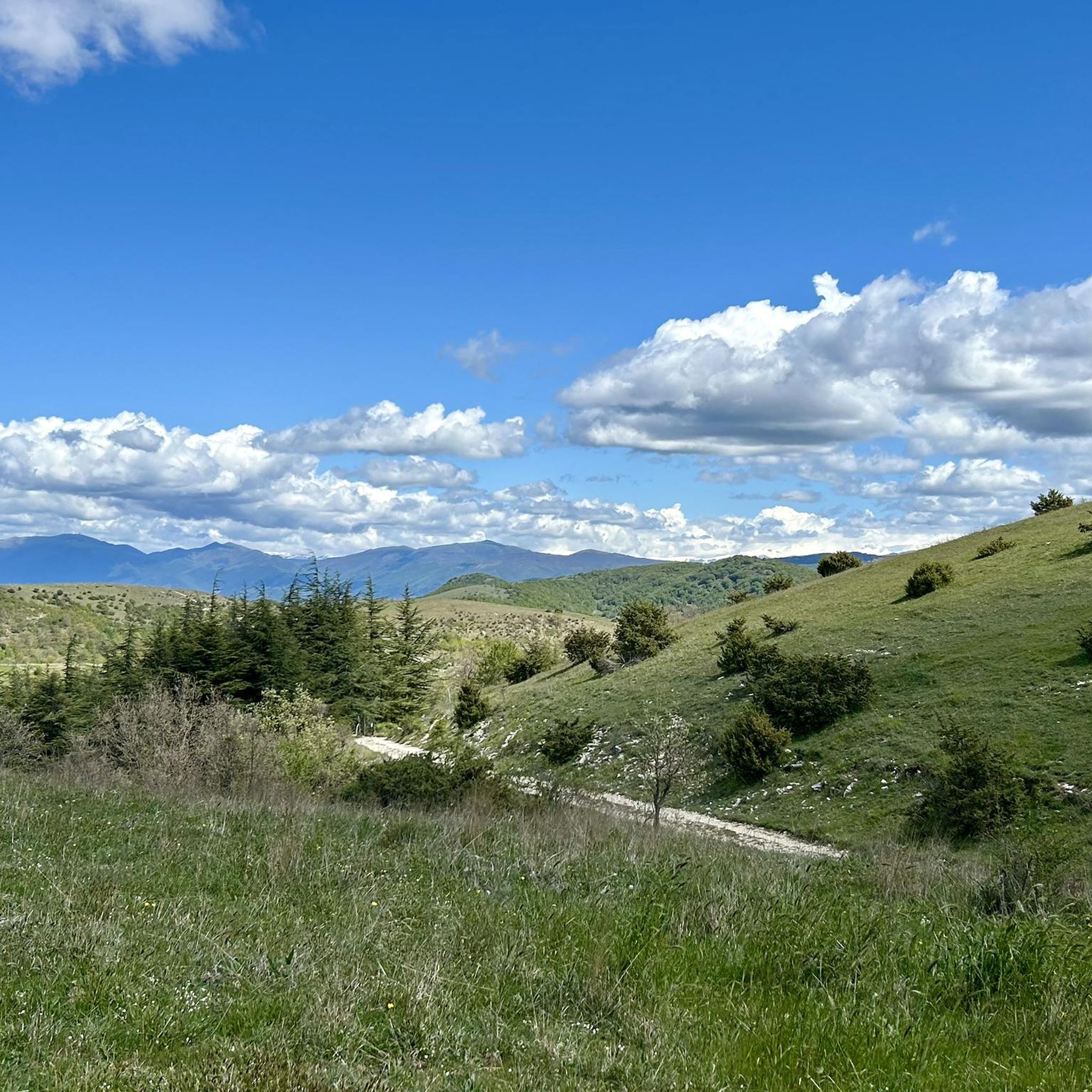
Touring cycling in Boschi Di Montebibico offers routes through a landscape characterized by valleys, historic railway lines, and significant elevation changes. The region features a mix of natural parkland and historical sites, providing varied terrain for cyclists. Many routes incorporate sections of the Spoleto–Norcia Railway Trail, known for its tunnels and bridges. The area's topography includes challenging climbs and descents, often leading to panoramic viewpoints.
Best touring cycling routes in Boschi Di Montebibico
- The most popular touring cycling route is…
Last updated: July 8, 2026
4.0
(1)
32
riders
76.1km
05:28
1,320m
1,320m
Hard bike ride. Very good fitness required. Mostly paved surfaces. Suitable for all skill levels.
7
riders
46.4km
04:59
1,610m
1,610m
Hard bike ride. Very good fitness required. You may need to push your bike for some segments of this route.

Sign up for free
4.5
(2)
7
riders
59.5km
04:32
1,230m
1,230m
Hard bike ride. Very good fitness required. Mostly paved surfaces. Suitable for all skill levels.
4.9
(25)
235
riders
83.9km
06:36
1,520m
1,520m
Hard bike ride. Very good fitness required. You may need to push your bike for some segments of this route.
1.0
(1)
5
riders
65.1km
04:50
1,470m
1,470m
Hard bike ride. Very good fitness required. Mostly paved surfaces. Suitable for all skill levels.
Get access to more routes and recommendations from other explorers.
Sign up for free
Already have an account?
Our route recommendations are based on thousands of hikes, rides, and runs completed by other people on komoot.
Start today with a free account
Your next adventure awaits.
Login or Signup

Tips from the Community

The Roman Theater of Spoleto is one of the most important Roman monuments in the city and represents a significant testimony to the cultural life of ancient Spoletium. It was built in the 1st century BC, in an area near the forum, according to the architectural models of classical Roman theater. The cavea, built against the natural slope of Sant'Elia Hill, was divided into sectors and could accommodate several thousand spectators. Opposite were the orchestra and the monumental stage, originally decorated with columns, niches, and statues, which served as a backdrop for theatrical and musical performances. The building was constructed of masonry and clad in local stone, with technical solutions that ensured good acoustics. After the end of the Roman era, the theater was gradually abandoned and was partially incorporated into medieval buildings. The area was restored in the 20th century, restoring the structure's visibility and highlighting its archaeological importance. Today, the Roman Theatre is part of the National Archaeological Museum of Spoleto and continues to serve a cultural purpose, hosting events and performances that renew the city's connection to its thousand-year-old theatrical tradition.
0
0

A stop at Piediluco Lake is highly recommended!
1
0

The former tunnel is very long and completely dark. Bring a flashlight and a sweatshirt. Some bats sleep inside.
1
0

The Spoleto-Norcia is definitely worth doing!
0
0

Lago di Piediluco / Lake Piediluco Located in the southeastern foothills of Umbria, with a tributary bordering Lazio, Lake Piediluco, although 1.85 km² wide, is the largest natural lake basin in the region after Lake Trasimeno. Its name seems to be interpreted as "at the foot of the sacred grove." Together with Lakes Lungo, Ripasottile, and Ventina, located in the province of Rieti, it represents one of the remains of the ancient Lacus Velinus, a large basin of alluvial origin formed starting in the Quaternary period. The irregularly shaped lake, with a circumference of approximately 13 kilometers, is located at an altitude of 375 meters and has a maximum depth of approximately 19 meters. Its natural tributary is the Fuscello stream; the other two tributaries are represented by artificial canals. One connects it to the Velino River, while the other, 42 kilometers long, consists almost entirely of tunnels and diverts part of the waters of the Nera River into the lake. The inflow and outflow of water is entirely tailored to the energy needs of the industry in nearby Terni. The emissary, the Velino River, is diverted towards Marmoré, where it flows into the Nera River to form the Marmore Waterfall. Text / Source: wikipedia.org https://it.wikipedia.org/wiki/Lago_di_Piediluco
14
0

Gallery "closed" for works, but not physically closed. Complete lack of light inside
0
0

A hamlet of a thousand inhabitants in the municipality of Terni, Piediluco is known for the lake of the same name and is frequented by those visiting the nearby Marmore waterfalls. Of particular charm here is also the Rocca Albornoz, which stands on Monte Luco, abandoned since the end of the 18th century.
0
0

Frequently Asked Questions
How many touring cycling routes are available in Boschi Di Montebibico?
There are over 35 touring cycling routes in Boschi Di Montebibico, offering a variety of experiences through valleys, historic railway lines, and challenging terrain.
Are there touring cycling routes suitable for beginners in Boschi Di Montebibico?
The region primarily features routes for experienced cyclists, with a significant number of difficult trails. While there are a few moderate options, beginners should be prepared for substantial elevation changes and technical sections. There are no routes classified as 'easy' in this guide.
What are the options for experienced touring cyclists looking for a challenge?
Experienced touring cyclists will find plenty of challenging routes. For instance, the Caprareccia Railway Bridge – Spoleto–Norcia Railway Trail loop from Strettura is a difficult 52.3-mile (84.2 km) path exploring sections of the historic Spoleto–Norcia Railway Trail with significant elevation. Another demanding option is the Historic Center of Spoleto – Cortaccione Viaduct loop from Spoleto, covering 47.3 miles (76.2 km) with considerable climbs.
Can I find circular touring cycling routes in the region?
Yes, many of the touring cycling routes in Boschi Di Montebibico are loops. For example, the popular Ferentillo Village – View of Valnerina loop from Palazzaccio di Strettura is a 28.7-mile (46.3 km) circular trail offering views of the Valnerina valley. Another loop option is the Rocca Albornoz of Spoleto – Historic Center of Spoleto loop from Spoleto, which is 16.3 miles (26.2 km).
What kind of terrain can I expect on touring cycling routes in Boschi Di Montebibico?
The terrain in Boschi Di Montebibico is varied, characterized by valleys, historic railway lines, and significant elevation changes. You'll encounter challenging climbs and descents, often leading to panoramic viewpoints. Many routes incorporate sections of the Spoleto–Norcia Railway Trail, featuring tunnels and bridges.
What is the best season for touring cycling in Boschi Di Montebibico?
Spring and autumn generally offer the most pleasant conditions for touring cycling in Boschi Di Montebibico, with milder temperatures and beautiful scenery. Summers can be hot, especially in the valleys, while winters may bring colder temperatures and potentially snow at higher elevations, making some routes more challenging or inaccessible.
Are there touring cycling routes that are suitable for families?
Given the region's challenging topography with significant elevation changes and a high proportion of difficult routes, most touring cycling trails in Boschi Di Montebibico are not ideally suited for young families or those seeking very easy, flat rides. Families with older, experienced children might find some of the shorter, less steep sections of the Spoleto–Norcia Railway Trail more manageable, but overall, the area caters to more experienced cyclists.
Are there parking facilities available near touring cycling routes?
Many routes in Boschi Di Montebibico start from towns like Spoleto or Strettura, where public parking is generally available. It's advisable to check local parking regulations and availability in advance, especially during peak seasons. Some trailheads, particularly along the Spoleto–Norcia Railway Trail, may also have designated parking areas.
What kind of views or viewpoints can I expect along the routes?
Touring cycling routes in Boschi Di Montebibico often lead to stunning panoramic viewpoints. You can expect expansive views of the Valnerina valley, the surrounding Umbrian hills, and glimpses of historic towns and structures. The routes along the Spoleto–Norcia Railway Trail also offer unique perspectives of the railway's impressive engineering, including bridges and tunnels.
Are there cafes or places to stop for refreshments along the touring cycling routes?
Routes often pass through or near small villages and towns like Spoleto, Ferentillo, and Strettura, where you can find cafes, restaurants, and shops to refuel. However, on longer or more remote sections, amenities might be sparse, so it's always recommended to carry sufficient water and snacks.
What kind of wildlife might I encounter while touring cycling in Boschi Di Montebibico?
As you cycle through the natural parkland and wooded areas of Boschi Di Montebibico, you might encounter various local wildlife. This can include birds of prey, wild boar, deer, and smaller mammals. Maintaining a respectful distance and observing quietly will enhance your chances of a sighting.
What do other touring cyclists say about the routes in Boschi Di Montebibico?
The touring cycling routes in Boschi Di Montebibico are highly rated by the komoot community, with an average score of 4.6 stars from over 300 reviews. Reviewers often praise the challenging climbs, the unique experience of cycling along the historic Spoleto–Norcia Railway Trail, and the rewarding panoramic views of the Valnerina valley.
Most popular routes in Boschi Di Montebibico

Get inspired with the komoot mobile app


Explore more
Browse the best Cycling routes in other regions.
