Top 10 Castles around Gransee
Best castles around Gransee are primarily grand manor houses and palaces, offering a glimpse into historical architecture in Brandenburg, Germany. While the region boasts a rich history, visitors will find examples of "Schloss" (palace or manor house) rather than traditional medieval "Burg" (fortified castle). Gransee's historic town center also features a preserved 14th-century town wall, including the Powder Tower and Ruppiner Tor, which provide insight into its medieval past. These structures, along with St. Marienkirche, highlight Gransee's historical significance.
Best…
Last updated: October 9, 2026
Meseberg Palace
Highlight • Castle
Translated by Google •
Tip by

Lindow Monastery Ruins
Highlight • Historical Site
Translated by Google •
Tip by
Sign up now to discover places like this
Get recommendations on the best single tracks, peaks, & plenty of other exciting outdoor places.
Liebenberg Castle
Highlight • Castle
Translated by Google •
Tip by

Rosenburg in the Castle Park
Highlight • Monument
Translated by Google •
Tip by

Hoppenrade Castle
Highlight • Castle
Translated by Google •
Tip by
Sign up for free to discover even more castles around Gransee.
Already have an account?
Start today with a free account
Your next adventure awaits.
Other adventures around Gransee

Tips from the Community

In addition to the castle park, you can also visit the castle chapel (right side wing), actually every Sunday from 2 p.m. to 5 p.m. I was standing in front of a locked door during opening hours, so it would be better to call in advance (Tel. 033088-50180).
0
0

A small, beautiful mansion. Currently probably owned by Hardenberg.
0
0

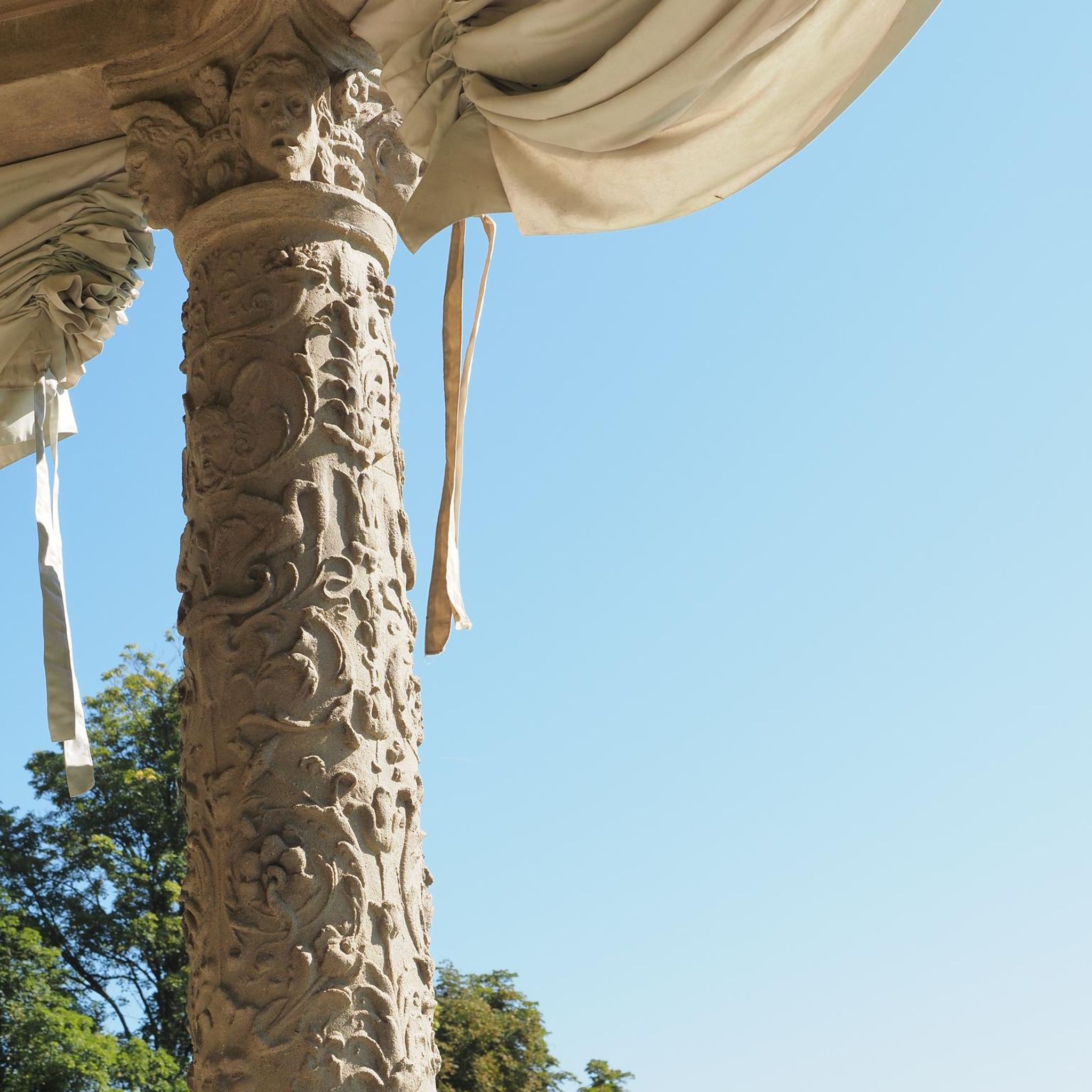
The romantic park element was built around 1900 in the form of an artificial ruin. In addition to a concrete cap ceiling, the building consists of both field stones and historical sandstone elements. Some of these come from demolished parts of old buildings such as the Berlin Art Academy and Nuremberg's Sebalduskirche. The park-side entrance stone of the Rosenburg bears the inscription, based on the so-called bridal gate of the Sebalduskirche: "The bridal gate greets you solemnly". The castle served as a playhouse for the children of the estate. The dainty building had doors and windows that could be locked and furnished in a way that was suitable for children. Unfortunately nothing of the interior has survived. The Spielburg probably owes its name to the once lush rose plantations on the park-side, terraced slope. Perhaps also their builder, Prince Philipp von Eulenburg, the author of the “Rose Songs” and his enthusiasm for roses. More information at: https://www.dkb-stiftung.de/die-rosenburg/
1
0

Old castle in Hoppenrade
1
0

The monastery was probably founded around 1230 by the Counts of Arnstein, who also called themselves Counts of Lindow. In 1542 the Reformation was introduced and the monastery was converted into a Protestant convent for women. It was one of the richest monasteries in the Mark until 1638, when it was destroyed by imperial troops along with its valuable library and documents.
8
0
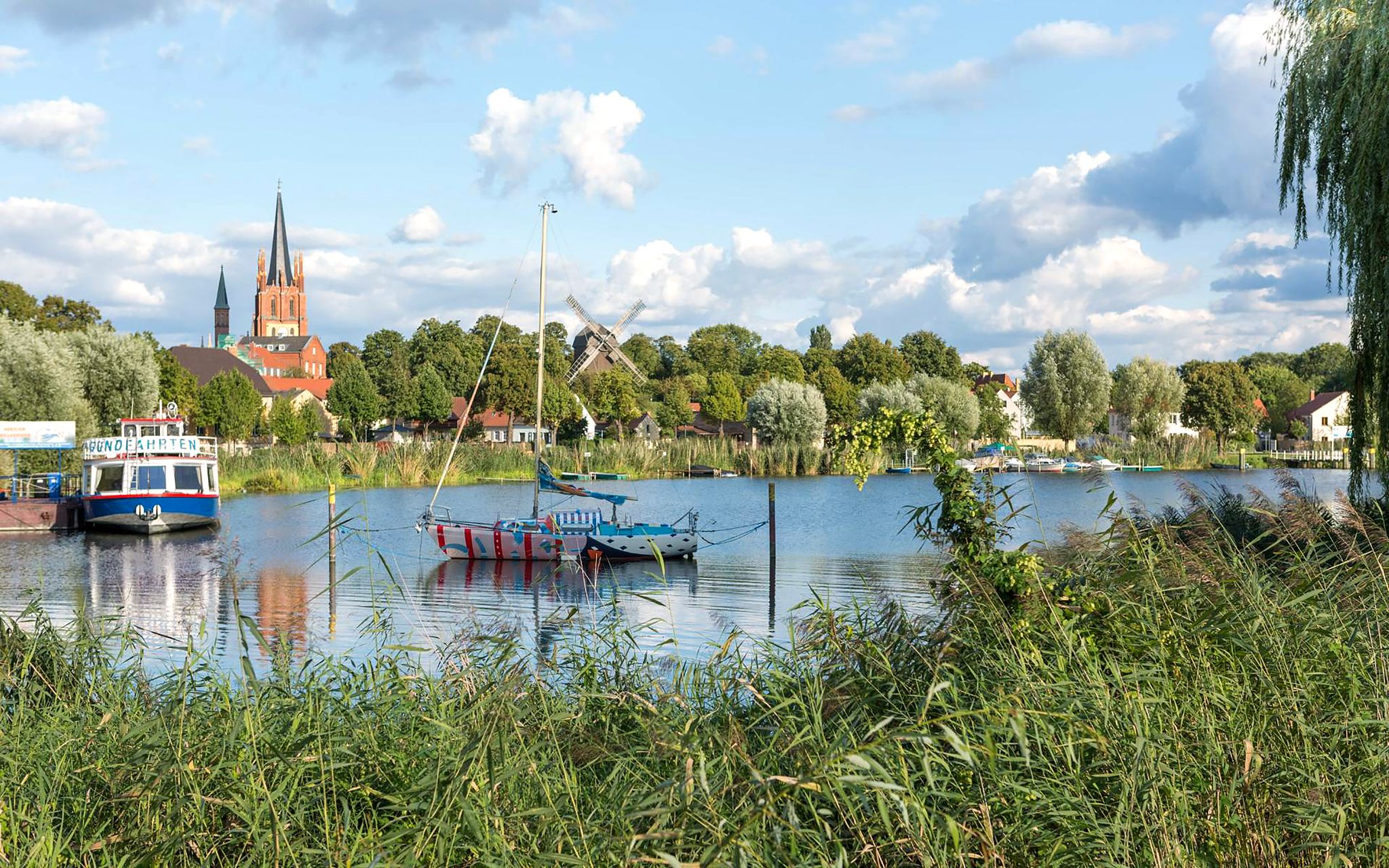
In his novel "Der Stechlin" Fontane described the monastery of Lindow and its historic cemetery as Kloster Wutz. “Lindow is as lovely as its name. It grows between three lakes and old linden trees take it under their shade,” is how Fontane expresses his feelings about the idyllic location that he has visited several times.
7
0

You should take your time for the monastery ruins and the surrounding area. The garden of the book with its diverse plants is worth exploring. The atmosphere of the cemetery with the many stone and iron crosses, as well as the sarcophagi, has its own charm. Some of the sarcophagi are richly decorated, a closer look is worthwhile. Recommendation: put your ear to it....👻....
5
0

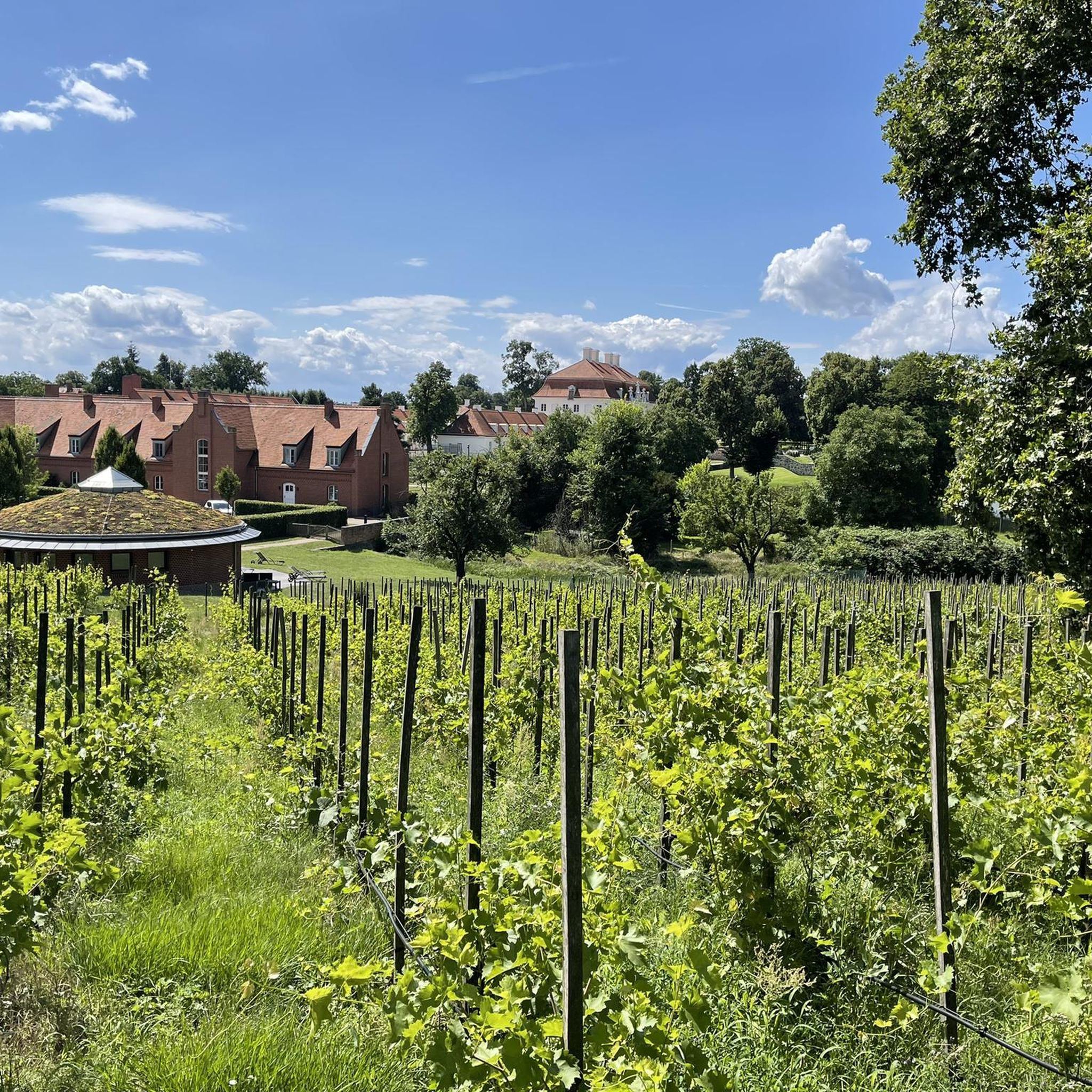
Built in 1724 as a three-wing complex on the previous building, a moated castle with a chapel from the 17th century. The castle stood empty after 1946, only the roof was secured to prevent further damage to the building. It was used as a restaurant, club room, consumer market and stage. Due to constant decay, the castle had to be closed by the building authorities in 1984 due to the danger of collapsing. After the sale to a private investor, the urgently needed renovation measures took place between 1992 and 2000. In 2012, Julian and Donata von Hardenberg bought the castle, which is now used as a family home.
0
0
Frequently Asked Questions
What kind of historical sites can I expect to see around Gransee?
Around Gransee, you'll primarily find grand manor houses and palaces, known as 'Schloss,' rather than traditional medieval 'Burg' (fortified castles). The region offers a glimpse into historical architecture from various periods, including Baroque palaces and 17th-century manor houses. Additionally, Gransee's historic town center features a well-preserved 14th-century town wall, including the Powder Tower and Ruppiner Tor, which provide insight into its medieval past.
Are there any family-friendly historical sites or activities near Gransee?
Yes, several sites are suitable for families. The Lindow Monastery Ruins are considered family-friendly, offering a historical site directly on the Wutzsee with a small swimming area nearby. Liebenberg Castle and Estate also has facilities like a charming courtyard café, making it a pleasant stop for families. The historic town center of Gransee, with its accessible town wall and towers, can also be an engaging experience for children.
What natural features or viewpoints can I find near the castles?
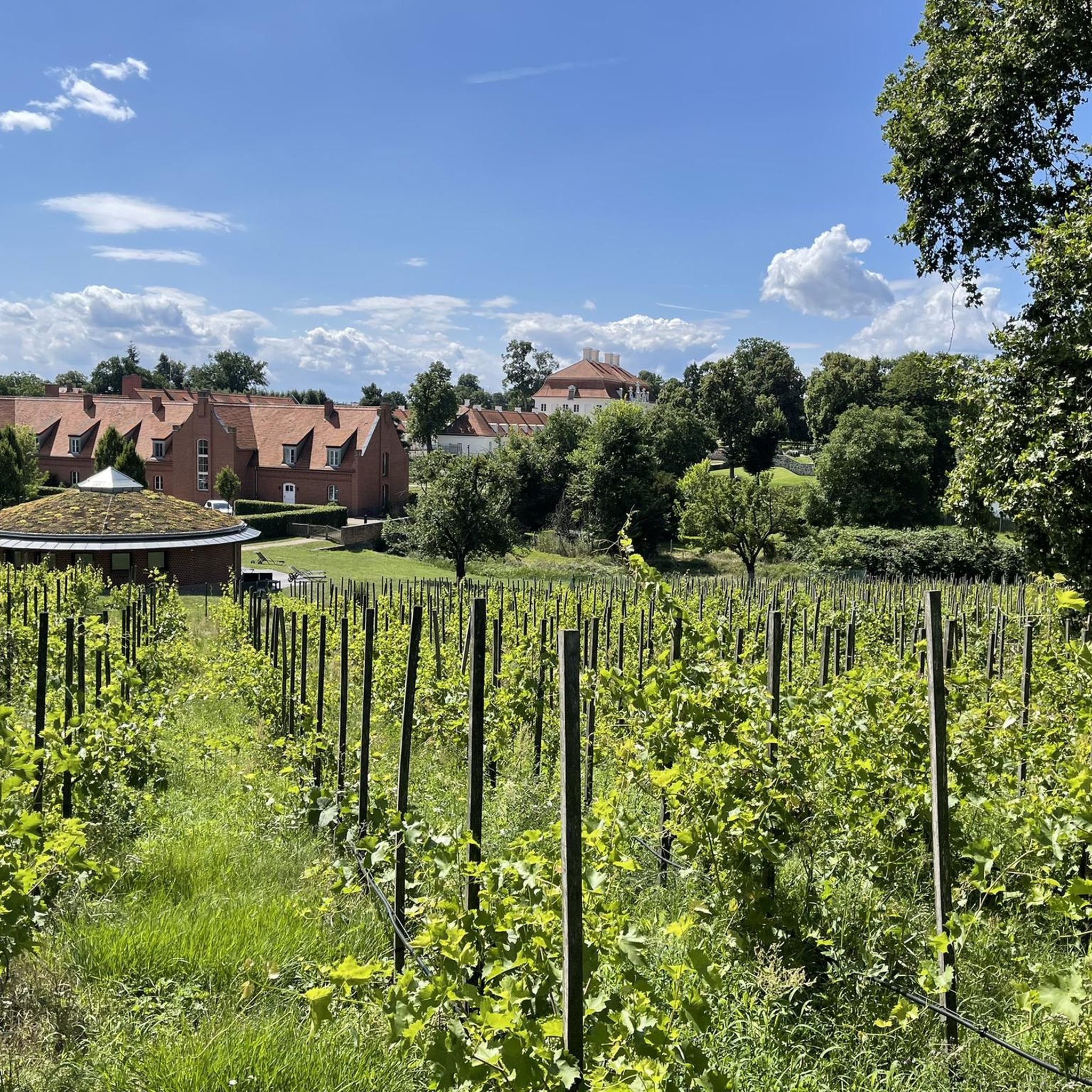
The area around Gransee offers a mix of historical sites and natural beauty. For instance, the Lindow Monastery Ruins are situated directly on the Wutzsee. While Meseberg Palace itself is a Baroque masterpiece, its well-maintained Baroque Gardens are a notable feature. You can also find the Rosenburg in the Castle Park, which offers a nice view of the palace complex.
Are there hiking or cycling routes that pass by these historical sites?
Yes, there are several outdoor activity routes in the Gransee area. For hiking, you can find routes like the 'Huwenowsee Swimming Area – Meseberg Castle loop' or the 'Ruins of Lindow Monastery – Meseberg Castle loop.' Cyclists can explore options such as the 'Stechlinseebahn Rail Trail – Meseberg Palace loop.' You can find more details on these and other routes on the hiking guide and road cycling guide for Gransee.
What is the best time of year to visit the castles and historical sites around Gransee?
The best time to visit is generally during the warmer months, from spring to early autumn (May to September), when the weather is pleasant for exploring the outdoor grounds and gardens of palaces like Meseberg Palace. This period is also ideal for hiking and cycling. Some sites, like the Gransee town wall, are accessible year-round, but specific palace interiors or gardens might have seasonal opening hours.
Can I visit the interior of Meseberg Palace?
Meseberg Palace serves as a guest house for the German federal government, which limits public access. Typically, it is only open to the public on one specific day a year, such as an 'open day.' While interior access is rare, its well-maintained Baroque Gardens are a notable feature that can often be viewed externally.
Are there any cafes or restaurants near the historical sites?
Yes, some historical sites offer amenities. Liebenberg Castle and Estate features a charming courtyard café where you can take a break. For other locations, you might find cafes and restaurants in the nearby towns, including Gransee itself.
How accessible are the castles and historical sites by public transport?
While specific public transport connections vary for each site, Gransee itself is accessible. For sites further afield, public transport options might be limited, and a combination of train/bus with a short walk or cycle could be necessary. It's advisable to check local transport schedules for specific destinations like Lindow Monastery Ruins or Liebenberg Castle and Estate.
Is parking available at the historical sites?
Parking is generally available at larger sites like Liebenberg Castle and Estate. For smaller or more remote locations, or for exploring Gransee's town center, you may need to use designated public parking areas. It's recommended to check specific parking information for each site you plan to visit.
What do visitors enjoy most about the historical sites around Gransee?
Visitors appreciate the variety of historical experiences, from the serene Lindow Monastery Ruins with its lakeside setting, to the grand architecture and park of Liebenberg Castle and Estate. The historical significance of sites like Meseberg Palace and the well-preserved medieval town wall of Gransee also draw considerable interest. The komoot community has shared over 390 photos and given more than 800 upvotes to these highlights.
Are there any historical sites that are less known but worth visiting?
Beyond the more prominent sites, the region features other historical manor houses and palaces. For example, Baroque Castle Dannewalde is a 17th-century manor house open to visitors, offering a glimpse into the region's aristocratic residences. Schloss Rauschendorf, dating back to 1540, is identified as the oldest of the three 'castles' in the Gransee area, though only its exterior can be viewed.
Can I bring my dog to the historical sites around Gransee?
While many outdoor areas and hiking trails around Gransee are dog-friendly, access policies for specific historical sites, especially interiors or formal gardens, can vary. It's best to check individual site regulations. For instance, the grounds around Lindow Monastery Ruins and the general park areas of estates might allow dogs on a leash, but palace interiors typically do not.
How long should I plan for a visit to the castles and historical sites?
The duration of your visit depends on how many sites you wish to explore. For a single site like Liebenberg Castle and Estate, you might spend a few hours exploring the grounds and enjoying the café. To experience Gransee's town wall, the Powder Tower, and Ruppiner Tor, along with a guided tour, could take half a day. If you plan to visit multiple sites and incorporate hiking or cycling, a full day or even a weekend would be more suitable.
Most popular routes around Gransee
Most popular attractions around Gransee

Get inspired with the komoot mobile app


Explore more
Looking for the best castles somewhere else? Discover other guides around Gransee:
