Attractions and Places To See in Baraccone (Confluenza Po-Dora Baltea) - Top 5
Best attractions and places to see in Baraccone (Confluenza Po-Dora Baltea) center around its unique natural environment where the Po and Dora Baltea rivers meet. This area is recognized as a Special Nature Reserve, characterized by riparian forests, abandoned river channels, and diverse flora and fauna. It offers opportunities for observing wildlife and exploring its ecological significance. The region also features historical landmarks, adding a cultural dimension to its natural landscape.
Best attractions and places to see in Baraccone (Confluenza…
Last updated: July 5, 2026
Crescentino Bridge over the Po River
Highlight • Bridge
Translated by Google •
Tip by

View of the Dora Baltea
Highlight • Viewpoint
Translated by Google •
Tip by

Sign up now to discover places like this
Get recommendations on the best single tracks, peaks, & plenty of other exciting outdoor places.
Sign up for free
Siberia
Highlight • Viewpoint
Translated by Google •
Tip by

Ford on the Leona Stream
Highlight • River
Translated by Google •
Tip by

Reforestation Area at Baraccone (Po-Dora Baltea Confluence)
Highlight • Natural
Translated by Google •
Tip by
Start today with a free account
Your next adventure awaits.
Login or Signup
Popular around Baraccone (Confluenza Po-Dora Baltea)
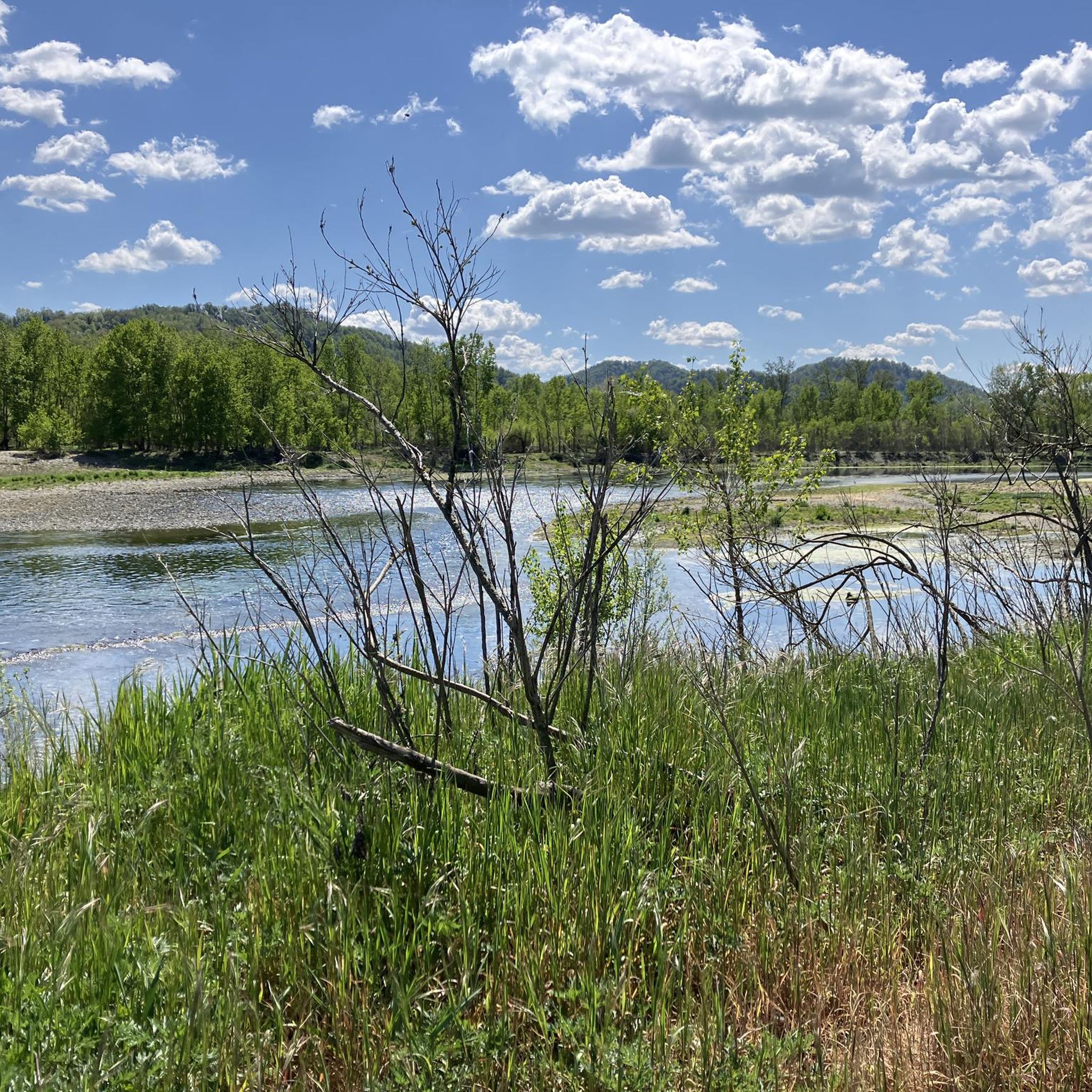
Hiking in Baraccone (Confluenza Po-Dora Baltea)
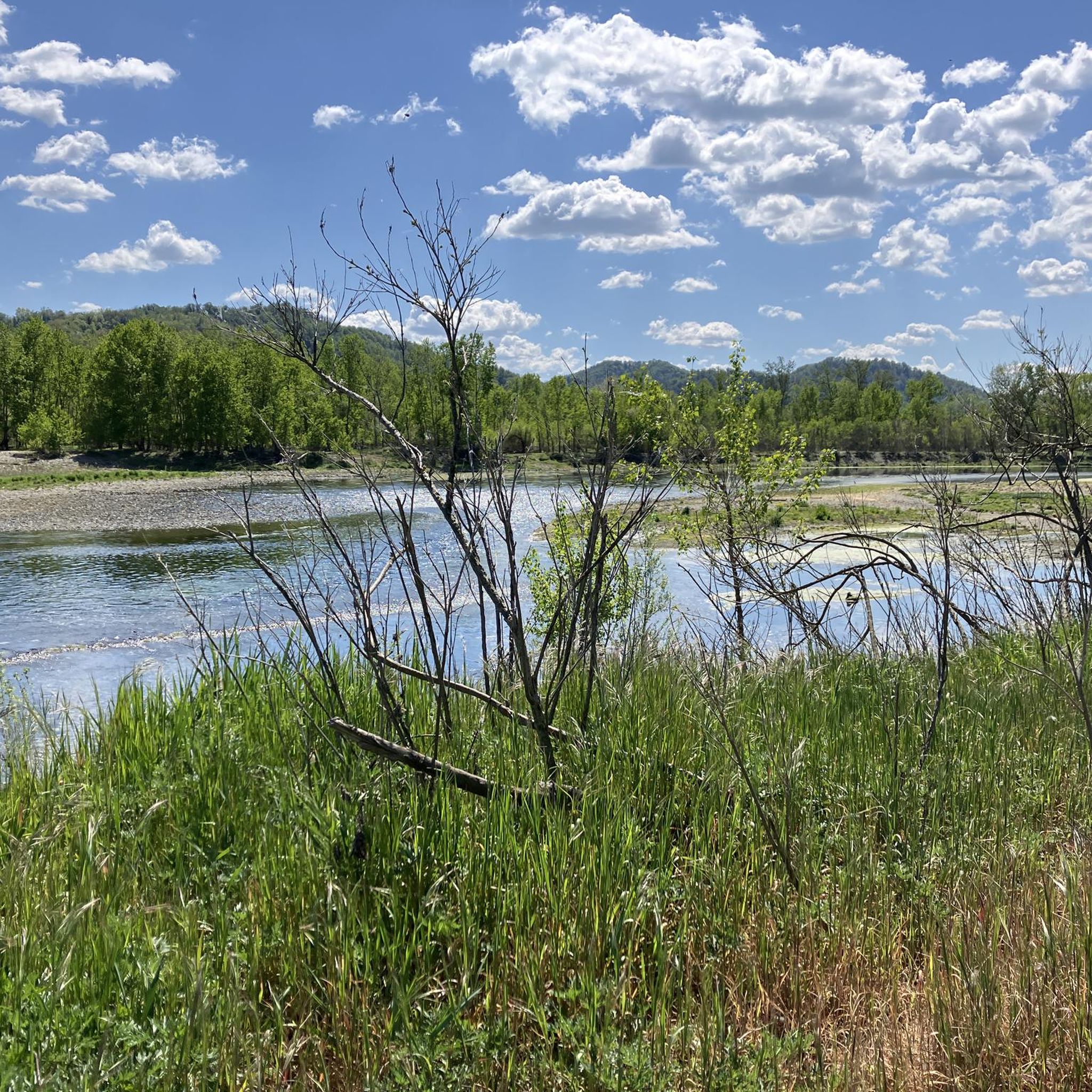
Road Cycling Routes in Baraccone (Confluenza Po-Dora Baltea)
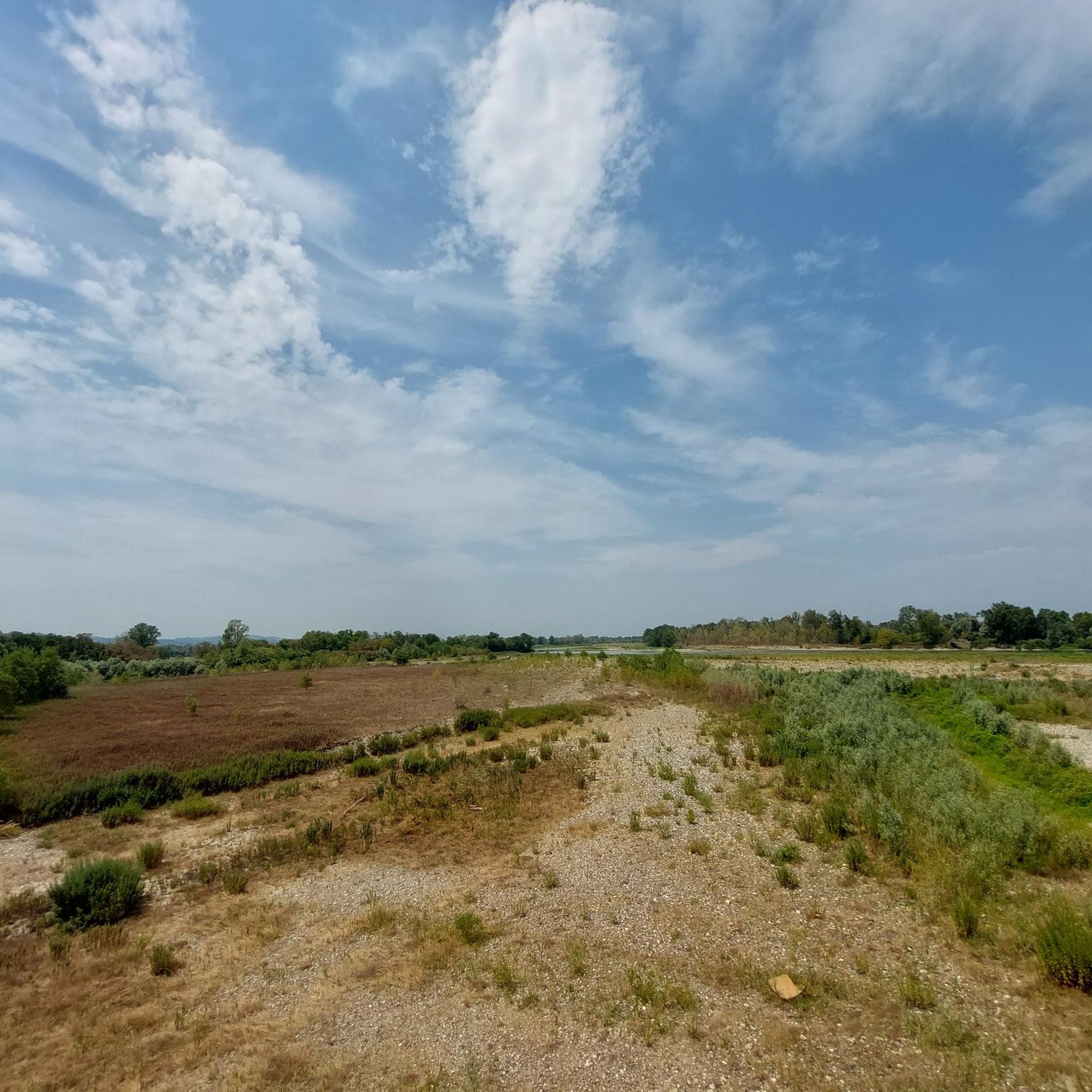
Cycling in Baraccone (Confluenza Po-Dora Baltea)
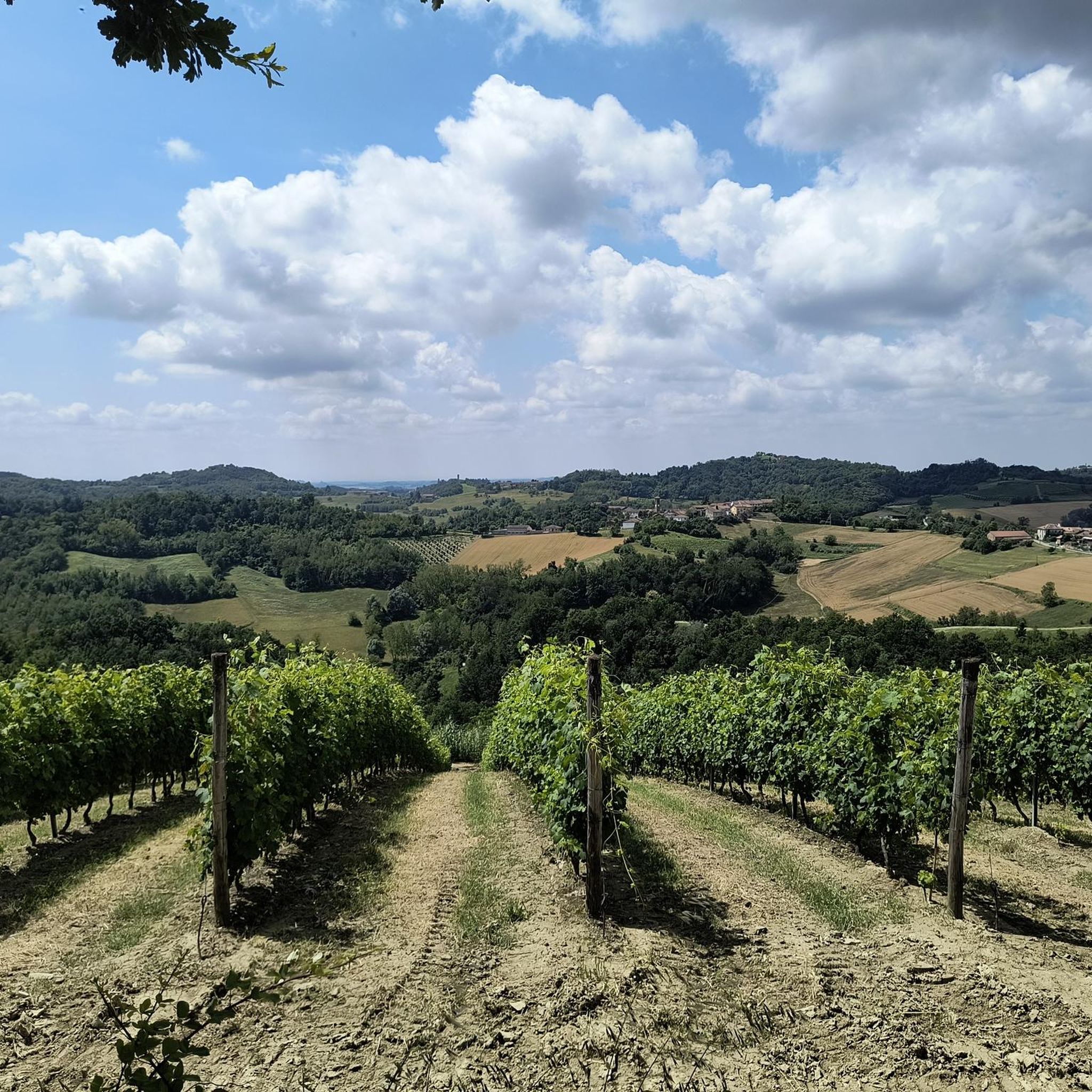
MTB Trails in Baraccone (Confluenza Po-Dora Baltea)
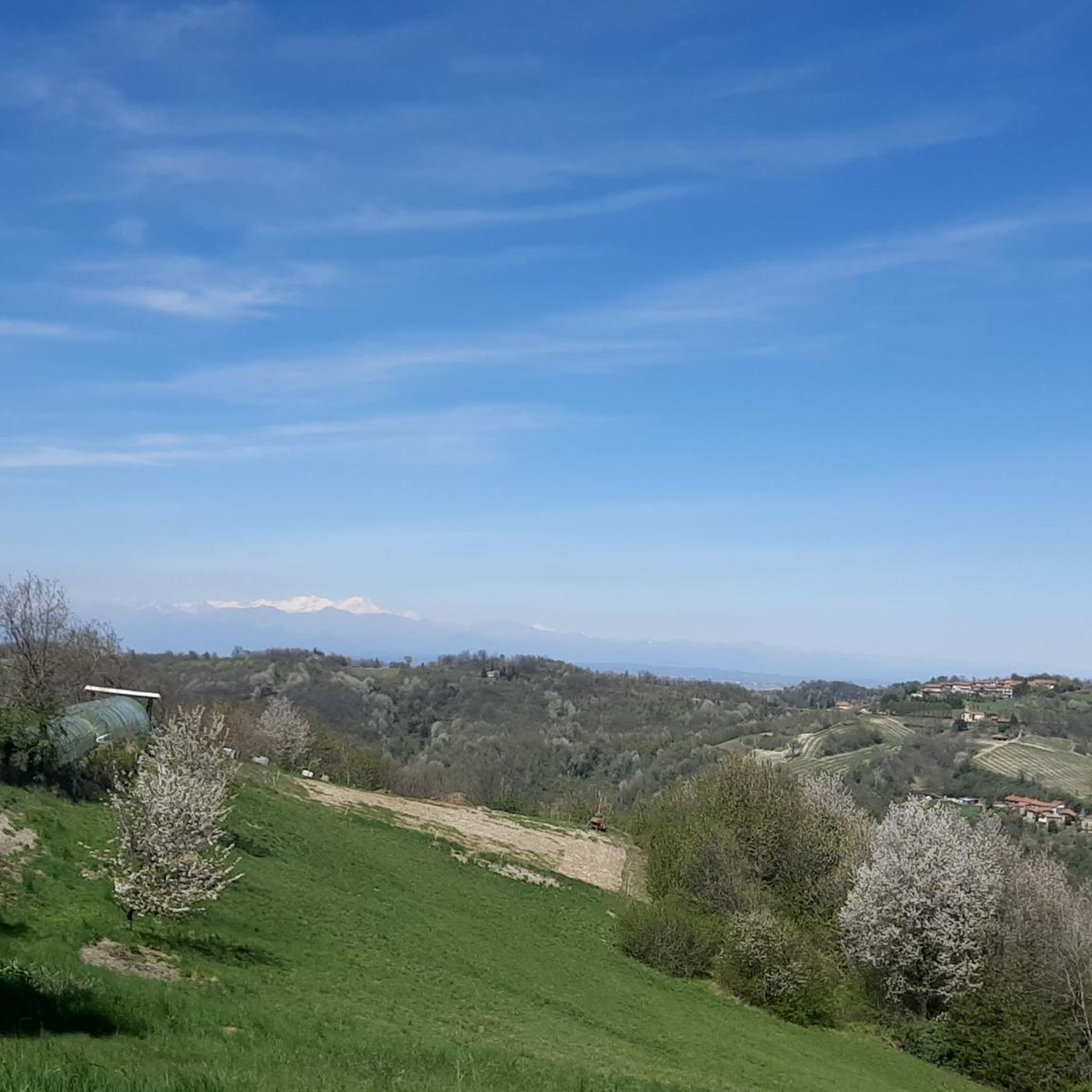
Running Trails in Baraccone (Confluenza Po-Dora Baltea)
Gravel biking in Baraccone (Confluenza Po-Dora Baltea)
Tips from the Community

The Ponte su Po di Crescentino is a work from another time. It has resisted dozens of floods of the river and is still there. Panoramically it is beautiful to walk along it on spring days when on the right you can see the snow-capped Alps and in front of you the Rocca di Verrua (another work from another time that deserves a more in-depth look)
0
0

the tour was different, but in the end between mud and errors on the map I came across this construction site!!!
0
0

the Dora Baltea now close to the confluence with the Po
0
0


From this bridge you can enjoy a beautiful view of the Dora Baltea, an important tributary of the Po which has its source in the Aosta Valley. Fed by the glaciers of Mont Blanc and 170 kilometers long, the Dora Baltea is among the coldest rivers in Italy.
1
0
view of the river before starting the climb
0
0

Monitor the water level in the area in rainy seasons before venturing out
0
0

Small ford that can be crossed by mountain bike when there is little water, mainly pebbly ground
0
0
Frequently Asked Questions
What natural features can I explore in Baraccone (Confluenza Po-Dora Baltea)?
The region is primarily known for the unique confluence of the Po and Dora Baltea rivers, where their waters flow parallel before mixing. This area is designated as a Special Nature Reserve, featuring riparian forests, abandoned river channels known as 'lanche,' and diverse flora and fauna. You can also observe wide gravel beds that are periodically submerged, creating unique wetland habitats.
Are there good viewpoints to observe the rivers and surrounding landscape?
Yes, there are several excellent viewpoints. You can get a great perspective of the Po River and the distant Alps from the historic Crescentino Bridge over the Po River. For a view of the Dora Baltea, visit the View of the Dora Baltea, where you can see its cold waters approaching the Po. Another spot, Siberia, offers views of green areas and the Po bridge near provincial road 111.
What kind of wildlife can I expect to see in the Baraccone Reserve?
The Special Nature Reserve is a vital habitat for a rich variety of bird and fish species. It plays a crucial role in supporting nesting and migratory birds due to its abundant plant species and diverse riverine environment, including the 'lanche' and gravel beds that provide ideal conditions for wetland species.
Are there opportunities for hiking or walking in the area?
Yes, the natural reserve offers various opportunities for hiking and excursions. The diverse environments, including riparian forests and riverbanks, are ideal for exploring on foot. While specific hiking trails are not detailed in the highlights, the region's natural beauty makes it suitable for walks. For more structured routes, you can explore running trails in the wider Baraccone area.
What cycling routes are available near the attractions?
The Baraccone area offers a variety of cycling routes. You can find options for touring bicycles, such as the 'Cavour Canal loop from San Sebastiano da Po' or the 'Otto Bello di Brusasco.' For road cycling enthusiasts, there are routes like the 'Tour in Monferrato from Lauriano' or the 'Climb to Castello di Gabiano – Monferrato Hills loop from Crescentino.' Explore these and more on the Cycling in Baraccone (Confluenza Po-Dora Baltea) and Road Cycling Routes in Baraccone (Confluenza Po-Dora Baltea) guide pages.
Are there any historical or cultural sites to visit?
While the area is predominantly natural, it does have historical elements. The Crescentino Bridge over the Po River is a historic structure that has withstood numerous floods. Additionally, the Rocca di Verrua, a rock fortress built between the 10th and 11th centuries, is located near the Baraccone area, adding a cultural dimension to the landscape.
Is Baraccone (Confluenza Po-Dora Baltea) suitable for family visits?
Yes, the natural environment and some viewpoints are suitable for families. For instance, the View of the Dora Baltea is categorized as family-friendly, offering an easy spot to observe the river. The general opportunities for gentle walks and observing nature make it a pleasant destination for families.
What is the 'Reforestation Area at Baraccone' and what can I see there?
The Reforestation Area at Baraccone (Po-Dora Baltea Confluence) is part of an ongoing renaturalization program. This initiative aims to restore original woodlands in areas that were previously agricultural fields or poplar groves, showcasing a commitment to ecological recovery. Visitors can observe these efforts to bring back the natural habitat.
What is a 'ford' and can I cross it?
A 'ford' is a shallow place in a river or stream allowing one to walk or drive across. The Ford on the Leona Stream is a small, mainly pebbly ford that can be crossed by mountain bike when water levels are low. It's important to monitor the water level, especially during rainy seasons, before attempting to cross.
What do visitors enjoy most about Baraccone (Confluenza Po-Dora Baltea)?
Visitors particularly appreciate the unique natural environment, especially the confluence of the Po and Dora Baltea rivers. The historic Crescentino Bridge over the Po River is loved for its scenic views of the river and distant Alps. The area's ecological significance and opportunities for observing wildlife and the riverine landscape are also highly valued.
When is the best time to visit Baraccone (Confluenza Po-Dora Baltea)?
While specific seasonal tips are not provided, spring days are often recommended for walking along the Crescentino Bridge over the Po River, as you can enjoy views of the snow-capped Alps. Generally, spring and autumn offer pleasant temperatures for outdoor activities and wildlife observation, avoiding the extremes of summer heat or winter cold.
Most popular routes in Baraccone (Confluenza Po-Dora Baltea)

Get inspired with the komoot mobile app


Explore more
Still not found the Highlight you’re looking for? See guides of the top attractions in other regions:
