Top 8 Castles around Schönteichen
Castles near Schönteichen Saxony offer a glimpse into the region's rich history and architectural heritage. While Schönteichen itself is known for its outdoor activities and natural landscapes, the broader area of Saxony provides numerous historical sites. These include a variety of castles and palaces, often nestled within scenic surroundings. The region's historical significance is reflected in these structures, which range from medieval fortresses to Baroque palaces.
Best castles around Schönteichen
- The most popular castles is Oberlichtenau Baroque Palace and Park…
Last updated: May 3, 2026
Oberlichtenau Baroque Palace and Park
Highlight • Historical Site
Translated by Google •
Tip by

New Castle Pulsnitz
Highlight • Castle
Translated by Google •
Tip by

Sign up now to discover places like this
Get recommendations on the best single tracks, peaks, & plenty of other exciting outdoor places.
Sign up for free
Weissig Castle
Highlight • Castle
Translated by Google •
Tip by

Pulsnitz Old Castle (Eustachius House)
Highlight • Castle
Info:
Historic monument. Renaissance building from around 1600. Named after the builder and owner of the castle, Eustachius von Schlieben. Cellar vaults in the Romanesque architectural style from around 1200.
Translated by Google •
Tip by

Elstra Castle
Highlight • Castle
Translated by Google •
Tip by

Sign up for free to discover even more castles around Schönteichen.
Sign up for free
Already have an account?
Start today with a free account
Your next adventure awaits.
Login or Signup
Popular around Schönteichen
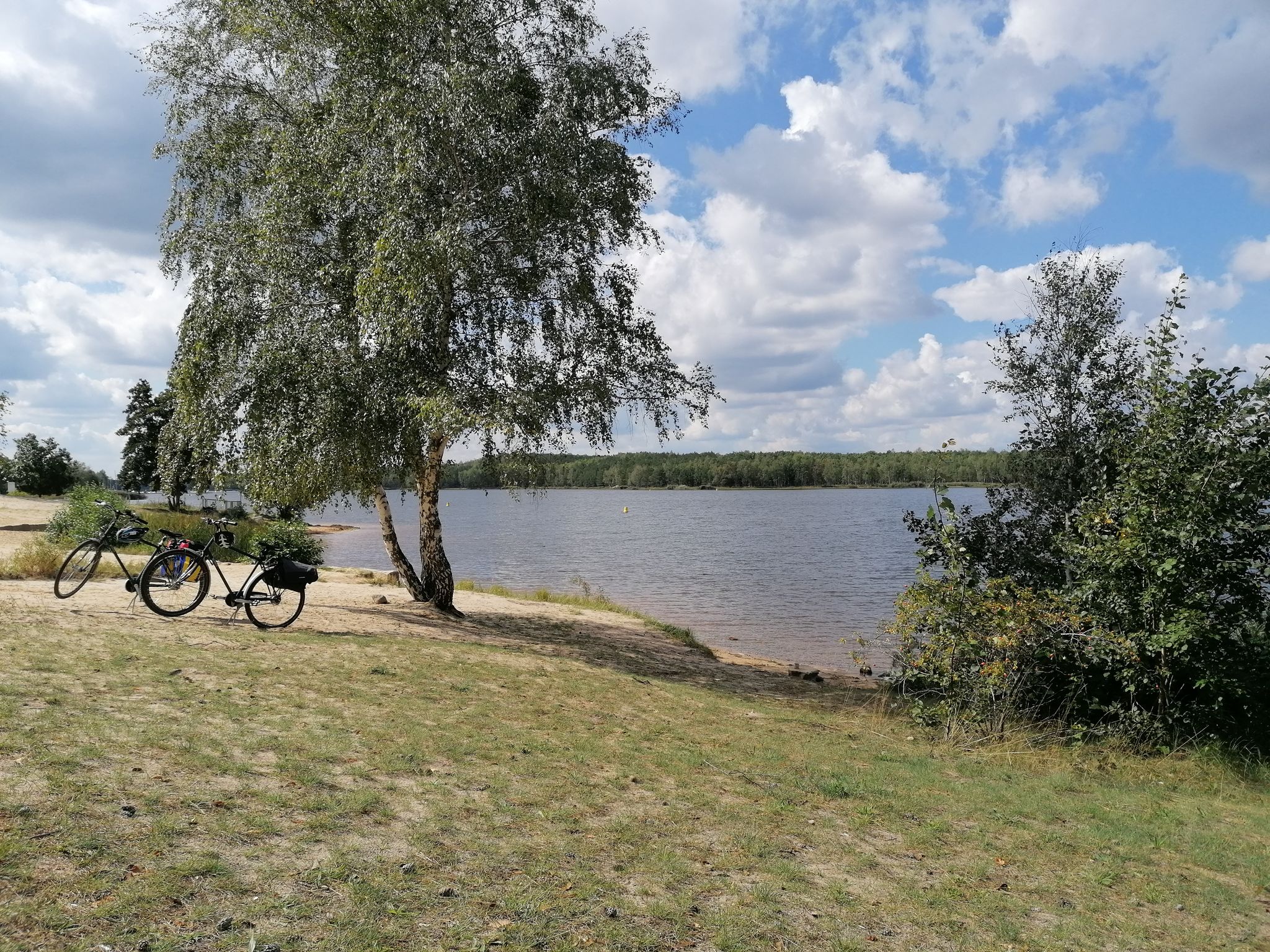
Cycling from Dresden to Berlin – lakes, nature and Sorbian culture
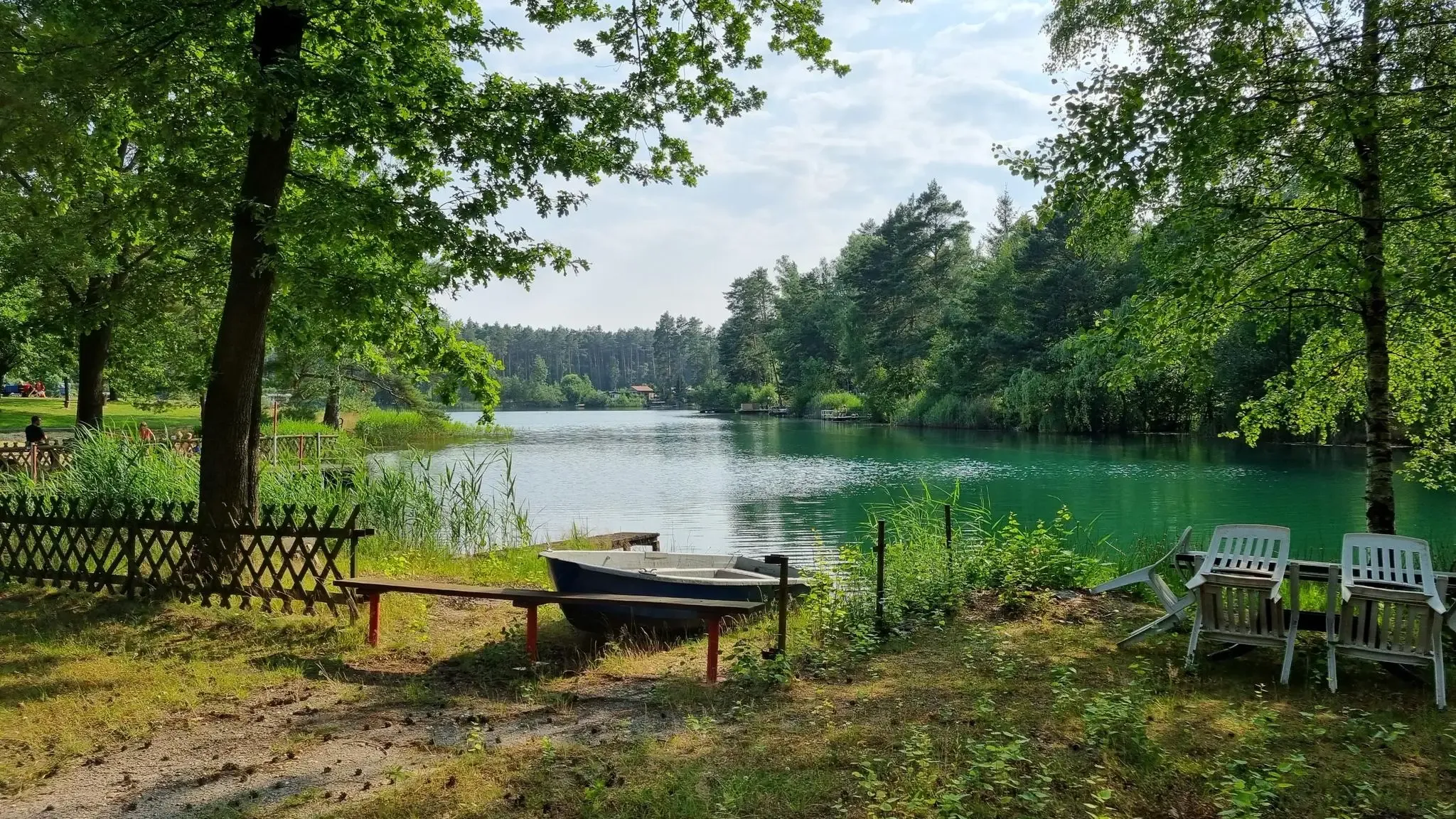
Cycle through amphibian landscapes – Frog cycle path
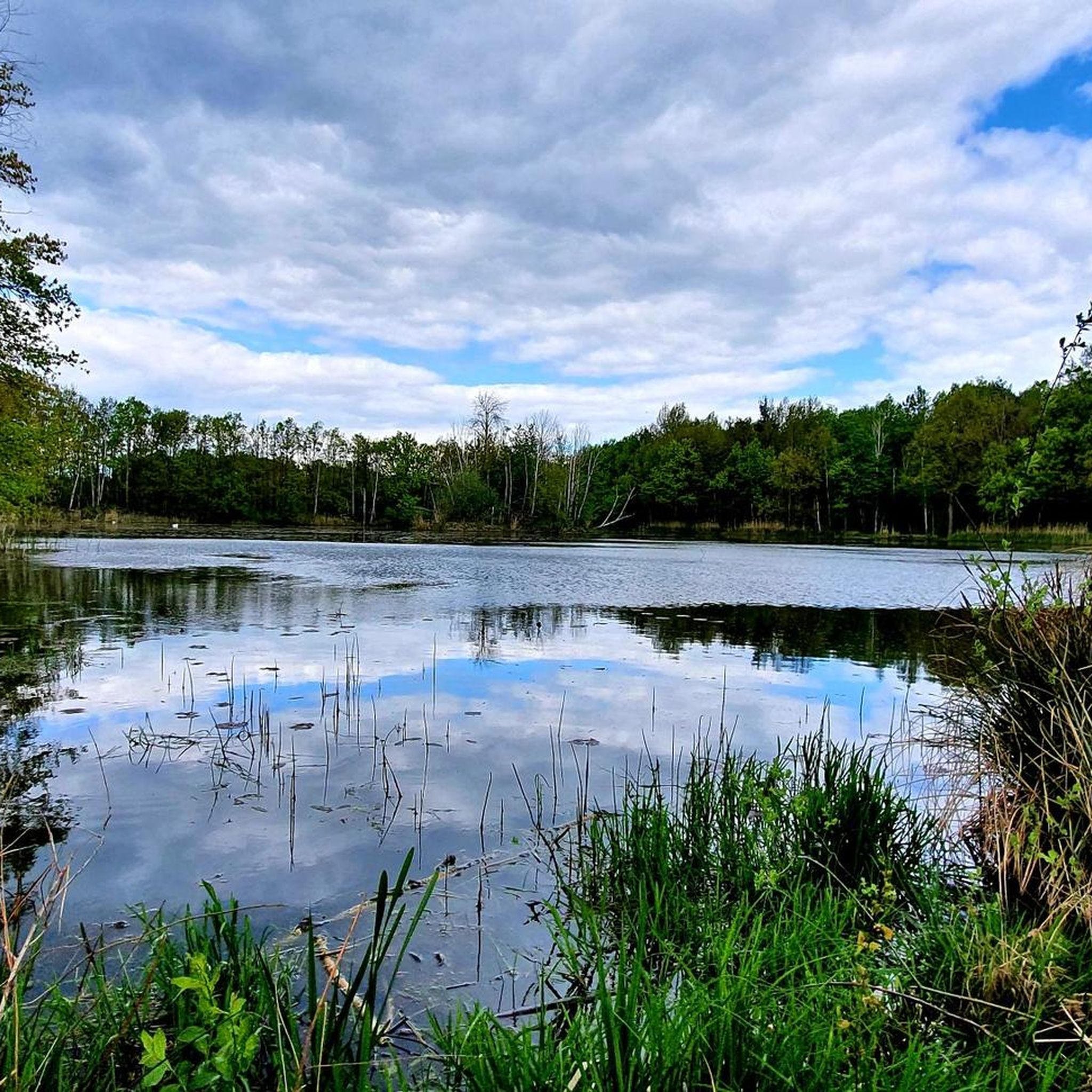
Hiking around Schönteichen
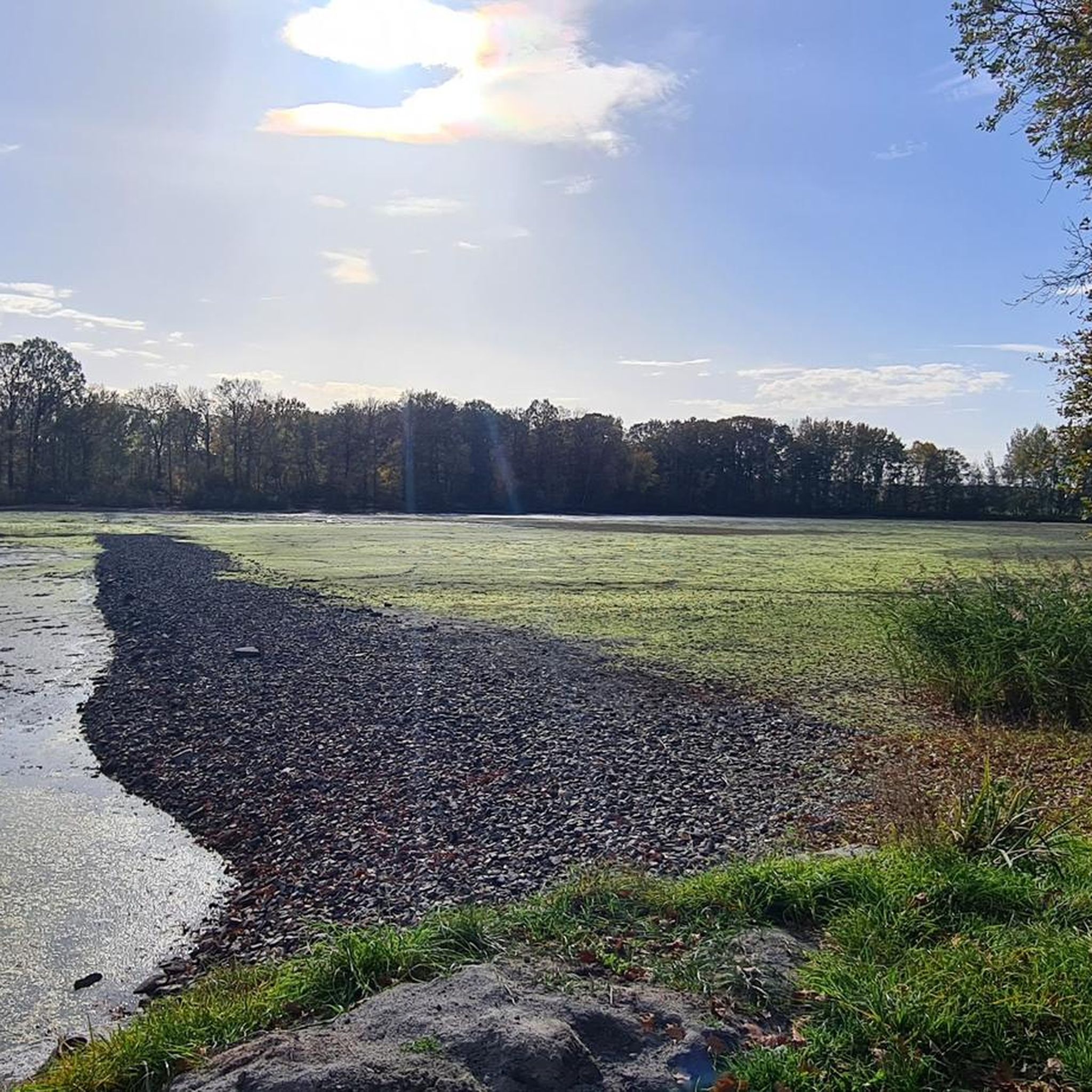
Road Cycling Routes around Schönteichen
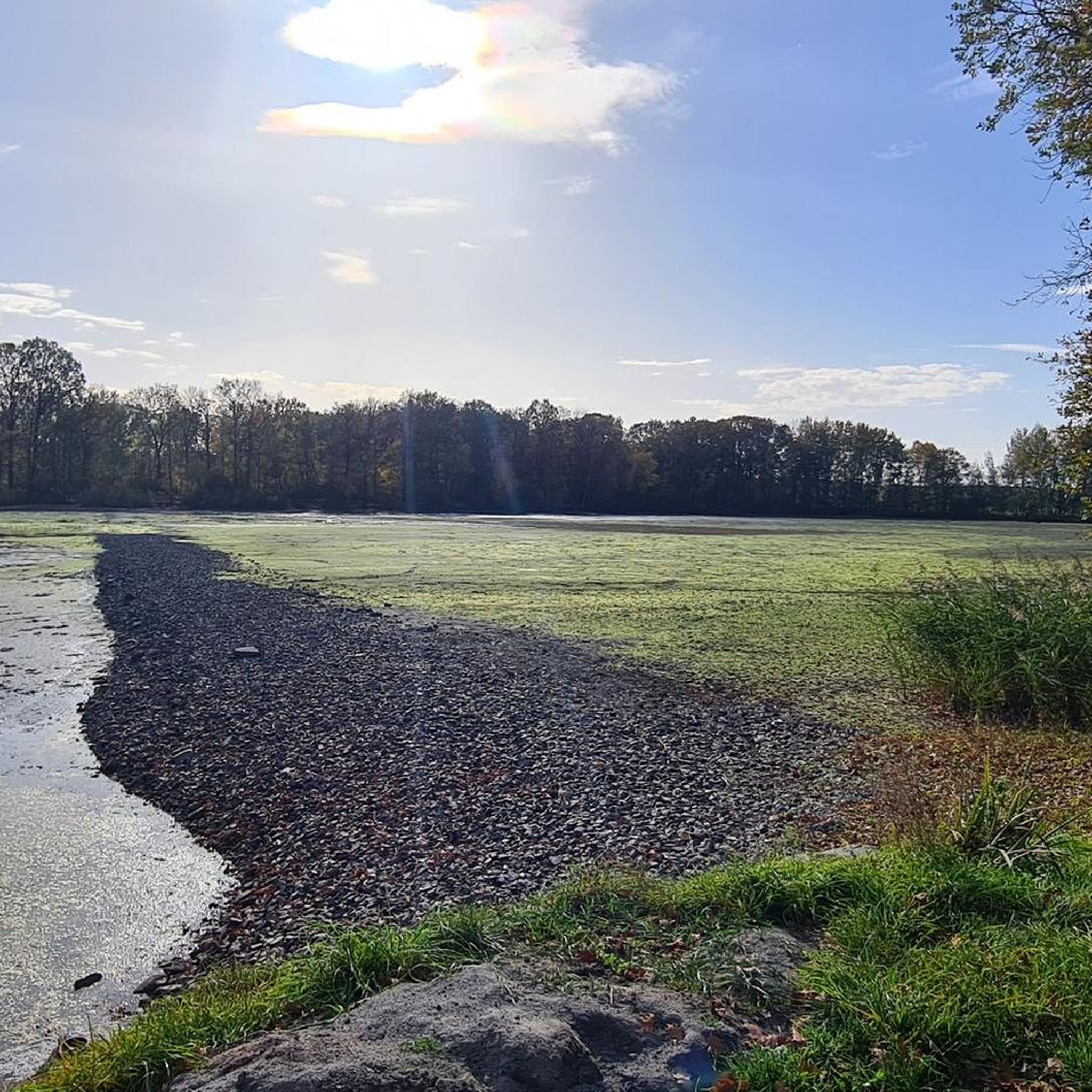
Cycling around Schönteichen
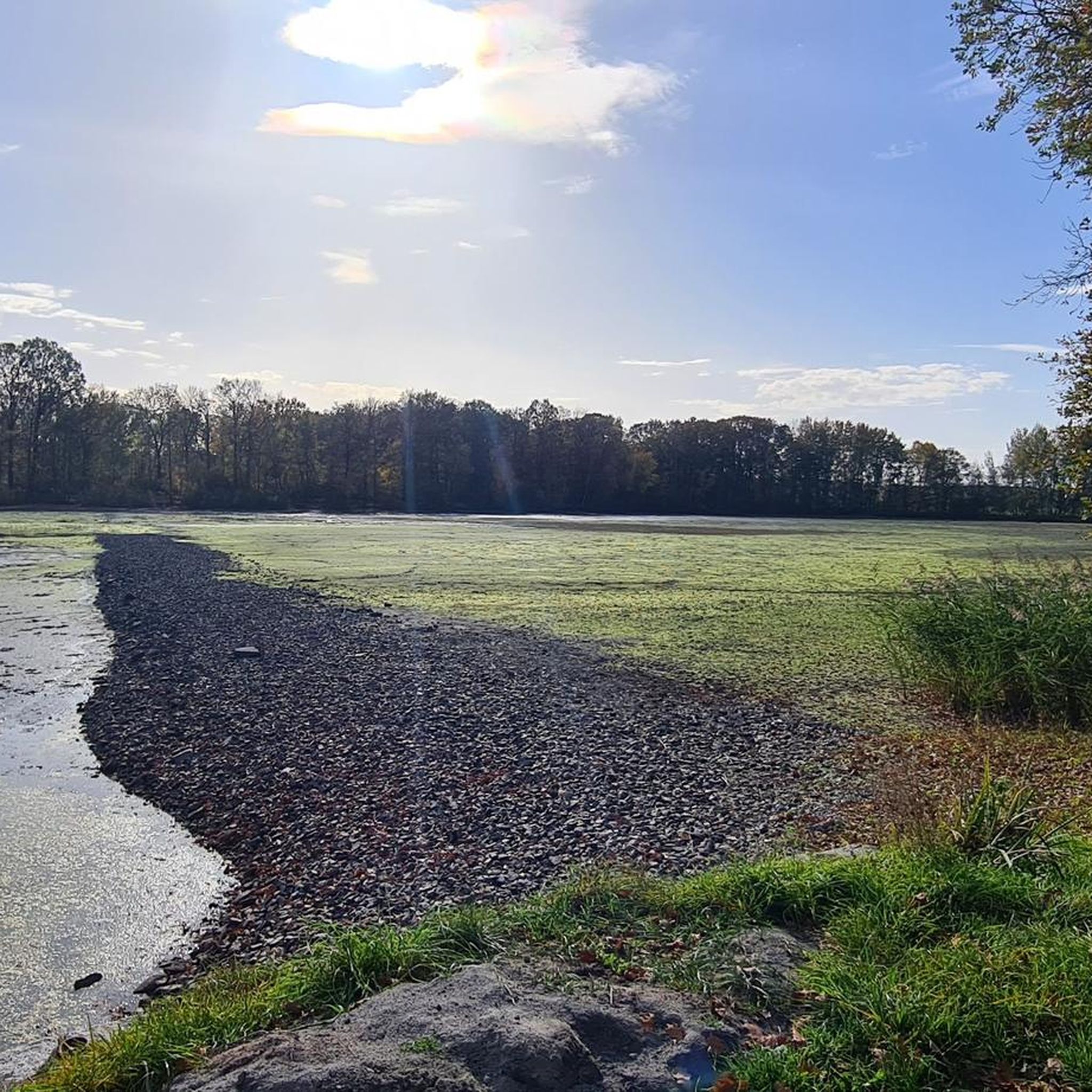
MTB Trails around Schönteichen
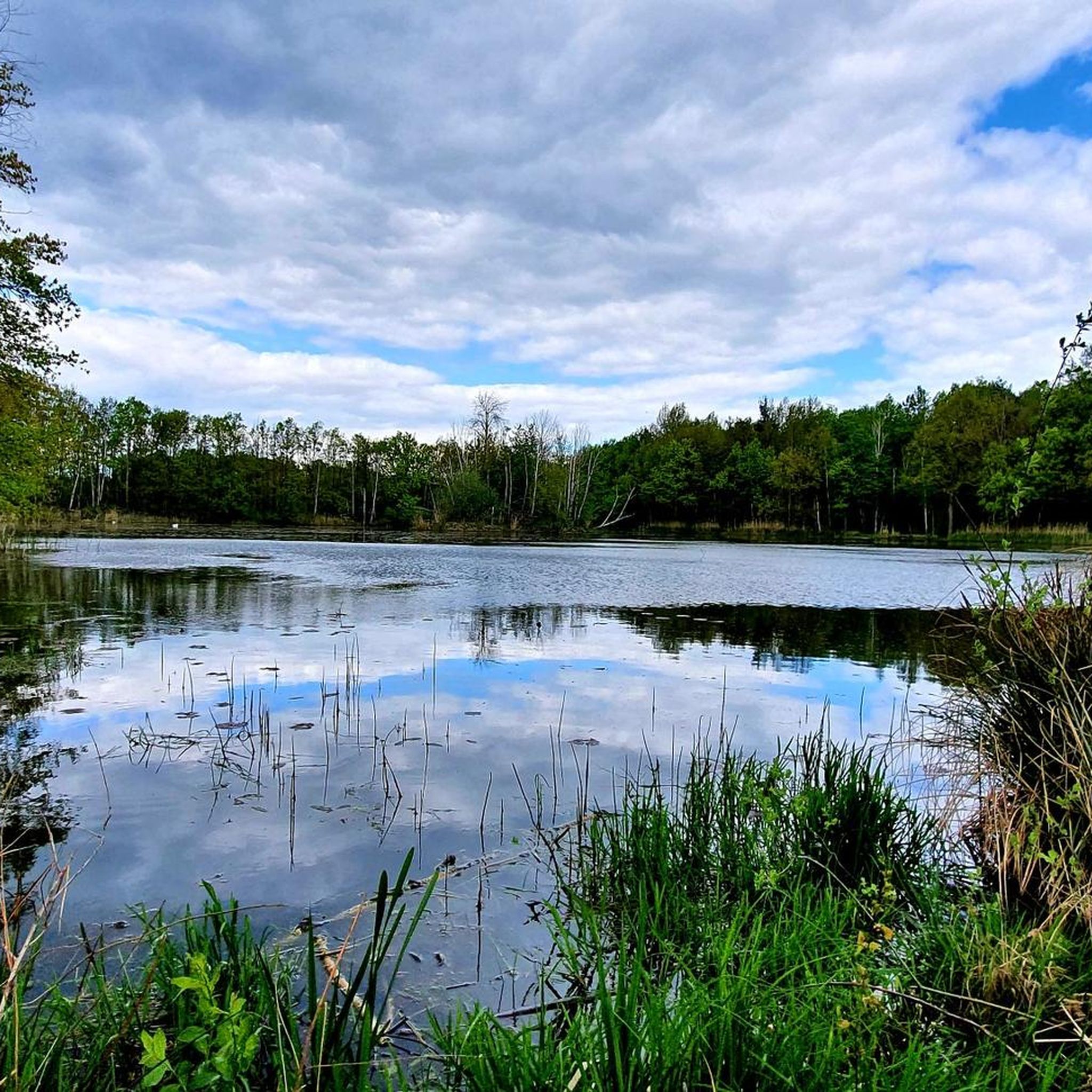
Running Trails around Schönteichen
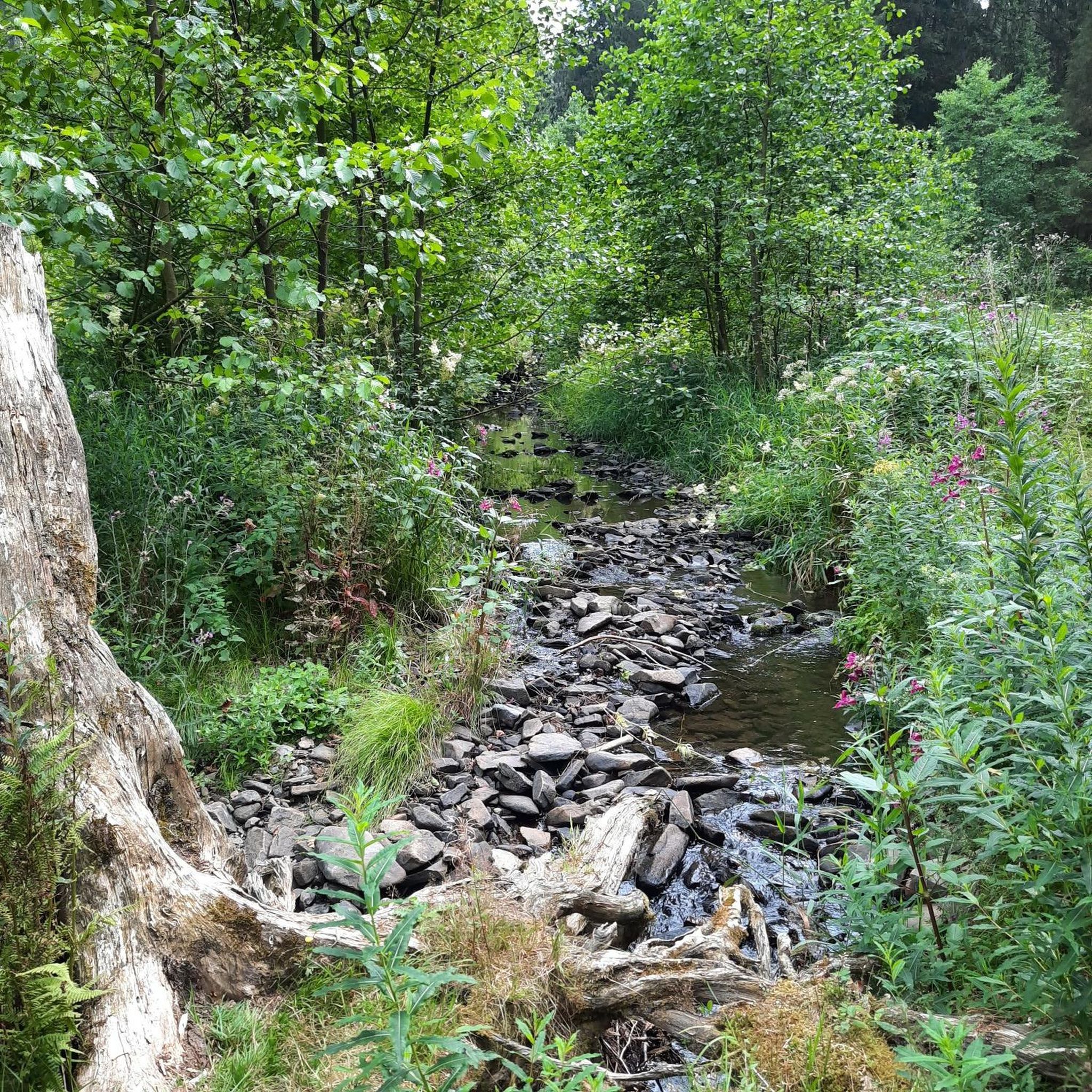
Gravel biking around Schönteichen


Tips from the Community

Pulsnitz Castle, a Renaissance palace, provides a historic setting for sophisticated and comprehensive rehabilitation medicine, available to both publicly and privately insured patients. The Pulsnitz Castle Clinic has been completely renovated and expanded with a swimming pool, gymnasium, and additional therapy rooms and patient rooms. Since its completion in 1993, the clinic has been among the most modern and arguably most beautiful rehabilitation facilities.
0
1

The Baroque palace is not the first palace on the site. It was only inaugurated in 1718. Before that, the Eustachius House was the residence of the ruling noble family. During the renovation and reconstruction of the Eustachius House under the Saxon chamberlain Johann Georg von Maxen, building materials were salvaged, which were used for the construction of the new palace. As far as is known, the service rooms were located on the ground floor. The rooms on the upper floor were the living quarters of the ruling family.
1
0
A relatively simple but impressive building with a history.
1
1

The 'old' Pulsnitz Castle was built in 1600.
0
0

New Palace/Clinic Palace in Pulsnitz. Info: Historic monument. Built in 1718 in the Baroque style. From a noble residence to a pulmonary sanatorium to a modern, innovative rehabilitation clinic.
2
0
Old Castle/Eustachius House in Pulsnitz. Info: Historic monument. Renaissance building from around 1600. Named after the builder and owner of the castle, Eustachius von Schlieben. Cellar vaults in the Romanesque architectural style from around 1200.
2
0

The Old Castle, also known as Eustachius House, was built around 1600 as a moated castle and dates back to an earlier manor house from 1225 under Heinricus and Bernardus de Polseniz. The von Posern family lived in the castle until 1945 and was expropriated as a result of the land reform. After 1948, the lung sanatorium was moved from Schwepnitz to Pulsnitz, thus establishing the history of the clinic. Source:https://sachsens-schloesser.de/pulsnitz-wasserburg-altes-neues-schloss-pulsnitz/
1
1
Frequently Asked Questions
What are some notable castles and palaces to visit near Schönteichen?
While Schönteichen itself doesn't have castles, the wider Saxony region offers several impressive historical sites. You can explore the unique blend of Gothic and Classicist architecture at Weesenstein Castle, known for its 800-year history and intriguing staircase. Another significant site is Oberlichtenau Baroque Palace and Park, featuring a Baroque palace and gardens. Also consider Weissig Castle, a complex first mentioned in 1466, or Elstra Castle, rebuilt in Art Nouveau style after a 1903 fire.
Are there family-friendly castles or palaces in the Schönteichen area?
Yes, several sites are noted as family-friendly. Oberlichtenau Baroque Palace and Park is a great option, offering extensive grounds to explore. Elstra Castle is also listed as family-friendly, though its interior may not always be accessible to the public.
What kind of outdoor activities can I do near these castles?
The region around Schönteichen and its castles is excellent for outdoor activities. You can find numerous hiking trails, such as the easy 'Wolfsteich – View of Wolfsteich loop from Cunnersdorf' or the moderate 'Hutberg, Kamenz – View of Lückersdorf loop from Schwosdorf'. For cycling enthusiasts, there are options for gravel biking and road cycling. Explore more routes in the Hiking around Schönteichen, Gravel biking around Schönteichen, and Road Cycling Routes around Schönteichen guides.
Are there hiking trails around the castles and palaces?
Yes, many castles and palaces, especially those with parks, offer walking and hiking opportunities. For instance, Oberlichtenau Baroque Palace and Park features a park designed in English and French styles, perfect for leisurely strolls. The broader area also has various trails, including easy and moderate options, which can be combined with a castle visit.
What is the best time of year to visit the castles and surrounding areas?
Spring and autumn are generally ideal for visiting the castles and enjoying outdoor activities. The weather is pleasant for exploring the castle grounds and nearby hiking trails. In spring, the palace parks are vibrant with blooming flowers, while autumn offers beautiful foliage. Summer is also popular, especially for combining castle visits with walks in the surrounding nature.
Can I bring my dog to the castles or nearby trails?
While specific dog policies for each castle vary, many outdoor areas and hiking trails in the Schönteichen region are dog-friendly. It's advisable to check individual castle websites for their specific rules regarding pets within the buildings or formal gardens. However, you'll find plenty of natural paths for walks with your dog in the surrounding countryside.
Are there any viewpoints or natural features near the castles?
Yes, the castles are often situated in scenic surroundings. For example, Weesenstein Castle rests on a monumental rock embedded in wooded slopes, offering charming views. Elstra Castle is also noted as a viewpoint. The region itself is known for its natural landscapes, providing opportunities to combine historical visits with scenic overlooks and natural beauty.
What are some lesser-known or 'hidden gem' castles in the area?
Beyond the more prominent sites, you might consider exploring Schmorkau Castle. While privately owned and not always accessible inside, its history dates back to the 18th century, and the current neo-Renaissance building from 1898 offers an interesting architectural sight from the outside. Schloss Steinbach Manor, dating back to the 15th century, is another privately owned ensemble with historical significance.
Are there cafes, pubs, or accommodation options near the castles?
Yes, you'll find various amenities in the towns and villages surrounding the castles. For instance, Oberlichtenau Baroque Palace and Park has a Park-Café open on weekends. The larger towns like Kamenz, which is near many of these sites, offer a range of cafes, restaurants, and accommodation options. It's a good idea to check local listings for specific opening hours and availability.
How long should I plan for a visit to a castle?
The duration of a visit can vary depending on the castle and your interest. For a site like Oberlichtenau Baroque Palace and Park, you might spend 2-3 hours exploring the palace and its extensive gardens. For castles that offer guided tours or have museums, allow more time. If you plan to combine a castle visit with a hike or a meal, a half-day or full-day excursion is recommended.
Is public transport available to reach the castles?
Public transport options exist for reaching some of the castles, particularly those closer to larger towns. However, for many historical sites in rural Saxony, public transport might be limited, and a car could offer more flexibility. It's recommended to check local bus or train schedules for specific destinations like Weesenstein Castle or Oberlichtenau Palace when planning your trip.
Most popular routes around Schönteichen
Most popular attractions around Schönteichen

Get inspired with the komoot mobile app


Explore more
Looking for the best castles somewhere else? Discover other guides around Schönteichen:
