Réserve Biologique Dirigée De Laverq
Réserve Biologique Dirigée De Laverq
Attractions and Places To See in Réserve Biologique Dirigée De Laverq - Top 4
Best attractions and places to see in Réserve Biologique Dirigée De Laverq include a range of natural features and historical sites. Located in the Alpes-de-Haute-Provence region of France, this managed biological reserve is recognized for its biodiversity conservation. The area offers diverse landscapes, from high-altitude peaks to valleys carved by rivers, providing numerous opportunities for outdoor exploration. It is characterized by its significant natural beauty and remnants of historical structures.
Best attractions and places to see in Réserve Biologique Dirigée…
Last updated: July 5, 2026
Cabane de Plan-Bas
Highlight • Other
Translated by Google •
Tip by

Tête de la Sestrière
Highlight • Summit
Translated by Google •
Tip by
Sign up now to discover places like this
Get recommendations on the best single tracks, peaks, & plenty of other exciting outdoor places.
Sign up for free
Tête de l'Estrop
Highlight • Summit
Translated by Google •
Tip by

Stone Hut on the Way to Puy de la Sèche
Highlight • Mountain Hut
Translated by Google •
Tip by

Plan Bas Pastoral Hut
Highlight • Mountain Hut
At the bottom of the Laverq valley, after a few rough bends, you reach a pretty meadow between the larches.
Some panels explain the …
Translated by Google •
Tip by

Start today with a free account
Your next adventure awaits.
Login or Signup
Popular around Réserve Biologique Dirigée De Laverq
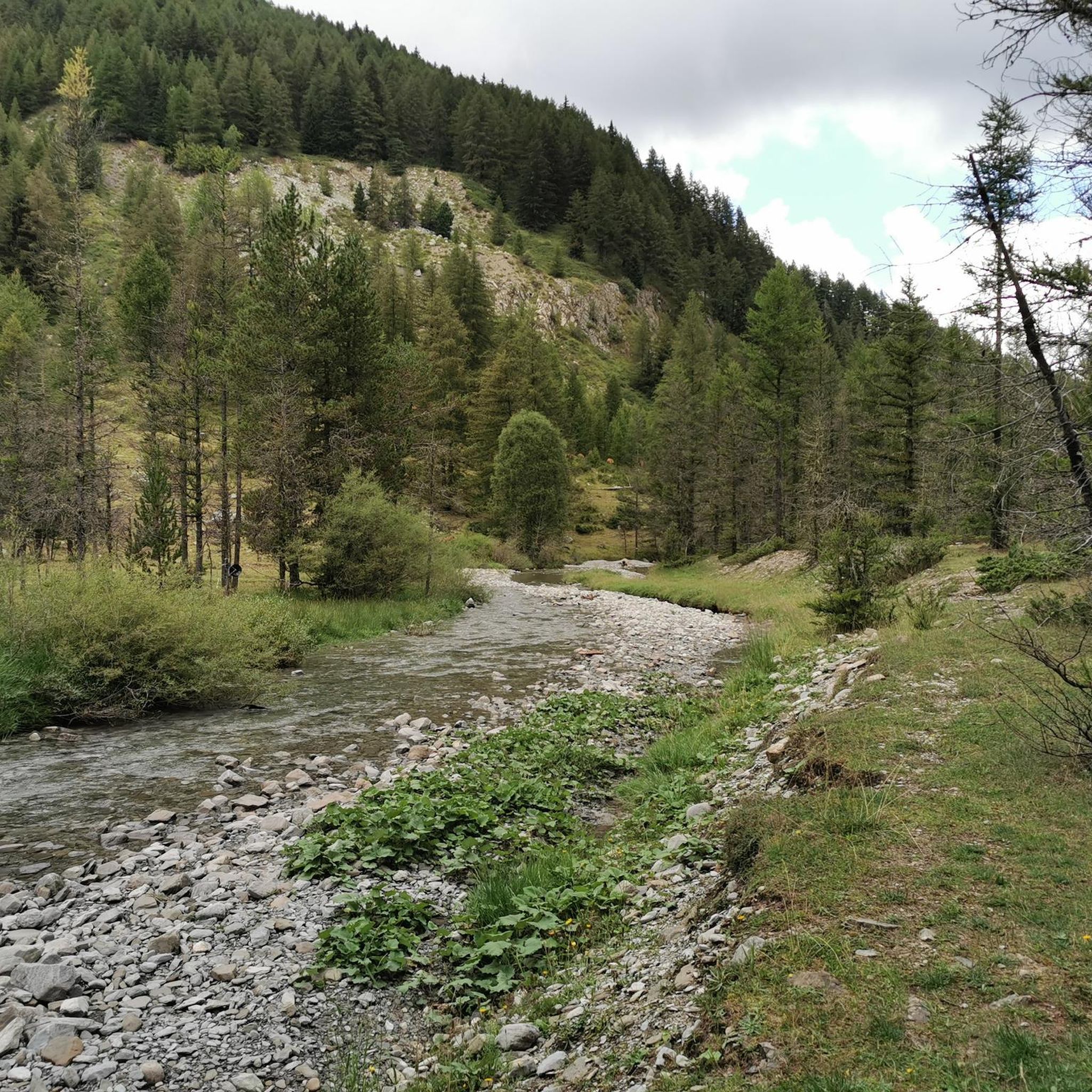
Hiking in Réserve Biologique Dirigée De Laverq
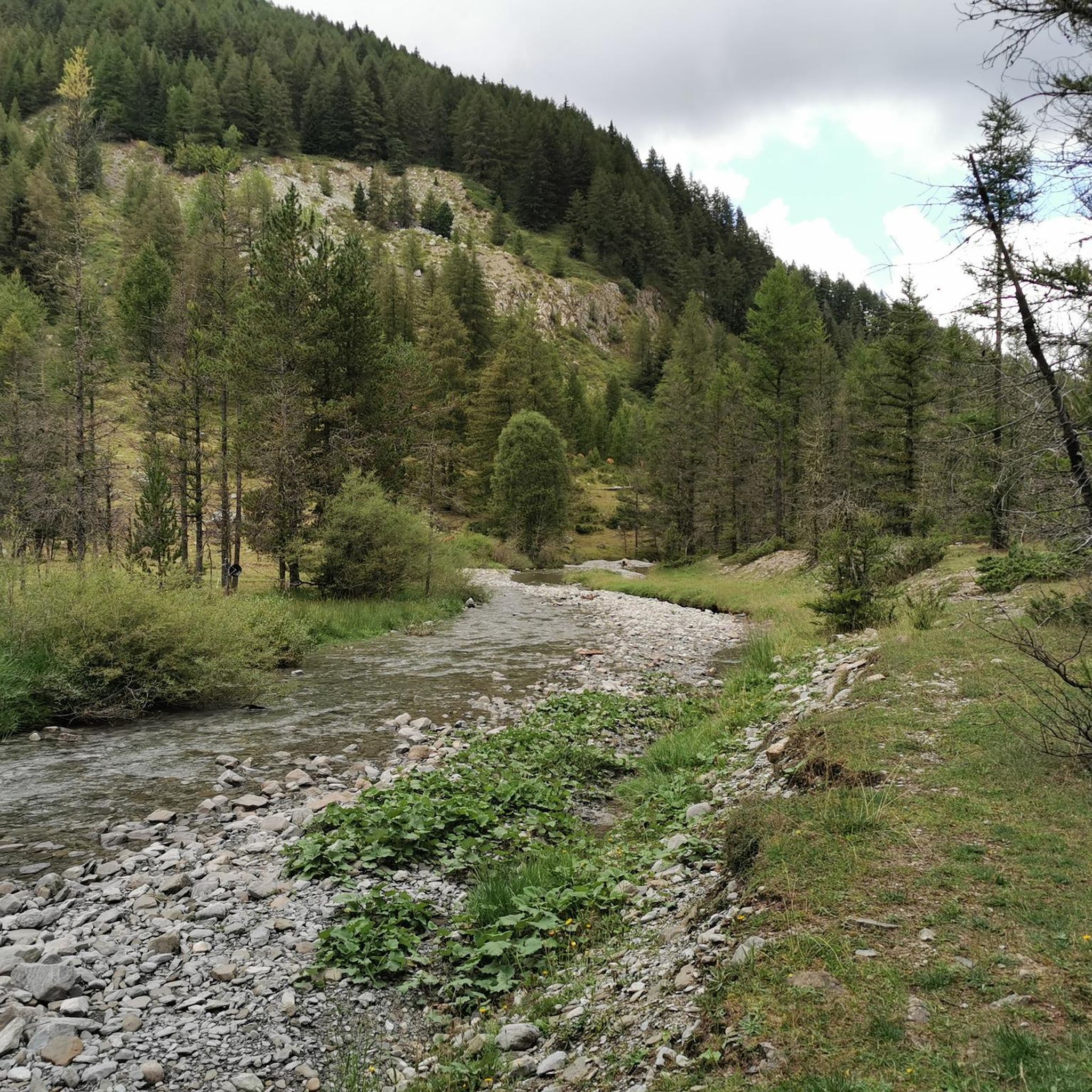
Road Cycling Routes in Réserve Biologique Dirigée De Laverq
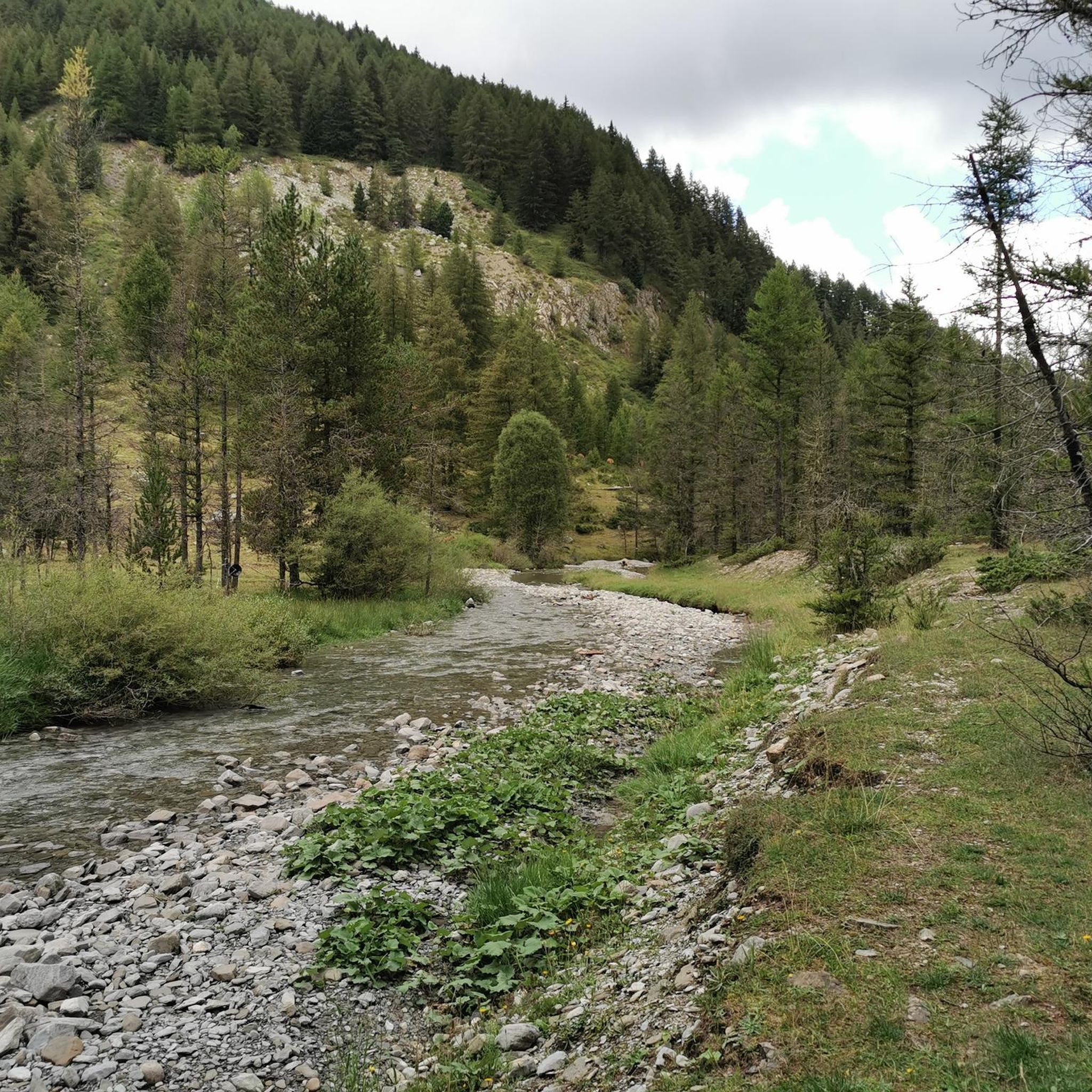
MTB Trails in Réserve Biologique Dirigée De Laverq
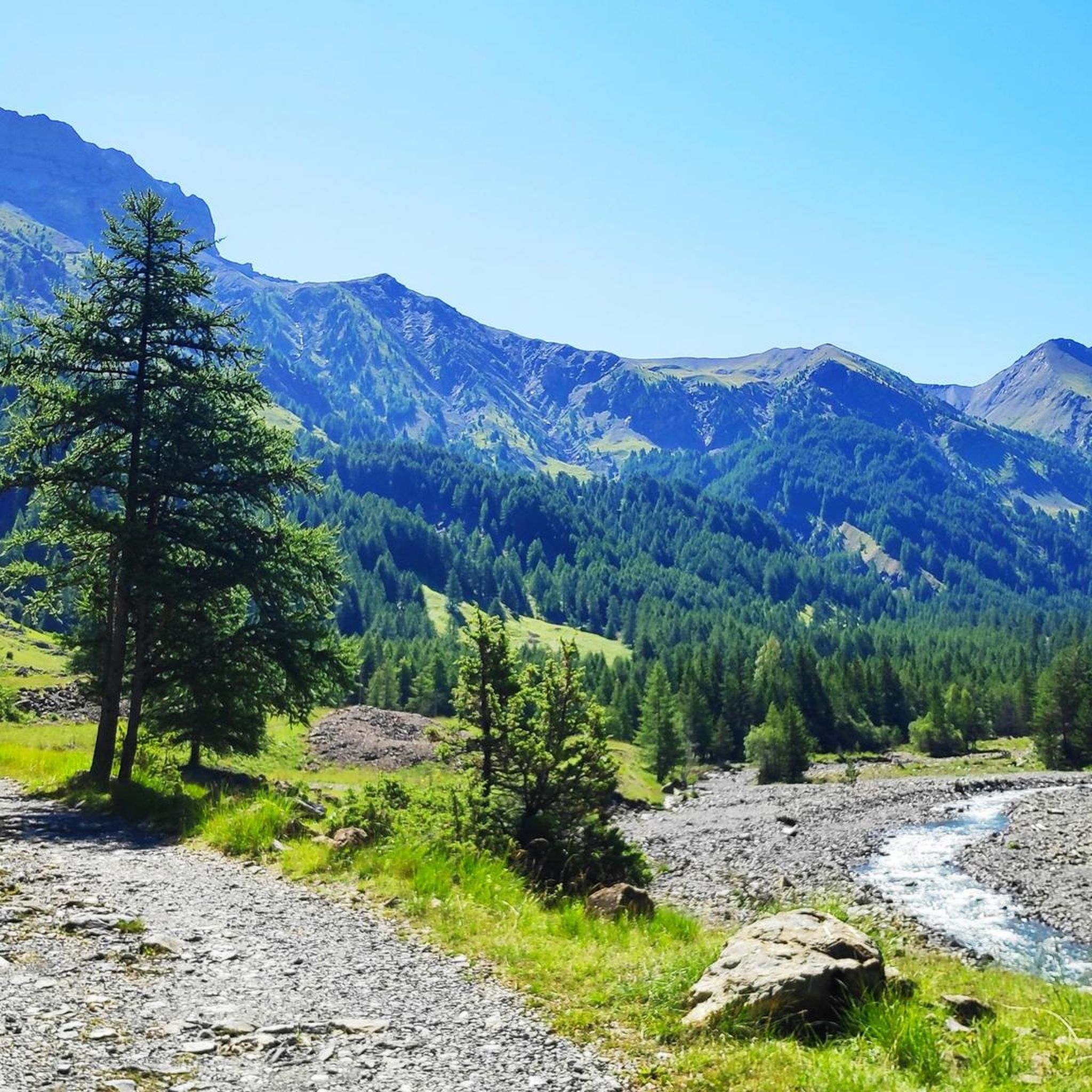
Running Trails in Réserve Biologique Dirigée De Laverq
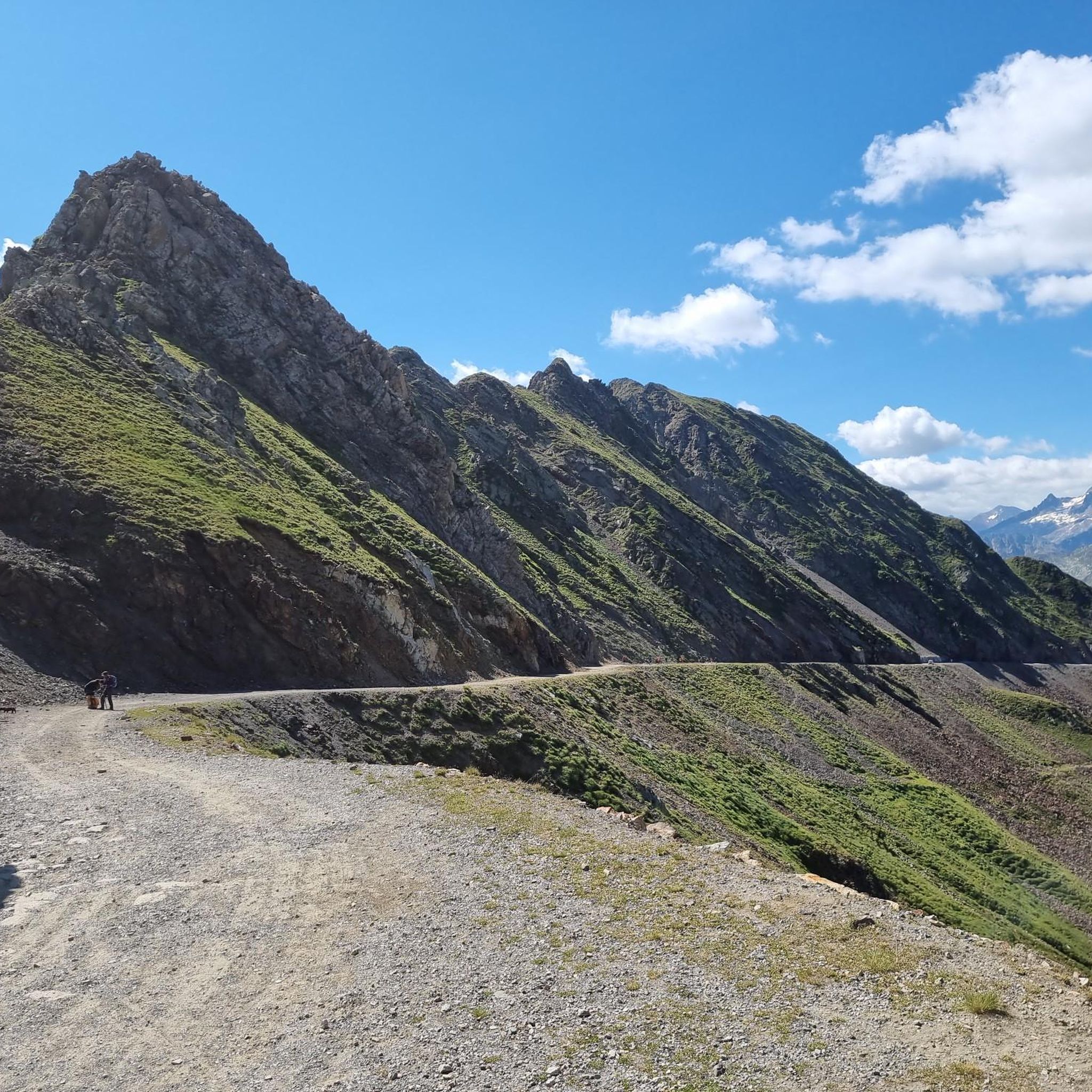
Cycling in Réserve Biologique Dirigée De Laverq
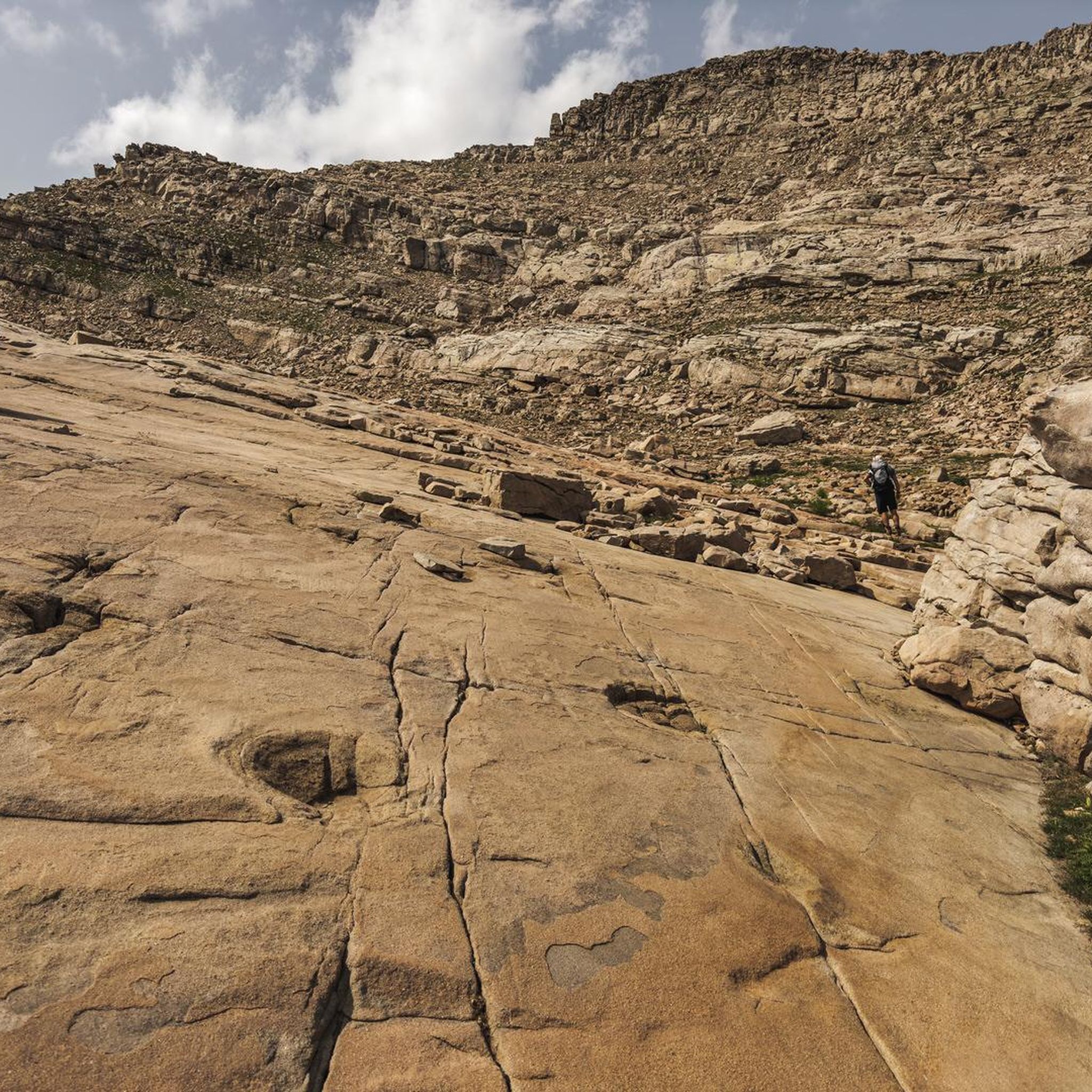
Mountain Hikes in Réserve Biologique Dirigée De Laverq
Tips from the Community

A place steeped in history, it was once a hamlet where men and sheep lived in symbiosis. In winter, the setting is splendid.
0
0


The Tête de l'Estrop culminates at 2962m. This climb is considered one, if not THE toughest in Val d'Allos
1
0

First built in 1724, it is a simple unguarded cabin with a stove, shelf and toilet. Great refuge in case of bad weather!
1
0
Located at 2575 meters, Tête de la Sestrière offers a beautiful panorama of the valleys below and the mountains that surround it. A magnificent hike from Laverq!
1
0

She deserves this hut, in Gravel! At the bottom of the Laverq valley, after a few rough bends, you reach a pretty meadow between the larches. Some panels explain the history of this valley and the reforestation work undertaken at the end of the 19th century.
0
0

This former pastoral hut dates from 1724 and was completely restored between 2017 and 2020 by the ONF, the association for the protection and development of Laverq and the municipality of Méolans-Revel. It is an unguarded hut which contains a stove, a shelf and a table. You will also find dry toilets there. It is a rustic place, but damn practical in case of bad weather in particular!
1
0
Frequently Asked Questions
What are the prominent natural features to explore in Réserve Biologique Dirigée De Laverq?
The reserve boasts several significant natural features. You can experience the breathtaking 360-degree panorama from Tête de la Sestrière, a summit at 2,575 meters. Another unique site is Les Eaux Tortes, an alpine marsh known for its meandering streams and vibrant colors. The vast Vallon du Laverq itself offers diverse landscapes, and the Glacier de la Blanche is notable as France's southernmost glacier.
Are there any historical sites or cultural landmarks in the Réserve Biologique Dirigée De Laverq?
Yes, the reserve has historical significance. The site of the former Abbaye du Laverq, though largely in ruins, dates back to 1145 and marks the starting point for many hikes. You can also find remnants like the Chapel of the Penitents of Laverq and the 17th-century Saint-Antoine church. Additionally, the Cabane de Plan-Bas, a restored pastoral hut from 1724, offers a glimpse into the region's past and provides shelter for hikers.
What kind of outdoor activities can I do near the attractions in Réserve Biologique Dirigée De Laverq?
Réserve Biologique Dirigée De Laverq is excellent for various outdoor activities, especially hiking and mountain biking. You can find numerous trails for different skill levels. For detailed routes, explore the Mountain Hikes in Réserve Biologique Dirigée De Laverq guide, or for cycling, check out the MTB Trails in Réserve Biologique Dirigée De Laverq guide.
What is the best time to visit Réserve Biologique Dirigée De Laverq for hiking?
The best time to visit for hiking is generally during the warmer months, from late spring to early autumn, when trails are clear of snow and weather conditions are more stable. This allows access to high-altitude areas like Tête de la Sestrière and Les Eaux Tortes. Always check local weather forecasts before heading out, especially for higher elevations.
Are there any family-friendly walks or activities in the reserve?
While many trails in the reserve can be challenging, there are options for families. The Vallon du Laverq offers diverse landscapes with trails that traverse woodlands and prairies, some of which are suitable for less strenuous walks. Exploring the area around the former Abbaye du Laverq can also be a gentle introduction to the region's history and nature.
What are the difficulty levels of hiking trails in Réserve Biologique Dirigée De Laverq?
Hiking trails in Réserve Biologique Dirigée De Laverq range from moderate to difficult, often involving significant elevation changes. For example, reaching summits like Tête de l'Estrop is considered one of the toughest climbs in Val d'Allos. However, there are also less demanding paths, particularly in the lower parts of the Vallon du Laverq. Always check route descriptions for specific difficulty ratings.
Is there any shelter available for hikers in the reserve?
Yes, the Cabane de Plan-Bas is a fully restored, unguarded pastoral hut that serves as a shelter for hikers. It's equipped with a stove, a shelf, a table, and dry toilets, making it a practical stop, especially in bad weather. There's also a Stone Hut on the Way to Puy de la Sèche, which can offer protection for two people.
What kind of views can I expect from the high points in the reserve?
From high points like Tête de la Sestrière, you can expect superb 360-degree panoramas. These views encompass the Laverq Valley, the Agneliers Valley, and surrounding summits such as Petite Séolane, Grande Séolane, Tête de l'Estrop, and the Trois Évêchés, offering extensive vistas of the Alpes-de-Haute-Provence region.
Are there opportunities for wildlife spotting in Réserve Biologique Dirigée De Laverq?
As a managed biological reserve, Réserve Biologique Dirigée De Laverq is dedicated to biodiversity conservation, making it a good place for wildlife observation. Hikers often report seeing marmots, and the diverse habitats, from alpine marshes like Les Eaux Tortes to high-altitude peaks, support a variety of flora and fauna. Keep an eye out for local birds and mammals during your visit.
What are some popular loop trails for hiking in the reserve?
The reserve offers several popular loop trails that allow you to experience its diverse landscapes. A notable example is the loop that includes Lac des Grenouilles, a scenic natural spot. For more detailed options, you can consult the Mountain Hikes in Réserve Biologique Dirigée De Laverq guide, which lists routes like the "Cabane de Plan-Bas loop from Parking Audemard".
Is there parking available for visitors to Réserve Biologique Dirigée De Laverq?
While specific parking details for every trailhead are not provided, access points to the reserve, such as the area around the former Abbaye du Laverq, typically have designated parking areas. For routes like the "Cabane de Plan-Bas loop," parking is often available at starting points like Parking Audemard. It's advisable to check local signage upon arrival.
Most popular routes in Réserve Biologique Dirigée De Laverq

Get inspired with the komoot mobile app


Explore more
Still not found the Highlight you’re looking for? See guides of the top attractions in other regions:
