Attractions and Places To See around Arnsdorf - Top 20
Best attractions and places to see around Arnsdorf, a municipality in Saxony, Germany, offer a blend of local historical sites and access to the natural beauty of the West Lusatia area. The region is characterized by green spaces, forests, and an extensive network of hiking and cycling paths. Arnsdorf serves as a convenient base for exploring nearby cultural centers like Dresden and historical cities in Upper Lusatia. The area provides diverse opportunities for outdoor activities and cultural exploration.
Best attractions…
Last updated: October 9, 2026
View of Pillnitz Palace
Highlight • Viewpoint
Translated by Google •
Tip by

View of the Blue Wonder (Loschwitzer Bridge)
Highlight • Bridge
Translated by Google •
Tip by

Sign up now to discover places like this
Get recommendations on the best single tracks, peaks, & plenty of other exciting outdoor places.
Liebethaler Grund
Highlight • Gorge
Showing Translation
Tip by

View of the Blue Wonder (Loschwitzer Bridge)
Highlight • Viewpoint
Translated by Google •
Tip by

Historic Hydroelectric Power Plant in the Lohmener Klamm
Highlight • Monument
Translated by Google •
Tip by

Sign up for free to discover even more attractions around Arnsdorf.
Already have an account?
Start today with a free account
Your next adventure awaits.
Popular around Arnsdorf
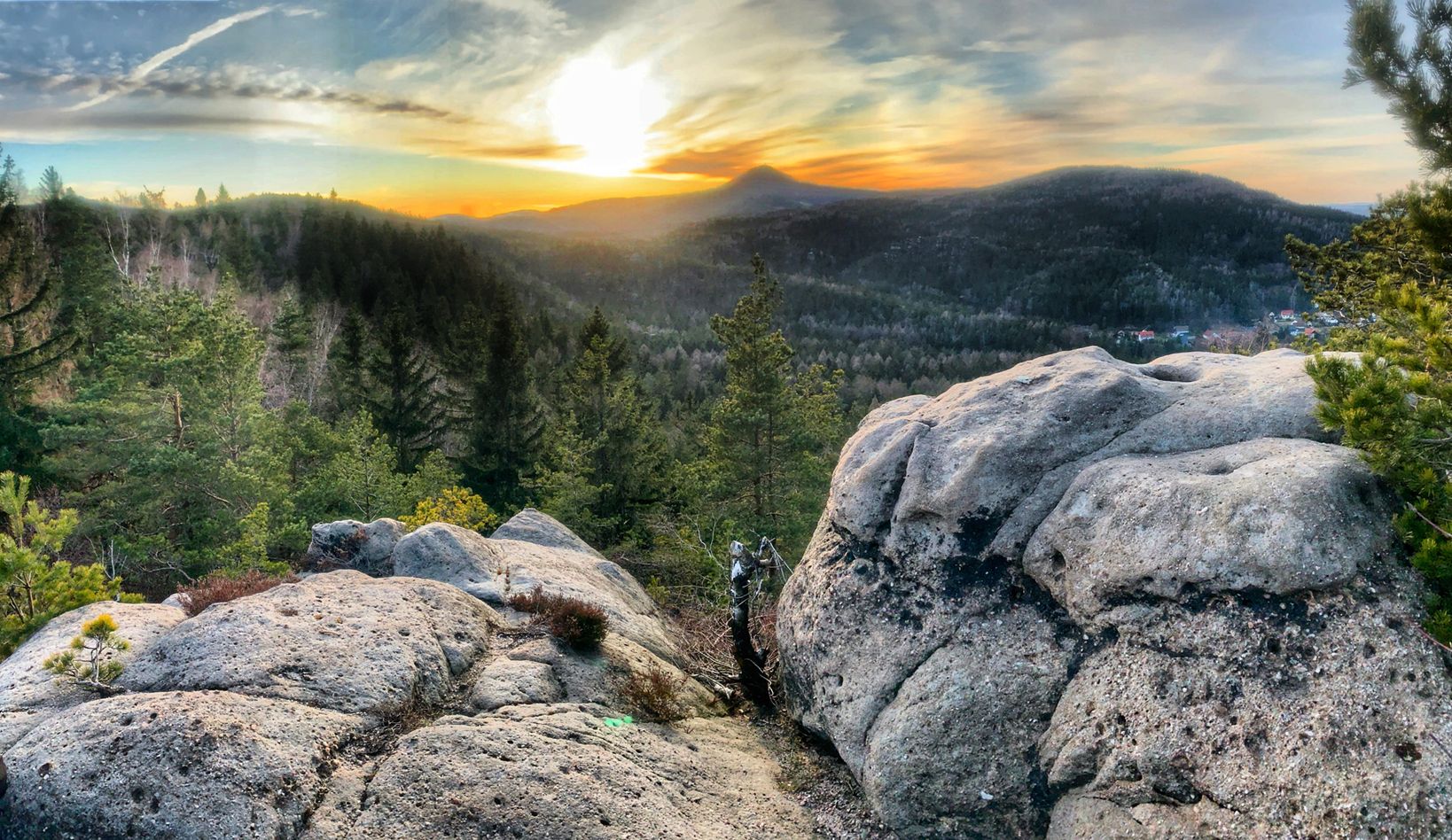
Mountains, heaths & lakes – hiking in Lusatia
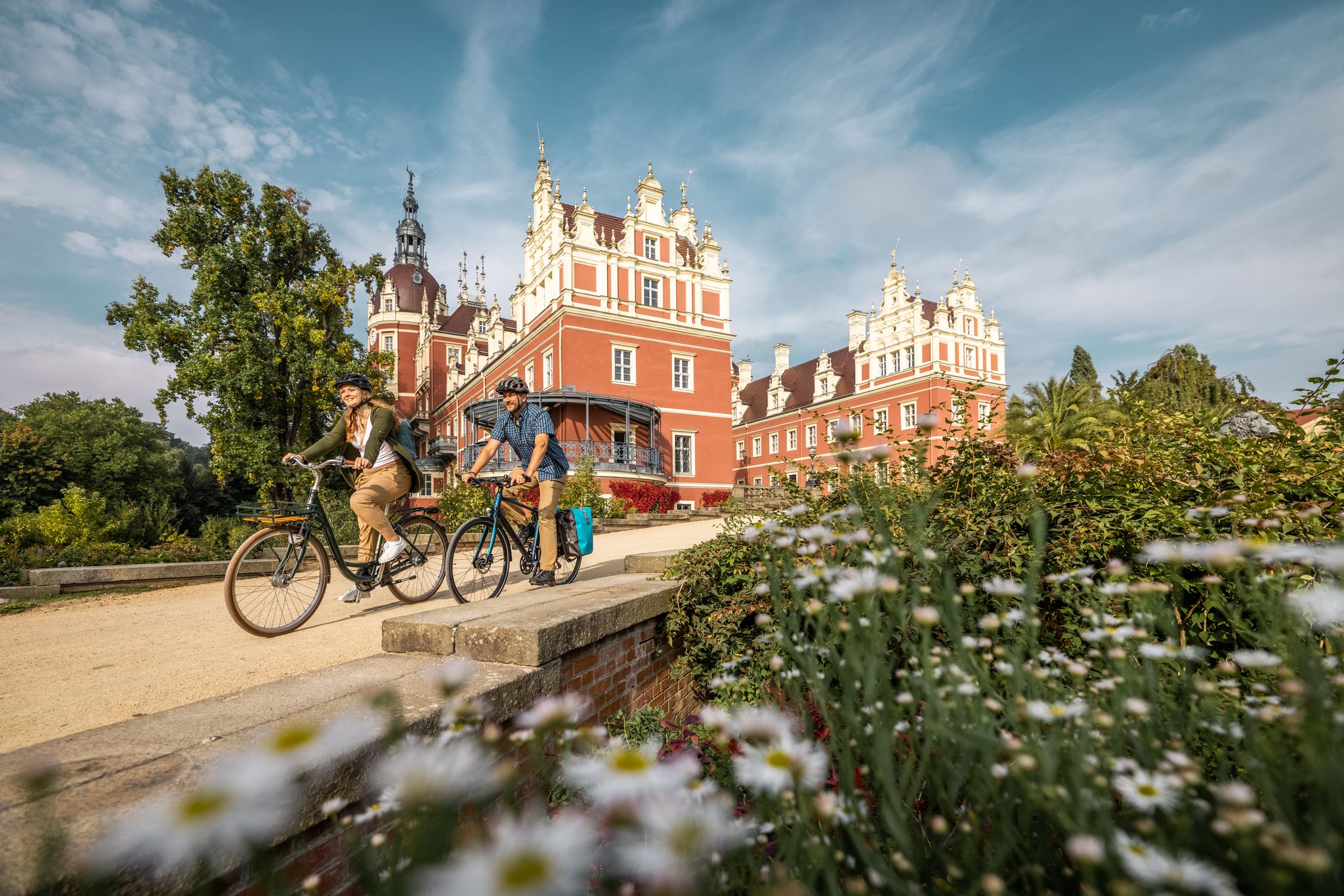
Oberlausitz Cycling Region – 18 superb routes in Upper Lusatia
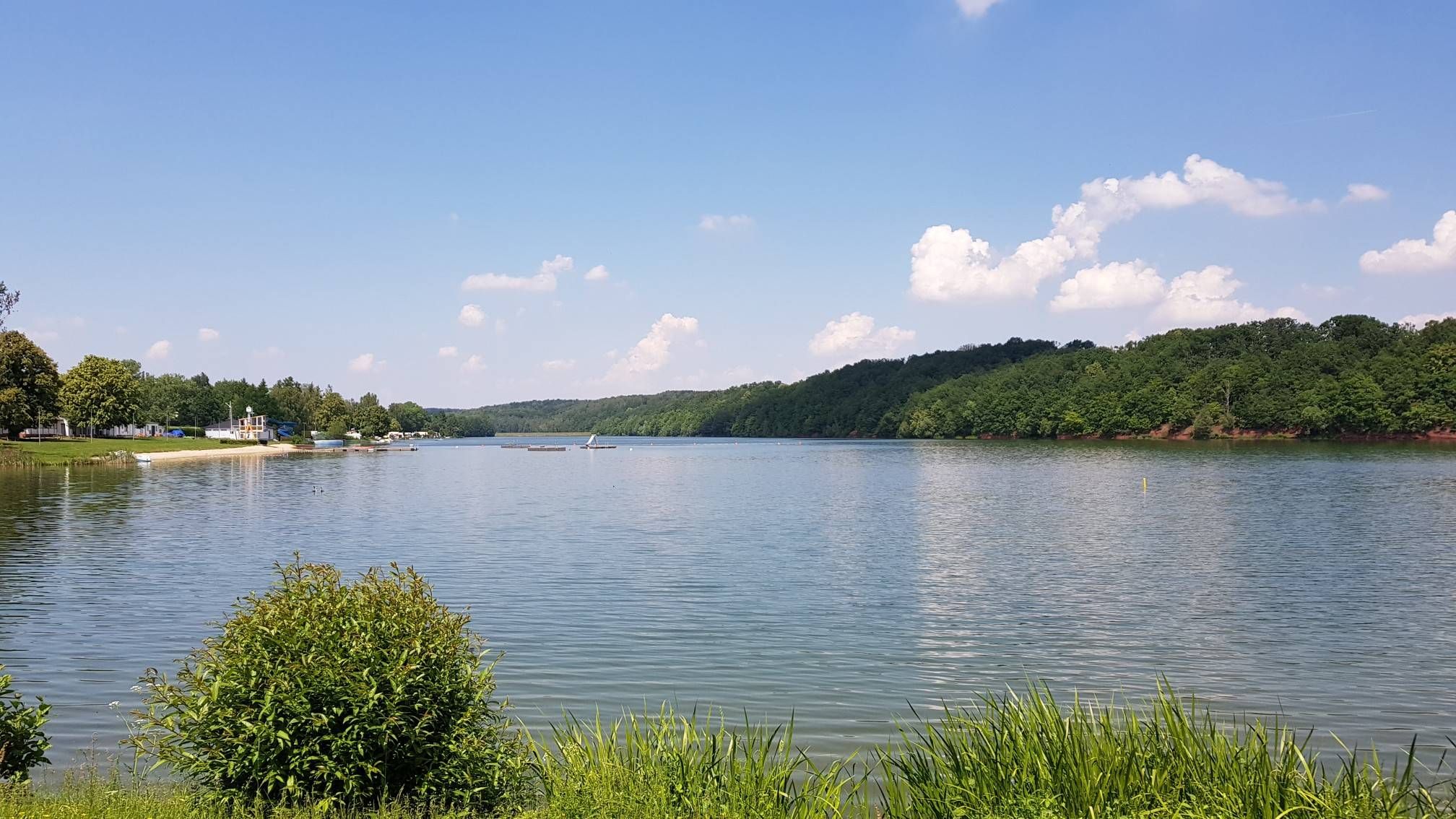
The best swimming lakes in Saxony
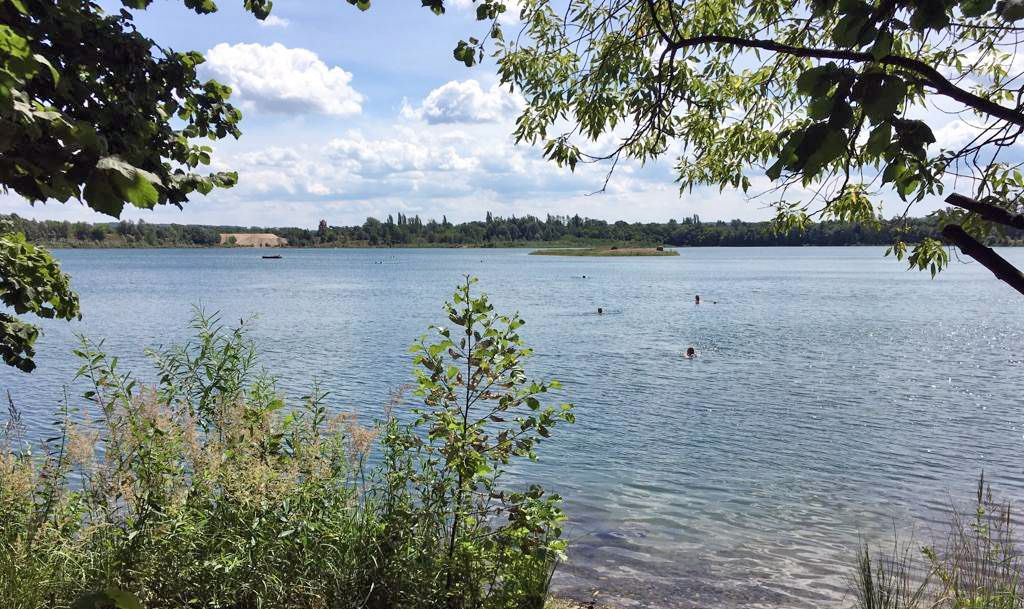
The most popular swimming spots around Dresden
Hiking around Arnsdorf
Cycling around Arnsdorf
Road Cycling Routes around Arnsdorf
Gravel biking around Arnsdorf
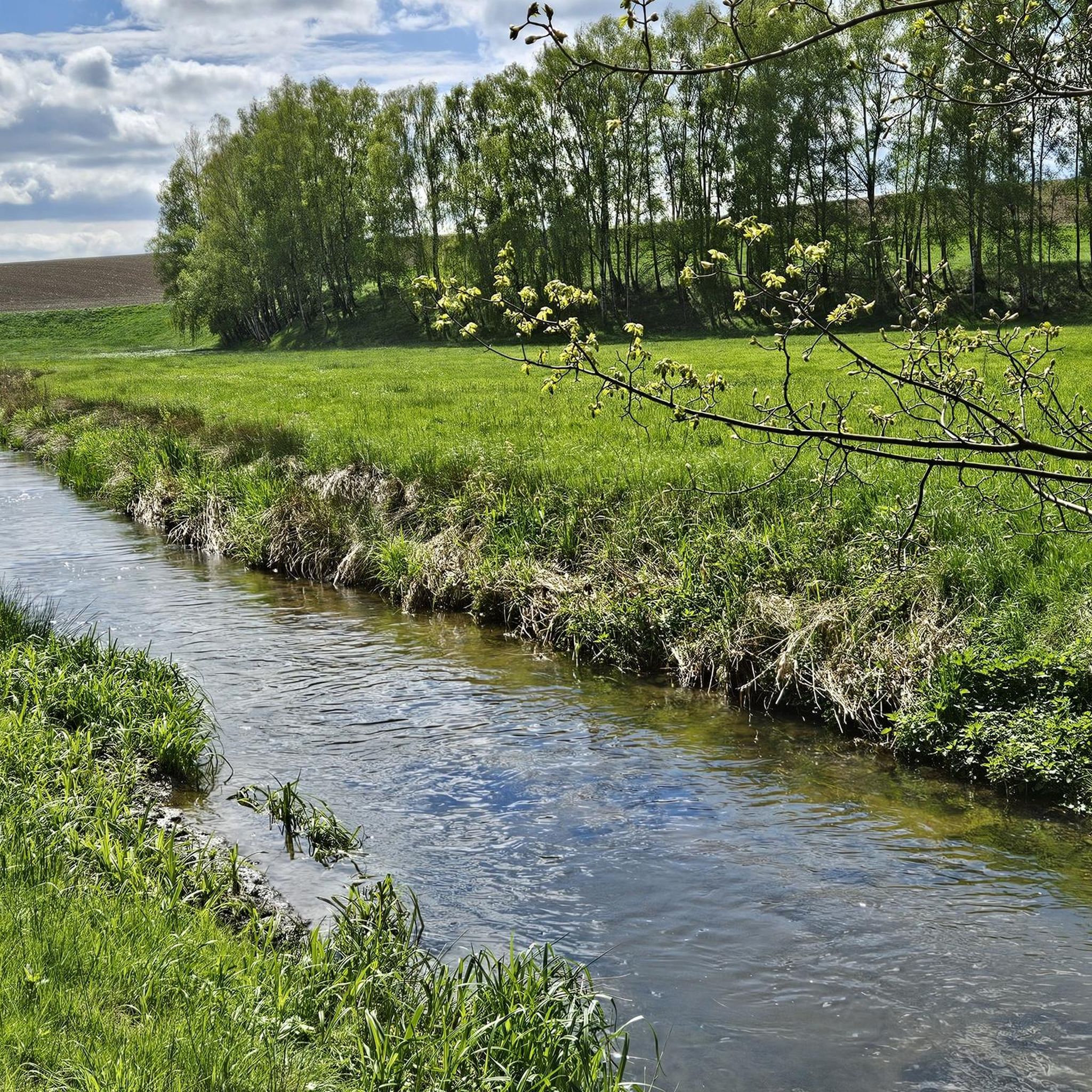
Running Trails around Arnsdorf
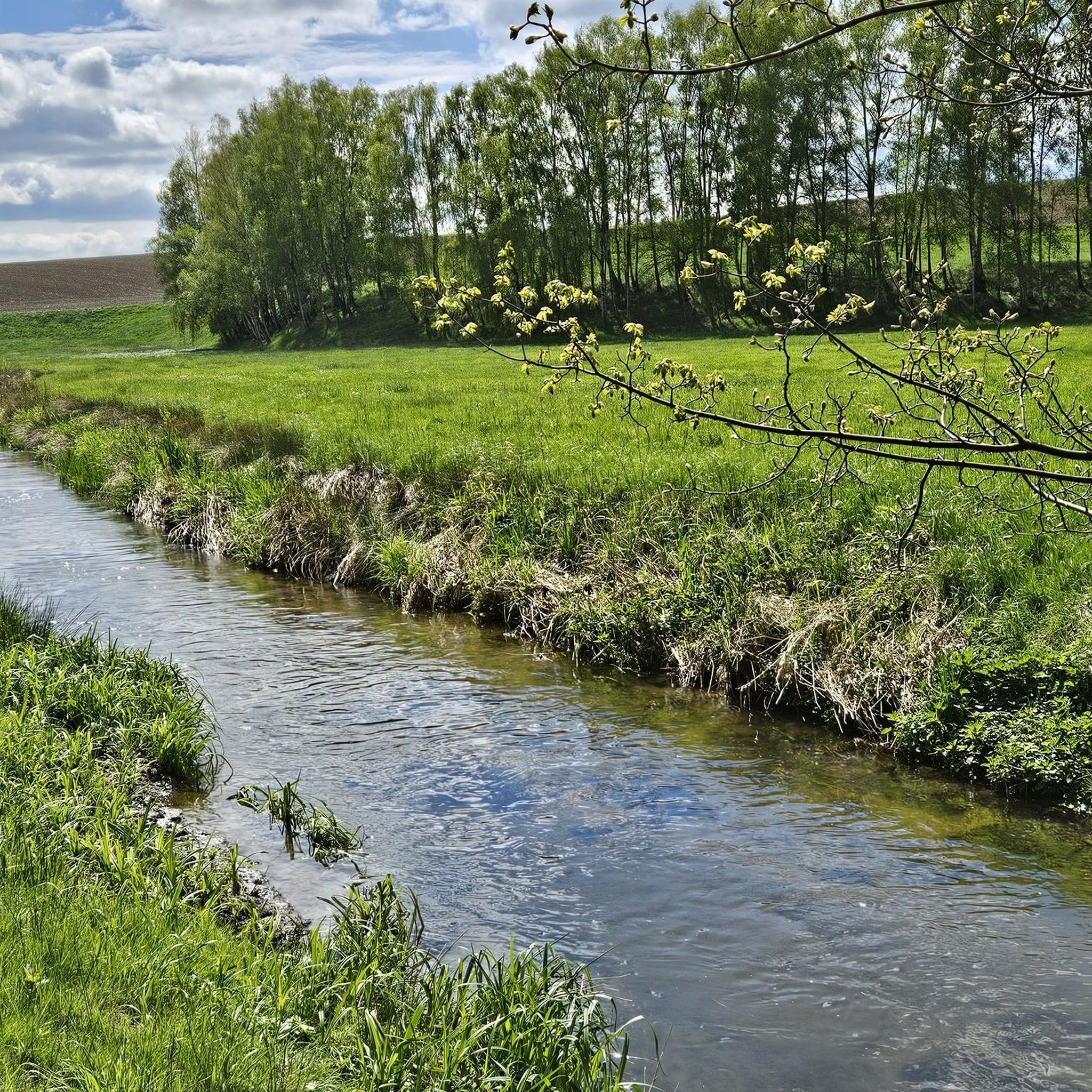
MTB Trails around Arnsdorf
Other adventures around Arnsdorf


Tips from the Community

The power plant is based on a weir system built in 1877, which initially powered neighboring machines in the Weber & Niezel wood grinding and cardboard factory via transmission. In 1910, a Francis turbine and electric generator with an installed capacity of 180 kW were commissioned to generate electrical energy. This was followed in 1932 by the addition of a second turbine with 80 kW. After the Second World War, the weir system was partially repaired in 1963. In 1969, the power plant was shut down due to uneconomical operation, and the facility was left to decay.
5
1
The power plant is based on a weir built in 1877, which initially used transmission to drive neighboring machines in the Weber & Niezel wood grinding and cardboard factory. In 1910, a Francis turbine and electric generator with an installed capacity of 180 kW were put into operation to generate electrical energy. This was followed in 1932 by the addition of a second turbine with 80 kW. After the Second World War, the weir was partially repaired in 1963. In 1969, the power plant was shut down due to uneconomical operation and the plant was left to decay. After reunification, it was restarted in 2000 with a Kaplan turbine. The head is 10.4 m and has an installed capacity of 215 kW with a flow rate of up to 2.6 m³/s.
5
1

Simply amazing and a very mystical place, take your time if you're nearby, a great tip.
22
2
An absolute insider tip in Saxon Switzerland. We were deeply moved by the mysticism of the valley and the river.
15
2

Great bridge, right on the Elbe cycle path. Not far away there is a very nice place to stop for a break from where you can admire the bridge in detail.
3
1

The Wesenitz flows here in the valley: The Wesenitz rises in the Hohwald, part of the Lusatian Mountains, at a height of 515 m on the Valtenberg from the mouth of the Valentin Erbstollen, an old mine. It flows through Neukirch, Bischofswerda, close to Stolpen and passes the Lusatian Fault at the so-called Teufelskanzel near Dürrröhrsdorf, where it enters the Elbe Sandstone. Here it flows through the Liebethaler Grund. In the Pirna district of Pratzschwitz it flows into the Elbe. The preglacial Wesenitz may have flowed eastwards in Oberneukirch through the Wilthen valley basin into the Spree; moraines and masses of gravel at the northern foot of the Dahrener Berg therefore ensured its current course to the west. With a length of 83.6 kilometers, the Wesenitz is one of the longer right tributaries of the Elbe. Source: https://de.wikipedia.org/wiki/Wesenitz
13
4

Locals will be happy to tell the story behind the name.
3
1

The view from the "Loschwitz Bridge", also known as the "Blue Wonder", on both sides is particularly beautiful. The "Blue Wonder" is to be given its blue color again, as it was in historical times. Illuminated by the sun, however, the bridge still lives up to its name and shines in a magical blue.
4
0
Frequently Asked Questions
What natural attractions can I explore around Arnsdorf?
Arnsdorf is surrounded by green spaces and forests, offering many opportunities for nature lovers. A key natural highlight is Liebethaler Grund, a wildly romantic gorge that marks the beginning of the Malerweg, featuring an old waterworks and the Richard Wagner monument. Another impressive spot is the Historic Hydroelectric Power Plant in the Lohmener Klamm, a mystical place with an imposing viaduct in Saxon Switzerland.
Are there historical sites or cultural landmarks within Arnsdorf itself?
Yes, Arnsdorf has several notable historical and architectural landmarks. These include the historic Anstaltskirche Arnsdorf (church of the historic Saxon Hospital) and the Dorfkirche Arnsdorf (village church). The Administrative Building of the Historic Saxon (Royal) Hospital is also a significant historical structure in the municipality.
What kind of outdoor activities can I do near Arnsdorf?
The region around Arnsdorf is excellent for outdoor activities, particularly hiking and cycling. The West Lusatia area boasts an extensive network of around 400 km of marked trails. You can find numerous cycling routes, road cycling routes, and gravel biking trails catering to various difficulty levels, from easy to difficult.
Are there any family-friendly attractions or activities near Arnsdorf?
Many attractions around Arnsdorf are suitable for families. The Liebethaler Grund offers a relaxed walk through a romantic gorge. The Elbe Cycle Path Dresden is also a great option for families, offering a scenic and mostly flat route along the river. Exploring the parks and green spaces in the vicinity provides ample opportunity for family outings.
What are some notable viewpoints in the Arnsdorf area?
For impressive vistas, consider the View of Pillnitz Palace, which offers a stunning perspective of the colorful castle from the opposite bank of the Elbe, especially beautiful in the late afternoon. Another iconic view is of the Blue Wonder (Loschwitzer Bridge) in Dresden, a distinctive cantilever bridge and a masterpiece of engineering.
What is the best time of year to visit Arnsdorf for outdoor activities?
The West Lusatia region, including Arnsdorf, is ideal for outdoor activities during spring, summer, and early autumn. These seasons offer pleasant weather for hiking, cycling, and exploring the natural landscapes and historical sites. The green spaces and forests are particularly vibrant during these months.
Are there dog-friendly trails around Arnsdorf?
Yes, many of the trails and natural areas around Arnsdorf are dog-friendly. The extensive network of hiking and cycling paths in West Lusatia, including local green spaces and forests, welcomes well-behaved dogs on a leash. The Blue Wonder (Loschwitzer Bridge) area is also noted as dog-friendly.
How can I get to attractions near Arnsdorf using public transport?
Arnsdorf is connected by rail, with the Arnsdorf bei Dresden Railway Station serving as a transport hub. From here, you can access regional trains to larger cities like Dresden and Bautzen, which then offer connections to various attractions. For specific local attractions, checking regional bus schedules is recommended.
What are some historical castles or palaces I can visit near Arnsdorf?
Beyond Arnsdorf, the region boasts several significant historical structures. Pillnitz Palace, located on the Elbe, is a must-see. Further afield, you can visit Burg Stolpen, an historic castle approximately 8.3 km away, or the impressive Rammenau Baroque Palace.
Where can I find cafes or restaurants in Arnsdorf?
Arnsdorf offers local cafes and restaurants where you can enjoy a meal or a coffee break. For a wider selection, the nearby cities of Radeberg and Dresden provide numerous dining options, from traditional German cuisine to international fare.
What do visitors enjoy most about the attractions around Arnsdorf?
Visitors frequently praise the wild romanticism of places like Liebethaler Grund and the mystical atmosphere of the Historic Hydroelectric Power Plant in the Lohmener Klamm. The scenic views, especially of Pillnitz Palace, and the well-maintained cycling paths like the Elbe Cycle Path are also highly appreciated for their beauty and accessibility.
Are there any unique cultural experiences near Arnsdorf?
Beyond Arnsdorf, you can explore the 'Bierstadt' (Beer City) of Radeberg or the 'Pfefferkuchenstadt' (Gingerbread City) of Pulsnitz for unique local cultural experiences. The larger cities of Dresden and Meissen also offer rich cultural attractions, including museums, historical architecture, and the famous Meissen porcelain.
Most popular routes around Arnsdorf
Most popular attractions around Arnsdorf

Get inspired with the komoot mobile app


Explore more
Still not found the Highlight you’re looking for? See guides of the top attractions in other regions:
