The best walks and hikes in Réserve Départementale De La Dombes
4.1
(128)
947
hikers
48
hikes
Hiking in Réserve Départementale De La Dombes offers trails through a landscape characterized by numerous ponds, expansive meadows, and dense woodlands. This region, often referred to as the "land of a thousand ponds," features a mosaic of natural habitats. The terrain is generally flat, with minimal elevation changes, making it suitable for easy hikes and walks. The area is recognized for its ecological importance, particularly as a sanctuary for diverse bird species.
Best hiking trails in Réserve Départementale De La…
Last updated: July 16, 2026
3
hikers
13.6km
03:27
30m
30m
Moderate hike. Good fitness required. Easily-accessible paths. Suitable for all skill levels.
9
hikers
12.0km
03:02
20m
20m
Moderate hike. Good fitness required. Easily-accessible paths. Suitable for all skill levels.

Sign up for free
5.0
(1)
8
hikers
4.63km
01:10
10m
10m
Easy hike. Great for any fitness level. Easily-accessible paths. Suitable for all skill levels.
5.0
(1)
3
hikers
10.6km
02:43
30m
30m
Moderate hike. Good fitness required. Easily-accessible paths. Suitable for all skill levels.
4.1
(15)
88
hikers
7.38km
01:52
10m
10m
Hike the easy 4.6-mile Bozonnières Ponds Circuit in Dombes, enjoying paved paths, birdlife, and the Château de Bouligneux.
Get access to more routes and recommendations from other explorers.
Sign up for free
Already have an account?
Our route recommendations are based on thousands of hikes, rides, and runs completed by other people on komoot.
Start today with a free account
Your next adventure awaits.
Login or Signup
Popular around Réserve Départementale De La Dombes

Tips from the Community

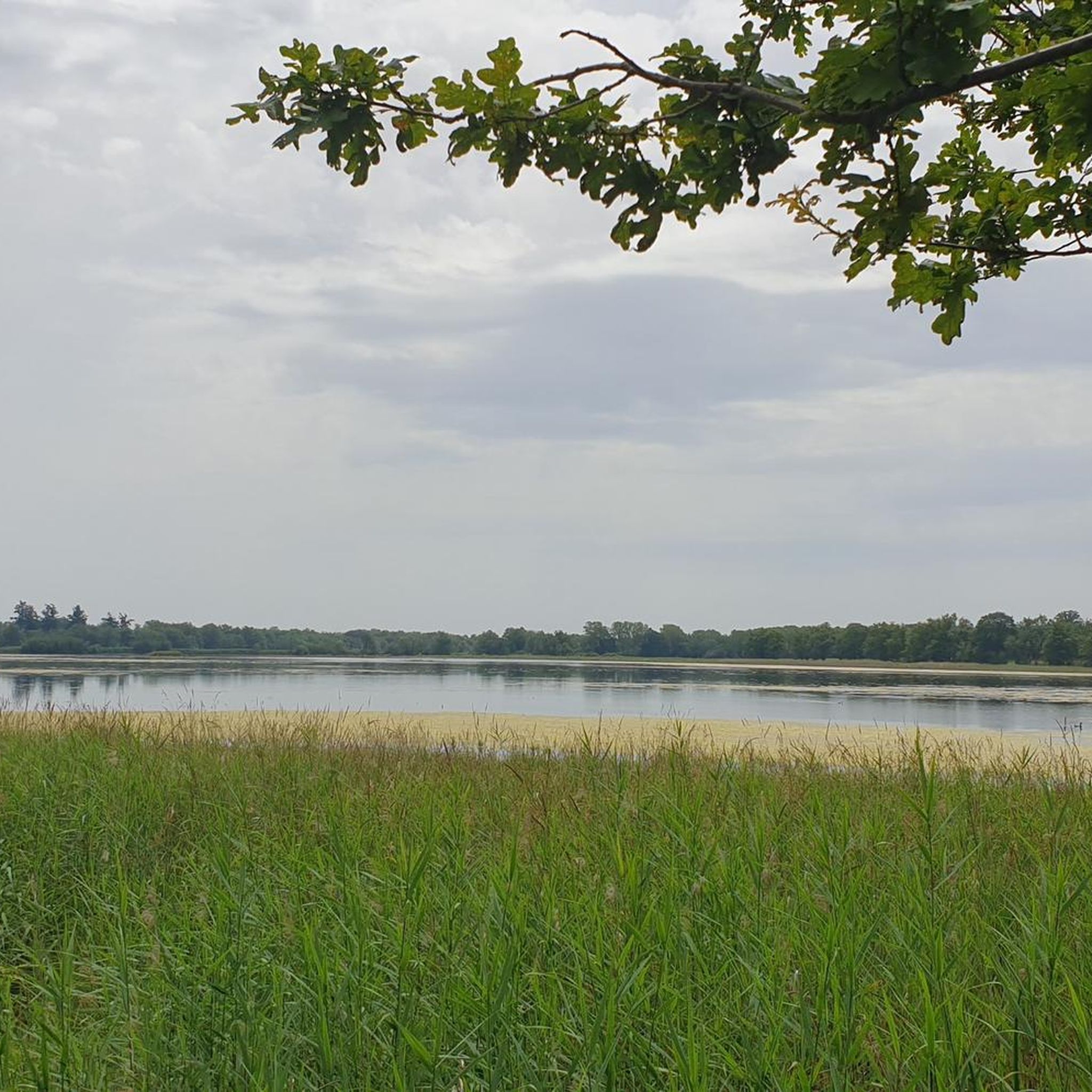
Dombes, a land of a thousand ponds, is a vast freshwater fish-farming area. This land of ancestral traditions, particularly pond fishing, is home to exceptional flora and fauna in a pristine natural setting.
0
0

beautiful place in the heart of nature which will soon be accessible to visitors after work following the purchase by the community of communes
0
0

Plantay Tower (not open to visitors), remains of the castle burned down in 1460 by the troops of the Duke of Bourbon
1
0

Fortified house dating from the 14th century. Curious beveled shape of the cylindrical tower, topped during the Revolution.
0
0

The Château du Plantay is an old fortified castle which stands in the town of Plantay and whose tower is the vestige. This castle was founded around 1305 by the knight Hugues du Plantay, center of the seigniory of Plantay The tower and the annex building are listed as historical monuments by order of January 29, 19911. This medieval tower of Plantay is located on the edge of the pond of Grand Châtel. It is a large cylindrical keep 20 m high, built of brick with frames and machicolations in limestone, with its annex building, they are the remains of a 14th century castle.
1
0

Bouligneux castle is a typical example of fortified houses built in the Dombes and Bugey regions in the 14th century. During the revolution it was almost demolished, but the local municipality saved it and used it as a farm. The fortified tower was a compromise, however, and it was reduced by one storey, hence the displaced shape of the tower's roof.
2
0
The 14th century fortress, remodeled at the beginning of the 17th century and whose towers, feudal symbols, were trimmed during the Revolution is a fine example of a fortified house in Dombes. The castle built by Girard de La Palud remained in the family for four centuries: set on a cliff, four towers and a round keep connected by curtain walls, all in Savoyard squares, characteristic of military or private construction. in Bresse. If it survived the Revolution, it was because the commune then turned it into a grain store.
0
0

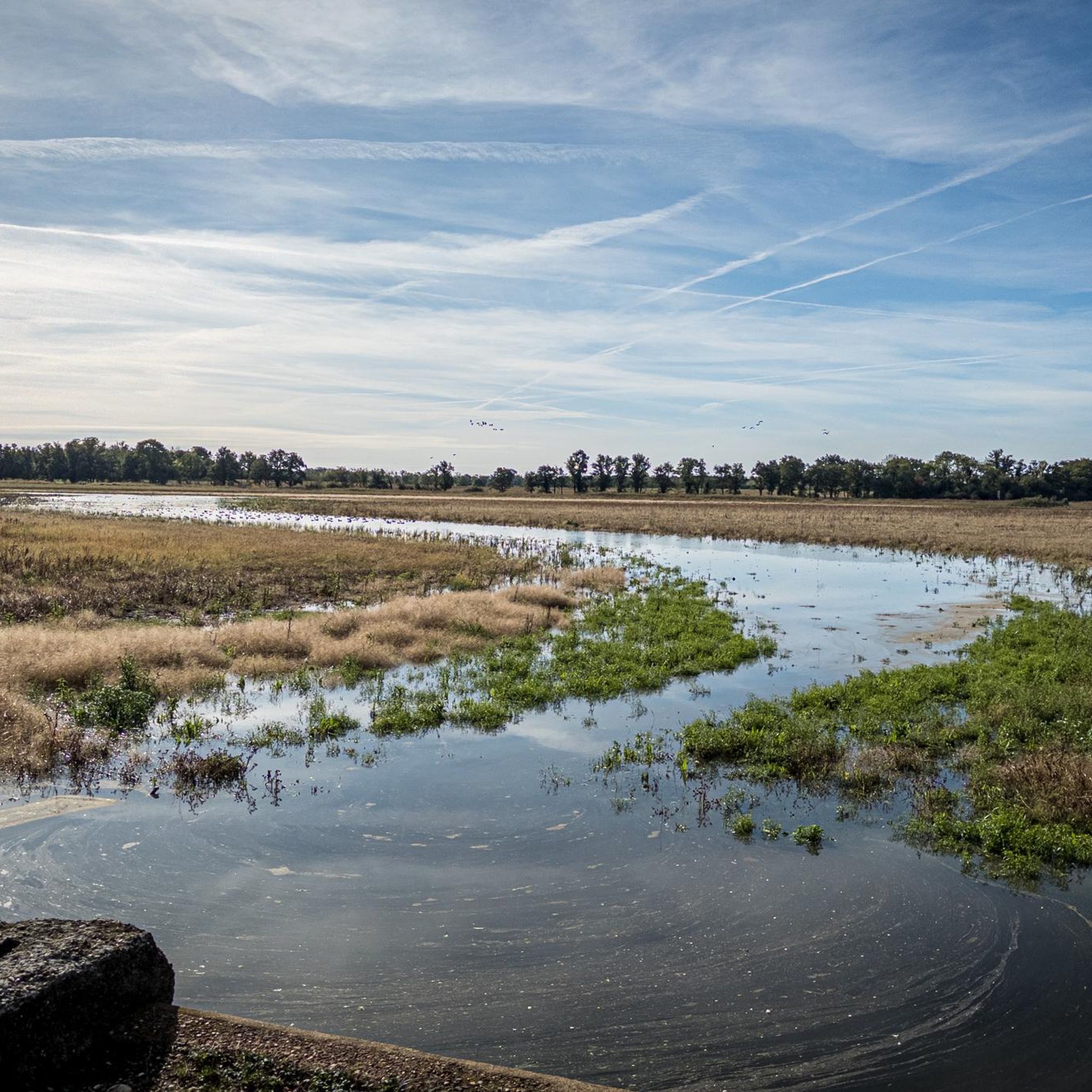
Here you can watch the birds brooding from the observation platform or when they are passing through. At the same time, this and the surrounding lakes also serve as a source of food for the numerous waterfowl of the Vogelparadies.
5
1
Frequently Asked Questions
How many hiking trails are available in the broader Dombes region?
While direct access to the Réserve Départementale De La Dombes is restricted, the wider Dombes region offers a rich network of trails. There are over 45 hiking routes available, with 21 classified as easy and 24 as moderate, providing options for various skill levels.
What is the best time of year to go hiking in the Dombes region?
The Dombes region, with its numerous ponds, is particularly beautiful during spring and autumn when birdlife is abundant and the landscapes are vibrant. However, be mindful of mosquitoes, which can be more prevalent during warmer, wetter months. Winter hiking is also possible, offering a different, tranquil perspective of the frozen ponds and woodlands.
Are there any family-friendly hiking options in the Dombes region?
Yes, the Dombes region is known for its generally flat terrain and minimal elevation changes, making it ideal for families. Many trails are considered easy, such as The Dombes loop from Dombes, which is an easy 4.6 km route. These paths often wind through meadows and past ponds, offering pleasant walks for all ages.
Can I bring my dog on the hiking trails in the Dombes region?
While the Réserve Départementale De La Dombes itself has strict rules to protect its sensitive wildlife, many trails in the surrounding Dombes region are generally dog-friendly. However, it's always recommended to keep dogs on a leash, especially near ponds and bird habitats, to avoid disturbing wildlife and to respect local regulations.
What kind of wildlife can I expect to see while hiking?
The Dombes region is a significant ecological area, especially for birds. Hikers can often spot a wide array of species, including various anatidae, grebes, egrets, and storks, particularly around the numerous ponds. Beyond birds, the area is home to newt species and various insects, including rare butterflies. Observatories, like the one at Turlet Pond, offer excellent viewing opportunities.
Are there any circular hiking routes available?
Yes, many of the trails in the Dombes region are designed as circular routes, allowing you to start and end at the same point. An example is the Grand Birieux Pond loop from Birieux, a moderate 10.6 km trail that takes you around the characteristic pond landscape.
What are the access rules for the Réserve Départementale De La Dombes?
Direct public access to the Réserve Départementale De La Dombes itself is limited to protect its sensitive ecosystems. Unsupervised visits are generally not permitted. However, you can experience its beauty through accessible observatories, such as the one at Turlet Pond, or by joining organized and supervised visits occasionally arranged by the Department of Ain and partners like the Parc des Oiseaux. The wider Dombes region, however, offers numerous public hiking trails.
Are there specific viewpoints or landmarks to look out for on the trails?
The primary landmarks in the Dombes region are its characteristic ponds and the rich birdlife they support. The observatory at Turlet Pond, located near the Parc des Oiseaux, offers a global viewpoint over the pond and its bird inhabitants. Many trails in the wider region lead to other bird observatories, allowing hikers to connect with nature and enjoy tranquil scenery.
What do other hikers enjoy most about hiking in the Dombes region?
The hiking experiences in the Dombes region are highly rated by the komoot community, with an average score of 4.0 stars from over 90 reviews. Hikers often praise the tranquil atmosphere, the unique 'land of a thousand ponds' landscape, and the opportunities for birdwatching and nature observation on the well-maintained, generally easy to moderate paths.
Is parking available near the hiking trailheads?
Yes, many trailheads in the Dombes region, particularly in and around villages like Villars-les-Dombes, offer designated parking areas. Since the trails are often designed for local exploration, accessibility by car is generally good, allowing hikers to easily reach starting points for routes like Hiking loop from Bel-Air.
How can I get to the Dombes region using public transport?
While specific public transport options directly to every trailhead may vary, the Dombes region is generally accessible. Villars-les-Dombes, a central point for many hikes, has a train station, making it possible to reach the area by rail. From there, local bus services or short taxi rides might connect you to various starting points. It's advisable to check local transport schedules in advance.
Most popular routes in Réserve Départementale De La Dombes

Get inspired with the komoot mobile app


Explore more
Browse the best Hikes in other regions.
