Parc National De Forêts (Aire Optimum D'Adhésion)
Parc National De Forêts (Aire Optimum D'Adhésion)
Top 5 Castles in Parc National De Forêts (Aire Optimum D'Adhésion)
Castles in Parc National De Forêts (Aire Optimum D'Adhésion) offer insights into the region's history and culture. This area is situated strategically between Champagne and Burgundy, characterized by lush greenery and preserved valleys. The Parc National de Forêts (Aire Optimum D'Adhésion) provides a setting for exploring historical sites that span centuries of architectural development. Visitors can discover a blend of medieval ruins and restored châteaux within this natural landscape.
Best castles in Parc National De Forêts (Aire Optimum D'Adhésion)
- The…
Last updated: May 8, 2026
Castle of the Dukes of Burgundy (ruins)
Highlight • Castle
Translated by Google •
Tip by

Grancey-le-Château Castle
Highlight • Castle
Translated by Google •
Tip by

Sign up now to discover places like this
Get recommendations on the best single tracks, peaks, & plenty of other exciting outdoor places.
Sign up for free
Rochefort-sur-Brévon
Highlight • Castle
Translated by Google •
Tip by

Rocheprise Castle
Highlight • Castle
Tip by

Château de Montigny
Highlight • Castle
Tip by

Start today with a free account
Your next adventure awaits.
Login or Signup
Popular around Parc National De Forêts (Aire Optimum D'Adhésion)
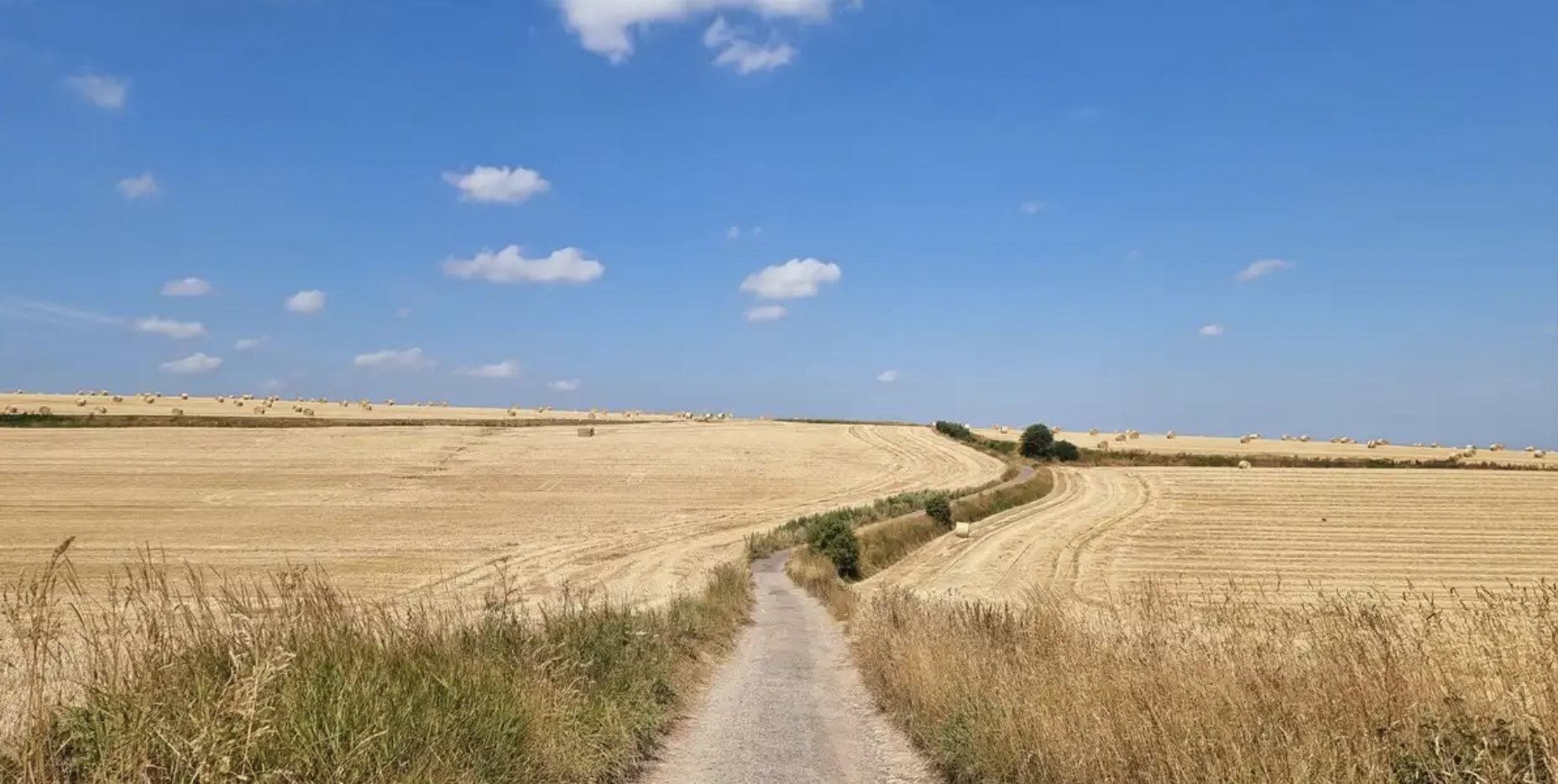
In the footsteps of History — GR 145, the Via Francigena
Seine River Trail — A cycling adventure from Dijon to Le Havre
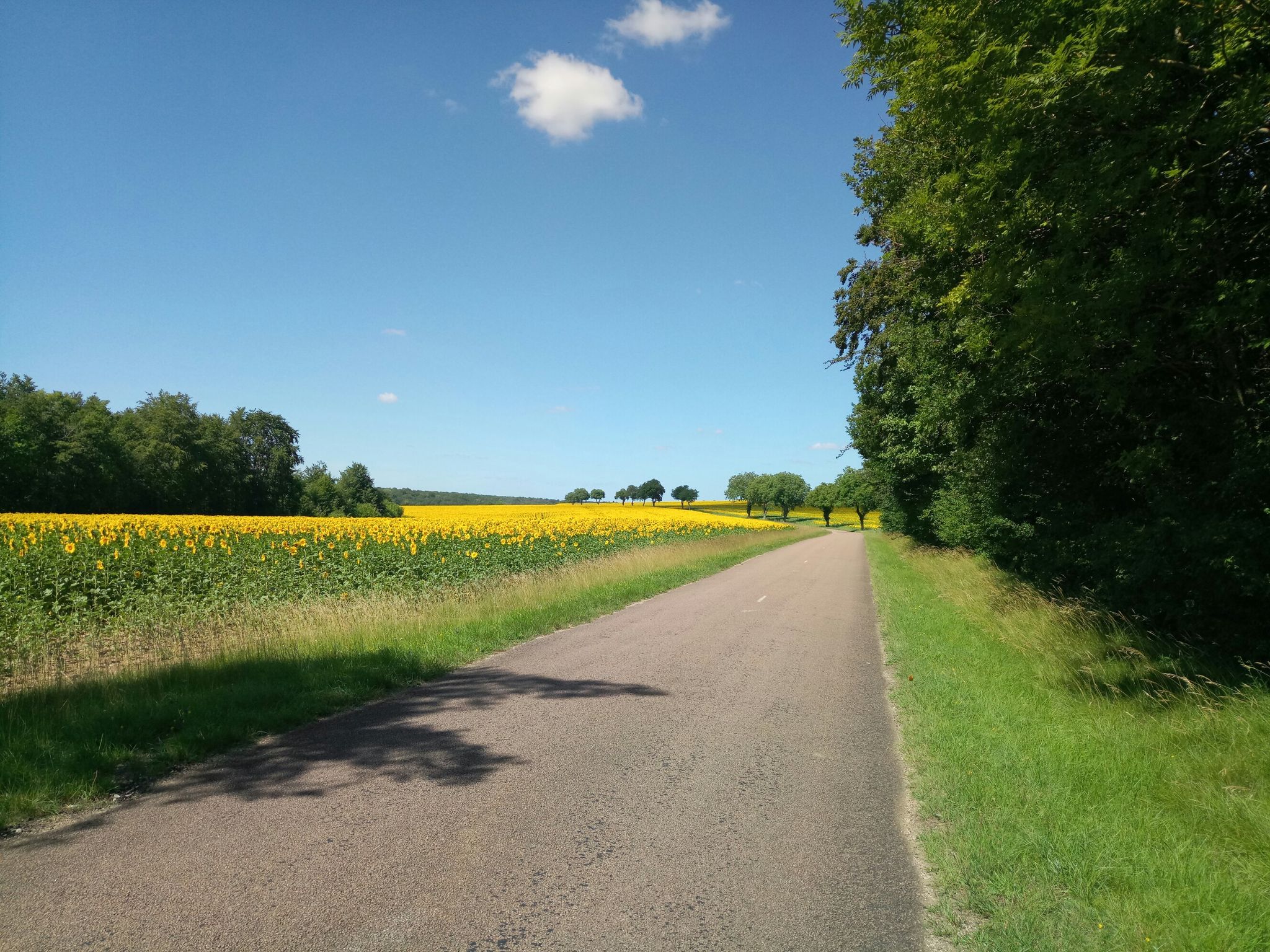
From Haute-Marne to Haute-Saône – discover France’s Forêts National Park
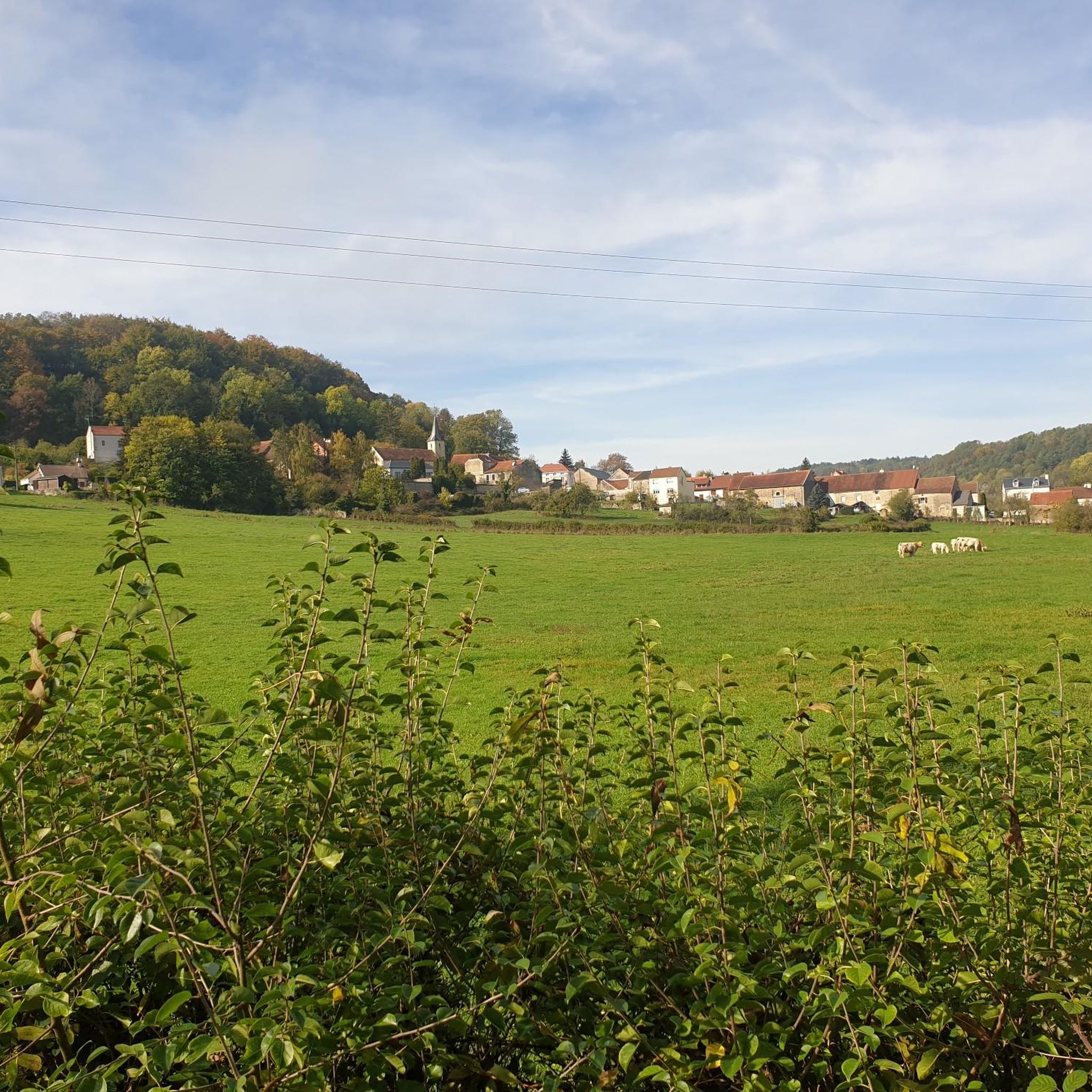
Hiking in Parc National De Forêts (Aire Optimum D'Adhésion)
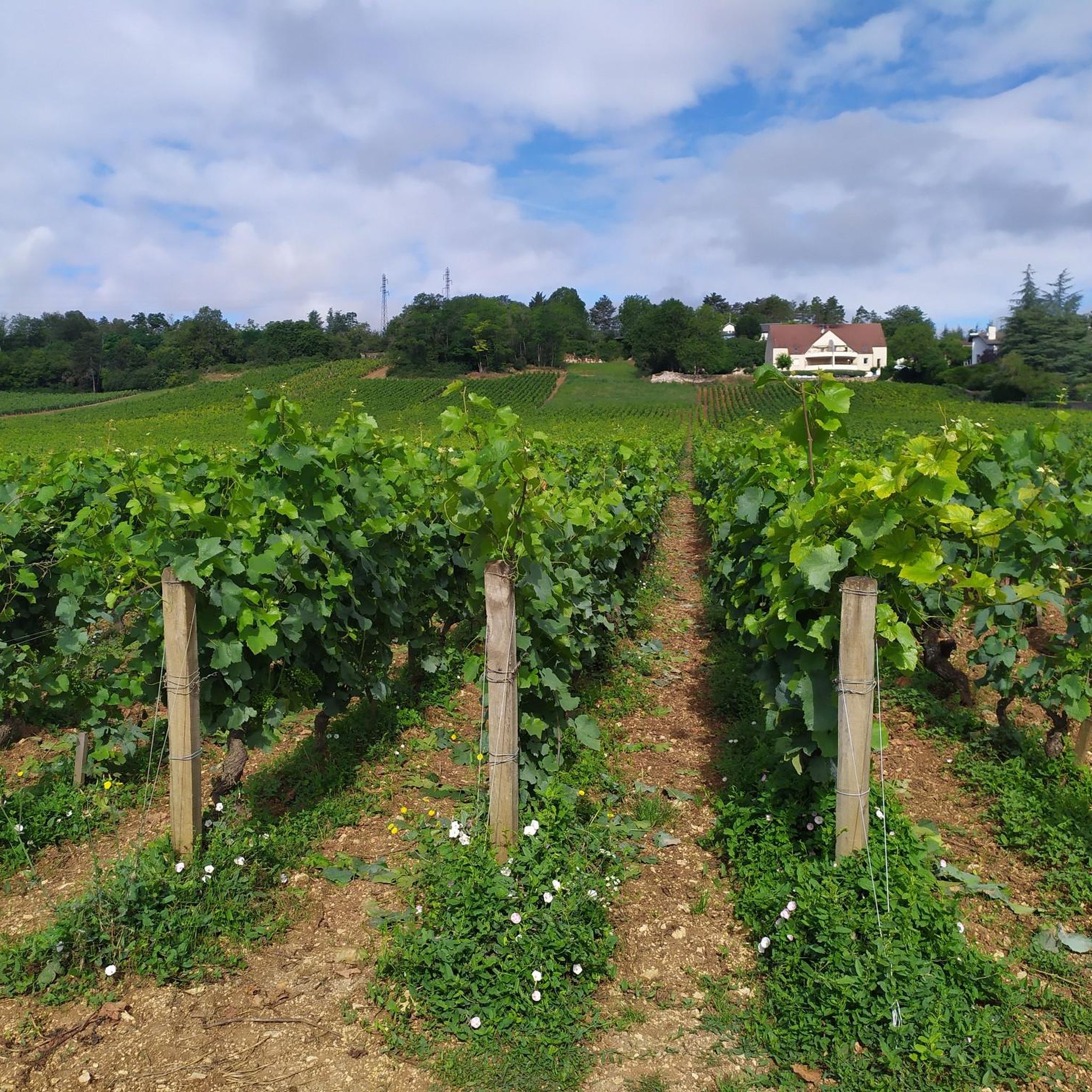
Running Trails in Parc National De Forêts (Aire Optimum D'Adhésion)
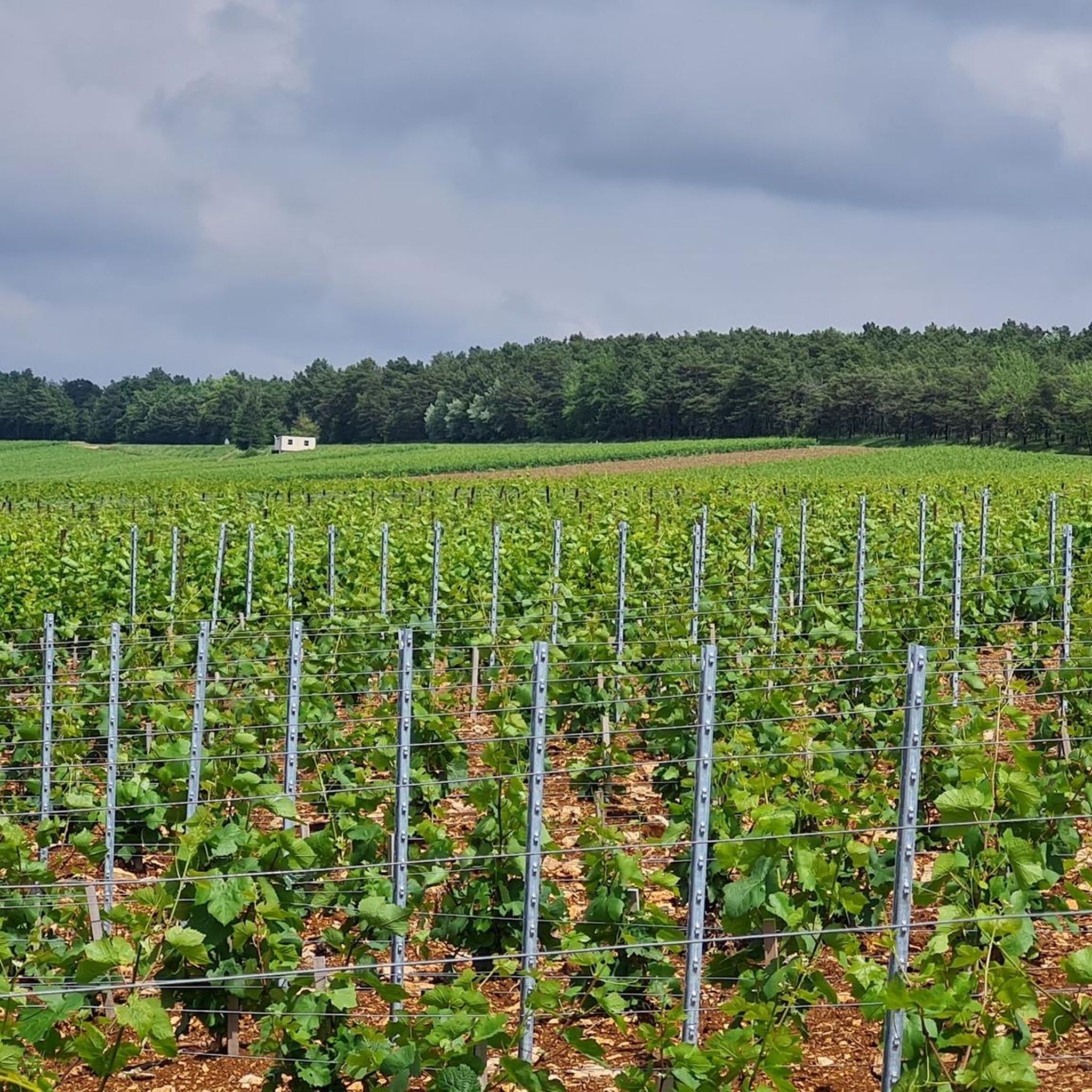
Road Cycling Routes in Parc National De Forêts (Aire Optimum D'Adhésion)
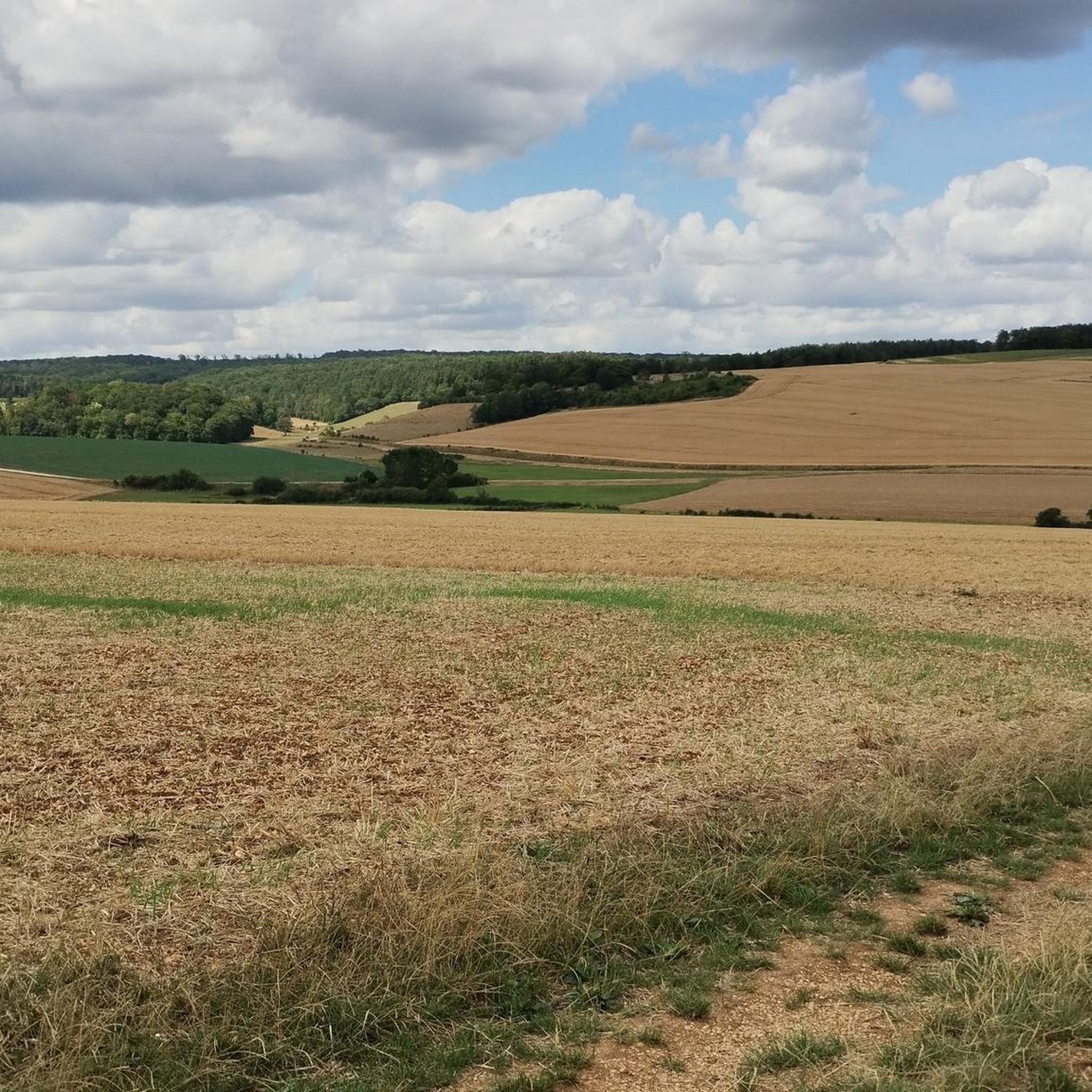
Cycling in Parc National De Forêts (Aire Optimum D'Adhésion)
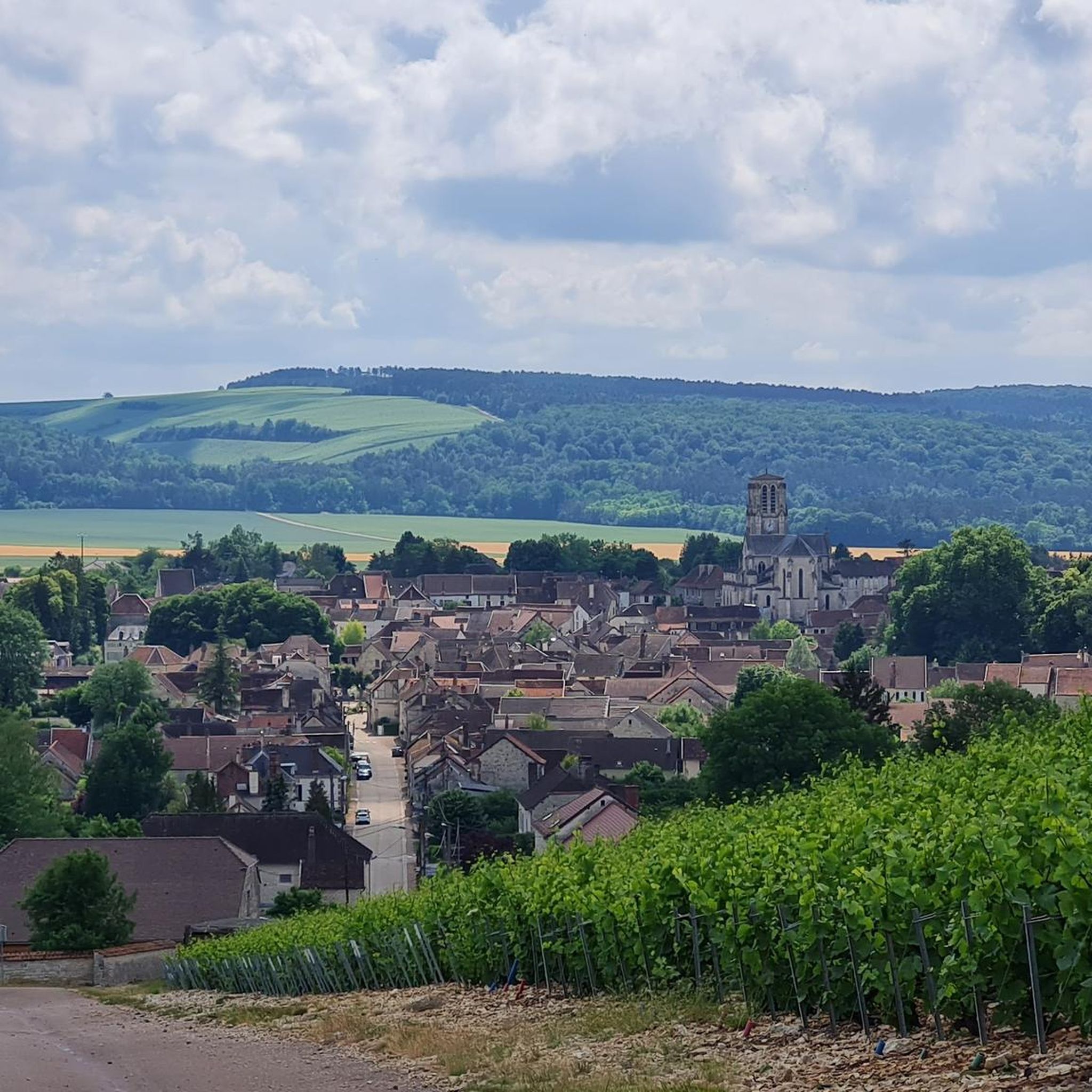
MTB Trails in Parc National De Forêts (Aire Optimum D'Adhésion)
Gravel biking in Parc National De Forêts (Aire Optimum D'Adhésion)
Other adventures in Parc National De Forêts (Aire Optimum D'Adhésion)


Tips from the Community

The cemetery is now located in the castle courtyard
1
0

The Château is open to visitors from Saturday to Thursday. Lovely gardens. And Harry Truman was posted here during World War I.
0
0


It was razed in 1598 as the advanced fortress of the Duchy of Burgundy, built in the 12th and 14th centuries opposite the County of Champagne and the Kingdom of France. Today a mystical place worth seeing, enthroned above Châttilon sur-Seine and offering a great view over the town and the surrounding area.
2
0

The Château de Grancey was built in the 1700s. The Burgundian colored tiles, very typical of the region, do not deceive.
2
0
This ruined castle was built in the 10th century. The castle is built at the end of a high cliff overlooking the Seine.
2
0
This ruined castle was built in the 10th century. The castle is built at the end of a high cliff overlooking the Seine.
3
0

Grancey Castle was built between 1705 and 1725 by Jacques-Léonor Rouxel, Count of Grancey. The colorful roof tiles typical of the region are pretty to look at.
5
0
Frequently Asked Questions
What are some notable castles to visit in Parc National De Forêts (Aire Optimum D'Adhésion)?
You can explore a variety of castles, from well-preserved châteaux to historical ruins. Two significant sites include the Château de Montigny, known for its architectural blend and extensive gardens, and the ruined Castle of the Dukes of Burgundy in Châtillon-sur-Seine, which offers panoramic views.
Are there any ruined castles with historical significance in the region?
Yes, the Castle of the Dukes of Burgundy (ruins) in Châtillon-sur-Seine is a prime example. Dating back to the 10th century, it was a strategic fortress for the Duchy of Burgundy and was eventually dismantled in 1598. Today, its remnants provide a glimpse into medieval military architecture and offer breathtaking views over the town.
What kind of architectural styles can I expect to see among the castles?
The castles in the region showcase a blend of historical architectural styles. For instance, Château de Montigny features elements from its 12th-century foundations to neo-Renaissance additions from the 16th and early 20th centuries. Other sites, like the Grancey-le-Château Castle, display 18th-century design with distinctive regional roof tiles.
Are there family-friendly castles in Parc National De Forêts (Aire Optimum D'Adhésion)?
Yes, Château de Montigny is considered family-friendly. Its extensive grounds, including a moat, flower-filled lawns, and orchards, provide ample space for exploration. The château also hosts cultural events and offers audio-guided tours that can engage visitors of all ages.
What are the opening hours or accessibility for these castles?
Opening hours vary by castle. For example, Château de Montigny is typically open to visitors from Saturday to Thursday. For the most current information on specific castles, including any booking requirements or detailed accessibility, it is recommended to check their official websites or contact them directly. Some castles, like Rochefort-sur-Brévon and Rocheprise Castle, are private and not open to the public, though they can be admired from a distance.
What is the best time to visit castles in Parc National De Forêts (Aire Optimum D'Adhésion)?
The region's castles and their grounds are particularly enjoyable during spring and summer when the gardens are in full bloom and the weather is pleasant for outdoor exploration. Autumn also offers beautiful scenery with changing foliage. Some castles, like Château de Montigny, host cultural events and exhibitions throughout the year, so checking their schedule might influence your visit.
Are there gardens or grounds to explore at the castles?
Absolutely. Château de Montigny boasts remarkable gardens, including a moat, flower-filled lawns, a lime tree avenue, century-old Lebanese cedars, and 19th-century orchards with over 200 espaliered fruit varieties. These gardens are classified as 'Remarkable Gardens of France' and peacocks roam the peaceful park.
What outdoor activities can I do near the castles in Parc National De Forêts (Aire Optimum D'Adhésion)?
The Parc National De Forêts offers a range of outdoor activities. You can find numerous routes for hiking, cycling, and mountain biking. Many trails pass through the lush greenery and preserved valleys, offering opportunities to combine castle visits with nature exploration. For example, there are cycling loops from Châtillon-sur-Seine and hiking trails like the 'Source de la Douix' loop.
Are there hiking trails near the castles?
Yes, the region is excellent for hiking. You can find various trails, such as the 'Tufière d'Amorey' loop or the 'Source de la Douix' loop, both offering moderate difficulty. These trails allow you to explore the natural beauty of the Parc National De Forêts, often leading to or near historical sites and viewpoints. For more options, refer to the hiking guide for the region.
Can I go cycling near the castles in the Parc National De Forêts (Aire Optimum D'Adhésion)?
Certainly! The area provides several cycling routes suitable for touring bicycles and mountain bikes. You can find routes like the 'Douix Spring – Treasure of Vix loop from Châtillon-sur-Seine' or the 'Foulain Canal Bridge – Langres loop'. These routes allow you to discover the scenic landscapes and historical sites, including castles, by bike. Explore more options in the cycling guide for the region.
What makes Château de Montigny-sur-Aube unique?
Château de Montigny stands out for its eight centuries of history, blending 12th-century foundations with neo-Renaissance architecture. Its 'Remarkable Gardens of France' feature a moat, ancient trees, and unique espaliered fruit orchards. The interior houses diverse collections, including Revolutionary earthenware, and it serves as a cultural hub hosting events. Notably, Harry Truman was stationed here during World War I.
What do visitors appreciate most about the castles in this region?
Visitors particularly enjoy the historical depth and architectural diversity of the castles, from the evocative ruins of the Castle of the Dukes of Burgundy with its panoramic views, to the preserved elegance and vibrant cultural life of Château de Montigny. The integration of these historical sites within the natural beauty of the Parc National De Forêts also adds to their appeal, offering a blend of history and outdoor exploration.
Most popular routes in Parc National De Forêts (Aire Optimum D'Adhésion)
Most popular attractions in Parc National De Forêts (Aire Optimum D'Adhésion)

Get inspired with the komoot mobile app


Explore more
Looking for the best castles somewhere else? Discover other guides in Parc National De Forêts (Aire Optimum D'Adhésion):
