The best cycling routes in Réserve Biologique Dirigée De Longegoutte
4.5
(617)
12,468
riders
203
rides
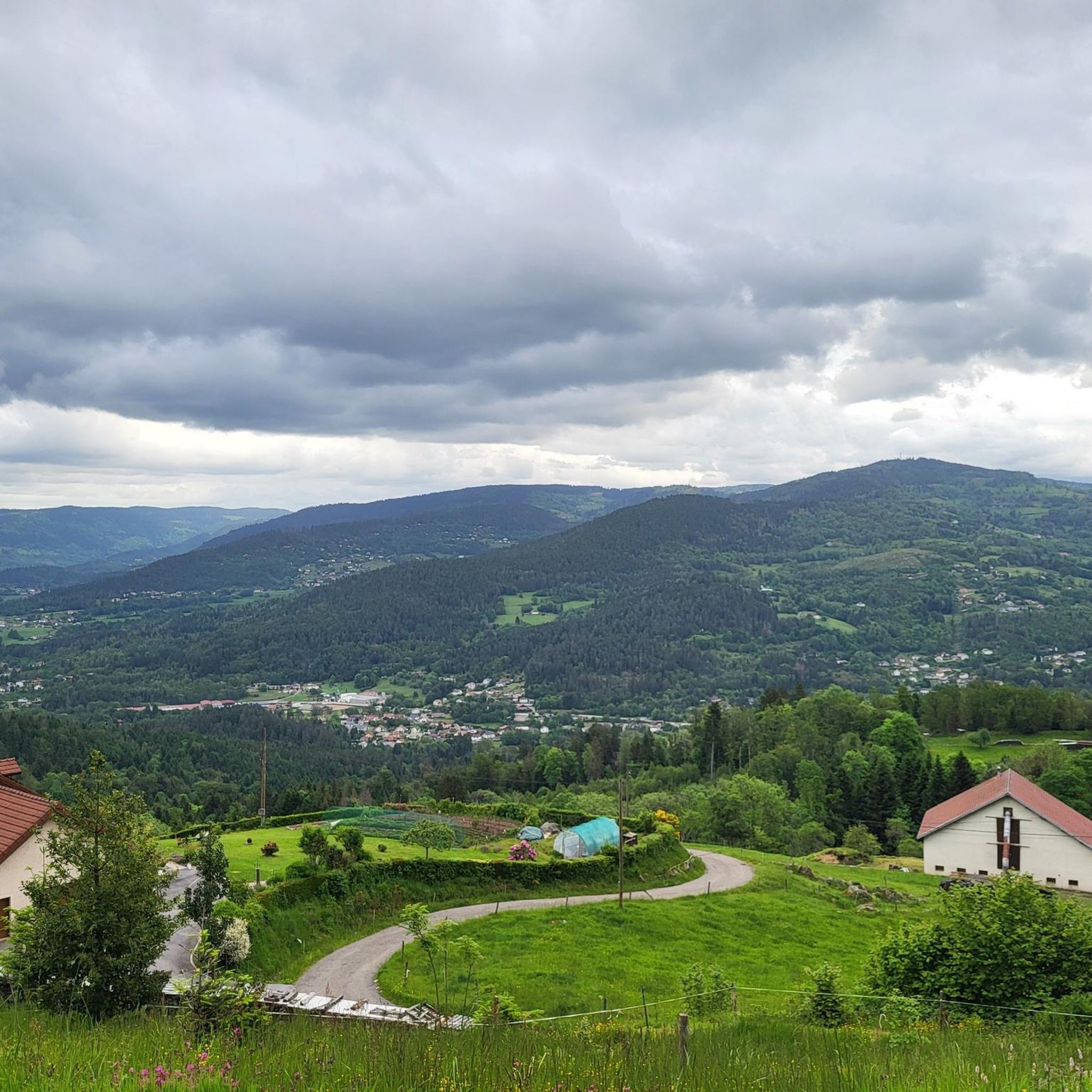
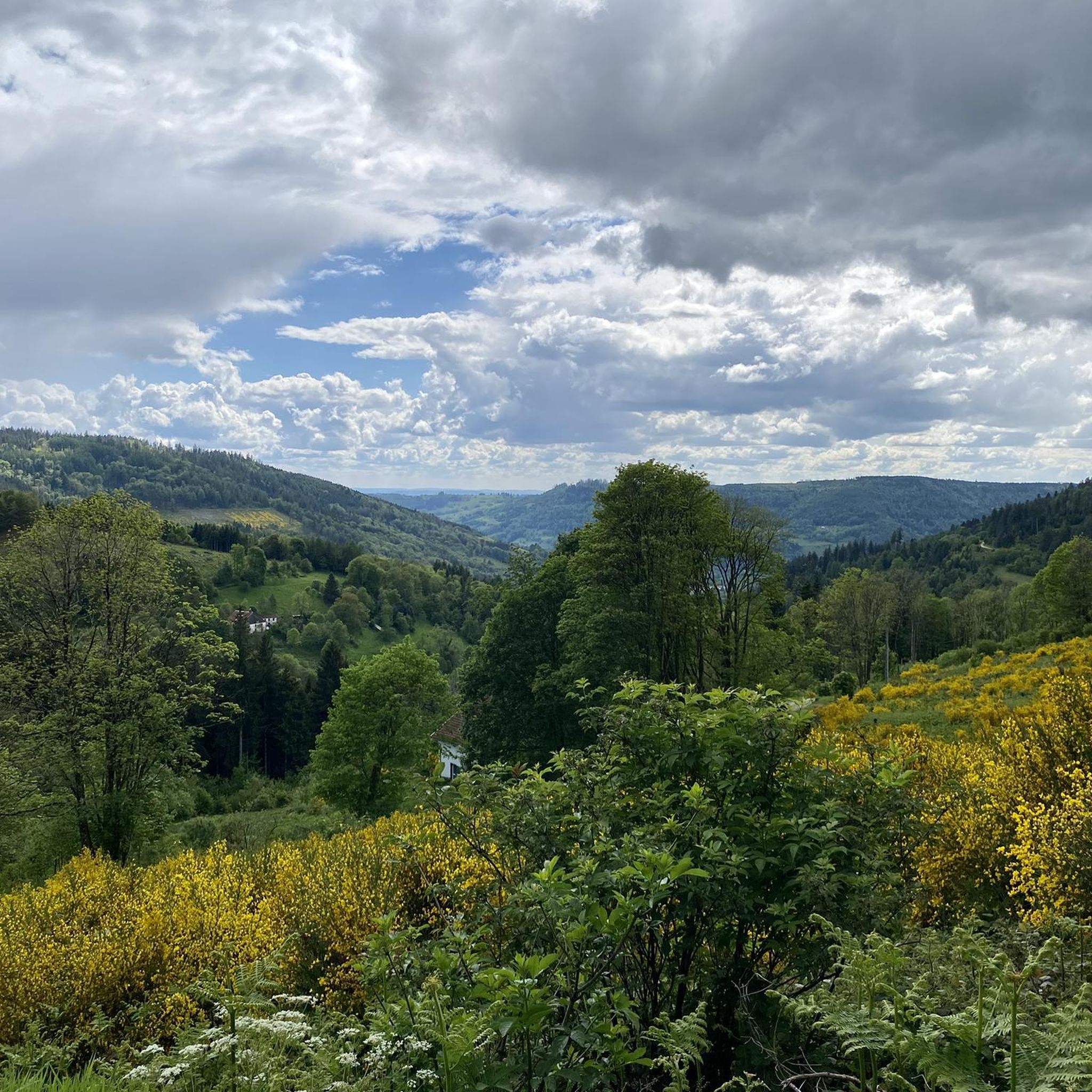
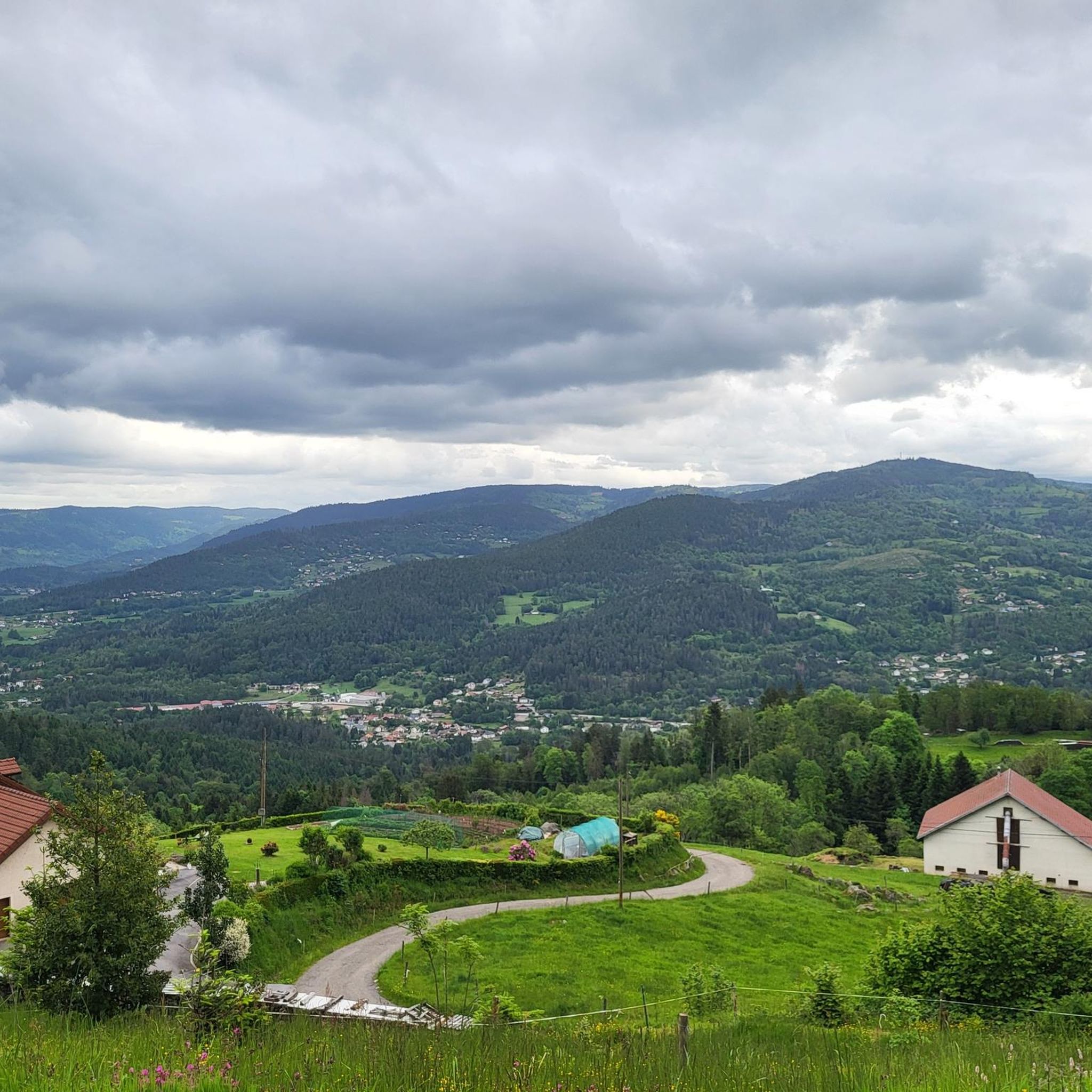
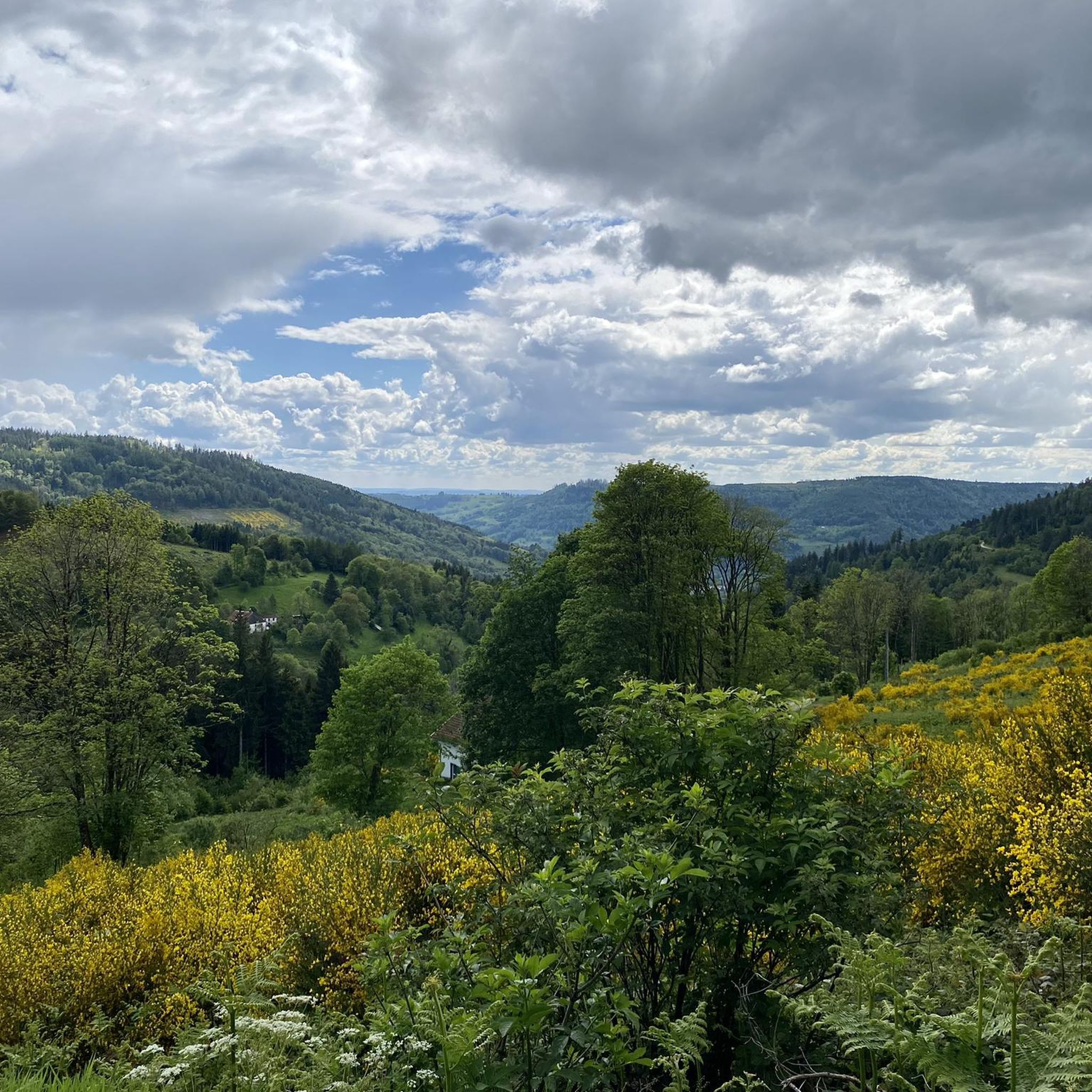
Touring cycling in Réserve Biologique Dirigée De Longegoutte features diverse landscapes within the Vosges mountains. The region is characterized by expansive beech-fir forests and significant peat bogs, situated on a ridge between the Moselle and Moselotte valleys. This area offers varied terrain, transitioning from dense woodlands to open wetland areas, with an average altitude of around 800 meters. The network of routes includes well-maintained greenways and paths alongside flowing streams.
Best touring cycling routes in Réserve Biologique Dirigée De Longegoutte
…Last updated: August 28, 2026
8
riders
Hard bike ride. Very good fitness required. Mostly paved surfaces. Suitable for all skill levels.
4.7
(11)
45
riders
Easy bike ride. Great for any fitness level. Mostly paved surfaces. Suitable for all skill levels.

Sign up for free
4.7
(3)
21
riders
53.2km
03:55
1,200m
1,200m
Hard bike ride. Very good fitness required. Mostly paved surfaces. Suitable for all skill levels.
5.0
(1)
8
riders
21.7km
01:34
430m
430m
Moderate bike ride. Good fitness required. Mostly paved surfaces. Suitable for all skill levels.
10
riders
6.03km
00:23
40m
40m
Easy bike ride. Great for any fitness level. Mostly paved surfaces. Suitable for all skill levels.
Get access to more routes and recommendations from other explorers.
Sign up for free
Already have an account?
Our route recommendations are based on thousands of hikes, rides, and runs completed by other people on komoot.
Start today with a free account
Your next adventure awaits.
Login or Signup
Popular around Réserve Biologique Dirigée De Longegoutte

Tips from the Community

great cycle path on the old railway line
1
0
beautiful Moselle still a real stream
1
0

War memorial (French: Monument aux Morts). The impressive memorial was inaugurated on August 20, 1922, in memory of the fallen soldiers of the First World War. With a height of around 6 meters, a width of 2.50 meters, and a total weight of approximately 85 tons, it is considered one of the most magnificent and remarkable war memorials in the entire Vosges region and all of France. After the Second World War, two additional pillars were added to the memorial, on which the names of the soldiers fallen in this conflict are engraved. 205 names of the victims of the wars 14-18, 39-45, Indochina, and Algeria are engraved on the stone. This memorial should remain worthy of the "ultimate sacrifice" of those who lost their lives to save the freedom of the fatherland.
2
0
The Saint-Prix church of Saulxures-sur-Moselotte, located in the Vosges, is a 19th-century Roman Catholic building in Gothic Revival style, enriched by various architectural influences. Its history dates back to the ninth century, when monks founded a chapel dedicated to Saint Segoberge, giving birth to the village "Saulsurix". This place, crossed by the Moselotte, became a crossroads between the abbeys of Remiremont and Munster. In the 14th century, Saulxures-sur-Moselotte, then fortified at the Ban de Vagney, saw its parish built around a church dedicated to Saint Barthélemy. The tradition of the Kyriolés, where young girls from the neighboring parishes sang in Remiremont every Monday of Pentecost, illustrates its religious anchor. The original Romanesque building was replaced in the 19th century due to its deterioration, despite ad-hoc repairs. The construction of the current church began in 1881, funded by the legacy of Elizabeth Géhin, widow of a local manufacturer. Architect Charles-Henri Fachot designed a Neo-Gothic building, inaugurated in 1883. The building suffered damage during the World Wars and weather conditions (1999 storm, 2003-2004 earthquakes), with a major restoration completed in 2007. The interior houses stained glass windows by C. Champigneulle (1882), an organ donated by Madame Géhin in 1869, and statues from the Volfron workshop in Nancy. The bell tower, topping 66 meters, dominates the valley. The bells, two of which date from the 18th and 19th centuries, bear witness to its heritage. The north-south orientation of the church, rare for Christian buildings, complements its originality. The funding for new restorations included the municipality, the general council, the Heritage Foundation, and private donors. Today, the Saint-Prix church is an active place of worship, integrated with the Sainte-Croix du Haut-du-Roc parish, and a symbol of the religious and architectural heritage of the Vosges Source: https://museedupatrimoine./eglise-saint-prix-de-saulxures-sur-moselotte-vosges/85481.html?id=85481&lang=de The church was renovated in 2007/08 and is in excellent condition. It is located at 280 Rue d'Hamoir sur Ourthe and is generally freely accessible.
1
0

A moment of respite before Le Thillot away from motorized traffic!
0
0

Easy hike to do with children
1
0

The route is not accessible! It's cordoned off with tape and prohibited.
1
0
Frequently Asked Questions
What kind of terrain can I expect for touring cycling in Réserve Biologique Dirigée De Longegoutte?
The region offers diverse landscapes, from expansive beech-fir forests to significant peat bogs, situated on a ridge between the Moselle and Moselotte valleys. You'll find varied terrain, transitioning from dense woodlands to more open, wetland areas, with an average altitude around 800 meters. Many routes follow well-maintained greenways and paths alongside flowing streams, but some also include considerable elevation gain.
Are there easy touring cycling routes suitable for beginners or families?
Yes, there are several easy routes perfect for beginners or families. For example, the Green path between rocks – Voie Verte des Hautes-Vosges loop from Saulxures-sur-Moselotte is an easy 11.5 km path that follows a greenway, offering a gentle ride through the Hautes-Vosges. The region has 22 easy touring cycling routes in total.
Are there challenging routes for experienced touring cyclists in the reserve?
Experienced touring cyclists will find plenty of challenging options. The region features 111 difficult routes, many with significant elevation changes. A notable example is the Mount de Fourche Pass – Fourche Pass loop from Rupt-sur-Moselle, a 50 km route with over 650 meters of elevation gain.
What natural features or landscapes will I encounter on touring cycling routes?
You will cycle through a rich array of ecosystems, including expansive beech-fir forests and significant peat bogs, which are among the largest in the Vosges massif. The region also features mountain heathlands and offers elevated views from the ridge between the Moselle and Moselotte valleys. Expect picturesque scenes of moss-covered bridges and the sounds of flowing streams.
Can I bring my dog on the touring cycling trails in Réserve Biologique Dirigée De Longegoutte?
While the Réserve Biologique Dirigée De Longegoutte is a protected area, many surrounding trails and greenways are generally dog-friendly. However, it's always recommended to keep dogs on a leash to protect local wildlife and ensure a pleasant experience for all users. Specific regulations may apply within the core reserve areas, so check local signage.
Is parking available for cyclists near the routes?
Yes, parking is generally available in the towns and villages that serve as starting points for many routes, such as Rupt-sur-Moselle, Saulxures-sur-Moselotte, and Maxonchamp. These locations often have designated parking areas suitable for accessing the cycling network.
How can I access the Réserve Biologique Dirigée De Longegoutte cycling routes by public transport?
Public transport options to the Réserve Biologique Dirigée De Longegoutte area are limited, as is common for many natural reserves. However, some larger towns in the Vosges region may have bus services that connect to smaller villages near the reserve. It's advisable to check local bus schedules for the Moselle and Moselotte valleys for the most up-to-date information.
Are there any permits required for cycling in the reserve?
As a managed biological reserve and Natura 2000 site, the Réserve Biologique Dirigée De Longegoutte has specific conservation goals. While general cycling on established paths and greenways in the surrounding area typically does not require a permit, access to certain sensitive areas within the core reserve might be restricted or require special authorization. For detailed information on regulations, you can consult the official documentation from the regional development authority: Massif forestier de Longegoutte.
What is the best time of year for touring cycling in Réserve Biologique Dirigée De Longegoutte?
The best time for touring cycling is typically from late spring to early autumn (May to October). During these months, the weather is generally milder, and the natural beauty of the forests and peat bogs is at its peak. Summer offers pleasant temperatures for cycling, while spring and autumn provide vibrant foliage. Winter can bring snow, making many trails unsuitable for touring bikes.
Are there cafes or accommodation options near the cycling routes?
Yes, the towns and villages surrounding the Réserve Biologique Dirigée De Longegoutte, particularly those in the Moselle and Moselotte valleys, offer various amenities. You can find cafes, restaurants, and accommodation options in places like Rupt-sur-Moselle, Saulxures-sur-Moselotte, and Maxonchamp, providing convenient stops for refreshments or overnight stays.
Are there circular touring cycling routes available?
Many of the touring cycling routes in the region are designed as loops, allowing you to start and end at the same point. For instance, the The Moselle – Former Hielle station loop from Maxonchamp is a 34.9 km circular trail through the Moselle valley.
What do other touring cyclists enjoy most about the routes in Réserve Biologique Dirigée De Longegoutte?
The area is highly rated by the komoot community, with an average score of 4.6 stars from over 550 reviews. Reviewers often praise the diverse landscapes, the tranquility of the beech-fir forests and peat bogs, and the well-maintained paths, especially the greenways, which offer a peaceful cycling experience away from traffic.
How many touring cycling routes are available in Réserve Biologique Dirigée De Longegoutte?
There are over 190 touring cycling routes available in Réserve Biologique Dirigée De Longegoutte and its immediate surroundings, catering to various skill levels and preferences.
Are there specific viewpoints accessible by bike in the region?
Given its location on a ridge between the Moselle and Moselotte valleys, many routes offer elevated sections with scenic viewpoints. While specific named viewpoints might require short detours, the natural topography ensures numerous opportunities for panoramic views of the surrounding Vosges mountains and valleys directly from the cycling paths.
Most popular routes in Réserve Biologique Dirigée De Longegoutte

Get inspired with the komoot mobile app


Explore more
Browse the best Cycling routes in other regions.
