Attractions and Places To See in Wurzacher Ried - Top 16
Best attractions and places to see in Wurzacher Ried include a significant natural and cultural landscape in Upper Swabia, Baden-Württemberg. This region is recognized as the largest intact raised bog in Central Europe and one of Baden-Württemberg's largest nature reserves. It offers a unique blend of natural beauty, educational insights, and historical points of interest, shaped by the landscape development after the last ice age. The area is known for its rich biodiversity, with diverse flora and fauna inhabiting its…
Last updated: August 15, 2026
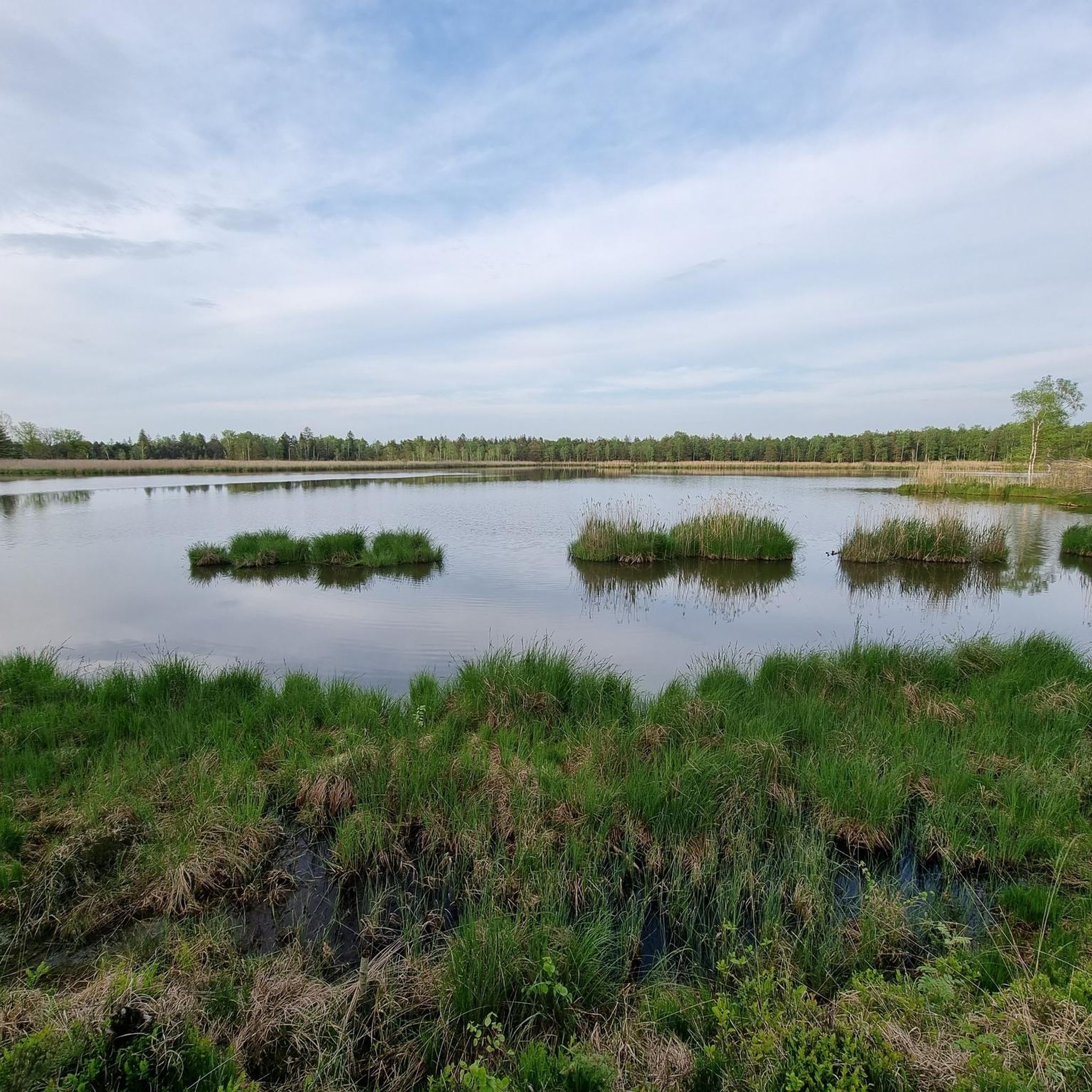
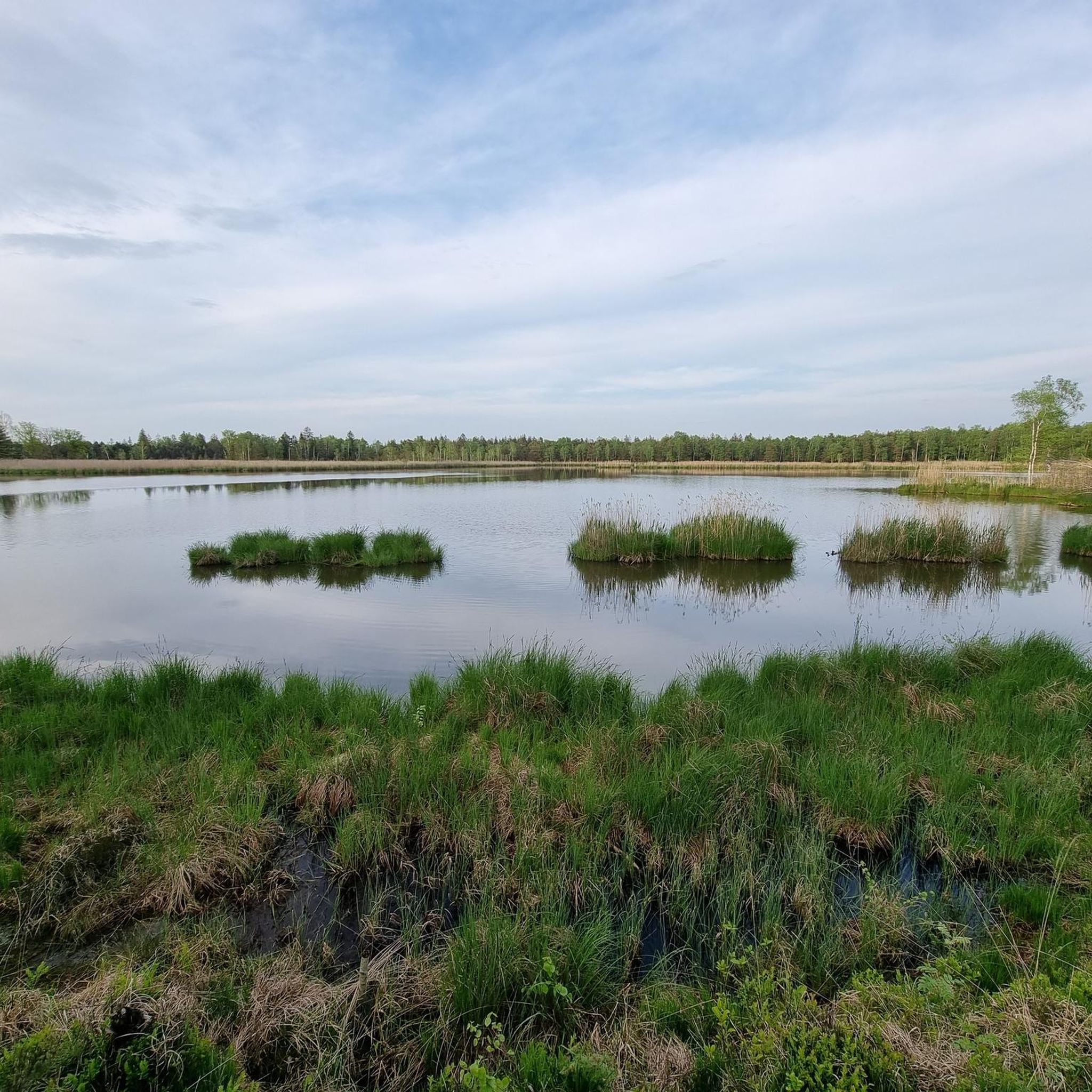
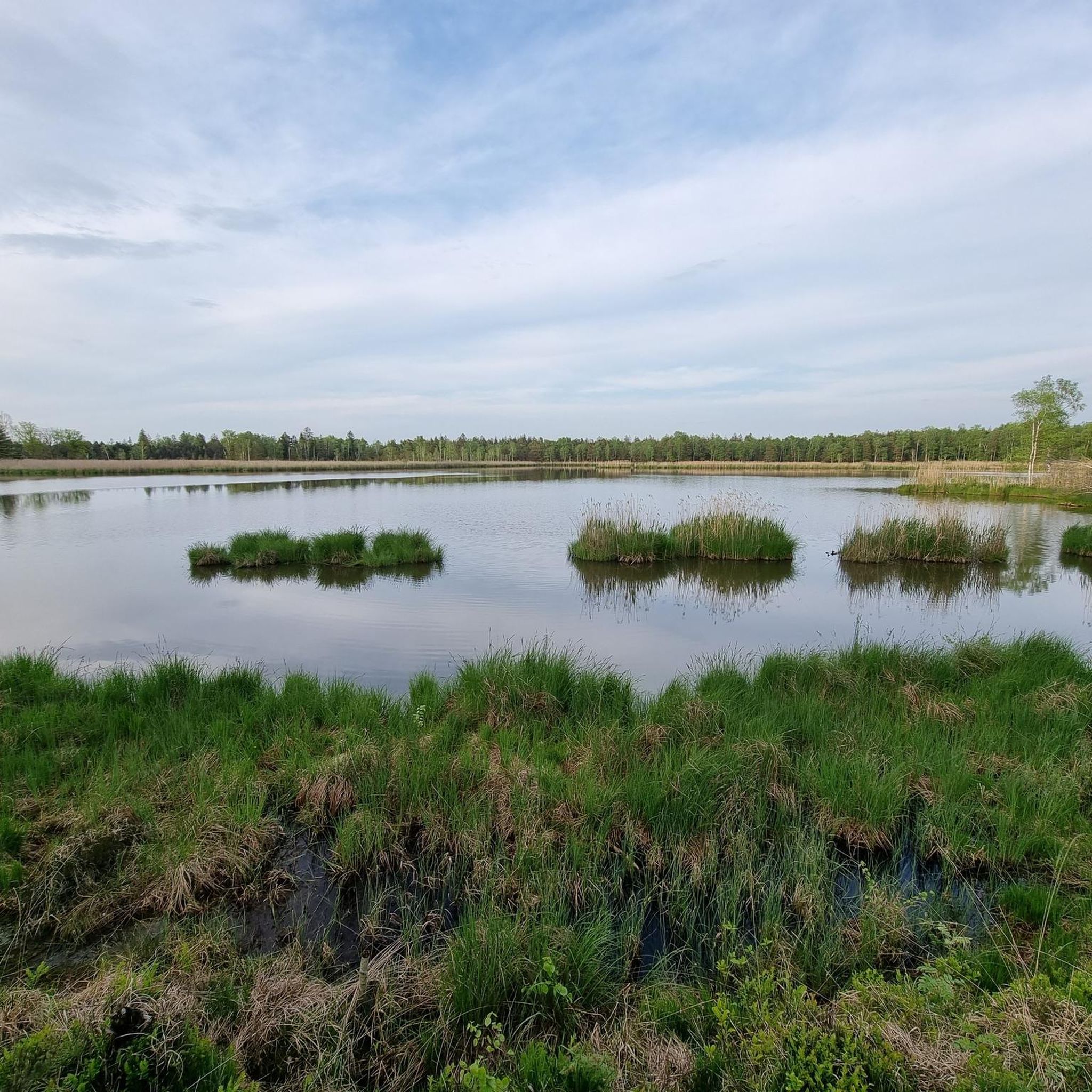
Riedsee in the Wurzacher Ried
Highlight • Lake
Translated by Google •
Tip by

Along the Wurzacher Ried
Highlight (Segment) • Trail
Translated by Google •
Tip by

Sign up now to discover places like this
Get recommendations on the best single tracks, peaks, & plenty of other exciting outdoor places.
Sign up for free
Wurzacher Ried
Highlight • Natural Monument
Translated by Google •
Tip by

Wurzacher Ried Nature Reserve Loop Trail
Highlight • Trail
Translated by Google •
Tip by

Observation Platform at the Haidgauer Spring Lakes
Highlight • Viewpoint
Showing Translation
Tip by

Sign up for free to discover even more attractions in Wurzacher Ried.
Sign up for free
Already have an account?
Start today with a free account
Your next adventure awaits.
Login or Signup
Other adventures in Wurzacher Ried

Tips from the Community

A blessing for the feet, the moor paths
0
0

Well done and a very beautiful corner here.
0
0
Beautiful hiking trails through the high moor with great paths and lots of information about peat.
1
0

Beautiful hiking trails in the Wurzacher Ried, with benches for resting and enjoying the tranquility. A wonderful area surrounded by beautiful nature.
0
0

A scenically unique path between Bad Wurzach and Dietmanns.
1
0


A highlight in every season... wonderful nature, ideal for switching off and recharging
0
0

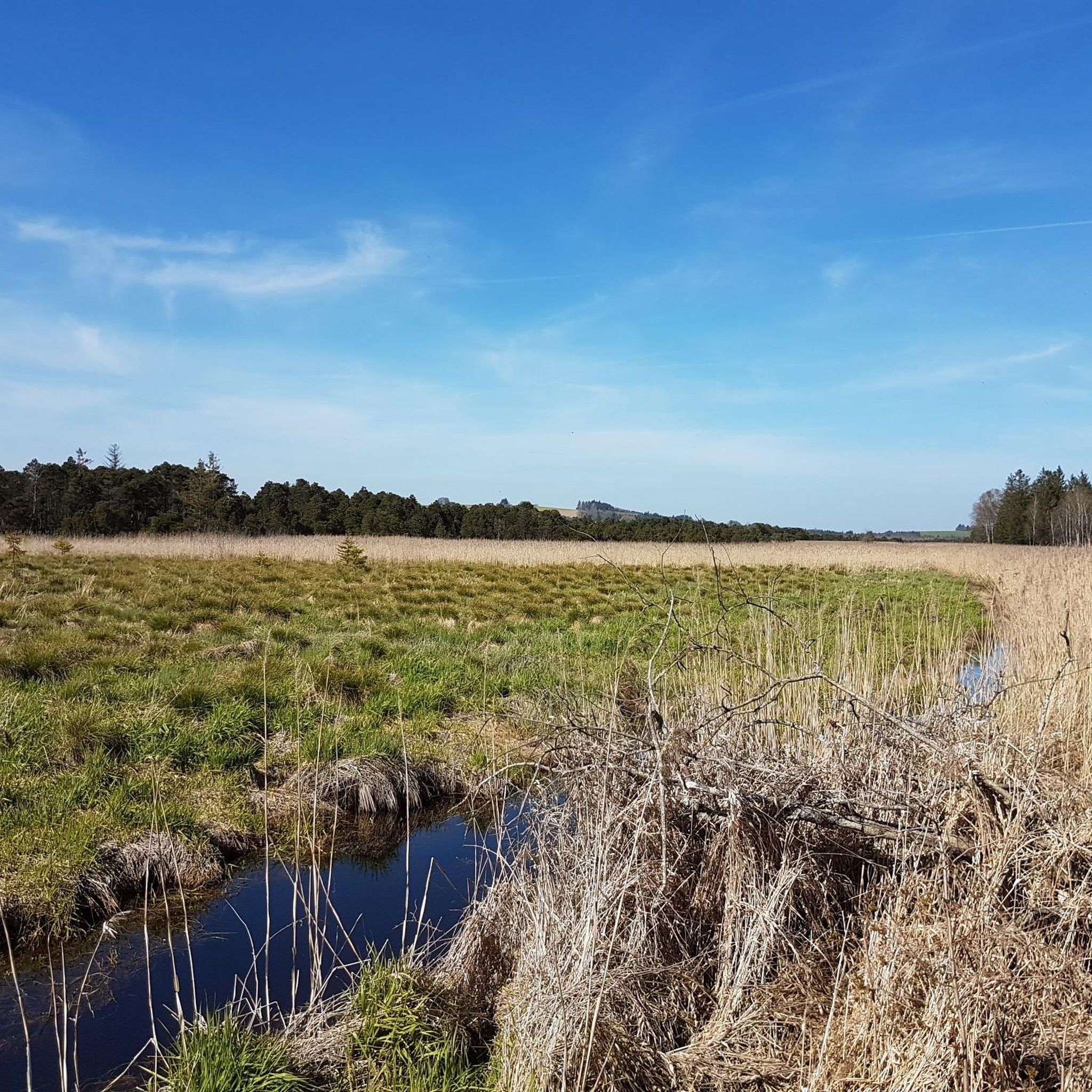
The Wurzacher Ried is a unique, primeval landscape with a special magic. The enormous power of the Rhine glacier continuously formed the hill ranges of the Allgäu during the last three ice ages and carved out a deep tongue basin. Today, the Wurzacher Ried is the largest contiguous and still intact raised bog in Central Europe and one of the largest nature reserves in Baden-Württemberg. Why raised bog? The raised bog does not get its name because it is on a hill or in the mountains. The name refers to the formation of the bog: In the first step, a fen forms in a depression, into which groundwater also flows. Dead plant parts gradually become an increasingly thick layer of peat and gradually the bog grows above the groundwater level - a raised bog is created. Source: bad-wurzach.de/tourismus/de/moor/naturschutzgebiet-wurzacher-ried
4
0
Frequently Asked Questions
What unique natural features can I explore in Wurzacher Ried?
The Wurzacher Ried is renowned as the largest intact raised bog in Central Europe. You can explore the extensive Wurzacher Ried Nature Reserve, which features various types of mires and a rich biodiversity. Don't miss the Riedsee, a beautiful lake popular with walkers and water birds, especially at sunset. The area is also home to unique bogland flora like cranberry and sundew, and a wide array of bird species.
Are there any historical or cultural sites related to the region's past?
Yes, the region has a rich history tied to peat extraction. You can visit the Oberschwäbisches Torfmuseum (Upper Swabian Peat Museum) to learn about the history of peat mining. The Wurzacher Ried Nature Reserve Loop Trail also explores traces of over 200 years of peat cutting, showcasing old peat works and ditches.
What kind of outdoor activities are available in Wurzacher Ried?
Wurzacher Ried offers an extensive network of hiking and cycling trails, spanning 200 km. You can enjoy circular routes and boardwalks that allow you to experience the unique primeval landscape. For specific hiking suggestions, explore the easy hikes in Wurzacher Ried, or for running, check out the running trails in Wurzacher Ried.
Is Wurzacher Ried suitable for families with children?
Absolutely! Many trails, like Along the Wurzacher Ried and the Wurzacher Ried Nature Reserve Loop Trail, are designated as family-friendly. The Naturschutzzentrum Wurzacher Ried offers interactive exhibitions like "Moor Extrem" and special guided tours that are engaging for all ages. Children might also enjoy a ride on the Torfbähnle (Peat Railway) on specific dates.
Where can I learn more about the moorland ecosystem?
The Naturschutzzentrum Wurzacher Ried is the primary hub for information and events. It features the "Moor Extrem" exhibition, an interactive and multimedia experience that delves into the biological and scientific phenomena of moorlands. They also offer guided tours and educational programs.
Are there any viewpoints to observe the landscape?
Yes, there are several excellent viewpoints. The Observation Platform at the Haidgauer Spring Lakes offers great views. Additionally, the planned 40-meter-high observation tower at the former Haidgauer peat factory site will provide panoramic views of the Ried once completed.
What is the best time of year to visit Wurzacher Ried?
The Wurzacher Ried offers beauty year-round, but it's particularly stunning in late summer and early autumn. In August and September, the heather blooms, attracting many nature enthusiasts. The Riedsee is especially recommended at sunset for experiencing the "blue hour".
Can I experience the history of peat mining firsthand?
Yes, you can. Beyond visiting the Oberschwäbisches Torfmuseum, you can take rides on the Torfbähnle (Peat Railway) on specific dates. This allows you to learn about the moorland habitat and the history of peat mining in an immersive way.
What do visitors enjoy most about Wurzacher Ried?
Visitors frequently praise the unique, primeval landscape and the tranquility of the area. Many appreciate the well-maintained trails and boardwalks that offer insights into the formation of raised bogs and the history of peat extraction. The opportunity to wade through the moor at the Moor treading pool at Wurzacher Ried is also a popular and unique experience.
Are there opportunities for birdwatching in the area?
The Wurzacher Ried is an excellent location for birdwatching due to its diverse wetland, grassland, and moorland habitats. It's an important resting place for migratory birds and a habitat for many rare and endangered species, including the European Honey-buzzard, Spotted Crake, and Common Crane.
Are there any other cultural attractions near the Ried?
While the Ried is the main focus, the nearby town of Bad Wurzach offers additional cultural points of interest. These include Bad Wurzach Castle, Gottesberg Church, and the Leprosenhaus Museum, where visitors can browse various exhibits.
Most popular routes in Wurzacher Ried
Most popular attractions in Wurzacher Ried

Get inspired with the komoot mobile app


Explore more
Still not found the Highlight you’re looking for? See guides of the top attractions in other regions:
