The 7 Most Amazing Peaks in Naturpark Schönbuch
Best mountain peaks in Naturpark Schönbuch are found within a predominantly forested region southwest of Stuttgart. The park is characterized by rolling hills and offers opportunities for hiking. Its highest elevations provide scenic viewpoints, showcasing the diverse landscape and natural environment. The area features over 600 kilometers of marked hiking trails and numerous cycling paths.
Best mountain peaks in Naturpark Schönbuch
- The most popular mountain peaks is Schönbuch Tower, a man-made monument that is an extraordinary observation tower. This…
Last updated: May 8, 2026
Schönbuch Tower
Highlight • Monument
Translated by Google •
Tip by

Bromberg
Highlight • Summit
Translated by Google •
Tip by

Sign up now to discover places like this
Get recommendations on the best single tracks, peaks, & plenty of other exciting outdoor places.
Sign up for free
Müneck Castle Ruins
Highlight • Castle
Translated by Google •
Tip by

Rötelberg
Highlight • Forest
Source: mapcarta.com/de/34754338
Translated by Google •
Tip by

Red Mountain
Highlight • Summit
Translated by Google •
Tip by

Sign up for free to discover even more peaks in Naturpark Schönbuch.
Sign up for free
Already have an account?
Start today with a free account
Your next adventure awaits.
Login or Signup
Popular around Naturpark Schönbuch
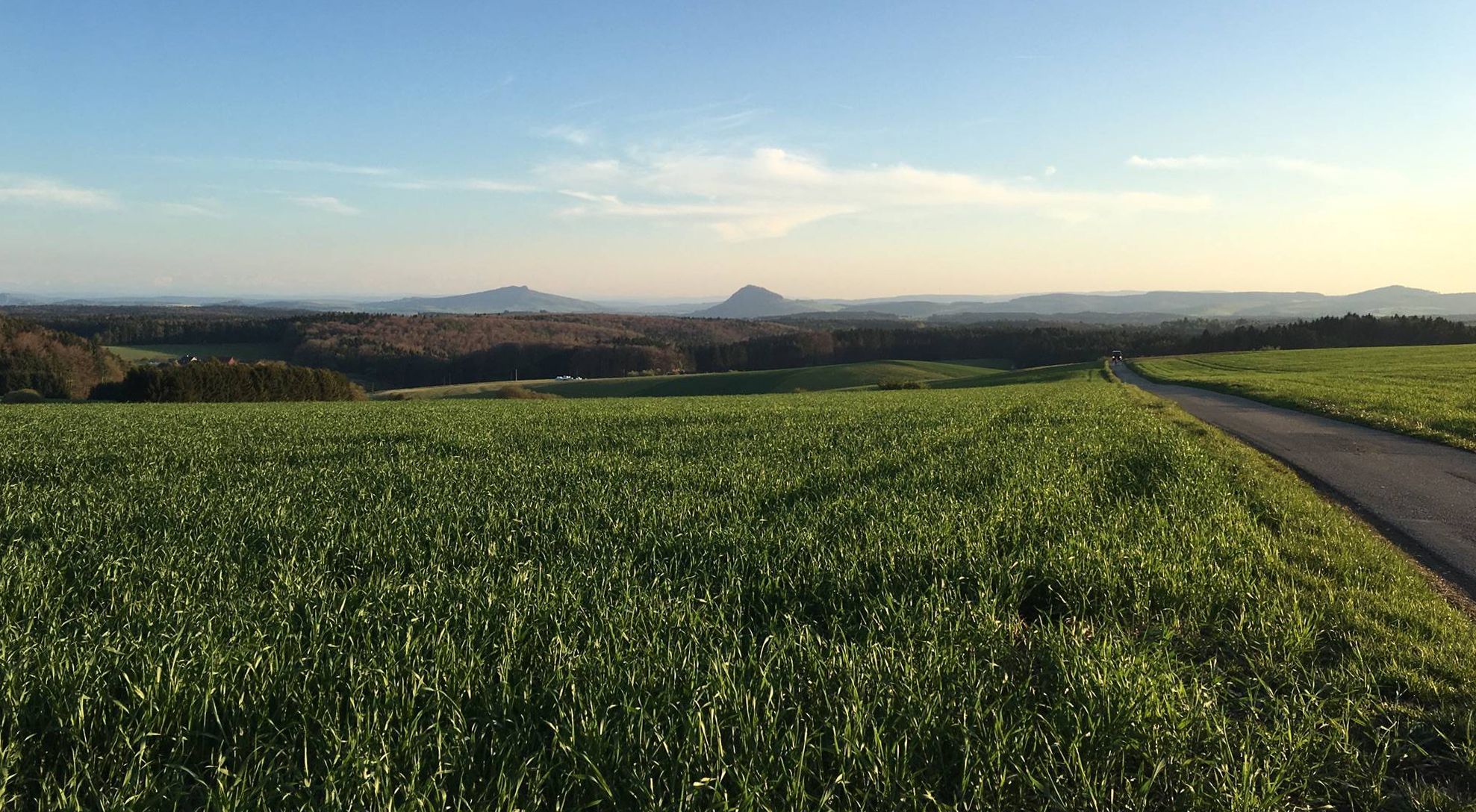
Germany's Hohenzollern Cycle Path – 7 stages across the Swabian Alb
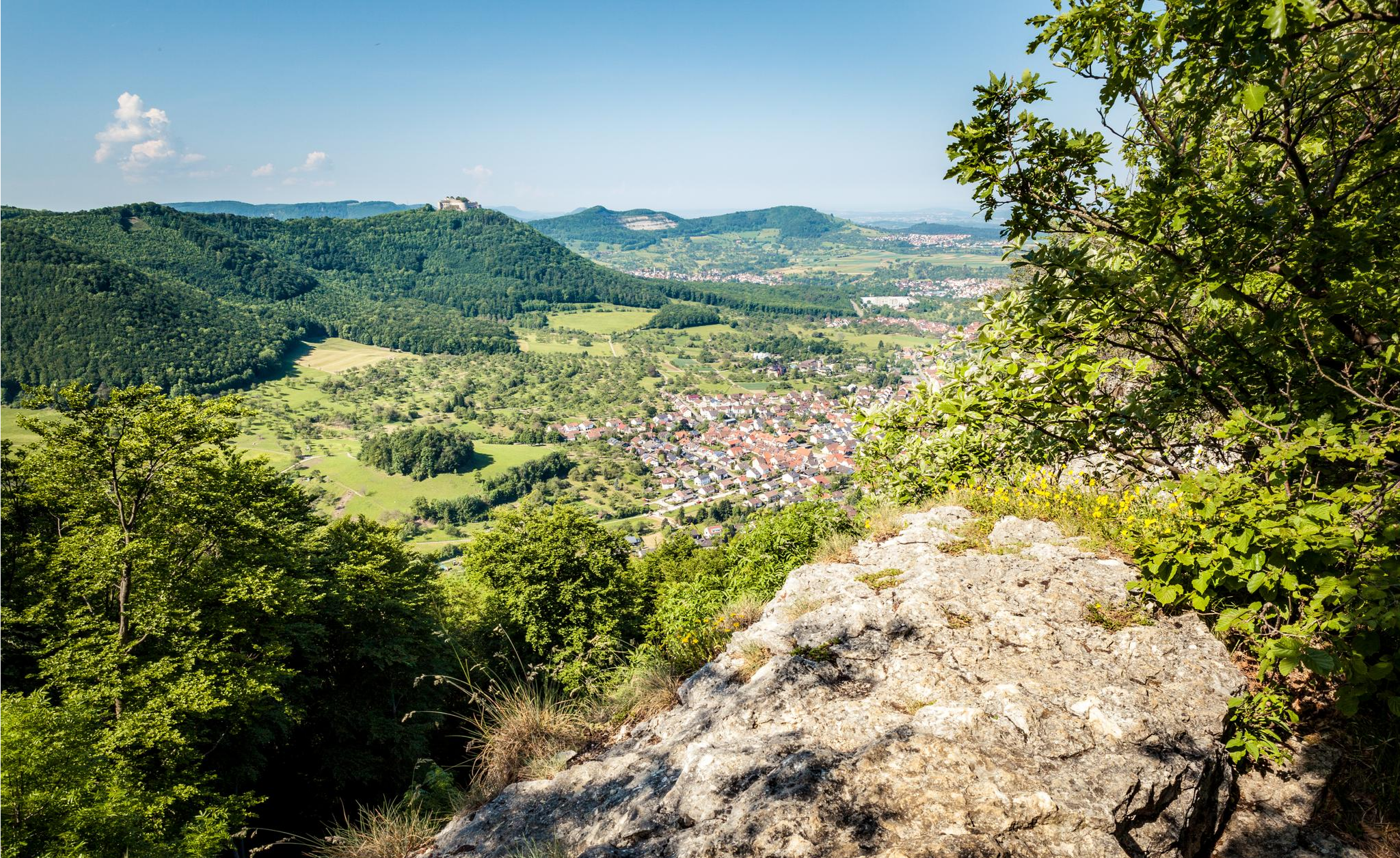
Between the Alb and Neckar – weekend outdoor escapes
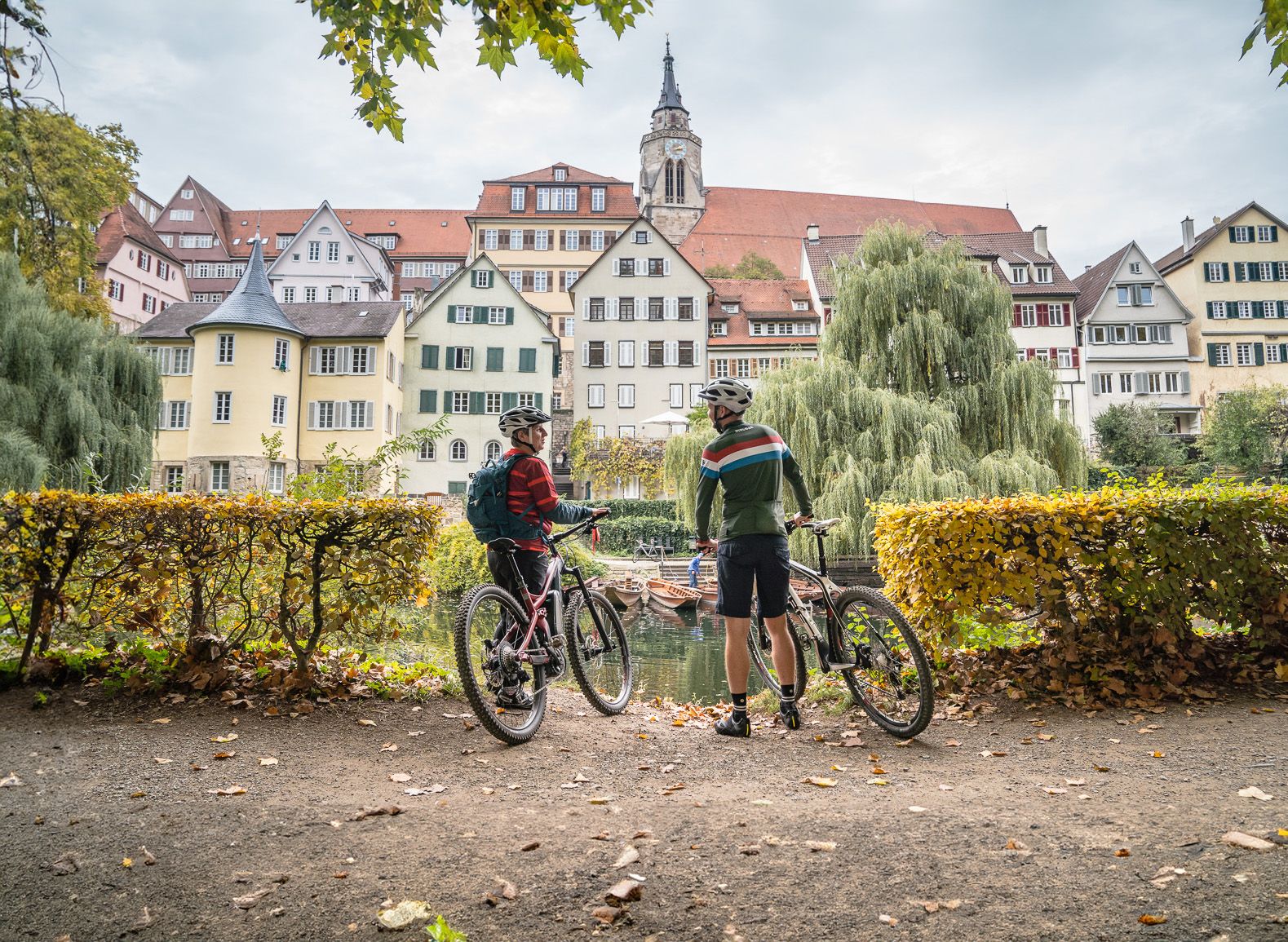
Discover the Früchtetrauf — cycle tours for the whole family
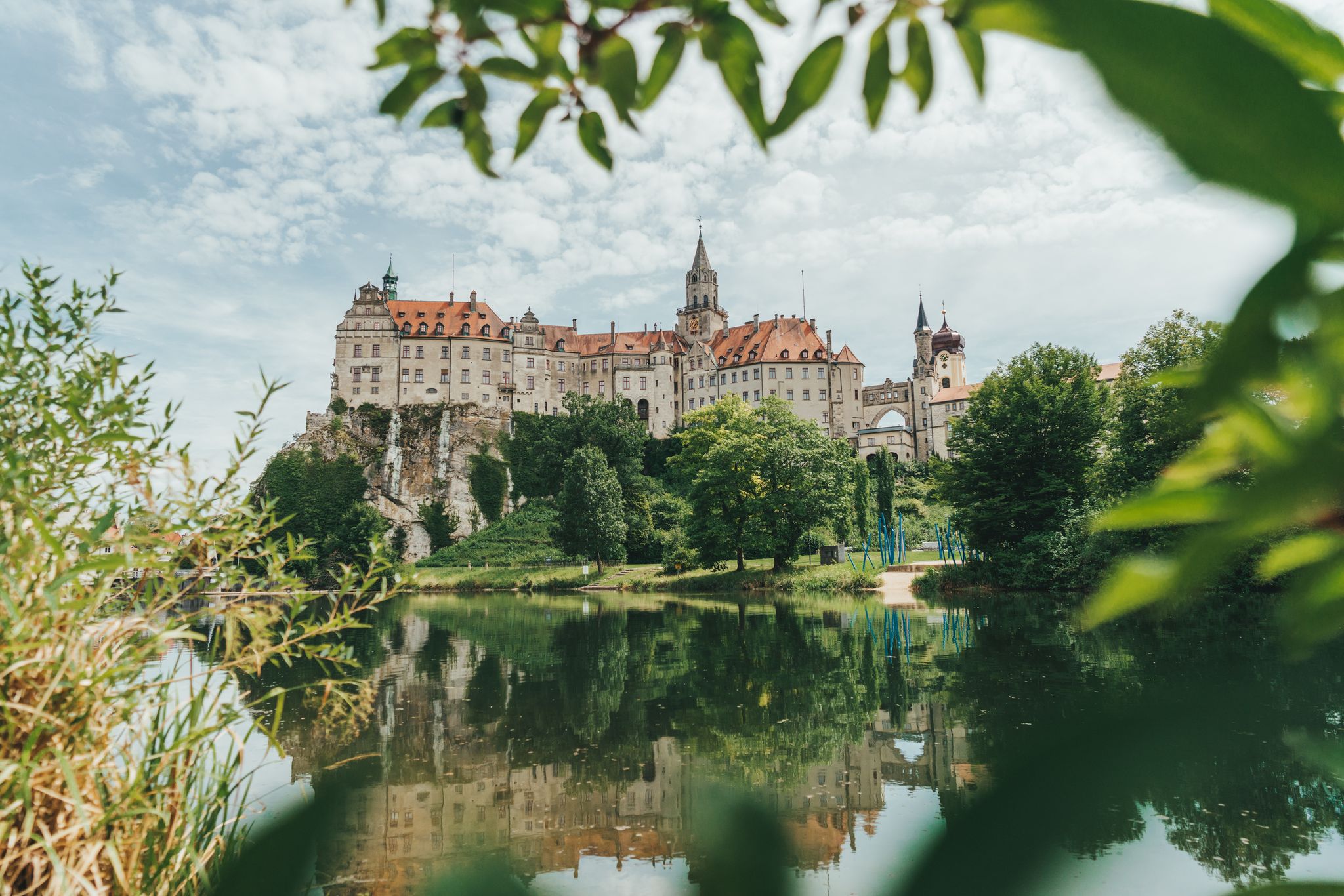
Germany’s Hohenzollern Cycle Path – 6 stages across the Swabian Alb
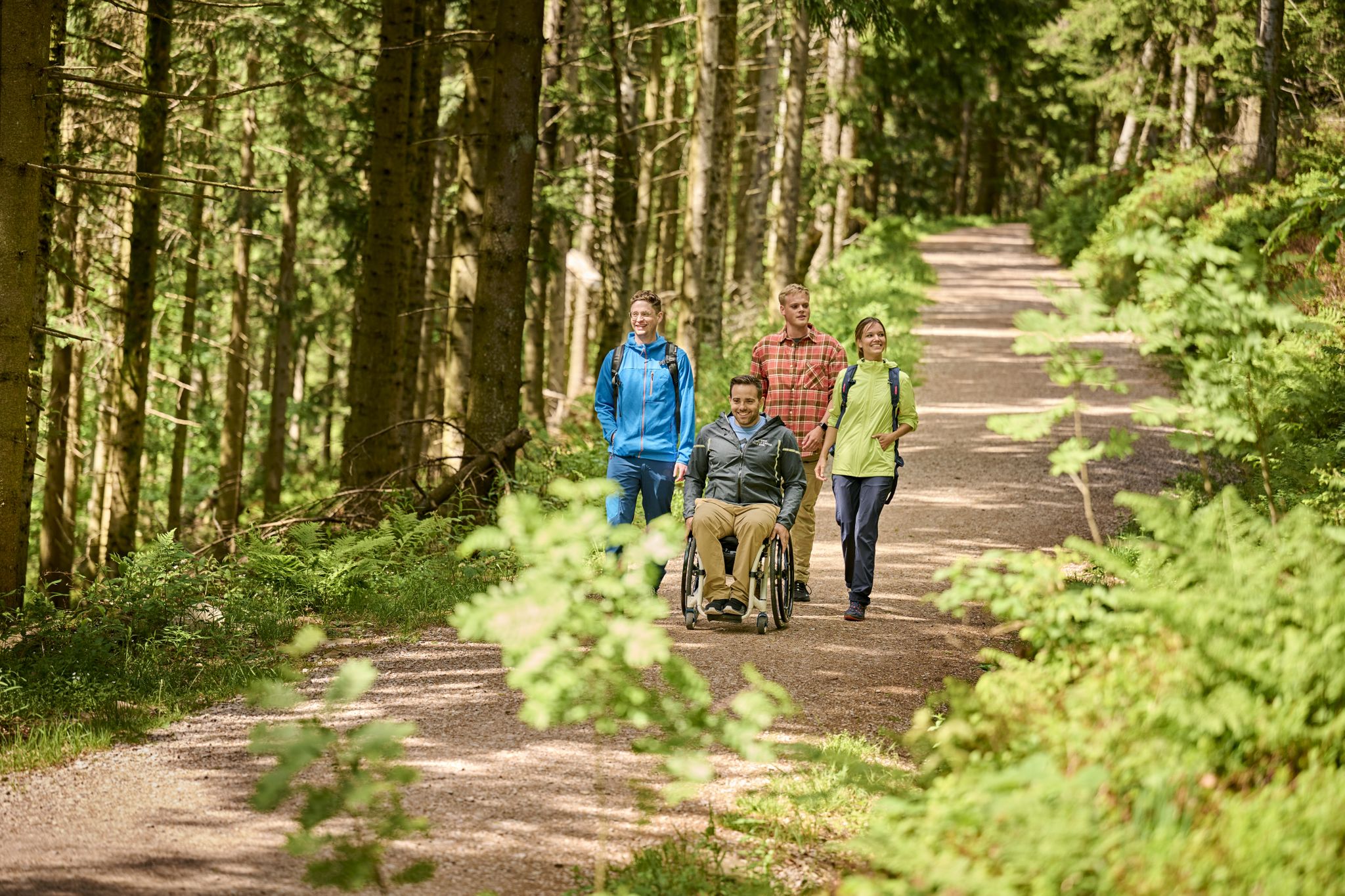
Accessible hiking routes in Baden-Württemberg
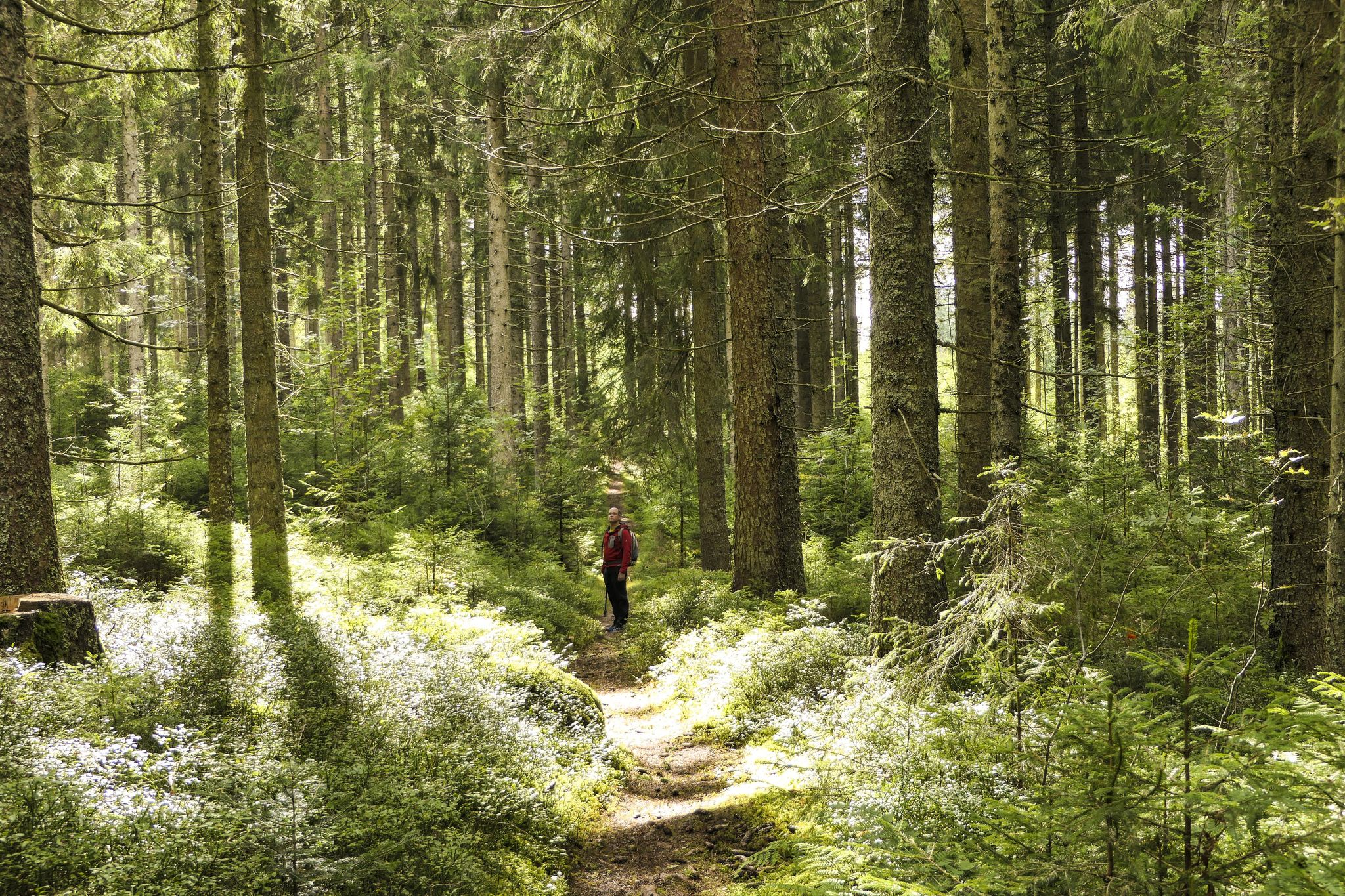
Discover 10 special protected natural areas in Germany’s Baden–Württemberg
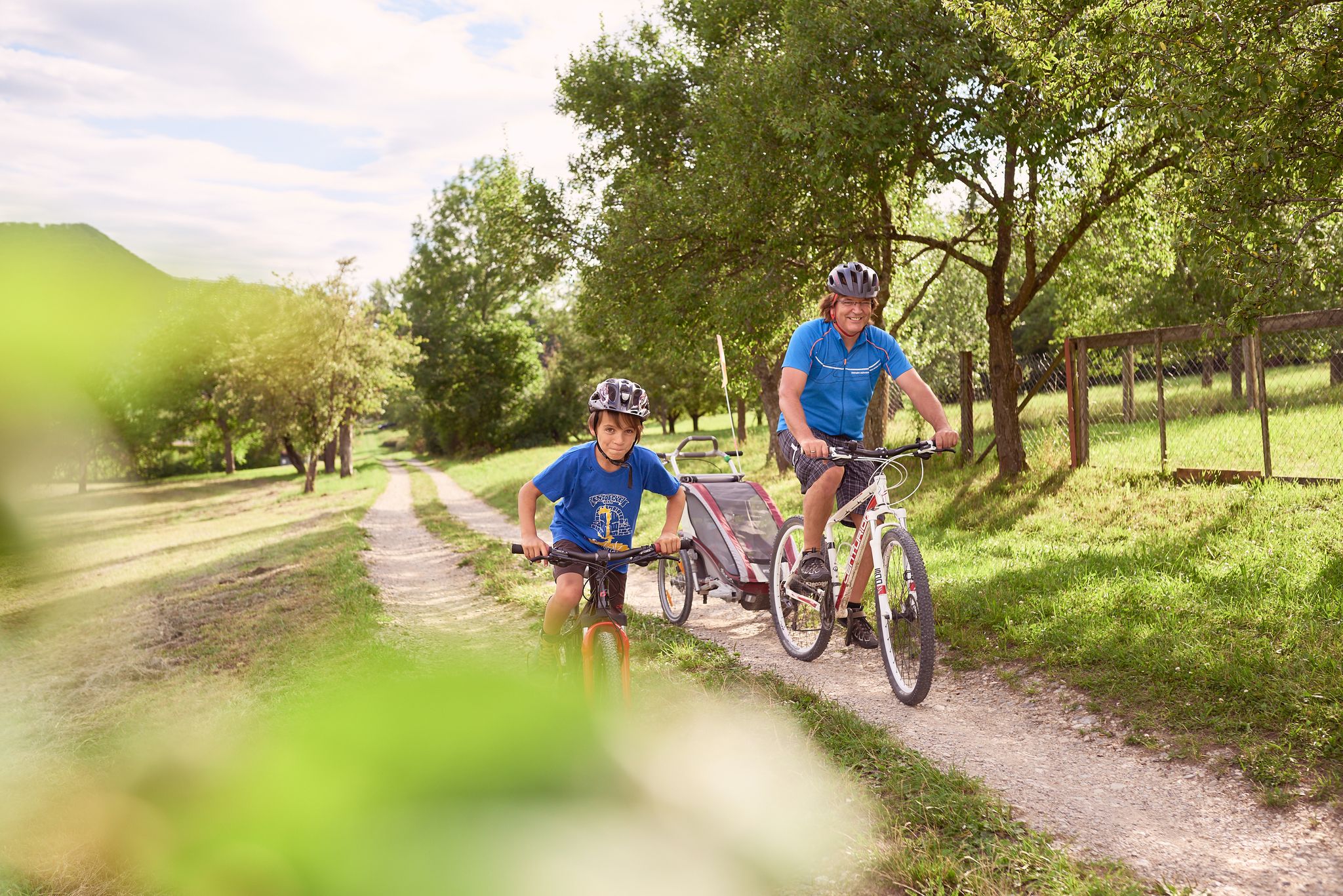
13 exciting themed bike Tours around Tübingen in Germany
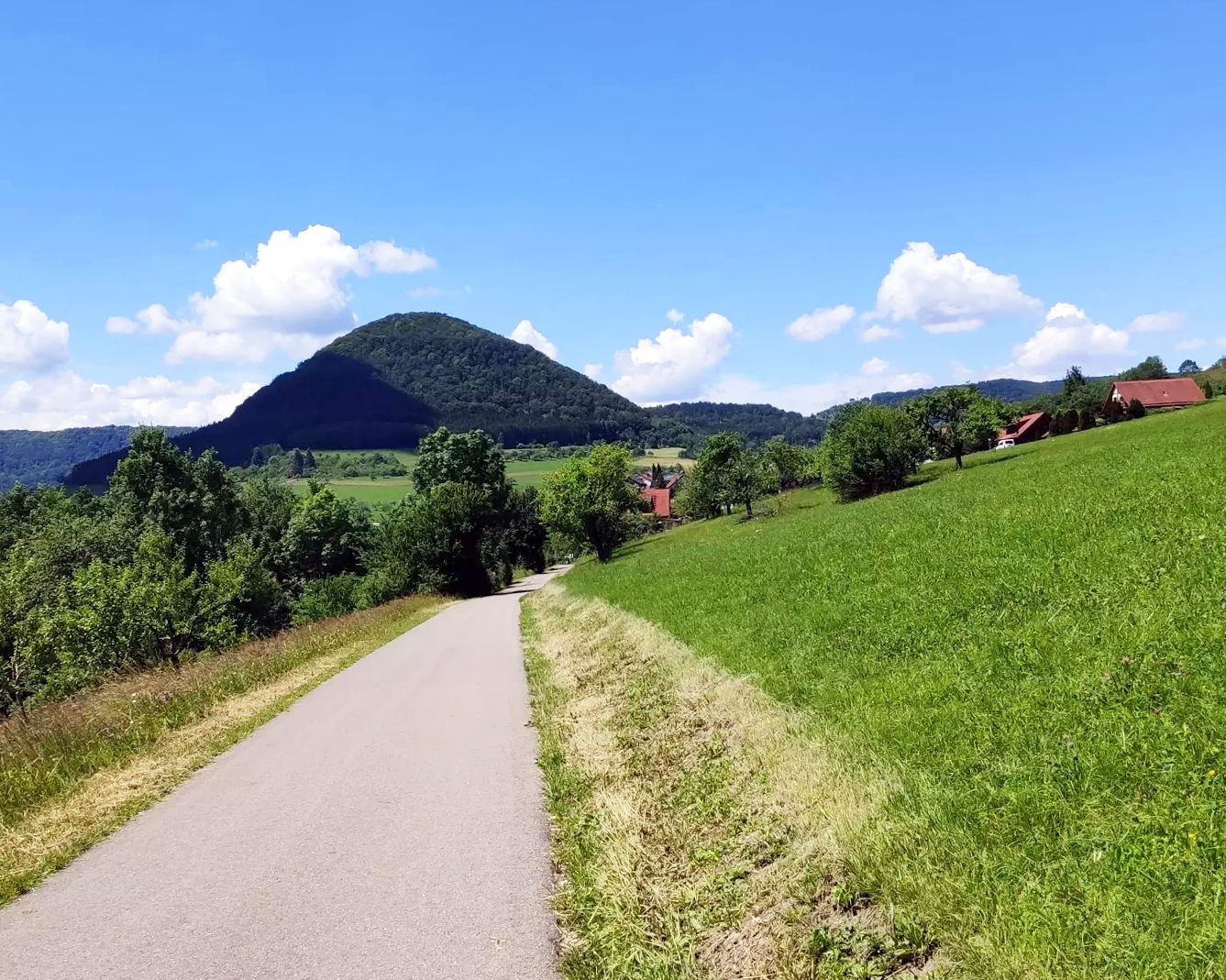
Ride the Stuttgart Region Electric Bike Tour through 5 rural districts
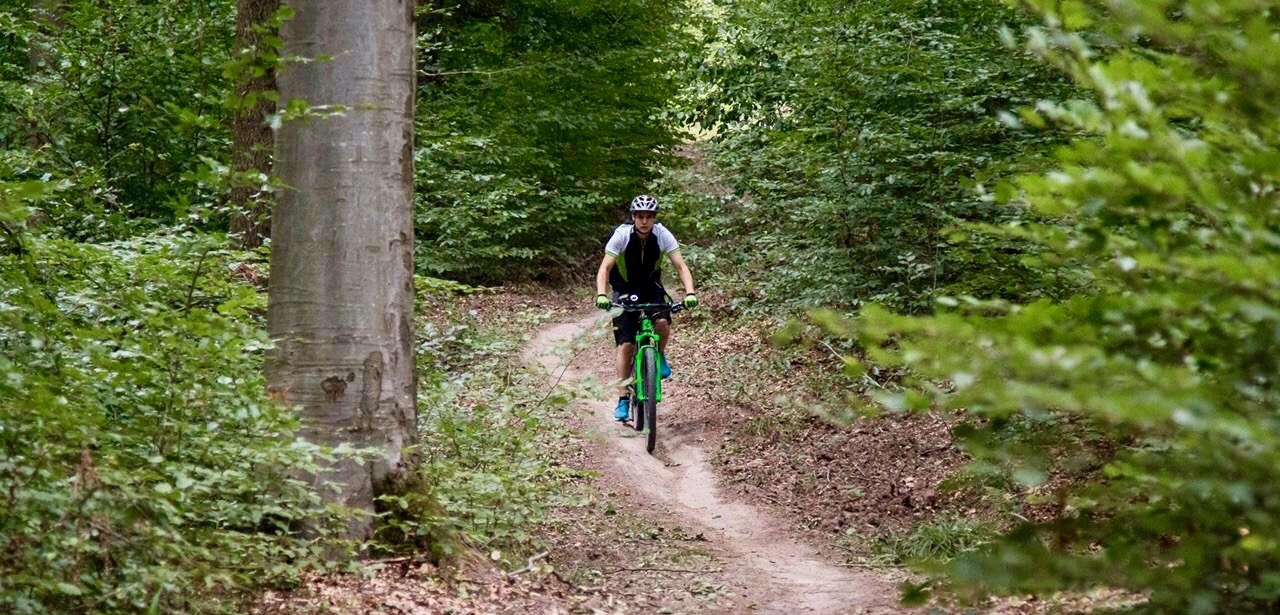
33 MTB trails through German forests
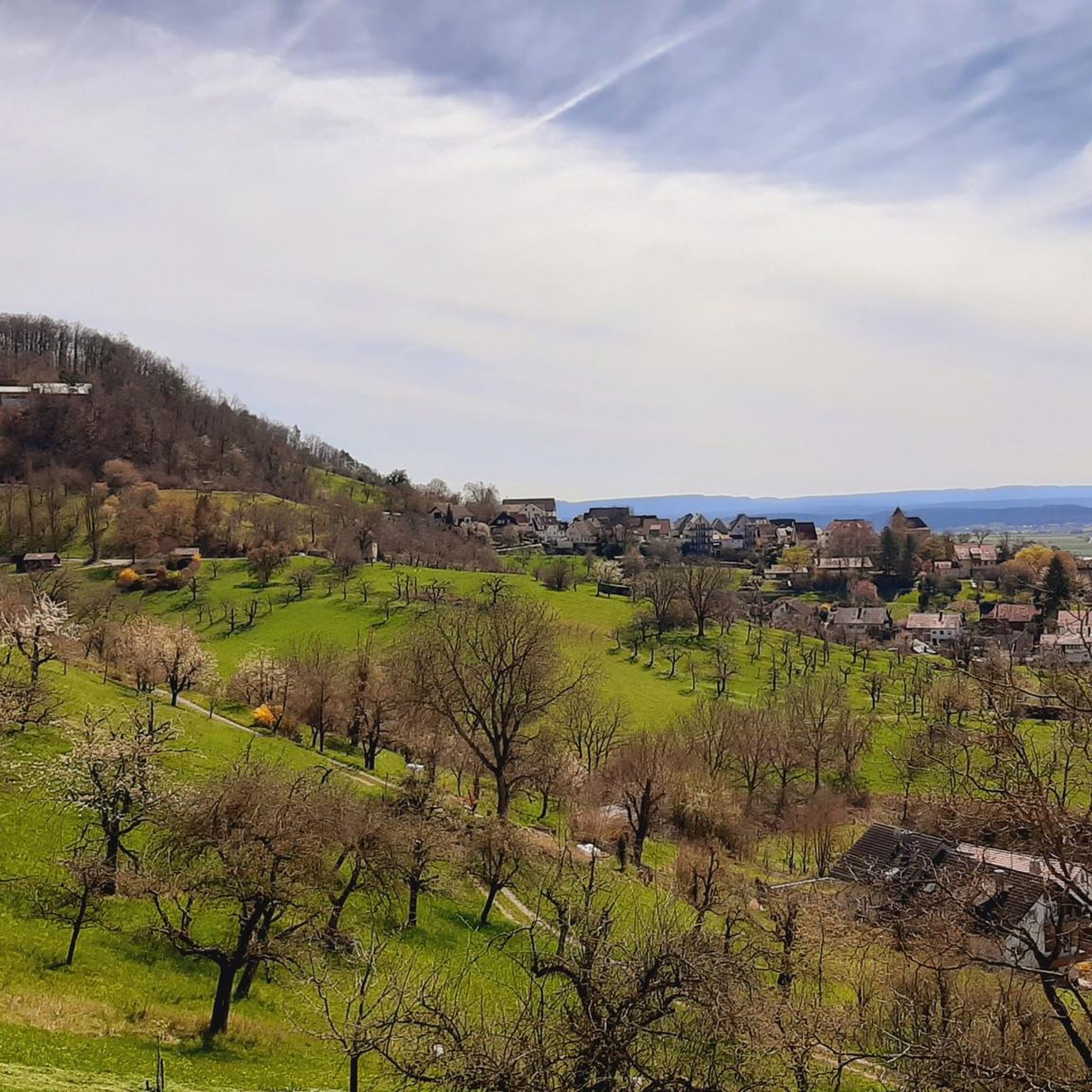
Hiking in Naturpark Schönbuch
Other adventures in Naturpark Schönbuch


Tips from the Community

Rötelberg reaches a proud height of 556 meters. Not even the highest point in the Netherlands can compete with that! ;-))
0
0

Here lie the remains of Müneck Castle. The castle mound and the very deep moat surrounding it are still clearly visible. A narrow path leads up the mound to the heart of the ruins. There, you'll find a few remnants of walls and hewn stone blocks. The castle was probably built in the 11th and 12th centuries by the Lords of Müneck as a defensive stronghold and was first mentioned in 1259. From the end of the 14th century onward, the castle was likely no longer used and gradually fell into ruin. It was also used as a quarry and dismantled accordingly.
0
0

Sculpture and information on "Markets and Water Rights" as part of the adventure tour "Cultural Landscape between Heckengäu and Schönbuch".
5
0

Roter Berg is a hill in Weil im Schönbuch, Böblingen district, Baden-Württemberg, and has an elevation of 370 meters. Roter Berg is located near the village of Steinenbronn and the town of Waldenbuch. Source: https://mapcarta.com/de/18034468
0
0
Rötelberg is a peak in Hildrizhausen, Böblingen district, Baden-Württemberg, and has an elevation of 556 meters. It is located near the village of Rohrau. Source: https://mapcarta.com/de/34754338
0
0


Frequently Asked Questions
What are the most notable elevated areas or peaks to visit in Naturpark Schönbuch?
Naturpark Schönbuch offers several distinct elevated areas. The highest point is Bromberg (583 meters), known for its peaceful forest paths and historical hermitage. The Stellberg (580.3 meters) is home to the impressive Schönbuch Tower, offering panoramic views. The Kirnberg features a unique Geological Educational Trail, while the Schönbuchtrauf escarpment provides breathtaking vistas along its popular hiking routes. Other notable peaks include Rötelberg, Southern Rohraukopf, and Red Mountain.
Where can I find the best panoramic views in Naturpark Schönbuch?
For spectacular panoramic views, head to the Schönbuch Tower on the Stellberg. This 35-meter-high observation tower provides a 360-degree vista over the Schönbuch, extending to Stuttgart, the Swabian Alb, and even the Black Forest on clear days. Additionally, the Schönbuchtrauf escarpment along the park's southwestern edge offers breathtaking views of the Ammer Valley, Neckar Valley, Gäu plain, and the distant Swabian Alb.
Are there any historical sites or cultural landmarks on the peaks?
Yes, Naturpark Schönbuch has several historical and cultural points of interest. The Bromberg, the highest point, was historically home to a hermitage and features a former chapel. The Kirnberg offers a fascinating Geological Educational Trail, originally established in 1977, which explores the park's ancient geological history. You can also visit the Müneck Castle Ruins, which, while not a peak itself, is an elevated historical site offering great views and trails.
What is the highest point in Naturpark Schönbuch?
The highest point in Naturpark Schönbuch is Bromberg, reaching an elevation of 583 meters. It offers a sense of accomplishment for hikers and can be reached via well-maintained forest paths.
Are there family-friendly hiking options around the peaks?
Yes, Naturpark Schönbuch offers family-friendly options. The Kirnberg features an accessible Geological Educational Trail (Geologischer Lehrpfad Kirnberg) marked with dinosaur figures and 13 stations explaining geological formations, making it both educational and enjoyable for families. The park generally has over 600 kilometers of marked hiking trails, many suitable for various fitness levels, including easier routes like the 'Schönbuch Nature Park: Kirnbach Geological Nature Trail' which is an easy 5.1 km hike.
What kind of wildlife can I expect to see in Naturpark Schönbuch?
Naturpark Schönbuch is rich in biodiversity. Visitors can immerse themselves in near-natural forests and encounter diverse flora and fauna. The park is home to red deer, various bat species, and rare birds, offering excellent opportunities for wildlife observation.
Are there specific hiking trails recommended for exploring the peaks?
Yes, several trails are recommended for exploring the elevated areas. The 'Schönbuchspitzrunde' and 'Ammerbucher Gigeleswegle' are popular hiking trails that run along the Schönbuchtrauf escarpment, offering spectacular panoramic views. For general hiking in the region, you can find many options in the Hiking in Naturpark Schönbuch guide, including moderate routes like 'Nice trail in the Schaich Valley' or easy options like 'Heuberg-Runde'.
What are the options for mountain biking near the peaks?
Naturpark Schönbuch offers numerous cycling paths, including options for mountain biking. You can explore various routes such as the 'Hofmeister Trail – Deponie Trail Schaichtal loop from Pfrondorf' or the 'Sommertal Pond – Grafenberg Trail loop from Hildrizhausen'. More mountain biking routes can be found in the MTB Trails in Naturpark Schönbuch guide.
When is the best time of year to hike the peaks in Naturpark Schönbuch?
Naturpark Schönbuch is enjoyable year-round. Spring brings lush greenery and blooming flora, while autumn offers vibrant fall colors, making both seasons particularly scenic for hiking. Summer is ideal for longer days and warmer weather, and even winter provides opportunities for peaceful walks, especially on well-maintained paths, though appropriate gear is recommended.
How accessible are the peaks in Naturpark Schönbuch by public transport or car?
Naturpark Schönbuch is generally accessible. While some peaks like the Bromberg do not have public roads leading directly to the summit, they can be reached via well-maintained forest paths from various entry points. The Schönbuch Tower on the Stellberg is very popular, with a car park just 400 meters away, making it easily reachable. The park's varied offerings and accessibility make it a rewarding destination.
Can I bring my dog on the trails around the peaks?
Yes, Naturpark Schönbuch is generally dog-friendly. Many of the numerous hiking trails throughout the park are suitable for dogs, allowing you to enjoy the natural environment with your canine companion. Always ensure your dog is kept on a leash where required and respect local regulations.
What makes the Kirnberg unique among the peaks?
The Kirnberg is unique for its Geological Educational Trail (Geologischer Lehrpfad Kirnberg). This trail takes visitors on an educational journey through the park's ancient geological history, including insights into the Keuper landscape formed over 200 million years ago. It's marked with dinosaur figures and features 13 stations explaining the geological formations, making it an engaging experience for all ages.
Most popular routes in Naturpark Schönbuch
Most popular attractions in Naturpark Schönbuch

Get inspired with the komoot mobile app


Explore more
See even more amazing summits in Naturpark Schönbuch with these guides:
