Attractions and Places To See in Nsg Laubenheimer-Bodenheimer Ried - Top 5
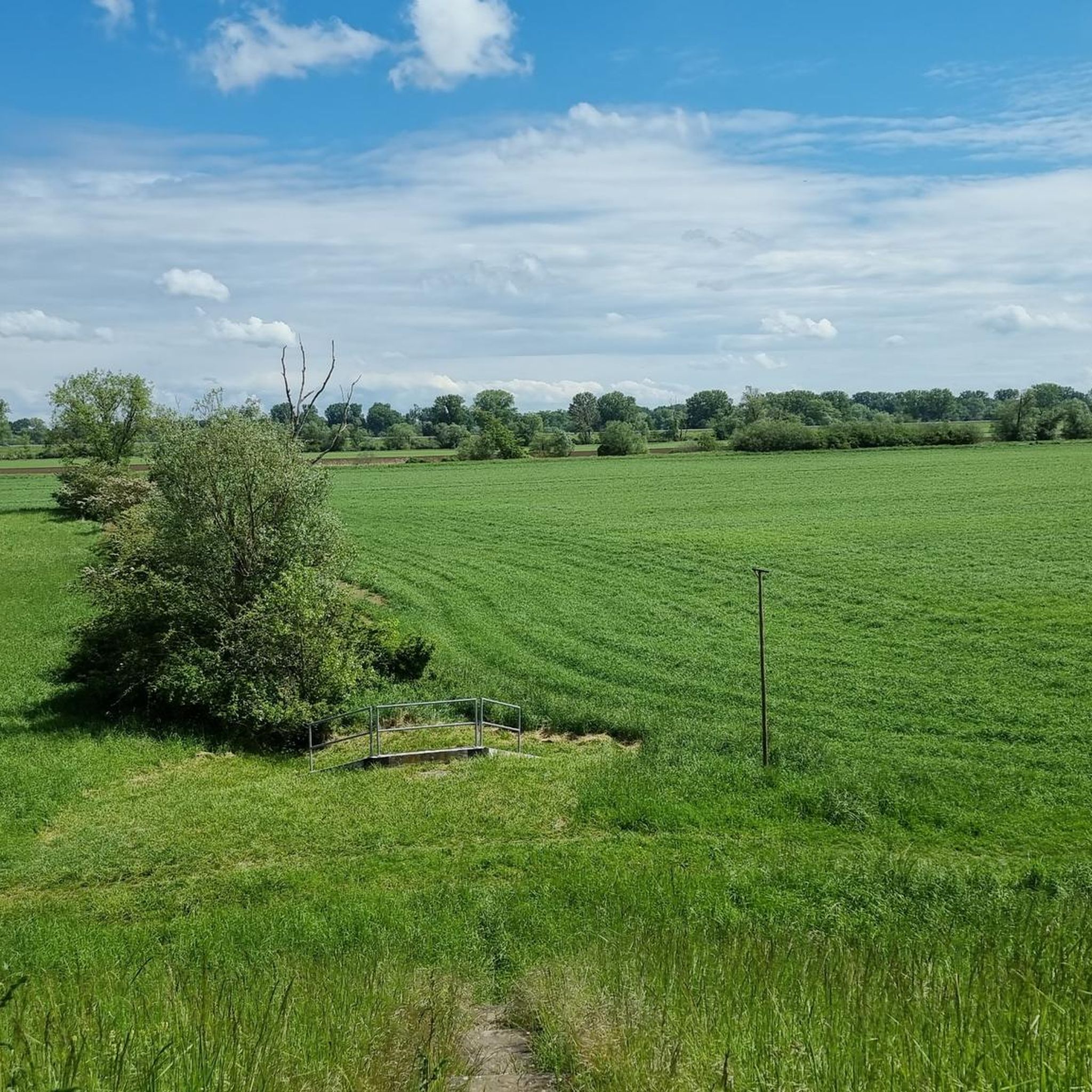
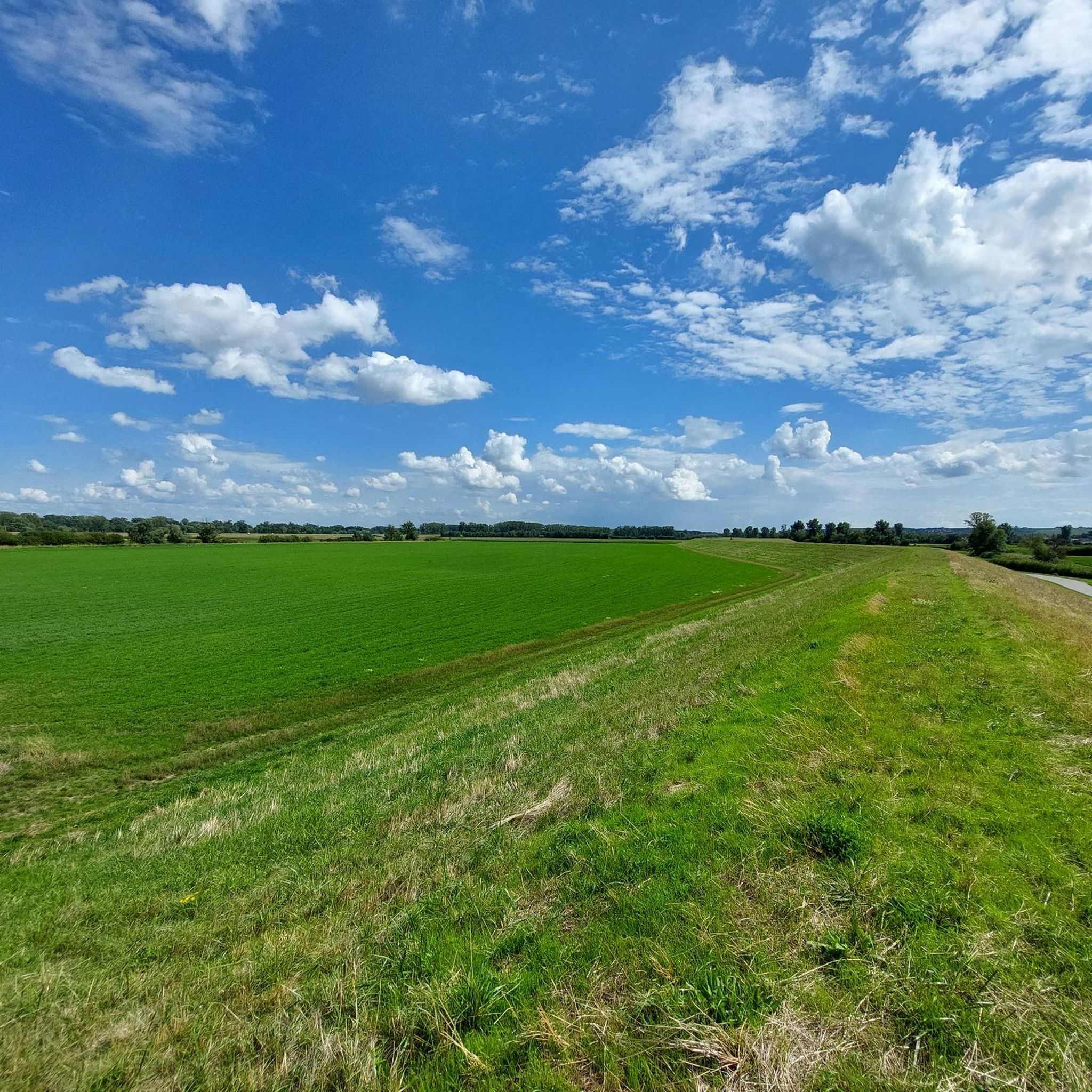
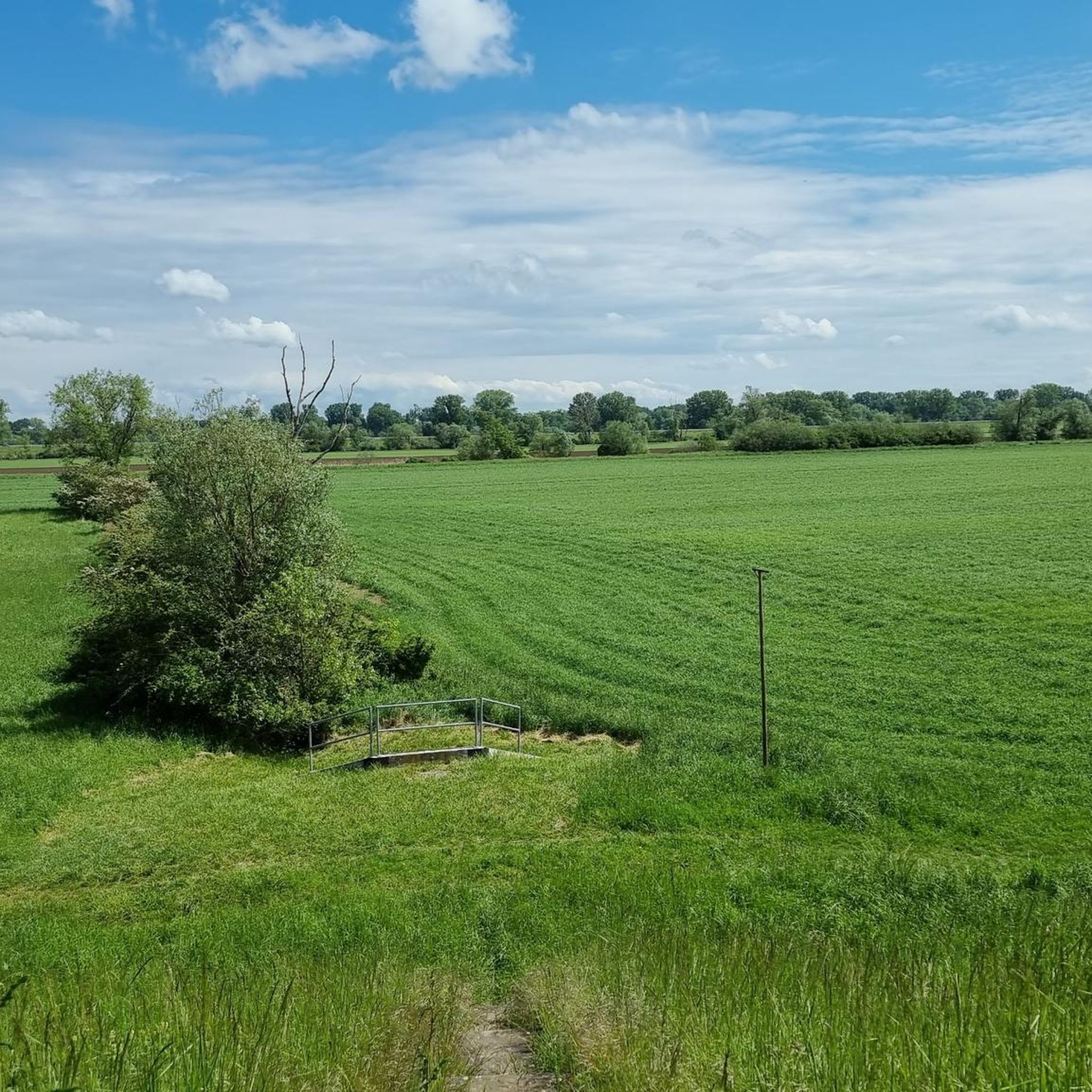
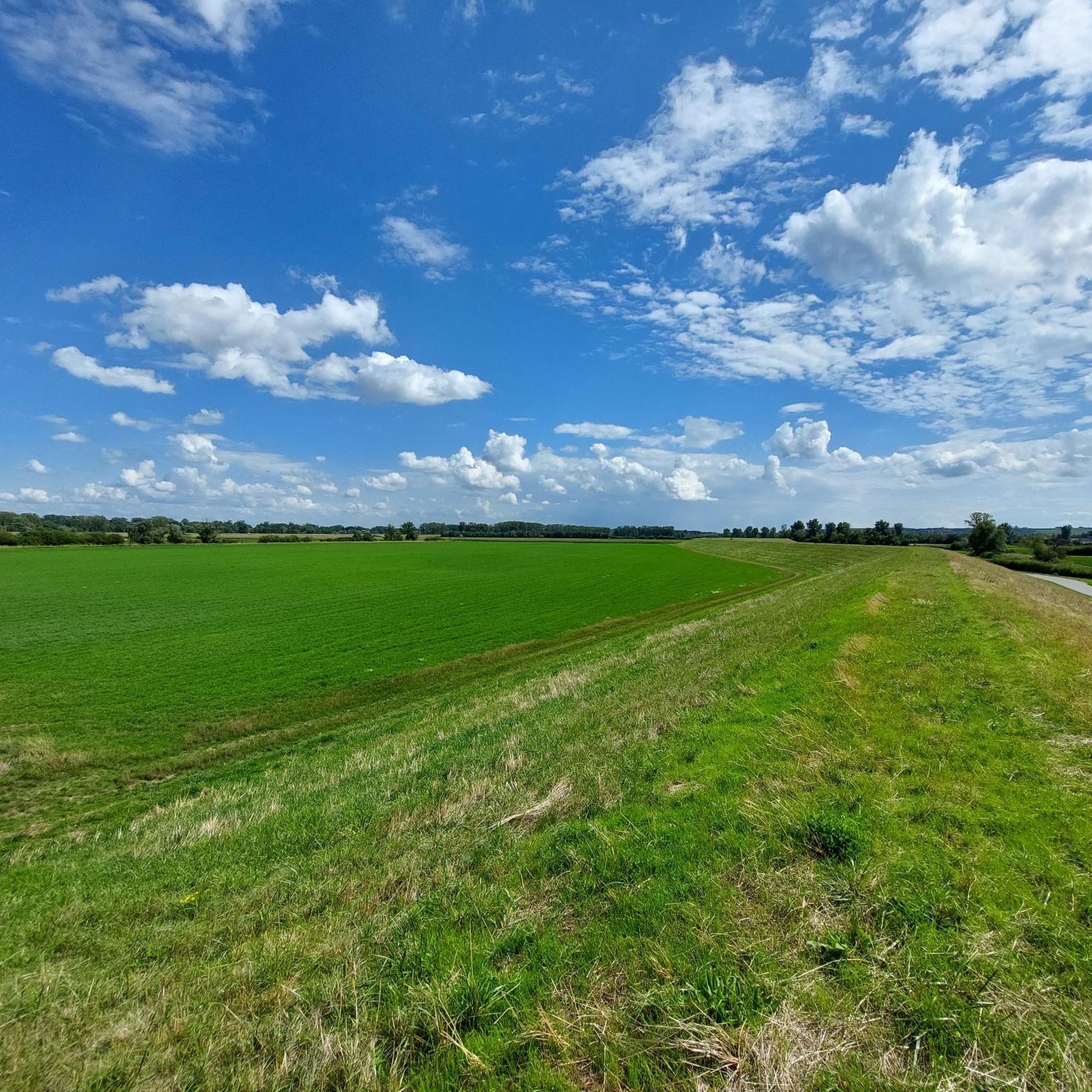
Best attractions and places to see in Nsg Laubenheimer-Bodenheimer Ried include a diverse array of natural features and trails. This nature reserve spans approximately 180 hectares near Mainz, Germany, characterized by floodplain habitats, reed beds, and river valley meadows. It is designated as an EU-protected Fauna, Flora, Habitat (FFH) and bird sanctuary, supporting a wide range of plant and animal species. Visitors can explore various trails and observe the area's biodiversity, including significant birdlife and unique flora.
Best attractions and…
Last updated: July 5, 2026
Woodland Path Between the Lakes in Laubenheimer-Bodenheimer Ried
Highlight (Segment) • Trail
Translated by Google •
Tip by

Polderkönig Route
Highlight (Segment) • Cycleway
Translated by Google •
Tip by

Sign up now to discover places like this
Get recommendations on the best single tracks, peaks, & plenty of other exciting outdoor places.
Sign up for free
Former Boundary Stone of Laubenheim
Highlight • Monument
Translated by Google •
Tip by

Cycle Path Around the Laubenheim-Bodenheim Retention Basin
Highlight (Segment) • Cycleway
Translated by Google •
Tip by

Laubenheimer Ried
Highlight • Cycleway
Translated by Google •
Tip by

Start today with a free account
Your next adventure awaits.
Login or Signup
Popular around Nsg Laubenheimer-Bodenheimer Ried
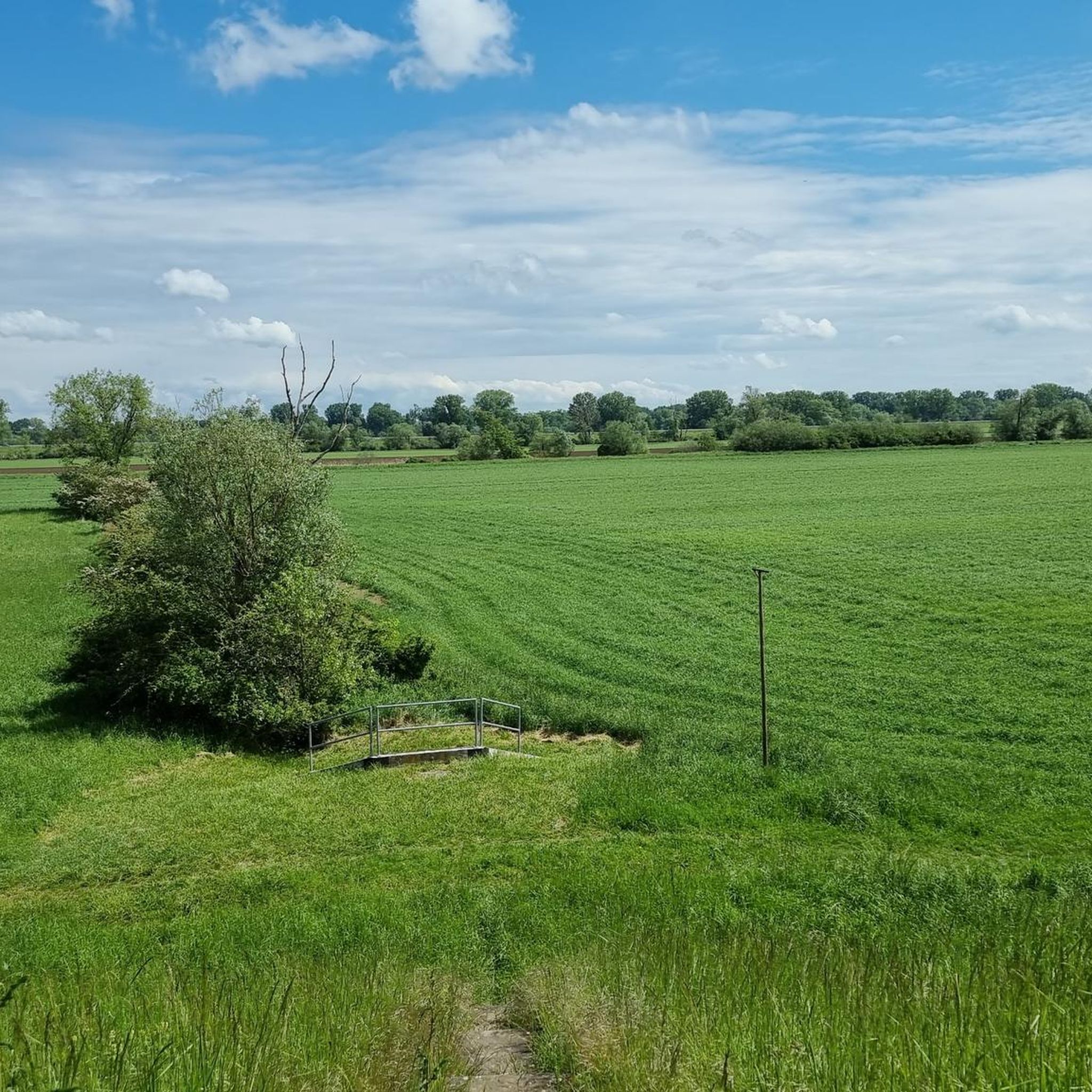
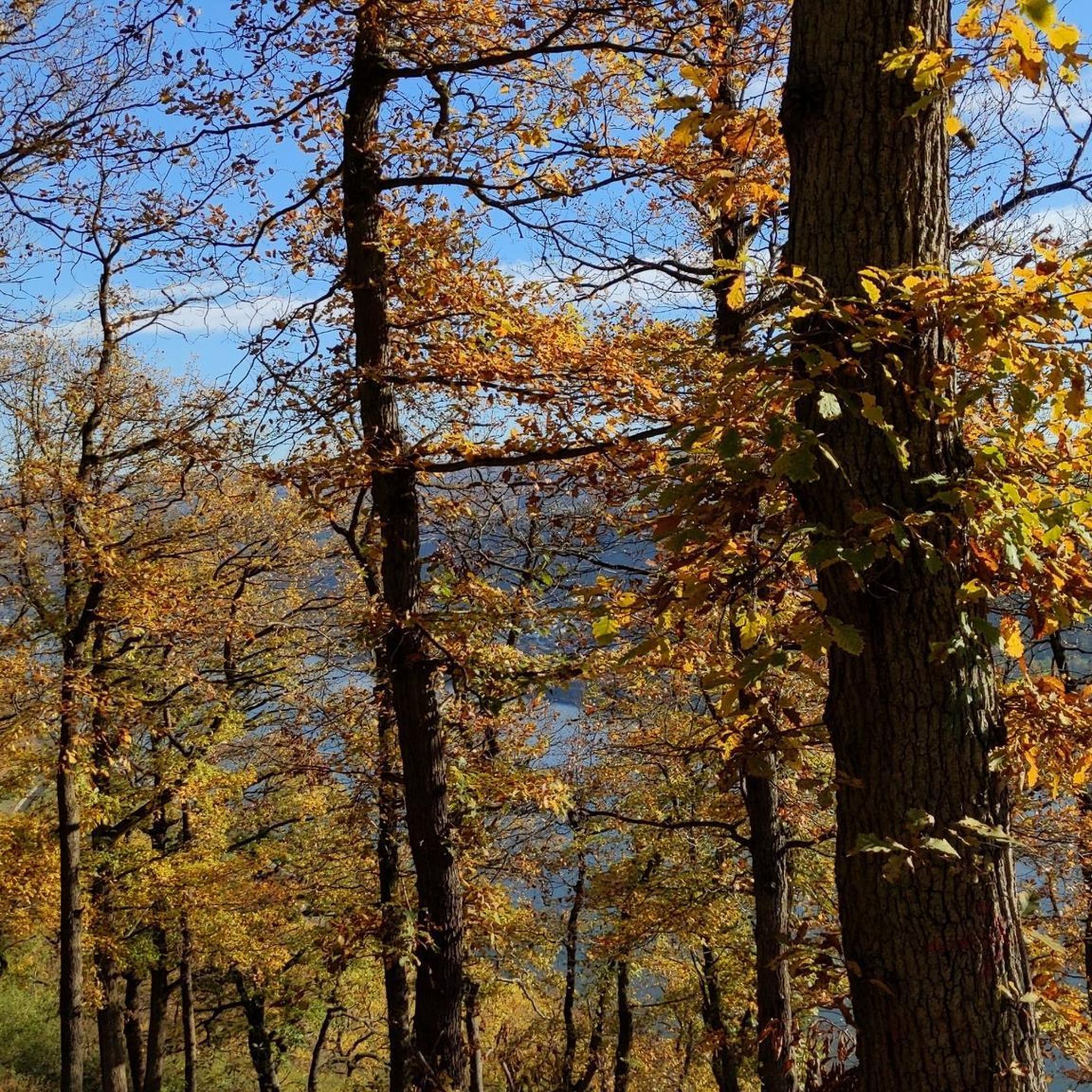
Tips from the Community

The stone once marked the boundary between the Laubenheimer Meadows and a cow pasture belonging to Hechtsheim, located in the middle of the Laubenheimer Meadows. The stone was moved as part of the land consolidation process. Before the stone became a boundary stone, it is possible that it was used as a cult stone (menhir) between 5,000 and 2,000 BC.
2
0
"The Laubenheimer-Bodenheimer Ried is subject to several protection categories, up to the highest EU protection as a Habitats Directive (FFH). These underscore the special value and irreplaceability of the animal and plant species living here." (Wikipedia: https://de.wikipedia.org/wiki/Laubenheimer-Bodenheimer_Ried)
0
0


Particularly beautiful in the evening at sunset
2
0

Currently very overgrown and therefore very narrow and therefore hardly any view of the water surface.
3
0

The stone was moved here in 1971
0
0

A thick monolith stands a little abruptly on the way - it is a former boundary stone between Laubenheim and a community that no longer exists.
3
0
Narrow path through the Laubenheimer Ried - in some places the only one. It is a nature reserve, so please stay on the path.
3
1
Frequently Asked Questions
What kind of wildlife can I expect to see in Nsg Laubenheimer-Bodenheimer Ried?
The reserve is a haven for diverse wildlife, especially birds. You can spot endangered species like the little bittern, various warblers, and the bluethroat. It's also home to the largest white stork colony in Rhineland-Palatinate. Beyond birds, look out for crested newts, grass snakes, and many species of dragonflies. Spring is particularly vibrant with a 'frog concert' around the ponds.
Are there specific natural features or viewpoints to observe the landscape?
Yes, the reserve features several key natural areas. The North, South, and East Ponds are crucial habitats for aquatic species and birds. You can also access the re-naturalized banks of the Rhine, which include a sandy beach, offering tranquil views. The diverse floodplain habitats, reed beds, and river valley meadows themselves provide a rich landscape to observe.
What unique plant species can be found in the Nsg Laubenheimer-Bodenheimer Ried?
The Ried boasts over 630 vascular plant species. Notable flora includes the rare meadow iris, marsh spurge, and marsh mallow. Other unique plants like cowbane, angular garlic, and Siberian iris thrive here. You'll also find numerous halophytes (salt-loving plants) along paths, which is unique for Rhineland-Palatinate. The landscape offers a changing display of blossoms throughout the year, from primroses in spring to wild oregano on the polder dike.
Are there good cycling paths in the Nsg Laubenheimer-Bodenheimer Ried?
Absolutely. The region is well-suited for cycling. Popular options include the Nackenheim–Laubenheim Cycle Path, which offers a good surface and no cars, passing through a large bird sanctuary. Another option is the Cycle Path Around the Laubenheim-Bodenheim Retention Basin, known for its smooth asphalt. For a more challenging experience, the Polderkönig Route is a flat section where a 24-hour cycling event takes place.
What kind of walking or hiking trails are available?
The reserve offers well-maintained paths for walking. A circular walking route of approximately 6.5 km allows you to explore the diverse habitats. You can also experience the Woodland Path Between the Lakes in Laubenheimer-Bodenheimer Ried, a narrow trail that can feel like a 'jungle landscape' in places, offering unique views of the water. Informative photo panels along paths originating from Laubenheim provide insights into the area's natural heritage.
Are there opportunities for running in the area?
Yes, the flat terrain and well-maintained paths make the Nsg Laubenheimer-Bodenheimer Ried suitable for running. You can find various routes, such as the 'Laubenheimer Ried loop from Mainz-Laubenheim' which is a moderate 9.9 km run. For more options, explore the dedicated running guide for the area: Running Trails in Nsg Laubenheimer-Bodenheimer Ried.
Is Nsg Laubenheimer-Bodenheimer Ried suitable for families and children?
Yes, the reserve is generally family-friendly. The flat and well-maintained paths are suitable for leisurely walks and cycling with children. The opportunity to observe diverse birdlife, including the white storks, and the 'frog concert' in spring can be engaging for younger visitors. The Nackenheim–Laubenheim Cycle Path is also categorized as family-friendly.
Are there any historical or cultural sites to visit in the reserve?
While primarily a natural reserve, you can find the Former Boundary Stone of Laubenheim within the area. This thick monolith once marked the boundary between Laubenheim and a former community, and may have served as a cult stone thousands of years ago. The adjacent district of Laubenheim, a former wine-growing village, also offers its own historical charm with baroque courtyards.
What is the best time of year to visit Nsg Laubenheimer-Bodenheimer Ried?
The reserve offers something throughout the year. Spring is particularly recommended for birdwatching, as many species are active and the 'frog concert' is in full swing. The flora also provides a changing display of blossoms throughout the year, making any season beautiful for nature observation. For cycling, the flat paths are enjoyable in milder weather.
Is the Nsg Laubenheimer-Bodenheimer Ried accessible for wheelchairs or strollers?
Some parts of the reserve are accessible. The Nackenheim–Laubenheim Cycle Path and the Cycle Path Around the Laubenheim-Bodenheim Retention Basin are categorized as wheelchair accessible due to their good surfaces and flat profiles. However, other trails, like the Woodland Path Between the Lakes, can be narrow and overgrown, making them less suitable for wheelchairs or strollers.
What are the parking options for visitors?
While specific parking locations are not detailed, visitors typically access the reserve from nearby towns like Laubenheim or Bodenheim. It is advisable to look for designated parking areas in these adjacent communities, which often provide access points to the reserve's paths.
What do visitors enjoy most about Nsg Laubenheimer-Bodenheimer Ried?
Visitors frequently praise the well-developed, car-free paths, especially for cycling, and the opportunity to observe rare bird species in the large bird sanctuary. The unique 'jungle landscape' feel of some trails and the tranquil re-naturalized Rhine banks are also highly appreciated. The flat terrain makes it an enjoyable destination for various outdoor activities.
Most popular routes in Nsg Laubenheimer-Bodenheimer Ried

Get inspired with the komoot mobile app


Explore more
Still not found the Highlight you’re looking for? See guides of the top attractions in other regions:
